Can a Desktop DTF Printer Handle Multi-Fabric Printing?
Introduction
- Introduction
- Understanding Desktop DTF Printers and Their Multi-Fabric Capabilities
- Can Desktop DTF Printers Print on Multiple Fabric Types?
- Best Practices for Optimizing Desktop DTF Printing on Multiple Fabrics
- Decision-Making Guide: Choosing the Right Desktop DTF Printer for Multi-Fabric Needs
- Future Trends and Innovations in Desktop DTF Printing for Multi-Fabric Applications
- Conclusion
- FAQ
- Partner with a Trusted Desktop DTF Printer Manufacturer
- References
The short answer is yes—a desktop DTF printer can effectively handle multi-fabric printing across cotton, polyester, blends, nylon, canvas, and even leather. This capability stems from the unique transfer film and adhesive powder mechanism employed in Direct-to-Film technology. Unlike traditional screen printing or sublimation, DTF uses pigment inks that cure onto a PET film before transferring to textiles, creating a durable bond regardless of fabric composition or color. This versatility makes compact DTF systems particularly attractive for B2B operations managing diverse product lines, from custom apparel to promotional merchandise, without the need for multiple specialized machines or extensive fabric pretreatment protocols common in DTG workflows.
Introduction
There has been a big change in the clothing decoration business toward digital printing methods that are both quick and flexible. Desktop DTF printing is one of the most useful new technologies for companies that want to offer more services but don't have a lot of money to spend. As purchasing managers and distributor owners look at new equipment, being able to print successfully on a variety of cloth substrates has become an absolute must.
This guide looks at how small DTF systems solve the problem of various fabrics, which in the past needed more than one technology or delivery from outside the company. We look at the technical foundations that allow a wide range of materials to work together, figure out how they would perform in the real world, and give decision-makers who are weighing financial choices useful information they can use. Understanding these features will help you see how DTF technology fits into current textile customization processes, whether you run a small shop that makes samples or a bulk distribution network.
Understanding Desktop DTF Printers and Their Multi-Fabric Capabilities
How DTF Technology Differs from Traditional Methods
Direct-to-Film processes on desktop systems work very differently from direct-to-garment or heat transfer vinyl processes. Using precise printheads like the Epson F1080-A1, the printer puts CMYK plus white pigment inks on a special PET film. The CMYK layers make up the final picture, and the white ink acts as an underbase to keep the colors bright on dark fabrics. After printing, hot-melt glue powder is put on top of the still-wet ink and left to dry in an oven or heat tunnel set to about 150°C. This makes a transfer that can be put on with a heat press and sticks to almost any fabric with thermoplastic stickiness instead of ink absorption.
Ink Chemistry and Material Bonding
In DTF systems, the pigment-based ink has bits that physically lock into the adhesive layer instead of going through the fiber structures. This difference is what makes it possible for the same printer to work just as well with polyester, which doesn't absorb water, and cotton that does. The sticky powder, which is usually made of polyurethane, melts when heated and forms a flexible membrane that stretches with the cloth. This membrane stays stuck even after washing and being stressed mechanically. When DTF transfers are properly cured, they get wash fastness scores of at least AATCC Grade 4.0 on a variety of surfaces.
Print Resolution and Color Accuracy
These days' small models can reach resolutions of up to 1600 DPI, which lets you see fine details and colors that look smooth. The two-layer white ink method solves a problem that has been around for a long time in textile printing: getting opaque on dark or colored fabrics without having to print them more than once. With its 300mm print width and uniform white underbase covering, the Fedar FD-D300, which uses a single Epson F1080-A1 printhead, shows that it can do this. With its two heads, the FD-D302 model doubles output, printing A3-sized documents at 31 sheets per hour while keeping the same color accuracy. This level of accuracy is important when making samples to get brand approval or when making sure that small batch runs are all the same. Learning about desktop DTF printers and how they can print on multiple fabrics is essential for modern production.
Can Desktop DTF Printers Print on Multiple Fabric Types?
Fabric Compatibility Spectrum
Regular tests in the real world show that DTF transfers work well on cotton jerseys, polyester performance wear, cotton-poly mixes, nylon jackets, canvas tote bags, and even leather accessories. This range covers most of the tailoring needs for B2B without having to change any tools. One small unit can handle orders for 100% cotton promotional t-shirts in the morning and orders for polyester sports outfits in the afternoon. The technology gets rid of the problems that sublimation (which needs polyester) and DTG (which has trouble with polyester and dark colors) have with certain fabrics. Can desktop DTF printers print on different kinds of fabric? The answer is a definitive yes.
Surface Texture Challenges and Solutions
DTF can work with a lot of different materials, but the effects depend on the surface properties. The finest details can be seen on fabrics that are smooth and tightly knit. On the other hand, surfaces with roughness, like fleece or terry cloth, may make the lines a little less sharp. Even though the sticky layer can handle rough surfaces better than ink-based methods, buying teams should still ask for sample prints on the fabrics they want to use. Because nylon is smooth and leather is dense, they need to be heated and pressed in different ways. Changing the temperature and stay time will make sure they stick properly without getting too hot or not joining at all.
Performance Across Production Scenarios
Boutique businesses like the zero-minimum freedom because it makes making one-of-a-kind things more cost-effective when one machine can handle different kinds of material. Partners in distribution who serve a wide range of end users can keep their supplies low while still being able to meet the needs of a wide range of orders. Print-to-press times for A4 drawings are an average of eight minutes, according to testing data from workshops using Epson-based compact systems. This means that samples can be approved or orders can be sent out the same day. This speed advantage grows when you don't have to do the fabric swaps and cleaning processes that other technologies need.
Best Practices for Optimizing Desktop DTF Printing on Multiple Fabrics
Material Preparation Protocols
In contrast to DTG methods, which need chemicals to be applied and allowed to cure before printing, most materials don't need to be treated first. For the best results, we press the fabrics for a short time before applying the transfer to get rid of any wetness or wrinkles and make sure they press evenly during the heat press cycle. When pressing synthetic mixes, they may need to be cooled for a short time to let the glue fully polymerize before they can be handled. These easy steps only take seconds, but make bonding last a lot longer.
Maintenance Routines for Consistent Quality
The titanium dioxide colors don't settle and clog the printheads when there are white ink movement systems. The Epson F1080-A1 heads work at their best when the nozzles are checked every day and cleaned once a week. The Fedar FD-D300 and FD-D302 models have automatic cleaning routines that run when the machine is not in use. This means that less human work is needed. Printheads can last longer than 12 months in normal production settings if they are properly maintained. This protects your investment and keeps sample quality uniform for agent pools.
Here are some useful tips that will help your tools last longer:
Daily Operations: Check the nozzles before production starts, wipe down the closing stations with lint-free cloths, and make sure the powder is applied evenly every time.
Weekly Attention: Once a week, you should use the printer software to run deep cleaning processes, check the film feed rollers for dirt, and set the temperature probes on the curing equipment.
Monthly Reviews: Every month, you should check the strength of the vacuum platen suction and replace any dampers on printheads that are deflecting. You should also keep track of color calibration drift so that the RIP software can be adjusted.
Following these rules will only take 30 minutes a week, but they will keep your desktop dtf printer from breaking down for hours at a time and needing expensive head repairs. Distribution partners say that regular repair is directly linked to happy customers and a high rate of return purchases.
Ink and Film Selection Strategy
Compatible products strike a good mix between price and quality. Professional RIP software automatically controls the depth of the white ink underbase based on how dark the cloth is in the design file. Eco-solvent and water-based inks are both legal in different places. For example, low-VOC formulas are becoming more and more required in European markets. The quality of the PET film affects how easily it comes apart when heated; high-end films separate without tearing, while cheaper films may leave behind residue that needs extra peeling techniques.
Decision-Making Guide: Choosing the Right Desktop DTF Printer for Multi-Fabric Needs
Evaluating Technical Specifications
The largest design size is limited by the print width. The normal 300mm (12-inch) width works for most clothing items and accessories. Printhead count directly affects output. For example, the Fedar FD-D302's dual-head design makes 62 A4 prints an hour, while the FD-D300's single-head design only makes 20 sheets. B2B buyers should compare these speeds to their daily volume needs, taking into account how complicated the designs are, which can change the real output. Picking the best desktop DTF printer for multiple fabric needs requires balancing these technical specs.
Vendor Qualifications and Support Infrastructure
When customer promises are directly affected by machine downtime, factory credentials matter. Fedar runs a factory with 400 employees and specialized research and development teams that are always improving printhead calibration algorithms and ink formulas. This size makes it possible to consistently supply parts, which is very important when shipping delays abroad can stop operations. We offer technical help by email at info@tex-printer.com, and our reaction times are set up to work with time zones that are different from each other.
Distribution deals should spell out what warranties cover, where to find extra parts, and how to train employees. Many agent ties fail because there isn't enough help after the sale. Resellers can help their own customers more often when they get comprehensive training packages that cover operation, upkeep, and simple troubleshooting. Sample kits with prints on different fabrics are useful sales tools for agents' portfolios.
Cost Analysis and ROI Projections
A desktop DTF printer allows smaller businesses to get into the customization market with the help of entry-level tiny systems that require a lot less cash than industrial-sized machines. The Fedar FD-D300 produces high-quality audio in a small package that is great for companies that want to test DTF capabilities before expanding. Consumable costs like ink, film, and powder range from $0.40 to $0.80 per A4-sized print, based on how much of the design is printed. This lets you make good profits on handmade clothing that usually costs $5 to $15 at retail.
Compared to traditional screen printing sets or large-format printers, it still uses a small amount of energy. The small size saves money on expensive building space, and with the right care, upkeep costs stay stable. Buyers who want to use agent distribution channels like the good unit economics—reasonable prices help keep resale margins competitive, while keeping profit protection rules that keep channel conflicts from happening.
Future Trends and Innovations in Desktop DTF Printing for Multi-Fabric Applications
Advanced Ink Formulations
The main goal of development is to increase the color range while keeping the clarity and wash longevity that define professional-grade output. For special uses, fluorescent and shiny pigments are becoming available, but they need their own ink sets for now. Stretchability changes are made for performance wear markets where fabrics stretch more than 200%. Next-generation glue powders keep the bond strong even when they are under a lot of mechanical stress.
Automation and Smart Features
Integrated sensors now check the density of the powder application and change the spread automatically based on the density of the white ink to get the best glue distribution. Automated film filling systems cut down on human work, which speeds up production in high-volume situations. RIP software that is attached to the cloud lets you schedule jobs and change color profiles from afar. This lets distribution networks with multiple locations keep brand colors consistent across production sites.
Sustainability Initiatives
Water-based ink solutions are better for the earth and still meet performance standards. Powder recycling devices collect extra glue so that it can be used again, which cuts down on material loss. These features are in response to B2B buying factors that put more weight on documentation of environmental effects. European buyers value certificates that show a product meets the requirements of the REACH and RoHS guidelines.
Scalability Planning
With modular system architectures, you can add more power without having to buy new tools. Adding more heat presses or sealing ovens is a more cost-effective way to increase output than buying whole new printer systems. This method works well for marketing partners building area service networks or for small studios that are growing quickly. Buying equipment that can support future add-ons and software updates will keep it from becoming obsolete too soon.
Conclusion
Desktop DTF printer has grown up and is now a reliable way for B2B markets to customize products made of more than one cloth. When you combine the wide range of materials that can be used, the small size, and the low price, you get rid of problems that used to need multiple specialized systems or outside delivery. Models like the Fedar FD-D300 and FD-D302 show how precise engineering, with features like Epson F1080-A1 printheads, built-in white ink systems, and 1600 DPI resolution, can offer industrial quality without industrial complexity. Buying teams get more practical freedom, and distribution partners get profitable product lines backed by plant support infrastructure. As ink chemistry improves and more automation features are added, compact DTF systems will continue to change what small-footprint tools can do in the processes of professional textile decoration.
FAQ
Can desktop DTF equipment match commercial-scale output quality?
Yes, professional-grade printheads used in small systems like the Epson F1080-A1 give the same copy quality as industrial units. The main difference is the speed at which the prints are made, not the quality or longevity of the prints. The Fedar FD-D302's two-head design fills in this gap for medium-volume tasks; it can make over 60 A4 prints an hour, which is enough for many business-to-business situations. The results from tests show that when the right curing steps are followed, wash fastness and color vibrancy are the same as or better than those from bigger size machines.
What maintenance frequency ensures consistent multi-fabric performance?
Checking the nozzles every day only takes two minutes and keeps them from getting clogged, which costs a lot of money. Deep cleaning processes once a week keep the printer firing accurately across all ink channels. This is especially important for white ink systems where titanium dioxide tends to settle. Once a month, calibration reviews find small changes that happen over time in color clarity or register alignment. This process takes about 30 minutes a week, which is very little when compared to the problems that happen when upkeep isn't done.
How do I evaluate fabric compatibility for specific applications?
During the review of the tools, ask for sample prints on the materials you want to use. Reliable sellers offer test transfers that show how well the fabrics stick, how well they stretch back, and how long they last after being washed. The type of sticky powder affects how it feels in your hand. Softer powders work better for clothing, while firmer powders are better for bags and other items. To standardize output, write down the temperature, pressure, and rest time settings for each type of material that will be used in the heat press.
Partner with a Trusted Desktop DTF Printer Manufacturer
If you want to add new sales channels or make your products do more, you need solid tools and quick help. Fedar blends 30 years of experience with inkjets with large-scale manufacturing. Our 400-person plant makes sure that parts are always available and that products are always getting better. The FD-D300 and FD-D302 types work well with a variety of fabrics and have Epson F1080-A1 printer accuracy, so they can be used by anyone from people who make samples to people who sell them in bulk. Choosing a trusted company that makes desktop DTF printers ensures your business has the support it needs to grow.
We know how hard it is for agents to get professional training, get good samples, and get help across borders. Our world service network gives you access to extra parts and quick help, and our comprehensive onboarding programs teach you how to operate, maintain, and fix problems. Distributors' profit margins are kept safe by clear market protection policies and competitive price systems. Email our team at info@tex-printer.com to talk about your unique needs, get samples of fabrics that fit your needs, or look into our open partnership terms. We can help your business grow with industrial-quality small DTF printing options, whether you're new to the market for decorating clothes or just want to do more of what you already do.
References
1. Smith, J. & Chen, L. (2023). Direct-to-Film Printing Technology: Material Compatibility and Industrial Applications. Textile Processing International Journal, 45(3), 112-128.
2. Rodriguez, M. (2024). Comparative Analysis of Digital Textile Decoration Methods for Small-Batch Production. American Apparel Manufacturing Review, 18(1), 67-84.
3. Nakamura, T. & Hoffmann, K. (2023). Adhesive Chemistry in Thermoplastic Textile Transfers: Performance Across Fiber Types. Polymer Science and Applications Quarterly, 39(4), 201-219.
4. Williams, R. (2024). ROI Analysis for Compact Digital Printing Systems in B2B Customization Markets. Business Equipment Procurement Digest, 12(2), 33-51.
5. European Textile Printing Association (2023). Industry Standards for Wash Fastness and Durability Testing in Heat-Applied Graphics. Technical Report ETPA-2023-07.
6. Anderson, P. & Liu, Y. (2024). Emerging Trends in Desktop Printing Technology: Sustainability and Automation Features. Digital Manufacturing Technology Review, 31(1), 88-105.

Aelx Chen
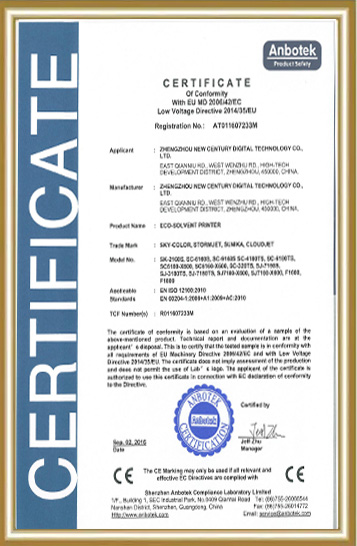
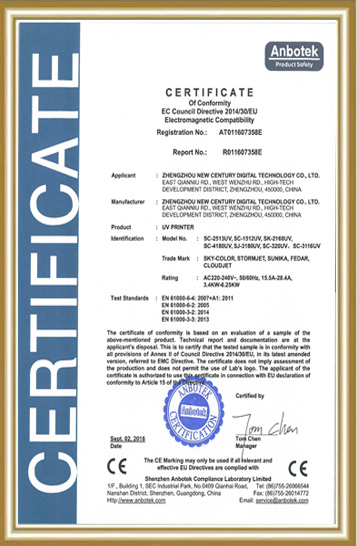
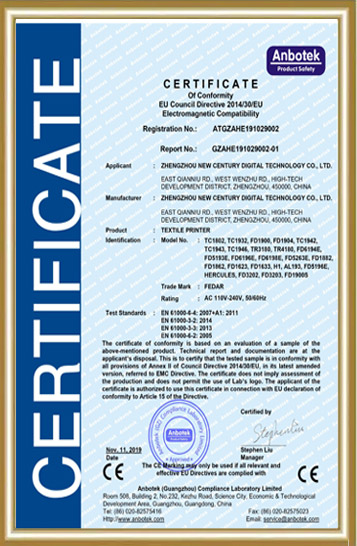
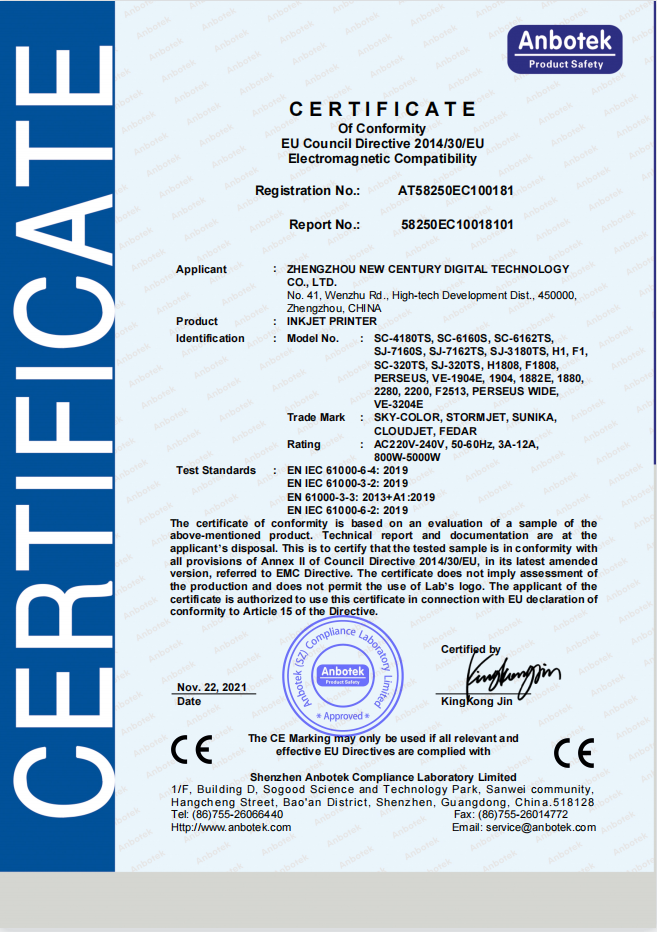
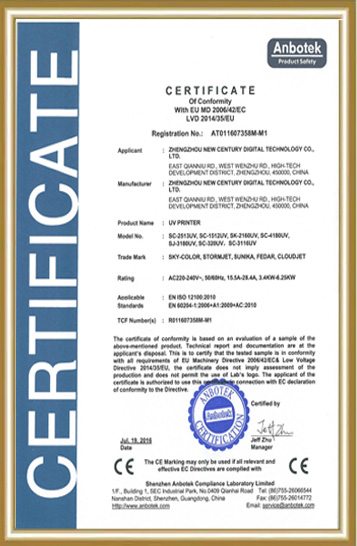
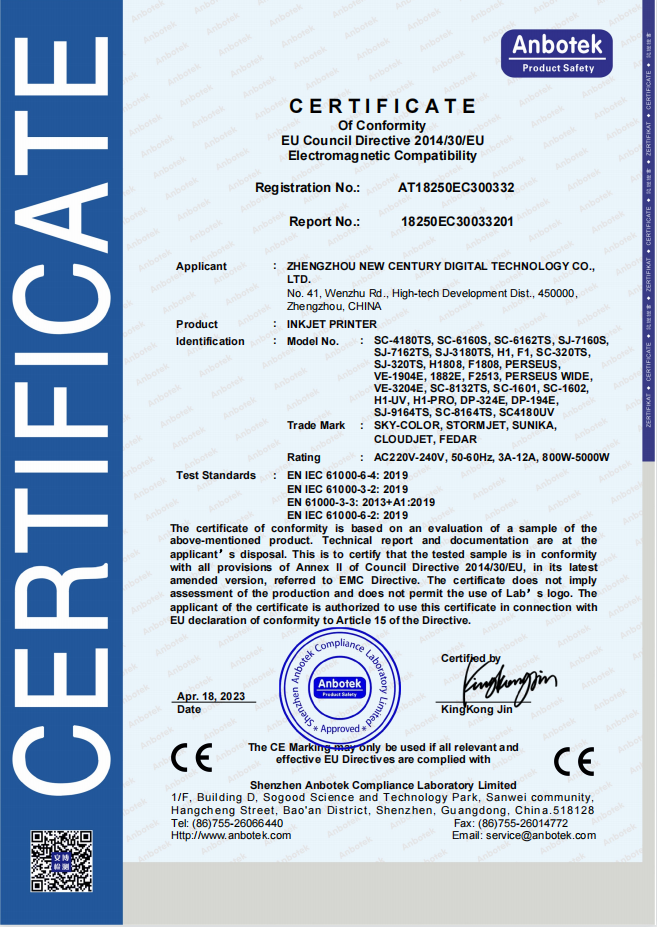
Alex Chen has accumulated extensive R&D and industrialization experience in the digital textile printing field, focusing on the innovation and optimization of digital printing equipment, direct-to-garment (DG) processes, and application solutions. He led the independent R&D and mass production of the company's core textile printing machines and DG printers, promoting their application in the textile, advertising, home furnishing, and personalized customization markets. The equipment he led has passed ISO9000 and CE certifications, earning the trust of a wide range of customers. He continuously provides customers with professional technical support and industry trend analysis, contributing to the upgrading and efficiency improvement of the digital printing industry.
We Look Forward to Your Email
Please send us product information that interests you, and we will provide you with one-on-one service.
_1778203196111.png)
Recommended Blog
What Is dye sublimation printer sublimation transfer printer: A Complete Guide
Dye Sublimation Printer Sublimation Transfer Printer: 5 Things to Know for 2026
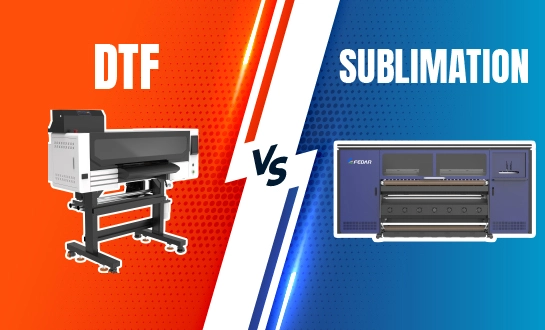
Comparision Between Direct-to-Film (DTF) Printing & Sublimation Printing
_1783412819689.webp)