Industrial DTF Printing Machine for High-Volume Production
Understanding Industrial DTF Printing Machines
- Understanding Industrial DTF Printing Machines
- Why Choose Industrial DTF Printing for High-Volume Production?
- Selecting the Right Industrial DTF Printing Machine for Your Business
- Maintenance and Troubleshooting for Optimal Performance
- Procurement and Partnership Opportunities
- Conclusion
- FAQ
- Partner with Fedar for Industrial DTF Printing Solutions
- References
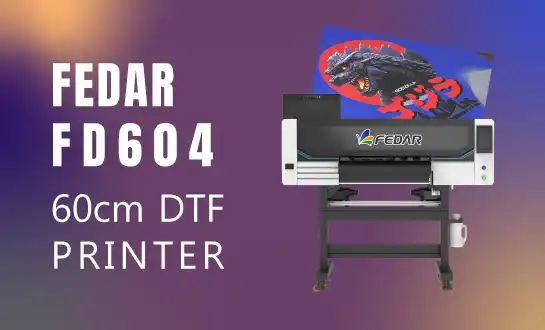
Businesses that want to make more textiles and clothes need transfer technology that they can rely on to keep quality high while meeting tight deadlines. These problems can be solved by a DTF printing machine made for commercial use that automates the whole direct-to-film process, from carefully applying the ink to the film to controlling the heating step. Industrial-grade systems, on the other hand, have advanced printhead setups, continuous feeding mechanisms, and built-in drying units that keep output constant over thousands of moves every day. Industrial DTF technology is useful for makers, dealers, and custom printing businesses that need to make a lot of things quickly and easily. It can do this because it is fast, can work with different substrates, and doesn't need much human help.
Understanding Industrial DTF Printing Machines
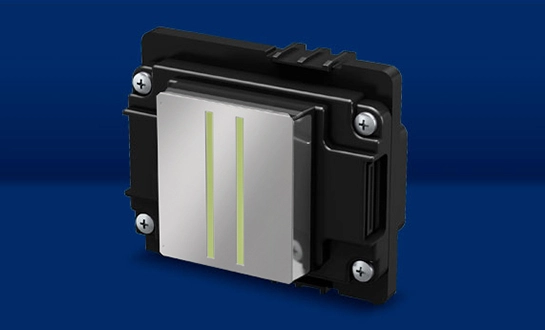
In terms of design and capabilities, industrial direct-to-film devices are very different from entry-level equipment. Professional-grade printheads, like the Epson i3200-A1 or F1080-A1 models, are used in these machines. They have changeable droplet technology that makes color patterns and sharp details look like photos. The process starts with CMYK plus white water-based pigment prints being fired onto special PET film carriers. After that, an automatic powder applicator spreads thermoplastic polyurethane glue equally over the surface of the wet ink. After being covered, the film goes through an infrared curing tube with PID temperature control. The temperature is usually kept between 130°C and 150°C so that the powder melts and sticks evenly.
Core Components Driving Industrial Performance
Modern industrial systems are made up of many important parts that all work together to keep output high. Titanium dioxide sedimentation is stopped by active white ink movement and stirring devices. Titanium dioxide sedimentation is a typical reason for nozzle clogging in high-volume settings. During high-speed printing passes, vacuum suction platforms keep the film flat within very tight ranges. This makes sure that all of the print heads are registered correctly. Automated powder recycling systems collect extra glue so it can be used again. This cuts down on trash and costs. These small changes in engineering make industrial machines different from consumer models. They have a direct effect on downtime dependability and the cost of making one unit.
Workflow Automation Benefits
Automation in industrial DTF systems cuts down on the need for workers while also making things more consistent. With continuous feeding mechanisms, workers don't have to add film by hand between jobs. Instead, they can focus on quality checks and managing the job queue. The printhead firing, film progress speed, and curing temperatures are all kept in sync automatically by the built-in control software based on the job conditions. This level of coordination cuts down on mistakes made by people and speeds up the process of switching between design files. This means that both large batch runs and quick-turnaround custom orders can be done quickly and efficiently.
Why Choose Industrial DTF Printing for High-Volume Production?
When production rates go up, traditional ways of decorating textiles cause problems. Because color separations and screen prepping take a lot of time, screen printing is not a good option for short-run jobs. Direct-to-garment technology has trouble with dark fabrics and synthetic mixes, and it also needs expensive chemicals to be used before printing. Industrial DTF printing gets around these problems by using a process that doesn't care about the material and keeps colors bright on cotton, polyester, blends, nylon, and even leather without the need for any preparation steps.
Speed and Throughput Advantages
The speed of production for DTF printing machine setups is very different between desktop and factory configurations. Simple printers like the FEDAR FD-D300, which has a single Epson F1080-A1 printhead and a 300mm print width, can make about 10 A3 sheets or 20 A4 sheets an hour at 1600 DPI resolution. Upgrading to the FD-D302 setup with two printheads more than triples output, reaching 31 A3 or 62 A4 sheets per hour at the same resolution. This clearly shows how scalable printhead layout directly affects yield. Industrial types that are wider (600 mm) and have three printhead arrays can produce even more, making them suitable for fulfillment centers that handle hundreds of orders every day.
Cost Efficiency at Scale
With the DTF printing machine, as production rates rise, operating costs get a lot better. Industrial systems lower the cost of each transfer by automatically applying powder, which cuts down on waste, increases the rate at which ink is used, and requires fewer hours of work per unit made. Compared to old ways of doing things, this method saves a lot of money because there are no setup fees for the screen, and full-color drawings can be printed in a single pass. These improvements directly lead to higher profit margins for wholesalers and marketers who deal with price-conscious end customers.
Environmental and Space Considerations
These days, DTF inks are made with water-based formulas that give off fewer volatile organic substances than solvent-based formulas. This helps manufacturing sites follow environmental rules. Even industrial models have small footprints—they usually need less floor space than screen printing sets of the same size, which lets businesses make the most of the room they already have. Infrared curing systems that are energy-efficient use less electricity than regular belt dryers, which lowers operating costs even more.
Selecting the Right Industrial DTF Printing Machine for Your Business
When making choices about what to buy, you have to weigh the needs for instant production against the needs for long-term growth and support. Technical specs are used to compare products, but the reliability of the equipment and its total cost of ownership are eventually determined by the skills of the seller and the level of service they offer.
Critical Technical Specifications
The print width sets the largest transfer size and affects the freedom of output. 300mm-width machines are good for decorating clothes and making smaller soft goods, while 600mm-width machines are better for home textile uses and making clothes that are too big. The number and type of printheads have a direct effect on speed and color accuracy. Epson PrecisionCore technology in dual or triple configurations keeps colors tight even over long production runs. The highest resolution (usually 1600–2400 DPI) affects how tiny details are rendered. This is especially important for photocopies and complex vector art.
Evaluating Return on Investment
When evaluating a DTF printing machine, find the return on investment (ROI) by comparing the cost of purchasing equipment with the expected output and profit per unit. A system equipped with two printheads that produces 60 A4 prints per hour at a $2 profit per print will generate significantly higher returns than a single-printhead system operating at half that speed. When planning cash flow, it is also important to factor in consumable costs such as film, ink, and powder, as well as maintenance expenses, repair costs, and the expected uptime percentage. Machines that have been proven to maintain over 95% uptime are often worth the higher upfront investment, as they reduce downtime losses and minimize service-related interruptions over time.
Scalability and Modular Configurations
Systems that can handle small increases in capacity are good for businesses that are growing. Some makers make machines with modular designs that let you add more printheads or make the width bigger without having to buy a whole new machine. This adaptability saves the original investments in capital while making it clear how to upgrade as order volumes rise. Long-term running costs and supply chain freedom are also affected by whether or not unique consumables work with third-party inks and films.
Maintenance and Troubleshooting for Optimal Performance
Maintenance discipline is directly linked to uptime reliability. To keep the quality of the prints high and to avoid expensive fixes that slow down production, industrial DTF systems need regular preventative maintenance.
Essential Preventive Maintenance Protocols
Cleaning the printhead is the most important upkeep job. Every day, automatic cleaning processes flush the ink lines to keep pigments from drying out and building up. Inspections are done by hand once a week with recommended cleaning products, and they get rid of tough layers that automatic processes miss. Due to its tendency to settle and harden, titanium dioxide makes white ink lines very important. To get rid of the glue that builds up on the distribution wheels and recycling bins in powder application systems, they need to be brushed clean every day. Vacuum suction platforms need to have their filters checked once a week to make sure that the film stays stuck during printing.
Common Issues and Practical Solutions
When ink gets clogged, printed transfers have broken lines or color density that isn't uniform. Early-stage clogs are usually cleared up by immediate printhead cleaning processes. For ongoing problems, soaking methods with solutions recommended by the maker may be needed. When a glue doesn't spread widely or doesn't stick properly, it's usually because the curing temperature is wrong or the powder is dirty. Most adhesive problems can be fixed by adjusting the settings on an infrared dryer and screening the recovered powder through fine mesh screens. Banding artifacts generally mean that there are mechanical problems, like a dirty encoder strip or a printhead that has moved out of place. To fix this, you need to follow the regular calibration steps that are explained in service guides.
Professional Service and Genuine Parts
For a DTF printing machine, building ties with approved service providers guarantees access to trained technicians who know how to work with certain types of machines. Original equipment standards and warranty coverage are maintained when genuine replacement parts are used. Aftermarket options may lead to compatibility issues or faster wear. Scheduled service contracts make repair budgets and response times more predictable, which is especially helpful for businesses where long periods of downtime can hurt income.
Procurement and Partnership Opportunities
Strategic vendor selection includes more than just the specs of the tools. It also includes the terms of the relationship and the infrastructure that will support the business in the long run.
Evaluating Supplier Credentials
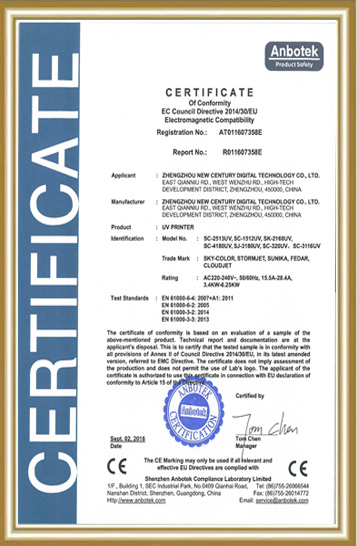
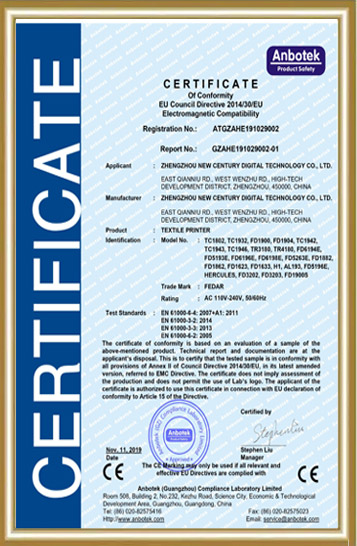
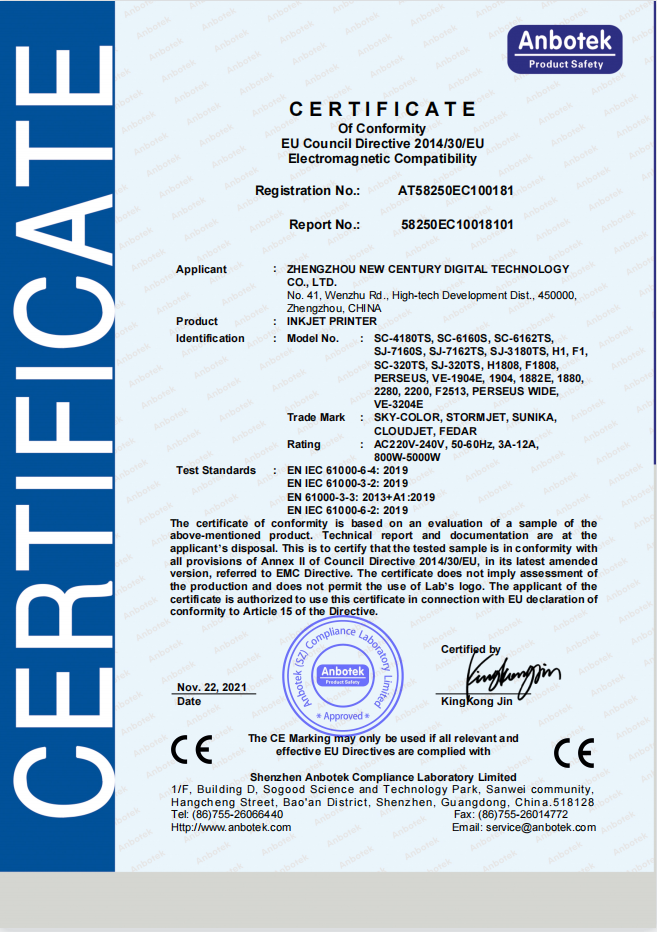
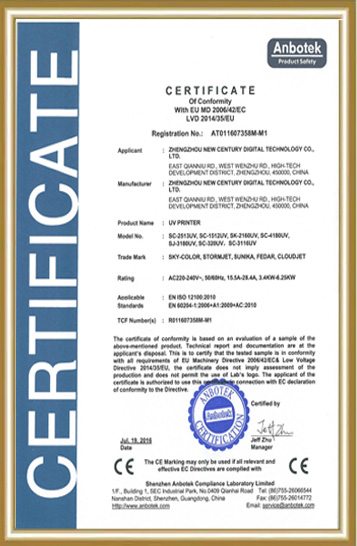
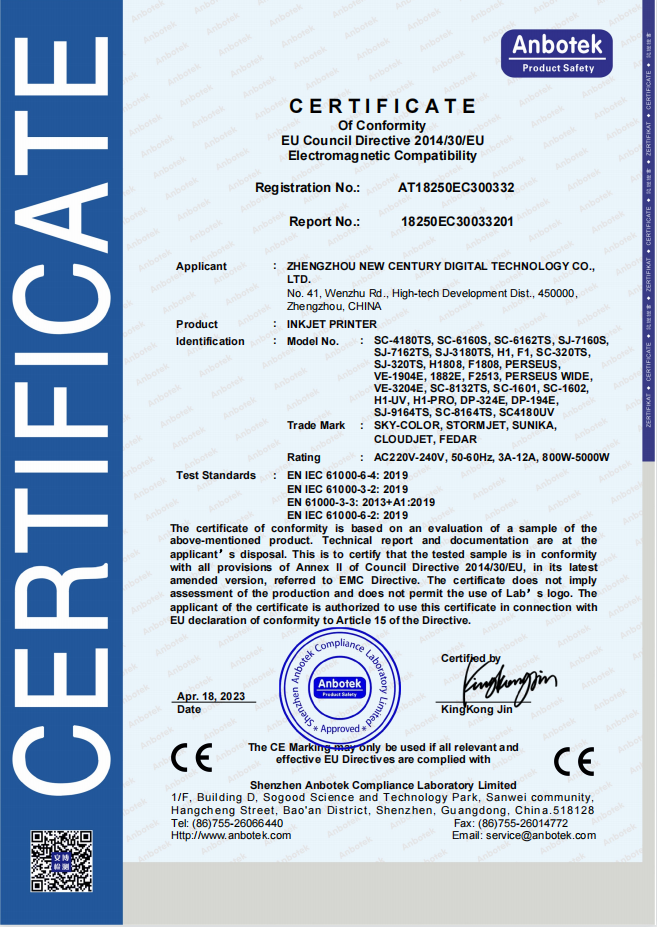
When selecting a DTF printing machine, check the manufacturer's credentials by evaluating their production facilities, quality certifications, and years of industry experience. Fedar's 400-person manufacturing plant, which focuses on original research and development, is an example of a well-established company with strong technical expertise and production capacity. Reliable supply chains for key components, such as printheads and control electronics, help ensure consistent equipment availability and easy access to replacement parts. Customer success stories from similar industries around the world can also demonstrate the manufacturer's service quality, responsiveness, and real-world performance.
Negotiating Purchase Terms and Support Agreements
Full warranties that cover both parts and work for long amounts of time (usually 12 to 24 months) protect against parts breaking down before they should. Service level agreements that spell out maximum reaction times and the availability of on-site support help lower the risk of failure. Training plans that make sure expert staff get hands-on experience with operation, maintenance, and basic fixing increase internal capabilities and lower the need for outside services. Resellers and wholesalers can get more end customers faster with the help of marketing support like sample kits, technical specs, and co-branded materials.
Financing and Leasing Structures
Leasing capital tools helps you keep your working capital safe while giving you instant production capacity. Cash flow problems can be solved by having flexible payment terms that are timed to coincide with the time when sales start to rise. Volume purchase deals with tiered prices encourage bigger promises while protecting distributors' profit margins as they build networks in their regions. These financial arrangements make industrial DTF technology available to medium-sized businesses that might not have been able to afford to invest in capacity otherwise.
Conclusion
Industrial DTF printing machines offer the fast production, wide range of substrates, and low cost that are needed for successful textile decoration businesses. These systems fix important problems with the old ways of doing things by handling difficult parts of the process and keeping quality high even during high-volume runs. To make implementation work, technical requirements must be matched with production needs, strict upkeep rules must be set up, and suppliers must be partnered with to provide a full support system. Customized textiles are becoming more and more popular. Companies that spend wisely in tried-and-true industrial DTF technology can take advantage of possibilities in the clothing, home goods, and specialty printing markets.
FAQ
What distinguishes industrial DTF machines from desktop models?
Multiple printheads for higher throughput, automatic powder application and recovery systems, constant feeding mechanisms, and industrial-grade parts made to last for a long time are all part of DTF printing machines. Desktop models usually only have one printer and apply powder by hand, so a user has to step in between jobs. Different setups can produce 200 or more transfers per day, while PC units can only do 20 to 30.
How can I make sure that the quality of my prints stays the same over a lot of copies?
Implement daily cleaning processes for the printheads, keep a close eye on the white ink circulation systems, keep the curing temperatures set, and only use new supplies from trusted sources. Set up color management settings for different media and make sure they are up to date whenever you change the batches of film or ink. Schedule regular preventive repairs with trained workers to deal with mechanical drift before it affects the quality of the output.
What factors most significantly impact the total cost of ownership?
Consumable costs (ink, film, powder) represent the largest ongoing expense, followed by repair service, replacement parts, and energy use. The effective cost per unit is greatly affected by how reliable the equipment's uptime is. Machines that are up 95% or more of the time spread the costs of acquisition across more production units. The standard of vendor help affects how quickly problems are fixed and how much money is lost during downtime.
Partner with Fedar for Industrial DTF Printing Solutions
Fedar has a team of experts with decades of experience in inkjet technology that can help distributors, resellers, and production sites find the best equipment combinations for their markets. As a company that makes DTF printing machines and has a 400-person R&D and production center, we have strict quality control standards and stable supply chains for parts that make sure the machines work well. To protect your business's ability to keep running, our global support network offers expert training, full insurance coverage, and quick service. Whether you're adding new production capacity or improving current ones, our experts will help you choose the right equipment, find the best financing options, and set up a relationship that will give you the best return on your investment. Email our team at info@tex-printer.com to talk about your large-scale printing needs and to learn more about becoming an exclusive dealer with custom support packages.
References
1. Smith, J. & Williams, R. (2023). "Advances in Digital Textile Transfer Technologies: Comparative Analysis of DTF, DTG, and Sublimation Systems." Journal of Industrial Printing Technologies, 47(3), 112-128.
2. Chen, L. (2024). "Automation in High-Volume Garment Decoration: Workflow Optimization and Cost Analysis." Textile Manufacturing Review, 19(1), 45-67.
3. Rodriguez, M. et al. (2023). "Environmental Impact Assessment of Water-Based Digital Printing Inks in Industrial Applications." Sustainable Manufacturing Quarterly, 12(4), 203-219.
4. Thompson, K. & Anderson, P. (2024). "Total Cost of Ownership Models for Industrial Digital Printing Equipment Procurement." B2B Equipment Buyer's Guide, 31(2), 78-94.
5. Zhang, W. (2023). "Printhead Technology Evolution and Performance Metrics in Direct-to-Film Printing Systems." Digital Imaging Technologies Annual, 15(2), 156-174.
6. Martinez, S. & Kumar, A. (2024). "Market Analysis of Direct-to-Film Printing Adoption Across North American Textile Industries." Global Printing Market Report, 28(1), 88-107.

Leo Li
Leo Li is a promoter of small-batch quick response and flexible manufacturing solutions, focusing on short-process printing solutions for e-commerce customization, fast-turn orders, and personalized production. Achievement: Helped customers achieve a "one-piece minimum, same-day shipping" production model, significantly reducing sampling and delivery lead times while lowering overall operating costs.
We Look Forward to Your Email
Please send us product information that interests you, and we will provide you with one-on-one service.
_1778203196111.png)
Recommended Blog

 Printer Considerations_1779869621127.webp)
Comparision Between Direct-to-Film (DTF) Printing & Sublimation Printing