The Ultimate Guide to DTF Printing: Benefits
Understanding DTF Printing Technology and Its Benefits
- Understanding DTF Printing Technology and Its Benefits
- Choosing the Right DTF Printer for Your Business
- Maintaining Your DTF Printer for Optimal Performance
- The DTF Printing Process Step-by-Step: From Design to Finished Product
- Strategic Advantages of DTF Printing for European and American B2B Markets
- Conclusion
- FAQ
- Partner with Fedar for Your DTF Printing Solutions
- References
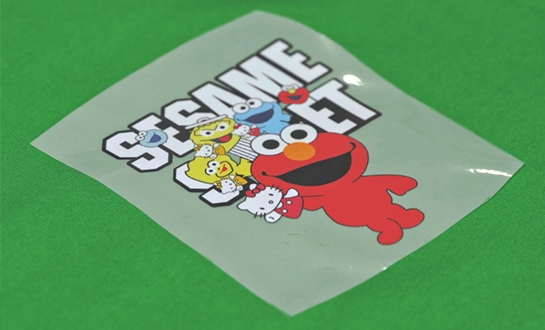
Direct-to-Film printing has changed the way textiles are decorated by giving makers and print shops more ways than ever to customize clothes. Specialized water-based pigment paints are used by a DTF printer to print patterns on clear PET film. The film is then covered with hot-melt adhesive powder and heated to cure it before it is moved to cloth. Businesses today have to deal with important problems, such as the high costs of setup for standard screen printing, the limitations of heat transfer vinyl that need to be weeded out by hand, and the limitations of dye sublimation techniques that come with fabrics. In-depth information is given in this guide on how this technology can help cloth businesses that are ready to grow.
Understanding DTF Printing Technology and Its Benefits
The Direct-to-Film technique is a big step forward in decorating textiles. Unlike older ways, this one uses a digitalized process that gets rid of many steps that require a lot of work while making substrate compatibility much better.
How DTF Works Compared to Traditional Methods
High-resolution piezoelectric printheads are used to put layers of CMYK and white ink on custom film. This technology is unique because it can be used on any material—cotton, polyester, mixes, nylon, and even treated leather without any prior treatment—and the bond works perfectly. For setup costs to be worth it, screen printing needs at least 50 to 100 pieces, while DTG equipment needs a lot of work on the clothing before it can be used, and it doesn't work well on polyester. Direct-to-Film fills in these gaps by letting you print on a single item and getting the same results on a wide range of fabric types.
Environmental and Durability Advantages
Sustainability is becoming a bigger part of modern purchasing choices. There are fewer volatile organic substances in water-based color inks used in this technique than in plastisol screen printing inks. Transfers can survive more than 50 industrial wash cycles at temperatures up to 75°C without cracking or fading. This means they can be used for strict needs like workwear and hospitality uniforms. Because the sticky powder sets as a thin, breathable layer instead of a thick plastic membrane like standard heat transfer vinyl, the soft hand-feel that is important for store clothing stays the same.
Choosing the Right DTF Printer for Your Business
To choose the right tools, you need to carefully look at the technical specs that match your production rate and quality standards. Over the equipment's 5–7-year life, this choice will affect your ability to run your business and your ability to make money.
Critical Technical Specifications to Evaluate
Print sharpness has a direct effect on the quality of the result. Sharp text with line lengths of 0.2 mm and smooth color changes are produced by equipment with 1600 DPI resolution. This is necessary for printing complex logos and photographs. The technology used for the printhead is also important. Epson's industrial piezoelectric heads are more reliable than cheaper thermal options. The FEDAR FD-D300 has a single Epson F1080-A1 DTF printer that can make 20 A4 prints per hour. This makes it perfect for workshops that print 50 to 150 items every day. Upgrading to the FD-D302 with two printheads triples output to 62 A4 prints per hour, which helps operations handle 200 to 400 pieces per shift.
Print width affects how flexible it is. A 300mm print area is big enough for most adult clothing decorations, from names on the left chest to full A3 back prints. Businesses that want to print on large areas or all over should look at 600mm models, even though they cost more in ink and paper.
Evaluating Supplier Reliability and Support Infrastructure
How reliable the equipment is depends on how well it was made and where the parts came from. Manufacturers with ISO-certified facilities and in-house R&D departments usually make goods that are more regular. Make sure that providers keep enough spare parts in stock in the United States. Production stops for weeks while waiting for new printheads to be shipped from other countries. Printheads should be covered by the warranty for at least 6 months, and structural parts should be covered for 2 years.
Here are some important help skills to look for when evaluating a supplier:
- Technical Training Programs: Full training on-site or via video that covers operation, maintenance, and fixing cuts down on the time it takes to learn and the mistakes that cost a lot of money.
- Responsive Communication Channels: Support through email, phone, and chat apps, with reaction times of less than 4 hours on work days.
- Sample Quality Verification: Asking for production samples printed on the fabrics you want to use shows you the quality of the final product before you commit.
- Flexible Partnership Models: Suppliers who offer agent programs with marketing help and security for territories make it possible for businesses to grow beyond just buying equipment.
These helpful features set trustworthy partners apart from transactional sellers. Businesses can benefit from building relationships with makers that have 400-plus employee facilities with proven R&D skills and customer bases around the world. This helps make sure that parts will always be available and that technology will keep improving.
Maintaining Your DTF Printer for Optimal Performance
Print quality and machine life are directly related to how often repairs are done. 80% of early failures and expensive fixes that hurt your bottom line are caused by neglecting upkeep.
Daily and Weekly Maintenance Protocols
On a DTF printer, printhead health directly affects the quality of the final output. Daily nozzle checks, which are automatic 30-second tests, help detect any clogged nozzles that require immediate cleaning. Special attention should be given to the white ink circulation system, as titanium dioxide pigments settle quickly and can block circulation if the system is left idle for extended periods. Before starting daily production and again before shutting down, run the circulation system for 10 minutes to ensure stable ink flow and consistent performance.
Weekly maintenance includes cleaning the wiper blade unit that seals the printheads between runs. When dried glue powder builds up on capping stations, it makes the closing imperfect, letting the ink dry overnight in the nozzles. Use lint-free cloths wet with the cleaning solution your provider gives you to wipe these parts down. Check the parts of the powder shaker for glue buildup that stops the powder from spreading evenly. Uneven powder coverage makes transfer areas that are weak and fail when washed.
Troubleshooting Common Issues
Print errors are often caused by the surroundings or the quality of the materials used. Operating humidity between 40 and 60% stops static electricity, which makes it hard for powder to spread and ink to bleed on film before it cures. When adhesive leaks through finished transfers, this is called oil return. This usually happens because the curing temperatures are too low or the film quality is bad. Make sure that your drying oven stays at 150°C for the full two-minute rounds, and get double-matte PET film from a reliable source.
Regular adjustment is needed to keep colors consistent. Color accuracy across production runs is ensured by monthly measuring with colorimeters. This is especially important when redoing orders that are weeks apart. This proactive method keeps clients trust and avoids expensive repeats. To ensure long-term reliability, always follow the guidelines provided with your DTF printer.
The DTF Printing Process Step-by-Step: From Design to Finished Product
Knowing about each step of the production process lets you improve quality and speed. This understanding of the whole process helps procurement managers and production engineers figure out what resources they will need and where the bottlenecks are.
Design Preparation and RIP Software Configuration
To start getting digital art ready, you need vector files or high-resolution rasters with at least 300 DPI. RIP software takes plans and turns them into printer code. It also takes care of color profiles that are specific to your ink and film. Set up the white ink underbase settings based on how dark the fabric is. Light fabrics only need a little white covering, but black polyester needs all of it to stop the dye from running. When profiles are set up correctly, 15 to 25 percent less ink is wasted than when basic settings are used.
Film Printing, Powder Application, and Curing
The DTF printer puts layers of ink on the film, with white ink writing on top as the base. As soon as the printing is done, hot-melt adhesive powder is spread across the wet ink surface by automatic or human powder shakers. Extra powder is collected and used again. After being covered, the film is heated in a heat press or conveyor oven at 150–160°C for 90–120 seconds. This melts the glue into the ink layer. When cured correctly, the transfer film sticks together and easily peels off the carrier sheet.
Heat Press Transfer and Quality Control
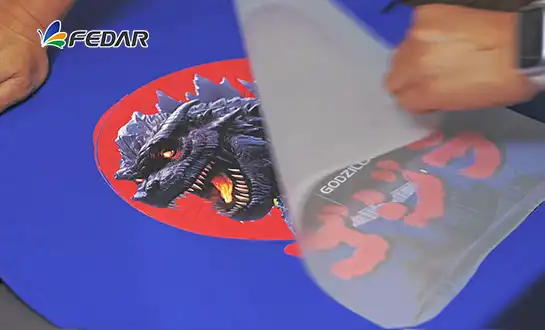
Put the transfer on your clothing with the sticky side facing down after it has dried. Different fabrics need different heat press settings. For example, cotton mixes need 160°C for 15 seconds at medium pressure, while 100% polyester needs 145°C for 12 seconds to keep it from burning. The film seller will tell you what temperature to use to peel the carrier film. Usually, it's a hot peel around 60–70°C or a cold peel after the film has cooled to room temperature. Hand-feel is changed in different ways by each method.
Quality control includes random samples being washed to check the durability of the bonding and the color fastness. By writing down the press settings and results for each type of fabric, you can create a knowledge base that will help your team stay consistent as it grows.
Strategic Advantages of DTF Printing for European and American B2B Markets
In wealthy economies, the way the market works favors technologies that can be customized, delivered quickly, and have environmental benefits. These trends go hand in hand with Direct-to-Film technology.
Scalability from Small Tests to Large Production Runs
The ability to have no minimum order changes how businesses build products and get new customers. Sample makers make one-of-a-kind versions for clients to approve without having to pay for the setup costs that other methods do. As soon as it's accepted, the same tools can be used for larger or smaller amounts of production. This versatility is very helpful for online stores that sell customized goods and advertising shops that work with a wide range of small businesses that need 10 to 50 branded items. Equipment like the FEDAR FD-D300 DTF printer takes up only 0.8 square meters of floor space but produces high-quality work, making it possible for shared studios or home-based businesses to make money.
Cost-Benefit Analysis and Profit Margins
When you look at project costs, you can see strong benefits. An example of a usual situation is an order for 25 unique T-shirts. Screen printing costs between $8 and $12 per shirt because the setup costs are spread out over a small order. DTG costs between $6 and $9 per shirt, but rayon is harder to work with. Direct-to-Film supplies cost $0.60 per A4 copy, a blank shirt costs $2.50, and work costs $1.00 per hour for three minutes. This adds up to a $4.10 production cost. Selling for $15 at retail makes a gross profit of $10.90, which is a 260% markup that lets you keep your prices competitive while keeping your margins healthy.
Environmental Profile and Corporate Sustainability
Water-based printing systems have 80% fewer volatile organic compounds (VOCs) than plastisol, which helps meet stricter environmental rules. The normal amount of energy used during printing is 150 to 200 watts, which is a lot less than the 3,000 watts that heat presses and dryers need for screen printing. This efficiency cuts down on carbon emissions, which is a selling point for businesses that care about the environment and store brands that promise to be sustainable. Promoting these features makes your services stand out in competitive markets where environmental effect is being taken into account along with cost and quality more and more.
Conclusion
Textile companies that need to meet today's demands for flexibility, speed, and sustainability can benefit greatly from Direct-to-Film printing. The technology gets rid of the problems that kept small-batch quality production from being profitable. This lets startups and small teams enter areas they couldn't get to before. Businesses are set up for growth with this method because it is easy to use and works with a wide range of substrates, meeting the needs of a wide range of customers. Fedar's FD-D300 and FD-D302 models are examples of how industrial features can now fit on a PC, allowing any size business to access professional output from a compact DTF printer. The strategy benefits—more efficient production, lower costs, and environmental friendliness—align perfectly with the market trends that affect buying choices in North America and Europe.
FAQ
What fabrics work best with DTF transfers?
This technology can stick to almost any kind of fabric, like 100% cotton, polyester, cotton-poly mixes, nylon, spandex, and treated leather. When compared to dye sublimation, which causes color movement, dark polyester works very well. Transfers don't crack when you move when they're on stretchy fabrics like sports wear.
How can I make sure that all of my orders have the same color reproduction?
Color precision is kept up by regular testing. Monthly measurement with RIP software and colorimeters takes into account changes in the surroundings and differences between batches of ink. Repeatable results are made possible by storing color patterns that are unique to each type of material and keeping curing temperatures constant. Inconsistencies in the DTF printer that affect color layers can be avoided by making sure that white ink flows properly.
What kind of help and guarantee should I get from the people who sell me equipment?
Reputable makers offer warranties that cover both parts and work for at least 12 months. Because printheads are used up quickly, their guarantees should last at least 6 months. Look for suppliers that offer quick technical help through a variety of outlets, thorough installation training, and written maintenance guidelines. Longer downtimes can be avoided by having access to nearby spare parts supplies.
Partner with Fedar for Your DTF Printing Solutions
To add more cloth decoration options, you need equipment that strikes a good mix between quality, dependability, and support. Fedar runs a factory with 400 workers that focuses on original research and development and strict quality control systems. Our FD-D300 and FD-D302 DTF printer types produce industrial-level results in designs that take up little room. They can be used for everything from making samples to running large-scale productions. We keep our supply chains for core components stable and serve customers all over the world through a variety of flexible cooperation models, such as agent partnerships that protect our customers' territories. Our expert support team gives you thorough training, marketing tools, and quick help to make sure you succeed. Email our team at info@tex-printer.com to talk about your particular needs, get example prints, or look into supplier partnerships that fit your business goals.
References
1. Digital Textile Printing: Technologies, Applications and Market Trends, Textile Institute Publications, 2022.
2. Anderson, R. "Economic Analysis of Small-Batch Garment Decoration Technologies," Journal of Industrial Textiles, Vol. 48, 2021.
3. Smith, J. and Williams, K. "Durability Testing of Heat Transfer Methods on Performance Fabrics," Textile Research Journal, 2023.
4. Environmental Protection Agency, "Volatile Organic Compound Emissions from Textile Printing Processes," Technical Report, 2022.
5. Martinez, L. "Direct-to-Film vs. Direct-to-Garment: Comparative Cost Analysis," Print Production Quarterly, Spring 2023.
6. International Standards Organization, "ISO 105-C06 Textile Color Fastness to Domestic and Commercial Laundering," 2020 Edition.

Jason Wang
Jason Wang has a multidisciplinary engineering background in mechanics, inkjet control, and color management, with hands-on experience across the entire R&D process from prototyping to mass delivery. Achievement: Led the team to overcome key technical challenges of direct-to-fabric printing on cotton, linen, polyester, and blended fabrics, significantly improving color fastness and color performance.
We Look Forward to Your Email
Please send us product information that interests you, and we will provide you with one-on-one service.
_1778203196111.png)
Recommended Blog

How to Choose the Right DTF Printing Machine for Your Business?
Features and Performance of a DTF Printer 24 Inch Designed for Commercial Output

What are the maintenance requirements for direct to film printer?
What is DTF Printing? A Complete Guide to Direct-to-Film Printing.