A3 vs 24-Inch DTF Printers: When Is the Right Time to Upgrade Your Printing Equipment?
A3 vs 24-Inch DTF Printers: When Is the Right Time to Upgrade Your Printing Equipment?
Introduction
- Introduction
- Understanding the Key Differences Between A3 and 24-Inch DTF Printers
- When Should You Consider Upgrading from an A3 to a 24-Inch DTF Printer?
- Key Benefits of Upgrading to a 24-Inch DTF Printer for B2B Procurement
- Comparing Popular 24-Inch DTF Printer Models and Brands
- Maintenance, Troubleshooting, and Best Practices for 24-Inch DTF Printers
- Conclusion
- FAQ
- Discover Fedar's Industrial DTF Solutions for Your Growing Business
- References
When your order volume regularly exceeds 100 transfers per day, production bottlenecks cause delivery times to slip, and clients ask for designs that are bigger than 12 inches, you need to upgrade from an A3 to a 24 inch DTF printer. This change fixes the problems with small desktop systems' limited output while also making ink use more efficient, processing batches faster, and allowing for growth, all of which are important for medium- to large-sized textile businesses. Knowing these signs of growth will help you time your investments so that they give you the best return while also meeting the needs of a growing market.
Introduction
DTF printing technology has completely changed how textiles are decorated by blending vivid color reproduction with unmatched material flexibility. Traditional screen printing is hard to set up and costs a lot, and sublimation only works on a few fabrics. Direct-to-Film methods, on the other hand, produce constant quality on cotton, polyester, blends, and even difficult synthetics. Choosing the right tool style has a direct effect on how well your business runs, how much it costs to make, and how well you can meet the needs of a wide range of clients.
This guide is for B2B procurement managers, equipment sellers, and plant owners who need to make important choices about how to grow. We look at the practical differences between A3 desktops and industrial-scale 24 inch systems and give you data-driven advice on when to update. Whether you run a custom shop that is growing, a printing plant that is about the size of a small town, or a business that sells tools to other businesses in the area, knowing these differences will help you protect your investment and set your business up for long-term growth.
Understanding the Key Differences Between A3 and 24-Inch DTF Printers
Print Width and Production Capacity
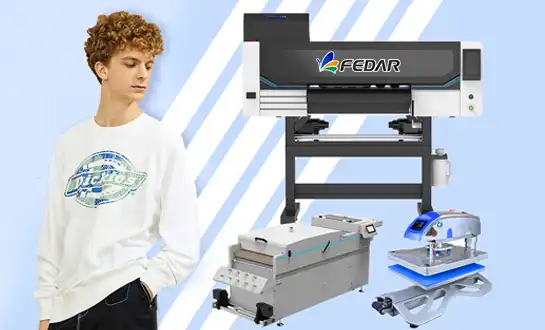
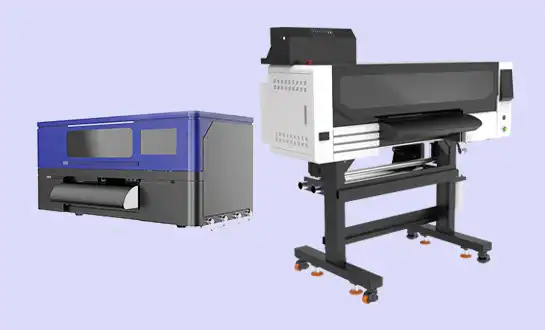
A3 printers usually have a maximum print width of 330mm, which is wide enough to decorate one item of clothing or make small custom runs. This method works well for new businesses that do 20 to 50 transfers a day, like those that make unique gifts or small clothing lines. 24 inch models, like the Fedar FD60 series, have a print width of 600 mm, which makes it easy to nest multiple patterns and make oversized drawings for jackets, tote bags, and home textiles without any problems.
When there is market demand, the output capacity gap gets pretty big. At 6-pass quality settings, a dual-head 24 inch DTF printer can process about 8 square meters per hour. Advanced four-head setups can process 24 square meters per hour. This difference in throughput means that 200 to 300 moves can be done per shift instead of the 50 to 80 that are usually done on an A3 system. This greatly lowers the cost of work per unit.
Printhead Technology and Resolution
Single Epson XP600 printheads with normal 720-1440 DPI resolution are often used in desktop A3 units. This resolution is good for basic designs but not great for grayscale smoothness. The Industrial 24 inch version comes with Epson i3200-A1 printheads that can handle a maximum resolution of 3200 DPI and use variable droplet technology. The Fedar FD604 and FD606 models have multiple printheads that work together to make sure that the color depth is the same across the whole print width while keeping speeds that are too fast for entry-level equipment.
This new technology is important for photorealistic pictures, fine text below 6 points, and gradient-heavy art that can't be sold because of banding flaws. The multiple-head design also offers practical redundancy; if one set of nozzles has brief firing problems, the other heads will take over until the problem is fixed by maintenance.
Ink Management and White Ink Circulation
A3 printers usually use gravity-fed ink systems that need to be stirred by hand for white ink, which can cause buildup problems when the printer is not being used for a long time. Industrial 24 inch systems have automatic white ink movement and filtering systems that keep the titanium dioxide pigment from sticking. The Fedar FD60 series has smart stirring systems and precise filters that keep the fluid at the right level and keep the printheads from getting clogged up, which happens with less advanced designs.
This difference in engineering has a direct effect on the production efficiency and maintenance costs of a 24 inch DTF printer. On basic systems, white ink flushing processes can result in up to two to three hours of downtime every week. With automatic circulation, maintenance is limited to once a month for deep cleaning cycles, helping a 24 inch DTF printer operate more consistently and efficiently.
When Should You Consider Upgrading from an A3 to a 24-Inch DTF Printer?
Recognizing Production Bottlenecks
The most obvious sign that you need to improve is when your A3 printer is working at full speed but still can't meet delivery deadlines. Find your current usage rate. If the machine runs for more than eight hours every day for five days in a row, you've hit saturation. Deliveries that are late make wholesale customers angry and hurt your image with wholesalers who are looking for reliable partners.
Order queue length provides quantitative confirmation. When wait times go over 5–7 business days, even though your processes are running smoothly, your equipment capacity stops you from making more money. Standard orders are usually ready in 48 to 72 hours for clients in the clothing decoration, advertising goods, and custom sportswear industries. If you don't have these windows, you could lose customers to competitors who can work with bigger formats.
Evaluating Financial Readiness
Do an ROI study by comparing how much each print costs on your current A3 system to how much it will cost to run a 24 inch model. Take into account the prices of direct materials, work hours, energy use, and upkeep. When used correctly, an industrial printer can cut the cost of each transfer by 30 to 40 percent. This is because it uses ink more efficiently, prints faster, which means less work is needed, and better design stacking cuts down on film waste.
Look at how your profit margin has changed over the last six quarters. If profit margins get smaller even though material costs stay the same, it's likely that mistakes in production size will cut into profits. When monthly sales regularly reach $15,000 to $20,000, upgrading usually brings in enough cash to pay for tools and keep working capital reserves.
Assessing Market Expansion Opportunities
Distributors and dealers should look at what their customers want. When three or more customers ask about large transfers, all-over prints, or big production options that your A3 inventory can't provide, the market is telling you that you need to invest in a wider format. With a 24 inch DTF printer, you can serve medium-sized clothing contractors, designers for sports teams, and sellers of promotional goods—audiences that tend to buy more and buy from you again.
Plans for geographic growth also affect time. To open a second site or set up cross-regional distribution, you need tools that can handle more than one account at the same time. What used to need three A3 printers can now be done by a single 24 inch machine with four heads. This makes handling easier and centralizes technical support resources.
Key Benefits of Upgrading to a 24-Inch DTF Printer for B2B Procurement
Enhanced Throughput and Labor Efficiency
Industrial DTF systems change the economy of work in a basic way. With its four Epson i3200-A1 printheads, the Fedar FD604 can do the work of three A3 printers, but only needs one person instead of three. This consolidation lowers the cost of wages, makes training easier, and reduces the amount of variation in human mistakes between shifts.
Adding powder and sealing automatically speeds up the process after printing, making a 24 inch DTF printer even more efficient in high-volume production. Roll-to-roll feeding methods keep production going without having to add film by hand every 10 to 15 copies. These changes to the process add up. For example, if you increase speed by 20% and cut labor by 30%, you get 56% more efficiency compared to the way things were done before.
Substrate and Application Versatility
Wider print styles let you print types of products that can't be printed on small equipment. All-over prints that are too big for sports jerseys, 18-inch square designs for tote bags, and panoramic drawings for home textile pillows are now commonplace. This flexibility brings in customers from the markets for soft furnishings, advertising signs, and unique gifts, giving you more ways to make money besides just selling clothes.
Professional systems have better ink compatibility, which means you can use more substrates. When you lay down high-quality white ink, you can get vivid prints on dark polyester performance fabrics, difficult blends with uneven weaves, and even treated leather for high-end accessories. This skill is especially important when working with fashion brands and companies that make promotional items that need reliable results on a range of materials.
Long-Term Investment Value
Industrial equipment from well-known brands comes with a full guarantee and promises that parts will be available for 3 to 5 years. The Fedar brand uses a 400-person factory that focuses on R&D and production. This makes sure that the supply line for parts is stable, which isn't usual for entry-level brands. This production depth saves your investment from parts that become obsolete or are hard to find.
Total cost of ownership is affected by after-sales support systems in a big way. Distributors who work with Fedar can get technical training, marketing materials with models that can be copied, and quick, cross-border help with setup and problems. These tools cut down on downtime from hours to minutes and give your downstream clients more confidence when they position your equipment for their end users.
Comparing Popular 24-Inch DTF Printer Models and Brands
Fedar FD60 Series Technical Comparison
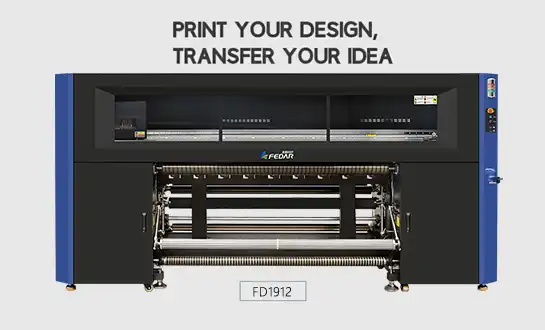
The Fedar lineup shows how the arrangement of printheads can be adjusted to meet the needs of production scales. The FD60 dual-head model is a good mix between original investment and potential expansion. It can process 8 square meters of paper per hour at 3200 DPI. This setup works well for businesses that are moving up from A3 systems but don't need the highest speed yet.
The FD604 four-head version doubles output to 24 square meters per hour while keeping the same print quality and size. This increase helps facilities handle yearly business spikes or multiple accounts at the same time without having to hire extra workers. The FD606 six-head system keeps the same speed as the FD604, but it adds more printheads for better reliability and more options for nozzle checks during long production runs.
Evaluating Brand Reliability and Support
All three types use Epson i3200-A1 printheads that are set up with CMYK plus a separate white ink cartridge. The small industrial design is about 1800 mm long, so it can fit in most working areas without any changes to the building. Roll-to-roll feeding systems can handle 100-meter film rolls, which cuts down on the number of breaks needed for material changes from several times per shift to just once a day.
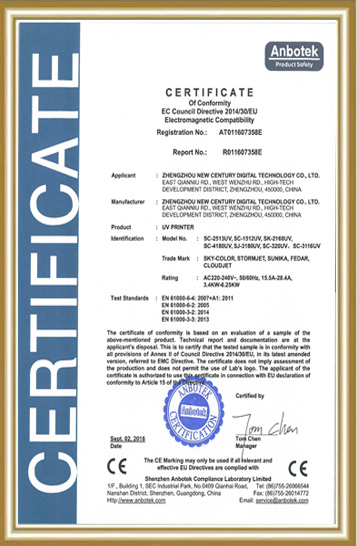
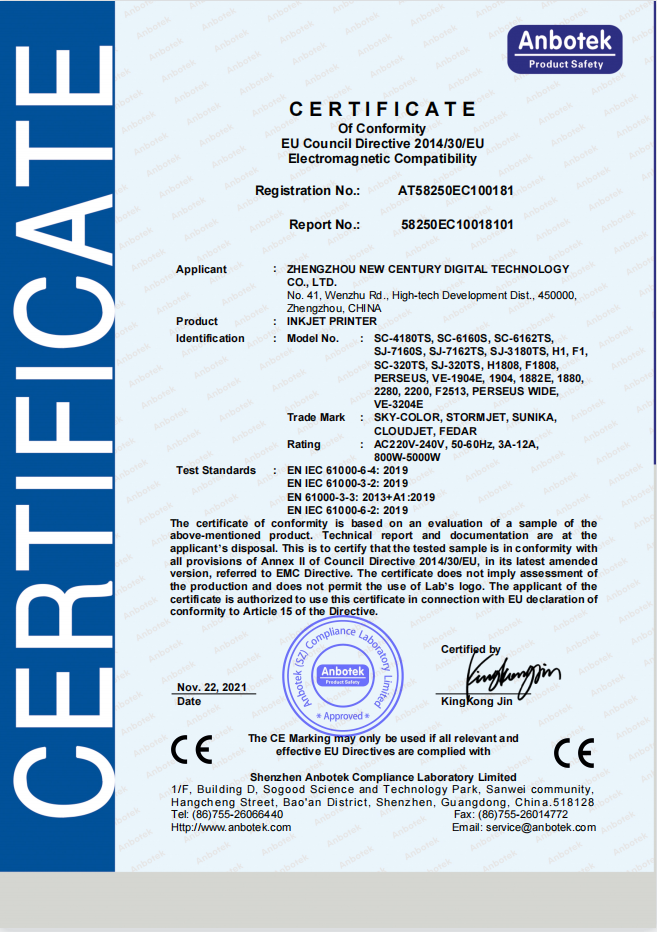
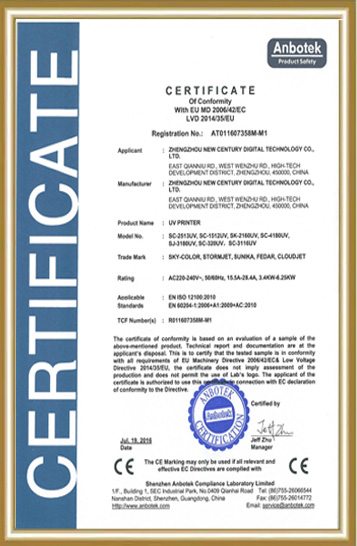
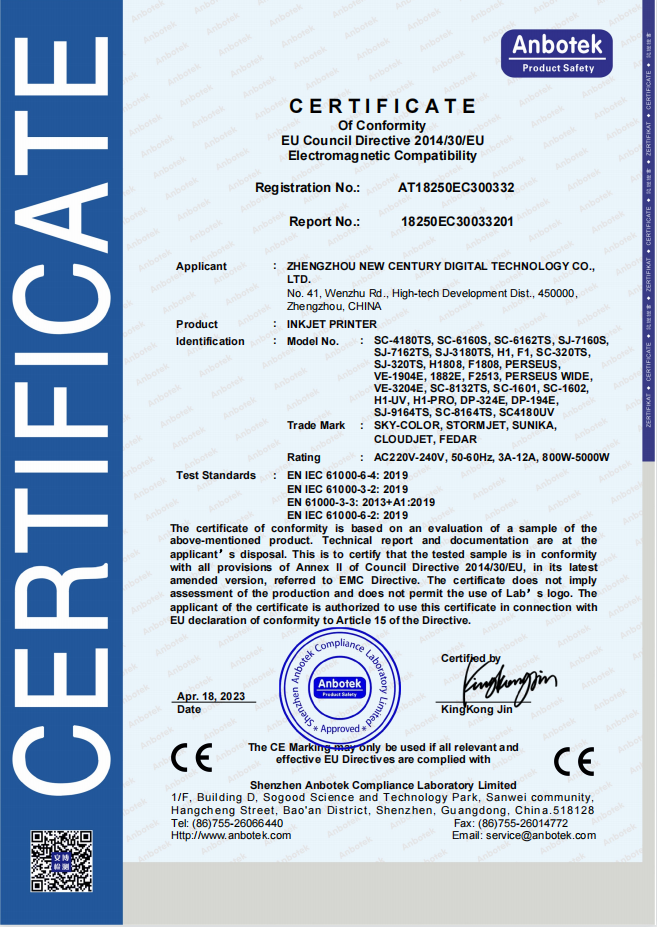
When deciding what to buy, you should look at more than just the manufacturer's credentials. A reliable 24 inch DTF printer supplier should have full plant certifications and follow strict quality control procedures from component sourcing to final assembly. This level of production discipline helps reduce failures during the first 18 months of operation, a critical period when many lower-tier brands often experience ongoing technical issues.
Price-to-Performance Analysis for Distributors
How quickly you respond after a sale has occurred has a direct effect on your business uptime and customer happiness. Manufacturers that work with global delivery networks offer expert help in the local language, extra parts in regional stores, and documents in English. FedEx has been in the U.S. market for a long time, so procurement managers can get items shipped the same week and get online help with problems during work hours, no matter what time zone they are in.
Distributors of used equipment should figure out their profit potential by adding up the total cost of the system, which should include the printer, powder shaker, heat press, and starting package of refills. Good 24 inch DTF systems usually cost based on how many printheads they have and how much automation they have. This price offers reasonable markups while providing real value compared to screen printing equipment or similar DTG systems that need bigger investments in ongoing upkeep.
Maintenance, Troubleshooting, and Best Practices for 24-Inch DTF Printers
Establishing Preventive Maintenance Protocols
Most problems with output quality can be avoided by cleaning the printer every day. Automated cleaning processes use only a few milliliters of ink each time they run, which is a very small amount of money when you consider the time you would have spent fixing bad transfers. Check the nozzles at the beginning of each shift and before long print runs. If any jets are missing, use the printer's built-in clear features to fix the problem right away.
Because the pigments are so dense, white ink systems need extra care when they need to be maintained. The automatic circulation system of the Fedar FD60 series lowers the need for manual work, but the ink lines still need to be checked visually once a week, and the filters need to be changed every month. Keeping the room at a 20°C to 25°C temperature range and the humidity between 40 and 60% stops changes in viscosity that cause flow problems.
Common Issues and Resolution Strategies
Instead of random dates, repair plans for consumables should be based on how often they are used. Check the number of times the printhead has been fired through the printer's diagnostic interface and replace it when it reaches 80% of its stated lifespan instead of waiting for it to break. This proactive method stops problems in the middle of a job and keeps the quality of the output the same throughout production cycles.
Banding effects usually mean that the printer isn't lined up correctly or that the nozzles are clogged. Once a month, do bidirectional calibration tests and change the alignment values until the test patterns perfectly match. If the banding doesn't go away after cleaning, it means that air is getting into the ink lines. Check all the connection points to make sure they are securely seated, and look for tiny cracks in the tubes that let air in.
Conclusion
Moving from an A3 to 24 inch DTF printer tool is a major investment that can significantly improve production capacity and market competitiveness. Understanding the limitations of smaller-format equipment, calculating return on investment through reduced unit costs and increased throughput, and selecting manufacturers with proven reliability and comprehensive support networks are all critical factors in the decision-making process. The Fedar FD60 line is an excellent example of purpose-built technology designed to meet the demands of medium-scale production while maintaining efficiency. By making the transition to a 24 inch DTF printer at the right time, distributors and factory managers can better position themselves to attract new customers and maintain the consistent service quality that supports long-term business partnerships.
FAQ
How does a 24-inch DTF printer differ from a screen printing process?
Direct-to-Film printing skips the time-consuming steps of setting up the screen, tightening the mesh, and mixing the ink for each color layer that are needed for screen printing. A 24 inch DTF printer can make accurate pictures and complex gradients of many colors in a single pass, without the need for separate screens for each color. This means that DTF can be used for runs smaller than 100 units, where the setup costs for screen printing would normally cut into profits. The digital process also lets design changes happen quickly between orders without having to retool. This gives manufacturers the freedom they need to use custom and on-demand production models to serve a wide range of customers.
What types of inks are typically used in 24-inch DTF printers, and are they eco-friendly?
Industrial DTF systems use pigment inks that are water-based and have special mixes for CMYK colors and a white base. There are no heavy metals in these inks, and many companies make choices that are Oeko-Tex Standard 100 certified, which means they meet high safety and environmental standards. The water-based chemistry lowers the release of toxic organic compounds compared to solvent-based options. This helps with environmental efforts and safety rules at work. Cleaning fluids should still be thrown away properly, but plastisol screen printing inks and solvent-based wide-format methods have a smaller total effect on the environment.
Can I buy a 24-inch DTF printer with a warranty and financing options?
Authorized makers and wholesalers usually offer warranties that last anywhere from 12 months for consumable parts to 36 months for structural parts and electronics. Fedar's warranty program covers the printhead, replaces parts, and gives you access to expert help for as long as the guarantee is in effect. Financing options through equipment rental companies or payment plans backed by the producer spread out investments over 24 to 48 months, keeping operating capital for things like inventory and running costs. These structured choices make it easier for approved businesses to buy new equipment and make payments that are in line with how much money the new equipment makes.
Discover Fedar's Industrial DTF Solutions for Your Growing Business
Our 24 inch DTF printer supplies skills are trusted by manufacturers all over the world to power their textile painting operations. Our 400-person R&D and production center at Fedar makes precision-engineered systems like the FD60, FD604, and FD606 types that have Epson i3200-A1 printheads, 3200 DPI resolution, and automatic white ink circulation. We offer full technical training, sample kits that can be used again and again, and quick after-sales help for installation, upkeep, and improving operations. Our team works with factories and wholesalers to set affordable prices, rules to protect the market, and flexible ways for people to work together that are in line with how business is done in the area. Our procurement experts can be reached at info@tex-printer.com to talk about custom solutions, look over certification paperwork, and set up equipment demos that are suited to your production needs.
References
1. Smith, J., & Anderson, K. (2023). Direct-to-Film Printing: Industrial Applications and Market Analysis. Textile Technology Press.
2. Rodriguez, M. (2022). "Digital Transfer Technologies in Apparel Manufacturing." Journal of Garment Production Systems, 18(3), 112-128.
3. Chen, L., & Wagner, P. (2024). ROI Modeling for Digital Textile Printing Equipment Investments. Manufacturing Strategy Institute.
4. Thompson, R. (2023). "Comparative Analysis of DTF, DTG, and Screen Printing Economics." Print Production Quarterly, 45(2), 67-84.
5. Textile Machinery Association. (2024). Industrial Inkjet Printing Standards and Best Practices Guide. Brussels: ETMA Publications.
6. Williams, D., & Martinez, C. (2023). Supply Chain Management in Digital Printing Equipment Distribution. International Trade Publishing.

Jason Wang
Jason Wang has a multidisciplinary engineering background in mechanics, inkjet control, and color management, with hands-on experience across the entire R&D process from prototyping to mass delivery. Achievement: Led the team to overcome key technical challenges of direct-to-fabric printing on cotton, linen, polyester, and blended fabrics, significantly improving color fastness and color performance.
We Look Forward to Your Email
Please send us product information that interests you, and we will provide you with one-on-one service.


_1778203196111.png)
Recommended Blog


Exploring What Is DTF Transfer: A Comprehensive Guide to Direct-to-Film Printing