The Ultimate Guide to Direct to Film Printers and Supplies
Understanding Direct to Film Printers: Technology and Benefits
- Understanding Direct to Film Printers: Technology and Benefits
- DTF Printer vs. Alternative Printing Technologies: A Comparison for Informed Procurement
- Choosing the Right Direct to Film Printer: Buying Guide for B2B Clients
- Maintaining and Optimizing Your Direct to Film Printer Performance
- Future Trends and Innovations in Direct to Film Printing
- Conclusion
- FAQ
- Partner with Fedar for Proven DTF Printing Solutions
- References
Digital textile decorating breakthrough direct to film printing allows producers to transfer elaborate graphics onto varied surfaces using specialized equipment, consumables, and heat. A direct to film printer minimizes pre-treatment constraints in garment printing, giving procurement experts a scalable, cost-effective option with high image quality. This technology supports small studios wanting on-demand personalization and large-scale companies needing reliable cotton, polyester, and mixed fabric output. Resellers and factory managers may reliably choose suppliers and meet customer standards for durability and color vibrancy by understanding DTF procedures.
Understanding Direct to Film Printers: Technology and Benefits
How DTF Printing Technology Functions
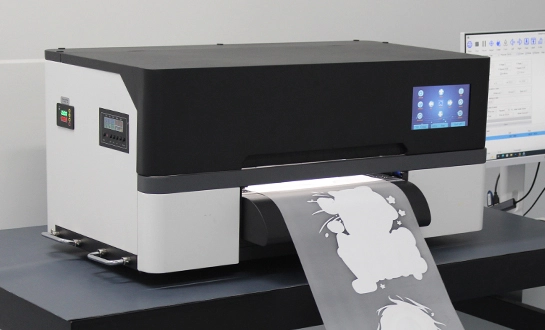
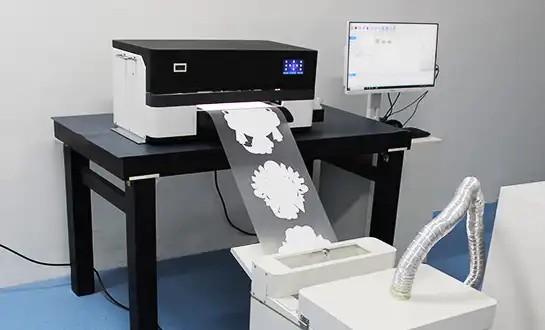
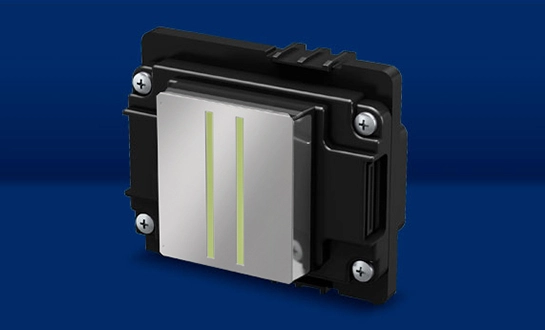
Piezoelectric printheads—often Epson F1080-A1 configurations—deposit colored CMYK and white inks onto PET film in precise patterns. Unlike DTG, no fabric treatment is done. After printing, professionals add TPU adhesive powder to wet ink layers and cure the film using 110°C–150°C infrared heat. The transfer sticks to clothing with heat press equipment at a regulated pressure and temperature. This technique speeds up complicated visuals with exquisite detail, such as gradient or photorealistic logos.
Key Advantages for B2B Operations
At low quantities, textile converters and promotional goods distributors have material flexibility that screen printing cannot match cheaply. The method works with synthetic athletic apparel, canvas totes, and treated leather without altering equipment. Colour reproduction surpasses offset printing while preserving ISO 105-C06 Level 4 wash durability, essential for corporate uniform programmes. Digital files eliminate screen preparation, decreasing labor costs and allowing same-day delivery for urgent orders. All of these aspects lessen the entrance hurdle for enterprises entering customized marketplaces without buying several machines.
Applications Across Target Industries
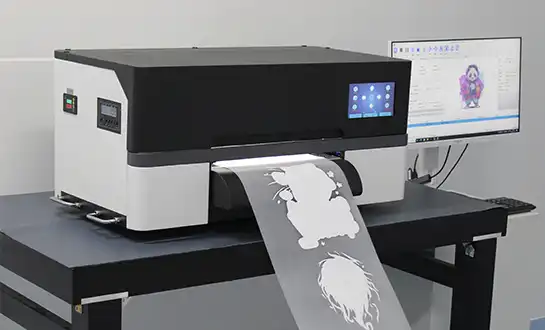
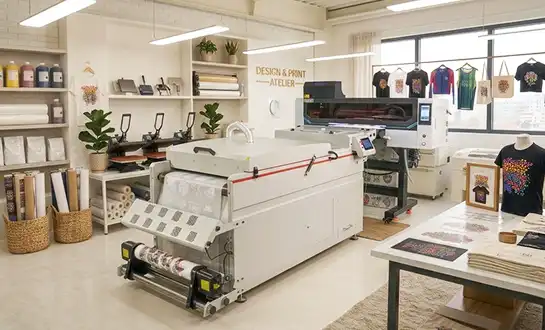
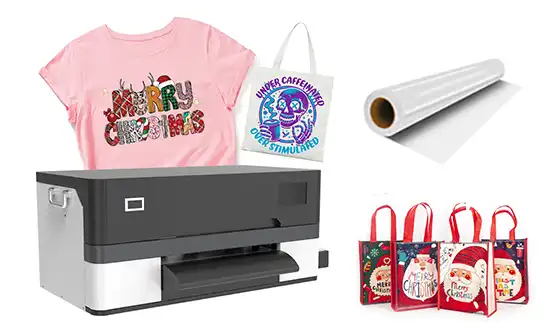
Advertising agencies create polyester flags and nylon bags with DTF transfers to fulfill campaign deadlines. Pillow coverings and ornamental blankets with elaborate designs are made using the procedure. Print-on-demand eliminates inventory risk for gift customizing businesses, making single-unit phone cases or aprons as orders arrive. Printing fabric bags and soft boxes with DTF pieces adds a luxury appearance. Miniature versions like the FEDAR FD-D300 give industrial-grade output without taking up floor space or requiring three-phase power. Small studios and mid-sized companies appreciate their desktop footprint.
DTF Printer vs. Alternative Printing Technologies: A Comparison for Informed Procurement
Screen Printing Limitations
Screen techniques work for runs over 500 identical units, but setup time and emulsion costs prevent profitability below that level. When clients want multi-hue designs, screen preparation for each color delays production. Halftones lack the photographic detail compared to digital. Screen cleaning and reclamation create chemical waste, challenging environmental compliance. Direct to film printer equipment is appropriate for mixed-order batches in e-commerce fulfillment centers due to fast file-to-print operations.
Direct to Garment Comparisons
Due to dye migration, DTG works best on 100% cotton but poorly on polyester mixes. Printheads clog more when printing white ink bases, and pre-treatment chemicals increase handling and material expenses. Transfer printing applies patterns outside, allowing operators to swap fabric kinds without machine reconfiguration. TPU films flex better than cured DTG ink layers, decreasing breaking on sports equipment subjected to frequent washing and mechanical stress.
Sublimation and Heat Transfer Alternatives
Sublimation only provides brilliant effects on polyester or polymer-coated surfaces, restricting its applicability in natural fiber industries. Heat transfer vinyl is durable but lacks photographic quality and requires weeding for intricate forms. Through gradient fidelity and heat-tolerant material support, direct to film printer technology bridges both gaps. The adhesive powder adheres consistently without the thick, plastisol-like texture of typical transfers, appealing to fashion designers who value a gentle touch. These characteristics assist procurement teams in matching technology profiles to substrate portfolios and quality standards.
Choosing the Right Direct to Film Printer: Buying Guide for B2B Clients
Evaluating Technical Specifications
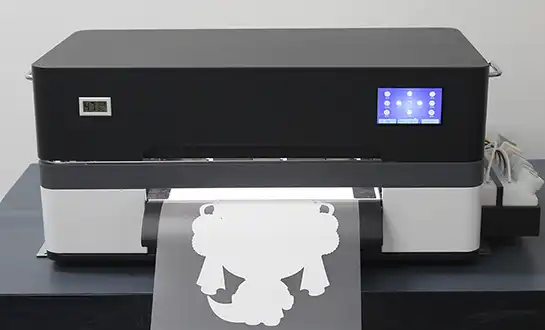
Text readability and gradient smoothness depend on resolution, with 1600 DPI being the professional standard. Print width determines substrate size compatibility; 300mm direct to film printers like the FEDAR FD-D300 fit common garment measurements. The single-head FD-D300 produces 10 A3 sheets hourly at CMYK mode, while the dual-head FD-D302 triples output to 31 sheets for higher-volume situations. Continuous multi-shift operations require white ink circulation systems to prevent pigment settling and nozzle failures. For film stability during high-speed printing, buyers should check the vacuum platen strength to avoid registration problems.
Supplier Credibility and Support Infrastructure
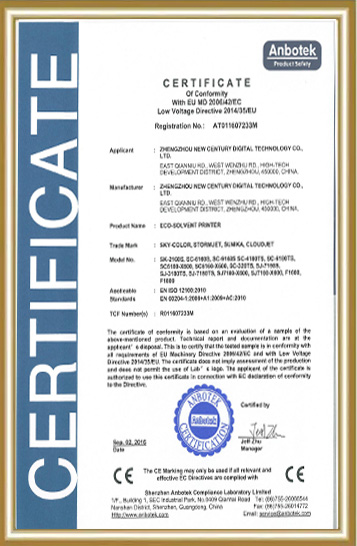
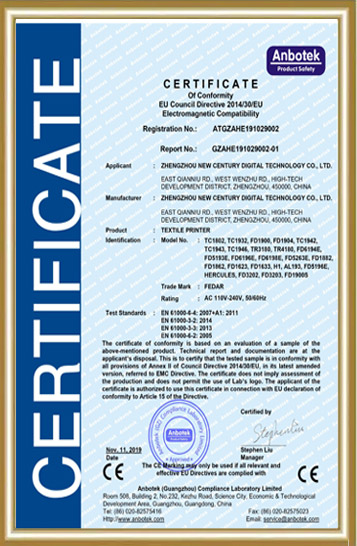
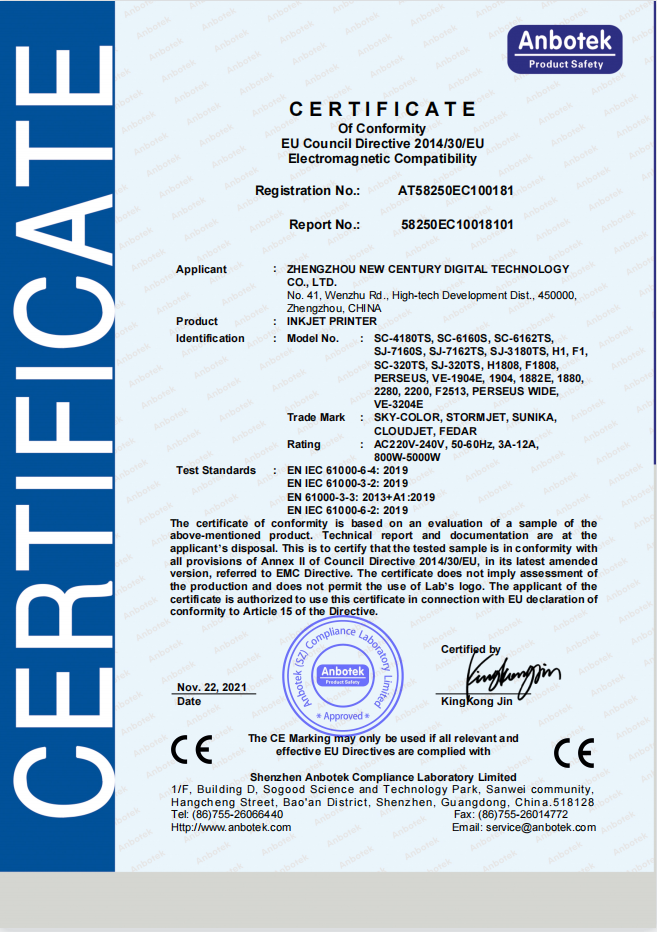
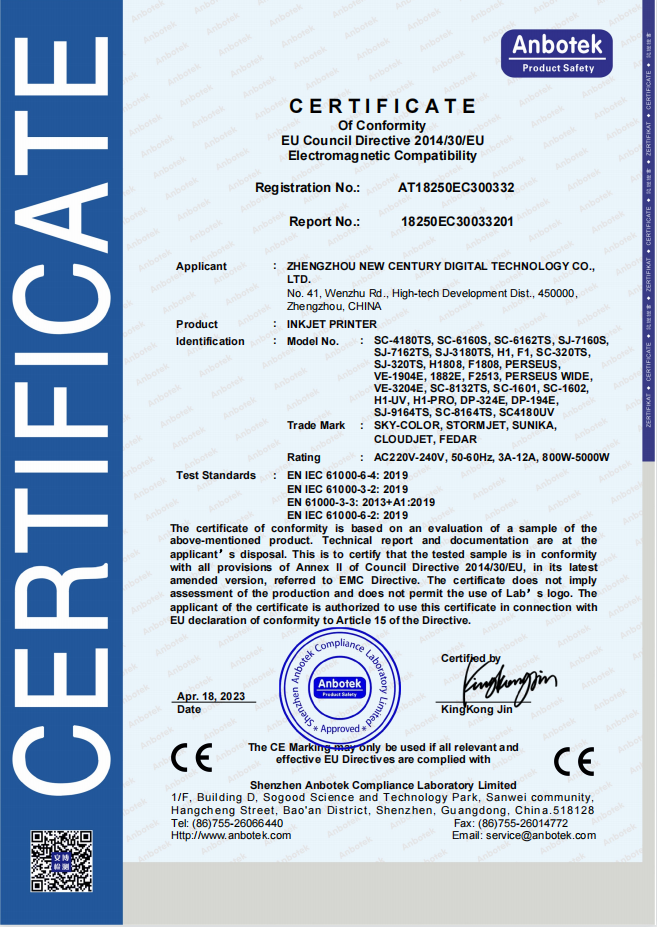
Quality fluctuation across equipment batches is reduced by working with ISO-certified manufacturers of direct to film printer systems. Fedar's 400-person facility specializes in original R&D and manufacturing with tight quality control for component traceability and machine performance. Suppliers that offer technician training, video troubleshooting, and fast replacement part shipment reduce costly production stoppages. Printheads and electronics should have 12-month warranties with clear exceptions. Brands' marketing collateral, sample kits, and co-branded paperwork help territorial distributors convert customers.
Maintaining and Optimizing Your Direct to Film Printer Performance
Routine Maintenance Protocols
Nozzle check patterns should be done daily to detect obstructions before they degrade print quality. Automated white ink circulation avoids pigment separation while idle, prolonging direct to film printer life beyond 3,000 hours. Weekly cleanings with manufacturer-approved solutions remove ink lines and dampen particles. Static interference with film feeding devices is prevented by 40-60% humidity in storage. Wiper blade replacement every three months improves capping station performance, while carriage rail lubrication quarterly decreases mechanical wear. These practises reduce emergency service calls and ensure production consistency for contract deadlines.
Troubleshooting Common Issues
Color banding usually indicates misaligned printheads or low ink levels. Bi-directional correction and cartridge seating fix most cases. Powder adhesion difficulties may result from low curing temperatures or contaminated films. Regularly adjust dryer temperatures and use lint-free hands to avoid surface oils on PET rolls. Heat press stretching or wrinkling indicates improper pressure or platen overheating. Documenting parameter modifications for different fabric weights reduces trial-and-error waste, especially when training new workers.
Optimizing Print Quality Settings
Color fidelity across reorders is achieved by matching ink output to film brands with RIP software color profiles when using a direct to film printer. Balance DPI against production timelines to maximize throughput without losing detail. Eco-friendly inks now provide comparable wash fastness and lower VOC emissions, appealing to clients with sustainability requirements. Before mass manufacturing, ink-powder combinations are tested for durability in organized wash trials—AATCC 61-2A recommends 40 home laundry cycles. Due diligence preserves brand reputation and reduces printing costs.
Future Trends and Innovations in Direct to Film Printing
Technological Advancements Reshaping the Industry
Next-generation printheads might quadruple jetting frequencies, reducing production times without resolution loss. Ink chemists create UV-stable pigments for outdoor fabrics, increasing direct to film printer uses to awnings and maritime upholstery. Remote consumable monitoring and predictive maintenance warnings from IoT reduce multi-location operations' unplanned downtime. Automation reduces labor and improves transfer uniformity by eliminating powder shaking. These advancements reduce operational complexity, making sophisticated capabilities available to smaller, outsourced companies.
Sustainability Initiatives Driving Adoption
Water-based direct to film printer inks with biodegradable powder compositions are becoming more popular as environmental rules prohibit solvent-based methods. LED curing systems use 40% less electricity than infrared dryers, lowering costs and carbon footprints. Recyclable PET film and closed-loop ink cartridge initiatives solve eco-conscious brand waste problems. Industry leaders work with suppliers to create transparent supply chains that provide carbon offset data for ESG reporting. These advancements promote DTF technology over less sustainable decorating approaches in procurement assessments.
Strategic Partnerships for Market Adaptability
Distributors that work with R&D-focused manufacturers get pilot technology first. Service offerings in overcrowded markets are differentiated via collaborative product creation, such as unique substrate ink profiles. Shared training programs keep technical professionals up to date on best practices, decreasing knowledge gaps that impede technology adoption. Long-term supply agreements stabilize consumable prices, safeguarding business margins amid material cost swings. Prioritizing partners with financial stability and innovation track records above transactional partnerships is essential for strategic alliances.
Conclusion
Technical parameters, supplier reliability, and long-term service promises must be considered while choosing direct to film printer equipment. This guide covered technological fundamentals, advantages over alternatives, and B2B procurement-focused decision criteria. Compact versions like the FEDAR FD-D300 and FD-D302 show how desktop convenience can provide industrial output quality, allowing garment decorating enterprises to join markets without large capital commitments. Regular maintenance and quality improvement lengthen equipment life and develop client trust with consistent outcomes. Recent improvements promise improved sustainability and automation, making direct to film printer solutions a robust choice for changing market demands.
FAQ
Why does white ink bleed around design edges?
High humidity or poor PET film coatings create this problem. Place films in climate-controlled conditions below 50% relative humidity and check supplier quality. Improve powder adhesion consistency by adjusting curing temperatures within manufacturer-specified ranges—usually 130°C to 145°C. Multiple film brands are tested during setup to find the best material combinations for your environment.
How should I prevent printhead clogging during weekends?
Automatic circulation systems keep white ink reservoirs agitated, preventing pigment settling and nozzle blockage. Maintenance flushes before idle periods remove ink from feed lines. Avoid condensation in ink channels by storing machines in temperature-controlled rooms. These measures ensure printhead readiness and prevent Monday morning startup problems that impede output.
Can DTF transfers work reliably on full polyester garments?
Polyester dye bleeding is molecularly blocked by anti-migration powders and low-temperature inks. Heat pressing at 150°C for 15 seconds with mild pressure creates robust bonding without sublimation. Before making big synthetic fabric purchases, AATCC wash testing verifies color stability. This opens up sports and promotional apparel markets.
Partner with Fedar for Proven DTF Printing Solutions
Uptime and fast technical assistance impact operational success when choosing a direct to film printer supplier. Fedar has 400 employees committed to original development and production, ensuring excellence throughout the manufacturing process. Our global knowledge supports customizable partnership methods for resellers, distributors, and direct factory purchasers. Our accessible invention brings Epson F1080-A1 reliability and space-saving designs to the FEDAR FD-D300 and FD-D302 models, ideal for sample production and small-batch operations. Complete after-sales support covers installation, maintenance, and accelerated component delivery. Contact our technical team at info@tex-printer.com to explore how our direct to film printer manufacturer capabilities meet your procurement and market growth goals.
References
1. Smith, J. & Anderson, K. (2023). "Digital Textile Printing Technologies: A Comparative Analysis." Journal of Industrial Textile Engineering, Vol. 45, pp. 112-128.
2. Roberts, M. (2022). "Adhesive Powder Formulations in DTF Printing: Performance and Durability Study." Textile Research Quarterly, Vol. 38, No. 2, pp. 67-83.
3. Chen, L. et al. (2024). "Sustainability Trends in Digital Garment Decoration: Environmental Impact Assessment." International Journal of Sustainable Manufacturing, Vol. 12, pp. 201-219.
4. Williams, T. (2023). "Printhead Technology Evolution: From Piezoelectric Basics to Industrial Applications." Advanced Printing Systems Review, pp. 89-104.
5. Garcia, R. & Thompson, P. (2022). "Heat Transfer Methods for Synthetic Fabrics: Quality and Wash Durability Comparisons." Apparel Manufacturing Technology, Vol. 29, No. 4, pp. 145-162.
6. Morrison, D. (2024). "B2B Procurement Strategies for Digital Printing Equipment." Supply Chain Management in Textiles, Vol. 18, pp. 73-91.

Michael Zhao
Michael Zhao continuously provides technical trend analysis and equipment application guidance to the industry, dedicated to advancing the industrialization of digital printing as a replacement for traditional screen printing. Achievement: Has published multiple technical analysis articles and provided professional support in equipment selection, process optimization, and fault diagnosis to dozens of printing factories, contributing to the upgrade of the digital printing industry.
We Look Forward to Your Email
Please send us product information that interests you, and we will provide you with one-on-one service.

_1778203196111.png)
Recommended Blog
_1783412819689.webp)
Sublimation Printing: Exploring the Technique, Machines, and Advantages