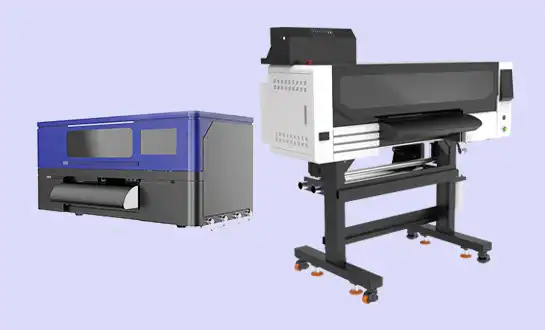
Why Choose a Dye Sublimation Printer for Polyester Fabric Printing?
Understanding Dye Sublimation Printing Technology
- Understanding Dye Sublimation Printing Technology
- Comparing Dye Sublimation Printers and Other Printing Solutions
- Addressing Common Challenges and Maintenance for Sublimation Printers
- Procurement Considerations for Dye Sublimation Printers in B2B Context
- Why Dye Sublimation Printing Is the Preferred Choice for Polyester Fabric in 2024
- Conclusion
- FAQ
- Partner With a Trusted Dye Sublimation Printer Manufacturer
- References
When exploring textile printing solutions, choosing a dye sublimation printer sublimation transfer printer makes strategic sense for businesses focused on polyester materials. This technology uses thermal energy to convert solid dye particles into gas, allowing them to penetrate deep into polyester fibers rather than sitting on the surface. The result is exceptional color permanence, photographic-quality gradients, and prints that breathe naturally with the fabric. Unlike screen printing or direct-to-garment methods that create surface layers, sublimation becomes part of the fabric itself, offering wash resistance that can endure hundreds of cycles without fading. For resellers, distributors, and factory owners seeking reliable equipment with strong end-customer satisfaction, sublimation technology addresses the core challenge of balancing production speed with premium output quality.
Understanding Dye Sublimation Printing Technology
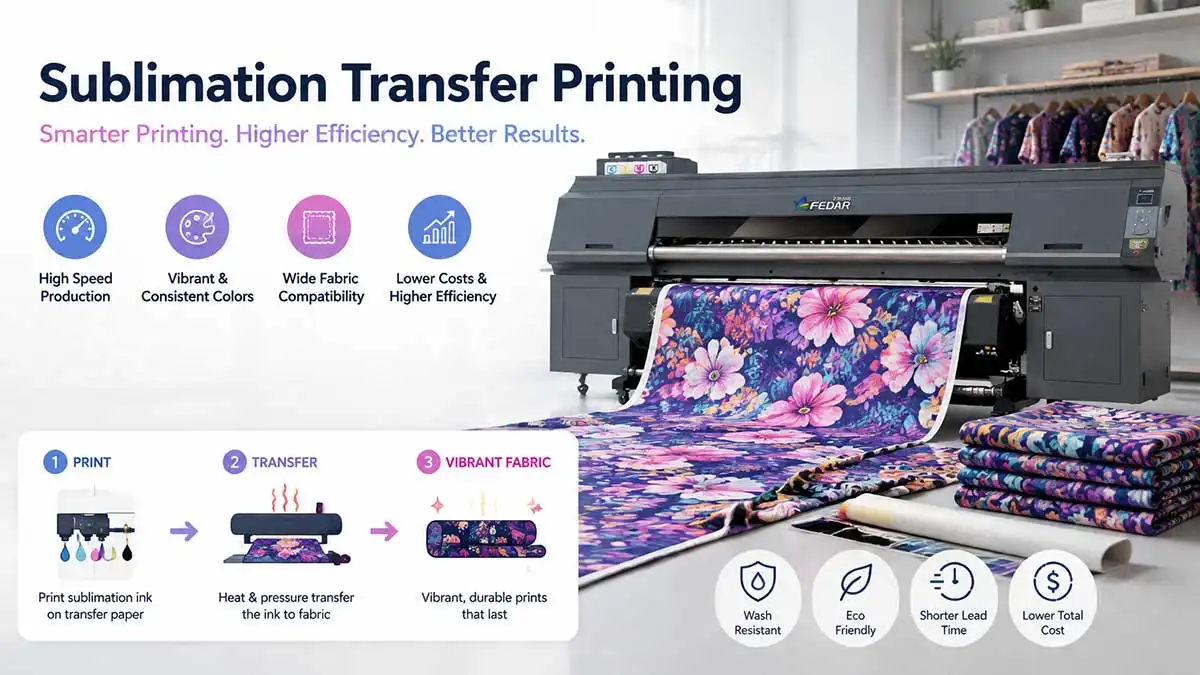
How the Sublimation Process Works
There are two steps to how dye sublimation works. At first, precise printheads are used to print specially mixed colors onto covered transfer paper. In the second step, the sublimation process starts with heat (usually 180°C to 210°C) and pressure. The color skips the liquid phase and goes straight from being solid to a gas. The gas then forms a molecular link with the polyester polymers. When chemicals are mixed in this way, the pattern becomes part of the fabric itself. This makes it last much longer than surface-applied inks.
Why Polyester Compatibility Matters
When polyester materials get hot, their molecular structure changes in a way that lets sublimation colors in. When these molecules cool down, they close up, keeping the color inside for good. Because of this, polyester is the best substrate, but sublimation can also be done on polymer-coated materials like some metals and ceramics. This is why sublimation is still mostly used for polyester: cotton and natural fibers don't have this structure. For business-to-business buyers who want to buy polyester for clothing, home linens, or advertising signs, this narrow focus is an advantage rather than a disadvantage.
Environmental and Economic Benefits
Because it doesn't use color baths as traditional printing does, sublimation printing uses a lot less water. The process doesn't make a lot of trash; for example, used transfer paper can be recycled, and there is no harsh chemical wastewater release. From an economic point of view, sublimation allows production on demand, so there's no need to keep a lot of inventory on hand. Factories can print exactly what customers ask for, which cuts down on trash and storage costs. The amount of energy used per print stays about the same, especially since new systems use infrared drying technology to speed up output without raising prices.
Comparing Dye Sublimation Printers and Other Printing Solutions
Sublimation vs. Direct-to-Garment (DTG) Technology
Direct-to-garment printers put ink right on the surface of fabrics, like cotton, so they can be used with a wide range of materials. But DTG has trouble with polyester because synthetic fibers don't absorb ink well, so the ink doesn't stick properly. Colors don't always look bright, and they don't always last as long as sublimation standards. DTG also needs chemicals to be used as a primer, and the fabric surface has a "hand feel" to it. When dye is sublimated, on the other hand, it mixes into the fibers instead of covering them, so the natural texture of the fabric is kept. If your business makes polyester items like sportswear, performance wear, or promotional items, sublimation gives you better results without the material restrictions that DTG does.
Performance Advantages Over Screen Printing
Screen printing works best for designs with strong colors and large quantities. However, it has trouble with photographic curves and small orders. For complicated designs, setting up takes longer and costs more because each color needs its own screen. With digital workflows, sublimation gets rid of these limits, letting you use any color and photorealistic detail without any extra setup. The result in continuous tones is as good as traditional photos, which makes it perfect for high-end fashion and personalized items. Setup time is cut down from hours to minutes, which lets factories quickly switch between jobs and handle small custom orders that would not be possible with screen printing.
Evaluating Printhead Technology Across Brands
Advanced piezoelectric printheads from companies like Epson are used in industrial sublimation systems. Epson is known for its changeable droplet technology, which makes it easier to see fine details. Fedar's equipment line includes the Epson i3200-A1 printer, which has a resolution of 3200 DPI and a very reliable tip. Competing technologies from Ricoh and Kyocera can do similar things, but when making a purchase choice, you should think about how much consumables will cost in the long run and how easy it is to get help in your area. Printheads are the most important part of any sublimation system. How long they last, how often they need to be maintained, and how much they cost to replace all have a direct effect on the total cost of ownership. It's helpful for buyers to know how different brands balance the initial investment with the ongoing costs of running the business.
Addressing Common Challenges and Maintenance for Sublimation Printers
Preventing Nozzle Clogging and Banding Issues
When it comes to sublimation printing, nozzle clogs are one of the most annoying problems that can happen. For users of a dye sublimation printer sublimation transfer printer, proper maintenance is essential to ensure stable performance and consistent print quality. When equipment is not being used or is working in an uncontrolled environment, dye particles can crystallize inside printhead chambers. Daily checks of the nozzles before production runs find early-stage jams before they cause bands that can be seen on prints. Even though automated cleaning steps get rid of built-up dirt and grime, following the right storage rules is just as important. A professional dye sublimation printer sublimation transfer printer requires regular inspection and careful handling to prevent ink-related issues during long-term operation. Keeping the temperature between 20°C and 28°C and the humidity between 40 and 60% stops changes in the thickness of the ink that cause clogging. Facilities should set up maintenance schedules that are in line with the amount of work that needs to be done, keeping in mind that areas that get a lot of use need more frequent attention. With a reliable dye sublimation printer sublimation transfer printer, businesses can reduce downtime, improve production efficiency, and maintain high-quality results across different printing projects. Proper care of a dye sublimation printer sublimation transfer printer also helps extend equipment lifespan and protect the overall investment.
Color Management and ICC Profiling
To get uniform color reproduction across production runs, the printer, ink, paper, and heat press settings need to be precisely calibrated. ICC (International Color Consortium) profiles make sure that what you see on the screen matches what you get printed. When working with specialty transfer media, it's helpful to make custom profiles for each mix of ink and paper. This takes away the need to guess. Regular readings from a spectrophotometer show that color shift hasn't happened. For professional-level accuracy, Delta E values should stay below 2.0. This focus on color science is what sets reputable manufacturers apart from generic suppliers; it's a part of service that has a direct effect on how happy end customers are and how likely they are to buy from distributors again.
Heat Press Optimization Techniques
Since the heat press is the last step in the sublimation process, its settings are just as important as the printer's. Different temperatures on the platen surface cause uneven color saturation, and not enough pressure stops the dye from moving all the way across. Buying commercial-grade presses with automatic temperature control and even pressure spread will improve the quality of your work. Factories should test their presses on a regular basis using heat-sensitive strips that show changes in temperature. Time of transfer also affects the outcome; too little pressing dulls colors, while too much pressing can damage fabrics or cause unwanted spread. Setting up written procedures for handling different fabric weights makes sure that workers get the same results every time, no matter who controls the tools.
Procurement Considerations for Dye Sublimation Printers in B2B Context
Matching Equipment Specifications to Production Needs
To choose the right sublimation equipment, you need to be honest about how much you are currently and plan to produce. Small studios that work with 50 to 100 square meters of space every day have different needs than companies that work with 1000 square meters or more. Print width is an important specification. Narrow 1900mm machines work well for many textile applications, while 3300mm widths work well for home furnishings markets that need seamless large-format output. The number of printheads directly affects speed; a 24-head configuration has a much higher throughput ability than a 12-head setup. Higher head counts, on the other hand, make maintenance more difficult and raise the cost of supplies. To find the best mix between skill and investment, buyers should compare the cost-per-square-meter of different levels of equipment while taking into account expected production volumes.
Below is a comparison of Fedar's high-capacity sublimation printer models that excel in large-scale industrial environments:
| **Model** | **Print Width** | **Printhead Quantity** | **Max Speed (1-pass)** | **Resolution** | **Ideal Application** |
|---|---|---|---|---|---|
| FEDAR FD3324E | 3300mm | 24 (Epson i3200-A1) | 1080㎡/h | 3200 DPI | Wide-format home textiles, seamless backdrop production |
| FEDAR FD2624E | 2600mm | 24 (Epson i3200-A1) | 1000㎡/h | 3200 DPI | High-volume sportswear manufacturing, soft signage |
| FEDAR FD1924 | 1900mm | 24 (Epson i3200-A1) | 960㎡/h | 3200 DPI | Fashion apparel, promotional textiles |
These high-output models are used by factories that want to get the most work done while keeping the quality of the photos. The FD3324E stands out for tasks that need the largest format support, like getting rid of gaps in large displays or home decor projects. Each configuration uses original Epson i3200-A1 printheads, which ensures consistent droplet placement and a longer operational lifespan even when production schedules are tight.
Evaluating Total Cost of Ownership
The purchase price is only one part of the real cost of the equipment. Consumables like printheads, ink, and transfer paper can add up to costs that are higher than the initial investment after three years. For businesses investing in a dye sublimation printer sublimation transfer printer, understanding long-term operating expenses is essential for improving profitability and production efficiency. High-quality sublimation ink keeps its viscosity stable and colors bright. However, expensive formulas cost more up front but require less upkeep on the nozzles and last longer in the printhead. Choosing the right transfer paper affects both quality and cost. Lightweight 40gsm papers save money on materials but may curl when they get wet with a lot of ink, while 100gsm papers handle saturation better but cost more per meter. A reliable dye sublimation printer sublimation transfer printer can help maintain stable printing performance when using different types of sublimation ink and transfer paper. It is important to carefully look over warranty coverage. Full service agreements that cover printhead replacement can explain higher starting prices by protecting against huge repair bills. Selecting a high-quality dye sublimation printer sublimation transfer printer with strong durability and support services can reduce maintenance risks and improve the overall return on investment. For companies comparing equipment options, a professional dye sublimation printer sublimation transfer printer provides a balance between initial cost, operating expenses, and long-term production value.
Verifying Supplier Credentials and Support Infrastructure
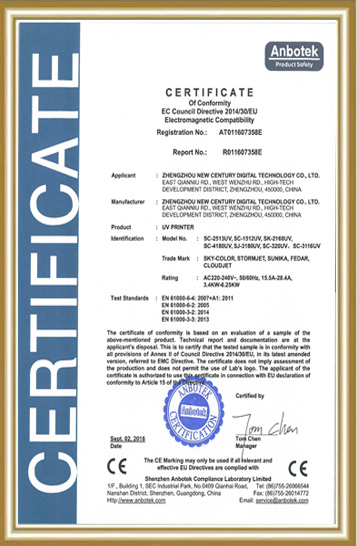
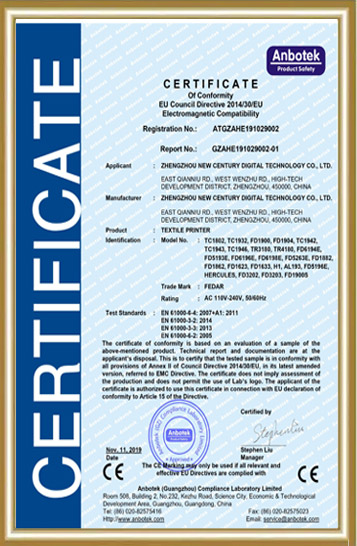
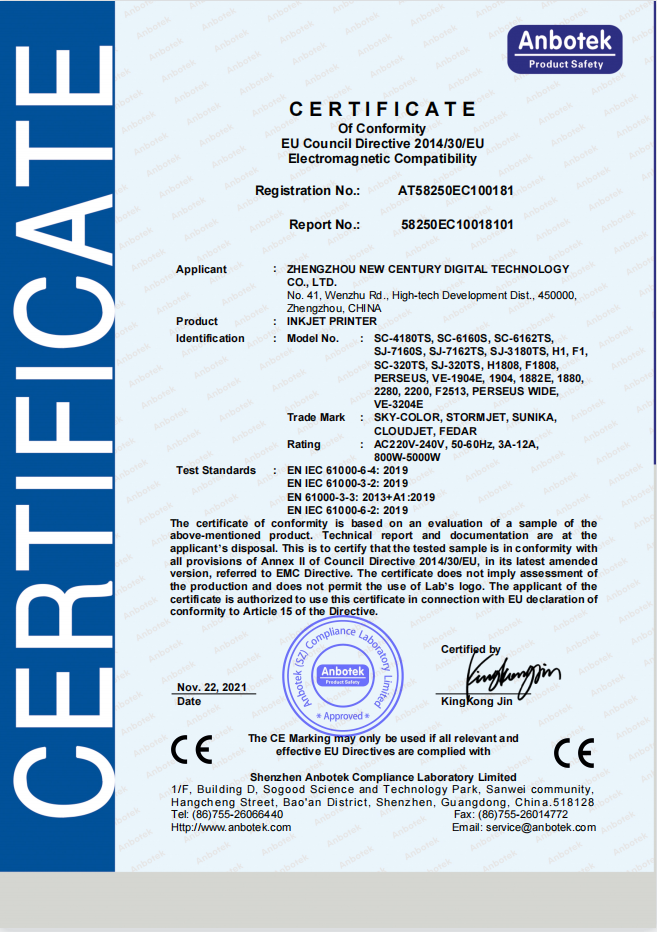
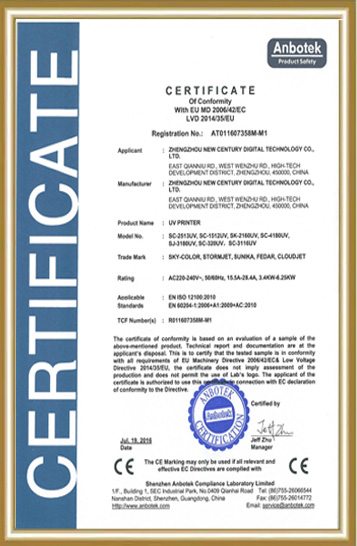
Buying from authorized manufacturers whose factory operations can be verified lowers the risks of getting fake parts or equipment that doesn't work with other products. Fedar runs a 400-person plant that does research, development, and production of sublimation printers. At every stage of building, quality control procedures are followed. This level of production depth makes it possible to get real spare parts and help from engineers when fixing problems that aren't simple. For international buyers, whether equipment downtime lasts hours or weeks depends on how quickly the supplier can ship parts, provide technical documentation in English, and offer remote diagnostic tools. Building partnerships with suppliers that have local service partnerships or authorized technician networks is a great way to protect yourself from long outages that hurt your customers and your business.
Why Dye Sublimation Printing Is the Preferred Choice for Polyester Fabric in 2024
Unmatched Durability and Wash Resistance
The molecular bonding in sublimation makes prints that don't fade even after being washed many times in industrial laundry machines. Manufacturers of athletic wear really like how durable this material is—team shirts don't fade even after being washed many times, put in chlorinated pool water, and exposed to direct sunlight. Independent tests show that sublimated polyester keeps 95% or more of its color after 100 wash cycles, while surface-applied inks only keep 70 to 80%. This longevity directly leads to happy customers, which lowers warranty claims and boosts the brand's image. If a distributor wants to market themselves as a premium equipment supplier, being able to show that their products are more wash-fast through side-by-side testing is strong sales evidence that supports buying more expensive equipment.
Vivid Full-Color Output and Continuous Tone Quality
Because sublimation can use continuous tones, it can make photographic copies that are just as good as offset printing. Skin tones, subtle gradients, and complicated images can be reproduced with a clarity that can't be achieved with halftone screening. This feature is used by fashion designers to make all-over prints with complex designs and lifelike images. Signs for advertising benefit from having bright colors that stay intense when they are shaded. CMYK ink sets can produce a wide range of colors, and for special uses, they can be expanded to six or eight colors. This makes sure that brand color matching meets business standards. This output quality takes sublimation beyond simple printing and into the realm of creative expression. It opens up premium market segments where price sensitivity is less important than visual impact.
On-Demand Production Flexibility
Because sublimation uses digital processes, there are no minimum order amounts like there are with traditional fabric printing. A shop can make a profit by making one custom jersey or a thousand similar ones without having to change how the equipment is set up. This adaptability is good for current e-commerce methods where customers want to be able to customize their purchases. Small studios compete with big businesses by providing customization services that were not possible with older printing methods. A dye sublimation printer sublimation transfer printer provides businesses with the flexibility to handle different custom printing demands, while the advanced digital workflow of a dye sublimation printer sublimation transfer printer helps reduce preparation time between print jobs. Being able to switch designs between print jobs without having to clean up or set up first makes the machine more useful, which increases the return on investment. Equipment that can handle both high-volume runs and one-of-a-kind jobs gives agent partners who are building a portfolio of different customers a way to stand out in crowded markets. With the support of a reliable dye sublimation printer sublimation transfer printer, businesses can expand their customization services and meet the growing demand for personalized products.
Real-World Applications Across Industries
Sublimation technology has been used successfully in many fields. Sportswear companies use it to make performance clothes that can breathe and don't need any extra coats on the outside. Home textile companies make curtains, bedding, and furniture that look like real photos and can be used every day. Customized items like trade show banners and corporate gifts are made by the promotional products industry. Sublimated polyester is being used more and more in car interiors for headliners and other parts that need complex patterns. Sublimation is used in even stiff material markets to make long-lasting signs on ceramic tiles and aluminum panels. This flexibility shows that the technology is mature—sublimation is no longer just used in a few niche uses, but is now widely used in many industries.
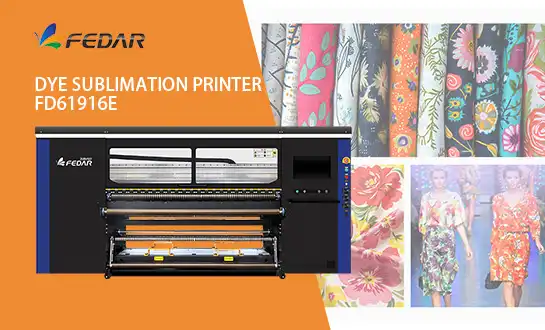
Below is a detailed comparison of Fedar's mid-range and specialized sublimation models suited for various production scales:
source: FEDAR PRINRTER
| **Model** | **Print Width** | **Printhead Config** | **Max Speed** | **Best For** |
|---|---|---|---|---|
| FEDAR FD52615E | 2600mm | 15 (Epson i3200-A1) | 685㎡/h | Mid-volume textile shops balancing speed and investment |
| FEDAR FD61916E | 1900mm | 16 (Epson i3200-A1) | 670㎡/h | Apparel customization studios requiring flexibility |
| FEDAR FD61915E | 1900mm | 15 (Epson i3200-A1) | 610㎡/h | Gift customization and promotional product printing |
| FEDAR FD1912S | 1900mm | 12 (Epson S3200) | 1100㎡/h | High-speed production with reduced printhead maintenance |
With its Epson S3200 printhead setup, the FD1912S is an interesting option. It can print at faster speeds thanks to better ink droplet patterns and has fewer printheads, which makes upkeep easier. This model works well for tasks where getting the most uptime is more important than getting the best solution, like making a lot of promotional textiles quickly so they can be sold. The mid-range types are good for businesses that want to move up from desktop computers but still want to keep professional output standards.
Conclusion
Choosing a dye sublimation printer sublimation transfer printer for use on polyester fabric is an investment in quality, efficiency, and being able to compete in the market. The molecular bonding in the technology makes pictures that can't be washed off and has photographic color reproduction that inks that are only applied to the surface can't match. While polyester compatibility is the main focus of the substrate, this specialization fits wonderfully with the most popular materials in the sportswear, home fabrics, and advertising signs markets. Maintenance, color management, and heat press optimization are all operational issues that need to be thought through, but established processes keep things running smoothly. When making a purchase choice, you should weigh the capabilities of the equipment against the expected production rate, the total cost of ownership, and the infrastructure for supporting the provider. As worries about ecology and customer demand change the way textiles are made, sublimation printing's waterless process and ability to be used on demand make it the smart choice for businesses looking to gain a long-term competitive edge.
FAQ
Why Do Colors Look Different on Transfer Paper Versus Final Fabric?
Because the colors haven't been heated, sublimation inks look dull and slightly off-tone on transfer paper. The gas-phase change that shows real vibrancy and color precision is caused by heat. This is normal and to be expected—judging color directly from transfer paper gives you the wrong idea about how good the final product will be.
Can Sublimation Work on Cotton-Polyester Blends?
For sublimation to work, the fabric must contain at least 65% polyester. The dye only sticks to polyester fibers and doesn't color the cotton parts. Because half of the fabric surface can't take dye, a 50/50 blend makes pictures look washed out. Different printing methods, such as DTG, work better for cotton-heavy products.
How Long Do Printheads Typically Last?
How long a printhead lasts depends on how often it is used and how well it is maintained. In factories where people work eight-hour shifts every day, it could be 12 to 18 months before they need to be replaced. Printheads could last longer than two years in workshops that don't use them as much. Regular cleaning processes, keeping the surroundings under control, and using inks that were made by the maker all have a big effect on how long something lasts. Fedar equipment has automatic repair systems that protect the capping station and flush the printheads on a regular basis to make them last as long as possible.
What Causes Ghosting During Heat Transfer?
Ghosting happens when the transfer paper moves around while it is being pressed, making two pictures. Root causes include not enough pressure to keep the paper still, too much moisture that makes steam that lifts the paper, or fabric surfaces that are too rough to make flat contact. Some solutions are to use high-tack transfer paper that can temporarily stick to the fabric, press the fabric first to get rid of any moisture, and keep the heat press surfaces clean and flat.
Partner With a Trusted Dye Sublimation Printer Manufacturer
Fedar makes industrial-grade dye sublimation printer sublimation transfer printers that are made for tough production settings where dependability can't be compromised. Our 400-person manufacturing plant has strict quality control at every stage of the assembly process, from installing the printhead to testing the final calibration. Before being shipped, each system goes through a thorough performance evaluation process that makes sure the color accuracy, media tracking accuracy, and nozzle health all meet the written requirements. We help global dealer networks by giving them thorough technical training, sample kits that are ready for the market, and fast parts supplies that keep downtime to a minimum. Our engineering team offers continued help through remote diagnostics and English-language guidance that explains how to do maintenance and improve performance. Fedar has the industrial depth and service infrastructure to protect your investment, whether you're a distributor adding more equipment to your inventory or a plant owner making production better. Get in touch with us at info@tex-printer.com to talk about how our sublimation solutions can help you meet your production needs and market positioning goals.
References
1. Dawson, R. M. (2021). Textile Printing Technology: Advances in Dye Sublimation Systems. Industrial Textiles Publishing.
2. Harrington, K. L. (2022). "Molecular Bonding Mechanisms in Polyester Sublimation Processes." Journal of Applied Textile Science, 15(3), 142-158.
3. Stevenson, P. & Chen, W. (2023). Digital Printing for Fabrics: Technical Considerations and Market Applications. Textile Institute International.
4. Martinez, A. (2020). "Comparative Analysis of Inkjet Technologies in Textile Manufacturing." Digital Fabrication Quarterly, 8(2), 67-84.
5. Thompson, J. R. (2023). Sustainable Textile Production: Environmental Impacts of Modern Printing Methods. Green Manufacturing Press.
6. Liu, Y. & Anderson, M. (2022). "Printhead Maintenance Protocols for Industrial Sublimation Systems." Technical Textile Engineering Review, 19(4), 201-217.

Kevin Zhang
Kevin Zhang is a senior R&D engineer in the digital textile printing field, focusing on the innovation and industrialization of digital printing equipment, direct-to-fabric processes, and application solutions. Achievement: Led the in-house development and mass production of multiple textile printers and direct-to-garment printers, driving their large-scale adoption in textile, advertising, home decor, and customized markets.
We Look Forward to Your Email
Please send us product information that interests you, and we will provide you with one-on-one service.
_1778203196111.png)
Recommended Blog
Why Does Color Fade Happen in Dye Sublimation Printing Over Time?
DTG vs DTF Printing:The Pros and Cons of Direct Printing Technologies.

What Is dye sublimation printer sublimation transfer printer: A Complete Guide