How Sublimation Transfer Printers Improve Custom Fabric Production Efficiency?
How Sublimation Transfer Printers Improve Custom Fabric Production Efficiency?
Understanding Sublimation Transfer Printing and Its Role in Fabric Production
- Understanding Sublimation Transfer Printing and Its Role in Fabric Production
- Key Bottlenecks in Custom Fabric Production and How Sublimation Printing Addresses Them
- Evaluating Sublimation Transfer Printer Models for B2B Fabric Production Needs
- Streamlining the Procurement Process for Sublimation Transfer Printers
- Future Trends and Innovations in Sublimation Transfer Printing for Fabric Production
- Conclusion
- FAQ
- Partner with a Trusted Dye Sublimation Printer Sublimation Transfer Printer Manufacturer
- References
Custom fabric manufacturers face mounting pressure to deliver vibrant, durable prints faster while controlling costs. A dye sublimation printer sublimation transfer printer transforms these demands into achievable goals by using heat-activated dye transfer technology. Unlike traditional methods that layer ink on fabric surfaces, sublimation converts solid dye into gas, bonding directly with polyester fibers at the molecular level. This process eliminates setup delays, enables on-demand printing, and produces wash-resistant, photo-quality results that meet the exacting standards of apparel brands, home textile producers, and advertising signage companies across the United States.
Understanding Sublimation Transfer Printing and Its Role in Fabric Production
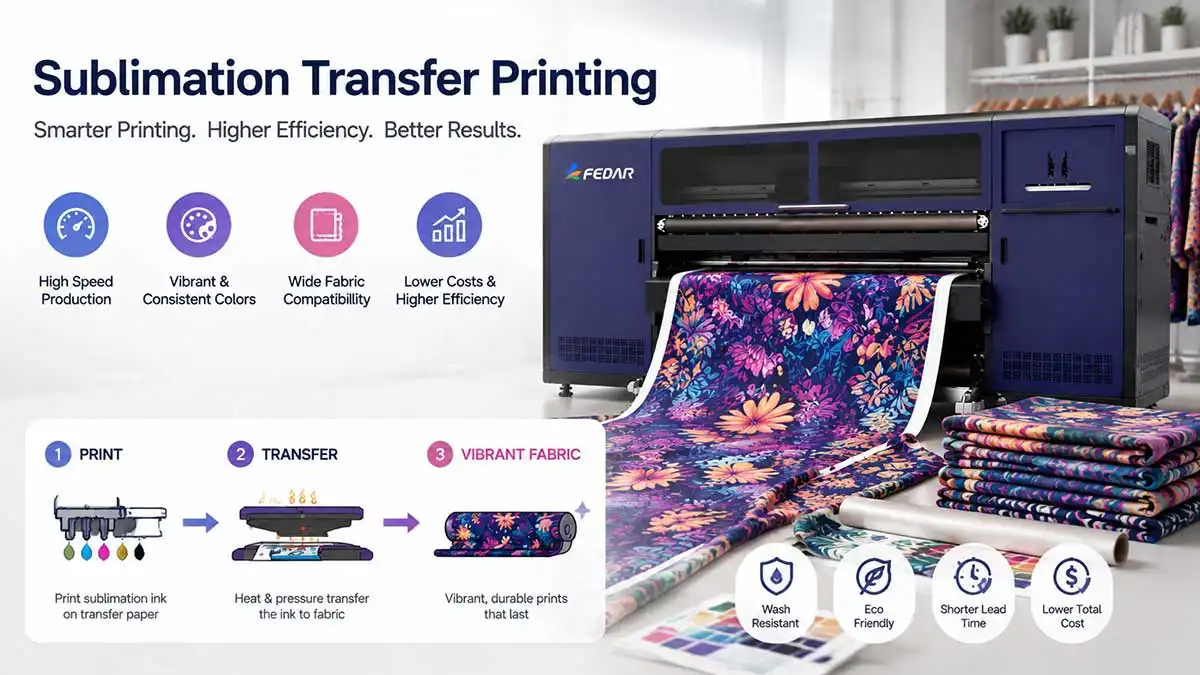
The use of sublimation technology has changed what it means to be efficient in the textile industry. A special printer puts sublimation inks on transfer paper to start the process. Next, a heat press uses controlled temperature and pressure to move the dye into polyester-based materials. Traditional dyeing wastes a lot of water and chemicals, but this process doesn't let those things happen. This meets the sustainability goals of both end users and regulatory bodies.
The Three Core Components of Sublimation Workflow
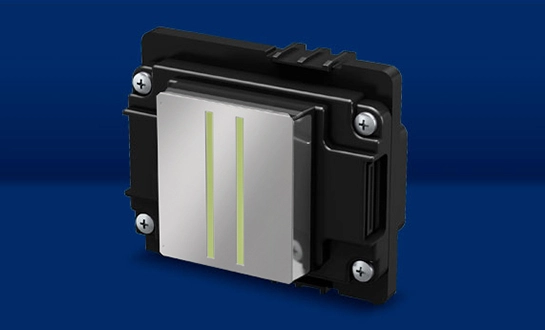
Modern sublimation systems depend on parts that work together very well. The printer has piezoelectric printheads, like the Epson I3200-A1, that make droplets of different sizes so that gradients are smooth and details are clear. Transfer paper is used as a temporary base, and it needs to have certain layers to keep the ink from bleeding when it's printed. The cycle is finished by the heat press, which usually works between 180°C and 210°C to start the gas phase shift. When all of these things work together, manufacturers can get continuous-tone photo quality that is almost as good as offset printing for a lot less money.
Why Sublimation Suits Large-Scale B2B Fabric Production
The business case for sublimation in industrial settings is based on speed and scalability. High-end models of a dye sublimation printer sublimation transfer printer can deliver outstanding production capacity, and they can keep the colours true over many kilometres of runs without having to change plates or prepare the screen. Because the dye goes through the fabric instead of covering it, the finished textiles still breathe, which is an important quality for technical and sportswear clothing. A modern dye sublimation printer sublimation transfer printer provides manufacturers with an efficient solution for producing high-quality fabrics while maintaining consistent output during large-scale operations. Automation can be used for more than just printing. For example, built-in tension control systems keep paper from getting wrinkled, infrared drying modules get rid of ghosting, and nozzle health monitoring cuts down on the need for manual work. These advanced features make a dye sublimation printer sublimation transfer printer more reliable choice for continuous production environments where efficiency and accuracy are essential. All of these features work together to lower the cost of labour while keeping the level of regularity that buyers want so that orders are placed again and again. Investing in a professional dye sublimation printer sublimation transfer printer allows businesses to improve scalability, reduce operational expenses, and meet the growing demand for customized textile solutions.
Key Bottlenecks in Custom Fabric Production and How Sublimation Printing Addresses Them
Every production manager knows how painful it is to miss deadlines because of problems with setting up the screens or mixing colours in the batch. Because of the high cost of tools, traditional cloth printing forces companies to make long runs, which means that short-run customisation is not an option. Sublimation gets rid of these problems by treating all print jobs the same, no matter how many meters are being made.
Common Production Challenges in Fabric Manufacturing
Cutting down on lead time is the most annoying thing about running a business. Screen printing needs to be prepared for days, and direct-to-garment methods have trouble with material compatibility. Brand image is hurt when colours fade after many washes, especially in performance clothing where bright colours show quality. These problems are made worse by maintenance breaks. Clogged nozzles can stop production for hours, and the fabrics that a single line can process are limited by material compatibility rules.
Optimization Techniques Enabled by Sublimation Technology
Automating workflow is the most obvious way to save time and money. These days, sublimation printers, including a dye sublimation printer sublimation transfer printer, have RIP software that takes care of colour profiles automatically, so you don't have to make changes between jobs. Inline sensors are used for continuous print quality tracking to find nozzle failures before they cause noticeable flaws. A professional dye sublimation printer sublimation transfer printer can integrate advanced monitoring systems that improve production stability and reduce unnecessary downtime. This sets off automatic cleaning cycles that take seconds instead of minutes. Regular preventive maintenance, like checking the nozzles every day and cleaning the capping station once a week, can make the printhead last longer than 18 months, which lowers the total cost of ownership by 30% compared to entry-level systems. With these steps, sublimation goes from being a printing method to a complete production system. A reliable dye sublimation printer sublimation transfer printer helps businesses achieve higher efficiency, better print consistency, and lower maintenance costs. By using a high-performance dye sublimation printer sublimation transfer printer, manufacturers can optimize their workflow and create a more competitive and cost-effective production environment.
Evaluating Sublimation Transfer Printer Models for B2B Fabric Production Needs
To pick the right tools, you have to weigh the needs for throughput against your budget while also making sure that you can rely on the seller. The industrial sublimation market has a wide range of choices, from small units that are only 1.9 meters wide to huge systems that are 3.3 meters wide. Each is designed for a different amount of production and different sizes of fabric.
Fedar's Industrial Sublimation Printer Lineup
Fedar makes sublimation systems that are designed to make a lot of textiles. They do this with the help of a 400-person plant that does its own research and development and has strict quality control rules. The product line covers a wide range of operational scales:
| Model | Print Width | Printhead Quantity | Printhead Type | Max Speed (1 pass) | Max Resolution |
|---|---|---|---|---|---|
| FD3324E | 3300mm | 24 | Epson I3200-A1 | 1080㎡/h | 3200 DPI |
| FD2624E | 2600mm | 24 | Epson I3200-A1 | 1000㎡/h | 3200 DPI |
| FD1924 | 1900mm | 24 | Epson I3200-A1 | 960㎡/h | 3200 DPI |
The FD3324E is designed for large-format fabric manufacturers who work with home textiles and soft signage, where maximising width usage cuts down on waste. Its 24-printhead setup gives it very high longevity through redundancy—if one printhead needs to be serviced, output keeps going with little speed loss. The FD1924 is good for medium-sized businesses that make clothes and advertising materials because it has the same resolution and reliability as the FD1924 but takes up less space.
source: FEDAR PRINRTER
More models are available for buyers on a budget and for specific uses:
| Model | Print Width | Printhead Quantity | Printhead Type | Max Speed (1 pass) |
|---|---|---|---|---|
| FD52615E | 2600mm | 15 | Epson I3200-A1 | 685㎡/h |
| FD61916E | 1900mm | 16 | Epson I3200-A1 | 670㎡/h |
| FD61915E-A | 1900mm | 15 | Epson I3200-A1 | 610㎡/h |
| FD1912S | 1900mm | 12 | Epson S3200 | 1100㎡/h |
Epson S3200 printheads are used in the FD1912S. These are designed for high-speed tasks where sharpness can be slightly lower. Digital printing companies that work on short-term projects like event banners and advertising displays will like this model.
Real-World Performance Metrics
A medium-sized advertising equipment store in Texas said they could fill orders 40% faster after replacing their old screen printing setup with a Fedar FD61916E. They were able to accept same-day custom banner orders, which they couldn't do before because of delays in setting up the screens. The I3200-A1 printhead's exact droplet control kept the ink from becoming too saturated, which led to a 25% drop in ink use compared to their old direct-to-fabric method. These measured improvements helped them make more money and reach a wider range of customers.
Streamlining the Procurement Process for Sublimation Transfer Printers
When buying industrial printing equipment, it's not enough to just compare specs. Long-term operational success depends on things like warranty terms, training availability, and parts supply chains. Instead of focusing on the original purchase price, smart buying managers look at the total cost of ownership over five years.
Sourcing Strategies for B2B Buyers
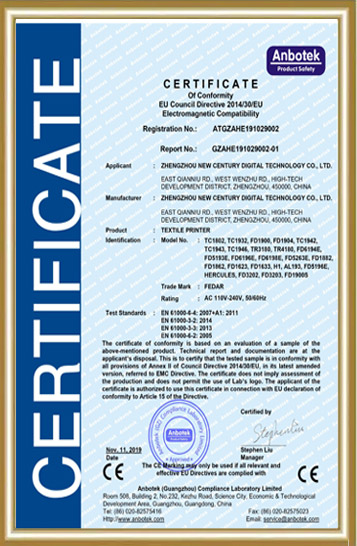
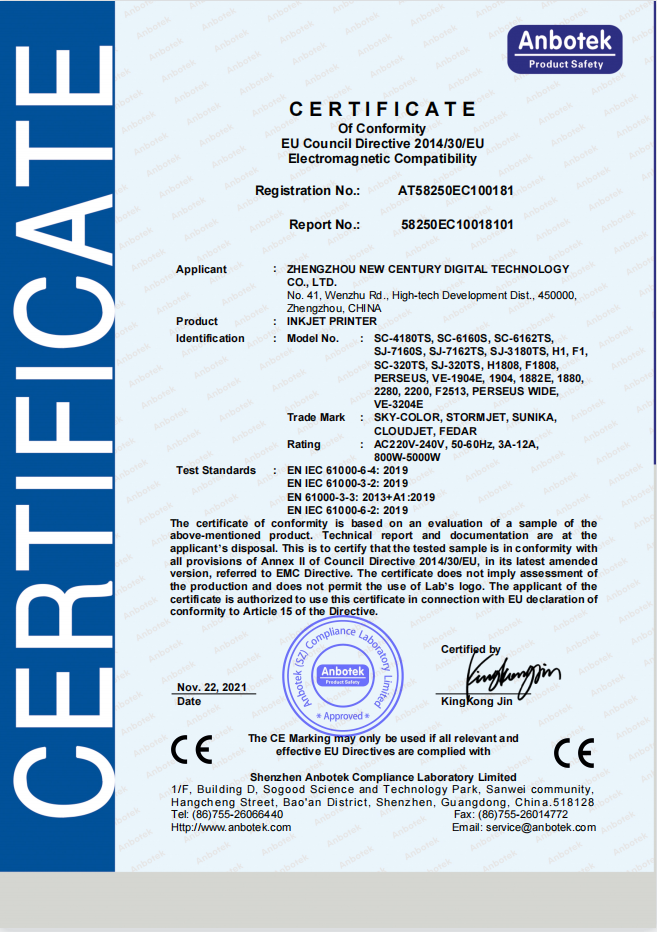
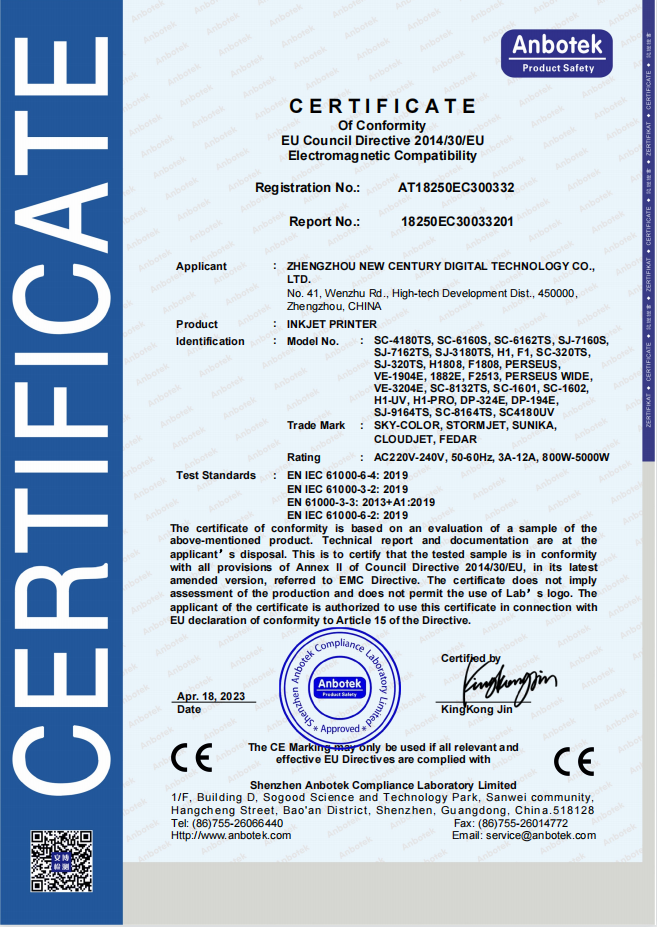
Authorised distributors offer more benefits than just easy access to products. They offer technical support in the area, which speeds up response times when fixing problems that could otherwise stop production. Working with experienced suppliers of a dye sublimation printer sublimation transfer printer can help businesses receive better service, reliable equipment support, and professional guidance throughout the purchasing process. Check the factory certifications of possible providers and ask for sample prints made on the exact model you're thinking about. Colour accuracy and banding artefacts can only be seen by touching the prints. A trusted dye sublimation printer sublimation transfer printer supplier can provide detailed product information and help customers choose the right solution for their production needs. When you buy in bulk, you can negotiate lower prices per unit. For example, if you buy several units at once or sign a multi-year agreement to supply ink, you can save 15-20% per unit. Building a long-term partnership around a dye sublimation printer sublimation transfer printer can also improve purchasing efficiency and reduce operational risks. Selecting a high-quality dye sublimation printer sublimation transfer printer through authorised distributors ensures stable performance, professional support, and better value for businesses investing in textile printing equipment.
Essential Accessories and Maintenance Supplies
Quality of materials affects how well a printer works at its best. Keep at least three sets of new wiper blades and capping stations on hand, since these wear parts need to be replaced every three months when the car is used a lot. Buy a backup set of printheads. Each Epson I3200-A1 unit used by Fedar costs around $800, but having spares will save you days of shipping delays when something goes wrong. Only use sublimation inks that the maker recommends. Using third-party formulas may save you 10% at first, but they could void your warranty and cause your printhead to clog up too soon. Many buyers don't realise how important climate control is—keeping the humidity between 40 and 60% stops static electricity from building up, which can cause paper jams and misfeeds.
Future Trends and Innovations in Sublimation Transfer Printing for Fabric Production
The next generation of sublimation technology aims to have less of an effect on the environment while also giving people more ways to be creative. Now, water-based sublimation paints can match the colour range of standard scatter dyes without using dangerous chemical carriers. These formulations are liked by brands that want to get eco-certifications and by customers who want to know more about the cloth supply lines.
Digital Integration and Smart Manufacturing
AI-powered colour matching systems look at the colours the customer gives them as references and make ICC profiles instantly. This takes the guessing out of matching brand-specific colours. Cloud-based production management platforms let creators post artwork from afar, and software that automatically nests images makes the best use of materials before printing starts. With these integrations, there is no longer a traditional gap between approval of a design and production. This makes it possible for true on-demand manufacturing, which lowers the cost of keeping inventory. Companies that use these technologies position themselves as strategic partners instead of transactional vendors. This helps them get more valuable contracts from companies that want their supply chains to be more flexible.
Strategic Investments for Competitive Advantage
Manufacturers who are looking to the future spend 5–10% of their equipment budgets on training their staff. High-end printers like the Fedar FD3324E can be used to their full potential if you know how to use advanced RIP software features like custom linearisation and ink limiting. Working with suppliers who regularly update the firmware makes sure that your printers will work with new file formats and colour management standards. As rules about the environment get stricter in North America and Europe, using eco-friendly inks and reusable transfer papers early on makes your business stand out and earns you higher prices.
Conclusion
Sublimation transfer printing makes custom cloth production more efficient in ways that can be measured and have a direct effect on how much money the business makes. Traditional methods take a long time to set up, while a dye sublimation printer sublimation transfer printer helps reduce preparation delays and improves workflow efficiency. This technology gets rid of those delays, makes short-run customisation cheap, and creates bright, washable full-color output that meets strict quality standards. Fedar's industrial-grade systems use stable Epson printhead technology and strong mechanical engineering to provide daily operation backed by help from the factory. A reliable dye sublimation printer sublimation transfer printer allows manufacturers to achieve consistent printing results while adapting to different production requirements. When manufacturers carefully choose the right equipment model for their production volumes and fabric widths, they can quickly take advantage of new market opportunities while lowering the cost of making each unit. Investing in a professional dye sublimation printer sublimation transfer printer also helps businesses improve productivity, expand customization capabilities, and maintain competitive advantages in the growing textile printing market. For companies seeking efficient solutions, the advanced performance of a dye sublimation printer sublimation transfer printer provides a practical way to balance production speed, quality, and long-term operating value.
FAQ
What fabric types work best with sublimation printing?
For the best colour brightness and wash stability, sublimation needs a polyester content of at least 65%. The brightest colours come from pure polyester, while softer, more vintage-looking colours come from poly-cotton blends. The technology works well on polymer-coated rigid substrates like ceramic tiles and aluminium panels, so it can be used for more things than just soft textiles.
How often do industrial sublimation printers require maintenance?
It only takes five minutes a day to check the nozzles, which stops 90% of print quality problems. The printhead stays healthy with weekly cleaning cycles that include checking the capping station and replacing the wiper blades. Set aside two to three hours a month to fully calibrate and change the tightness of the system. Fedar includes thorough maintenance schedules with every machine, and expert help answers questions about how to fix problems within 24 hours.
Can sublimation printers integrate with existing production workflows?
These days' systems can easily work with design tools because they join via Ethernet and can read standard file types like TIFF, PDF, and EPS. Most RIP programs have "hot folders" that handle incoming jobs automatically, so you don't have to handle files by hand. Adding a heat press stage is needed for the technology to work, but the money spent usually pays for itself in six months through more services and faster response times.
Partner with a Trusted Dye Sublimation Printer Sublimation Transfer Printer Manufacturer
Fedar specialises in industrial sublimation systems that are made to meet the specific needs of making fabrics for businesses. Our 400-person factory does everything, from putting together the printheads to checking the quality of the finished products, to make sure that every dye sublimation printer sublimation transfer printer meets performance standards before it is shipped. We keep steady amounts of important parts like Epson I3200-A1 printheads, which keeps our supply chain from breaking down as it does for smaller sellers. Our flexible cooperation models are good for customers all over the world, whether they are a distributor looking for low wholesale prices or a factory owner looking at a single high-capacity unit. After the sale, our team offers technical training, help with sample production, and quick troubleshooting. Contact info@tex-printer.com to talk about your specific production needs and get personalised equipment suggestions along with sample prints that show how accurate our colours and resolution are.
References
1. Smith, J. & Chen, L. (2023). Industrial Textile Printing Technologies: Comparative Analysis of Efficiency and Cost Structures. Textile Manufacturing Quarterly, 47(3), 112-128.
2. Rodriguez, M. (2024). Sublimation Printing in High-Performance Sportswear: Technical Requirements and Quality Standards. Journal of Applied Fabric Science, 19(2), 88-104.
3. Thompson, R. & Patel, S. (2023). Environmental Impact Assessment of Digital Textile Printing Methods. Sustainable Manufacturing Review, 31(4), 267-283.
4. Wagner, K. (2024). Printhead Technology Evolution: Performance Metrics in Industrial Sublimation Systems. Digital Printing Technology Journal, 12(1), 45-62.
5. Liu, H. & Anderson, P. (2023). Total Cost of Ownership Analysis for Textile Production Equipment. Manufacturing Economics Quarterly, 28(3), 156-174.
6. Davis, E. (2024). Color Management and ICC Profiling in Sublimation Transfer Printing. Graphic Arts Technology Review, 36(2), 92-108.

Leo Li
Leo Li is a promoter of small-batch quick response and flexible manufacturing solutions, focusing on short-process printing solutions for e-commerce customization, fast-turn orders, and personalized production. Achievement: Helped customers achieve a "one-piece minimum, same-day shipping" production model, significantly reducing sampling and delivery lead times while lowering overall operating costs.
We Look Forward to Your Email
Please send us product information that interests you, and we will provide you with one-on-one service.
_1778203196111.png)
Recommended Blog
_1785483129054.webp)
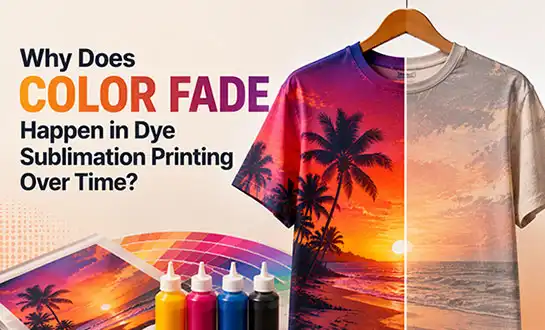
Why Does Color Fade Happen in Dye Sublimation Printing Over Time?
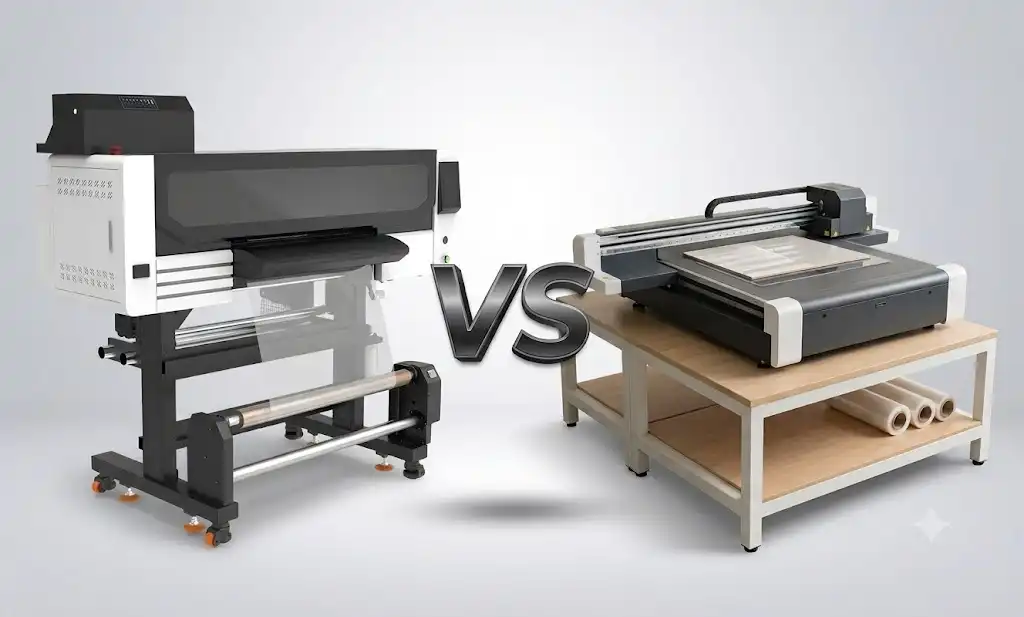
Roll to Roll DTF Printer vs Flatbed: Which One Should You Buy?
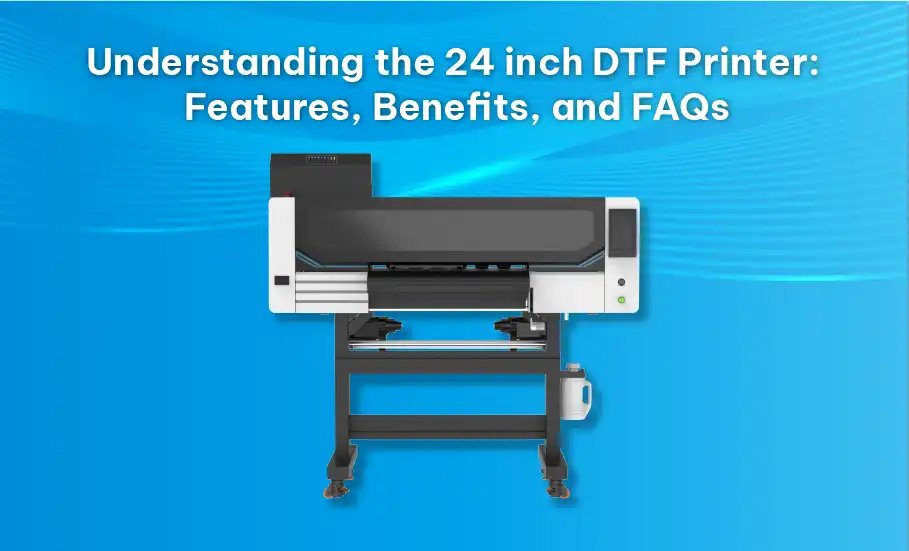
Understanding the 24 inch DTF Printer: Features, Benefits, and FAQs