DTF Pet Printing for Pet Apparel: Trends and Tips
Understanding DTF Pet Printing Technology
- Understanding DTF Pet Printing Technology
- Current Trends in DTF Pet Printing for Pet Apparel
- Essential Tips for Selecting and Maintaining DTF Pet Printers
- Comparative Insights: Finding the Right DTF Pet Printer Solution
- Optimizing Procurement and Integration of DTF Pet Printing in Your Business
- Conclusion
- FAQ
- Partner with Fedar for Reliable DTF Pet Printer Solutions
- References
The market for pet clothes has changed a lot because customisation has opened up new ways to make clothes. DTF pet printer technology is at the head of this change. It gives companies a flexible option that combines industrial-grade output with easy use. This way of printing puts complicated patterns on special polyethylene terephthalate films. These films are then heated and pressed onto different fabrics, making bright, long-lasting pictures on pet clothes. Direct-to-film technology is different from traditional screen printing in that there is no minimum order quantity. This makes it perfect for shops that make personalised dog blankets, cat bandanas, and other custom pet items that pet owners love. Resellers and printing studios can take advantage of growing market opportunities if they understand this technology.
Understanding DTF Pet Printing Technology
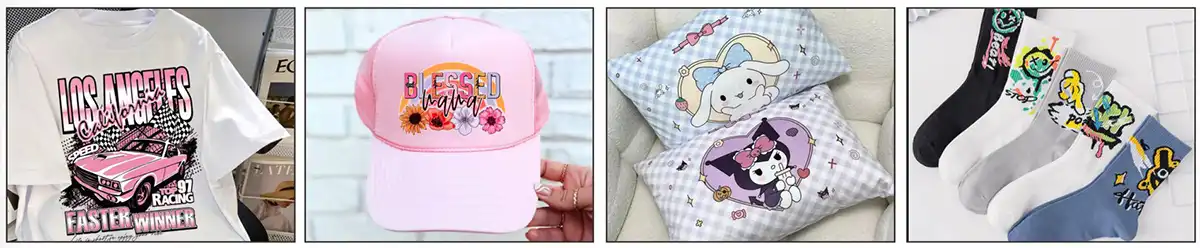
The Core Process Behind Direct-to-Film Printing
For direct-to-film printing to work, there is a simple but complex workflow. CMYK and white ink layers are used to print designs on a special film that makes sure the designs are opaque on dark fabrics. When the printing is done, hot-melt adhesive powder is added to the still-wet ink to make a glue. The film is then put into a curing oven, which sets the temperature so that the powder melts evenly. A heat press moves the design from film to fabric during the final application. This makes pictures that feel soft to the touch and don't crack when they stretch. DTG systems need to treat the fabric first, but this process doesn't need to do that. This cuts production time by a large amount.
Key Components That Drive Performance
Every DTF system depends on carefully designed parts that work together. The printhead affects the quality of the resolution. For example, the Epson F1080-A1 can give up to 1600 DPI for clear images. Pigment settling is a common problem that leads to nozzles getting clogged. White ink circulation systems stop this from happening. Powder shakers make sure that the adhesive is spread out evenly over the printed area, and curing units keep the temperature between 160°C and 180°C so that the bond is strong. The quality of the film is just as important. Premium PET films with hydrophilic coatings hold ink precisely while releasing cleanly during transfer, stopping any ghosting or colour distortion.
Comparing DTF with Alternative Printing Methods
Procurement workers need clear performance standards when they look at different printing technologies. DTF is very good at working with different types of fabrics; it can handle cotton, polyester, blends, and even leather without making any changes to the substrate. Sublimation printing is very bright, but it can only be used on rayon and light-colored materials. UV printing is long-lasting, but the results are harder, so they can't be used on pet clothes that can be stretched. DTG prints very clearly on cotton, but it has trouble with dark synthetics and needs expensive chemicals to be used before printing. This is where direct-to-film technology comes in. It offers Grade 4+ wash fastness, 200% stretch capability, and a lower total cost of ownership by getting rid of pre-treatment steps and lowering the need for upkeep.
Current Trends in DTF Pet Printing for Pet Apparel
Market Growth Driven by Personalization Demand
Pet owners are starting to think of their animals as family members, which is increasing the demand for personalised clothes that show off people's characters. The market for pet clothes in 2024 has grown by more than 10%, and personalised items are selling for a lot of money. Small print shops and online stores that sell unique items can benefit from this trend because they can fill orders without having to worry about stock. Businesses that use DTF pet printer technology do well with print-on-demand models because they only make items when they are ordered, so they don't have to pay for storage or keep extra stock. When resellers work with dependable equipment providers, they can offer faster turnaround times than traditional makers, which gives them a competitive edge.
Technological Advancements Enhancing Production
Recent improvements have made direct-to-film possible in ways that weren't possible before. Higher-resolution printheads can now print intricate patterns and portraits of pets at speeds that make batch production cost-effective. Powder application methods that are automated cut down on human work and make big runs more consistent. Better software makes it easier to connect to design tools, which lets customers see what goods will look like before they are made. These improvements make it easier for new businesses to get started with technology while also making it easier for existing businesses to grow. Studios that buy new equipment are 30–40% more productive than studios that use old models.
Sustainability Considerations in Modern Manufacturing
Distributors who work with eco-friendly brands now look for companies that care about the environment when they buy things. Water-based colour paints used in DTF systems have fewer volatile organic substances than solvent-based options. This makes the workplace safer and has less of an effect on the environment. The removal of pre-treatment chemicals further reduces the amount of water needed and the amount of chemical trash that needs to be thrown away. Curing systems that use less energy lower costs and help reach sustainability goals. Distributors who stress these features get relationships with pet brands that care about the environment and stores that want to match customer views about responsible manufacturing practices.
Essential Tips for Selecting and Maintaining DTF Pet Printers
Matching Equipment Capacity to Business Requirements
Before choosing the right tools, you should be honest about how much you're producing and how much you think it will grow. Entry-level systems are good for studios that do 50 to 100 transfers a week, while mid-range models can handle 200 to 500 pieces. Businesses that want to test the market can start with the Fedar FD-D300, which has a single Epson F1080-A1 printhead that offers 1600 DPI quality across a 300mm print area. This model makes 20 A4 prints an hour, which is enough for sample makers and people who need to fill special orders. Businesses with steady demand should think about getting dual-head models like the FD-D302, which can print 62 A4 sheets per hour twice as fast without lowering the quality. Both models offer industrial output in sizes that are small enough to fit on a desk, saving valuable floor space.
Installation and Initial Setup Procedures
Installing something correctly sets the stage for reliable performance. The environment has a big effect on the quality of the print. For example, keeping the relative humidity between 40 and 60% stops static buildup on films and makes sure that the ink dries properly. Stability in temperature between 20°C and 25°C improves the viscosity of the ink and stops curing problems from happening. The equipment should be put somewhere out of direct sunlight and away from sources of dust. There should also be enough air flow around the curing units. Using ICC colour profiles for the initial calibration ensures that colours are reproduced correctly on all types of fabric.
Maintenance Protocols That Extend Equipment Lifespan
Regular repair has a direct effect on the quality of prints and the life of the equipment. As part of daily tasks, the printhead nozzles are checked and cleaned so that dried ink doesn't get stuck. Titanium dioxide particles settle quickly in white ink systems, so they need extra care. Active circulation systems should run nonstop during work hours. As part of weekly upkeep, the powder application rollers and curing conveyor belts are cleaned so that buildup doesn't affect the quality of the transfer. Every month, you have to do things like change the filters in systems that move white ink and check the dampers for air pockets that stop the flow of ink. When distributors work with makers to offer full training and support for extra parts, they can cut down on downtime and keep customers' trust by providing reliable service.
Comparative Insights: Finding the Right DTF Pet Printer Solution
Performance Metrics for Informed Decision-Making
To properly evaluate equipment, you need to know how the specifications relate to the results you want for your business. Print quality affects how well details are reproduced. For most business uses, 1600 DPI is enough. The throughput capacity is based on the speed rating, but realistic production rates take into account the time it takes to load the film, apply the powder, and cure. The amount of ink used directly affects the cost of each print; efficient systems use precise deposition to keep waste to a minimum. The range of substrate compatibility determines market opportunities. For example, equipment that can work with both natural and synthetic fibres lets more customer groups join. To correctly compare total operating costs, procurement managers should ask for thorough cost-per-print studies that include the costs of ink, film, powder, and energy use.
Evaluating Supplier Qualifications and Support Infrastructure
When choosing DTF pet printer equipment providers, you have to look at more than just the product specs. Factory skills show standards for quality control and consistent output. The 400-person Fedar plant focuses on original research and development (R&D) and production, making sure a steady supply of parts and thorough quality testing. How quickly technical problems are fixed depends on how well local after-sales support is set up. This has a direct effect on how happy customers are with distributor partners. Operational risks are lower when manufacturers offer installation help, full technical training, and spare parts that are easy to find. Market protection rules that keep certain areas from having too many suppliers help wholesalers build long-term businesses without having too much competition from the same brand.
Real-World Feedback from Industry Users
When compared to heat transfer vinyl weeding methods, medium-sized printing companies say that direct-to-film systems cut labour costs by 40%. Studios that are switching from DTG say that the major perks are less upkeep and more fabric options. Advertising shops like being able to print on demand without having to meet minimum orders. This lets them offer unique pet clothes along with their current sign services. Businesses that customise gifts like DTF transfers because they feel soft in the hand, which is different from traditional plastisol prints. These practical insights help procurement professionals anticipate ROI timelines and operational adjustments needed for successful technology integration.
Optimizing Procurement and Integration of DTF Pet Printing in Your Business
Strategic Sourcing and Budget Planning
When buying something, people weigh the upfront cost against the long-term cost savings. Entry-level systems start at around $3,000 to $5,000 and are good for businesses that want to see if the market wants to grow before they do. Equipment in the $8,000 to $15,000 price range is better for established businesses because it has faster speeds and is more reliable. Commercial systems with a lot of space cost more than $20,000, but they produce enough to make the investment worth it for large-scale production. When negotiating bulk orders, distributors should ask for deals that include starter supplies like film rolls, ink sets, adhesive powder, and sample fabric packs. These deals will lower the cost of starting up a business. Terms of payment and warranty coverage have a big effect on the overall risk of an investment.
Workflow Integration and Staff Training
For execution to go well, old processes need to be changed to fit the new technology. Design software compatibility makes sure that preparing files is easy, and RIP software makes sure that colour profiles are optimised for different types of fabric. Positioning equipment on a production line should minimise the amount of material handling. For example, design stations should be close to printers, and curing units should be next to heat presses. Investing in staff training pays off because it cuts down on mistakes and speeds up fixing. Full training includes daily tasks, maintenance steps, and how to solve common problems. Distributors can keep quality high as production grows with the help of manufacturers who offer ongoing technical support through video lessons, phone chats, and remote diagnostics.
Building Competitive Advantages Through Quality Accessories
Investing in high-quality products has a direct effect on the quality of the result and on how happy the customers are. Transfer flaws that lead to customer complaints and returns can be avoided with high-quality PET films. Compatible ink formulations made for specific types of printheads protect colours and extend the life of the equipment. The right adhesive powders make strong bonds without making fabrics too stiff. Distributors who teach customers about the quality of consumables set their value proposition apart from just the price of the equipment. Distributors can become informed partners instead of just transactional vendors by offering full solution packages that include tools, consumables, and training. This builds long-term partnerships and repeat business.
Conclusion
DTF pet printer technology has changed the way clothes are made for pets by making them more flexible, of better quality, and easier to get. Print-on-demand services help all kinds of businesses, from small workshops to medium-sized companies, because they get rid of the risk of keeping too much inventory and meet the growing demand for customisation. When choosing the right equipment, you need to think about how much production you need, how qualified the supplier is, and how much it will cost to run the business after the initial purchase price. For integration to work, the environment, maintenance procedures, and staff training must all be carefully thought out to ensure consistent output quality. With the help of trustworthy partnerships for equipment and good sources for consumables, distributors can build long-lasting businesses in this growing market segment.
FAQ
What advantages does DTF printing offer over traditional screen printing for pet apparel?
Direct-to-film technology gets rid of the costs of setting up screens, which makes it possible to buy small amounts or just one thing. The process can handle complicated designs with many colours without having to pay extra for colour separation. It also makes graphics that feel soft to the touch and stay flexible even after being washed many times. When it comes to pet clothes, small runs of different designs are often needed. This is why DTF's setup-free workflow is better than screen printing's economies of scale requirements.
How frequently should maintenance be performed to maintain print quality?
Ink jams that lower output can be avoided by checking and cleaning the nozzles every day. Powder applicators and curing conveyors need to be cleaned once a week to keep the transfer consistency. Filter refills and damper checks are done once a month to catch problems early, before they stop production. When manufacturers give operators detailed maintenance schedules and training, they can set up routines that keep up with print quality standards that keep customers happy.
Can beginners successfully operate DTF systems without prior printing experience?
Modern systems are made to be easy for everyone to use. Software interfaces are simple and automated processes that make things less complicated. Manufacturers of good products give full training that includes simple operating, fixing problems, and maintenance steps. Starting with basic models lets workers get better at what they're doing before moving up to bigger machines. Print-on-demand business models are good for new businesses because they reduce financial risk while slowly building production skills and customer bases.
Partner with Fedar for Reliable DTF Pet Printer Solutions
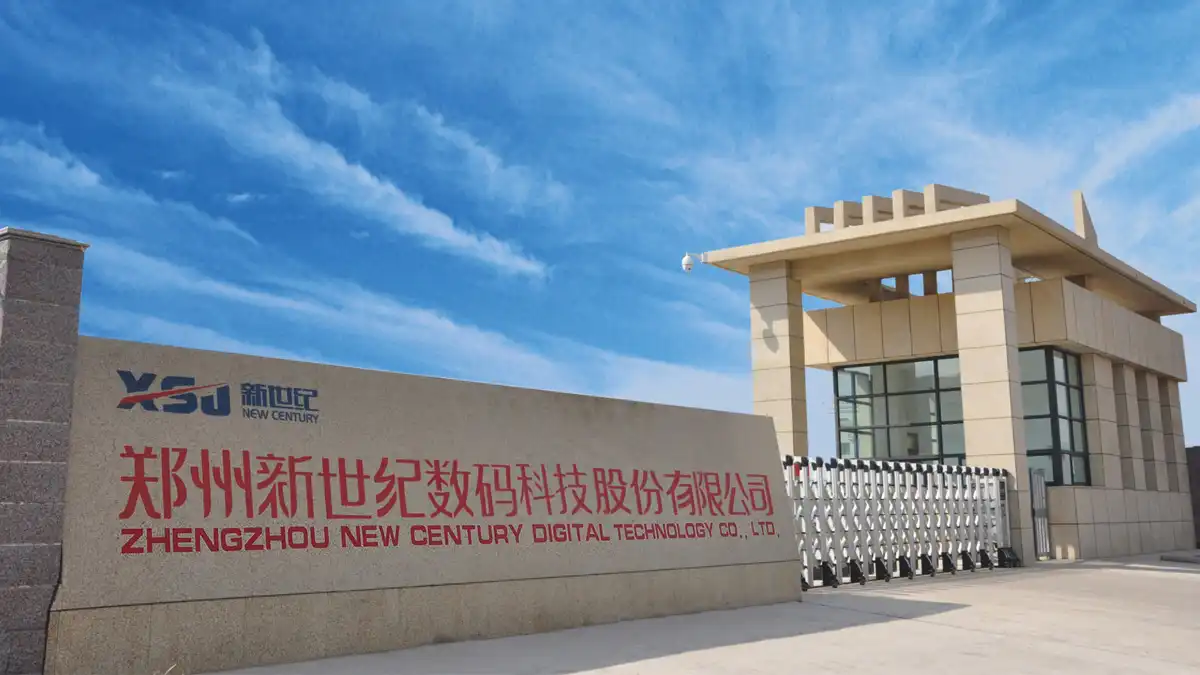
The market for customising pet clothes needs equipment that is a good mix of quality, dependability, and speed. Fedar's 400-person factory focuses on original research, development and production. It offers DTF pet printer systems with strict quality control and a steady supply of parts. Our FD-D300 and FD-D302 types are good starting places for a wide range of production sizes, from small batch shops to sample makers. As a well-known company that makes DTF pet printers, we know that distributors need competitive prices, market safety, and quick customer service after the sale to build trust with end customers. Our partners can do well in competitive markets with the help of technical training, marketing materials, and sample support. Get in touch with us at info@tex-printer.com to talk about how our services can help you reach your business goals and secure your place in the growing industry of customising pet clothes.
References
1. Anderson, M. (2023). Digital Textile Printing Technologies: Applications and Market Trends. Textile Industry Publishers.
2. Chen, L., & Roberts, K. (2024). "Direct-to-Film Printing: A Comparative Analysis of Quality and Cost Efficiency." Journal of Digital Manufacturing, 18(2), 145-162.
3. Global Pet Products Association. (2024). 2024 Pet Apparel Market Report: Customization and Consumer Trends. Industry Research Division.
4. Martinez, J. (2023). Advanced Printing Technologies for Small Batch Production. Manufacturing Technology Press.
5. Thompson, R., & Wu, S. (2024). "Maintenance Best Practices for Industrial Digital Printers." International Journal of Production Engineering, 31(4), 278-295.
6. Williams, D. (2023). Sustainable Practices in Textile Printing: Environmental and Economic Considerations. Green Manufacturing Institute.

Aelx Chen
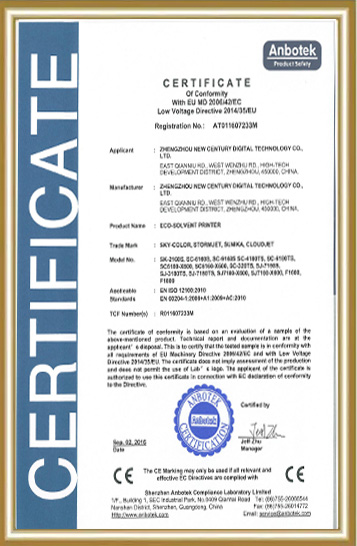
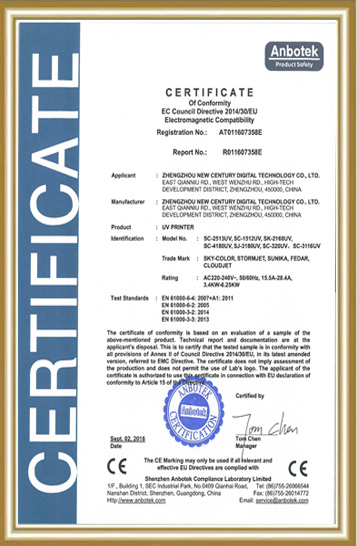
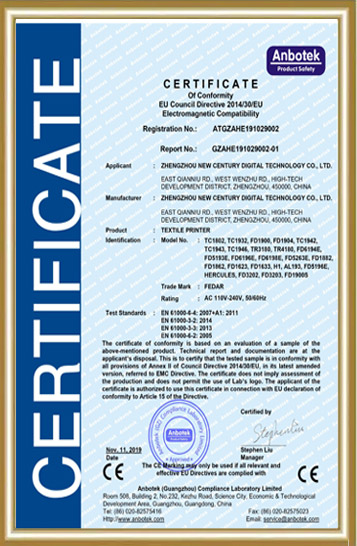
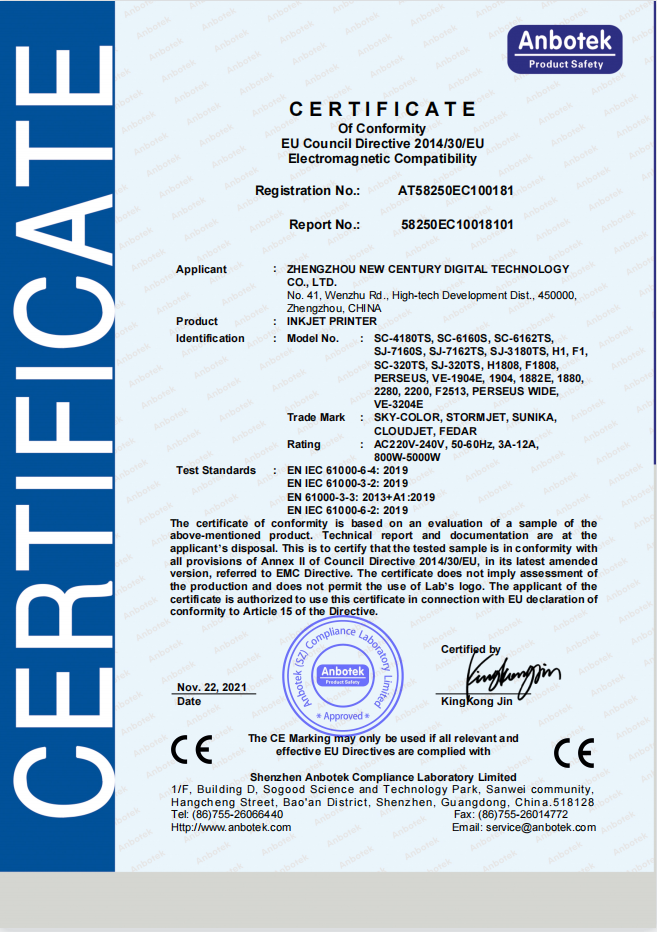
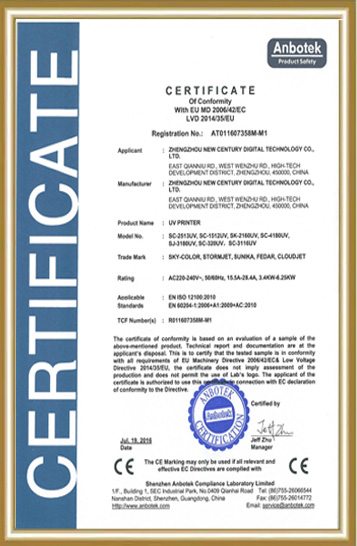
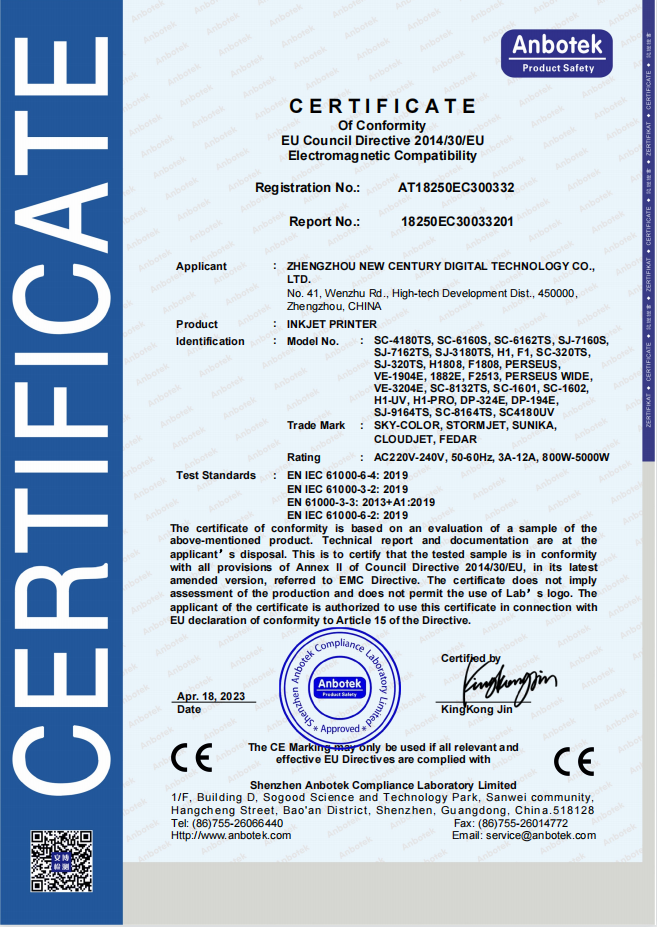
Alex Chen has accumulated extensive R&D and industrialization experience in the digital textile printing field, focusing on the innovation and optimization of digital printing equipment, direct-to-garment (DG) processes, and application solutions. He led the independent R&D and mass production of the company's core textile printing machines and DG printers, promoting their application in the textile, advertising, home furnishing, and personalized customization markets. The equipment he led has passed ISO9000 and CE certifications, earning the trust of a wide range of customers. He continuously provides customers with professional technical support and industry trend analysis, contributing to the upgrading and efficiency improvement of the digital printing industry.
We Look Forward to Your Email
Please send us product information that interests you, and we will provide you with one-on-one service.
_1778203196111.png)
Recommended Blog
Understanding 24 Inch DTF Printer Technology for Efficient Print Shop Growth

How to Choose the Right DTF Printing Machine for Your Business?
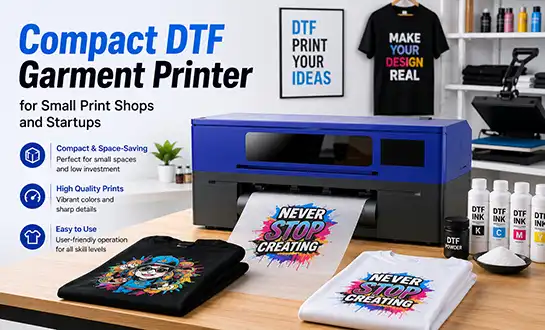
Compact DTF Garment Printer for Small Print Shops and Startups