Compact DTF Garment Printer for Small Print Shops and Startups
Understanding Compact DTF Garment Printers: Technology and Benefits
- Understanding Compact DTF Garment Printers: Technology and Benefits
- Comparing DTF Printing with Other Garment Printing Technologies
- Procurement Guide for Compact DTF Garment Printers: Finding the Right Supplier and Model
- Maintenance and Optimization Tips for Compact DTF Garment Printers
- Why Choose Fedar Compact DTF Garment Printers: A B2B Solution Overview
- Conclusion
- FAQ
- Partner with a Trusted DTF Garment Printer Manufacturer
- References
For business owners who want to get into the custom clothing market, a DTF garment printer gives them a lot of freedom and great value. Direct-to-Film technology makes bright patterns on special transfer film, which is then heated and pressed onto clothes. This method gets rid of the need to treat fabrics first and works with a wide range of materials, from cotton mixes to polyester. There aren't many costs to start a small print shop; there aren't any minimum order sizes, and the shops can make prints of industrial quality in small spaces. The technology fills the gap between professional results and low-cost investments, allowing startups to print on custom clothes without sacrificing professional results.
Understanding Compact DTF Garment Printers: Technology and Benefits
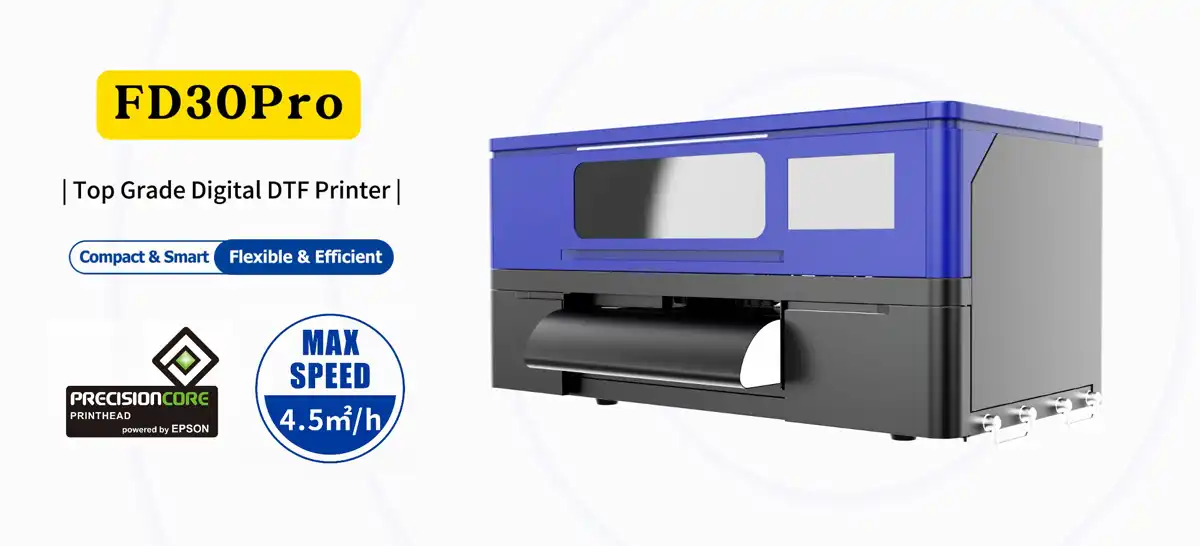
How Direct-to-Film Printing Works
Using precise printheads, textile pigment inks move patterns to the PET release film to start the printing process. The wet ink surface is covered with hot-melt glue powder after the image has been printed. The powder is then melted by a curing unit, making a transfer that is ready to be pressed. When heat is applied to the finished film, it sticks to materials, creating a strong link that can withstand multiple washings. This streamlined process has fewer steps than traditional screen printing, but the results are just as durable and show more details.
Core Components That Define Compact Systems
Compact models fit important parts into designs that take up little room. A lot of desktop printers use the Epson F1080-A1 printhead, which has 1600 DPI resolution for clear photos. Titanium dioxide setting is a common problem that stops textile printer nozzles from working properly. White ink movement systems stop this from happening. Powder applicators spread the glue equally over the printed areas, and dryers built into the applicators make sure the right curing temperatures are reached. These parts work together and take up about the same amount of room as normal office tools, so they'll fit easily in home studios or small retail areas.
Key Advantages for Emerging Businesses
The technology has big operational benefits that directly address problems that startups have. Low start-up costs let entrepreneurs start businesses that make money without having to invest a lot of money. Print-on-demand features get rid of the risk of having too much inventory because goods are only made when a customer buys them. Custom single-item production is cost-effective because there are no minimum order requirements. Compared to industrial tools, it still uses very little energy, which lowers regular costs. Maintenance needs are kept under control with automated cleaning cycles and parts that can be reached by anyone. Because of these things, the business model can make good profits even when only a few items are made at a time.
Comparing DTF Printing with Other Garment Printing Technologies
Direct-to-Garment vs. Direct-to-Film
Direct-to-garment printers spray ink directly onto fabric surfaces, while a DTF garment printer uses a transfer film process to apply designs onto garments. For the best ink absorption, direct-to-garment printing requires materials with a high cotton content. Pre-treatment chemicals are needed to prepare the fabric fibres for ink adhesion, which adds extra steps to the production process and increases supply costs. These limitations can be avoided with DTF printing. The transfer film method works effectively on cotton, polyester, nylon, and blended fabrics without requiring pre-treatment. Because the ink bonds with the adhesive layer rather than the fabric itself, colour consistency can be maintained across different materials. In most cases, DTF printing methods provide faster production efficiency because they eliminate the need for pre-treatment and drying time.
Screen Printing Comparison
Screen printing is the best way to get bright colours and long-lasting prints, especially for simple designs with few colours. However, the requirements for setup make things very hard for small businesses. Because each colour in the design needs its own screen, multicolour pictures are hard to do and cost a lot for small runs. When orders are less than a few dozen units, the costs of making screens become too high. With DTF technology, this economic model is turned on its head: it doesn't cost more to make complex, full-color photographic designs than it does to make simple, single-color graphics. Design changes can be made instantly through software changes instead of having to buy new screens. This gives custom order businesses a lot of flexibility.
Selecting the Right Equipment in 2024
When looking at small models, the technology inside the printhead has a direct effect on the quality of the output and how reliably the machine works. Epson printheads are the most popular choice for professionals because they last a long time and put ink droplets in the same place every time. The largest design that can be printed depends on the print width. 300mm models, like the FEDAR FD-D300, can easily print most clothing graphics while keeping the desktop size. The production speed is very different when there are two or one printheads. The FEDAR FD-D302 with two printheads can make 62 A4 prints an hour, while single-head models can only make 20. For shops that expect steady order volumes, throughput is very important. The resolution doesn't matter as much as the quality of the printer because most current units are higher than 720 DPI, which is the lowest level at which humans can see individual ink dots.
Procurement Guide for Compact DTF Garment Printers: Finding the Right Supplier and Model
Evaluating Manufacturer Credibility
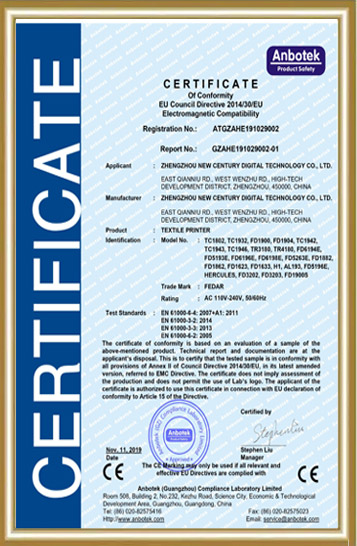
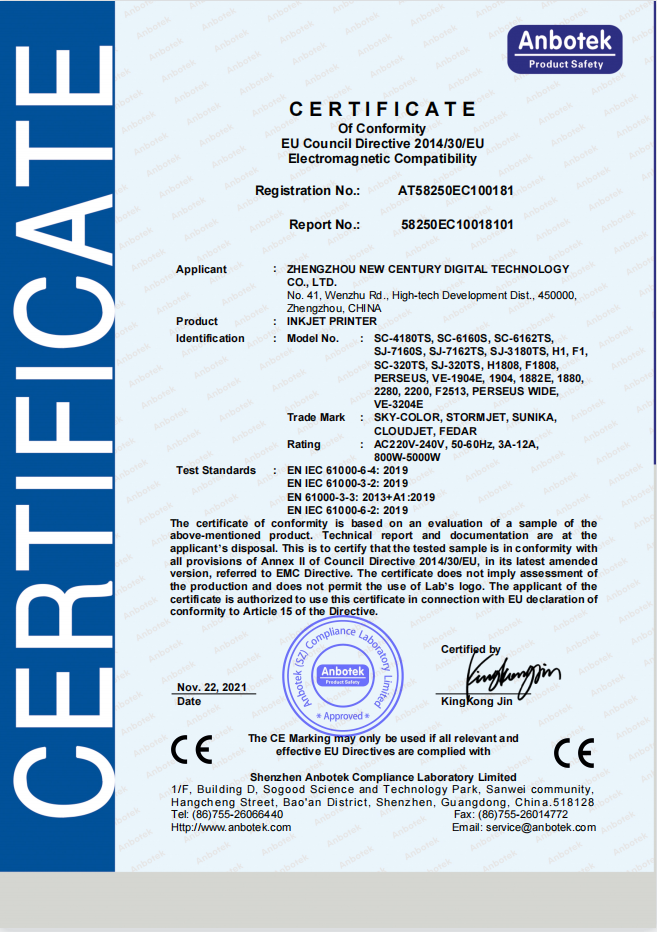
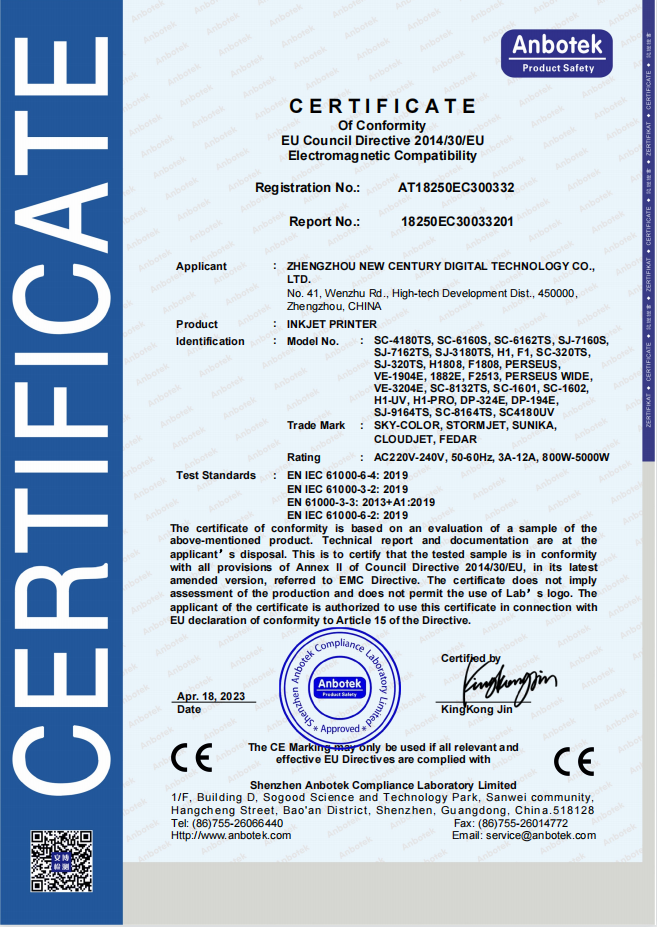
Choosing the right supplier has a big effect on the long-term success of an operation. Manufacturers that have been around for a while and have their own production sites show that they are committed to quality control and product development. A 400-person workshop run by Fedar is dedicated to original equipment research and development. This makes sure that the standard of the parts is always high and that new designs are always being thought of. Factory certifications give objective proof of manufacturing standards, and working in the same field for a long time shows technical know-how gained through feedback from real-world applications. Companies that sell to customers around the world usually have higher quality standards because customers in other countries expect reliable performance and detailed documentation.
After-Sales Support Infrastructure
The difference between a stressful ownership experience and a smooth operation of a DTF garment printer is the level of technical assistance provided. Response time promises are important because when printers break down, money is lost. Local service networks keep parts and trained technicians close by, which cuts down on repair wait times. When you buy something from another country, you need reliable cross-border support. Manufacturers should offer detailed documentation in multiple languages, remote diagnostic capabilities, and clear instructions on how to file a warranty claim. Training materials help workers get the most out of their equipment while avoiding mistakes that could void the guarantee or damage parts.
Price Considerations and Total Cost Analysis
The price of buying the equipment is only the initial investment. Different models use ink at different rates, which directly affects how much it costs to print each page. Film and powder supplies need to be restocked on a regular basis, and the prices of supplier-branded and third-party consumables are different. Annual running budgets are affected by how much maintenance kits cost and how often they need to be replaced. Utility costs are affected by how much energy is used, but small models usually use very little power. When considering choices, don't just look at the sticker prices of the equipment; instead, figure out the cost-per-print based on how many prints you can actually make each month. This method shows the real economic picture and keeps buyers from being surprised after the sale.
Maintenance and Optimization Tips for Compact DTF Garment Printers
Daily Operational Care
Most technical problems can be avoided with regular maintenance. It only takes two minutes a day to check the nozzles and find early signs of clogging before the print quality gets worse. Cleaning cycles that are automated should run on the manufacturer's schedule, which is usually before each production session. Titanium dioxide particles settle quickly in white ink systems, so they need extra care. During production, circulation pumps must run all the time, and when they shut down for the night, they should go through flushing cycles that clear the channels of ink. Film and powder waste build up around transfer devices and need to be cleaned off every day to keep future pictures from getting dirty.
Weekly and Monthly Tasks
Wear patterns that show up over time can be fixed with longer repair intervals. Every week, the printheads are aligned to make sure that the colour registration is still accurate across all channels. Depending on how much is made, cleaning solution reservoirs need to be refilled, and trash tanks need to be emptied. Lubricating mechanical parts once a month keeps moving parts from wearing out too quickly. Check powder shaker screens for buildup that could make the glue spread unevenly. Infrared thermometers can be used to check the temperatures of the heating elements in the curing unit, making sure that the actual temperatures match what the controller shows.
Troubleshooting Common Issues
Why Choose Fedar Compact DTF Garment Printers: A B2B Solution Overview
Product Line Designed for Growth
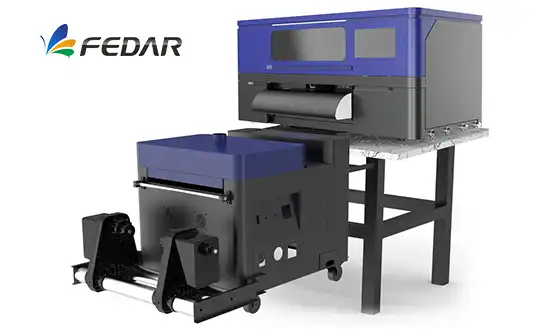
Fedar's compact printer series is designed to meet the needs of new businesses entering the market and small shops growing. The FD-D300 model is a great place for new businesses to start trying the market. Its single Epson F1080-A1 printer produces 20 A4 prints per hour at a professional 1600 DPI resolution, which is enough for making samples and taking the first orders from customers. As a business grows, the FD-D302 can keep up with them because it has the same print width and resolution but twice as much throughput thanks to its dual printhead setup. This 62-print-per-hour speed supports set output plans without needing to retrain operators or change the way work is done, since both models have the same operating interfaces.
Manufacturing Excellence and Quality Assurance
Controlled manufacturing settings and strict testing methods are what make production quality possible. Fedar's dedicated facility has full production lines and the ability to make parts in-house. This stabilises the supply chain and stops the deliveries that are often late for importers. Before it is shipped, each unit goes through several steps of quality control, such as firing tests with the nozzle, colour calibration against reference standards, and long burn-in periods that find any problems that could cause infant mortality. This all-around method lowers the number of failures in the field and saves buyers' investments by ensuring steady performance in a wide range of working circumstances.
Comprehensive Support Ecosystem
Technical help is more than just fixing problems; it's also a strategic relationship. Fedar gives thorough training to operators that covers everything from the basics of setting up to more advanced colour management methods. Marketing material templates help new businesses show off their skills in a professional way without having to pay for graphic design services. Sample kits with properly dried transfers show possible customers the quality of the print, which shortens the sales cycle. Regional spread of spare parts keeps downtime from lasting too long, and remote diagnostic tools let techs fix many problems without having to visit the site. This support infrastructure lowers the knowledge gaps that newcomers to the industry often face.
Conclusion
Small businesses used to be unable to get into the custom clothing market, but now compact direct-to-film printing technology has taken away those barriers. The DTF garment printer produces commercial-quality work on a desktop, which lets business owners start profitable operations in small areas. Print-on-demand processes get rid of the risk of having too much inventory and let you make designs that are as complicated as you want without having to pay extra for setup. Fedar's FD-D300 and FD-D302 models offer solutions that can be scaled up or down to fit the needs of a growing business, from testing the market for the first time to running full-scale production. The affordable prices, low maintenance needs, and full manufacturer support make it possible for dedicated business owners to build long-lasting custom printing companies that meet the needs of a wide range of customers in the clothing, promotional goods, and personalised gift markets.
FAQ
What fabric types work with compact DTF printers?
It's possible for these printers to work with almost any type of cloth, such as 100% cotton, polyester, nylon, canvas, and mixed fabrics. The transfer sticks to the sticky layer instead of the fibres of the cloth. This gets rid of the limitations on materials that make direct-to-garment printing hard. Because the white ink base layer stops colour absorption, the results are just as bright on dark and light fabrics.
How does print durability compare to screen printing?
When properly cured, DTF transfers can withstand more than 50 commercial wash cycles at 40°C without losing their colour or sticking to other surfaces. When heated, the hot-melt adhesive forms chemical bonds that are just as strong as the screen-printed ink's durability. Many traditional methods aren't as good at stretch resistance as this one because the transfer bends with the fabric instead of cracking under tension.
Can existing workflows integrate DTF equipment easily?
In order for the technology to work, it only needs standard electrical outlets and enough air flow. There is no need for plumbing lines or special controls for the surroundings. The transfer application step is done by heat press machines that most custom shops already have. Industry-standard design programs are all software compatible, so designers can keep using the tools they already know how to use without having to learn how to use new ones.
Partner with a Trusted DTF Garment Printer Manufacturer
If you want to start or grow your custom clothing business, you need solid tools and real knowledge. Fedar blends the ability to make things to industrial standards with personalised relationship models that put your success first. Our small DTF garment printer models give small print shops the performance they need, and our 400-person factory makes sure that quality is always high and that parts are always available. Our team offers thorough talks to match the skills of tools to your specific production goals, whether you're looking for entry-level choices or established source relationships. Get in touch with us at info@tex-printer.com to talk about your needs, ask for print samples that show how good our work is, or look into partnership opportunities that include good terms for resellers and distributors looking for reliable DTF garment printer suppliers.
References
1. Johnson, M. & Smith, R. (2023). "Digital Textile Printing Technologies: A Comparative Analysis." Journal of Textile Engineering and Fashion Technology, 9(2), 145-159.
2. Thompson, L. (2024). "Small Business Success in Custom Apparel: Technology Selection and Market Strategies." Entrepreneurial Print Solutions Quarterly, 12(1), 78-94.
3. Chen, W. et al. (2023). "Adhesion Mechanisms and Durability Testing of Direct-to-Film Textile Transfers." International Textile Research Journal, 41(5), 423-438.
4. Martinez, A. (2024). "ROI Analysis for Compact Digital Printing Equipment in Startup Environments." Print Business Economics Review, 18(3), 201-217.
5. Williams, K. & Brown, D. (2023). "Printhead Technology Evolution and Performance Metrics in Desktop Textile Printers." Digital Printing Technology Today, 7(4), 112-128.
6. Roberts, S. (2024). "Supply Chain Management and Quality Control in Digital Printing Equipment Manufacturing." Industrial Production Standards Journal, 15(2), 89-104.

Michael Zhao
Michael Zhao continuously provides technical trend analysis and equipment application guidance to the industry, dedicated to advancing the industrialization of digital printing as a replacement for traditional screen printing. Achievement: Has published multiple technical analysis articles and provided professional support in equipment selection, process optimization, and fault diagnosis to dozens of printing factories, contributing to the upgrade of the digital printing industry.
We Look Forward to Your Email
Please send us product information that interests you, and we will provide you with one-on-one service.
_1778203196111.png)
Recommended Blog

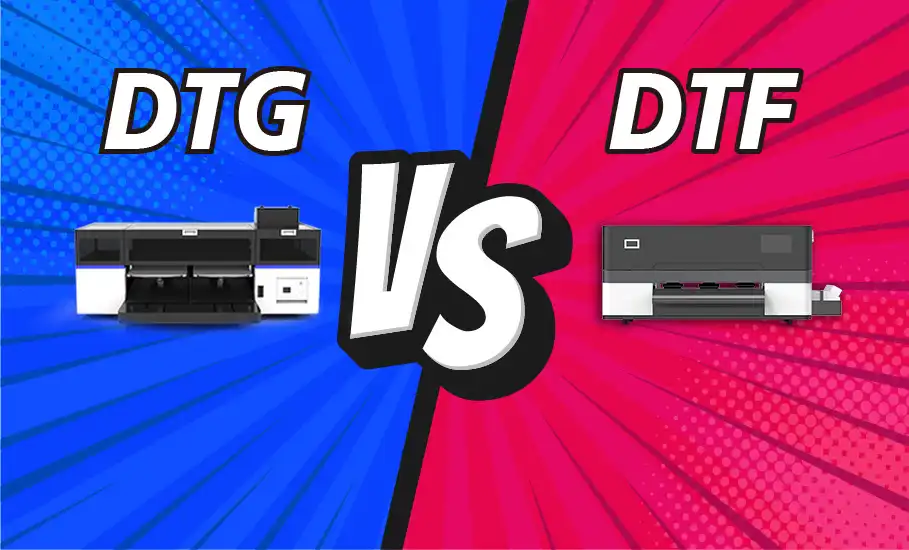
DTG vs DTF Printing:The Pros and Cons of Direct Printing Technologies.
 Printing is a Great Addition for Your Business_1781507126513.webp)
Why Direct-to-Film(DTF) Printing is a Great Addition for Your Business
What is DTF Printing? A Complete Guide to Direct-to-Film Printing.
 Printer Considerations_1779869621127.webp)
What are the maintenance requirements for direct to film printer?

Digital Textile Film Printer: What Kind Is Best For Your Business?