Digital Textile Film Printer: What Kind Is Best For Your Business?
Understanding Digital Textile Film Printing: Technology and Benefits
- Understanding Digital Textile Film Printing: Technology and Benefits
- Key Factors to Consider When Choosing a Digital Textile Film Printer
- Comparative Overview of Digital Textile Film Printer Technology in 2024
- How to Match Your Business Needs with the Right Digital Textile Film Printer
- Practical Buying Guide: Steps to Procure the Ideal Digital Textile Film Printer
- Conclusion
- FAQ
- Partner with Fedar for Your Digital Textile Film Printer Needs
- References
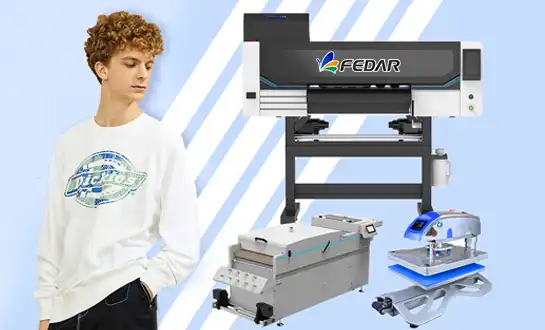
How you choose the right digital textile film printer depends on how much you want to print, what you want to print on, and your budget. Businesses can print bright designs on cotton, polyester, blends, and even water-resistant materials without having to treat them first with Direct-to-Film (DTF) systems. DTF doesn't have the high setup costs that come with traditional screen printing, so it's great for both small custom orders and making uniforms for businesses. Modern DTF printers have high-resolution printheads, white ink circulation systems, and powder adhesive curing units built right in. They balance accuracy, speed, and cost-effectiveness to work with a wide range of business models, from new e-commerce sites to well-established factories.
Understanding Digital Textile Film Printing: Technology and Benefits
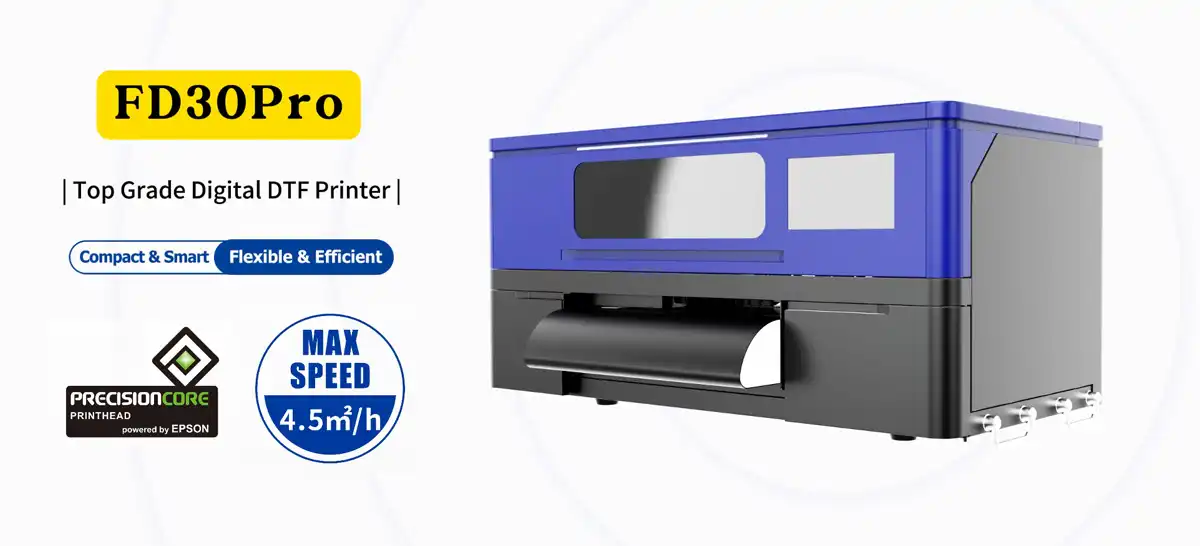
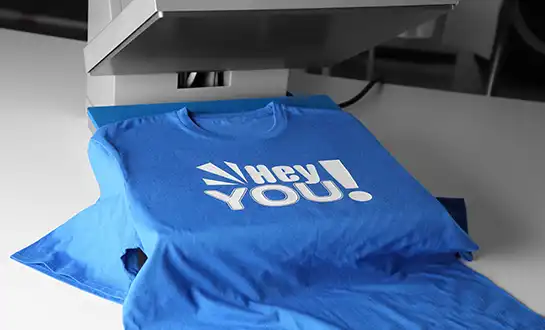
DTF printing is a big step forward in cloth decorating technology. This high-tech inkjet printer uses CMYK+W pigment inks to print on special PET transfer film that has a hot-melt adhesive powder on it. Once the image has been cured under controlled heat (usually 110°C to 150°C), it can be easily transferred to clothes by heat pressing. Direct-to-Garment (DTG) systems need to treat the fabric first and work best on cotton. DTF technology, on the other hand, doesn't need any pre-treatment and works great on synthetics, natural fibres, and technical sportswear blends.
Core Components and Operating Principles
For photorealistic clarity, the technology needs industrial-grade printheads with a resolution of 1440-2400 DPI, like the Epson F1080-A1 or i3200-A1 series. White ink movement systems keep the nozzles from getting clogged by constantly moving the ink around. This keeps the visibility of dark fabrics consistent. Built-in powder shakers spread the adhesive evenly, and multiple heating zones make sure it cures properly. This precise engineering makes prints that are Grade 4+ wash fast and have great tensile strength, meeting OEKO-TEX Class 1 safety standards for skin contact uses.
Advantages Over Traditional Methods
Screen printing costs a lot to set up for each colour split, which means that small runs are not a good financial idea. Digital transfer systems cut down on waste by a huge amount and speed up output from days to hours. Less water and chemicals are used, which is good for the environment and in line with business sustainability efforts. DTF prints have the same soft feel to the touch as standard silk-screening, but they still let the fabric breathe, which is important for athletic clothing. When businesses produce on-demand inventory, they can quickly adapt to changes in the market. This cuts down on storage costs and the risk of items becoming obsolete.
Key Factors to Consider When Choosing a Digital Textile Film Printer
Print Quality and Resolution Specifications
Things you should think about when picking a digital textile film printer often begin with details on print quality and resolution. Design accuracy is directly affected by resolution, which is measured in dots per inch (DPI). Systems with at least 1600 DPI make sure that gradients are smooth and text is reproduced clearly, which is necessary for professional-quality output. The accuracy of the colour range depends on how the ink is made and how the ICC profile is calibrated. For consistent colour across production runs, premium systems keep Delta-E values below 2. A densitometer must be used to measure the depth of the white ink so that it covers all black garments in a single pass. Fabric compatibility testing should make sure that the adhesive works well on all of your target materials, from light jersey knits to heavy canvas substrates.
Production Speed and Volume Capacity
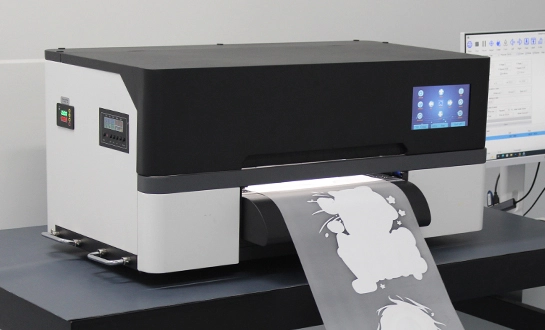
Different business models have very different throughput needs. A new company that only does special work might need 10 to 20 A4 prints per hour, but an ad shop with tight deadlines needs 60 or more prints per hour. With its single Epson F1080-A1 printer, the FEDAR FD-D300 can make 20 A4 sheets per hour, which makes it perfect for sample makers and small businesses. The FD-D302's two heads triple that output to 62 A4 prints per hour, which helps small-batch production shops handle the many orders they get every day. The print width (300 mm for both models) covers most areas used for decorating clothing, and the small footprints save important floor space.
Total Cost of Ownership Analysis
The initial cost of buying equipment is only one part of the long-term costs. Costs per print are greatly affected by how much ink is used, especially for white underbase layers. Quality hot-melt powders that are specially designed to have certain adhesive qualities stop oil sweating and make sure that the garment will last through industrial washing. Operating budgets need to include maintenance plans for things like cleaning the printer automatically, running the moistening station, and replacing the nozzles every so often. Energy-efficient designs with well-thought-out heating elements lower utility costs and have less of an effect on the environment, both of which are becoming more and more important factors in B2B purchasing decisions.
Comparative Overview of Digital Textile Film Printer Technology in 2024
Printhead Technology and Manufacturer Specifications
A look at the differences between digital textile film printer technologies in 2024 shows that Epson printheads are the most popular in the DTF market because they work well with coloured ink. The F1080-A1 series, which is used in FEDAR models, is a good mix of accuracy and long-term usefulness. It has micro-piezo technology that precisely controls droplet size from 3.5 to 27 picolitres. With this changeable droplet feature, you can easily switch between tones from highlights to shadows without any noticeable splitting. Ricoh and Kyocera make other printhead technologies that are aimed at higher-volume industry uses. However, these technologies often come with much higher initial prices that may not meet the needs of mid-market businesses.
Entry-Level Systems for Startups
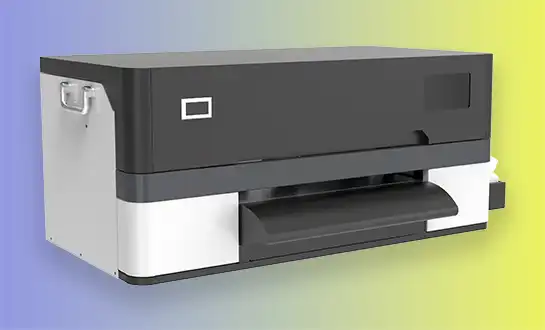
Desktop DTF systems that cost less than $5,000 are good for businesses that want to start making custom clothes but don't have a lot of money. These small units produce industrial-quality work even though they don't take up much room. They're great for online sellers who work from home, workshops, or small store spaces. This type of printer is best shown by the FEDAR FD-D300, which has 1600 DPI resolution and CMYK+W colour support in a small package. With no minimum order number needed, startups can see how the market reacts to a wide range of products, from t-shirts to tote bags, without having to worry about running out of stock. Although entrepreneurs may not have any printing experience, they can start profitable businesses because they don't need much maintenance and are easy to use.
Mid-Volume Solutions for Growing Operations
As the number of orders goes up, businesses need to increase throughput without lowering quality standards. This need is met by dual-head setups like the FEDAR FD-D302, which keep the same 1600 DPI resolution while making output go much faster. Being able to print 31 A3 pages per hour changes the way production is planned and lets big special orders be completed the same day. Advertising shops, businesses that customise gifts, and printing studios that want to get more customers can still use these systems. Adding more heads or wider print widths are common updates that can be made to modular design in the future. This protects equipment investments as operations grow. This ability to grow is very important for wholesalers and resellers who are building long-term businesses on top of tested technology systems.
How to Match Your Business Needs with the Right Digital Textile Film Printer
How to choose the best digital textile film printer for your business requires meeting specific equipment requirements for each operating plan. Print-on-demand companies that value different designs over high numbers do well with entry-level systems that give them the most freedom with the least amount of money. These processes are made easier by the fact that DTF doesn't need any pre-treatment and can be used with any cloth. This lets the product line grow quickly without any technical problems. Suppliers of industrial uniforms and companies that make work clothes for businesses need better throughput and consistent quality across big production runs. Their specs stress that the results of durability tests, wash fastness scores, and abrasion resistance must meet strict safety standards for the workplace. Performance sportswear uses are more complicated because they need prints that stay flexible on stretch fabrics while also being able to handle moisture-wicking treatments and multiple sporting laundering cycles.
Fabric Specialization Strategies
Material focus has a big effect on the choice of equipment. Companies that make synthetic sportswear fabrics like polyester, nylon, and spandex blends need special glue powders and temperature profiles that keep heat-sensitive materials from getting damaged. When printing on cotton for clothing stores and home textiles, standard adhesive formulations with a softer hand-feel work best for direct skin-contact applications. Mixed-material businesses that serve a wide range of customers need flexible systems with settings that can be changed to handle everything from fine silk blends to tough canvas and denim. Modern DTF technology is compatible with all kinds of equipment, so it doesn't need as many different kinds of equipment as older decoration methods did. This means that operations can be centralised around fewer platforms while their capabilities grow.
Procurement Strategies for B2B Buyers
Agent ties and distributor deals depend on more than just the equipment specs of the source. When deciding on a partnership, factory certifications that show quality management systems, sample portfolios that can be copied to show print capabilities, and a well-documented infrastructure for after-sales support are all things that are taken into account. Resellers can build long-lasting businesses without pricing themselves out of competitive markets if they use clear profit margins and competitive pricing systems. Technical training programs that cover operation, maintenance, and fixing in detail give dealer staff the skills they need to help end customers, which lowers the number of warranty claims and improves the company's standing in the market. Having marketing material libraries with things like product sheets, sample kits, and installation instructions speeds up the sales process by giving you ready-to-use materials for showing to customers.
Practical Buying Guide: Steps to Procure the Ideal Digital Textile Film Printer
Defining Technical Requirements
How to choose the best digital textile film printer: a step-by-step guide begins with setting out the technical requirements. A thorough needs survey is the first step to successful buying. Write down how much output you expect each month, how much capacity you'll need during busy times of the year, and how complicated the designs usually are for the applications you want to use them for. Name the base types and weights you'll be working with on a daily basis, and make a note of any special materials that need to be tested for compatibility. Different types of designs have different resolution needs. For example, photorealistic fashion prints need 1600 DPI or higher, while bold logo work may be able to handle lower requirements. Expectations for colour accuracy should be based on industry standards, especially when working with brand clients who have strict rules for their company branding. These written standards give a fair way to judge different systems and keep expensive mistakes from happening when equipment doesn't meet operating needs.
Supplier Evaluation Criteria
Manufacturer credentials show that the partnership will work in the long term. Look into the size of the production facility and how quality is controlled. For example, Fedar's 400-person plant that focuses on research and development for inkjet printers shows how manufacturing depth can support consistent quality and reliable supply lines for parts. Check to see if the warranty covers everything, such as when parts will be available and how quickly technical support will respond. International buyers should make sure that the company can provide cross-border service, can ship spare parts, and can provide installation support in the markets they are going to. Customer reviews from businesses like yours can tell you a lot about how the equipment works in real life, including what it does well and what it might not work so well. Before you make a purchase, ask for sample prints on the substrates you want to use to make sure the quality of the output.
Logistics and Implementation Planning
Carefully plan the logistics of shipping, especially for international deals. Make sure that the packaging is good enough to protect fragile parts during travel, that the customs paperwork is full to avoid delays in clearance, and that the delivery schedule is in line with when the facility is ready. Support for installation, ranging from remote expert advice to on-site commissioning, makes sure that everything is set up correctly and stops problems before they happen because of mistakes in the setting. Training for operators that covers basic troubleshooting, colour management, regular maintenance, and normal operation builds team trust and keeps production running smoothly. Set up ties with suppliers of consumables to make sure that you can get ink, film, and powder when you need it at a price that is competitive. This will keep your production from stopping for expensive supply chain breaks.
Conclusion
To choose the best digital textile film printer, you have to weigh the technical specs against your business goals and your budget. DTF technology makes high-quality textile decoration more accessible to everyone, so companies of all sizes, from new ones to well-known factories, can compete in the markets for custom clothing and promotional items. Entry-level systems like the FEDAR FD-D300 make it easier for people to get into the market because they don't require a lot of money up front. Higher-capacity models, on the other hand, help growing businesses that need more output. Choosing suppliers with strong manufacturing records, a full support system, and a history of being present in the market is the best way to ensure long-term operating success after the initial equipment purchase.
FAQ
How does regular maintenance extend digital textile film printer lifespan?
How does regular upkeep make a digital textile film printer last longer? Ink pigment buildup in printhead nozzles is the main place where DTF systems break down. Automated cleaning routines keep this from happening. Timed white ink stirring systems keep the pigments in suspension and stop sedimentation that blocks fluid paths. During downtime, stations that keep things wet keep the ink from drying out in the tubes between production runs. By replacing wiper blades, sealing station seals, and ink filters on a regular basis, as directed by the maker, contamination that lowers print quality is avoided. These preventative steps greatly increase the life of the equipment while keeping the quality of the output constant.
What quality advantages does DTF offer compared to screen printing?
Digital systems get rid of the registration errors that come with using multiple screens, so even the most complicated designs can have perfect colour alignment. Variable data printing makes personalisation possible that wasn't possible before, which opens up rich custom markets. Gradient smoothness and lifelike detail are better than what screen printing can do because mesh counts limit what can be printed. Cutting the time it takes to set up from hours to minutes makes production much more flexible and gets rid of the need to store and buy screens.
Are DTF inks environmentally responsible options?
Modern water-based colour inks have much lower amounts of volatile organic compounds (VOCs) than screen printing inks that used to be made from plastisol. By getting rid of chemical pre-treatment, hazardous waste streams are cut down, and less water is used. When compared to traditional operations that use conveyor dryers, heat curing at controlled temperatures uses less energy. Meeting corporate sustainability requirements is becoming more and more important in B2B purchasing decisions, and many formulations now meet eco-certification standards such as OEKO-TEX compliance.
Partner with Fedar for Your Digital Textile Film Printer Needs
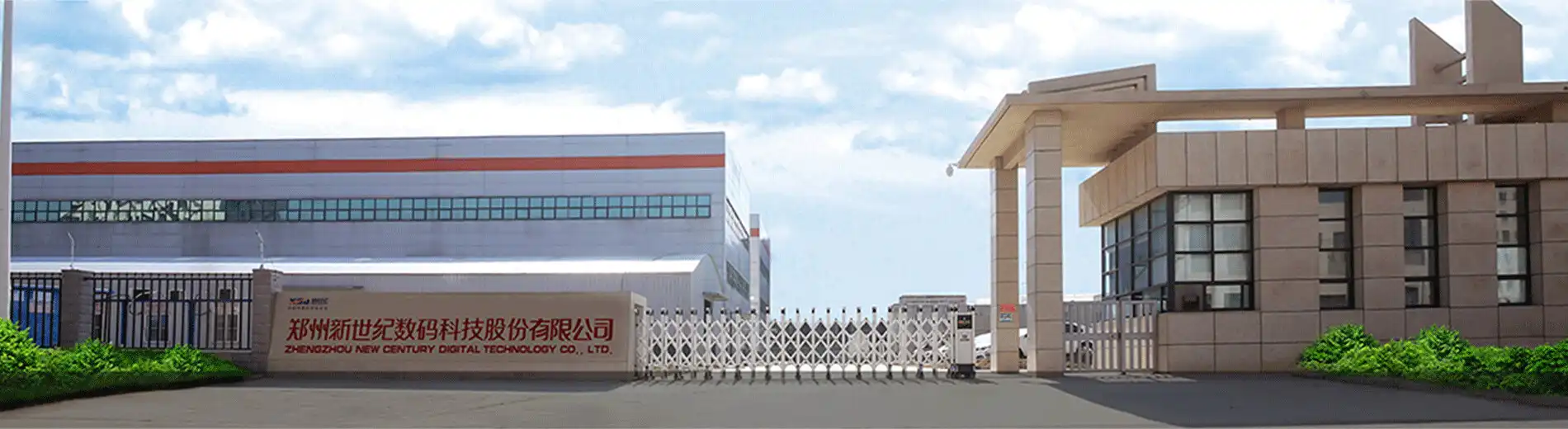
Fedar has a lot of experience as a maker of digital textile film printers, which makes us the perfect partner for companies that want to get into or grow in the textile design market. Our 400-person R&D and production facility makes sure that every system has consistent quality control, and our deep market experience across multiple industries helps us make sure that the products we make meet the needs of real-world operations. The FEDAR FD-D300 and FD-D302 models show this dedication by providing industrial-quality output in designs that are easy to use on a desk and save space, energy, and time on maintenance.
Whether you're starting a new studio or expanding an existing one, our technical support team can help you with everything from choosing the right tools to making sure your operations are always running at their best. Get in touch to talk about different ways to work together that can be changed to fit the needs of resellers, distributors, and end users. Talk to info@tex-printer.com about how our digital textile film printer solutions can help you make more money, improve your production, and put your business in a better position to compete in markets that are changing quickly and needing more quality, speed, and flexibility.
References
1. Smith, J. & Anderson, M. (2023). "Digital Textile Printing Technologies: Comparative Analysis of DTF, DTG, and Sublimation Systems." Journal of Textile Engineering and Technology, Vol. 45, No. 3, pp. 112-128.
2. International Textile Manufacturers Federation (2024). "Global Trends in On-Demand Textile Production and Digital Decoration Technologies." Annual Industry Report, Geneva.
3. Chen, L. (2023). "Printhead Technology Evolution in Industrial Inkjet Applications: Performance Metrics and Durability Analysis." Precision Manufacturing Quarterly, Vol. 18, No. 2, pp. 67-84.
4. European Textile Services Association (2024). "Environmental Impact Assessment of Digital vs. Traditional Textile Decoration Methods." Sustainability White Paper Series, Brussels.
5. Rodriguez, C. & Kim, S. (2023). "Total Cost of Ownership Models for SME Textile Decoration Equipment Procurement." Small Business Technology Investment Journal, Vol. 12, No. 4, pp. 201-219.
6. Global Apparel Manufacturing Council (2024). "Quality Standards and Testing Protocols for Digital Textile Transfer Systems." Technical Standards Publication, New York.
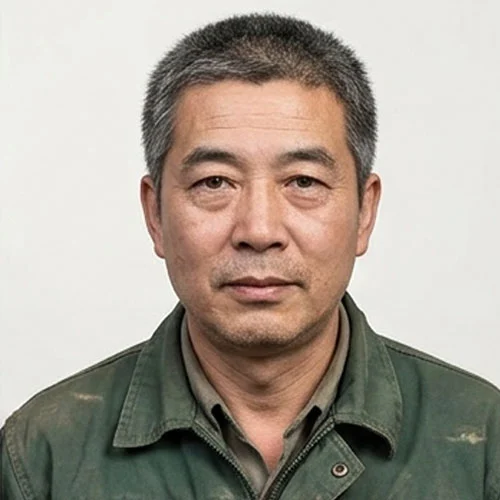
Jason Wang
Jason Wang has a multidisciplinary engineering background in mechanics, inkjet control, and color management, with hands-on experience across the entire R&D process from prototyping to mass delivery. Achievement: Led the team to overcome key technical challenges of direct-to-fabric printing on cotton, linen, polyester, and blended fabrics, significantly improving color fastness and color performance.
We Look Forward to Your Email
Please send us product information that interests you, and we will provide you with one-on-one service.
_1778203196111.png)
Recommended Blog
_1783412819689.webp)