Essential dye sublimation printer sublimation transfer printer, Production Practices for Consistent, High-Quality Results
Essential dye sublimation printer sublimation transfer printer, Production Practices for Consistent, High-Quality Results
Understanding Dye Sublimation and Sublimation Transfer Printers
- Understanding Dye Sublimation and Sublimation Transfer Printers
- Essential Production Practices for Consistency and High Quality
- Optimizing Workflow and Production Efficiency
- Comparative Insights and Market Solutions for Buyers
- Building Trust and Choosing the Right Partner
- Conclusion
- FAQ
- Partner with Fedar for Advanced Sublimation Transfer Printer Solutions
- References
A dye sublimation printer sublimation transfer printer, uses special ink technology that is triggered by heat to print vivid, long-lasting pictures on polyester substrates. This digital imaging method changes solid dye particles into a gas phase that can pass through the molecules of cloth or polymer-coated materials. This gives you photo quality with a continuous tone that lasts for a long time after being washed. Sublimation printing doesn't just put pigment on surfaces like other printing methods do. It forms a molecular bond that keeps prints from fading and makes them perfect for high-performance fabrics and custom product making.
Understanding Dye Sublimation and Sublimation Transfer Printers
The technology behind sublimation printing solves a number of problems that have been around for a long time in the cloth industry. Setting up traditional screen printing costs a lot for each different design, so short-run customization is not possible. Sublimation gets rid of these problems by letting you print on demand without having to pay for setup. This is especially helpful for businesses that serve a wide range of customers' needs.
How Sublimation Transfer Technology Works
Specialized scatter dyes are put on transfer paper by dye sublimation printer sublimation transfer printers using precise printheads. When heat and pressure are used during the transfer process, these colors skip the liquid phase and go straight from solid to gas. This dye is a gas that goes through polyester fibers or polymer layers and then turns back into a solid inside the material. This makes a strong link that can't be washed off, scratched off, or broken by normal wear and tear.
Core Components of Industrial Sublimation Systems
A lot of important parts go into making professional-grade tools work. With piezoelectric printheads, you can change the size of the droplets so that slopes look smooth and details are clear. These systems usually have advanced media handling and tension control features that keep the light sublimation paper from getting wrinkled when they have a lot of ink on it. Integrated drying systems make sure that transfer sheets stay dry before they are wound. This stops the ink from moving around and creating ghosting flaws.
Comparing Sublimation to Alternative Printing Methods
When it comes to fabrics, direct-to-garment printing works best on cotton and poorly on polyester, while sublimation only works well on synthetic materials. Screen printing is durable, but it can't make digital effects or do cheap personalization in small batches. Laser transfer systems are flexible, but they usually make a layer of texture on top of the image instead of a smooth finish like sublimation does. Sublimation is the best way to print bright, full-color images on technical fabrics that will also hold up better against washing.
Essential Production Practices for Consistency and High Quality
Choosing the right tools, such as a dye sublimation printer sublimation transfer printer, affects how much can be made and how consistently it is made. To get the best return on investment, businesses need to make sure that the printer's specs match their number needs, substrate tastes, and quality standards.
Matching Printer Specifications to Production Demands
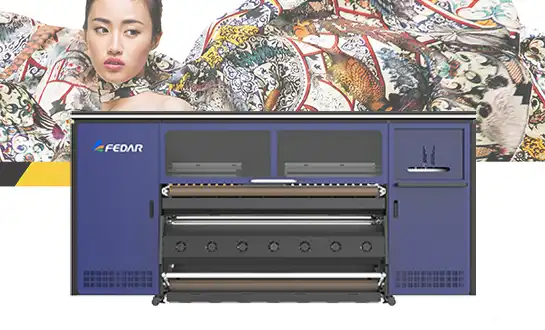
Print thickness is the most important thing to think about. With a print width of 3300mm and 24 Epson i3200-A1 printheads, the FEDAR FD3324E can print at a rate of 1080㎡/h, which is industrial-scale. This set-up works well for cloth factories that make a lot of home items and large-format soft signs. The FD2624E is a great choice for medium-sized businesses because it has the same 24-head setup and 3200DPI resolution across a 2600mm width, so it can produce 1000㎡/h of output without taking up too much floor space.
Material Selection and Quality Parameters
The choice of substrate has a huge effect on the quality of the end result. For sublimation chemistry to work, the polyester content must be at least 60% for the dye to stick well. Pure polyester fabrics produce the most vivid colors and last the longest after being washed. Polymer-coated rigid materials like ceramic tiles and metal panels make sublimation useful for more than just fabrics. This means that it can be used for things like signs, awards, and building parts.
Maintenance Protocols That Minimize Downtime
Banding flaws that ruin expensive cloth runs can be avoided by checking the tip every day. Before each production session, automated cleaning processes should run, and once a week, specialized upkeep should be done on the capping station. Conditions in the environment have a big effect on success. Keeping the temperature between 20°C and 28°C and the relative humidity between 40 and 60% stops changes in the stickiness of the ink and gets rid of the static electricity that makes it hard to handle the paper.
Optimizing Workflow and Production Efficiency
Workflows that work well turn expert skills into production that makes money. Organizations that do well use organized methods for managing colors, moving materials, and checking quality at different steps of production.
Streamlining the Printing Process
Setting up an ICC preset that works with each type of ink and paper is the first step in color control. With this adjustment, the colors on the screen will match the colors on the end product, and the ink will be used more efficiently without becoming too saturated. Profiling on a regular basis keeps things consistent even when ink batches change and the weather changes with the seasons.
Implementing Quality Control Measures
Delta E color consistency tracking in dye sublimation printer sublimation transfer printer systems measures how much colors vary from one production run to the next. Delta E values below 2.0 are what professional operations aim for to make sure that the end result looks consistent with company standards. This number is especially important for companies that work with fashion and corporate clients who have strict brand standards.
Software and Hardware Integration
RIP software handles colors, automates nesting to save material, and keeps track of output data. It is useful for modern sublimation operations. These systems work with printer hardware to keep an eye on the health of the nozzles, guess when repair is due, and keep production logs that help with quality issues.
Comparative Insights and Market Solutions for Buyers
Knowing the performance specs helps procurement workers choose equipment that fits with strategic goals and gets the most out of the money they spend.
Evaluating Performance Metrics for Industrial Applications
When used in certain ways, the FEDAR FD1912S is an interesting option. It has 12 Epson S3200 printheads that can produce 1100㎡/h across a 1900mm width. In some output situations, this is more than the 15-head i3200-A1 configurations can handle. This model works well for businesses that value speed over the wider range of colors that more heads and more ink sets can offer.
Assessing Total Cost of Ownership
The price of the tools is only one part of the expense. How much ink is used, how long the printhead lasts, and how often it needs to be maintained all have a big effect on running costs. When properly kept, Epson i3200-A1 printheads last a very long time. Many users have reported years of service under the right conditions. This durability lowers the cost of each print and limits the number of production interruptions caused by broken parts.
Leveraging Supplier Networks and Partnerships
When purchasing a dye sublimation printer sublimation transfer printer, authorized sellers offer benefits that go beyond price. They help with installation, train operators, and fix problems, all of which are very helpful as output ramps up. Distributors with a history of success keep extra parts on hand so that they can be quickly replaced. This cuts down on downtime that leads to missed deadlines and lost income.
Building Trust and Choosing the Right Partner
Choosing a supplier has long-term effects on how much can be made and how much the business grows. Smart procurement teams look at professional skills, as well as the image of the market and the framework of the service.
Evaluating Manufacturer Credentials
Large-scale production sites show that they are committed to the business and can provide long-term support. Fedar runs a 400-person workshop that focuses on both manufacturing and original research and development. This way, Fedar can make sure that products are always getting better based on comments from real-world users. Vertical integration lets businesses keep a closer eye on quality than those that depend on relationships with outside manufacturers.
Assessing After-Sales Support Infrastructure
The timeliness of technical help has a direct effect on the uptime of production. Manufacturers with help teams in various time zones make their products more accessible than those with only one location. When evaluating a provider, you should look at how quickly they respond to emails, how well they can do online diagnostics, and how often they offer field service.
Verifying Component Supply Stability
Production can continue as long as there is stable access to key parts. Manufacturers who already have ties with printhead providers can keep their stock when there are shortages that hurt rivals. This supply chain resilience was especially clear during the recent global lack of parts, when some makers were able to keep delivering while others had to wait longer for parts to arrive.
Conclusion
Sublimation printing technology, especially dye sublimation printer sublimation transfer printer, keeps getting better so that it can meet the needs of a market that wants more flexibility, better quality, and more efficient output. To be successful in this fast-paced market, you need equipment that is both technically advanced and effective, and that comes with full support. The FEDAR sublimation printer range meets these needs with a well-thought-out design, tried-and-true parts, and a dedication to customer satisfaction from the company that makes them. When purchasing managers carefully look at technical specs, total ownership costs, and sourcing skills, they set up their businesses to have a long-term competitive edge in markets that value quality, flexibility, and new ideas.
FAQ
Why do printed colors look different on transfer paper compared to the final fabric?
Because dye reaction happens during heat transfer, the colors that look good on sublimation transfer paper are very different from the ones that come out in real life. It's not until heat causes the gas phase shift that bonds the dyes to the polyester strands that they get their full color. Because of this standard property of sublimation chemistry, transfer paper only gives a rough idea of the color, while the pressed cloth shows the real output.
How can I prevent ghosting defects in my sublimation prints?
Ghosting usually happens when the transfer paper moves during the heat pressing process or when the ink dries too quickly. High-tack transfer papers keep the risk of moving to a minimum, and printing with the right amount of stress keeps the paper from warping. Making sure that transfer rolls are completely dry before wrapping them stops the ink from moving around during storage, which can cause ghost pictures.
What maintenance schedule should I follow to maximize printer uptime?
Banding flaws can be avoided by checking the nozzles every day before production. Cleaning the finishing station once a week keeps the printer healthy. Deep cleaning once a month gets rid of built-up gunk. Monitoring the environment makes sure that the temperature and humidity stay within certain ranges. This methodical technique increases the life of parts and ensures consistent output while lowering the number of unexpected breakdowns.
Can sublimation printing work on cotton fabrics or other natural fibers?
For dye to stick properly to polyester or polymer-coated surfaces, sublimation is needed. Natural fibers don't have the right chemical structure for dye molecules that are spread out to properly join. Fabrics must have at least 60% polyester in them for the results to be good. Fabrics with more polyester will produce more colorful and long-lasting results. Without polymer layer processes, it is not technically possible to sublimate cotton.
Partner with Fedar for Advanced Sublimation Transfer Printer Solutions
Your ability to make things needs tools that are built to be reliable, accurate, and valuable over time. Fedar has a wide range of dye sublimation printer sublimation transfer printer types that can be used by studios just starting out, as well as established companies that need to print large amounts of material quickly. Every system our 400-person manufacturing plant makes is based on decades of experience with inkjet printing. Strict quality control makes sure that all of our systems work the same way in all places around the world.
We know that distributors and resellers need more than just information about the tools. They also need to know about how to make money, help customers, and position themselves in the market. That's why Fedar offers thorough technical training, marketing materials, examples that can be copied, and quick help after the sale through our well-established global network. Our flexible cooperation models can be used by a wide range of business types, from those that just sell used goods to foreign trade firms that use established lines of distribution.
Email our team at info@tex-printer.com to talk about your unique needs and look into ways you can work together. We are a well-known company that makes dye sublimation printer sublimation transfer printers. We offer reasonable wholesale prices, options for protecting your customers' territories, and technical support to help you serve your customers with trust. There are deals going on right now that offer discounts for buying in bulk and longer insurance periods. These are meant to lower your risk and speed up your return on investment.
References
1. Chen, L., & Wong, P. (2023). Advanced Textile Printing Technologies: Industrial Applications and Market Trends. Journal of Industrial Printing Systems, 45(3), 178-194.
2. Digital Printing Association. (2024). 2024 Industry Report: Sublimation Printing Market Analysis and Growth Projections. New York: Digital Print Publishing.
3. Harrison, M., Rodriguez, S., & Kim, J. (2022). Color Management and Quality Control in Digital Textile Production. International Textile Technology Review, 38(4), 112-129.
4. Nakamura, T. (2023). Piezoelectric Printhead Technology: Evolution and Industrial Applications. Tokyo: Advanced Manufacturing Press.
5. Peterson, K., & Andrews, R. (2024). Sustainable Printing Practices: Environmental Impact Assessment of Digital Transfer Methods. Environmental Production Journal, 19(1), 45-63.
6. Williams, D., Thompson, L., & Garcia, F. (2023). Strategic Equipment Procurement for Digital Printing Operations: A Comprehensive Guide for B2B Buyers. Manufacturing Decisions Quarterly, 31(2), 89-107.

Aelx Chen
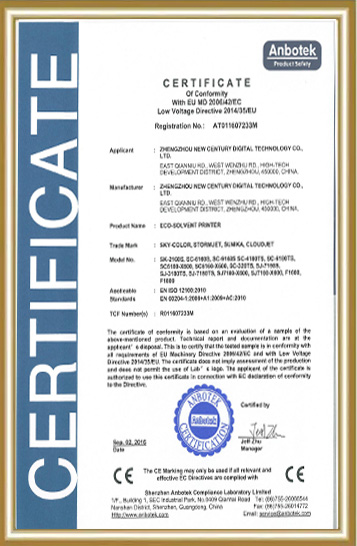
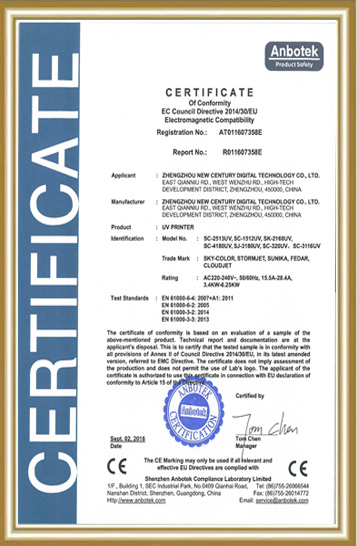
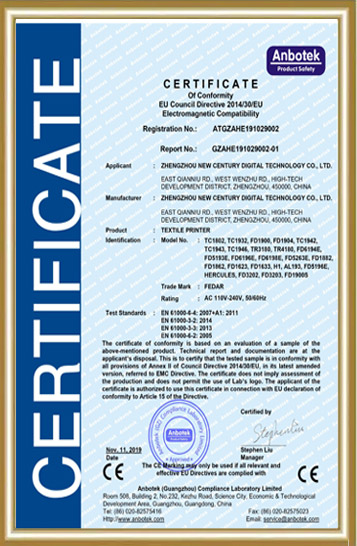
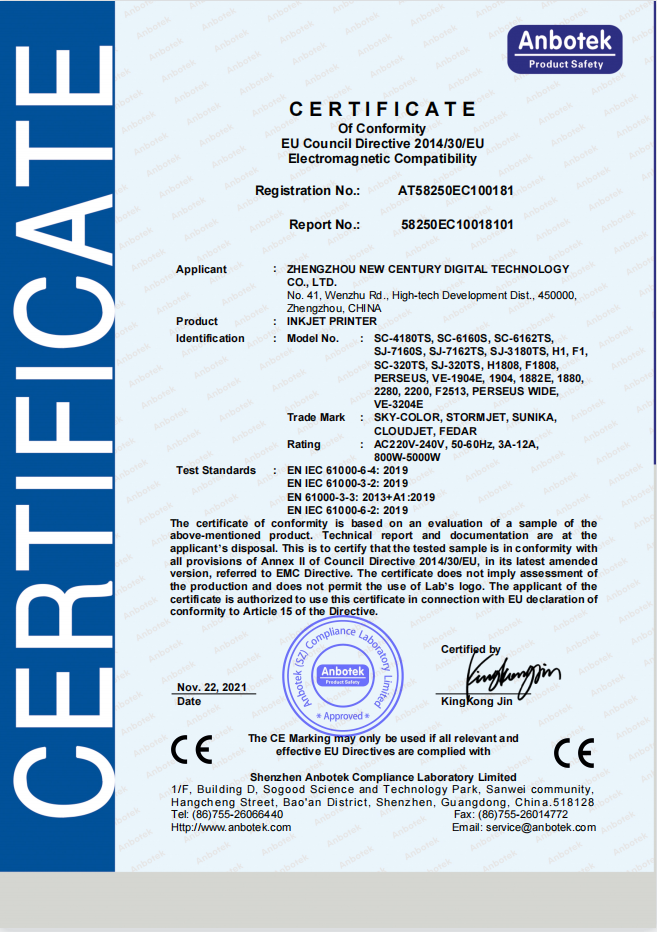
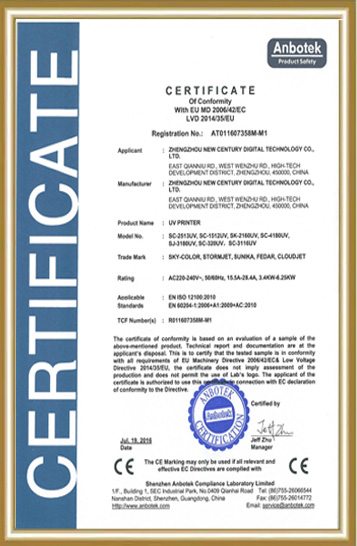
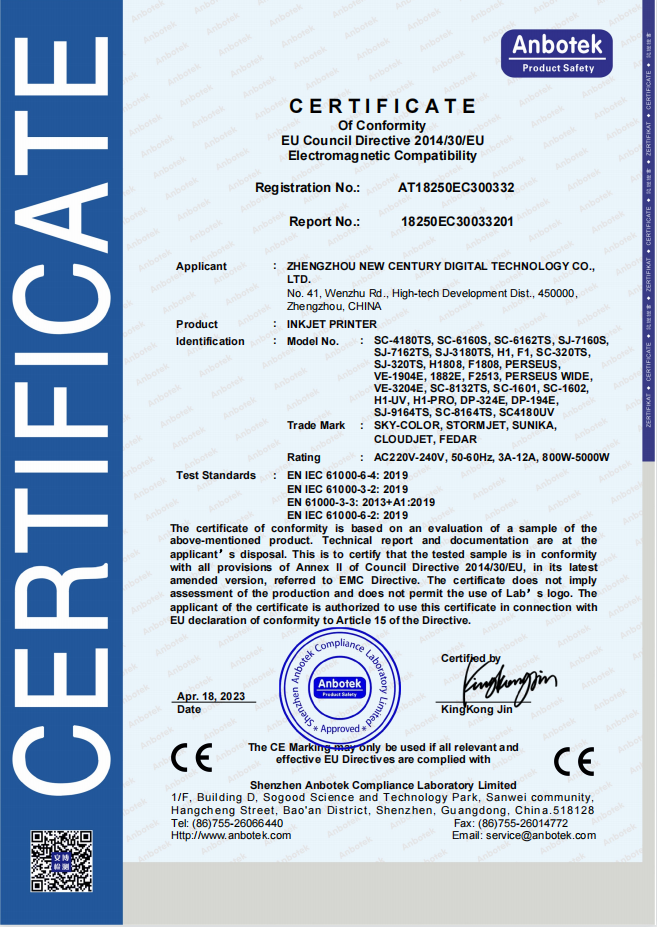
Alex Chen has accumulated extensive R&D and industrialization experience in the digital textile printing field, focusing on the innovation and optimization of digital printing equipment, direct-to-garment (DG) processes, and application solutions. He led the independent R&D and mass production of the company's core textile printing machines and DG printers, promoting their application in the textile, advertising, home furnishing, and personalized customization markets. The equipment he led has passed ISO9000 and CE certifications, earning the trust of a wide range of customers. He continuously provides customers with professional technical support and industry trend analysis, contributing to the upgrading and efficiency improvement of the digital printing industry.
We Look Forward to Your Email
Please send us product information that interests you, and we will provide you with one-on-one service.
_1778203196111.png)
Recommended Blog
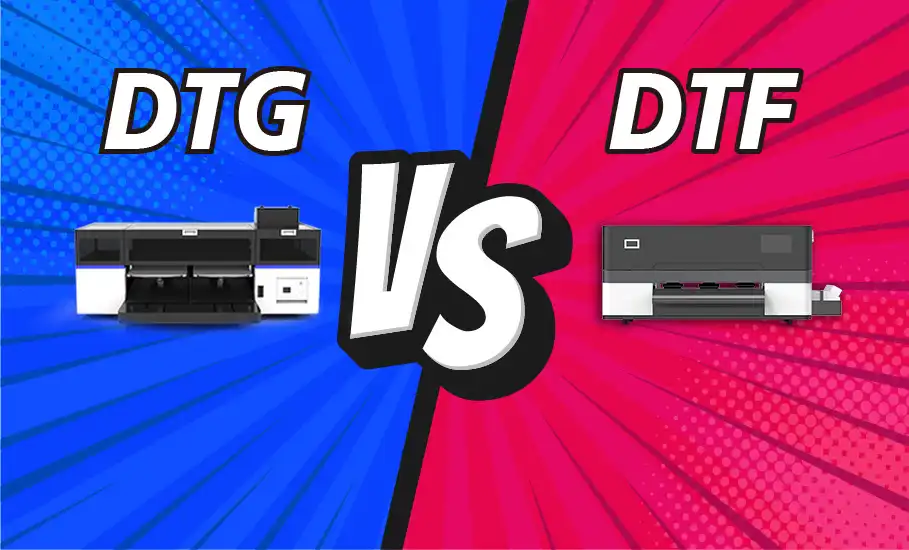
DTG vs DTF Printing:The Pros and Cons of Direct Printing Technologies.
Understanding the 24 inch DTF Printer: Features, Benefits, and FAQs
What is DTF Printing? A Complete Guide to Direct-to-Film Printing.

Is the DTF Printer 60cm suitable for small - scale businesses?
Sublimation Printing: Exploring the Technique, Machines, and Advantages
 Printer Considerations_1779869621127.webp)
How to Choose the Right DTF Printing Machine for Your Business?