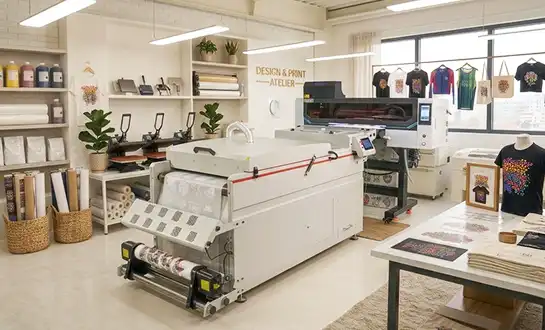
Our Guide to Sublimation Printing – What it is & How it Works
Understanding Sublimation Printing: The Technology and Process
- Understanding Sublimation Printing: The Technology and Process
- Benefits and Challenges of Sublimation Printing for B2B Applications
- Sublimation Printing Compared: Choosing the Best Technology for Your Needs
- Procurement Guide: How to Buy Sublimation Printers and Accessories
- Maximizing Your Investment: Best Practices and Future Trends in Sublimation Printing
- Conclusion
- FAQ
- Partner with a Trusted Sublimation Printer Manufacturer
- References
Molecular-level sublimation printing is a special kind of thermal transfer where solid dye particles turn straight into gas under heat and pressure, sticking to polyester fibers and polymer-coated materials for good. In contrast to regular surface printing, a sublimation printer makes pictures that are actually part of the material. This gives you photo-quality continuous tones and great wash resistance. This guide talks about important things that distributors, factory owners, and technical directors should think about when buying dye sublimation technology for making textiles, soft signs, and custom clothing. It explains the process, the equipment requirements, and the business benefits that make operations profitable.
Understanding Sublimation Printing: The Technology and Process
The Science Behind Dye Sublimation Transfer
Dye sublimation works by changing phases, and some paints don't even go through the liquid state. When heated to 180–210°C and pressure is applied during transfer, solid dye particles change into gas molecules that are small enough to get through polymer structures. This gas-phase migration creates permanent color integration instead of surface coating. This is why sublimated fabrics stay colorful through hundreds of washings without cracking or peeling, which is a problem that standard screen printing can't solve for customization in small quantities.
Precision-engineered printheads on industrial dye sublimation equipment put water-based sublimation colors on covered transfer paper. Fedar's entire production line uses the Epson i3200-A1 printhead, which can accurately measure droplets as small as 3.5 picoliters. This lets them make photographic patterns that aren't possible with traditional textile printing methods. When procurement managers figure out the equipment's return on investment (ROI), they look at how long the tip lasts and how consistent the color is.
Core Components of a Professional Sublimation System
For a full sublimation process to work, three parts must be in sync and work together. Digital printers put ink designs on transfer media, the calendar heat press controls the temperature and rest time, and polymer-reactive surfaces let the gaseous dye move through them. Knowing how these two things are connected helps technical leaders fix problems with quality and find the best production settings for various fabric weights and covering types.
The FD6198E model from Fedar is a great example of industrial-grade design. It has 8 Epson i3200-A1 printheads that give it 3200 DPI resolution and a print width of 1900mm. In single-pass CMYK mode, this setup can print 370 square meters per hour, meeting the needs of advertising shops and home textile makers that need to get work done quickly. The equipment can work with both standard CMYK and extended CMYK+4 color combinations. This gives the color range freedom for accurate brand copying, which is something that foreign trade agents stress to fashion clients from other countries.
Setting Up Sublimation Equipment for Commercial Production
Controls for the environment have a big effect on how well and consistently a sublimation printer works. Keeping the relative humidity between 40 and 60% stops ink from drying out too quickly in printer nozzles, which is a major cause of costly downtime and repair calls. Our 400-person manufacturing plant has climate-controlled assembly zones where we test each unit before shipping under fake production conditions. This way, machines come calibrated and ready to be added to your current workflow right away.
Transfer problems like ghosting and color shifting can be avoided by handling media properly. When you press, high-tack sublimation paper needs to stay flat and stable so that it doesn't move and make two pictures appear on top of each other. We offer technical training tools that cover ICC profile calibration, nozzle health monitoring, and accurate media tracking. This fills the support gap that many wholesalers say they see when they look at Asian providers. This thorough training makes it easier to help your end customers and speeds up your market entry.
Benefits and Challenges of Sublimation Printing for B2B Applications
Operational Advantages Driving Market Adoption
The case for sublimation technology in business is based on four measurable benefits that have an effect on your bottom line and the number of customers you keep. When you go to textile makers and digital printing studios, knowing these perks will help you place your tools correctly.
Photo-Quality Color Reproduction: Continuous-tone printing makes stripes that are smooth and don't have any dots that can be seen. This meets the quality standards of high-end clothing brands and clients who buy home decor. This feature gets rid of the setup fees and minimum order amounts that come with regular rotary screen printing. This makes it possible to make custom items and small runs of limited editions.
Permanent Durability: Sublimated prints don't lose their color or pattern when they are washed in a commercial washer because the dyes are absorbed at the molecular level instead of sitting on the surface of the cloth. This wash resistance solves a major problem for companies that make sports wear: fabrics that are flexible are needed for moisture-wicking performance. Sublimation doesn't clog fiber pores like plastisol transfers do.
On-Demand Production Flexibility: Digital processes get rid of the costs of making screens and the steps needed to separate colors, which cuts wait times from weeks to hours. This flexibility lets small studios and online sellers try designs with little risk to their inventory, which opens up growth possibilities for wholesalers that serve new market groups.
Environmental Compliance: Water-based sublimation inks have OEKO-TEX certifications, which meet business sustainability requirements that affect how big brand companies buy supplies. Compared to traditional dyeing methods, this method makes very little trash, which is in line with green production efforts that are common in North America and Europe.
These practical benefits give your customers an edge over their competitors, which helps them win contracts and keep accounts. When we show possible partners sublimation solutions, we stress these profit-protection factors along with the technical details.
Common Challenges and Practical Solutions
Even though sublimation printing has some benefits, it also has some problems that need to be managed carefully. Answering these concerns in a clear way builds trust with potential agent partners who are thinking about working together for a long time.
Substrate Limitations: Dye sublimation can only bond with polyester and polymer-coated materials; 100% cotton needs other transfer methods in between. This material limitation changes how the market is positioned, but it also makes it possible to specialize in performance fabrics and synthetic house linens, where rivals who use water-based inkjet have trouble with longevity.
Maintenance Discipline: To keep them from getting clogged, printhead nozzles need to be constantly checked and cleaned by machines. Our FD5194E model has wet capping systems and humidity monitors that protect printheads when the machine is not in use. Compared to basic equipment that doesn't have environmental controls, these features cut repair costs by up to 40%.
Color Management Complexity: ICC profile skills are needed to get consistent color across different cloth weights and coating types. We offer color profiles that have already been tried on common substrates and offer remote technical support. This fills in the training gap that keeps many dealers from safely serving a wide range of industrial clients.
Fedar's after-sales service for every sublimation printer includes expert representatives based in the US who understand the challenges of providing support across borders. This local presence ensures that you can assist your customers quickly when production issues arise, helping protect the reputation you have built as a reliable equipment partner.
Sublimation Printing Compared: Choosing the Best Technology for Your Needs
Process Differences and Cost Implications
To choose the right printing technology, you need to know how sublimation stacks up against other options in terms of initial investment, ongoing costs, and the range of uses it can accommodate. This study helps procurement managers show financial partners why they need to buy equipment.
Traditional heat press methods that use pre-printed transfers are cheaper at first, but they limit creative freedom and make it more expensive per unit as the business grows. Desktop inkjet printers that have been changed to use sublimation inks are good for hobbyists, but they don't have the redundant printheads and media handling features that businesses need. Industrial sublimation equipment costs more up front, but the costs per square meter go down once the monthly volume goes over 500 square meters. This is when most advertising shops and gift customization businesses hit their yearly peak times.
When you figure out ROI, the FD7428E wide-format model shows you how production capacity changes things. It can handle 440 square meters per hour in CMYK mode and has 8 heads that are spread out over a width of 4200 mm. This is enough for soft signage makers who serve trade show vendors and store chains. At this level of output, sublimation goes from being a niche process to a main source of income, which makes the capital investment worthwhile because the payback times are shorter.
Equipment Selection Criteria for Different Business Models
By matching printer specs to operational size, both overcapitalization and output bottlenecks can be avoided. Our product line is divided into groups to meet the needs of different types of businesses based on their needs and application focus.
Entry-Level Operations: The FD1900 type, which has two Epson i3200-A1 printheads, is good for studios that make unique clothing and personalized gifts. It can handle normal order amounts with its 70 square meters per hour capacity in 3-pass mode, and standard cloth rolls can fit in its 1900mm width. This setup lowers the cash risk for distributors who are trying to meet the demand for sublimation.
Mid-Volume Production: The FD5198E's 8-head design delivers 370 square meters per hour, which is what advertising equipment dealers who work with sign shops need. When it comes to brand-critical color matching, the extended CMYK+4 color choice widens the color range. This helps with issues in corporate identity reproduction, where Delta E tolerances below 2.0 determine contract renewals.
High-Volume Manufacturing: The FD5328E wide-format system is needed by textile companies that make clothes and home decor items. Its 3200mm print width and 420 square meters per hour output allow for continual production shifts. This lowers the cost per unit to levels that are competitive with traditional dyeing methods for orders of more than 1000 pieces.
With this tiered approach, you can match customer needs with the right solutions instead of giving them too much capacity that they'll never use. This is a consultative approach that builds trust in a long-term relationship.
Procurement Guide: How to Buy Sublimation Printers and Accessories
Evaluating Suppliers and Manufacturing Credentials
Doing your research before choosing a seller saves your money and your relationships with customers. When looking at possible factory partners, make sure to check their production capacity, quality certifications, and help infrastructure for after the delivery.
Fedar runs a 400-person plant that only works with digital textile printing tools. It has dedicated R&D teams that work on improving sublimation technology. Our production lines follow ISO quality management rules that include checking inbound parts, making sure assemblies are correct, and trying full loads for a long time before sending them out. Vertical integration makes sure that the quality of the output is always the same and that stable component sourcing is always available. This addresses the dependability concerns that distributors have about Asian makers.
When you visit a factory, you can learn about operations that aren't covered in standard sheets. Our Zhengzhou center lets buying teams watch how to install printheads, put together an ink circulation system, and do the final calibration steps. This openness shows that we know how to make things well and gives you faith in our ability to keep your market promises.
Pricing Structures and Bundle Configurations
Knowing the total cost of ownership of a sublimation printer, which includes more than just the purchase price, can help you make profitable sales decisions. To minimize your customers' ramp-up friction, complete sublimation printer kits should include consumables, spare parts, and training.
We sell bundles that include printers with sublimation inks that work with them, transfer papers that are best for certain uses, and repair kits with important wear parts. This packaging makes it easier to keep track of your goods and makes sure that customers use tested consumables that protect equipment guarantees. This means that you'll have fewer technical support calls, which will help you make more money.
When you buy in bulk, you can get a tiered price that rewards loyalty while still letting you test the market. Our policies for protecting agents include clear areas and lead registration systems. These keep channels from competing with each other, which makes distributors less motivated. These partnership models meet the worries about market security that procurement managers see as deal prerequisites.
Logistics and After-Sales Service Considerations
Buying tools internationally requires clearing customs, moving the freight, and coordinating the installation, which are not needed for purchases made in the United States. We handle these complicated situations with established transportation partners who know how to handle oversized goods and give you paperwork that meets US import requirements.
Through subscription maintenance plans and priority parts allocation, we offer help after the sale that goes beyond the guarantee time. Technical help teams work during US business hours, so there are no time zone delays when problems happen with production. Many software and settings problems can be fixed remotely, without having to come to the customer's location. This keeps your customers' systems running as smoothly as possible and protects your service image.
Routine maintenance steps, color management processes, and troubleshooting techniques are all covered in training programs so that your customers' workers can fix common problems on their own. This sharing of knowledge lowers their running costs and makes you more than just a supplier of tools; it makes you a partner that adds value.
Maximizing Your Investment: Best Practices and Future Trends in Sublimation Printing
Operational Excellence Through Preventive Maintenance
To keep the quality of the output high and extend the life of the equipment, it needs to be maintained in a way that is specific to the work setting. These steps will protect your customers' interests and cut down on service claims that hurt your bottom line.
Before every production run, an automated nozzle check finds blocks before they cause banding problems across whole rolls. Using daily cleaning processes during shift changes stops the building of ink that lowers the quality of prints over time. Our equipment has software for arranging maintenance that lets workers know when service intervals are coming up. This takes the guesswork out of preventive care.
Environmental tracking looks at outside things that can affect how well a printer works. Dust filter systems keep particles that are common in textile plants from getting into sensitive printhead parts. By keeping track of temperature and humidity, you can find out what conditions make parts wear out faster and fix them before they break.
Emerging Technologies and Market Opportunities
By keeping up with changes in technology, you can set your business up for opportunities in the next generation while protecting the investments you have now. Several new developments are changing how sublimation is used and creating new market groups.
Rigid materials like ceramic tiles and metal panels can now be sublimated because better covering technologies have made them more compatible with substrates. These uses open up new markets for UV-cured inkjet systems, like building signs and decorating products.
Fluorescent and custom inks can print colors that aren't possible with standard CMYK. This means that they can be used for fashion and branding projects where regular sublimation couldn't match Pantone standards. These high-tech ink sets can be used with our CMYK+4 combinations without having to buy new equipment.
Environmental requirements for businesses are met by sustainable practices like ink recycling systems and heating factors that use less energy. Customers can get contracts with brands that use seller environmental scorecards if they highlight these features.
Conclusion
Through a gas-phase dye transfer method that needs special tools and heat pressing, a sublimation printer can produce lasting, photo-quality results on polyester textiles and polymer-coated substrates. The technology solves important problems in the process of making unique textiles, such as improving wash durability, enabling on-demand manufacturing, and accurately reproducing photographic colors. When selecting the right equipment, it is important to ensure that the printhead configuration and print width match the expected production volume, verify the supplier's manufacturing track record, and confirm the availability of comprehensive after-sales support. Fedar's industrial sublimation printer systems use the reliable Epson i3200-A1 printhead and can achieve production speeds of up to 440 square meters per hour, while also providing factory-direct support and favorable partnership terms for agents.
FAQ
Why do prints appear dull on transfer paper before heat pressing?
Sublimation colors don't do anything until they are heated up. The bright colors only show up during the thermal transfer phase, which is when the solid turns into a gas when temperatures hit 180–210°C. This is normal and to be expected—the picture on the transfer paper will always look less clear than the end print.
Can sublimation work on natural cotton fabrics?
No, polymer molecules need to connect with dye particles for sublimation chemistry to work. These man-made fibers are not made of cotton. For cotton, you would need to use polymer spray coatings or hybrid transfer ways. However, these solutions don't last as long as polyester when washed.
What causes ghosting or double images in finished products?
This flaw is caused by the movement of the paper during heat transfer. When the press is closed, the transfer medium moves, which makes the pattern print twice in slightly different places. This won't happen if you use high-tack sublimation paper and heat-resistant tape to keep the copy in place.
How do I maintain consistent nozzle performance?
Controlling the humidity between 40 and 60% of the relative humidity keeps printer needles from drying out too quickly. Using wet capping systems and setting up automatic cleaning processes during idle times saves nozzles overnight. These preventative steps cut down on clogging that slows down production.
Partner with a Trusted Sublimation Printer Manufacturer
To make a sublimation business profitable, you need reliable tools, quick technical help, and clear partnership terms. Fedar can help your business with 400 people working in manufacturing, strict quality control, and after-sales teams based in the US. Our FD6198E, FD5328E, and FD7428E types offer production speeds that meet the needs of businesses, and Epson i3200-A1 printer technology guarantees consistent quality. We protect your relationships with your customers by giving you pre-tested ICC profiles, maintenance training, and priority access to extra parts. Our agency cooperation model includes rules to protect the market and competitive wholesale price structures that are meant to keep growth going. Get in touch with our team at info@tex-printer.com to talk about equipment specs, sample kit programs, and relationship terms that are right for your business. We give you print examples that can be copied and thorough technical documentation that will help you talk to potential clients with confidence.
References
1. "Textile Printing Technologies: A Comprehensive Analysis of Sublimation Processes," Journal of Industrial Textiles Research, 2023.
2. "Digital Textile Printing: Market Trends and Technology Advancements," International Association of Printing Technology, 2024.
3. "Sublimation Ink Chemistry and Color Management Practices," Technical Standards for Digital Textile Production, 2023.
4. "Equipment Reliability and Maintenance Protocols for Industrial Sublimation Systems," Manufacturing Excellence Quarterly, 2024.
5. "Polymer Coating Technologies for Sublimation Applications," Materials Science in Textile Engineering, 2023.
6. "Cost Analysis and ROI Modeling for Digital Textile Printing Equipment," Business Strategies in Commercial Printing, 2024.

Aelx Chen
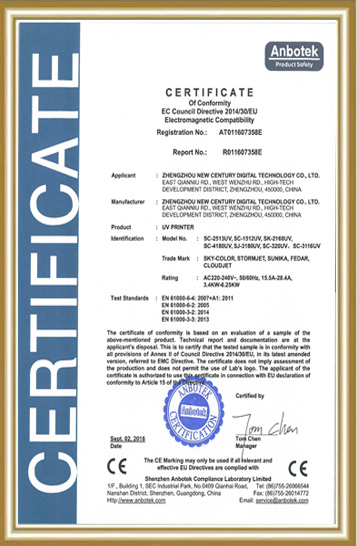
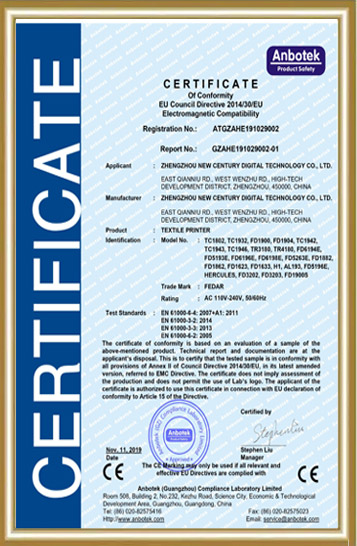
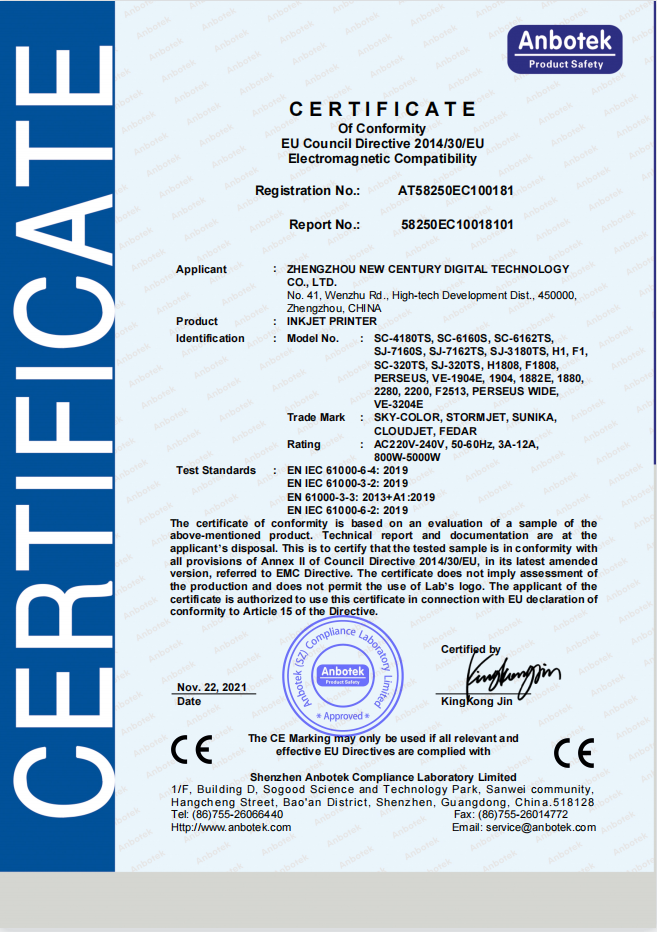
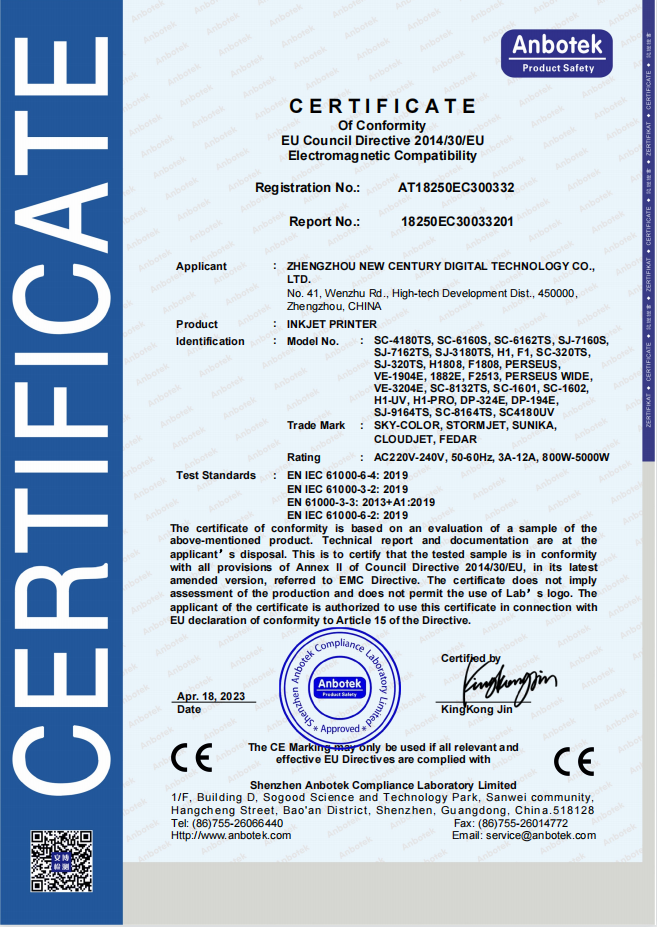
Alex Chen has accumulated extensive R&D and industrialization experience in the digital textile printing field, focusing on the innovation and optimization of digital printing equipment, direct-to-garment (DG) processes, and application solutions. He led the independent R&D and mass production of the company's core textile printing machines and DG printers, promoting their application in the textile, advertising, home furnishing, and personalized customization markets. The equipment he led has passed ISO9000 and CE certifications, earning the trust of a wide range of customers. He continuously provides customers with professional technical support and industry trend analysis, contributing to the upgrading and efficiency improvement of the digital printing industry.
We Look Forward to Your Email
Please send us product information that interests you, and we will provide you with one-on-one service.


_1778203196111.png)
Recommended Blog

What are the maintenance requirements for direct to film printer?