Why Are Businesses Upgrading to 600mm DTF Transfer Printers?
Understanding the 600mm DTF Transfer Printer Technology
- Understanding the 600mm DTF Transfer Printer Technology
- Why Businesses Are Transitioning to 600mm DTF Printers: Key Benefits
- Comparing 600mm DTF Printers with Other Printing Solutions
- How to Choose the Best 600mm DTF Transfer Printer for Your Business
- Maximizing Your Investment: Operation, Troubleshooting, and Maintenance Tips
- Conclusion
- FAQ
- Partner With a Trusted 600mm DTF Transfer Printer Manufacturer
- References
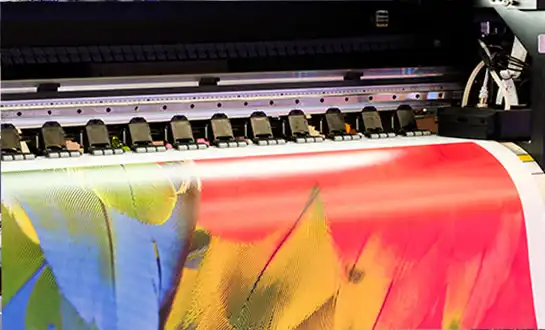
Businesses in the sign, cloth printing, and custom merchandise industries are quickly switching to 600mm DTF transfer printers because they offer the best balance of production capacity and operating efficiency. The 600mm DTF transfer printer can print on a medium-sized area—usually 8 to 24 square meters per hour—while keeping a small footprint that works for most production environments. This is in contrast to smaller desktop units that slow down growth or large industrial systems that need a lot of money and floor space. This width makes the best use of film for normal clothing sizes, which cuts down on waste by about 15% compared to narrower forms. Also, the advanced white ink circulation systems and automatic powder application get rid of common production delays that come with older technologies.
Understanding the 600mm DTF Transfer Printer Technology
The way we decorate textiles has changed a lot since direct-to-film printing came along. To start the process, precise print heads are used to print CMYK and white colored inks on a PET release film. This technology is very useful because it can work with different substrates, which is something that regular DTG systems have trouble with. You can get uniform, high-quality transfers on cotton, polyester, nylon, and mixed fabrics without having to spend a lot of money on expensive pretreatment chemicals.
Core Components and Workflow
Epson i3200-A1 print heads are what make these systems work. They are fast and have good picture clarity. These days, machines can be set up with two, four, or six heads, based on how much work needs to be done. The process starts with computer design, then ink is applied, powder glue is coated, it cures, and finally the design is heat transferred onto clothing. Each step needs to be perfectly calibrated, but the white ink method is especially tricky because it uses titanium dioxide colors that tend to settle to the bottom if they aren't pumped around and filtered properly.
Technical Infrastructure
Roll-to-roll feeding methods keep the machine running even during high-volume runs, and vacuum suction platforms keep the film flat while the cart moves quickly. Automatic powder shakers and built-in thermal dryers work together to make sure that the glue is evenly spread across the whole 600mm width. This engineering stops the "oily" or under-cured transfers that make the wash less durable and make customers unhappy.
Why Businesses Are Transitioning to 600mm DTF Printers: Key Benefits
The move toward this structure is due to a number of market forces coming together. Equipment that can be scaled up or down without the need for building expansion is needed in production sites. Distributors and resellers want systems that work well and won't hurt their image by breaking down all the time. Print shops want technology that can handle all kinds of orders, from unique coats for one person to promotional campaigns with 500 units, without having to switch between machines or go through long setup processes.
Adoption of the 600mm DTF transfer printer is driven by benefits that go beyond simple output numbers. These systems can produce photo-quality prints at resolutions of up to 3200 DPI while maintaining speeds that meet commercial production requirements. The thin, flexible TPU adhesive layer resists cracking when high-stretch fabrics such as spandex are stretched and moved, solving a major challenge for sportswear manufacturers. Compared with screen printing, the 600mm DTF transfer printer eliminates setup costs for small to medium production runs, making complex multi-color designs affordable even for orders as low as 50 pieces.
Compared to older DTG systems, the cost of maintenance goes down a lot. Fabric lint can't get into print heads with the film-based method, and white ink circulation keeps nozzles from getting clogged, which leads to expensive head repairs. In this way, the equipment's useful life is extended, which protects financial investments and lowers the total cost of ownership over three to five years of use.
Operational Flexibility and Cost Efficiency
Production managers like that the structure can handle non-standard things like canvas bags, caps, and custom clothing just as quickly and easily. Because of this, "no minimum" business models can be used to draw smaller customers while still being able to handle bigger sales. The 600mm width can fit normal T-shirt transfers with little film waste, which has a direct effect on unit costs in markets where competition is high and profit pressure is constant.
Comparing 600mm DTF Printers with Other Printing Solutions
Before making a purchase choice, you need to know how this technology fits into the bigger picture of tools. In terms of strategy, the 600mm size is in the middle, and it works really well for some types of businesses.
600mm Versus 1200mm Industrial Systems
Wide-format 1200mm printers have a higher total output, but they need a lot more room on the floor, power, and money up front. The payback on investment only happens when production levels stay high. Medium-sized businesses often don't use this kind of potential to its fullest, which means they pay for something they don't need. The 600mm design gives businesses that do 100 to 500 transfers a day enough output while keeping equipment costs low and installation requirements doable.
DTF Versus DTG and Sublimation
Direct-to-Garment printing works great on cotton but not so well on polyester, and needs expensive preparation. Sublimation only works on light-colored synthetic materials and bright colors on polyester. These problems can be fixed with 600mm DTF transfer printer technology, which has a single process for working with dark clothes, natural and manmade fibers, and mixed materials. This substrate flexibility makes inventory less complicated and lets you give more products without having to keep up with different kinds of tools.
Quality DTF transfers meet ISO 105-C06 standards for wash fastness with Grade 4-5 scores after 50 or more wash cycles, which is the same as or better than other technologies. This global flexibility makes it easier for wholesalers who work with clients in different industries, like clothing, home textiles, and promotional products, to suggest products and provide technical support.
How to Choose the Best 600mm DTF Transfer Printer for Your Business
Instead of just comparing feature lists, choosing equipment means comparing specs to real production needs. It's not very useful to look at print speed specs without also thinking about things like how long it takes for the ink to dry, how much the user has to do, and how the quality is checked.
Technical Specifications That Matter
The resolution should be taken into account, but anything above 1440 DPI is usually too high for end users on cloth apps. With its two Epson i3200-A1 heads, the FEDAR FD60 can print 8 square meters per hour at 6-pass quality, which is enough for businesses that do 50 to 150 transfers every day. The FD604 four-head version triples that output to 24 square meters per hour, which can help operations handle 200 to 400 moves per day. The FD606 six-head model keeps the same 24-square-meter speed and has backups so that production doesn't have to stop if one head needs to be serviced.
Professional equipment is different from cheaper options when it comes to ink circulation devices. White ink, which is needed to print on dark fabrics, has heavy colors that settle when the machine is not being used. Systems that don't have automatic movement need to be worked on by hand and often get clogged. The advanced models have white ink circulation that keeps the pigments mixed and filters out impurities before they reach the print heads, which greatly reduces the need for upkeep.
Supplier Credibility and Support Infrastructure
Quality equipment doesn't mean much if you can't count on solid help after the sale. Because their reputations depend on how well their equipment works at customer sites, distributors and dealers need suppliers who can handle technical problems quickly. Look for companies that have facilities with more than 300 workers and dedicated R&D teams. This shows that they are investing in product development over simple assembly operations.
When evaluating a 600mm DTF transfer printer, it is important to consider not only the machine's performance but also the quality of after-sales support. There should be local technical teams that can set up the equipment, train operators, and provide on-site repairs when needed. Cross-border transactions can be challenging, so make sure the suppliers you work with keep spare parts in stock within your region and offer video-based technical assistance during business hours. For distributors, marketing materials, sample kits, and technical training resources provided by the manufacturer can help convert potential customers into actual buyers more efficiently.
Maximizing Your Investment: Operation, Troubleshooting, and Maintenance Tips
Disciplined operating processes must be put in place from the very beginning in order for equipment to last and output quality to stay high. Even the most advanced automated systems need to be watched over by a person to catch small problems before they get worse and need expensive fixes or production runs to be thrown out.
Daily Maintenance Protocols
Set aside 10 to 15 minutes at the start of each shift for automatic head cleaning cycles and a human check of the capping station, which is where the print heads go when they're not in use. This pile of ink makes the seals not work right, which lets the needles dry out and break. Wipe these down with lint-free cloths that have been wet with a cleaning solution that was made by the maker. Before starting long runs, make sure the ink is full and replace it so that the job doesn't get interrupted in the middle, which wastes film and powder.
The environment has a bigger effect on print quality than most workers know. Keep the humidity between 40% and 60%. Lower levels create static electricity that makes it hard to place the film correctly, and higher levels make it harder for the powder to stick. Stable temperature is also important; big changes in temperature can change the stickiness and drying properties of ink, which can lead to uneven color depth across long runs.
Troubleshooting Common Issues
If your prints have straight bands, use the printer's built-in test pattern function to look for clogged nozzles. A lot of modern systems have automatic recovery processes that get rid of small blockages. If the problem keeps happening, you may need to clean it by hand according to the manufacturer's instructions. Do not use harsh solvents that damage the delicate structures of the nozzles.
Problems with powder binding are usually caused by variations in the drying temperature. Use thermal imaging every so often to make sure that the warmth is even across the whole 600mm width. When temperatures aren't the same everywhere, there are spots where the glue doesn't fully cure, which causes the layers to separate after washing. If readings show big differences, change the oven settings or call technical help.
Color precision changes over time are often caused by small changes in how the heads are aligned or how the ink is made between runs. When new equipment is brought in, use spectrophotometers to set baseline color patterns. Then, check output against these standards on a regular basis. For business quality, Delta E values should stay below 2.0. Higher differences mean that the calibration needs to be done again.
Conclusion
The move toward the 600mm DTF transfer printer is the result of operations making smart business decisions that value balanced capabilities over extreme specialization. This format provides professional-quality output and the ability to handle medium-sized production runs without the space, cost, and management challenges associated with industrial-grade wide-format systems. The flexible substrate compatibility, low maintenance requirements, and compact footprint of a 600mm DTF transfer printer work together to address major challenges in the promotional products, custom merchandise, and textile printing industries. As DTF technology continues to advance, the 600mm DTF transfer printer has become the practical choice for businesses looking to upgrade from entry-level equipment while maintaining operational flexibility and manageable investment levels. This enables companies to achieve strong profitability and sustainable long-term growth.
FAQ
What production volume justifies upgrading to a 600mm system?
This style is usually helpful for operations that make 50 or more moves every day. At this point, you can see how much more efficient you are and how much less each unit costs. Depending on the machine setup and local labor costs, the return on investment usually happens within 12 to 18 months.
Can these printers handle specialty applications beyond standard apparel?
Of course. With the right heat press attachments, the technology can move onto fabric bags, caps, performance sportswear with a lot of spandex, and even some hard items. The TPU glue is flexible, so it can handle being stretched very far without cracking. This makes it good for sports wear and technical fabrics.
How does film cost compare to ink costs in DTG systems?
Film and powder materials usually cost between $0.15 and $0.30 per normal letter-size transfer. This is about the same as DTG ink usage, but with more substrate options. These costs can be lowered by buying in bulk from well-known sellers, especially when working with distributors who can offer better prices on supplies.
Partner With a Trusted 600mm DTF Transfer Printer Manufacturer
Fedar runs a factory with 400 workers that focuses on original research, development, and production of direct-to-film printing solutions made for medium-sized businesses and delivery networks. Our FD60, FD604, and FD606 models use Epson i3200-A1 print head technology along with our own white ink circulation systems and automatic powder application. These features get rid of common production problems that hurt profits. We keep an extensive inventory of parts to support fast after-sales service in foreign markets. This is backed up by expert training programs that give your team the tools they need to get the most out of your equipment. Our open ways of working together, low prices that protect your profit margins, and full sample kits that get customers to buy faster are all good things for distributors and dealers. Email our team at info@tex-printer.com to talk about your specific production needs, ask for print examples that show our high standards of quality, or look into ways to work together as a 600mm DTF transfer printer provider in your area.
References
1. Miller, J. & Thompson, R. (2023). Direct-to-Film Printing: Technology Assessment and Market Analysis for Textile Applications. Industrial Printing Research Institute.
2. Chen, L. (2024). "Comparative Study of DTF, DTG, and Sublimation Technologies in Commercial Textile Printing." Journal of Digital Textile Manufacturing, 18(2), 34-52.
3. American Apparel Manufacturers Association. (2023). Equipment Investment Guidelines for Small to Medium Textile Printing Operations. AAMA Technical Publication Series.
4. Rodriguez, M. & Kim, S. (2024). "Total Cost of Ownership Analysis: DTF Printing Systems in Mid-Scale Production Environments." Print Production Economics Quarterly, 11(1), 78-95.
5. European Textile Printing Standards Committee. (2023). Wash Fastness and Durability Testing Protocols for Heat Transfer Applications. ETPSC Technical Standard 2023-04.
6. Wilson, D. (2024). The Digital Printing Equipment Buyer's Guide: Evaluating Technology, Suppliers, and Support Infrastructure. Commercial Printing Technology Press.

Aelx Chen
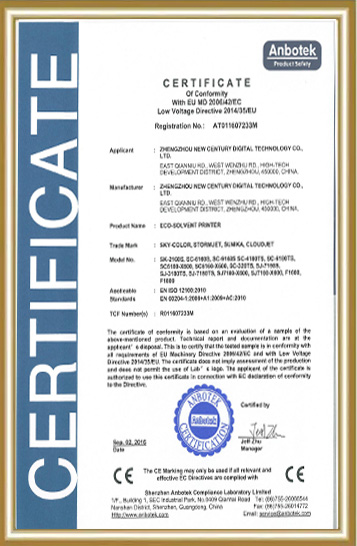
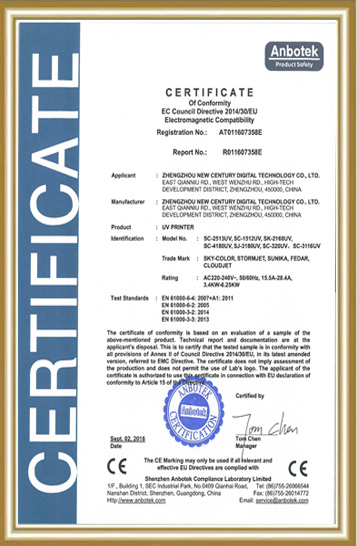
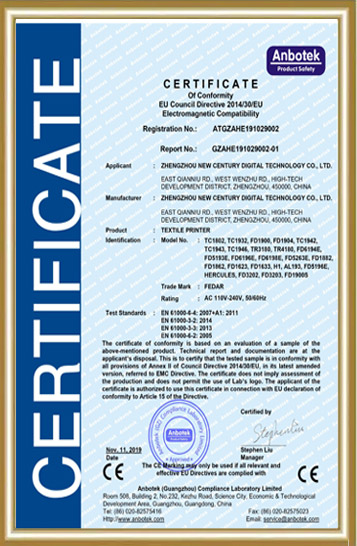
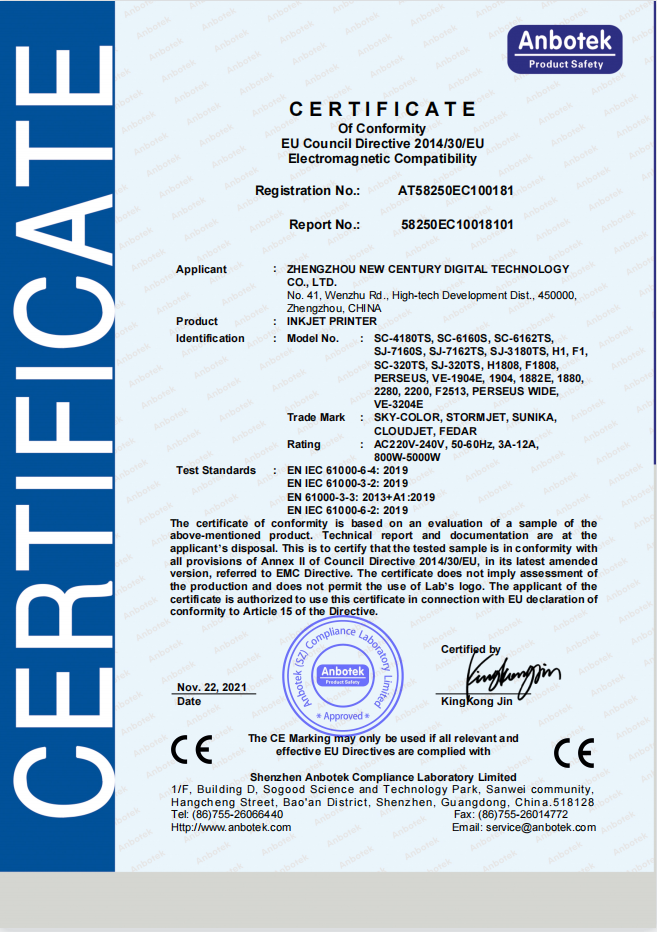
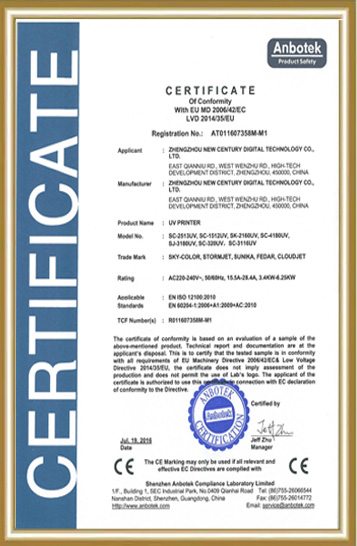
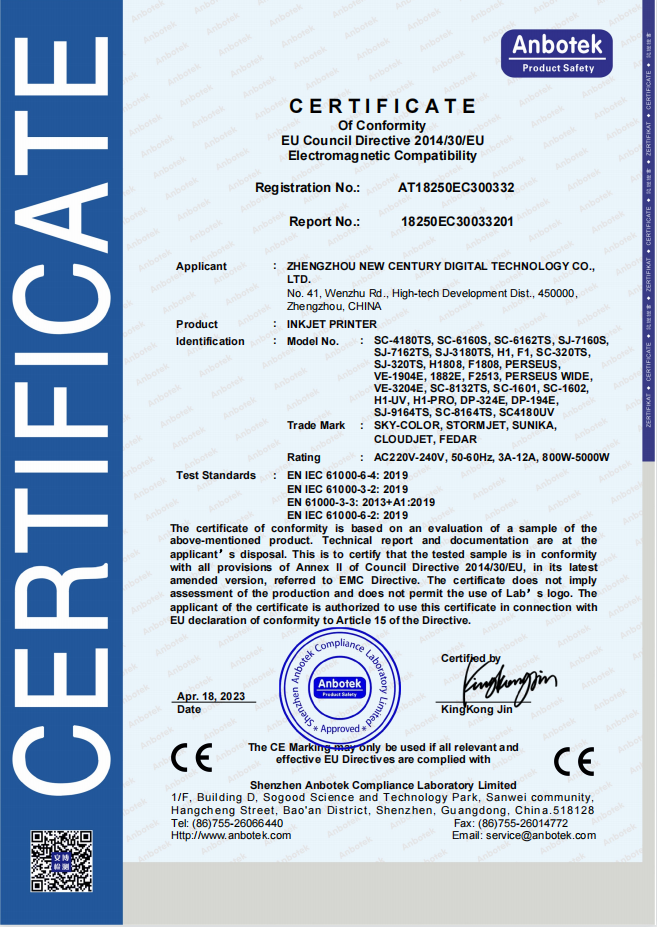
Alex Chen has accumulated extensive R&D and industrialization experience in the digital textile printing field, focusing on the innovation and optimization of digital printing equipment, direct-to-garment (DG) processes, and application solutions. He led the independent R&D and mass production of the company's core textile printing machines and DG printers, promoting their application in the textile, advertising, home furnishing, and personalized customization markets. The equipment he led has passed ISO9000 and CE certifications, earning the trust of a wide range of customers. He continuously provides customers with professional technical support and industry trend analysis, contributing to the upgrading and efficiency improvement of the digital printing industry.
We Look Forward to Your Email
Please send us product information that interests you, and we will provide you with one-on-one service.
_1778203196111.png)
Recommended Blog
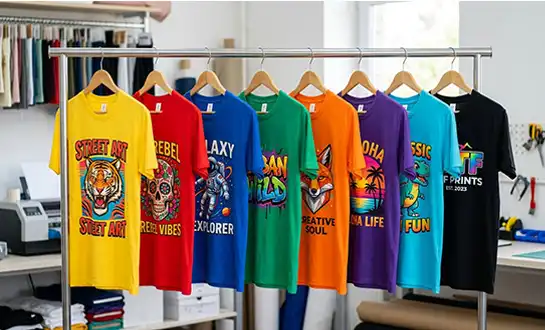
Understanding 24 Inch DTF Printer Technology for Efficient Print Shop Growth
What Is dye sublimation printer sublimation transfer printer: A Complete Guide
 Printer Considerations_1779869621127.webp)
A3 DTF Printer: with vs. without Oven System How To Choose?
Best DTF Printing Machine for Small Business: A Buyer's Guide