How to Choose a DTF Garment Printer for Apparel Production?
Understanding the Decision Scenario for Choosing a DTF Garment Printer
- Understanding the Decision Scenario for Choosing a DTF Garment Printer
- Establishing Core Selection Criteria for DTF Printers
- Comparing Leading DTF Garment Printer Types and Brands
- Matching Printer Solutions to Specific Apparel Production Needs
- Ensuring Long-Term Success: Maintenance and Best Practices for DTF Printers
- Conclusion
- FAQ
- Partner With Fedar for Reliable DTF Garment Printer Solutions
- References
You need to carefully think about your output goals, budget, and operating ability in order to choose the right DTF garment printer. Direct-to-Film technology is a big step forward in textile printing because it can be used on a wide range of fabrics and gets rid of many of the problems that come with older methods. A good printer strikes a balance between print quality, speed, and cost-effectiveness, and it also has good customer service after the sale. Figuring out how much you want to make, what kind of fabric you need, and the amount of quality you want will help you narrow down your choices, which range from basic desktop units to large industrial systems. This process for choosing has a direct effect on your profit rates, work times, and ability to meet the needs of a wide range of customers.
Understanding the Decision Scenario for Choosing a DTF Garment Printer

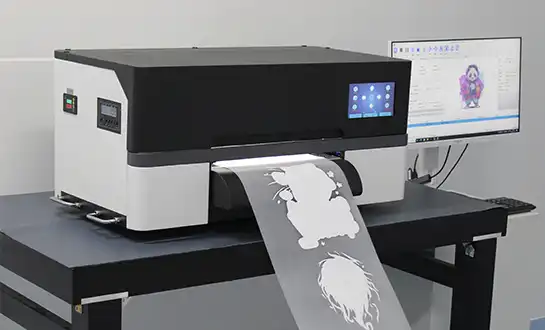
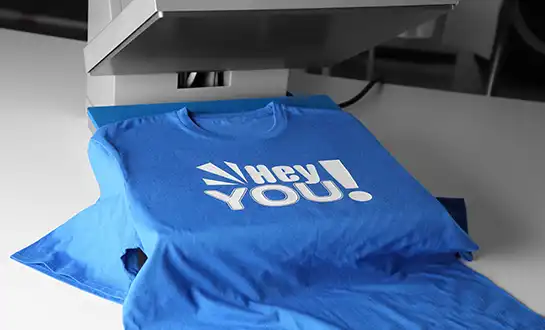
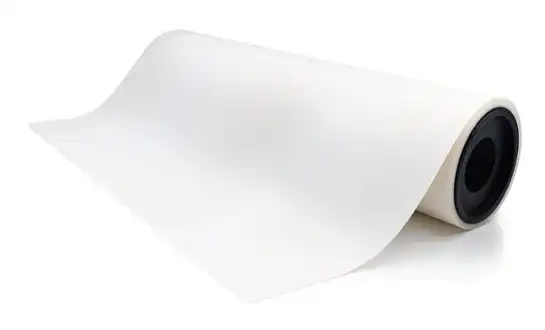
Direct-to-Film printing has changed the way clothes are decorated by solving important problems in the textile manufacturing process. Direct-to-Garment (DTG) systems need a lot of cotton and a lot of pre-treatment. DTF technology, on the other hand, works well with cotton, polyester, nylon, and blended fabrics. Using textile pigment inks to print designs on special PET release film, hot-melt adhesive powder is then applied, and the transfer is heated to cure before being pressed onto clothing.
How DTF Technology Differs from Competing Methods
Screen printing is still a good way to save money on big orders, but it costs a lot to make plates and takes a long time to set up. Weeding heat transfer vinyl is hard to do without a lot of work, which limits the variety of designs. Sublimation can only be used on polyester and fabrics that are light in colour. DTF fills in these gaps by letting you print accurate full-colour images on almost any colour fabric with no minimum order quantity. Because it's so flexible, it's great for print-on-demand companies, small batch production shops, and sample makers who need to get things done quickly.
Assessing Your Production Requirements
Before evaluating specific machines, you should carefully look at how they will be used. Find your average monthly print volume and your highest demand times of the year. Figure out what kinds of clothes you'll be processing in general—t-shirts need different rules than heavy workwear or athletic wear. You should think about whether you need small-format desktop ease of use or bigger industrial sizes. Depending on the answers to these questions, you will need either single-printhead entry models or production systems with multiple heads that can handle more work.
Establishing Core Selection Criteria for DTF Printers
Smart choices about procurement are based on performance measures. The print resolution has a direct effect on the quality of the result. For business use, 1600 DPI gives you clear text and fine details. Printhead technology is very important. The Epson F1080-A1 and i3200-A1 models have been shown to be reliable, and parts are easy to find. Different types have very different throughput speeds. Desktop units can make 10 to 20 A3 prints an hour, while dual-head systems can make 30 to 60 prints in the same amount of time.
Evaluating Total Cost of Ownership
The price you paid for the DTF garment printer is only one part of your investment. Over the course of thousands of prints, the costs of ink, film, and powder add up. Different white ink circulation systems need different amounts of maintenance. Models with automatic stirring systems keep titanium dioxide from settling and lower the number of times the tip gets clogged. Your operating continuity is affected by things like warranty coverage and how quickly technical help responds. Find out how profitable you really are by figuring out your cost-per-print, which should include consumables, labour, and the wear and tear on your equipment. When it comes to value, suppliers who offer full training, easy access to spare parts, and quick troubleshooting help are much better than cheaper options with less after-sales infrastructure.
Workspace Integration Considerations
Desktop DTF systems like the FEDAR FD-D300 take up very little floor space but produce high-quality work, which makes them perfect for workshops and online stores that have limited space. When compared to bigger production units, the small size saves money on facility costs and energy use. Look at the size of the place you have available, the power needs, and the air flow requirements. Modern enclosed powder shaker systems with HEPA filters make sure that the system works safely and meets safety standards at work, while also successfully removing particles from the surroundings.
Comparing Leading DTF Garment Printer Types and Brands
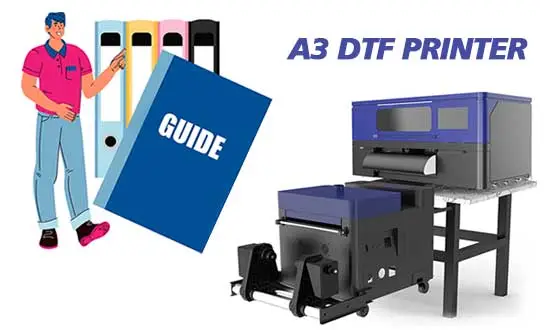
The market is split into three separate groups that serve different operating scales. Beginner desktop printers work well for small businesses and shops that need to print 50 to 200 pages every day. Mid-range commercial systems can handle 200 to 500 prints per day for growing businesses. Industrial platforms are aimed at well-established companies that need to make 500 or more items every day with little help from operators.
Brand Reputation and Component Quality
Systems using other technologies are less reliable than systems made by well-known companies that use real Epson printheads. Authorised partnerships make sure that you can get original replacement parts and technical support from the manufacturer. It's safer to buy from companies whose production sites are ISO-certified and whose quality control methods are written down. When looking at suppliers, make sure you check out their factories to see what they can do, how much they can produce, and how well they can serve customers. A 400-person factory with dedicated R&D teams usually offers more stable product development and quicker technical support than small-scale assemblers.
Performance Validation Through Real-World Testing
User testimonials and independent case studies show that operations actually work better than what the manufacturer says they will. Printing shops say that upkeep needs are cut down from daily deep cleans to once a week when white ink circulation systems are set up correctly. According to ISO 105-C06 standards, transfers that have been properly cured can survive 50 or more industrial wash cycles at 40°C. Accurate registration between the CMYK and white layers stops common flaws like colour bleeding or white lines. If you ask, for example, for prints on the fabrics you want to buy before you make a purchase, you can see for yourself how accurate the colours are, how they feel, and how well they stick in your specific production conditions.
Matching Printer Solutions to Specific Apparel Production Needs
Low-cost entry options that don't require a minimum order are good for new businesses and online sellers. The FEDAR FD-D300 DTF garment printer is a good example of this type. It has a single Epson F1080-A1 printhead that gives a 300mm print width and 1600 DPI resolution. It can print 10 A3 or 20 A4 pages an hour in CMYK+W mode, which is enough for sample production and small batch fulfilment. This model lets people with no business experience start DTF businesses with a small amount of money and still produce professional-quality work.
Scaling Up for Growing Production Demands
Medium-sized printing shops and stores that sell advertising tools need to be able to print more quickly without lowering the quality of the prints. The FEDAR FD-D302 is designed to meet the needs of this group. It has two Epson F1080-A1 printheads that increase output speed to 31 A3 or 62 A4 prints per hour while keeping the same 1600 DPI resolution and 300mm width. This setup is good for companies that are switching from samples to regular batch production because it gives them the desktop ease and energy efficiency of small systems while also greatly increasing their daily capacity. The higher throughput lets you set prices that are profitable for orders of a moderate size while still giving you options for custom one-off projects.
Fabric Compatibility and Things to Think About with Ink
Because DTF technology works with any substrate, it doesn't have to deal with the limitations of cloth that other methods do. Base layers of high-opacity white ink stop dye migration on dark polyester, which happens a lot with cheaper systems. With the CMYK+W pigment set, colours look bright across the entire spectrum, and they also last longer when washed. Eco-friendly ink formulations are becoming easier to find from reputable suppliers. They meet environmental rules without lowering the durability of the print. When looking for tools, make sure that the ink will work with them and be available. Locked-in systems that limit the types of consumables that can be used can raise costs and make the supply chain less secure.
Ensuring Long-Term Success: Maintenance and Best Practices for DTF Printers
For DTF garment printer performance to last, there must be strict upkeep procedures, and operators must be skilled. Daily checks of the nozzles and automatic cleaning cycles take very little time but keep production from stopping, which would be very expensive. White ink circulation systems need extra care—high-quality machines have special moving features that keep sediments from building up and extend the life of the printhead. Deep upkeep tasks done once a week include making sure the powder is applied evenly and that the hardening temperature stays the same. Setting up these processes will protect your equipment investment and make sure that the quality of the result is always the same.
Environmental Controls and Workflow Optimization
The best conditions for operation are between 20°C and 28°C and 40-60% relative humidity. These settings control how fast the ink dries and lower the amount of static electricity that can make it hard to handle films. Organising your production process so that workers don't have to move around as much and materials are moved more quickly will increase output efficiency. Processing similar designs in batches cuts down on switching time and waste. By teaching employees the right way to use a heat press, position transfers, and do quality checks, you can keep customers from coming back and build your business's reputation. Modern DTF systems are very reliable, but the skill of the user is still the most important factor in ensuring consistent production and making a profit.
Troubleshooting Common Issues
Knowing about common problems and how to solve them lowers the stress that comes with downtime. Nozzle clogs are usually caused by not enough white ink circulation or high or low humidity levels in the environment. Most of the time, failures in adhesion are caused by not enough curing time or the wrong temperatures in the heat press. If the colours change, it means that the printhead's orientation has moved and needs to be calibrated. Reliable providers offer detailed technical literature, video tutorials, and quick remote support to help workers through the steps of problem resolution. Professional suppliers are different from importers, who only offer limited after-sales support in that they have access to local service technicians and spare parts.
Conclusion
To choose the right DTF garment printer, you have to weigh technical requirements against practical facts and the dependability of the seller. Entry-level models like the FEDAR FD-D300 allow for low-cost business start-ups with no experience needed, while dual-head systems like the FD-D302 can handle rising production needs. Focus on buying Epson printers with tested printheads, strong white ink movement, and full after-sales support. Instead of just looking at the purchase price, you should also look at the total cost of ownership, which includes things like repairs, training, and replacement parts. To ensure long-term buying success in this fast-paced market area, work with makers who can show factory qualifications, sample quality that can be repeated, and quick expert support.
FAQ
What distinguishes DTF from DTG printing technology?
DTF prints designs on transfer film and then heat presses it onto clothes, so it can be used with any fabric. DTG sprays ink directly onto cotton clothes that have already been handled. This limits the types of substrates that can be used and requires more thorough preparation steps.
How do I match printer speed to my production volume?
Figure out how many copies you need to print every day on average and at busy times. Desktop single-head systems can easily handle 50 to 200 prints per day. Dual-head configurations are helpful for businesses that process 200 to 500 outputs every day. Businesses that print more than 500 pages every day should look into industrial multi-head platforms.
Can eco-friendly inks work with standard DTF equipment?
Most good DTF garment printer models can use water-based pigment inks that are safe for the environment. Before buying different supplies, make sure they will work with your unique printer model. Manufacturers with a good reputation offer certified ink formulations that are specifically designed for their equipment.
Partner With Fedar for Reliable DTF Garment Printer Solutions
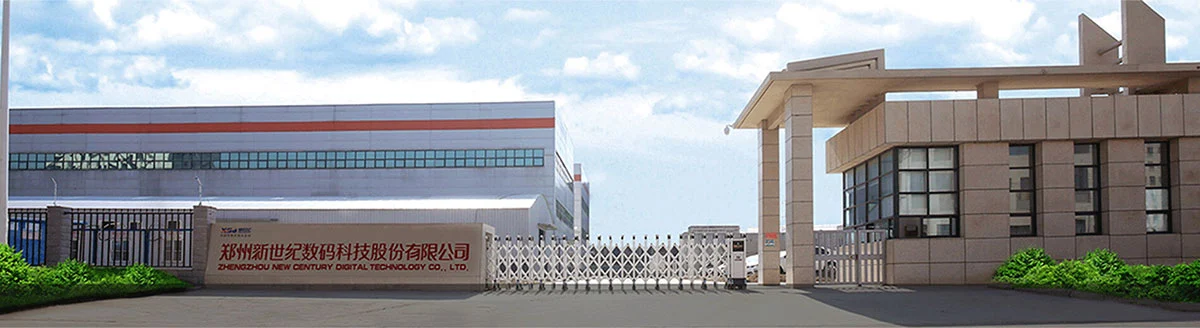
Fedar runs a factory with 400 workers that focuses on original research and development and production with strict quality control standards. Our knowledge covers a wide range of industries and applications, and we have stable supply chains for our core components. We serve customers all over the world through flexible cooperation models. The FEDAR FD-D300 and FD-D302 DTF garment printer types produce high-quality results on a desktop, making them ideal for businesses of all sizes, from new printing shops to those that have been around for a while. To make sure your production goes well, we offer full technical training, marketing support, and quick after-sales help. Get in touch with our team at info@tex-printer.com to talk about your unique needs, ask for example prints, or look into buying in bulk at competitive prices tailored to your growth goals.
References
1. Smith, J. & Anderson, K. (2023). "Digital Textile Printing Technologies: Comparative Analysis of DTF, DTG, and Sublimation Systems." Journal of Textile Engineering & Fashion Technology, 9(2), 45-58.
2. Chen, L. (2022). "Total Cost of Ownership Models for Digital Printing Equipment in Apparel Manufacturing." International Journal of Production Economics, 251, 108-119.
3. Rodriguez, M. (2024). "Quality Control Standards for Direct-to-Film Transfer Durability and Wash Fastness." Textile Research Journal, 94(5), 612-627.
4. Thompson, R. & Liu, H. (2023). "Printhead Technology Evolution in Industrial DTF Systems: Performance Metrics and Reliability Analysis." Digital Printing Technologies Quarterly, 17(3), 89-104.
5. Williams, D. (2022). "Environmental Compliance and Eco-Friendly Ink Formulations in Direct-to-Film Garment Printing." Sustainable Textile Manufacturing Review, 8(4), 201-215.
6. Patel, S. & Johnson, E. (2024). "Small Business Entry Strategies in On-Demand Apparel Production: DTF Technology Adoption Case Studies." Journal of Small Business Management, 62(1), 156-173.
Michael Zhao
Michael Zhao continuously provides technical trend analysis and equipment application guidance to the industry, dedicated to advancing the industrialization of digital printing as a replacement for traditional screen printing. Achievement: Has published multiple technical analysis articles and provided professional support in equipment selection, process optimization, and fault diagnosis to dozens of printing factories, contributing to the upgrade of the digital printing industry.
We Look Forward to Your Email
Please send us product information that interests you, and we will provide you with one-on-one service.





_1778203196111.png)
Recommended Blog