How DTF Printing is Changing The Future of Custom Apparel
Understanding DTF Printing Technology and Its Advantages
- Understanding DTF Printing Technology and Its Advantages
- Why DTF Printing is Revolutionizing the Custom Apparel Market
- How to Choose the Right DTF Printer for Your Business
- Maximizing the Value of Your DTF Investment: Best Practices and Maintenance
- Future Trends: How DTF Printing is Shaping Global Apparel Production
- Conclusion
- FAQ
- Partner with Fedar: Your Trusted DTF Printer Manufacturer
- References
DTF printing technology lets companies print brilliant, durable graphics on almost any cloth without screen printing or DTG equipment, transforming bespoke garment production. The DTF printer minimizes setup costs, minimum orders, and lets sample manufacturers test ideas instantaneously before scaling production. This change is democratizing garment embellishment, allowing studios, tiny manufacturers, and resellers to afford high-quality personalization. DTF technology is connecting artisan-level quality with industrial-scale efficiency as on-demand printing becomes the norm.
Understanding DTF Printing Technology and Its Advantages
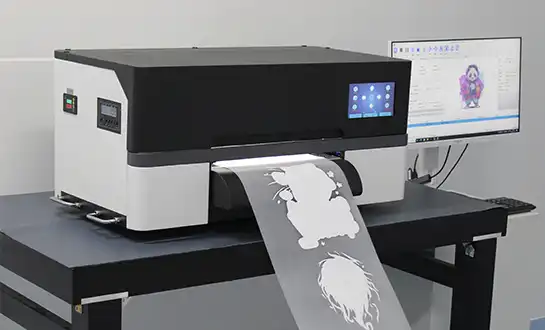
source: FEDAR PRINRTER
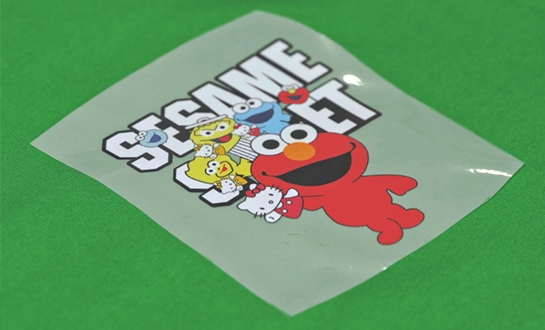
Direct-to-Film printing is simple but complex. The DTF printer prints graphics on PET release film using water-based pigment inks. The base layer is white ink, followed by CMYK hues for full color. Hot-melt adhesive powder is uniformly added to wet ink and cured in a heat press or conveyor oven after printing. The film transfers to the garment under heat and pressure after curing.
Core Components and Workflow
Precision-engineered printheads used in DTF printers, usually Epson F1080-A1, deposit droplets consistently at 1600 DPI. Color release and adhesion depend on quality films, and TPU powder must be properly placed to avoid weak places. Understanding these factors helps procurement teams assess equipment dependability and consumable costs before choosing a supplier.
Advantages Over Traditional Methods
DTF reduces screen preparation, which may take hours and make screen printing unaffordable for orders under 50 pieces. DTF works with cotton, nylon, treated leather, and moisture-wicking synthetics effortlessly, unlike DTG systems that require fabric preparation and struggle with polyester blends. Heat transfer vinyl requires time-consuming weeding, and sublimation printing only works on polyester. DTF balances substrate diversity, low setup time, and industrial-laundry-resistant washfastness.
Desktop vs. Industrial Systems
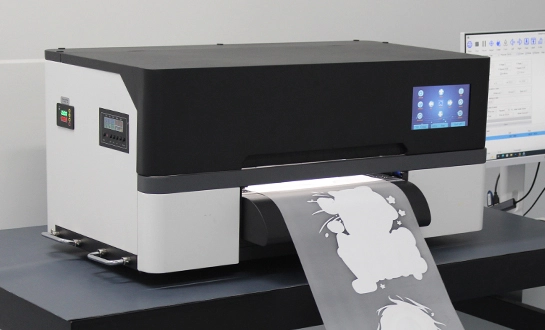
Desktop DTF printers like the Fedar FD-D300 and FD-D302 produce industrial-quality output in small places. The FD-D300, with a single Epson F1080-A1 printhead, can print 10 A3 sheets per hour and 20 A4 sheets per hour for sample manufacturing and boutiques. Double printheads allow the FD-D302 to print 31 A3 or 62 A4 pages per hour. Both versions offer CMYK and white inks at 1600 DPI on 300mm paper. Scalability lets companies join the market with modest capital and upgrade as order quantities rise.
Why DTF Printing is Revolutionizing the Custom Apparel Market
DTF printer traditional garment embellishment methods struggle with current supply channels, as each color separation requires expensive screen printing equipment, making small runs unprofitable; DTG systems require periodic maintenance, and printer blockages cause thousands in downtime and parts costs; designers must rely on polyester textiles with sublimation, alienating natural fiber buyers; in enterprises meeting rising demand for individualized items, these limitations slow production schedules and increase unit prices.
Technological Breakthroughs Driving Adoption
Recent ink formulation improvements in DTF printers have greatly increased color brightness and wash endurance. Modern pigment inks keep softness on textiles after 50+ commercial wash cycles without fading. Film quality advancements allow residue-free color release, while powder curing technologies enable uniform adherence across fabric textures. These innovations solve the issues that make digital garment printing problematic for B2B partnerships, where quality dictates repeat business.
Operational Efficiency Gains
From screen printing to DTF, a mid-sized Texas advertising firm cut sample turnaround time from three days to four hours. They won corporate clients that needed quick prototyping before large orders because of their timeliness. Another home textile business used DTF transfers to diversify revenue sources into personalized pillow covers and tote bags without buying new equipment. Real-world applications show how DTF technology reduces lead times and improves supply chain agility.
How to Choose the Right DTF Printer for Your Business
Assessment of operating demands is the first step in equipment selection. A wholesale distributor servicing 500 orders has different needs than a boutique making 20 personalized t-shirts weekly. Budget restrictions must weigh initial investment, consumables, maintenance, and equipment lifespan. Art prints require better resolution than workwear logos, affecting printhead and ink choices.
Critical Evaluation Metrics
Fine details and gradients depend on print resolution. Most commercial applications use 1600 DPI; photographic transfers may benefit from greater densities. The Fedar FD-D302's dual printhead arrangement doubles throughput without losing quality, making it perfect for tight production schedules. Equipment downtime causes missed deadlines and lost income. A manufacturer's quality control and component sourcing policies show whether they value long-term performance or short-term savings.
Understanding Total Cost of Ownership
DTF printer consumables soon exceed the purchasing price. Due to strong white ink underbase needs on dark materials, print costs increase with pattern coverage. Film and powder costs must be computed per square meter to estimate production budgets. Good after-sales support distinguishes legitimate vendors from scammers. Fedar, a 400-person manufacturer with specialized R&D teams, maintains solid component supply chains and provides technical assistance to minimize costly operational disruptions. This infrastructure investment shows a long-term relationship rather than transactional sales.
Matching Equipment to Business Models
Desktop solutions are cost-effective and space-efficient for print-on-demand businesses. The FD-D300's small size lets retailers make bespoke orders as consumers wait. Sample manufacturers and prototyping studios value testing concepts without minimum order numbers to preserve cash flow throughout product development. The FD-D302's increased throughput helps local batch manufacturing operations balance speed and investment. These specialized examples demonstrate how desktop direct-to-film technologies may economically service market niches that industrial roll-to-roll systems cannot.
Maximizing the Value of Your DTF Investment: Best Practices and Maintenance
For a DTF printer, to optimize printer settings, understand how resolution, ink density, and print speed interact. Depending on design complexity, higher resolutions create finer details but delay manufacturing, maintaining efficiency and quality. To avoid printhead jams, white ink needs constant agitation and stable flow rates because of its density and tendency to settle.
Ink and Consumable Selection
Water-based pigment inks designed for DTF applications adhere to films and work with hot-melt powders. Without lasting chemical characteristics, generic inks fracture or peel after washing. Premium films with improved coatings produce crisper pictures and cleaner transfers. Fine powders smooth surfaces but may weaken adherence on textured textiles.
Preventive Maintenance Protocols
For a DTF printer, daily printhead cleaning avoids nozzle deflection and banding from ink accumulation. Weekly powder application system inspections provide equal distribution, preventing transfer weaknesses. To meet brand color requirements in corporate garment contracts, monthly calibration tests ensure color accuracy throughout manufacturing runs. Establishing partnerships with vendors that supply replacement parts and provide technical documentation reduces component servicing downtime. Manufacturers with extensive after-sales support teams promptly resolve issues, safeguarding production timelines and client obligations.
Future Trends: How DTF Printing is Shaping Global Apparel Production
New technologies are enhancing DTF systems. Modern printheads reproduce Pantone spot colors more accurately with larger color gamuts. Eco-friendly powder formulas address sustainability issues from environmentally aware firms, while faster curing procedures eliminate manufacturing bottlenecks. These developments meet market expectations for performance and environmental sustainability.
On-Demand and Localized Production
Industrial shifts toward just-in-time production are increasing. Retailers produce goods only after consumer orders to reduce inventory risk. DTF technology eliminates setup expenses and minimum order quantities that make screen printing uneconomical for on-demand manufacturing. Sustainability-focused consumers prefer local manufacturing networks because they cut shipping delays and carbon footprints. Brands are building DTF-equipped regional manufacturing centers to service customers rapidly and preserve quality.
Strategic Procurement Recommendations
Suppliers should be assessed by production capacity and R&D investment. Stable and reliable companies have specialized production facilities with quality control. Find partners who provide reproducible sample kits to test equipment before making significant purchases. Market protection regulations avoid supplier channel conflict, protecting your investment from illegitimate resellers undercutting prices in your market. Technical training and marketing materials help you get to market faster and convert more consumers. These factors distinguish transactional equipment purchases from profitable strategic collaborations.
Conclusion
DTF printer DTF printing technology has become dependable and versatile, solving the main drawbacks of traditional clothes embellishment. Direct-to-film solutions let all sizes of enterprises compete in bespoke garment markets by removing setup expenses, substrate flexibility, and maintenance. Desktop devices like the Fedar FD-D300 and FD-D302 are affordable and produce industrial-quality output. DTF technology allows forward-thinking enterprises to seize market possibilities that older equipment cannot, as on-demand production becomes the industry norm and sustainability regulations tighten. Investing in this technology today gives you a competitive edge that will grow as the market changes.
FAQ
How does DTF compare to DTG and screen printing for large orders?
Eliminating fabric preparation and maintenance downtime that affects production schedules makes DTF better for large orders. Screen printing is cost-effective for over 200 identical pieces, and DTF is more flexible for varied designs or fast turnaround. Printing transfers ahead of time and applying them on demand offers inventory management advantages that DTG and screen printing cannot match.
Can DTF print on fabrics beyond cotton?
DTF transfers stick to cotton, polyester, nylon, canvas, treated leather, and mixed textiles. Businesses may provide sports clothing and promotional items without investing in various printing processes. On all substrates, hot-melt adhesive bonds are flexible and washable.
Partner with Fedar: Your Trusted DTF Printer Manufacturer
Fedar has 400 employees and specializes in original R&D and digital printing equipment manufacture. It also has extensive knowledge of inkjet printer markets across numerous sectors. Sample makers and small batch production firms entering garment printing will love our FD-D300 and FD-D302 desktop DTF printers' industrial-quality output and space-saving simplicity. Your production schedules are unbroken by our robust supply chains for Epson F1080-A1 printheads. To help you convert end customers, our after-sales support staff offers technical training, troubleshooting, and marketing materials. We provide customizable collaboration arrangements with agent profit structures and market protection measures to worldwide customers. Contact us at info@tex-printer.com to see how our DTF printer solutions may help you build your business and acquire dependable equipment partnerships to stay competitive.
References
1. Smith, J. & Anderson, P. (2023). Digital Textile Printing: Technology and Market Evolution. Textile Industry Press.
2. Williams, R. (2024). "Comparative Analysis of Garment Decoration Technologies," Journal of Industrial Printing Technologies, Vol. 18, Issue 3, pp. 45-62.
3. Chen, L. & Martinez, D. (2023). Supply Chain Innovation in Custom Apparel Manufacturing. Global Manufacturing Research Institute.
4. Thompson, K. (2024). "Cost-Benefit Analysis of DTF Printing in Small Batch Production," B2B Procurement Quarterly, Spring Edition, pp. 78-91.
5. Rodriguez, M. et al. (2023). Advances in Inkjet Technology for Textile Applications. International Printing Technology Association.
6. Baker, S. (2024). "Sustainability and Efficiency in Modern Garment Printing," Apparel Production Management Review, Vol. 12, No. 2, pp. 134-149.

Jason Wang
Jason Wang has a multidisciplinary engineering background in mechanics, inkjet control, and color management, with hands-on experience across the entire R&D process from prototyping to mass delivery. Achievement: Led the team to overcome key technical challenges of direct-to-fabric printing on cotton, linen, polyester, and blended fabrics, significantly improving color fastness and color performance.
We Look Forward to Your Email
Please send us product information that interests you, and we will provide you with one-on-one service.




_1778203196111.png)
Recommended Blog
What Is dye sublimation printer sublimation transfer printer: A Complete Guide
DTG vs DTF Printing:The Pros and Cons of Direct Printing Technologies.
_1783412819689.webp)
Understanding 24 Inch DTF Printer Technology for Efficient Print Shop Growth