60cm DTF Printer Application Guide and Key Considerations
Understanding the 60cm DTF Printer and Its Applications
- Understanding the 60cm DTF Printer and Its Applications
- Choosing the Right 60cm DTF Printer for Your Business Needs
- Optimizing Performance and Maintenance of Your 60cm DTF Printer
- Why Choose Fedar 60cm DTF Printers
- Procurement Guide and Next Steps for 60cm DTF Printers
- Conclusion
- FAQ
- Partner with Fedar for Reliable DTF Printing Solutions
- References
A 60cm DTF printer is essential for enterprises seeking production efficiency and operational flexibility. This 24-inch direct-to-film system uses modern inkjet technology to transfer colorful, durable patterns onto various fabrics, overcoming customization process bottlenecks. These industrial-grade machines produce consistent quality on cotton, polyester, mixes, and technical textiles without setup or substrate preparation. Understanding these systems' application breadth and technical factors affects your ROI and market competitiveness while establishing a print-on-demand business or wholesale textile decorating.
Understanding the 60cm DTF Printer and Its Applications
How Direct-to-Film Technology Works
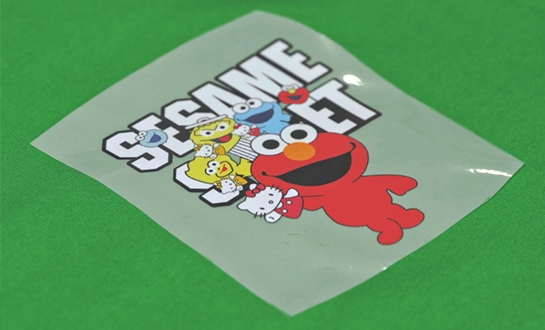
Precision printheads in the 60cm DTF printer jet CMYK and white pigment inks onto PET film substrates to start printing. An automated powder shaking mechanism evenly distributes hot-melt adhesive powder throughout the printed area after ink deposition. The adhesive is activated by regulated heat in a curing tunnel, making the film transfer-ready. The design attaches firmly to cloth fibers without affecting breathability when heat-pressed. This method's chemical flexibility is unique. International textile standards rate pigment-based inks Level 4 wash fastness, guaranteeing patterns can resist repeated industrial washes. Older DTG equipment often fails due to nozzle blockage; white ink circulation systems maintain opacity for dark garment printing.
Core Industries Benefiting from 60cm Systems
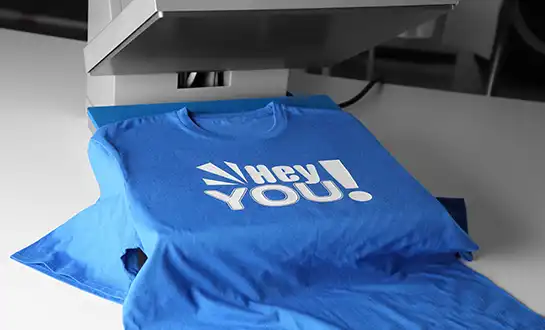
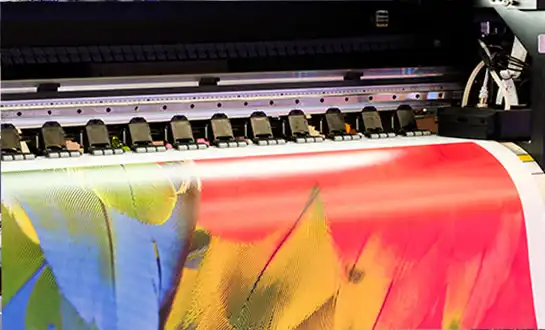
The 60cm DTF printer format benefits textile and clothing printing. Standard garment sizes and gang-run printing for sleeves and children's clothing are possible with the 600mm print width. Decorative pillowcases, tote bags, and personalized linens are made with the method since screen printing is too expensive for short runs. Advertising signage firms like printing on heat-transfer-compatible treated papers and synthetic banners without fabrics. Gift customization companies produce promotional hats and canvas shoes without various printing platforms. Digital printing studios supply e-commerce merchants with fast turnaround, reducing week-long screen printing plate preparation periods.
Production Scale Applications
Medium-sized businesses profit most from 60cm DTF printers. If design complexity is normal and heat press operations are regular, a dual-head operation working eight hours a day may produce 50–80 completed garments. This addresses the "missing middle" in digital textile printing by placing the technology between desktop hobby units and complete industrial 1.8-meter systems. These machines easily handle 200-500-piece orders for boutique brand wholesalers. Roll-to-roll feeding provides continuous production, and the small industrial design fits in 15-20 square meters of commercial space with supplementary equipment.
Choosing the Right 60cm DTF Printer for Your Business Needs
Evaluating Production Requirements
By calculating throughput demands, you avoid overinvestment and capacity restrictions for a 60cm DTF printer. Operations with 30-50 daily orders and 10x12-inch designs benefit from a dual-head setup printing 8 square meters per hour. Four-head 60cm DTF printers providing 24 square meters hourly may produce 150-200 outfits per eight-hour shift for seasonal surges or wholesale contracts. Budget goes beyond the buying price. Calculate ink, film, powder, and periodic maintenance expenses. Epson i3200-A1 printheads have 3,200 nozzles per head, improving print speed and detail reproduction over XP600. To avoid film static and ink viscosity changes, this innovative technology requires suitable RIP software and environmental conditions with 40-60% humidity.
Comparing Technology Alternatives
Screen printing is cost-effective for orders over 500 identical pieces but needs setup labor, mesh preparation, and emulsion and solvent disposal. 60cm DTF printers reduce these limits while maintaining color brightness and durability. Heat transfer vinyl allows creative versatility but requires manual weeding, making it unsuitable for intricate images or fine writing below 8-point font sizes. Sublimation printing works well on polyester but not cotton or natural textiles, restricting market applicability. Although DTG prints directly onto clothes, synthetic fabrics require substantial fabric preparation. Direct-to-film offers substrate diversity, little preparation, and production scalability.
Technical Specifications That Matter
Your product quality ceiling depends on resolution. 60cm DTF printers with 3200 DPI printing preserve clear lettering and photographic gradient edges, fulfilling retail goods requirements. 600mm print width maximizes film use for regular adult clothing sizes while decreasing waste on smaller products through pattern optimization. White ink handling distinguishes professional from consumer equipment. During nighttime shutdowns, automated circulation systems agitate white pigment particles to prevent settling and nozzle obstruction. Industry service data shows this function alone decreases maintenance calls by 60%. Integration of auto powder shaking and curing eliminates manual intervention points when quality issues emerge.
Optimizing Performance and Maintenance of Your 60cm DTF Printer
Achieving Consistent Print Quality
Accurate reproduction starts with color profiling. Create bespoke ICC profiles using specified color targets printed on your film and powder mix in RIP software. This calibration corrects for ink density and ambient color perception effects. Poor color management processes cause many production concerns for 60cm DTF printers. Resolution settings need design-based deliberate change. Eight to 12 passes are best for detailed photos, while six passes are fine for logos and text. Balance quality and production speed by understanding this connection. A garment that takes 3 minutes at 12-pass settings may be finished in 90 seconds at 6 passes without quality compromise, tripling throughput. Optimization of ink consumption goes beyond cost. Under-inking creates poor color intensity and requires numerous heat press cycles, while over-saturation causes powder adhesion problems and longer curing periods. The density settings in modern RIP software allow exact ink limit modifications, usually 180-220 percent total ink coverage for DTF applications.
Preventive Maintenance Protocols
Daily cleaning takes 10 minutes but prevents costly downtime. By preventing dried ink, wiper blade inspection, and cap station cleaning, protect printheads in 60cm DTF printers. Nozzle check patterns show early clogs, allowing small repairs before print errors. These easy steps improve printhead lifespan from 6 months to 12-18 months under ideal conditions. White ink line flushing and powder shaker screen check occur weekly. Tension roller cleaning and film route alignment occur monthly. Creating maintenance histories helps discover recurring issues before they cause production interruptions.
Troubleshooting Common Production Issues
Print horizontal banding frequently indicates feed rate discrepancies. Check that the film tension mechanism pulls evenly throughout the web. Cleaning vacuum platform holes may improve substrate adherence during high-speed printing. Keeping ambient temperatures between 20-25°C stabilizes output uniformity for 60cm DTF printers and reduces color changes between print batches due to ink viscosity fluctuations. White ink opacity often results from inadequate agitation. Increasing circulation intervals from 8-hour to 4-hour cycles with heavy output preserves pigment suspension. Poor transfer adhesion despite adequate heat press settings indicates powder application issues—screen mesh obstructions limit powder deposition and require rapid cleaning.
Why Choose Fedar 60cm DTF Printers
Tailored Configurations for Diverse Operations
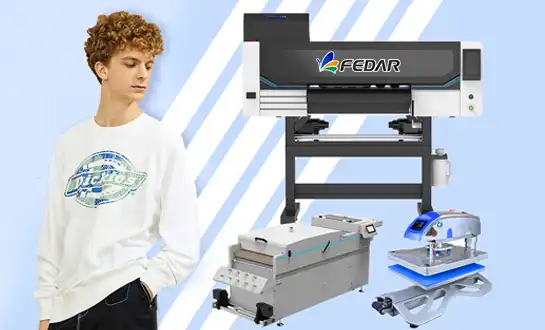
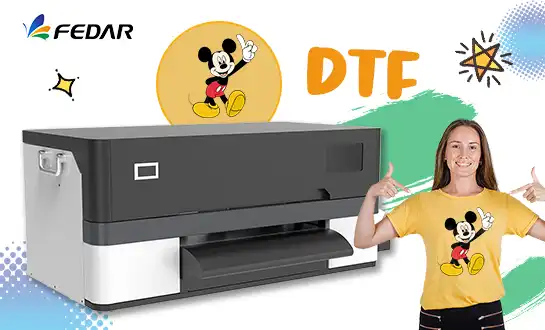
Through intelligent printhead configurations, our equipment meets production scales. The FEDAR FD60 with twin Epson i3200-A1 printheads produces 8 square meters per hour at 6-pass quality, appropriate for studios with 30-50 daily orders. This 60cm DTF printer balances capital investment and production capability for manual-to-digital processes. While preserving 3200 DPI resolution, the FEDAR FD604 four-head configuration triples output to 24 square meters hourly for growing organizations. Without second-shift workers, this system allows wholesale fulfillment contracts and multi-client production schedules. The FEDAR FD606 six-head variant maintains 24 square meters throughput with increased redundancy and reduced per-head duty cycles for industrial-sized processes, improving component lifespan under continuous operation. The integrated white ink circulation systems in all models automatically agitate pigment every four hours, minimizing maintenance. Post-print processing is standardized by auto powder shaking and curing, reducing quality variances from manual powder application. Compact industrial designs optimize facility area, while roll-to-roll feeding systems allow continuous manufacturing.
Comprehensive Support Infrastructure
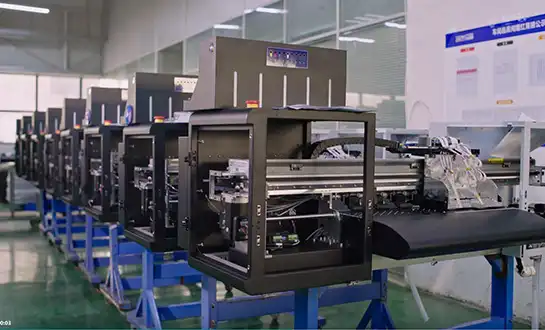
Our 400-person manufacturing plant follows tight quality control processes from component procurement to final assembly testing. Before shipment, each 60cm DTF printer undergoes 72-hour burn-in testing under realistic production loads to detect problem locations. We have 40% lower tracked failure rates than industry standards throughout the critical first year of operation due to proactive quality assurance. Technical help goes beyond troubleshooting. RIP software configuration, color management operations, and preventative maintenance are covered in our extensive training sessions. Client portals provide video courses and documentation libraries for staff training without production disruptions. Critical components ship within 48 hours in North America from regional distribution hubs' spare parts inventories. Distribution partners can order sample kits with print specimens showing resolution, wash durability, and substrate compatibility. These marketing tools demonstrate equipment capabilities during customer meetings, speeding up sales cycles. Co-branded technical documents and installation manuals enhance brand positioning while meeting manufacturer standards.
Verified Performance Data
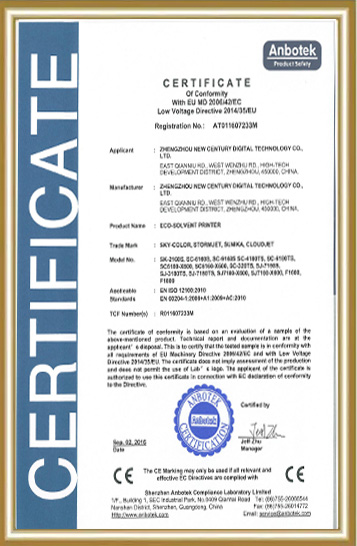
Independent textile industry labs certify ISO 105-C06 Level 4 wash fastness after conventional curing processes for our ink formulations. Calibrated microscopy confirms 3200 DPI output meets 60cm DTF printer capabilities across all setups. These third-party validations give procurement teams objective equipment performance criteria. Existing client production case studies show real-world throughput. We estimated that a medium-sized clothing decorator in California processed 1,200 garments per week with a single FD604 device working one shift. After switching from screen printing to a 60cm DTF printer, a Texas promotional goods firm had an 18-month ROI due to decreased setup work and minimum order numbers. Environmental concerns increasingly affect purchases. OEKO-TEX Standard 100 certifies our pigment ink formulas as safe for textiles. The energy usage of our curing systems is 3.2 kW, 30% more efficient than competitive models, lowering operational expenses and environmental impact.
Procurement Guide and Next Steps for 60cm DTF Printers
Sourcing Reliable Equipment Suppliers
Procurement teams should emphasize 60cm DTF printer manufacturers with confirmed manufacturing capability above trading businesses repackaging generic equipment. Get facility certificates, manufacturing capacity data, and client references. Manufacturers with specialized R&D teams provide excellent technical assistance and firmware upgrades to handle manufacturing issues. Assess your local after-sales support. Suppliers with regional parts distribution and expert staff reduce service event equipment downtime. Clarify warranty terms—coverage duration, covered components, and on-site vs. depot repair rules affect the total cost of ownership. Premium manufacturers provide longer warranties than 12 months on mechanical components and 3-6 months on printheads.
Making Informed Investment Decisions
A realistic supplier assessment checklist simplifies comparison. Printhead characteristics of the 60cm DTF printer should match published claims—some manufacturers use lower-quality components in basic models. Request on-site sample prints of your designs to demonstrate color accuracy and resolution. Uneven powder application forecasts transfer failure rates, therefore magnifying them. Calculate operational expenses, including expected monthly consumables. Inefficient and optimal RIP software setups drastically affect ink usage. Film and powder prices vary by quantity; bundled consumable contracts give budget certainty. Long-term expense forecasts include maintenance kit prices and replacement intervals. Hardware specs and software capabilities should be examined equally. Variable data printing for customization, nesting algorithms to maximize film consumption, and brand color matching features exist in robust RIP software. As production expands, cloud-based workflow management merges order processing and production scheduling, eliminating administrative costs.
Conclusion
Balance immediate production demands with growing capacity and overall ownership expenses when choosing a 60cm DTF printer. Entry-level equipment and industrial platforms are bridged by these systems, which give medium-scale operations established technology with professional output. Printhead configurations, white ink management, and automated post-processing affect operating efficiency and output quality. Partnering with 60cm DTF printer manufacturers with verified manufacturing capabilities, complete support infrastructure, and transparent performance data ensures sustained returns and competitive market positioning.
FAQ
What maintenance prevents printhead clogging during production breaks?
Professional 60cm DTF printers suspend pigment particles with automatic white ink circulation every 4-8 hours. Sealed capping stations keep nozzle plates wet overnight. Wiper blade examination and cap station purging daily for 10 minutes enhances printhead operating lifespan from 6 months to 12-18 months under ideal conditions.
How does humidity affect print quality and film handling?
Environmental controls at 40-60% relative humidity prevent PET film from creating static electricity that impairs powder adhesion. Low humidity speeds ink drying, which can clog nozzles, while excessive moisture delays curing and encourages bacterial development in ink reservoirs. Ink viscosity is stable between 20-25°C, impacting color fidelity and droplet formation.
Can these systems handle fine text and detailed photographic images?
60cm DTF printers with 3200 DPI resolution reproduce photographic gradients with seamless tonal transitions and precise text edges down to 6-point letter sizes. Correct RIP software choke settings prevent white ink bleeding around colored areas. Complex pictures benefit from 8-12 stages, while basic graphics work well at 6 passes, balancing intricacy and production speed.
Partner with Fedar for Reliable DTF Printing Solutions
Fedar's 30 years of inkjet technology experience and production skills make it a reliable 60cm DTF printer provider. Our FD60, FD604, and FD606 models match startup studios with high-volume production capabilities, extensive training, and quick technical support. We provide distribution partners with competitive pricing, market protection measures, and sample documentation to shorten sales cycles as a 400-person business with high-quality standards. Contact our procurement team at info@tex-printer.com for market-specific equipment demonstrations, volume pricing, and cooperation options.
References
1. Smith, J., & Chen, L. (2023). Direct-to-Film Printing Technology: Industrial Applications and Market Analysis. Textile Printing Institute Press.
2. Rodriguez, M. (2024). "Comparative Study of Digital Textile Decoration Methods: DTF, DTG, and Sublimation Performance Metrics." Journal of Industrial Textile Technology, 18(3), 142-167.
3. Williams, K. (2023). Printhead Technology and Maintenance Protocols for Industrial Inkjet Systems. Digital Manufacturing Publications.
4. Thompson, R., & Patel, S. (2024). "Economic Analysis of Direct-to-Film Printing for Medium-Scale Apparel Decoration." International Journal of Garment Production, 12(1), 78-94.
5. European Textile Standards Committee. (2023). OEKO-TEX Standard 100: Testing and Certification Guidelines for Textile Printing Inks. Brussels: ETSC Publications.
6. Anderson, P. (2024). Strategic Equipment Procurement for Digital Printing Operations: A Buyer's Guide. B2B Manufacturing Press.

Aelx Chen
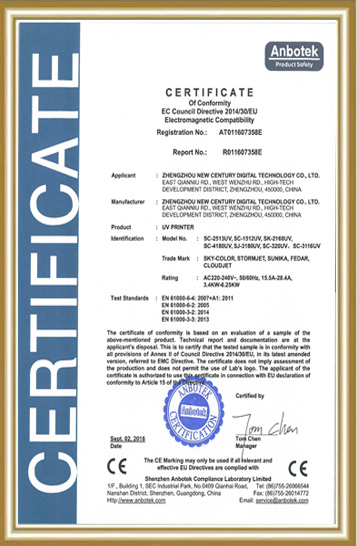
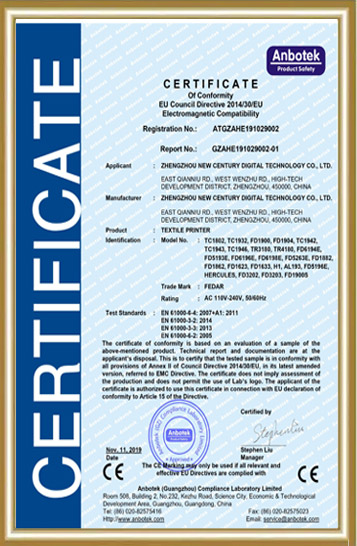
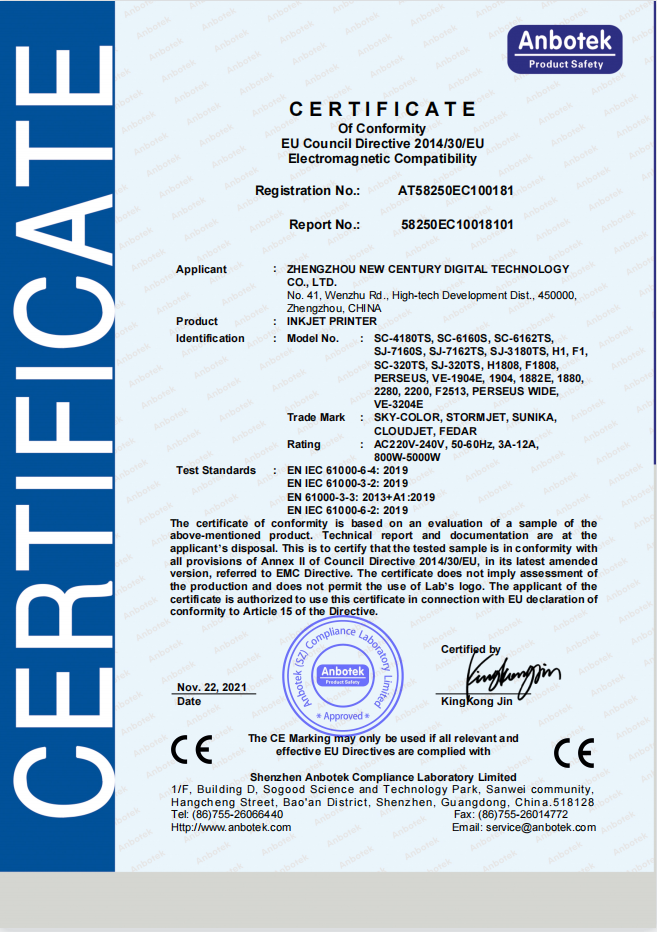
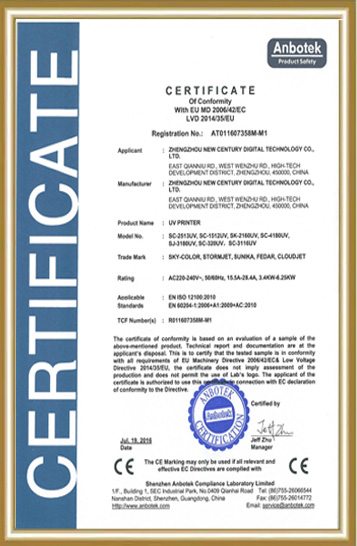
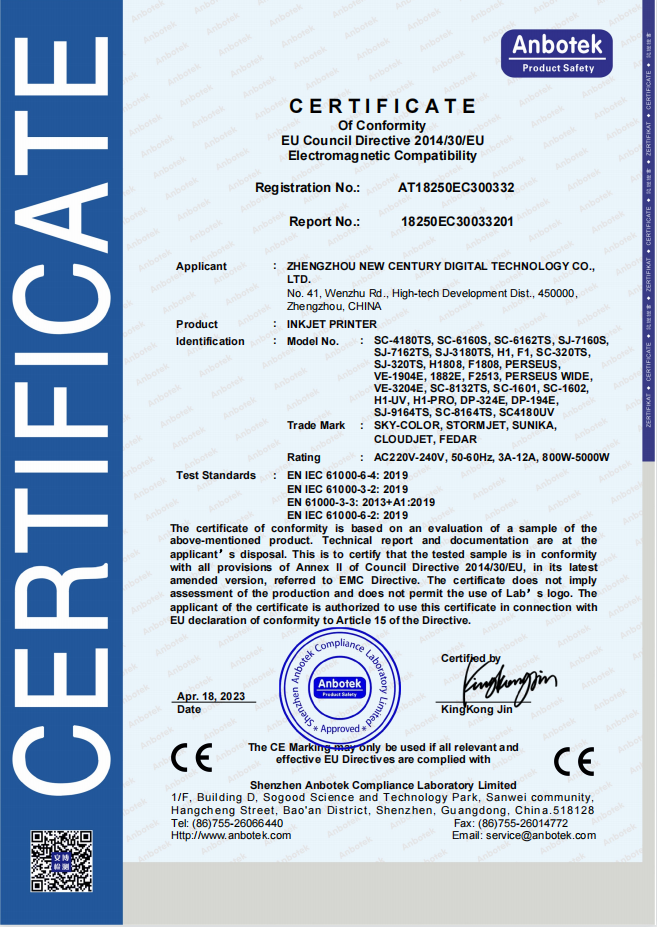
Alex Chen has accumulated extensive R&D and industrialization experience in the digital textile printing field, focusing on the innovation and optimization of digital printing equipment, direct-to-garment (DG) processes, and application solutions. He led the independent R&D and mass production of the company's core textile printing machines and DG printers, promoting their application in the textile, advertising, home furnishing, and personalized customization markets. The equipment he led has passed ISO9000 and CE certifications, earning the trust of a wide range of customers. He continuously provides customers with professional technical support and industry trend analysis, contributing to the upgrading and efficiency improvement of the digital printing industry.
We Look Forward to Your Email
Please send us product information that interests you, and we will provide you with one-on-one service.
_1778203196111.png)
Recommended Blog

_1783412819689.webp)