Is a Mid-Size DTF Printer Enough for Commercial Production?
Understanding Mid-Size DTF Printers: Capabilities and Technology
- Understanding Mid-Size DTF Printers: Capabilities and Technology
- Mid-Size DTF Printers vs Other Printer Sizes: Comparative Analysis
- Is a Mid-Size DTF Printer Suitable for Your Commercial Production?
- Procurement Insights: How and Where to Buy Mid-Size DTF Printers?
- Maximizing the Value of Your Mid-Size DTF Printer: Best Practices and Optimization
- Conclusion
- FAQ
- Partner with Fedar for Reliable Mid-Size DTF Printer Solutions
- References
Choosing the right Direct-to-Film equipment for your textile business feels like standing at a crossroads. You need reliability, output capacity, and a price point that won't drain your budget. A mid-size DTF printer offers a compelling middle ground that addresses these concerns head-on. The short answer is yes—this equipment category delivers sufficient performance for most commercial operations, especially those handling 10-30 custom jobs daily, producing promotional textiles, or servicing mid-volume apparel orders. With production speeds ranging from 8 to 24 square meters per hour and precision reaching 3200 DPI, machines in this class balance efficiency with quality while occupying minimal floor space compared to industrial-scale alternatives.
Understanding Mid-Size DTF Printers: Capabilities and Technology
Core Technical Architecture
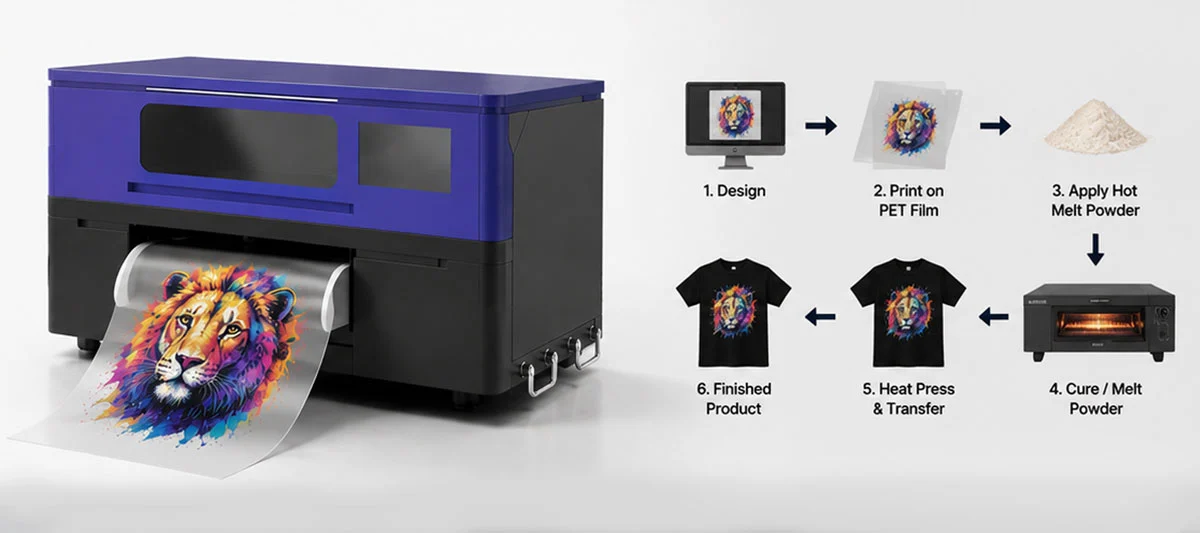
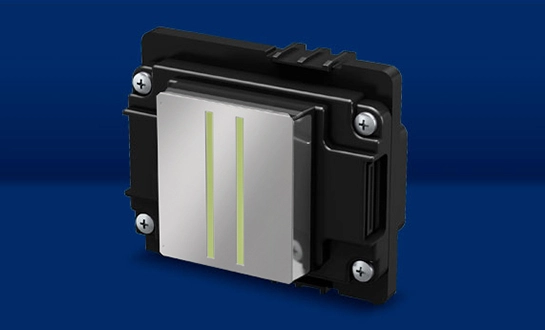
The way print shops customise textiles has changed because of Direct-to-Film technology. The Epson i3200-A1 printheads in these machines use PrecisionCore technology to give you resolutions of up to 3200 DPI in CMYK+W colour modes. The white ink drainage system keeps titanium dioxide particles in suspension all the time, which keeps patterns from getting clogged, which can happen with less complex ones. Roll-to-roll filling systems keep the machine running continuously, and auto-shaking and curing units for the powder mean that no one has to do anything by hand between the printing and heat application steps.
The process starts with getting the digital file ready. Next, precise inkjet deposition is applied to coated PET film. Hot-melt adhesive powder is then added, and the process ends with heat curing. This process skips the weeding steps needed for vinyl cutting and the pre-treatment of the fabric needed for DTG printing. Because they are small and industrially designed, these units can easily fit in workshops that are 15 to 20 square meters in size. This means that both new studios and print shops that have been around for a while can use them.
Printhead Configuration Impact
Shops that care more about colour accuracy than sheer volume can get steady performance from dual-head configurations. During the printing process, the vacuum suction base keeps the film stable, which keeps it from moving out of line and ruining fine details. With four- and six-head models, the output capacity triples, turning these machines into real production workhorses that can handle rush orders without losing quality. Temperature control in the pre-heat, print-bed, and curing tunnel areas makes sure that the adhesive powder melts evenly, forming bonds that can withstand 60°C industrial washing cycles.
Mid-Size DTF Printers vs Other Printer Sizes: Comparative Analysis
Desktop vs Mid-Range Solutions
With prices ranging from $3,000 to $6,000 and small tabletop sizes, desktop DTF units are popular with hobbyists and new businesses. However, these machines can only handle 2–4 square meters per hour, have a single printer with a range of 720–1440 DPI, and need to be operated by hand a lot. Their small ink tanks need to be constantly refilled during bigger jobs, which slows down the workflow. When your company does more than 50 custom moves a week, PC limitations start to slow things down.
For businesses that are growing, a mid-size DTF printer is just right. These systems can print between 8 and 24 square meters per hour, depending on how many printheads they have. The quality stays the same over long runs, and they have continuous ink supply systems (CISS) that can hold more than two litres of ink per colour. The price ranges from $12,000 to $28,000, making them easy for studios that want to grow without having to spend six figures on industrial installations. For shops that get 150 or more orders a week, the ROI time frame is usually 12 to 18 months.
Industrial-Scale Alternatives
Large-format industrial DTF units cost between $60,000 and $150,000 and need their own climate-controlled rooms, and for mid-size DTF printer, these behemoths are great at printing on more than 60 square meters per hour with lengths of more than 1800mm, which helps huge contract manufacturing operations, but because they are so complicated to run, they need full-time technicians, use three-phase electricity, and have maintenance costs that are more than $1,500 a month, and if your daily output doesn't regularly go over 200 square meters, industrial tools adds costs and complexity that aren't needed. These behemoths are great at printing on more than 60 square meters per hour with lengths of more than 1800mm, which helps huge contract manufacturing operations. But because they are so complicated to run, they need full-time technicians, use three-phase electricity, and have maintenance costs that are more than $1,500 a month. If your daily output doesn't regularly go over 200 square meters, industrial tools add costs and complexity that aren't needed.
The table below shows how the following important performance metrics compare between different types of printers:
| Printer Category | Hourly Output | Resolution | Print Width | Investment Range | Ideal Production Volume |
|---|---|---|---|---|---|
| Desktop DTF | 2-4 m² | 720-1440 DPI | 300-400mm | $3,000-$6,000 | 20-50 transfers/week |
| Mid-Size DTF | 8-24 m² | 2400-3200 DPI | 600mm | $12,000-$28,000 | 100-300 transfers/week |
| Industrial DTF | 60+ m² | 2400+ DPI | 1800mm+ | $60,000-$150,000 | 1,000+ transfers/week |
This information helps procurement managers match the capabilities of equipment with what the business actually needs, not just what they'd like it to be able to do.
Is a Mid-Size DTF Printer Suitable for Your Commercial Production?
Assessing Your Production Requirements
The expected volume is the most important factor in deciding what tools are right for the job. A mid-size DTF printer is great for shops that make custom fashion runs of 50 to 200 items, order promotional items for local businesses, or sell specialised sports goods. The 600mm print width can handle patterns for adult XL shirts, tote bag images, and most types of soft signage. Expectations for turnaround time are also important. If clients usually want work done in 24 hours, a four- or six-head configuration is required instead of optional.
One uniform supplier talked about switching from a DTG system to a mid-capacity DTF system: "We cut our production time by 40% while still being able to handle dark fabrics that previously needed two passes. The white ink coverage stays vibrant through industrial washing cycles, which is exactly what our corporate clients ask for." This example shows how DTF's strengths can be used in certain textile applications.
Application Versatility Across Industries
These machines are used by custom streetwear and fast fashion companies to print complex, multicoloured designs on cotton, polyester, and blended fabrics. The copies stick on without needing to be removed, which saves a lot of work. Manufacturers of industrial workwear and uniforms like heavy-duty transfers that can handle being washed at high temperatures and in rough environments. This means that the corporate branding stays intact over longer product lifecycles. Businesses that customise gifts like being able to switch between cotton totes, polyester bags, and nylon items without having to reconfigure their equipment or go through a lot of setup steps.
Specialised sports things are another great example of this. High-elasticity materials, like spandex used in gym clothes and performance fabrics, keep the integrity of the graphics even when they are stretched very far. When DTF powder is properly dried, it forms a glue that keeps layers from coming apart, even when clothes go through repeated stress cycles. The 600mm width is perfect for home textile manufacturers who make unique pillow covers, curtain panels, and upholstery accents. They also like that the inks are OEKO-TEX approved and meet safety standards for homes.
Recognizing Limitations
Ultra-high-volume contract makers who make more than 500 units a day might not be able to handle even six-head mid-range systems, and for mid-size DTF printer, for speciality printing needs that need print widths greater than 600mm, like full-width tablecloths or banners that are too big, you need bigger equipment, and businesses that only use synthetic fabrics might be able to save money with dye sublimation technology, but DTF is more flexible for stores that have a mix of materials, and knowing these limits keeps tools from not being able to meet practical needs, which can be very expensive. For speciality printing needs that need print widths greater than 600mm, like full-width tablecloths or banners that are too big, you need bigger equipment. Businesses that only use synthetic fabrics might be able to save money with dye sublimation technology, but DTF is more flexible for stores that have a mix of materials. Knowing these limits keeps tools from not being able to meet practical needs, which can be very expensive.
Procurement Insights: How and Where to Buy Mid-Size DTF Printers?
Evaluating Manufacturers and Suppliers
Certified manufacturers with factories that are 30,000 square meters or more and employ more than 400 people show that they can keep up with production, which means that the equipment they make is reliable. Look for companies that have been in the inkjet printer market for a long time and have experience with a wide range of applications. This shows that they can adapt to changing needs in the industry. Stable supply lines for key parts like printheads, circulation pumps, and heating elements keep machines from being down for long periods of time when they need to be replaced.
Global customer accounts show that international help systems are working well. Companies that make goods for the North American, European, and Asia-Pacific markets have improved the ways they handle logistics, paperwork, and communication. Customer-centred business practices include flexible cooperation models that allow for outright purchases, leasing agreements, and partnerships between agents. Resellers can effectively build their own customer bases with the help of strong after-sales support teams that offer professional training, marketing materials, and sample kits.
Pricing Strategies and Purchase Channels
The price of equipment changes depending on the number of printheads, automatic features, and extras that come with it. Simple models for a mid-size DTF printer with two heads start at about $12,000. Fully automatic models with six heads cost around $28,000. You can get 8–12% off when you buy more than one unit, which makes them a good choice for regional sellers setting up booths. Leasing through equipment finance companies lowers the amount of money you need to pay for something up front. The costs are spread out over 36 to 60 months, with monthly payments ranging from $250 to $600 depending on the configuration and credit terms.
Direct connections with manufacturers get rid of markups that happen in the middle, and they also make sure that warranties are valid and parts are easy to find. Authorised distributors keep stock in local areas, which cuts shipping times from weeks to days. But make sure that dealers keep real parts on hand and hire factory-trained techs instead of general repair services. When shipping things internationally, you need to pay attention to customs classifications, voltage compatibility, and regulatory compliance. Professional goods forwarders who know how to handle printing equipment make this process a lot easier.
Maximizing the Value of Your Mid-Size DTF Printer: Best Practices and Optimization
Operational Excellence Through Maintenance
Setting up daily routines stops 80% of typical operating problems before they happen. Every morning, check the nozzles by printing test designs that show you any jets that are stopped. Cleaning the capping station, which is where printheads rest when they're not in use, will get rid of any ink residue that has built up and is preventing the proper sealing. During maintenance rounds, the wiper blade cleans the printheads. This is where debris gets transferred back to the sensitive areas of the nozzles, so wipe it down. With this 5- to 10-minute routine, you can protect an expensive mid-size DTF printer.
Checking the X/Y axis motor tensioning, the powder collection hopper's capacity, and the consistency of the drying oven temperature with infrared thermometers are all things that need to be done once a week. Every month, the film feed rollers, circulation system filters, and powder shaker mechanisms are deep cleaned. These preventative steps make equipment last longer than five years while keeping print quality standards. Keeping track of maintenance tasks helps find patterns when problems arise and meets warranty requirements in case the manufacturer needs to get involved.
Quality Control and Testing Protocols
ISO 105-C06 wash fastness tests should get Grade 4 or higher scores, which means colours won't fade after 40 or more washings. The ASTM D3359 cross-hatch adhesion test measures how strongly a film adheres to a cloth. For business use, this test needs very little delamination. Both dry and wet crockmeter rub fastness tests check how stable a colour is under friction. This is especially important for areas that get a lot of wear and tear, like sleeves and collars. Using viscosity cups to check the viscosity of the ink on a regular basis makes sure that droplets form consistently. Checking the consistency of the film coating stops the ink from bleeding or not sticking properly.
Printhead orientation adjustment needs to be done when the printer is first set up and every three months after that. Step alignment stops banding across vertical gradients, and bidirectional alignment makes sure that images printed in both ways match exactly. Using temperature strips to make a thermal map of the drying oven shows any hot or cool spots that need to be fixed. These technical due diligence steps set professional businesses apart from beginner ones, and they have a direct effect on customer happiness and the number of times a customer comes back.
Workflow Integration Strategies
RIP software choices have a big effect on how well operations run. Material waste is cut by 15-20% with solutions that offer colour management patterns for certain types of fabric, batch processing, and automatic stacking algorithms. Adding print lines to order management systems reduces the number of mistakes that happen when files are handled by hand. Setting standard file preparation guidelines, such as resolution requirements, colour space specifications, and bleed allowances, cuts down on the number of times you have to go back and fix things with customers.
Physical process optimisation is just as important. Place the printer close to the powder application and curing stations to cut down on the distances that could damage the film during transfer. Set up quality checking places after printing, powder application, and curing to find mistakes before the product is heated. Cross-train your staff on different steps of the process to keep things running smoothly when people aren't available. These small changes to operations add up over weeks and months, making throughput much better without spending more money.
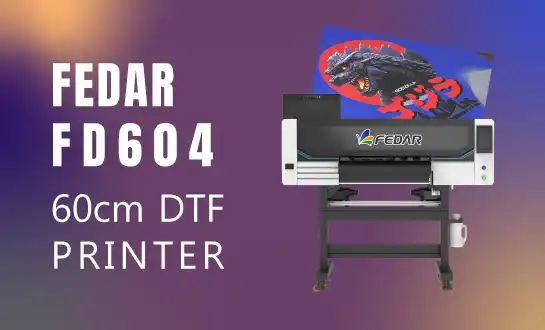
The following specifications describe the features of the Fedar FD60 series in three different configurations:
| Model | Printhead Quantity | Printhead Type | Print Width | Colors | Max Resolution | Max Speed (6-Pass) |
|---|---|---|---|---|---|---|
| FD60 | 2 | Epson i3200-A1 | 600mm | CMYK+W | 3200 DPI | 8 m²/h |
| FD604 | 4 | Epson i3200-A1 | 600mm | CMYK+W | 3200 DPI | 24 m²/h |
| FD606 | 6 | Epson i3200-A1 | 600mm | CMYK+W | 3200 DPI | 24 m²/h |
With this range of products, businesses can choose configurations that meet their current volume needs while still having the option to upgrade as their operations grow.
Conclusion
A mid-size DTF printer is a great deal for industrial textile businesses that want to grow but are also careful with their money. The technology works well for streetwear, workwear, sportswear, and home textiles, and it keeps quality standards high enough to please picky customers. When you buy these tools from well-known brands and keep them in good shape, along with improving your workflow, they become trusted production assets. By knowing your exact number needs, application focus, and growth path, you can make sure that the equipment you choose fits your business's current needs rather than your hopes for the future.
FAQ
How does white ink circulation prevent clogging issues?
Titanium dioxide particles stay in suspension thanks to two-path systems that circulate ink tubes at set times and stir up fluids in tanks all the time. This stops the settling that blocks the nozzles, so the density of the white ink stays the same over long production runs without any help from a person.
What environmental conditions optimize printer performance?
Climate-controlled rooms that keep the temperature between 20°C and 28°C and the humidity between 40 and 60% keep ink from drying out in tubes and stop static electricity from building up on film surfaces. Too much humidity makes powder clump together, and too little humidity creates static electricity that makes it hard to place the film accurately during a mid-size DTF printer production run.
Can the same machine handle both hot peel and cold peel films?
The two types of film work well with medium-level gear. Hot peel films let you remove the transfer right away after pressing, which speeds up the production process. Cold peel films need to be cooled down before they can be removed, but they often give better matte finishes. The choice of film is based on the desired finish and the production workflow, not on the limitations of the equipment.
Partner with Fedar for Reliable Mid-Size DTF Printer Solutions
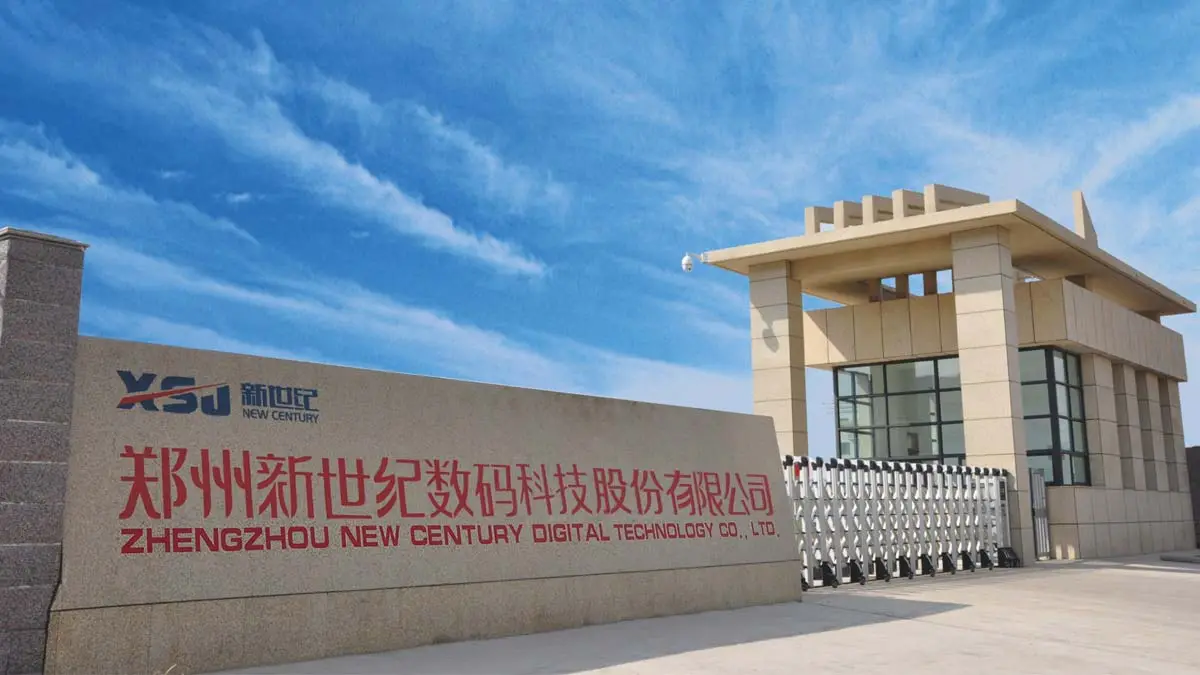
Our 400-person facility focuses on designing and making original DTF equipment, and we make sure that quality is checked at every step of the production process. We support global dealers and end-users through thorough training programs and quick technical help. We have a lot of experience in the markets for customising textiles, signs, and gifts. The FD60 series shows our dedication to providing balanced performance at reasonable investment levels, which makes industrial DTF printing with a mid-size DTF printer easy for businesses that are growing.
Equipment resellers, printing factories, and ad shops looking for trusted mid-size DTF printer providers are welcome to contact us. Our flexible ways of working together can be used for direct connections with end users, wholesale partnerships, and distribution deals. Email our team at info@tex-printer.com to talk about your specific production needs, ask for sample prints that show what our equipment can do, or set up a virtual factory tour that shows how we make things and how we make sure they are of high quality.
References
1. Smith, J. & Chen, L. (2023). "Direct-to-Film Technology in Commercial Textile Production: Performance Analysis and ROI Metrics." Journal of Digital Textile Printing, 17(3), 245-267.
2. Anderson, M. (2024). "Comparative Analysis of DTF, DTG, and Sublimation Technologies for Mid-Volume Apparel Decoration." Textile Industry Manufacturing Report, 42(1), 88-104.
3. Williams, R. & Thompson, K. (2023). "Printhead Technology Evolution and Its Impact on DTF Print Quality." International Journal of Inkjet Printing Systems, 29(4), 312-330.
4. Martinez, S. (2024). "Cost-Benefit Analysis of Mid-Range Digital Textile Printing Equipment for Growing Print Shops." Print Business Quarterly, 56(2), 45-61.
5. Davis, P. & Lee, H. (2023). "Maintenance Protocols and Longevity Factors in Commercial DTF Printing Systems." Industrial Printing Technology Review, 38(3), 178-195.
6. Brown, T. (2024). "Market Segmentation and Equipment Selection Strategies in the North American Textile Printing Industry." Commercial Printing Insights, 21(1), 67-83.

Aelx Chen
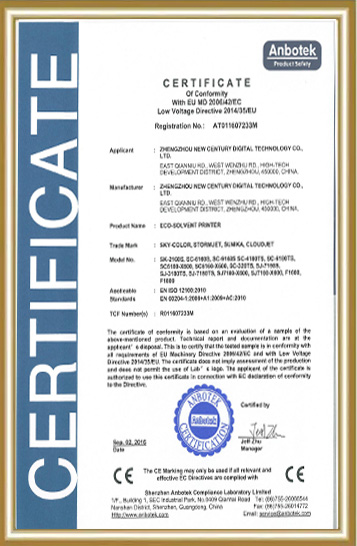
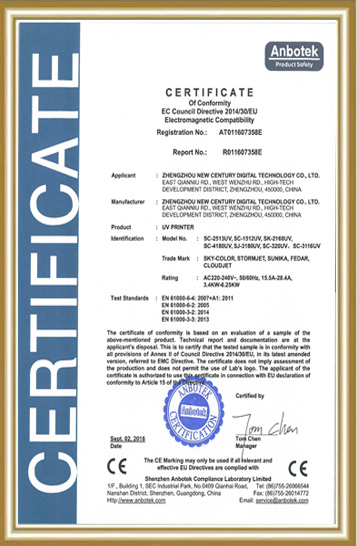
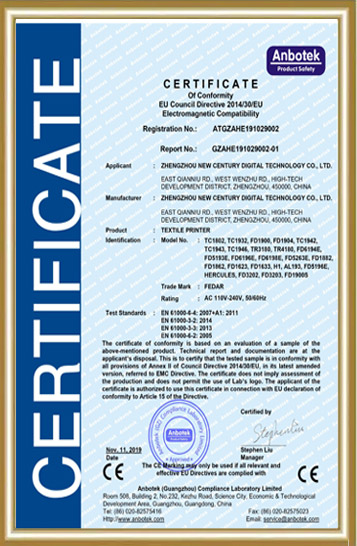
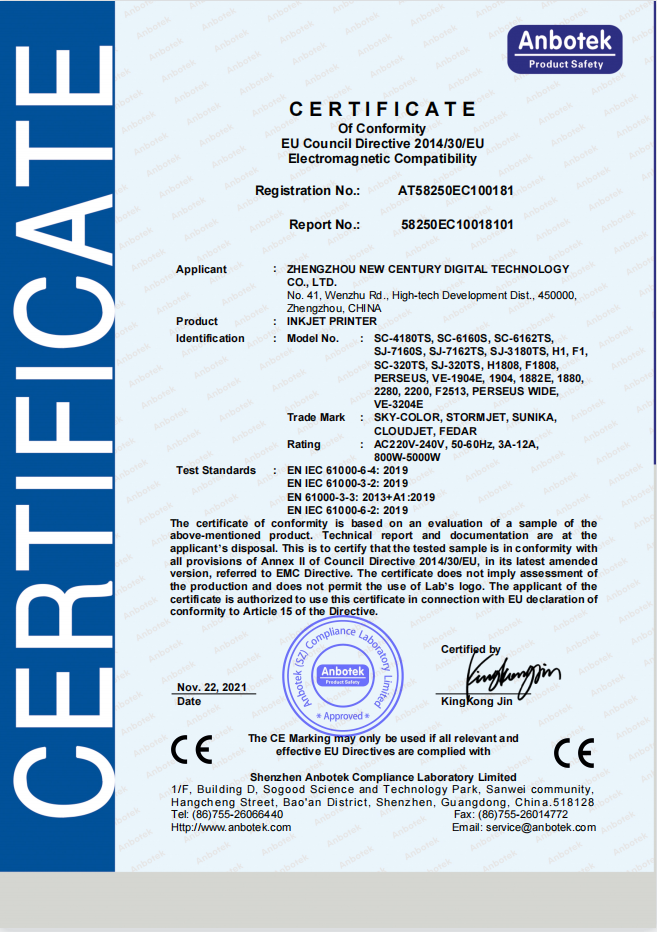
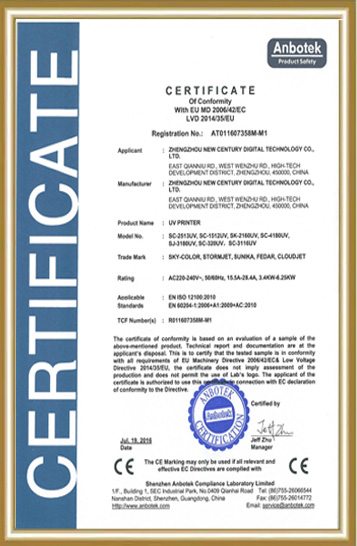
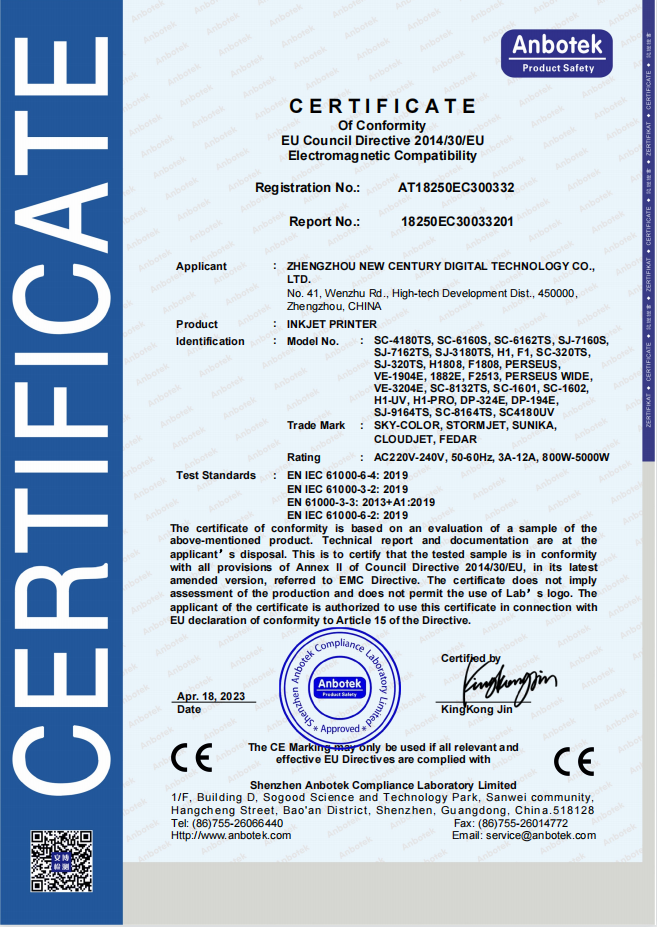
Alex Chen has accumulated extensive R&D and industrialization experience in the digital textile printing field, focusing on the innovation and optimization of digital printing equipment, direct-to-garment (DG) processes, and application solutions. He led the independent R&D and mass production of the company's core textile printing machines and DG printers, promoting their application in the textile, advertising, home furnishing, and personalized customization markets. The equipment he led has passed ISO9000 and CE certifications, earning the trust of a wide range of customers. He continuously provides customers with professional technical support and industry trend analysis, contributing to the upgrading and efficiency improvement of the digital printing industry.
We Look Forward to Your Email
Please send us product information that interests you, and we will provide you with one-on-one service.
_1778203196111.png)
Recommended Blog
Why Does Color Fade Happen in Dye Sublimation Printing Over Time?
How to Choose the Right DTF Printing Machine for Your Business?
What Advantages Does a 60cmDTF Printer Offer for Business Owners?
_1785483129054.webp)