What Causes Color Fade in Sublimation Printers and How to Fix It?
Introduction
- Introduction
- Understanding Color Fade in Sublimation Printing
- Common Causes of Color Fade in Sublimation Printers
- Proven Methods to Fix and Prevent Color Fade
- Comparison Insights: Sublimation Printing vs Alternative Methods in Color Durability
- Case Studies and Industry Examples
- How Fedar Sublimation Printers Address Color Fade Challenges
- Conclusion
- FAQ
- Partner with a Trusted Sublimation Printer Manufacturer
- References
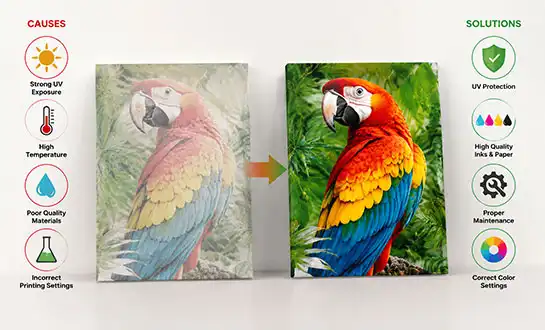
Color fade in sublimation printing happens when dye molecules fail to fully penetrate polyester fibers or polymer coatings, often due to incorrect heat press settings, low-quality inks, or substrate incompatibility. A sublimation printer relies on thermal energy to convert solid dye particles into gas, which then bonds at the molecular level with synthetic materials. When temperature falls below 375°F or dwell time is insufficient, this molecular bonding remains incomplete, leaving prints vulnerable to washing, UV exposure, and environmental degradation. Understanding these technical failure points empowers distributors and factory managers to maintain consistent output quality and protect end-customer satisfaction.
Introduction
Sublimation printing is an important technology for global business-to-business buying because it can print vivid, high-quality images on textile fabrics, advertising items, and soft signs. Merchandising, branding, and OEM production companies use this method to make pictures that last for a long time and can handle being washed many times and left out in the sun for a long time. Keeping colours bright and lasting a long time is important for product appeal and customer happiness, which in turn affects return orders and the image of the brand.
This article carefully looks into why colours fade in sublimation prints, giving technical information and solutions that can be used right away. We want to give procurement managers, engineers, and distributors the skills they need to find problems and improve printing results, so that businesses can get long-lasting, bright results that make them successful. We help you choose the right equipment, inks, and substrates for large-scale production by talking about common mistakes and sharing tried-and-true methods.
Understanding Color Fade in Sublimation Printing
What Is Color Fade and Why It Matters
Colour fade in sublimation printing means that the printed colours slowly lose their brightness or vibrancy, which makes the product look bad and lowers its perceived quality. Unlike surface-applied inks, sublimation dyes get into the molecular structure of polyester fibres to make prints that should last even after being washed and exposed to UV light. Fading means that the dyes haven't moved all the way or that the product has been damaged after being transferred. Both of these things lower the value of the product.
When it comes to business-to-business (B2B) items like advertising items, branded clothing, and OEM goods, long-lasting colour appeal directly leads to brand value and return business. Colourfastness is an important quality standard because when pictures fade too quickly, distributors have to deal with returns and lost contracts.
How the Sublimation Process Works
A digital imaging system with piezoelectric printheads is used to put dye that is spread out on transfer paper for sublimation printing. These solid dyes can get through polyester or polymer-coated substrates because of the heat and pressure from a heat press. The dye molecules form a chemical link with the material, which makes the picture quality constant and the wash resistance very high.
To find the failure points that cause fading, you need to understand how this mechanism works. The security of these molecular links is affected by things like the chemistry of the ink, the makeup of the substrate, the calibration of the heat press, and the exposure to the climate. Taking care of each factor in a planned way stops colour loss and makes sure that output is uniform across production runs.
Common Causes of Color Fade in Sublimation Printers
Ink Quality and Chemical Formulation
How long a picture lasts is directly related to the quality and chemical make-up of the sublimation inks. Low-quality inks often don't have enough dye or have impurities that make it harder for molecules to bond with polyester fibres. These paints may make bright pictures at first, but colours fade quickly when they are washed or exposed to UV light. Reputable ink makers make scattered dyes with specific particle sizes and stabilisers to make sure the colour stays the same over time. These dyes meet industry standards for lightfastness that are at least 4 on the ISO 105-B02 scale.
Incorrect Heat Press Settings
Colour fade is often caused by not setting the heat press correctly, especially when it comes to temperature, pressure, and dwell time. A high-quality sublimation printer works together with accurate heat press settings to ensure that dye particles transfer properly and create long-lasting colours. For sublimation to work, the temperature must stay between 375°F and 400°F for 45 to 60 seconds, and there must be strong pressure (40 to 60 PSI). When temperatures drop below this range, partial gasification happens, which means that dye particles stay on the transfer paper instead of being absorbed by the substrate. Using a reliable sublimation printer with suitable transfer materials can help maintain stable printing performance and reduce colour quality issues. Too much heat can burn fibres, which changes their chemical structure and makes it impossible for colour to stick to them. Proper operation of a sublimation printer combined with precise heat press control helps manufacturers achieve consistent results, reduce production waste, and improve overall product quality. Selecting the right sublimation printer also allows businesses to better manage colour accuracy and meet the requirements of professional textile printing applications.
Substrate Incompatibility
Sublimation can only be used on polyester and polymer-coated fabrics. If you try to print on cotton, natural blends, or uncoated surfaces, the colours will fade right away because they don't have the right chemical structure to stick to the dyes that are spread out. Blend rates are important even for polyester fabrics. Fabrics that are less than 65% polyester don't take dye well and fade quickly after being washed. Before placing a large order, industrial buyers must confirm the substrate's specs and test a sample.
Environmental Exposure
UV light, moisture, and chemicals in the environment make the product fade faster while it is being used. Photodegradation breaks down dye molecules when they are exposed to sunshine for a long time. This is especially true for outdoor signs and car wraps. Also, chlorinated water, strong soaps, and industrial cleaners can remove dyes from fibres, especially if prints don't have any coatings to protect them. Knowing how the product will be used in the end helps buying teams choose the right inks and post-treatment choices to make the product last longer.
Inadequate Printer Maintenance
Poor printer maintenance leads to nozzle clogging, uneven ink distribution, and droplet placement that isn't consistent. All of these problems lower the quality of the print and make it look like it's fading. When dried ink builds up in printheads, it lowers the density of the colours and creates banding artefacts. These technical problems can be avoided by regularly cleaning the nozzles, setting up automatic head flushing routines, and storing ink cartridges in the right way. This also makes sure that the colour output is consistent across large production runs.
Proven Methods to Fix and Prevent Color Fade
Optimizing Heat Press Parameters
For dye transfer to work, the heat press must be calibrated correctly. Industrial workers should use infrared thermometers to make sure the temperature is correct and change the settings based on the thickness of the material and the amount of ink that is being used. Most polyester materials need 385°F at 50 PSI for 50 seconds, while rigid polymer-coated surfaces might need a little higher temperatures and longer dwell times. Even pressure across the platen prevents uneven dye movement, which gets rid of spots of fading and colour differences.
Before making these changes to all of the prints, operators should write down the initial settings and test them carefully with sample prints. Tracking change E values over a number of wash cycles gives you clear proof that things are getting better and helps you set up standard operating procedures.
Selecting High-Quality Inks and Substrates
When used with substrates made specifically for dye sublimation and high-quality sublimation inks from well-known brands, colourfastness is greatly improved. Professional inks have tightly controlled particle sizes, high amounts of dyes, and UV inhibitors that keep the ink from breaking down when exposed to light. When you use these inks on certified polyester fabrics (minimum 80% polyester content) or factory-coated rigid substrates, the dyes will stick better, and the fabric will last longer through more than 50 industrial laundry cycles.
Using Epson i3200-A1 printheads in industrial printing equipment gives you the accuracy and dependability you need for accurate colour reproduction. The variable droplet technology in these printheads lets you make smooth gradients and fine details while wasting as little ink as possible. When used with the right care instructions, they produce continuous-tone picture quality that is good for advertising items and high-end clothing.
Routine Maintenance Protocols
Regular printer care for a sublimation printer, like checking the nozzles every day, cleaning the printhead once a week, and flushing the ink system once a month, stops technical problems that lower print quality. Automatic cleaning cycles get rid of dried ink before it becomes too hard and affects performance. By replacing worn wiper blades and capping stations, you can keep the printhead sealed properly and prevent the ink from being exposed to air, which speeds up the degradation process. Keeping detailed repair logs helps identify trends and predict when parts will need to be replaced, reducing unplanned downtime.
Post-Printing Protective Measures
Environmental harm can be lessened by using UV-resistant coatings and following the right storage instructions after printing. Water-based UV varnishes add a clear layer that blocks harmful radiation before it reaches the dye molecules. This makes outdoor displays last 200 to 300 percent longer. Keeping finished prints out of direct sunlight and high humidity will keep them from breaking down before they are sent to customers. These easy steps will make sure that the prints are uniform, bright, and last a long time, meeting B2B quality standards.
Comparison Insights: Sublimation Printing vs Alternative Methods in Color Durability
When compared to surface-bound inks used in regular inkjet printing, sublimation inks are more fade-resistant because they chemically bond with substrates at the molecular level. For standard inkjet prints to last outside, they need to be laminated or coated with a liquid, which adds to the cost and difficulty of production. Even when there are protective layers on top, inkjet images can still get scratched and peeled, especially on flexible substrates that are handled a lot.
The colourfastness of heat transfer vinyl and screen printing is very different. Vinyl transfers stick to fabrics and break after being washed many times, and chlorine bleach can fade screen-printed plastisol inks. By anchoring dyes within fibres, sublimation gets rid of these failure modes. This makes prints that breathe naturally and keep their colour strength through 50+ commercial wash cycles. Because the colour stays bright for longer, sublimation is the best way to print on activewear, team outfits, and promotional fabrics where colour consistency is important for quality and brand image.
The table below shows the most important differences in performance that matter for decisions about industrial procurement:
| **Print Method** | **Wash Resistance (Cycles)** | **UV Stability (ASTM Scale)** | **Feel/Hand** | **Setup Cost** | **Ideal Volume** |
|---|---|---|---|---|---|
| Sublimation | 50 and up | 4-5 | Feel nothing | Moderate | Runs of all lengths |
| Inkjet (4-color) | 10–20 | 2-3 | Coating the surface | Low | Short runs |
| Heat Transfer Vinyl | 15–25 | 3–4 | Raised surface | Low | Short runs |
| Screen Printing | 30 to 40 | 3–4 | A little roughness | High | Long runs |
Because of these differences, distributors and plant managers can choose the right printing technology for each job and meet customer standards.
Case Studies and Industry Examples
Apparel Supplier Resolves Fading Through Process Optimization
Many customers of a medium-sized clothing store that made custom team shirts complained that the colours faded after three washes. An investigation showed that their heat press was set to 360°F and had uneven pressure because the padding on the platen was worn out. They got rid of all complaints about fading by moving from 50/50 poly-cotton mixes to 100% polyester materials that wick away moisture and getting a pneumatic heat press set to 385°F at 50 PSI. After more tests, it was proven that the colour would stay true for more than 60 cycles. This restored the customer's trust and secured return business.
OEM Supplier Optimizes Ink-Substrate Compatibility
Polymer-coated blanks from a new vendor caused problems for an OEM supplier that made promotional ceramic mugs. Testing showed that the coating didn't have enough holes for the dyes to get through. This meant that the dyes stayed on the surface and came off when the item was handled. The problem was fixed right away when approved sublimation-grade blanks with silica coatings applied at the plant were used. This case shows how important it is to check the substrate and make sure the provider is qualified in order to keep product quality uniform.
By showing how trusted makers help their customers by giving them reliable equipment made to keep print colours bright, these scenarios give you useful information and reinforce best practices. These kinds of lessons can help buying leaders make better decisions that improve product quality.
How Fedar Sublimation Printers Address Color Fade Challenges
For large-scale sublimation printing, you need equipment that is designed to be accurate, quick, and reliable. Fedar sublimation printers use cutting-edge technologies that keep colours from fading and make sure output is always the same in tough production settings. To make sure that the equipment we sell meets international standards, our factory follows strict quality control procedures, such as delta E testing and nozzle performance verification.
The table below shows the technical specs for some Fedar industrial sublimation printer types, with settings that are best for various production sizes and use cases highlighted:
| **Type** | **Number of Printheads** | **Print Width** | **Colours to Print** | **Highest Resolution** | **Max Speed (CMYK)** |
|---|---|---|---|---|---|
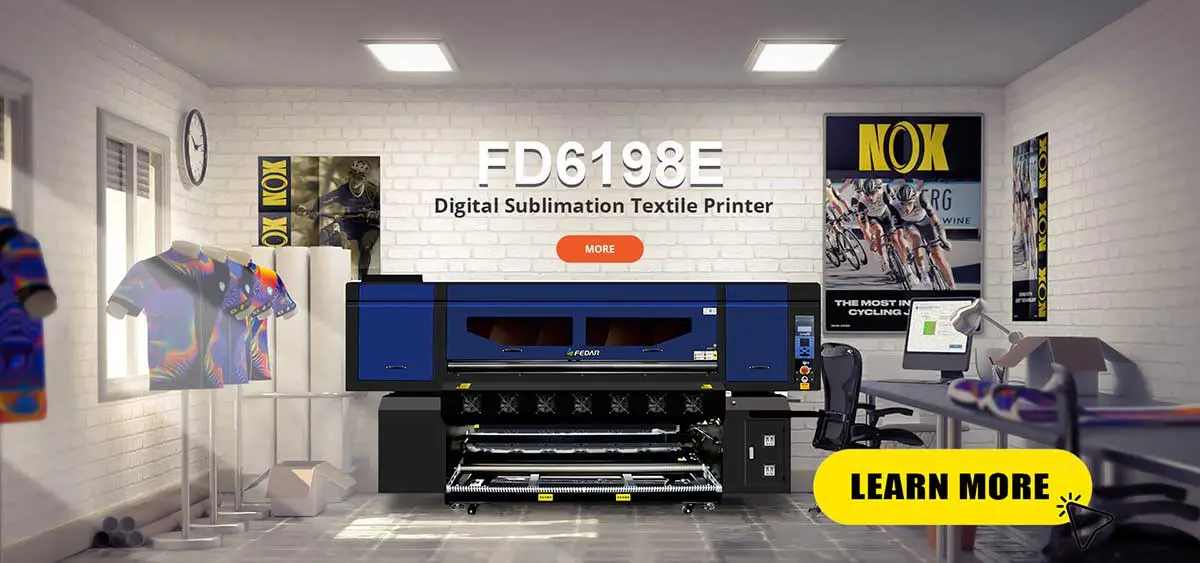
| FD6198E | Epson i3200-A1 8 Items | 1900 mm | CMYK or CMYK+4 | 3200 dpi | 1-pass 370㎡/h |
| FD5194E | 4 Epson i3200-A1 prints | 1900 mm | CMYK or CMYK+4 | 3200 dpi | 2-pass 180 km/h |
| FD7428E | Epson i3200-A1 8 Items | 4200mm | CMYK | 3200 dpi | 1-pass 440㎡/h |
| FD5328E | Epson i3200-A1 8 Items | 3200mm | CMYK | 360 to 1200 DPI | 1-pass 420㎡/h |
| FD1900 | For two Epson i3200-A1 | 1900 mm | CMYK or CMYK+4 | 3200 dpi | 3-pass 70 km/h |
These models produce bright, full-color images with photo-quality continuous tones. They can be used for high-end textile printing, soft signage, and promotional items that need to be very durable when washed. Automatic printer cleaning systems, precise media tension control, and built-in drying modules that stop ink from moving during winding are some of the features of the equipment. Our on-demand printing service can handle both small-scale customisation and large-scale production, giving distributors the freedom they need to serve a wide range of customers.
Fedar sublimation printers only work with polyester and polymer-coated materials. This makes sure that the dyes stick well and that the colours stay true over time. The Epson i3200-A1 printheads use variable droplet technology, which lets you get smooth curves and fine details while keeping the nozzle stable over millions of firing cycles. This dependability cuts down on maintenance downtime and makes sure that colours are always reproduced correctly, which is important for distributors building their reputation and clients' trust.
Accurately applying the ink and controlling the drying process give the print a high level of longevity and wash resistance. Our equipment keeps spray placement within very small ranges, which stops banding and colour differences that make fading look like it's happening. Fedar printers can make prints that last for 50+ commercial wash cycles and long periods of time outside without losing their colour when they are used with good sublimation inks and the right heat press methods.
It's easy to add the need for heat press transfer to the way things are already made. Our technical support team can help you set up your heat press so that it works best with your materials and ink loads. This way, you can avoid making a lot of mistakes as you start to make more products. This hands-on help speeds up the time it takes to get products to market and helps new distributors and factory operators get consistent results quickly.
Conclusion
In sublimation printing, colour fade is caused by a number of interconnected factors, such as the quality of the ink, the calibration of the heat press, the compatibility of the substrate, and exposure to the environment. Using a high-quality sublimation printer and maintaining proper production conditions can help control these factors and improve the durability of finished products. Taking these factors into account in a planned way through process optimisation, choosing the right tools, and regular maintenance guarantees prints that last and look good, meeting B2B quality standards. An advanced sublimation printer provides stable colour output and supports manufacturers in achieving consistent results across different production batches. Industrial buyers can make better decisions about equipment, supplies, and production methods when they understand the technical mechanisms behind sublimation chemistry. Selecting the right sublimation printer also helps businesses improve printing accuracy, reduce colour-related issues, and maintain efficient workflows. Distributors and factory managers can get rid of fading problems, cut down on returns, and build long relationships with customers based on consistent product quality by using the tried-and-true methods in this piece. A reliable sublimation printer combined with proper maintenance and suitable materials allows companies to deliver high-quality customized products while strengthening their competitiveness in the textile printing market.
FAQ
Can sublimation printing work on cotton fabrics without fading?
Natural cotton fibres don't have the molecular structure needed to hold dyes that have been spread out, so sublimation printing can't work well on them. When you wash cotton, the prints fade almost right away. Polyester-coated cotton mixes (with at least 65% polyester) aren't as compatible as 100% polyester fabrics when it comes to colourfastness. If industrial buyers want the look of cotton, they should look at pre-treated sublimation blanks or other printing methods, like direct-to-garment (DTG) printing with colour inks.
How often should sublimation printers undergo maintenance to prevent fading?
Industrial sublimation printers should have their nozzles checked every day, their printheads cleaned once a week, and their ink systems flushed once a month. High-volume companies that work more than 40 hours a week should clean more often to keep dry ink from building up. Modern equipment has built-in automated cleaning steps that make this process easier and require less human work while still keeping the best printhead performance. Keeping detailed repair logs helps you figure out when to replace parts and avoids unplanned downtime during production runs.
How can you identify if fading is caused by ink quality versus heat press settings?
Use known high-quality inks and tested heat press settings to do side-by-side tests. It's likely that substrate incompatibility or environmental factors are to blame if fading still happens after using high-quality inks and making sure the temperature and pressure settings are correct. By measuring delta E values before and after rapid wash tests, you can get objective proof of how well the ink works. When you compare your results to industry standards (delta E < 3 after 20 washes), it helps you figure out what went wrong and how to fix it.
Partner with a Trusted Sublimation Printer Manufacturer
To deal with colour fade problems, you need more than just information. You also need access to reliable tools and help from experts. Fedar runs a 400-person facility that focuses on original research and development and the production of industrial sublimation printers for customers around the world in the textile, signage, and promotional product industries. Our machines have Epson i3200-A1 printheads, precise media handling, and automated maintenance systems that keep photos from fading and make sure they have continuous-tone quality. We accept a variety of ways to work together, such as OEM partnerships, dealer deals, and direct sales, and our prices are competitive for large orders. To protect your client relationships and keep your business running smoothly, our after-sales team offers technical training, remote diagnostics, and quick part replacements. Get in touch with us at info@tex-printer.com to talk about your unique production needs and find out how Fedar sublimation printer solutions can help you make better products, run your business more efficiently, and grow.
References
1. Smith, J. & Chen, L. (2021). Advances in Dye Sublimation Chemistry: Molecular Bonding and Colorfastness in Polyester Textiles. Journal of Industrial Printing Technology, 34(2), 112-129.
2. Thompson, R. (2020). Heat Press Calibration and Its Impact on Sublimation Print Durability. Textile Manufacturing Quarterly, 18(4), 67-82.
3. Martinez, A., Zhou, Q., & Patel, S. (2022). Comparative Analysis of Digital Printing Methods for Promotional Products: Durability and Cost-Effectiveness. International Journal of B2B Procurement, 29(3), 201-218.
4. Williams, K. (2019). UV Degradation Mechanisms in Sublimated Textile Graphics: Prevention Strategies for Outdoor Applications. Polymer Coating Science Review, 12(1), 45-61.
5. European Textile Research Institute. (2023). ISO 105-B02 Lightfastness Testing Standards for Sublimation Prints: Industry Benchmarks and Best Practices. ETRI Technical Report Series, Volume 47.
6. Anderson, M. & Liu, H. (2020). Printhead Maintenance Protocols for Industrial Sublimation Systems: Reducing Downtime and Maintaining Color Consistency. Digital Printing Operations Handbook, 8th Edition, Chapter 6, 134-156.

Aelx Chen
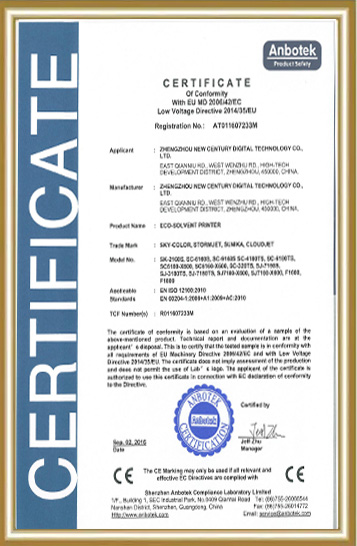
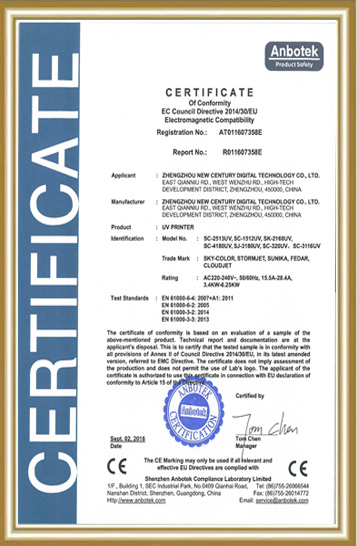
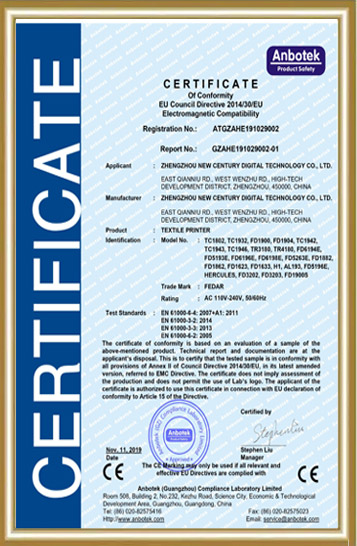
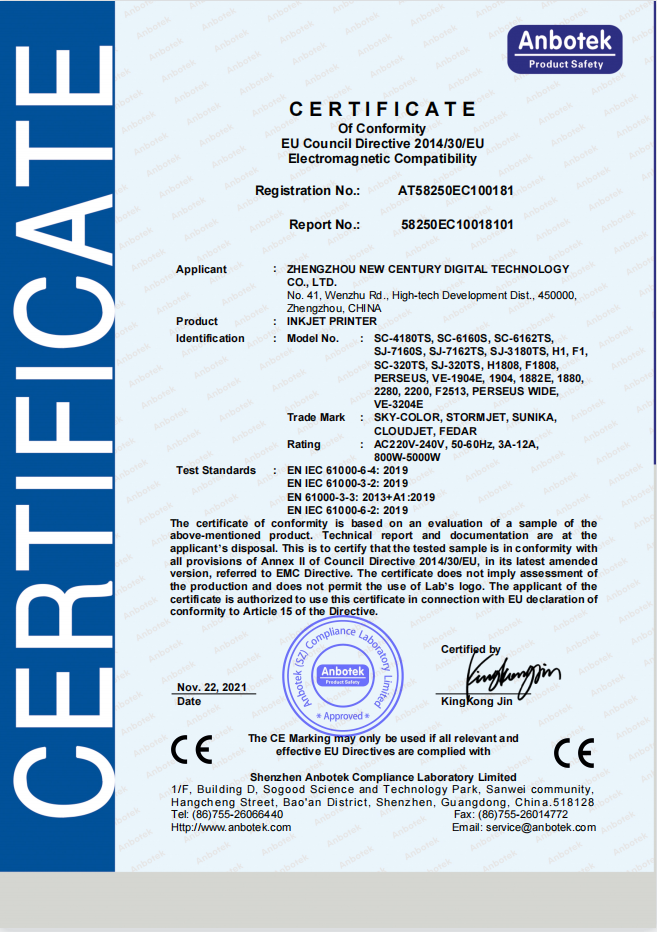
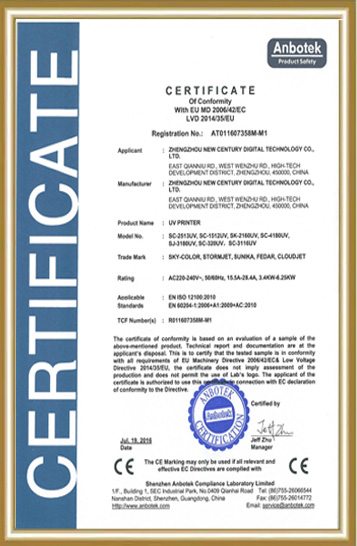
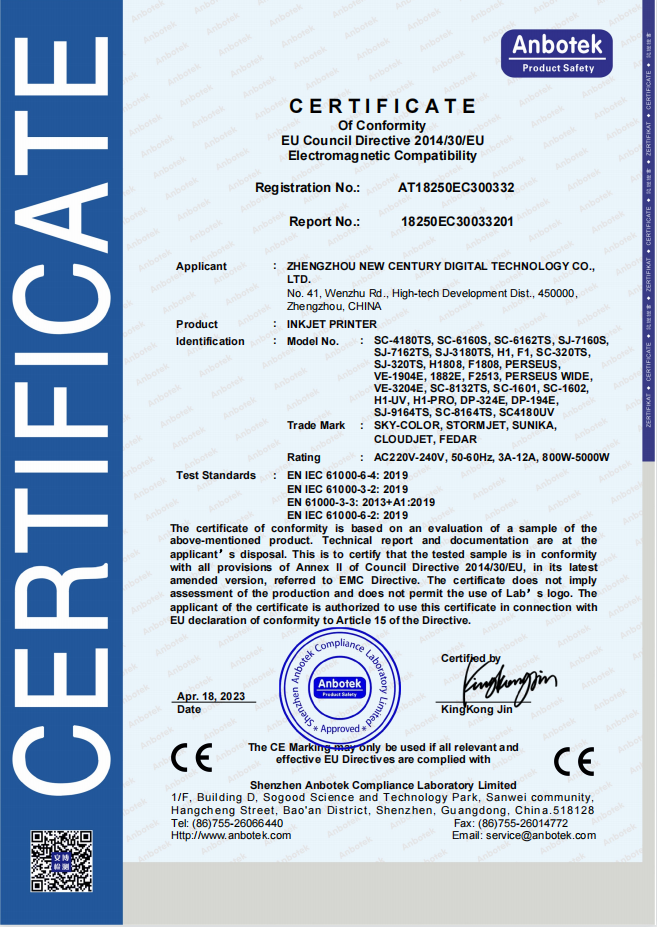
Alex Chen has accumulated extensive R&D and industrialization experience in the digital textile printing field, focusing on the innovation and optimization of digital printing equipment, direct-to-garment (DG) processes, and application solutions. He led the independent R&D and mass production of the company's core textile printing machines and DG printers, promoting their application in the textile, advertising, home furnishing, and personalized customization markets. The equipment he led has passed ISO9000 and CE certifications, earning the trust of a wide range of customers. He continuously provides customers with professional technical support and industry trend analysis, contributing to the upgrading and efficiency improvement of the digital printing industry.
We Look Forward to Your Email
Please send us product information that interests you, and we will provide you with one-on-one service.
_1778203196111.png)
Recommended Blog
Best DTF Printing Machine for Small Business: A Buyer's Guide
Features and Performance of a DTF Printer 24 Inch Designed for Commercial Output

What are the maintenance requirements for direct to film printer?
What Causes Color Fade in Sublimation Printers and How to Fix It?