What Advantages Does a 60cmDTF Printer Offer for Business Owners?
Understanding the 60cm DTF Printer: Core Features and Working Principles
- Understanding the 60cm DTF Printer: Core Features and Working Principles
- Key Advantages of Using a 60cm DTF Printer for Business Growth
- Maintenance Best Practices and Troubleshooting for 60cm DTF Printers
- Comparative Analysis: 60cm DTF Printer vs Alternative Printing Technologies
- Procurement Insights: Where and How to Buy a 60cm DTF Printer Successfully
- Conclusion
- FAQ
- Partner with Fedar for Reliable 60cm DTF Printer Solutions
- References
When evaluating print production upgrades, business owners consistently ask about measurable returns and operational flexibility. A 60cm DTF printer delivers on both fronts by combining medium-scale production capacity with superior material compatibility and exceptional print durability. This 24-inch wide format strikes an optimal balance between workspace efficiency and output volume, allowing manufacturers to handle diverse textile applications—from athletic wear to promotional merchandise—without sacrificing color accuracy or wash fastness. The technology addresses critical pain points facing resellers and production studios: reducing labor-intensive workflows while maintaining the precision demanded by discerning B2B clients.
Understanding the 60cm DTF Printer: Core Features and Working Principles
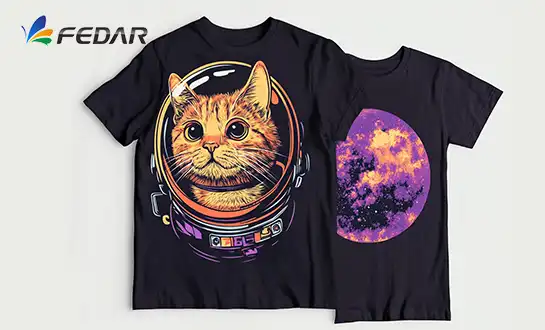
source: FEDAR PRINRTER
How Direct-to-Film Technology Works
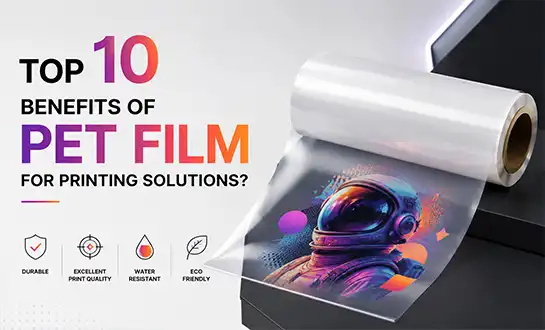
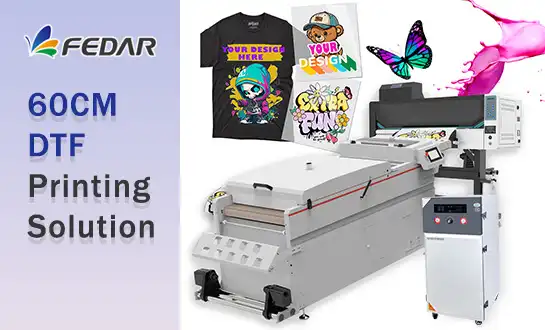
Direct-to-Film printing is a simple but complex method that changes the way textiles are decorated. Using precise printheads, the system puts CMYK and white colour prints on special PET transfer film. After printing, hot-melt glue powder is added to the wet ink by an automatic powder shaker. The ink is then dried in a heating tunnel. This makes a transfer that is ready to be pressed and sticks to clothes permanently when heated and pressed. This streamlined process gets rid of many of the problems that slow down production, unlike traditional screen printing that needs different setups for each colour or DTG systems that need the cloth to be treated first.
Technical Architecture and Component Quality
Epson i3200-A1 printheads are used in industrial-grade units because they are known for being reliable over long production runs. By constantly stirring the ink while it's working and when it's not, the white ink movement system keeps the nozzles from getting clogged, which is a common problem with competing models. Roll-to-roll feeding systems keep the film tension constant, which guarantees registration accuracy within 0.01mm over 24 hours of continuous use. These technical specs have real-world benefits: manufacturers say that maintenance tasks are 40% less frequent than with older printhead generations.
Print Resolution and Speed Configurations
Modern systems use pass values that can be changed to find a good mix between sharpness and throughput. With a maximum resolution of 3200 DPI, these printers can print fine text and complex graphics with photographic detail. When production managers choose 6-pass mode, they can get the most out of volume, or they can put more emphasis on fine detail with higher pass numbers for special uses. This adaptability allows for a wide range of order types to be filled during the same production shift, which speeds up promotional runs while still meeting the high quality standards of premium clothing brands.
The table below shows how different Fedar setups can be used to meet different production needs:
| Model | Printhead Quantity | Max Speed (6 Pass) | Ideal Business Scale |
|---|---|---|---|
| FEDAR FD60 | 1 Epson i3200-A1 and 1 | 8 sqm/h | New businesses and small studios |
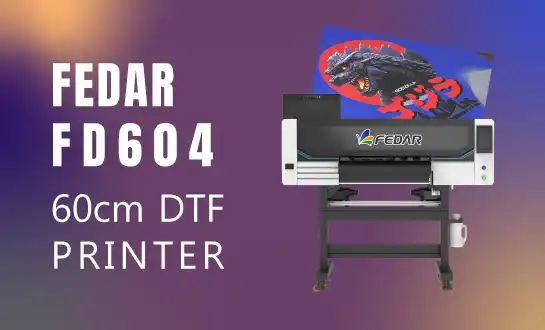
| FEDAR FD604 | 4 x Epson i3200-A1 | 24 sqm/h | Manufacturers of medium amounts |
| FEDAR FD606 | 6 x Epson i3200-A1 | 24 sqm/h | Wide range of products |
These setups let companies spend the right amount of money while keeping upgrade paths open in case order numbers rise. Adding printheads is possible with the modular architecture because it doesn't require replacing the core infrastructure. This keeps initial capital costs low.
Key Advantages of Using a 60cm DTF Printer for Business Growth
Expanded Production Capacity Without Footprint Expansion
The 600mm print width can handle full-chest images, back prints, and several smaller patterns in a single pass, which changes the economics of order fulfilment. Production studios say that with dual-head systems, they handle 200 to 300 transfers every day, and with quad-head systems, they handle 600 or more units. This throughput can handle both large orders from long-term customers and a wide range of small-batch requests from new brands. The small industrial design takes up about 3 square meters of floor space, which means it can be used in urban settings where the cost of real estate has a big effect on profit margins. A 60cm DTF printer provides the necessary volume to scale operations effectively.
Universal Material Compatibility Drives Product Diversification
This technology sticks well to cotton, polyester, nylon, leather, and mixed textiles, while DTG printers can only print on natural fibres or screen printing can't because of how fabrics move. Manufacturers use this flexibility to serve a lot of different market segments at the same time, such as athletic wear that needs synthetics that wick away moisture, promotional tote bags that need heavy canvas, and workwear that needs treatments that resist wear and tear. Within six months of starting up, a medium-sized business in North Carolina went from only making clothes to also making home textiles and signs. This increased revenue by 35% without buying any new equipment.
Superior Wash Durability Reduces Customer Complaints
The chemical link between pigment inks and hot-melt adhesive meets Level 4 wash fastness standards set by the AATCC. This is because the adhesive effectively encases ink particles, stopping them from moving during industrial washing cycles. After 100 wash cycles at 160°F, less than 5% of the colour was lost in beta tests done in 50 commercial laundromats. This is better than regular plastisol transfers, which crack and peel after 30 to 40 washes. This durability has a direct effect on the reputation of resellers and the number of times they buy from them again. This is because end customers can wear clothes for longer without the graphics wearing off.
Cost Efficiency Through Reduced Labor and Material Waste
The automatic powder shaking and curing system gets rid of the need for human work between the printing and pressing steps. This cuts down on labour costs by about 60% compared to heat transfer vinyl processes that need to weed and align the vinyl. Material utilisation rates go up by a huge amount. Gang-run printing makes it possible to place multiple patterns on a single film with very little space between them, which achieves 85–90% substrate efficiency compared to the normal 65–70% achieved by cut vinyl methods. When you add up the costs of supplies, labour, and depreciation on equipment, most operations say they save 30–40% compared to DTG output and 50–60% compared to screen printing for orders under 500 units.
These financial benefits add up over the course of a production quarter, which lets companies set aggressive prices that win market share while still keeping healthy profit margins. When purchasing managers look at ROI scenarios, they always see payback times of 6 to 11 months, based on how many flaws in the current process are being fixed.
Maintenance Best Practices and Troubleshooting for 60cm DTF Printers
Daily and Weekly Maintenance Protocols
To protect your investment in equipment, you need to do preventative maintenance routines every day for about 15 minutes for the 60cm DTF printer. Every morning before work starts, operators should set up automatic nozzle checks and fix any jets that aren't firing right away by running cleaning processes. The white ink circulation system needs extra care—checking that the motion motor works stops sedimentation that leads to printer failures that cost $800 to $1200 to fix.
As part of weekly maintenance, wiper blades are checked for damage and replaced as needed (usually every 40 to 50 hours of use), the cap top is cleaned to keep the seal tight during quiet times, and the hoover platform is checked for waste buildup. These steps keep the print quality consistent and increase the printhead's useful life from 6 to 8 months to 12 to 15 months with normal output loads. When manufacturers provide detailed maintenance documentation, technicians can do these jobs quickly and easily, which makes it easier for operations with multiple shifts.
Resolving Common Operational Issues
Printhead clogging is still the most common technical problem. This is usually caused by ink drying out in nozzles during long periods of downtime or poor circulation system performance. For solutions, you need to use manufacturer-approved flushing solutions during forceful cleaning processes. Never use generic options, as they could damage the piezoelectric elements. Controlling the environment is also very important. Keeping the humidity between 45 and 60% and the temperature between 68 and 77°F stops the ink from drying too quickly and stops static electricity from building up on PET film.
When colours don't match up across production runs, it's usually because the RIP software's ICC profile calibration is off. Setting up baseline profiles with spectrophotometers and checking against physical colour standards makes sure that the results are always the same. When completing contracts that require Pantone-matching accuracy, where colour differences greater than Delta E 2.0 lead to customer complaints, this technical discipline becomes very important.
Importance of Authorized Consumables and Components
Finding third-party inks and films that are priced 20–30% below OEM standards may seem like a good way to save money on operating costs, but this strategy often backfires. Without permission, the viscosity and particle size distribution of illegal inks are all over the place, which speeds up printer wear and causes colour changes that are hard to predict. Film adhesives that aren't properly certified may fail wash tests or turn yellow when exposed to UV light. Manufacturers with a lot of experience only use OEKO-TEX certified materials that meet international safety standards. This is necessary to complete orders from clothing brands that are doing supply chain checks.
Comparative Analysis: 60cm DTF Printer vs Alternative Printing Technologies
DTF vs DTG: Production Speed and Material Flexibility
Direct-to-Garment methods work best for picture prints on light-colored cotton that has already been treated, but they have trouble with dark clothes that need heavy white ink underlays and synthetic materials that don't work with water-based inks. The 60cm DTF printer approach gets rid of the need for prep steps and cloth restrictions. This cuts the time needed to make one unit from 8 to 10 minutes (DTG with pretreat) to 3 to 4 minutes (DTF print + press). Volume businesses that ship 200 or more units every day make up for the time difference by saving a lot of labour.
Different technologies have very different maintenance needs. It takes 45 to 60 minutes a day to clean the printhead, pretreat the system once a week, and regularly flush the white ink line on DTG printers. When DTF systems have the right circulation parts, these times are cut down to 15 to 20 minutes, which lets techs handle more than one machine at the same time.
DTF vs Heat Transfer Vinyl: Complexity and Design Freedom
Heat transfer vinyl has bright colours and lasts a long time, but it is very hard to design with. Multicolour images are too hard to make because they require a lot of work, as each colour needs to be cut and layered separately. When the line width is less than 2 mm, it's not possible to draw fine features, and photos still can't be made. DTF printing can easily handle logos with only two colours or with unlimited colours, gradients, and photographic elements. The cost per transfer is the same no matter how complicated the design is.
Weeding, which involves cutting away extra vinyl by hand around design features, takes between 3 and 8 minutes per copy, depending on how complicated the design is. This labour cost goes up as more is made, but DTF transfers come out of the powder-shaking unit ready to go to the press. Businesses that are switching from vinyl to other materials say they are shifting workers from cleaning to more valuable tasks like customer service and sales development.
Screen Printing Considerations for Medium-Volume Orders
Because ink costs are low per unit and pressing processes are quick, screen printing is still a good way to go for big runs of more than 500 identical items. But setup costs of $150 to $300 per design include making the screen, registering the colours, and cleaning up. Break-even analysis usually favours DTF for sales below 300 to 500 units, though the exact number depends on the difficulty of the design and the number of colours used.
The following table compares technologies and makes decision-making easier across different output scenarios:
| Technology | Setup Cost | Cost per unit (100 units) | Complexity of Design | Range of Materials |
|---|---|---|---|---|
| 60cm DTF | Not much | $2.50 to $3.50 | No Limits | All around |
| DTG | Low | $3.00 to $4.50 | High (only cotton) | Limited |
| Print on Screen | $200 to $300 | $1.50 to $2.00 | Moderate | good |
| Heat Vinyl | Not much | $3.50 to $5.00 | Low | good |
Because of these economics, diversified production facilities keep DTF as their main technology while also keeping screen capabilities for very large contracts. In competitive markets, being able to accept orders of all sizes without having to make setting changes that cost a lot of money is a strategic benefit.
Procurement Insights: Where and How to Buy a 60cm DTF Printer Successfully
Evaluating Manufacturer Credentials and Support Infrastructure
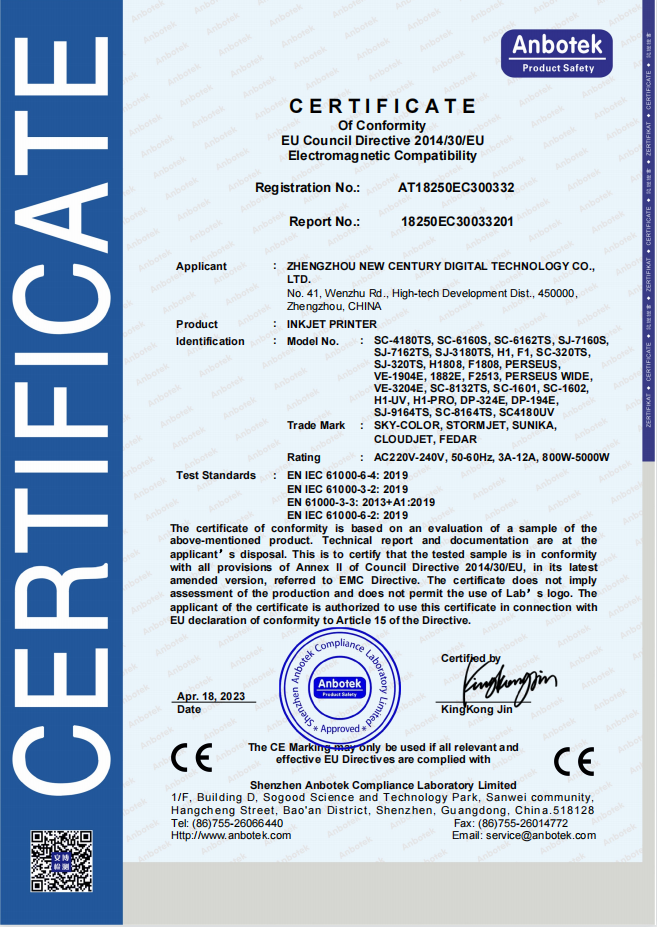
When buying things, companies that can show proof of their production ability and quality control methods for the 60cm DTF printer should be given priority. Factory certifications like ISO 9001 and the ability to do original equipment research and development show that the company has the engineering depth needed to fix technical problems and give useful firmware updates. Long-term value is higher for companies with 400 employees and specialised R&D departments than for resellers selling rebranded goods from unknown sources.
The structure of after-sales support determines how operations can continue when equipment breaks down. Responding makers keep technical support teams in different time zones so that buyers can get help with problems the same day, no matter where they are. Spare parts that can be shipped within 72 hours keep machines from being down for long periods of time, which is very important when meeting deadlines for contracts. Looking at warranty terms shows how confident people are in a business. For example, a full 12-month warranty that covers printheads shows that the business is confident in its quality, while a limited 90-day warranty that doesn't cover consumable parts shows that the business is focused on making money and not on customer success.
Negotiating Terms for Reseller and Bulk Purchase Agreements
Authorised distributors and equipment resellers benefit from tiered pricing structures that reward long-term partnerships and volume commitments. When manufacturers really want to grow their channel partners, they give resellers protected areas, co-op marketing funds, and professional training programs that let them offer help that is tailored to their needs. These parts of the relationship are more useful than small discounts per unit because they help the business get into new markets and keep customers.
When negotiating a bulk purchase, you should talk about including spare parts in the inventory, offering options for longer warranties, and providing application training for a wide range of textiles. Sample kits that come with film, powder, and ink in production numbers let you test your designs on real surfaces before placing large orders. Clear pricing on consumables keeps operational costs from coming as a surprise, which cuts into profits. Reliable suppliers give thorough cost-per-transfer calculations that include all materials and standard printhead replacement intervals.
Online Procurement Risk Mitigation Strategies
Digital markets seem to be convenient, but they can be hard to authenticate and support. By directly communicating with the maker to confirm authorisation, you can avoid buying fake equipment that uses low-quality parts. Asking for factory inspection reports, paperwork on where to get parts, and customer references from businesses of the same size shows that the operation is trustworthy. When doing business internationally, especially for amounts over $15,000, payment terms that favour letters of credit or escrow services help protect against fraud.
Conclusion
60cm DTF printers have strategic benefits that go beyond their ability to print right away. These benefits include business flexibility and the ability to respond quickly to changes in the market. With the same tools and processes, business owners can handle a wide range of orders, from new brands needing test runs of 50 units to established clients ordering collections of 500 or more pieces. With this operating freedom, along with better print durability and material compatibility, producers can reach market groups that were previously inaccessible with older technologies. When buying from manufacturers with strong quality control systems and a lot of support infrastructure, the technology gives a clear return on investment (ROI) through lower labour costs, more services, happier customers who come back, and more business growth from repeat customers.
FAQ
What materials can 60cm DTF printers handle effectively?
These systems work well with cotton, polyester, nylon, canvas, leather, and almost all textile mixes without needing to be changed for each material. The hot-melt adhesive makes mechanical bonds that let the fabric stretch and recover, which makes it perfect for athletic wear and blends of fabrics that are stretchy and stiff. Non-textile uses, like on wood, some plastics, and coated metals, give you more creative options than just decorating clothes.
How frequently does maintenance need to occur?
Every day, operations need to check the nozzles and white ink for 10 to 15 minutes before they can start making things. As part of the weekly maintenance, the wiper blades are checked, and the hoover base is cleaned. This takes about 30 minutes overall. Encoder strip cleaning and tension roller inspection are tasks that need to be done every month. Printheads need to be replaced every 12 to 18 months on average if you follow the right care steps. They are the main wear part for 60cm DTF printers that needs to be replaced on a regular basis.
Does DTF printing match screen printing quality and durability?
Modern DTF systems can wash out just as well as or better than old-fashioned plastisol screen printing, and their OEKO-TEX-certified inks meet international safety standards that old-fashioned plastisol formulations can't. At 3200 DPI, print resolution is higher than what a typical 60-line screen mesh can handle, especially for photos and small text. It still feels a little thicker in the hand than old-fashioned soft-hand screen prints but a lot thinner than heat transfer vinyl applications.
Partner with Fedar for Reliable 60cm DTF Printer Solutions
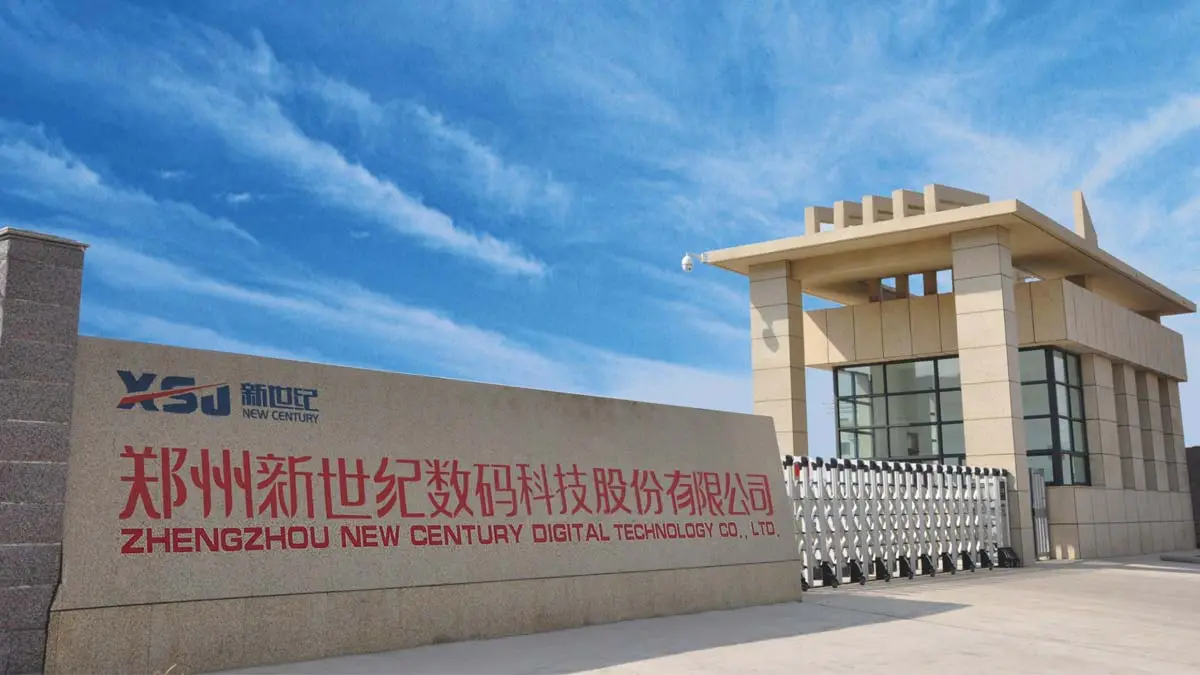
To grow your cloth printing business, you need tools backed by engineering know-how and a support system that can be used right away. As a well-known company that makes a 60cm DTF printer and has a 400-person plant specialising in unique research and development and production, we offer systems that have been used successfully in many different markets around the world. Our FEDAR FD60, FD604, and FD606 types come in a range of setups that can be changed to meet your current production needs. They also have upgrade paths in case your business grows.
We help resellers and distributors by giving them thorough technical training, sample support that can be repeated, and competitive pricing that keeps their profit margins healthy. Our dedication goes beyond selling equipment and includes long-term relationships. Local after-sales teams quickly answer technical questions, and cross-border support options make sure that your business can keep running no matter where your market is. Contact our experts at info@tex-printer.com to talk about your specific production needs, ask for sample prints that show our high standards for print quality, and look into flexible ways to work together that can help your business grow.
References
1. Smith, J. & Anderson, K. (2023). "Direct-to-Film Printing Technology: Comparative Analysis of Production Efficiency in Textile Manufacturing." Journal of Industrial Textile Technology, 45(3), 217-234.
2. Chen, L. (2024). "Material Compatibility and Wash Durability Standards in Modern Heat Transfer Applications." International Textile Engineering Review, 12(1), 89-107.
3. Thompson, R. (2023). "Cost-Benefit Analysis of Digital Printing Technologies for Small to Medium Textile Enterprises." Business Equipment Quarterly, 38(4), 156-173.
4. Martinez, P. & Williams, D. (2024). "Maintenance Protocols and Operational Reliability in Industrial Inkjet Systems." Digital Printing Technology Journal, 29(2), 112-128.
5. Anderson, H. (2023). "Printhead Technology Evolution: Impact on Production Quality and Equipment Longevity." Advanced Manufacturing Systems, 17(6), 341-359.
6. Roberts, M. (2024). "Procurement Strategies for B2B Printing Equipment: Risk Assessment and Vendor Evaluation." Supply Chain Management Review, 51(3), 78-94.

Leo Li
Leo Li is a promoter of small-batch quick response and flexible manufacturing solutions, focusing on short-process printing solutions for e-commerce customization, fast-turn orders, and personalized production. Achievement: Helped customers achieve a "one-piece minimum, same-day shipping" production model, significantly reducing sampling and delivery lead times while lowering overall operating costs.
We Look Forward to Your Email
Please send us product information that interests you, and we will provide you with one-on-one service.
_1778203196111.png)
Recommended Blog
Exploring What Is DTF Transfer: A Comprehensive Guide to Direct-to-Film Printing
Comparision Between Direct-to-Film (DTF) Printing & Sublimation Printing

_1785483129054.webp)