Top 10 Benefits of Pet Film for Printing Solutions?
Understanding PET Film and Its Role in Printing Solutions
- Understanding PET Film and Its Role in Printing Solutions
- Top 10 Benefits of PET Film for Printing Solutions
- How PET Film Printers Enhance These Benefits
- Selecting the Right PET Film Printer for Your Business Needs
- Maintenance and Troubleshooting Tips to Maximize PET Film Printer ROI
- Sustainable and Eco-Friendly PET Film Printing Solutions
- Conclusion
- FAQ
- Partner with a Trusted PET Film Printer Manufacturer
- References
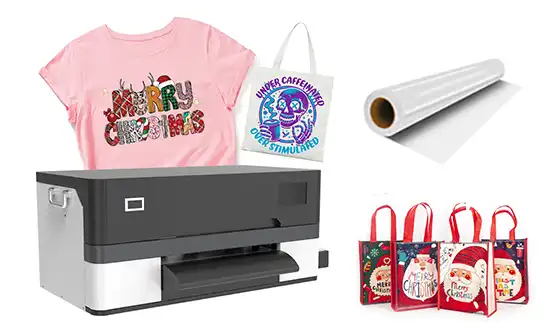
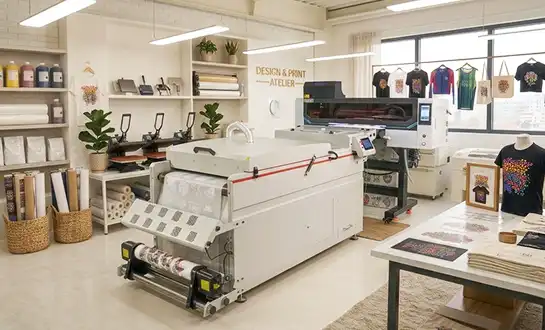
When looking for reliable, high-quality transfer printing options, PET film printing comes out as a big step forward for decorating clothes, making signs, and packaging. A PET film printer, which is commonly used in Direct-to-Film (DTF) processes, lets companies print bright, long-lasting images on a variety of fabrics and surfaces with little initial cost. This method gets rid of problems like high costs for pre-treatment, limited fabric compatibility, and processes that require a lot of work that are common in older methods. If you're a printer dealer, studio owner, or buying manager, knowing these benefits will help you choose better tools and give your customers better results.
Understanding PET Film and Its Role in Printing Solutions
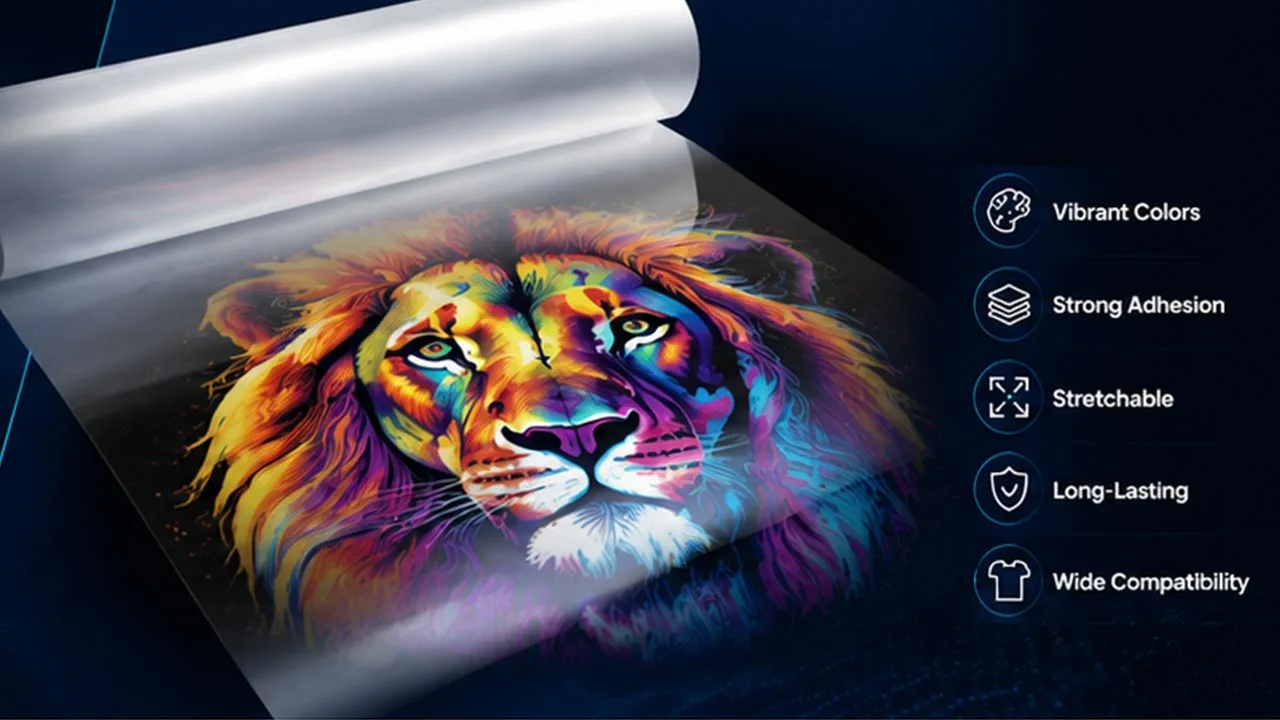
What Is PET Film?
Polyethylene terephthalate (PET) film is a special kind of material that was made to be strong, clear, and resistant to chemicals. PET is much more stable in its shape than paper or plastic. This means that it won't shrink, twist, or tear when printed on or heated. This makes it perfect for processes with many steps where accuracy is important.
Operating Principles of PET Film Printers
Piezoelectric inkjet PET film printers are used in modern equipment to put pigment-based inks on the coated PET surface. CMYK plus white is usually used. After printing, thermoplastic glue powder is put on top and heated to make a transfer that is bendable and can be stretched. This separate printing and transfer method lets you make designs ahead of time and use them whenever you need to. This gets rid of the need for a minimum order and lets you use true print-on-demand workflows.
Why B2B Buyers Prefer PET Film Solutions
Businesses like how predictable the costs are and how flexible the material is that PET is. No matter what colour the garment is, you can print complicated, full-colour designs on cotton, polyester, blends, leather, canvas, and even cotton. This gives you more ways to make money and lowers the risk of running out of stock. It also makes it easier to meet the needs of a wide range of customers without having to buy a lot of different tools or supplies.
Top 10 Benefits of PET Film for Printing Solutions
Moving to workflows based on PET opens up a lot of practical and cost benefits. For brokers, wholesalers, and production centers, these are the main benefits that mean the most.
1. Exceptional Durability and Wash Fastness
Quality PET film transfers can be washed more than 50 times in a commercial washer without fading or cracking. At the molecular level, the ink-powder mesh joins, making a strong layer that can withstand wear and repeated washing. This longevity keeps your image safe and keeps customers from complaining.
2. Superior Color Reproduction and Vibrancy
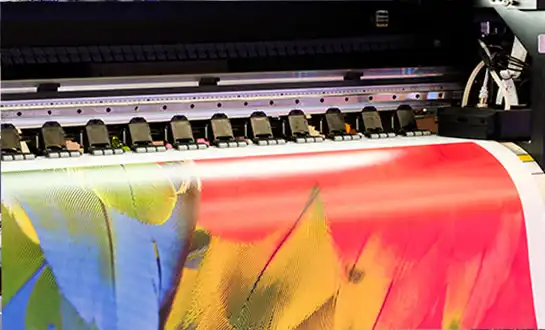
Pigment inks on PET give you deep, rich colours that cover a lot of space. Layers of white ink make the base opaque, so designs stand out even on dark fabrics. It's hard to get this level of colour accuracy with screen printing or heat transfer vinyl, especially for photos and gradient effects.
3. Chemical and Heat Resistance
High curing temperatures—often above 160°C—don't affect the structure of PET film, and it doesn't react with common solvents and detergents. This stability is very important for industrial uses where signs, packaging inserts, or useful textiles produced with a PET film printer have to work in rough conditions.
4. Multi-Application Flexibility
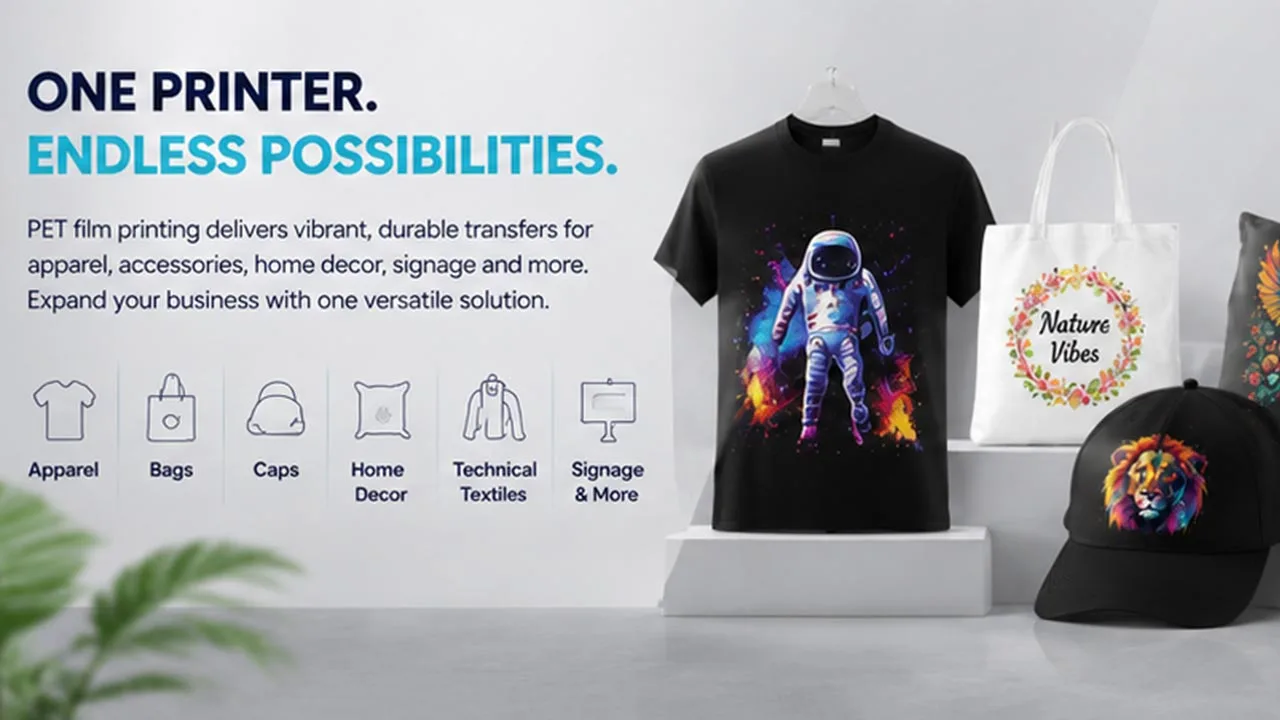
PET film printing can be used for more than just clothes. It can also be used for advertising items, home goods, tote bags, caps, and technical clothing. This makes it possible to serve a wide range of businesses with a single piece of equipment, which maximises machine utilisation and return on investment (ROI).
5. Eco-Friendly and Recyclable Material
Many suppliers now offer bio-based or recycled-content films, and PET can be recycled in any way. Volatile organic compound (VOC) emissions can be cut down even more with water-based and UV-curable inks. This will help your business meet sustainability goals and get green certifications that customers who care about the environment will like.
6. Cost Advantages Through Reduced Waste
Screen printing has setup fees and minimum runs, but PET film printing doesn't make any waste when you only buy a few things. Because you only print what you need, you save money on materials and the cost of keeping an inventory. These savings add up over time, which increases your profit margins.
7. Compatibility with Diverse Inks and Technologies
PET film can be used with a wide range of colours, including water-based pigments, eco-solvents, and UV-curable choices. Because this ink is so flexible, you can choose the best speed, cost, or performance for the job.
8. Lightweight Properties for Efficient Logistics
Compared to pre-printed transfers or garment blanks, PET film rolls are small and light. This cuts down on shipping costs and makes storage easier, which is especially helpful if you're handling cross-border distribution or working in a space-constrained facility.
9. Enhanced Visual Features: Gloss and Transparency
PET film's glossy finish and high optical sharpness make copies that stand out and look professional. Transparent parts let the texture of the cloth show through, giving patterns more depth and realism. This is a popular feature in fashion and sportswear.
10. Rapid Turnaround and On-Demand Production
You can print and use transfers in minutes instead of days. This flexibility makes it possible to do just-in-time production, make samples, and take special orders at the last minute. This speed directly leads to happy customers and return business for small teams and pilot projects.
All of these benefits make PET film a smart choice that strikes a good balance between quality, efficiency, and caring for the environment.
How PET Film Printers Enhance These Benefits
Advanced Print Head Technology
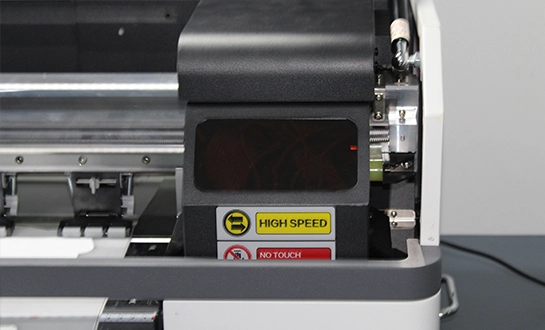
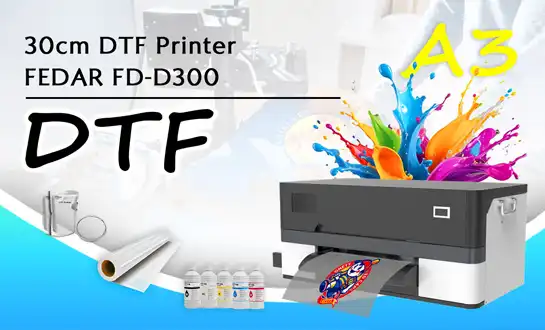
Some pieces of equipment, like the Fedar FD-D300 and FD-D302, have Epson F1080-A1 printheads built in. These can handle different droplet sizes and resolutions of up to 1600 DPI. This level of accuracy makes sure that colours are smooth and that fine details are visible, even in logos and photos that look very real.
Integrated White Ink Circulation
White ink sedimentation is a common problem that can happen with pigment printing. Professional DTF systems have active circulation and planned stirring that keep titanium dioxide particles in the air and keep the nozzles from getting clogged. This dependability cuts down on servicing problems and makes printheads last longer.
Optimized Film Feeding and Curing
During high-speed passes, vacuum adsorption platforms keep the film flat, which stops registration errors between colour layers. Multi-zone heating devices make sure that the glue powder melts evenly, which means that the bond strength and hand-feel are the same on every transfer.
Real-World Performance Data
Case studies from clothing designers show that binding test scores were higher than Grade 4 on the ISO 105-C06 wash fastness standards. Transfers can stretch more than 300% without cracking, which makes them perfect for the performance wear and activewear markets. These measurable results give people more faith in their equipment investments in a PET film printer.
Selecting the Right PET Film Printer for Your Business Needs
Key Technical Parameters
Resolution (1200–1600 DPI for detailed work), print speed (measured in sheets per hour), and ink type compatibility should be at the top of your list when looking at machines. When compared to single-head models, dual-head configurations like the FD-D302 PET film printer have three times the throughput, printing up to 62 A4 sheets per hour. This makes medium-volume operations much more productive.
Comparing DTF with Other Technologies
DTF can work with any type of cloth, unlike DTG, which needs expensive pre-treatment and doesn't work well on synthetic blends. DTF doesn't need special fabric clothes or light-colored surfaces as sublimation does. Because of this wider flexibility, you don't need as many tools, which makes your work easier.
Budget Considerations and Financing
Starting prices for entry-level desktops are pretty low, so companies and studios can afford them. Look for companies that offer lease-to-own or flexible payment plans. These options let you spread out costs over time and keep your working capital safe.
Trusted Equipment Brands
Inkjet manufacturers like Fedar have decades of experience in the field. Our 400-person facility focuses on original research and development and strict quality control, which makes sure that there is a steady supply of parts and that machines always work well. Strong after-sales teams offer installation, training, and quick technical help, which are all very important when downtime directly affects sales.
Maintenance and Troubleshooting Tips to Maximize PET Film Printer ROI
Routine Preventative Care
It only takes five minutes a day to check the nozzles and find any clogs before they affect the quality of the output. Wiper blades should be cleaned once a week, and the humidity level should be kept between 40% and 60% to keep ink from drying out and static buildup on the PET film printer.
Addressing Common Issues
If the transfers look oily after they've been cured, the plasticiser is probably moving around or melting partially. Change the oven temperature by 5°C at a time and add more rest time as directed by the film maker. Most of the time, smudged ink is caused by wrong curing profiles or low-quality adhesive powder. Most problems can be fixed by moving to approved products.
Warranty and Service Support
Give more weight to providers who offer full guarantees that cover printheads, motors, and control boards. Downtime is kept to a minimum by cross-border support agreements or local service networks. During the procurement process, ask for examples of repair logs and promises on response times.
Sustainable and Eco-Friendly PET Film Printing Solutions
Green Ink Options
Water-based and UV-curable inks get rid of harmful air pollutants and lower the risk of exposure at work. These formulas meet strict environmental standards like OEKO-TEX and GOTS, which makes it possible for eco-friendly brands to work with you.
Recycling and Circular Economy
PET film trash can be gathered and used to make new substrates or feedstock for factories. Having a take-back program shows that a company cares about the earth and appeals to buying teams that care about that too.
Emerging Innovations
Even smaller effects on the environment are expected from research into bio-based PET alternatives and closed-loop ink cartridge systems. If you keep up with these trends, your business will be seen as a leader in sustainability, which will help you get customers who care about green standards.
Conclusion
PET film printer technology is the most flexible, long-lasting, and cost-effective way for businesses in the packaging, textile decoration, and sign markets to print. The technology fixes problems that have been around for a long time in garment printing by allowing print-on-demand workflows, getting rid of minimums, and working with a variety of substrates without any pre-treatment. Models like the Fedar FD-D300 and FD-D302 offer industrial-grade output while being easy to use on a desktop. This makes them perfect for samplers, small studios, and production shops that are growing. By knowing these ten benefits and choosing tools with strong support, you can safely grow your business, please picky customers, and make a profit that lasts.
FAQ
What about PET film makes it last longer than plastic or paper?
The chemical structure of PET makes it very strong and flexible, so transfers can stretch and bend without coming apart. Because it doesn't react with water, UV light, or chemicals, it will last for a long time in tough situations like sportswear and outdoor signs.
What kinds of ink work best with printers that print on PET film?
Aqueous inks based on pigments are the standard for DTF workflows because they offer great colour vibrancy and wash fastness. UV-curable inks work well on rigid surfaces and in packaging, and water-based formulations meet the requirements for eco-friendly certification.
Can PET film printers handle large amounts of work well?
Of course. Dual-head setups, like the Fedar FD-D302, can handle medium-volume jobs with throughput rates of more than 60 A4 sheets per hour. Automated powder applicators and belt dryers make high-capacity processes even more efficient by cutting down on cycle times and labour costs.
Partner with a Trusted PET Film Printer Manufacturer
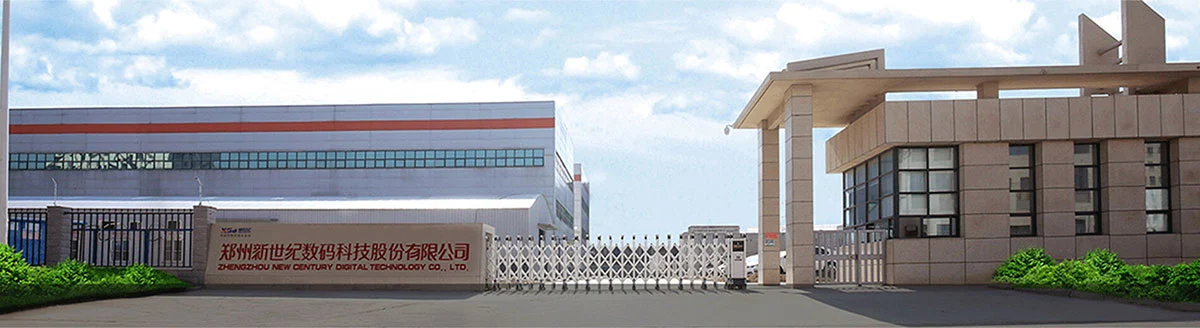
Fedar specialises in providing resellers, studios, and production sites with DTF systems that are ready to use. Original research and development (R&D) and strict quality control are used in our factory to make sure that every machine meets industry standards. The FD-D300 and FD-D302 models are great for starting or growing your garment printing business because they are easy to get and don't cost much. With no minimum order size, high-quality industrial output, and designs that save space, these systems give you the confidence to serve a wide range of clients. Email our team at info@tex-printer.com to talk about your needs, get samples, and look into open ways to work together that fit your growth goals.
References
1. Smith, J. & Lee, R. (2022). Advances in Polyethylene Terephthalate Film Applications for Industrial Printing. Journal of Applied Polymer Science, 139(4), 52189.
2. Anderson, M. (2021). Direct-to-Film Transfer Technologies: A Comprehensive Guide for Textile Decorators. Textile World Press.
3. Chen, H. & Zhao, Y. (2023). Sustainability in Digital Textile Printing: Material Selection and Lifecycle Analysis. International Journal of Green Manufacturing, 8(2), 145-162.
4. Thompson, L. (2020). Inkjet Print Head Technology and Pigment Ink Formulations for PET Substrates. Digital Printing Technical Review, 15(3), 78-94.
5. Rodriguez, P. & Kumar, S. (2022). Quality Control Standards for Heat Transfer Printing in B2B Procurement. Industrial Print Quality Assurance Handbook, Chapter 7.
6. Williams, K. (2023). Economic Analysis of Print-on-Demand Business Models Using DTF Technology. Small Business Innovation Quarterly, 11(1), 34-49.

Aelx Chen
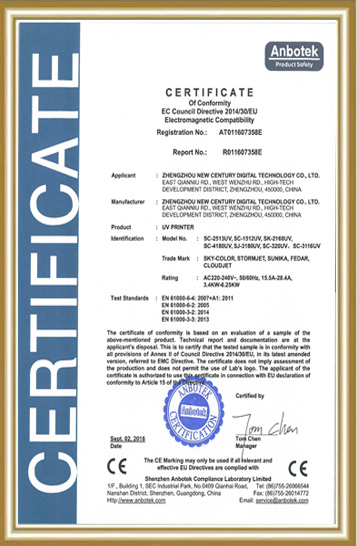
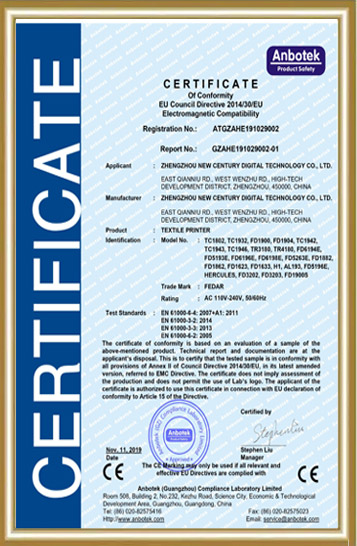
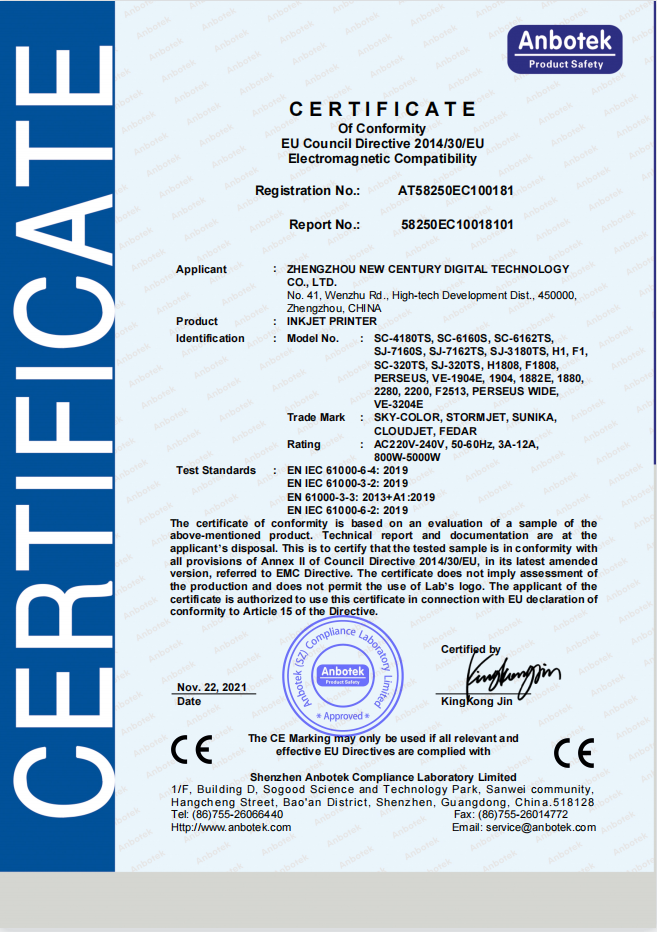
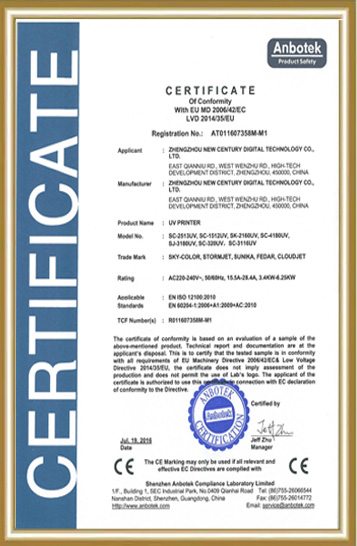
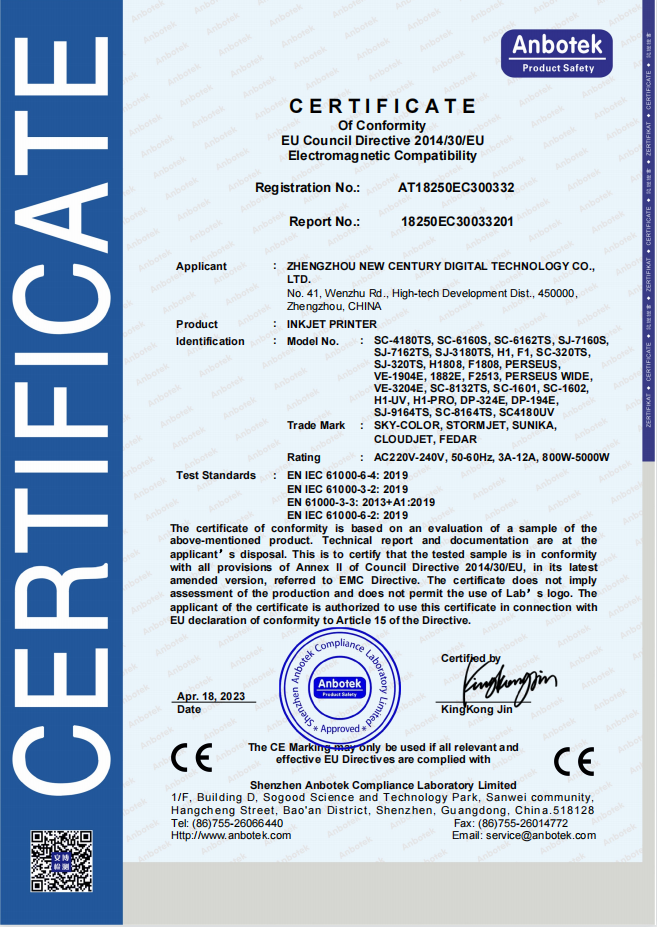
Alex Chen has accumulated extensive R&D and industrialization experience in the digital textile printing field, focusing on the innovation and optimization of digital printing equipment, direct-to-garment (DG) processes, and application solutions. He led the independent R&D and mass production of the company's core textile printing machines and DG printers, promoting their application in the textile, advertising, home furnishing, and personalized customization markets. The equipment he led has passed ISO9000 and CE certifications, earning the trust of a wide range of customers. He continuously provides customers with professional technical support and industry trend analysis, contributing to the upgrading and efficiency improvement of the digital printing industry.
We Look Forward to Your Email
Please send us product information that interests you, and we will provide you with one-on-one service.
_1778203196111.png)
Recommended Blog
Dye Sublimation Printer Sublimation Transfer Printer: 5 Things to Know for 2026
Best DTF Printing Machine for Small Business: A Buyer's Guide