Roll to Roll DTF Printer for High-Volume Textile Production
Understanding Roll-to-Roll DTF Printing Technology
- Understanding Roll-to-Roll DTF Printing Technology
- Comparing Roll-to-Roll DTF Printers with Other Printing Technologies
- Making the Right Choice: Procurement Guide for Roll-to-Roll DTF Printers
- Optimizing Roll-to-Roll DTF Printer Performance for Industrial Use
- Future Trends and Innovations in Roll-to-Roll DTF Printing
- Conclusion
- FAQ
- Partner with Fedar for Your DTF Printing Solutions
- References
The roll to roll DTF printer is a huge step forward in decorating textiles. It was designed to help makers achieve efficient, continuous production without losing picture quality. Instead of needing to be operated by hand like sheet-fed systems do, this automated solution combines printing, powder application, and curing into a single, streamlined process. This solves the scalability problems that have long plagued the garment printing industry. These machines can handle large production runs without stopping because they have high-precision printheads that produce bright CMYK+White color output and tension-controlled media handling. To stay competitive in today's fast-paced textile market, you need to understand this technology whether you're in charge of a small printing shop or a large factory.
Understanding Roll-to-Roll DTF Printing Technology
How Roll-to-Roll DTF Works
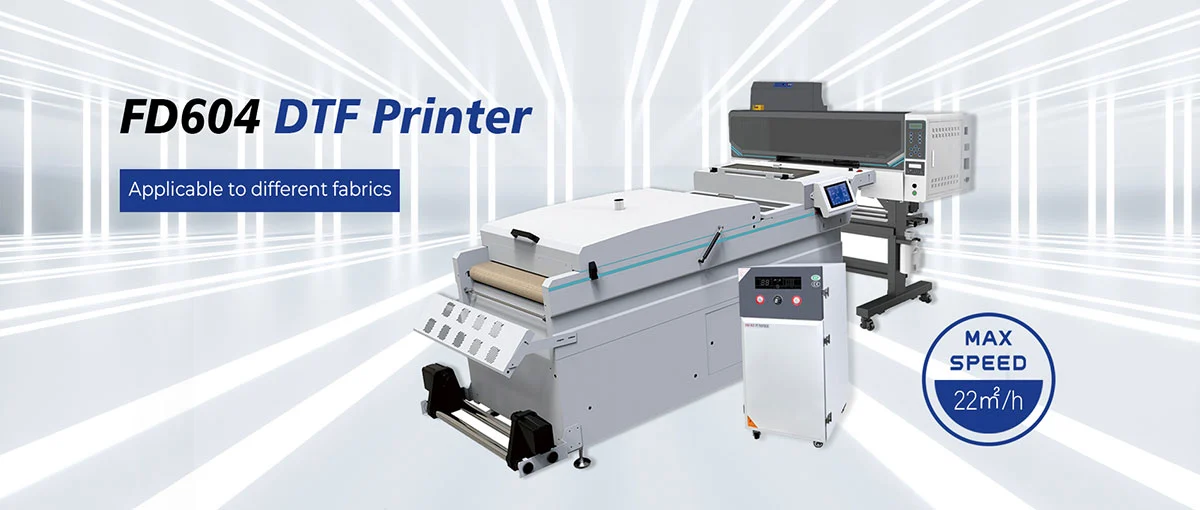
Direct-to-film printing technology changes the way we decorate textiles in a big way. Specialized printers put CMYK and white inks on rolls of PET film to start the process. The rolls then move through a powder shaker that applies hot-melt adhesive powder. The film is ready to be heat-pressed onto fabrics after going through a drying oven that keeps the temperature exactly between 110°C and 150°C. With this continuous process, there are no more steps that require a lot of work, like handling each sheet by hand, which is what happens with traditional methods. The automation cuts down on mistakes made by people, greatly boosts output, and makes sure that the quality of thousands of pictures made during a single work shift is always the same.
Key Technical Components
Several important parts of modern direct-to-film systems must work together for the system to work. The white ink movement system is especially important because white DTF ink has heavy titanium dioxide particles that settle quickly if they aren't stirred constantly. This makes the roll to roll DTF printer get clogged up right away, and the colors don't match up. High-performance printers usually have two or four Epson i3200-A1 printheads that can handle 2400 DPI resolution. This means that even on complicated designs, the details are clear. The tension-controlled media take-up mechanism makes sure that there is zero-shift tracking over 100-meter rolls, which stops misalignment that would make printing less accurate. Also, PLC-controlled heating zones keep temperature differences within ±1°C, which ensures the best ink absorption and powder polymerization over long production cycles.
Maintenance Requirements
To keep these complex tools running, they need to be carefully maintained. Every day, flash spraying and weekly moisturizing of the capping station keep the ink from drying out inside the nozzles when the machine is not in use. Professional operators do "Nozzle Check" and "Step Calibration" routines on a regular basis to make sure that long-run prints don't have any banding. Powder-shaking uniformity also needs to be checked on a regular basis to make sure there is no TPU powder left in areas that aren't images. This affects the soft hand-feel that people expect from good transfers. When properly kept, these systems work reliably 24 hours a day, seven days a week, which makes the initial investment worth it for makers who make a lot of products.
Comparing Roll-to-Roll DTF Printers with Other Printing Technologies
DTF vs. Screen Printing
Screen printing has been used in the textile industry for many years, but it has its limits when customers want things to be customized and turned around quickly. Setting up screens for each color split takes a lot of time and money, so small runs are not a good use of money. By printing full-color designs digitally without any screen preparation, roll-to-roll DTF printer technology gets rid of all of these problems. Direct-to-film systems can print complex graphics with photographic quality and keep prices low for orders from one piece to several thousand units. Screen printing is best for large runs of simple designs. These changes the way printing companies handle customer orders because they can take on a wide range of projects without having to worry about minimum orders or setup costs.
DTF vs. DTG Printing
Direct-to-Garment printing made it easier to decorate textiles digitally, but it also has a lot of limitations. DTG machines can only print on fabrics that are high in cotton. They also have trouble with dark colors and need a lot of prep before they can be used. These problems can be solved with the roll to roll DTF printer because it uses printing transfers that are good on cotton, polyester, mixes, and even synthetic performance fabrics. Multiple designs can be printed across the width of the film at the same time, and the film can then be cut and pressed as needed. This greatly speeds up production. DTG needs each garment to be loaded onto a platen one at a time. Direct-to-film systems, on the other hand, make transfers that can be applied to hundreds of items using standard heat press equipment. This makes high-volume environments much more labor-efficient.
Environmental and Energy Considerations
As manufacturers deal with stricter rules and higher customer expectations, concerns about sustainability play a bigger role in their buying decisions. The old ways of writing on textiles use a lot of water to clean the screens and treat the materials, and they also make dangerous chemical waste. The roll-to-roll DTF printer technology uses water-based pigment inks that have very few volatile organic compounds. The process also makes almost no liquid waste. Another benefit is that it uses less energy because curing heaters work at lower temperatures than plastisol curing or traditional cloth printing, which needs high temperatures and long drying times. Companies that focus on green production find that these benefits for the environment help them meet legal requirements and place themselves in the market.
Making the Right Choice: Procurement Guide for Roll-to-Roll DTF Printers
Assessing Production Requirements
To buy the right tools, you should first be honest about what your business needs. Whether entry-level desktop units or industrial-grade continuous systems make financial sense depends on how much production is expected. When you think about your normal order mix, media width becomes very important. A 60cm format works well for most clothing uses, while smaller 30cm systems work perfectly for sample makers and small batch production shops. Resolution needs to depend on the audience you're trying to reach. For most business uses, 1600 DPI is fine, but for intricate cloth designs, you may need higher settings. Knowing these factors before talking to suppliers can help you avoid expensive problems where machine skills don't match up with production needs.
Fedar has solutions for all of these types of problems. The Epson F1080-A1 printer in the FEDAR FD-D300 roll-to-roll DTF printer gives you industrial-quality output on your desk. It has a 300mm print area and 1600 DPI resolution. This single-printhead setup makes about 10 A3-sized prints or 20 A4 prints an hour in CMYK+White, making it a great starting place for businesses that want to start doing DTF. Dual printheads in the FD-D302 model make it twice as productive. It can print either 31 A3 or 62 A4 pages per hour at the same print width and resolution. The "start your DTF business with zero experience" attitude is reflected in both systems, which offer low-cost entry into garment printing with high profit margins per order, print-on-demand freedom without minimum order requirements, designs that save space, low energy use, and lower upkeep needs.
Evaluating Manufacturers and Suppliers
Choosing where to buy something has long-term effects that go far beyond the original cost. Manufacturers with a good reputation and well-established factories can guarantee that replacement parts will be available and technical support will continue for as long as the equipment is used. Fedar runs a 400-person factory that focuses on original research and development (R&D) and production with strict quality control standards. The factory is strongly rooted in the inkjet printer market but can also be used in other industries. This level of industrial stability makes sure that core parts are always available and that the technical know-how is in place to support setups that are more complicated. The company works with customers all over the world in a variety of ways, so whether you're a reseller of digital printing equipment, a wholesaler of advertising equipment, or a medium-sized printing factory looking for ways to expand your reach, the company can help.
Installation and Support Considerations
Professional installation and helpful customer service after the sale are what separate successful operations from those that go wrong. For direct-to-film systems to work properly, the heating zones, ink flow rates, powder application settings, and tension controls need to be precisely calibrated. This is something that factory-trained technicians should do. Manufacturers that offer full installation support and local service networks are especially helpful for international buyers who are in charge of complicated supply chains. Fedar has a strong after-sales support team that can help with technical training, marketing materials, and troubleshooting. This keeps your relationships with customers safe and your income lines open. When looking at different providers, make sure you ask about how they handle pressing service needs, the availability of extra parts, and training programs that give your technical staff the skills they need to do regular maintenance on their own.
Optimizing Roll-to-Roll DTF Printer Performance for Industrial Use
Identifying Production Bottlenecks
To get the most output, you need to look at your whole process in a planned way. At first glance, limits on print speed may seem clear, but they are often created by processes that happen afterward. Overall output capacity is often determined by things other than printing speed alone, such as curing time, cooling times, and transfer application rates. Quality problems are usually caused by changes in the surroundings, like temperature and humidity, which affect how the ink works, or by technical problems, like not calibrating the tension system properly. By doing thorough process audits, you can find the places where investing in extra equipment or reorganizing the workflow will lead to the biggest gains in productivity. Companies that make printing equipment say that fixing these hidden problems can often boost output by 30 to 40 percent without buying more roll to roll DTF printers.
Preventive Maintenance Protocols
Unexpected downtime ruins production plans and loses customers' trust. Setting up regular maintenance schedules greatly increases the life of machines and lowers the cost of emergency repairs. Every day, routines include cleaning the printer, checking the nozzles, and making sure the ink transfer system works. Maintenance on the capping station, cleaning of the vacuum suction platforms, and checking the line of the tension rollers are all jobs that need to be done every week. Every month, reviews check the performance of the heating element, software changes, and a full cleaning of all powder handling parts. When operators write down these tasks, they create useful standard data that can be used to predict how parts will wear and to schedule replacements for planned breaks instead of in the middle of a rush order.
Quality Control Standards
Professional quality control is more than just looking at finished prints. Standardized testing methods in the industry give accurate measurements of performance that reassure customers and find new issues before they affect production. The Cross-cut Adhesion Test (ISO 2409) checks how well cured transfers stick to cloth. The Wash Fastness Test (AATCC 61-2A) makes sure that pictures don't peel or fade after 50+ washes. Color Delta E readings make sure that the first and last meters of a 100-meter roll reproduce colors the same. This is very important for keeping brand color standards across big orders. By putting these quality control measures into place, your business will go from just making prints to providing certified, reliable results that justify higher prices and bring in repeat customers.
Future Trends and Innovations in Roll-to-Roll DTF Printing
Technological Advancements
The field of continuous film printing changes quickly as companies compete to solve the market's remaining problems. Next-generation ink formulations offer better wash resistance, brighter white visibility, and greater fabric compatibility, especially for technical fabrics used in sportswear and outdoor activities. New printhead technologies offer better native resolutions and faster firing rates without losing reliability, which is another step forward in precision printing mechanics. Smart color management systems that change based on the environment, predictive maintenance algorithms that set service times based on actual component wear instead of random intervals, and built-in quality inspection that uses computer vision to find flaws in real time during production runs are all examples of AI-driven automation that is used in the workplace.
Sustainability Initiatives
Environmental laws and companies' promises to be more environmentally friendly affect choices about what tools to buy more and more. Manufacturers of ink are working on bio-based alternatives to parts that come from petroleum while still meeting the performance standards that industrial users want. Heating systems that use less energy cut down on power use during curing processes, and some companies are looking into LED curing technologies that could get rid of the need for traditional ovens completely. Water-based ink systems keep getting better so that they can match or beat the durability of solvent-based options without hurting the environment. These environmentally friendly new products are in response to market pressures from both regulators and customers, who want names that are more environmentally friendly throughout their supply lines.
Scalability and Upgrade Pathways
Smart methods for buying things take future growth into account when choosing what to buy. As production rates rise, modular system designs let you add printhead modules, lengthen the lengths of dryers, or add automated roll handling systems to gradually increase capacity. Machines stay compatible with new file types, color management standards, and process management systems as software updates make them possible. Clear technology roadmaps and backward-compatible upgrades from manufacturers are better at protecting your capital investment than proprietary roll-to-roll DTF printer systems that need to be replaced completely when new features come out. Checking with suppliers about how committed they are to long-term product support and improvement helps your production infrastructure stay competitive for as long as the equipment is in use.
Conclusion
In conclusion, when making a lot of textiles, you need a roll to roll DTF printer that combines speed, quality, and dependability. This combo is made possible by direct-to-film printing technology, which uses automated processes to get rid of the need for manual handling. This cuts down on labor costs and makes sure that output stays the same over long production runs. To make the implementation work, the right equipment must be carefully chosen based on the production needs; it must come from manufacturers with a strong support system and a history of technical success, and the company must commit to following preventative maintenance procedures. As improvements are made to ink chemistry, precision mechanics, and smart automation, this technology keeps getting better. Companies that invest in it are better able to take advantage of the growing market demand for customized textile decoration while also meeting stricter environmental standards.
FAQ
What maintenance demands does a roll-to-roll DTF printer have compared to other printing technologies?
Because titanium dioxide can settle, direct-to-film systems need to have their printheads cleaned and the flow of white ink checked every day. But they don't need to be cleaned, reused, or stored like screen printing does, and they don't need to have their printheads or preparation systems maintained as often as DTG equipment does. When you consider that these systems are automated and require less human input, the overall upkeep load is the same or less.
What key factors should I consider when selecting equipment for large-scale textile manufacturing?
The amount of production decides whether it is cheaper to use a single printer or multiple printheads. The media width needs to be big enough to fit your standard order sizes without too much waste. The accuracy of the heating zone affects the consistency of the transfer quality over long runs. You can keep your business running by buying from well-known companies that have recorded plant capabilities, helpful technical support networks, and a history of having parts available. When comparing investments, it's easier to see which ones are best when you look at the total cost of ownership, which includes things like energy use, replacement parts, and repairs.
Are financing solutions available to support acquisition of industrial direct-to-film equipment?
Manufacturers and companies that finance specialized equipment offer a range of payment plans, such as traditional loans, lease-to-own agreements, and payment plans based on production. Some sellers offer discounts for buying in bulk when you order more than one unit or a package deal that includes extra equipment. B2B buying platforms are making it easier for these kinds of deals to happen by adding financial options that are specifically designed for foreign buyers who have to manage complicated supply chains.
Partner with Fedar for Your DTF Printing Solutions
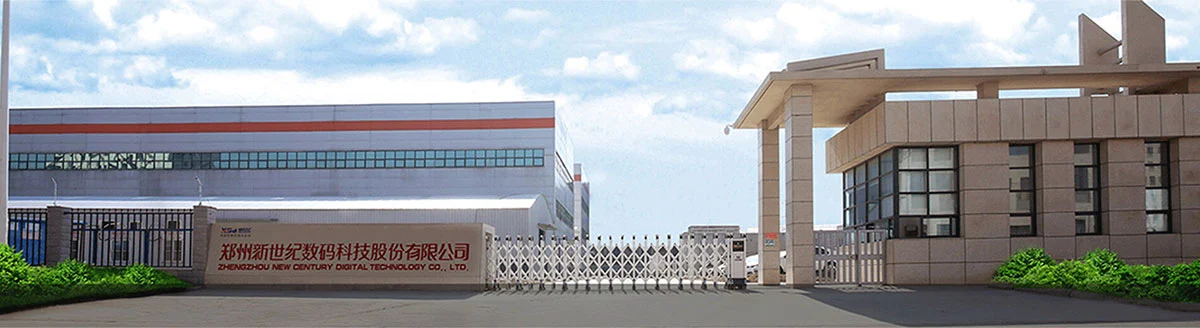
To increase the number of textiles you can decorate, you need a roll-to-roll DTF printer provider that knows both the technology and the obstacles your business faces. Fedar combines knowledge of original equipment manufacturing with a full support system made just for agents, distributors, and production facilities that want to grow and make money. Our 400-person production facility and engineering team work together to come up with solutions that can be used for a wide range of things, from decorating clothes to making home textiles and promotional items.
We understand that buying equipment is only the start of a long-lasting partnership. That's why Fedar offers technical training programs, support for reproducible samples, marketing materials, and quick service after the sale to keep your customer relationships and revenue streams safe. Our flexible partnership models can be used by any type of business, from established digital printing equipment resellers looking for DTF opportunities to medium-sized factories looking at marketing opportunities.
Get in touch with our technical consulting team at info@tex-printer.com to talk about how Fedar's direct-to-film printing options can help you improve the way you do production. You can ask for detailed specifications for our FD-D300 and FD-D302 models, set up evaluations of samples, or visit our factory to see for yourself how well we can make things. We want you to be successful, so we offer reliable equipment, competitive agent prices, and the ongoing partnership that makes Fedar stand out in the global textile printing business.
References
1. Bhatia, D., Sharma, A., & Malhotra, U. (2021). "Advances in Digital Textile Printing Technology: A Comprehensive Review." Journal of Textile Science & Engineering, 11(4), 145-162.
2. Chen, W., & Liu, J. (2022). "Comparative Analysis of Direct-to-Film and Direct-to-Garment Printing Technologies for Industrial Applications." Textile Research Journal, 92(7-8), 1234-1247.
3. European Textile Printing Association. (2023). "Sustainability Standards for Digital Textile Decoration: Environmental Impact Assessment of Emerging Technologies." Brussels: ETPA Technical Publications.
4. Gupta, S., & Patel, R. (2022). "Optimization Strategies for High-Volume Roll-to-Roll Printing Systems in Textile Manufacturing." International Journal of Advanced Manufacturing Technology, 118(5-6), 1823-1837.
5. Nakamura, T., & Yoshida, H. (2023). "Ink Formulation Chemistry for Direct-to-Film Transfer Printing: Durability and Color Gamut Considerations." Coloration Technology, 139(2), 201-215.
6. Smith, P. L., & Johnson, K. M. (2021). "Total Cost of Ownership Analysis for Industrial Textile Printing Equipment: A Decision Framework for B2B Procurement." Industrial Engineering & Management Systems, 20(3), 412-428.

Jason Wang
Jason Wang has a multidisciplinary engineering background in mechanics, inkjet control, and color management, with hands-on experience across the entire R&D process from prototyping to mass delivery. Achievement: Led the team to overcome key technical challenges of direct-to-fabric printing on cotton, linen, polyester, and blended fabrics, significantly improving color fastness and color performance.
We Look Forward to Your Email
Please send us product information that interests you, and we will provide you with one-on-one service.
Recommended Blog


A3 DTF Printer vs A4 DTF Printer, Which is Right for Business
What is DTF Printing? A Complete Guide to Direct-to-Film Printing.

Digital Textile Film Printer: What Kind Is Best For Your Business?
How to Choose the Right DTF Printing Machine for Your Business?
Roll to Roll DTF Printer vs Flatbed: Which One Should You Buy?