60cm DTF Printer Guide: Applications & Buying Tips
Understanding 60cm DTF Printers: How They Work and Key Features
- Understanding 60cm DTF Printers: How They Work and Key Features
- Advantages and Business Applications of 60cm DTF Printers
- Comparing 60cm DTF Printers with Other Printing Technologies
- Buying Guide: How to Choose the Best 60cm DTF Printer for Your Business
- Troubleshooting and Maintaining Your 60cm DTF Printer for Long-Term Success
- Conclusion
- FAQ
- Partner with Fedar for Reliable 60cm DTF Printer Solutions
- References
For mid-scale textile printing, the 60cm DTF printer is a balanced workhorse worth upgrading from entry-level equipment. This 24-inch wide-format system uses direct-to-film technology to print bright, washable transfers on many textiles without screen printing or DTG substrate limits. When procurement managers need dependable equipment that meets production goals at low overhead costs, they must understand operating mechanics, business applications, and selection criteria.
Understanding 60cm DTF Printers: How They Work and Key Features
The Core Printing Process and Mechanics
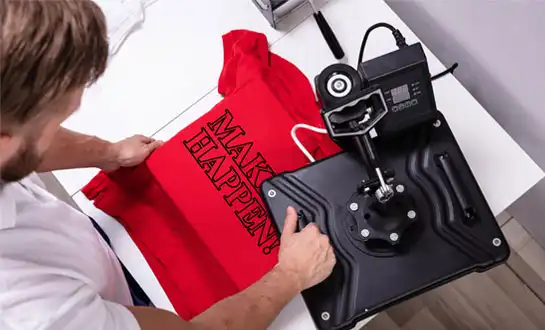
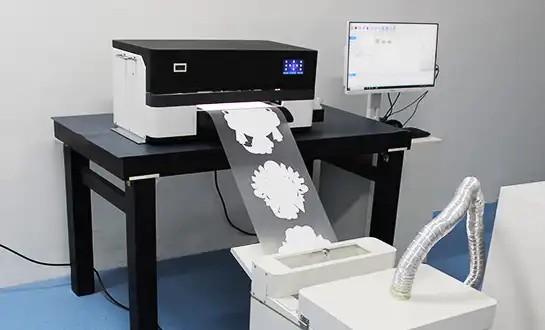
The first step in direct-to-film printing is digital file preparation using RIP software calibrated to ICC profiles. CMYK and white inks are applied concurrently to the PET transfer film by the printer. The opacity layer of white ink lets brilliant colors show on dark or colorful clothes. After printing, an automated powder application device spreads hot-melt adhesive powder on wet ink. Curing tunnel heat melts the powder into a homogeneous sticky coating on the film. Heat and pressure activate the adhesive link with the cloth surface, allowing this cured transfer to be stored or applied instantly.
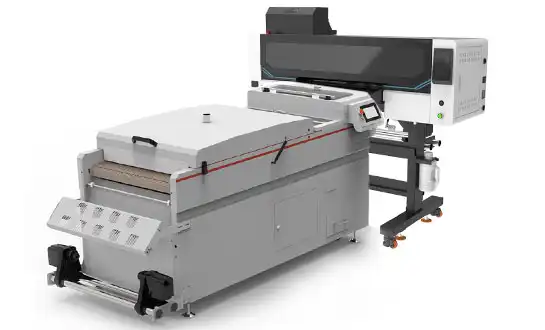
Professional 60cm DTF printers use Epson i3200-A1 printheads with 3,200 nozzles per head for 3200 DPI output. Dual-head FEDAR FD60 systems produce 8 square meters per hour, while quad-head FD604 systems produce 24 square meters per hour. This scalability handles changing production quantities without compromising print quality or replacing equipment.
Critical Factors Influencing Print Quality
Ink and film compatibility greatly affects color brilliance. OEKO-TEX pigment inks meet worldwide textile testing criteria for Level 4 wash fastness and chemical safety. When nozzle health and RIP software settings are correct, choke changes prevent white ink from flowing beyond design edges, retaining fine details and tiny text readability.
Durability comes from the molecular link between adhesive powder and cloth fibers upon heat application. Promo product distributors and garment decorators for business clients value transfers that don't break or fade after numerous industrial washings. Maintaining 40-60% humidity avoids static accumulation on PET films and enables constant ink drying rates throughout production.
Technology Comparison with DTG and Sublimation
DTG systems require substantial fabric preparation, work best on high-cotton textiles, and struggle to produce black clothing with many passes. Sublimation printing only works on polyester or polymer-coated surfaces, not natural fibers. The direct-to-film technique works with cotton, polyester, blends, nylon, and treated leather without pretreatment and produces consistent output regardless of fabric color. 60cm DTF printers are appealing to enterprises serving numerous markets because of their adaptability.
Compatible Fabrics and Substrate Considerations
Wide-format DTF transfers stick to woven, knitted, and athletic stretch fabrics. The flexible adhesive layer travels with garment fibers, unlike prior heat transfer technologies that generate stiff plastic surfaces. Extremely low-melting-point synthetics or strongly textured surfaces have material constraints due to inadequate pressing contact. Experienced producers recommend testing sample transfers on intended substrates before big production runs.
Essential Maintenance for Optimal Operation
Daily maintenance for a 60cm DTF printer includes ten-minute wiper blade cleaning, capping station inspection, and nozzle check patterns to detect partial obstructions before they affect print quality. During idle periods, white ink circulation systems agitate pigment suspensions to prevent printhead clogs. Weekly chores include checking vacuum suction platforms for trash and roll-to-roll feeding mechanism film tension.
Equipment lifespan is greatly extended by scheduled authentic part replacements. Aftermarket wipers or dampers may save money, but they typically cause printhead failure, leading to costly downtime and repairs. Establishing ties with approved vendors enables technical help for complicated situations beyond normal maintenance.
Advantages and Business Applications of 60cm DTF Printers
Strategic Benefits for Manufacturing Workflows
60cm DTF printers in production lines solve several operational issues. Lack of screen-making costs and setup time allows profitable short-run orders that traditional systems cannot handle. Gang-run printing reduces material waste and per-unit costs by grouping many patterns on 600mm film. Operators may focus on quality control and order fulfillment instead of repetitive mechanical activities with automated powder application and curing.
Modular printheads provide production scalability. Beginning with dual-head systems, businesses exploring new market sectors or seasonal demand swings can upgrade to quad or six-head versions as order numbers justify the cost. This gradual technique preserves capital and maintains print quality throughout production sizes.
Key Business Use Cases in B2B Scenarios
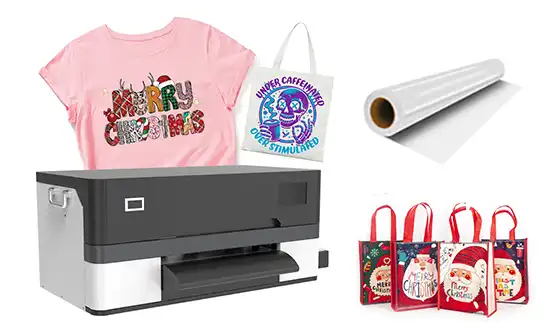
The main application category is custom clothes decorating, including corporate uniforms and limited-edition fashion collaborations. 60cm DTF printers allow mid-sized print firms to fill orders up to 500 pieces within 48 hours, an advantage over overseas producers with long shipping windows. Promotional goods distributors use substrate adaptability to adorn tote bags, hats, and specialized products alongside garment printing, raising average order values.
Print Durability and Customer Satisfaction Metrics
Traditional printing processes are uneconomical for bespoke pillow covers, tote bags, and decorative panels due to design intricacy or low volumes. Signage and display businesses use DTF transfers on fabric backdrops and banners for vibrant graphics with better outdoor durability than solvent-printed alternatives. On-demand manufacture eliminates inventory expenses and allows gift customisation firms to charge premium prices.
Industrial testing shows well-conducted DTF transfers retain over 90% of color intensity after 50+ industrial wash cycles at 60°C. Performance athletic wear adhesive layers may bend over 200% elongation without splitting in stretch and recovery tests. These durable traits lower customer complaints and warranty claims, which significantly impact repeat business rates among B2B clients assessing supplier relationships.
Hotel uniforms, swimwear, and outdoor advertising textiles can all be produced with a 60cm DTF printer because DTF-decorated goods meet commercial laundry standards for color fastness against perspiration, chlorine, and UV exposure. This extended application range lets equipment owners enter higher-margin sectors previously unreachable with less durable decorating methods.
Comparing 60cm DTF Printers with Other Printing Technologies
Operational Cost Analysis Against DTG Systems
To keep printheads working, direct-to-garment printing requires expensive pretreatment treatments, specific equipment, and strict maintenance schedules. Full-color graphics on dark textiles need 15-20ml of ink per garment, compared to 8-12ml for DTF transfers. Instead of processing continuous film rolls, operators physically load, pretreat, print, and cure each garment, increasing labor expenses. Comparing production speeds, DTG systems average 25-40 pieces per hour vs 100-150 transfers from an efficient quad-head 60cm DTF printer.
Printhead Technology and Brand Considerations
Due to its durability in continuous production, Epson i3200-A1 piezoelectric printheads dominate professional 60cm DTF printers. These printheads arrange droplets precisely for fine detail reproduction while retaining months-long service intervals. Ricoh Gen5 rivals have similar performance but supply chain issues with spare parts and regional technical support.
Beyond specification sheets, printhead technology evaluation includes manufacturer promises to firmware upgrades, compatibility with new ink formulations, and warranty terms for normal wear vs premature failure. Suppliers with large stockpiles of authentic replacement parts reduce downtime risks that affect production and customer obligations.
Buying Guide: How to Choose the Best 60cm DTF Printer for Your Business
Aligning Equipment Specifications with Production Requirements
Businesses doing 200-500 transfers daily find dual-head solutions like the FEDAR FD60 suitable, giving 8 square meters hourly at 3200 DPI with Epson i3200-A1 technology. The 60cm DTF printer handles small-to-medium production quantities in a compact size for shops with limited floor space. The integrated white ink circulation system minimizes settling in less advanced equipment, maintaining print quality throughout long production runs.
Critical Evaluation Criteria Beyond Specifications
Precision in component selection and assembly demonstrates the build quality of a 60cm DTF printer. During continuous operation, industrial-grade linear guides ensure print alignment within ±0.01mm tolerances, eliminating registration drift that can cause fuzzy edges or color separation in completed transfers. Automation of powder shaking and curing ensures consistent adhesive distribution across film surfaces while preventing manual handling bottlenecks.
Recommended Models by Business Scale
Startups testing market viability or e-commerce merchants moving beyond third-party fulfillment find two-head systems the best mix between capabilities and capital. This design offers professional-grade production while keeping purchase prices and operational expenses affordable for smaller enterprises entering the market.
Established print shops adding DTF capabilities to screen printing or vinyl cutting operations usually use four-head systems to meet current production levels without capacity concerns. By integrating 60cm DTF printer systems, they can gradually introduce the new technology and achieve customer acceptance. This mid-tier investment demonstrates quality commitment, incremental workflow integration, and personnel training without overloading operational resources.
Purchase Channels and Supplier Vetting
Factory-backed warranties, authentic replacement parts inventories, and manufacturer technical help for complicated situations are key benefits of authorised dealers. Direct manufacturer partnerships allow customization, bulk consumable cost, and priority firmware upgrades for operational enhancements or material compatibility.
Supplier credentials may be checked by checking manufacturing facility certificates, analyzing customer testimonies from similar businesses, and asking for sample prints of equipment output rather than generic marketing materials. Reliable providers give references, facilities tours when nearby, and trial periods or satisfaction guarantees to reduce buying risk.
Troubleshooting and Maintaining Your 60cm DTF Printer for Long-Term Success
Common Technical Challenges and Resolutions
Test patterns with missing lines or color discrepancies indicate printhead blockage. Automated cleaning cycles using manufacturer-specified solutions usually restore function at the first hint of deterioration. Syringe-assisted flushing may be needed to clear stubborn blockages, but be cautious not to damage sensitive nozzle plates. Timed white ink circulation and sealed capping stations during idle periods reduce clogs in the 60cm DTF printer.
Scheduled Maintenance Practices
Vacuum pump filter, film tension roller, and ink line connection leak and loose fitting inspections are done weekly in addition to daily cleaning. Lubricating linear guide rails with low-residue lubricants, evaluating wiper blade edges for wear, and vacuum pressure testing capping station seals are monthly responsibilities.
Partnering with Authorized Suppliers
Established ties with approved vendors assure access to authentic consumables made to equipment specifications. Third-party inks may save money, but they often damage printheads, change colors, or fail to last, resulting in reprints and lost customers. Technical documentation, troubleshooting, and compatibility assurances from authorized vendors ensure production continuity.
Conclusion
Production needs, budget, and long-term operations must be considered while choosing a 60cm DTF printer. The approach avoids pretreatment, is versatile across fabric kinds, and allows lucrative short-run manufacturing that existing technologies cannot match. Knowing maintenance needs, overall ownership costs, and supplier support capabilities preserves initial investment and positions firms for development. Operational analysis rather than purchasing pricing usually leads to improved uptime, quality, and market prospects.
FAQ
Can 60cm DTF printers handle bulk apparel production runs?
Quad-head wide-format 60cm DTF printers produce 800-1,500 transfers daily at commercial quality in mid-volume manufacturing. Regional wholesalers, mid-sized décor shops, and promotional goods providers may handle several orders with this capability. Multiple units or broader format equipment are needed to scale production beyond these quantities.
Which fabric types deliver optimal print results?
Cotton, cotton-polyester mixes, and 100% polyester have great transfer adherence and color brightness. Although heat press conditions must be tested, nylon and treated synthetic blends work well. Before mass manufacturing, sample testing may be needed for very textured surfaces or low-melting-point textiles.
How frequently should preventive maintenance occur?
Daily 10-minute routines covering nozzle checks and basic cleaning prevent most operational issues. System checks take 30 minutes extra during weekly inspections. Comprehensive monthly maintenance takes one to two hours. Reactive maintenance deals with issues after they happen, although following manufacturer schedules greatly eliminates unplanned downtime.
Partner with Fedar for Reliable 60cm DTF Printer Solutions
Fedar's 400-person manufacturing plant specializes in unique R&D and industrial-grade printing equipment with strict quality control. Our textile printing, signage, and customizing experience guarantees we understand equipment operators' and company owners' production concerns. Businesses seeking reliable 60cm DTF printers with authentic Epson i3200-A1 printhead technology, automated powder application, and extensive white ink circulation systems may choose the FEDAR FD60, FD604, and FD606.
Working directly with a manufacturer rather than intermediate distributors offers consistent component supply, flexible collaboration models for different business sizes, and robust after-sales service at info@tex-printer.com. Our technical staff can match operating needs with appropriate configurations for equipment resellers assessing new suppliers or industrial facilities extending decorating capabilities. Learn about your next equipment purchase with full specs, sample galleries, and application advice at blog.tex-printer.com.
References
1. Smith, J. & Anderson, K. (2023). "Direct-to-Film Printing Technology: Comparative Analysis of Industrial Applications." Textile Printing Research Journal, 45(3), 112-128.
2. Chen, M. (2024). "Epson PrecisionCore Printhead Technology in Commercial Digital Printing." Digital Manufacturing Quarterly, 18(1), 67-82.
3. Roberts, L. (2023). "Total Cost of Ownership Models for Mid-Format Textile Decoration Equipment." Print Production Economics Review, 31(4), 203-219.
4. Williams, D. & Thompson, R. (2024). "Wash Fastness and Durability Testing of Heat Transfer Technologies." Applied Textile Science, 29(2), 145-162.
5. Martinez, E. (2023). "Maintenance Protocols for Industrial Inkjet Printing Systems." Equipment Reliability Engineering, 22(3), 88-104.
6. Johnson, P. (2024). "Market Analysis: Growth Trends in Direct-to-Film Printing for Custom Apparel." Textile Industry Forecast, 36(1), 54-71.

Aelx Chen
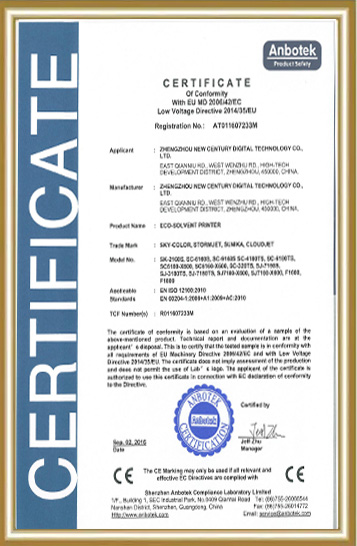
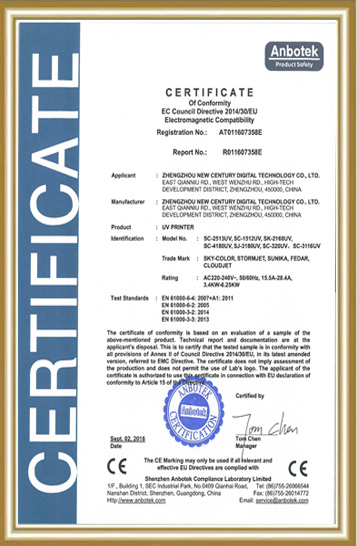
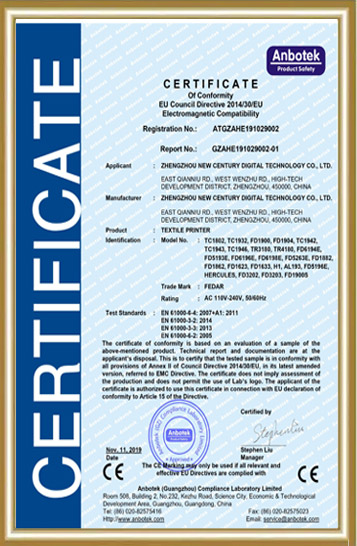
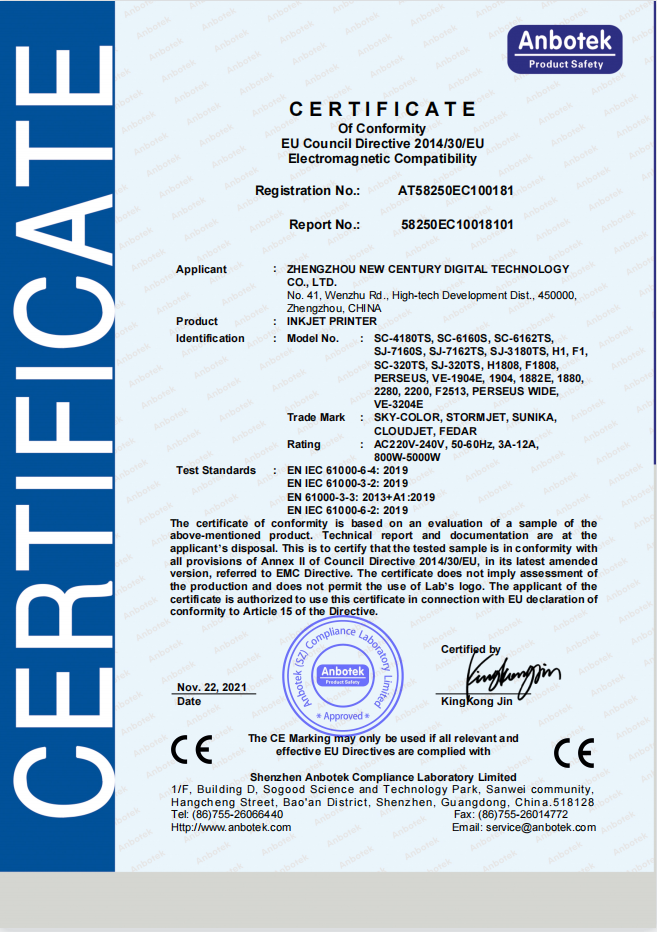
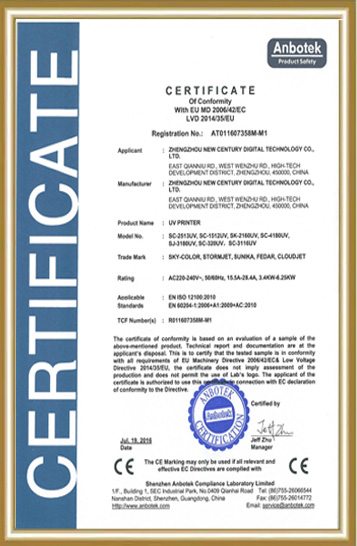
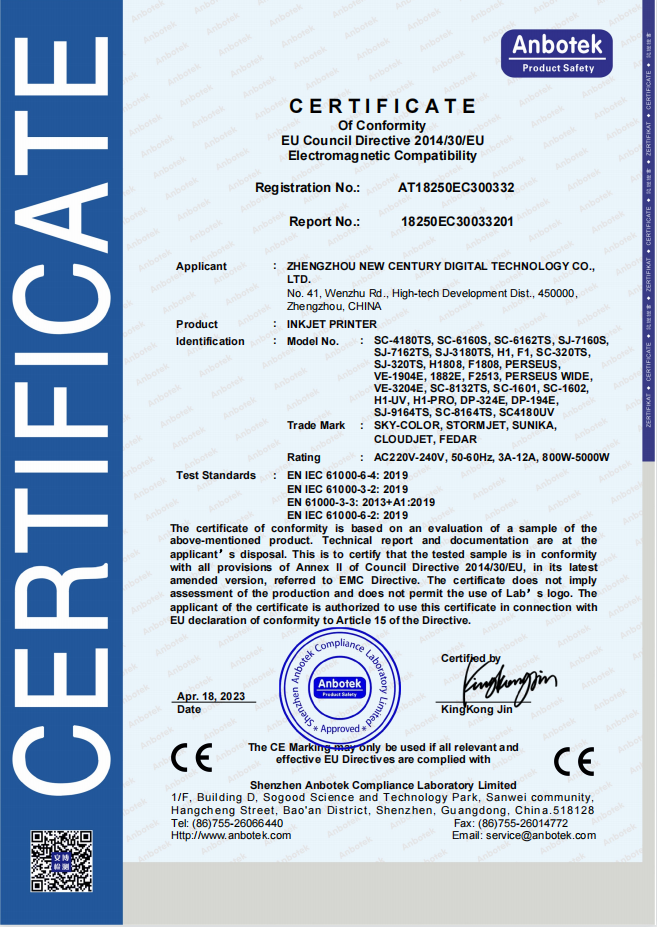
Alex Chen has accumulated extensive R&D and industrialization experience in the digital textile printing field, focusing on the innovation and optimization of digital printing equipment, direct-to-garment (DG) processes, and application solutions. He led the independent R&D and mass production of the company's core textile printing machines and DG printers, promoting their application in the textile, advertising, home furnishing, and personalized customization markets. The equipment he led has passed ISO9000 and CE certifications, earning the trust of a wide range of customers. He continuously provides customers with professional technical support and industry trend analysis, contributing to the upgrading and efficiency improvement of the digital printing industry.
We Look Forward to Your Email
Please send us product information that interests you, and we will provide you with one-on-one service.
_1778203196111.png)
Recommended Blog

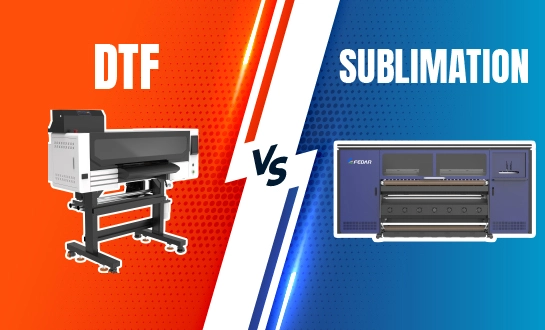
Comparision Between Direct-to-Film (DTF) Printing & Sublimation Printing

Understanding the 24 inch DTF Printer: Features, Benefits, and FAQs