60cm DTF Printer for Versatile Garment and Fabric Applications
Understanding the 60cm DTF Printer and Its Printing Process
- Understanding the 60cm DTF Printer and Its Printing Process
- Benefits and Business Value of 60cm DTF Printers for B2B Clients
- Market Overview and How to Choose the Best 60cm DTF Printer
- Real-World Applications and Case Studies of 60cm DTF Printers
- Troubleshooting and Ensuring Optimal Performance
- Conclusion
- FAQ
- Partner with Fedar for Your 60cm DTF Printer Needs
- References
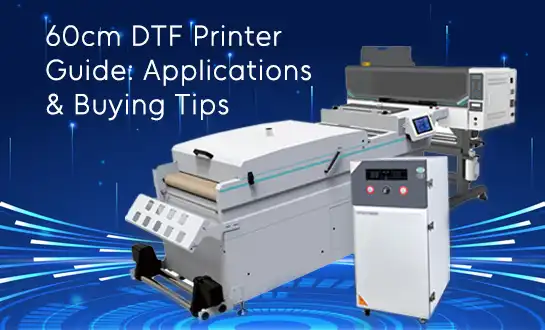
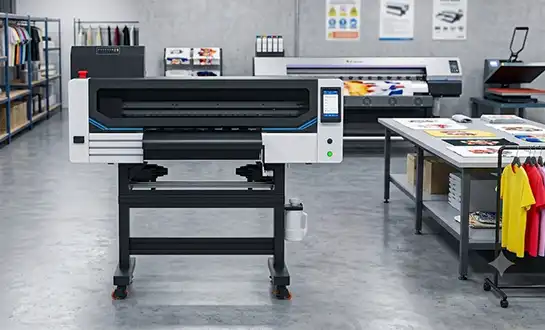
When your production line demands speed without sacrificing quality, a 60cm DTF printer becomes the workhorse your business needs. This 24-inch-wide Direct-to-Film printing solution bridges the gap between compact desktop units and full-scale industrial systems, delivering medium-scale production capacity balanced perfectly between output and physical footprint. By printing vibrant, durable designs onto PET film and transferring them via heat press, this technology eliminates fabric restrictions, reduces labor costs, and scales seamlessly across textile, home décor, and promotional merchandise sectors.
Understanding the 60cm DTF Printer and Its Printing Process
How Does Direct-to-Film Technology Work?
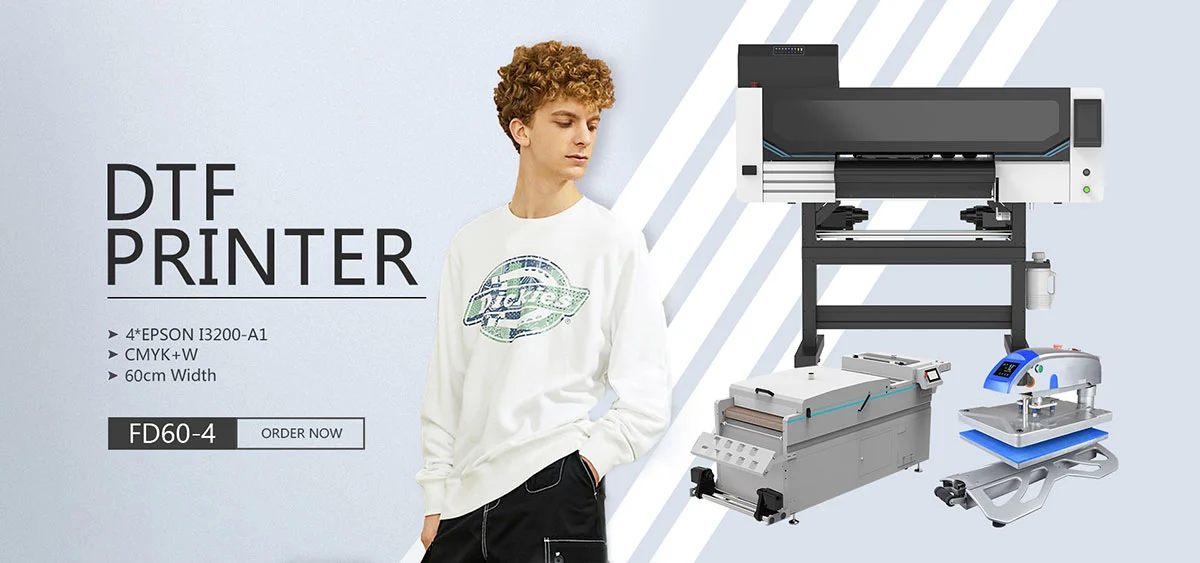
A DTF system's main process is made up of several steps that work together. The Epson i3200-A1 printheads receive digital artwork through RIP software and put CMYK and white inks on a clear PET film base that is clear. The base layer is white ink, which makes sure that the colours stay bright even on dark fabrics. After the printing is done, a machine shakes the powder and spreads hot-melt adhesive powder evenly over the wet ink. The film is then put in an oven to cure, which joins the powder to the ink. After the transfer has cooled, it can be heat-pressed onto clothes at 320°F for 12 to 15 seconds.
Key Components Driving Performance
Industrial-grade DTF printers have white ink circulation systems that keep the nozzles from getting clogged up when the machine is not in use. This is a typical place where less advanced machines break down. Roll-to-roll feeding systems keep the tension constant, which means that colours register correctly within ±0.01mm even during long production runs. The small industrial design includes heating and dehumidification units that keep the quality of the output stable even when the environment changes. These engineering choices directly fix the problems with operations that cause problems for medium-sized factories and ad shops.
Comparing Print Widths and Production Scalability
A 600mm print width lets you do gang-run printing, which prints multiple images at the same time on one film sheet to make the best use of the material. The 60cm format increases throughput by 40–60% without needing more floor space compared to 30cm models that can only handle single-garment layouts. This advantage is important when it comes to turning around large orders of sportswear or promotional clothing quickly, which is what sets you apart from your competitors.
Benefits and Business Value of 60cm DTF Printers for B2B Clients
Cost Efficiency and Operational Advantages
When compared to traditional screen printing, which needs different screens for each colour and design, this technology makes each print a lot cheaper. DTF printers don't need expensive fabric pretreatment solutions because they can print directly on polyester, cotton, nylon, blends, and even leather. Due to better ink transfer efficiency, the average amount of ink used is 15–20% less than with similar DTG systems. Energy use stays about the same at about 1.8kW per hour when printing is underway.
Medium-sized producers like that they can choose between two or four heads. With its two Epson i3200-A1 printheads, the FEDAR FD602 DTF Printer can print 8㎡/h at 3200DPI, making it perfect for small runs that need a lot of detail. When you upgrade to the FD604 model with four printheads, output triples to 24㎡/h, which is enough for stores that sell advertising equipment and handle a lot of orders. This gives companies the freedom to invest in the right equipment for their current needs while still keeping upgrade paths open in case demand rises for 60cm DTF printers.
| Model | Printhead Quantity | Max Speed (6-Pass) | Ideal Use Case |
|---|---|---|---|
| FEDAR FD602 | 2 x Epson i3200-A1 | 8㎡/h | Startups, sample production |
| FEDAR FD604 | 4 x Epson i3200-A1 | 24㎡/h | Medium factories, promotional merchandise |
| FEDAR FD606 | 6 x Epson i3200-A1 | 24㎡/h | High-volume apparel, soft signage |
Maintenance Strategies That Minimize Downtime
As part of daily maintenance, lint-free swabs are used to wipe the printheads, cap tops are checked for dried ink residue, and nozzle checks are run through the control panel. The auto powder mixing and curing unit cuts down on the need for human work, so one person can handle multiple print jobs at once. Cleaning the powder collection tray and replacing the wiper blades are part of the scheduled maintenance that needs to be done every 500 hours. Not doing these things keeps the equipment from breaking down and needing expensive repairs.
Some controls over the environment are also important. Keeping the humidity between 40 and 60% stops static electricity from building up on PET film, which can lead to imbalance. Keeping the temperature of the room stable keeps the ink's viscosity constant. When used with real OEKO-TEX-approved pigment inks that meet textile safety standards, these steps make tools last longer than five years.
Market Overview and How to Choose the Best 60cm DTF Printer
Evaluating Leading Manufacturers
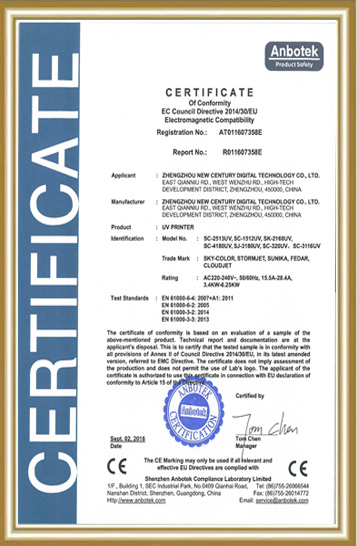
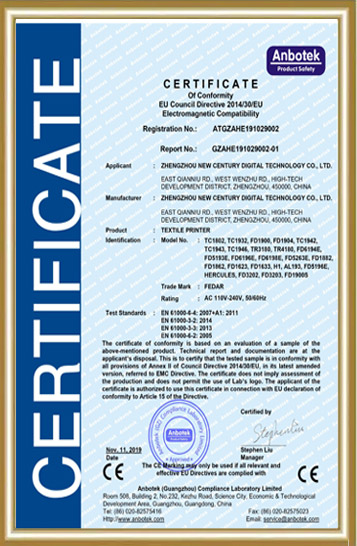
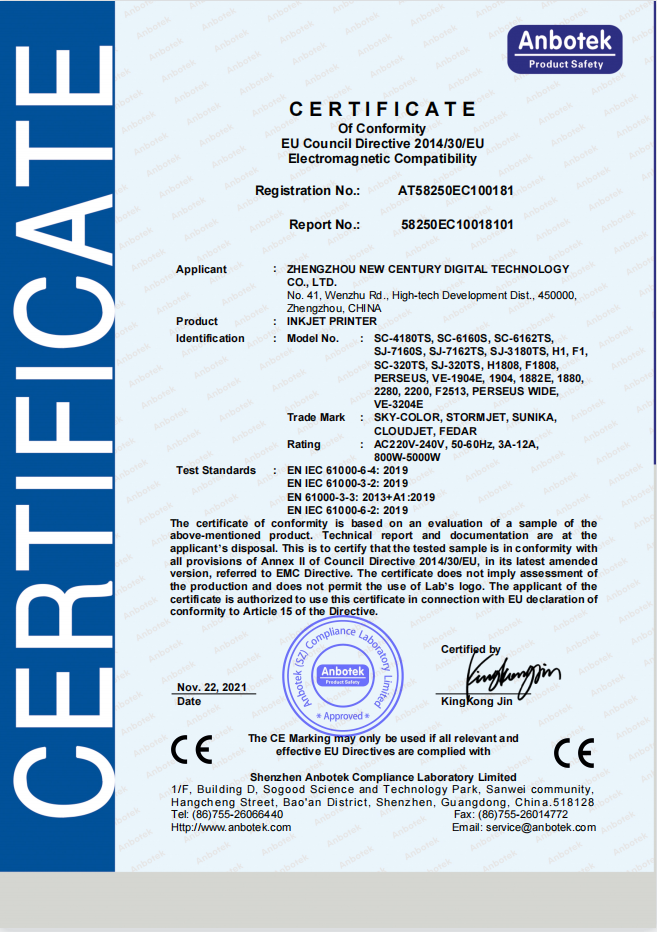
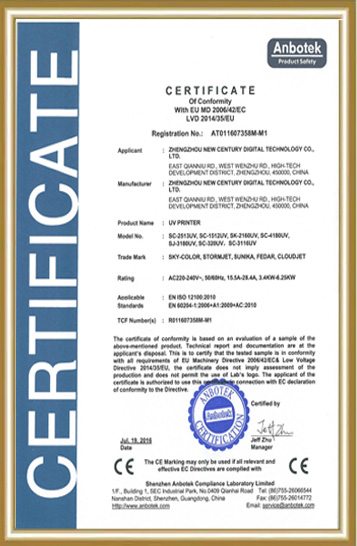
In 2024, the Direct-to-Film market will be dominated by companies that use Epson printheads, which are known for being reliable and long-lasting. Fedar stands out because it has a factory with 400 workers that focuses on original research and development and production with strict quality control. This factory serves customers around the world by providing stable supply chains for parts. Instead of dealers rebranding general units, Fedar's engineering team changes designs to fit the needs of specific industries. They also offer flexible ways for agent networks to work together for anyone sourcing a 60cm DTF printer.
Critical Selection Criteria
The quality of the print depends on the resolution and the ink that can be used. The 3200DPI standard makes sure that small text and fine lines stay clear, which is important for logos and photos with lots of details. When machines don't have the right ICC profile calibration, white ink bleeding happens. This is when the underbase goes beyond the colour borders and blurs the lines. To avoid halos around coloured elements, high-resolution printing also needs precise "choke" settings in the RIP software. These settings shrink the white layer a little.
To specify speeds, you need to know what the situation is like. Advertised speeds often refer to draft modes that aren't good for business work. The 6-pass mode is the standard for comparing models because it strikes a good mix between quality and output. Before committing to bulk purchases, agents should ask for sample prints made at this setting to get a good idea of how vibrant the colours are and how well the layers stick together.
Procurement Pathways and Financing
Tiered pricing structures based on order volume are good for people who sell digital printing equipment. Bulk savings usually start at three units, and flexible margins let store prices be competitive. Foreign trade sales reps can use cross-border support programs that include help with installation and training materials that are written in both English and Spanish. Equipment rental agreements are a good way to finance things because they lower the amount of money you need up front. This is especially helpful for people who sell things online or in small studios that want to start selling to other studios.
Real-World Applications and Case Studies of 60cm DTF Printers
Textile and Apparel Manufacturing
Fashion brands use DTF technology to print complicated full-chest images on sportswear that needs to be stretch-resistant and colourfast. Heat transfer vinyl needs to be carefully weeded, but DTF transfers can be applied in seconds, which speeds up the sample approval process. One medium-sized clothing company said that switching from a DTG system to a four-head DTF system cut the time it took to make a custom hoodie from 12 minutes to less than four minutes. This made it possible to fulfil rush orders the same day using 60cm DTF printers.
Home Textiles and Soft Furnishings
DTF's material versatility makes it useful for making decorative pillow cases, canvas wall art, and custom tote bags. On international longevity scales, the transfers get a Level 4 wash fastness grade, which means they can handle being washed at high temperatures in factories. Interior designers like that they can print photographic-quality pictures on linen mixes without getting the rough texture that comes with sublimation printing. This makes premium market segments possible.
Promotional Merchandise and Signage
Advertising shops use gang-run plans to get the most out of the film when they print branding polo shirts, event banners, and trade show displays for businesses. The technology can work with different base weights and patterns in the same production batch, so there is no need to switch between pieces of equipment. Customer reviews from stores that sell promotional items show that the return on investment (ROI) is faster. Break-even points are reached in 4 to 8 months because of lower material waste and less labour needed compared to screen printing sets.
Troubleshooting and Ensuring Optimal Performance
Addressing Common Technical Challenges
The most common problem is still clogged printheads, which are usually caused by long periods of inactivity without proper capping. Professional printers, like Fedar's FD series, have timed white ink agitation that moves the pigments through the printhead every four hours to keep them from settling. When clogs happen, a cleaning cycle followed by a nozzle check usually clears the system back up. For stubborn blockages, you have to clean them by hand with a special solution. This takes 20 minutes and is explained in detail in repair guides.
Preventive Measures for Continuous Operation
Colour mismatches are often caused by inks that are old or not kept properly. Pigment-based inks stay stable for 12 months if they are sealed and kept at room temperature. If they are exposed to changes in temperature, they will separate. Making sure the colour density is uniform means shaking the ink refills before installing them. Print head errors, which are shown by flashing warning lights, generally mean that there are problems with the electrical connections or that the ink supplies are running low, rather than a mechanical failure. This makes diagnosis easy.
Compliance issues are part of environmental best practices that go beyond making sure equipment lasts a long time. Waste powder collection systems catch extra adhesive particles, keeping production areas from getting contaminated by airborne particles. Batching print jobs to cut down on heat-up times is an energy-efficient way to work that can cut monthly energy use by 15–20%. These ways of doing business are in line with the sustainability standards that big brand companies that need printing services are asking for more and more.
Conclusion
The 60cm DTF printer is a smart investment for medium-sized businesses that want to stand out from the competition by offering faster response times, a wider range of material compatibility, and lower unit costs. Its well-balanced design includes industrial-grade parts like Epson i3200-A1 printheads and automated powder systems, but it also takes up little room, making it good for both growing workshops and factories that are already up and running. Manufacturers like Fedar position their technology as the basis for successful, scalable textile printing businesses by addressing key agent pain points such as equipment reliability, sample quality, and after-sales support. To make sure long-term operational success, procurement decisions should put an emphasis on factory credentials that can be checked, hands-on sample evaluations, and clear service agreements.
FAQ
Is a 60cm DTF Printer Suitable for Small Businesses?
Of course. Dual-head configurations, like the FEDAR FD60, make it easy for new businesses to get started and offer professional-level output at 8㎡/h. The technology naturally grows as the number of orders goes up, so you can switch to four- or six-head types without having to train new operators or make changes to the building.
What Ink Types Work Best Across Different Materials?
For the best results on cotton, polyester, and mixes, use pigment-based inks that are approved by OEKO-TEX. The bright colours and chemical stability of these formulations mean that the clothes won't fade after 50 or more industrial wash cycles. There are speciality paints for leather and fabric, but they need to be cured at different temperatures.
How Does DTF Compare to DTG in Durability?
In tests of abrasion resistance and stretch recovery, DTF transfers always do better than DTG. The hot-melt glue layer physically sticks to the fibres of the fabric, while DTG inks sit on top, which makes them more likely to crack on clothes with a lot of stretch. When both systems use the right ICC settings, the colour quality stays the same.
Partner with Fedar for Your 60cm DTF Printer Needs
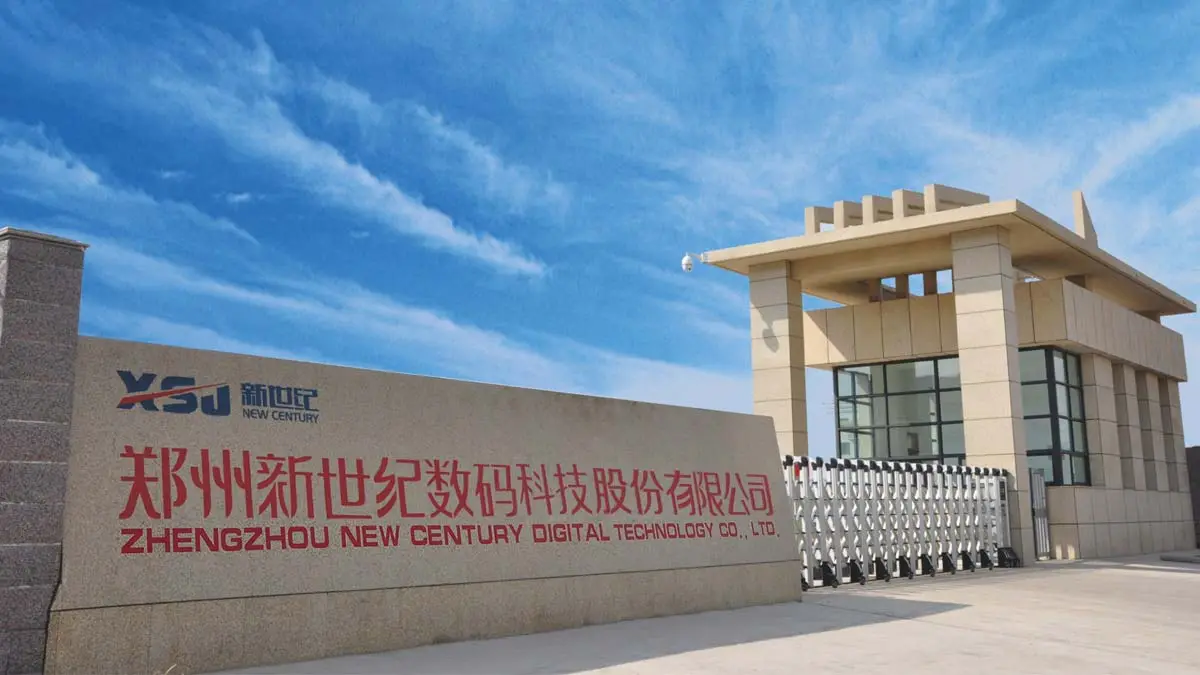
To improve your clothing printing skills, you need more than just equipment. You also need a reliable 60cm DTF printer manufacturer that wants to see your business grow. Fedar's 400-person facility provides top-notch engineering by giving agents and resellers full support through technical training, marketing materials, and sample kits that are meant to win over end customers. The FD60, FD604, and FD606 types come with fast U.S.-based after-sales teams and use tried-and-true Epson i3200-A1 printheads and our own white ink circulation systems. If you're a digital printing equipment supplier looking to expand your stock or a factory owner looking for new ways to reach customers, we invite you to ask for a demonstration print or talk about custom partnership terms. Get in touch with us at info@tex-printer.com to find out how our Direct-to-Film products can help your market group see a measurable return on investment.
References
1. Smith, J. & Davis, R. (2023). Advanced Digital Textile Printing Technologies: A Comprehensive Guide. Textile Industry Press.
2. Anderson, L. (2024). "Direct-to-Film vs. Direct-to-Garment: Comparative Analysis of Industrial Printing Methods." Journal of Industrial Textile Manufacturing, 18(2), 112-128.
3. Martinez, K. (2023). Equipment Selection Strategies for Medium-Scale Apparel Production. Manufacturing Efficiency Publications.
4. Thompson, P. & Lee, S. (2024). "Economic Impact of DTF Technology in Promotional Merchandise Markets." Print Production Quarterly, 41(1), 34-49.
5. Williams, M. (2023). Maintenance Protocols for Industrial Inkjet Systems. Technical Equipment Press.
6. Chen, H. (2024). "Material Compatibility and Wash Fastness in Heat Transfer Applications." Textile Chemistry Review, 29(3), 201-217.

Kevin Zhang
Kevin Zhang is a senior R&D engineer in the digital textile printing field, focusing on the innovation and industrialization of digital printing equipment, direct-to-fabric processes, and application solutions. Achievement: Led the in-house development and mass production of multiple textile printers and direct-to-garment printers, driving their large-scale adoption in textile, advertising, home decor, and customized markets.
We Look Forward to Your Email
Please send us product information that interests you, and we will provide you with one-on-one service.
_1778203196111.png)
Recommended Blog
Is the DTF Printer 60cm suitable for small - scale businesses?
What Causes Color Fade in Sublimation Printers and How to Fix It?
Sublimation Printing: Exploring the Technique, Machines, and Advantages
_1785483477752.webp)
Color Fade Solutions for Consistent Color Accuracy in Industrial Printing
Features and Performance of a DTF Printer 24 Inch Designed for Commercial Output