Industrial Roll to Roll DTF Printer for Continuous Production
Understanding Roll to Roll DTF Printing Technology
- Understanding Roll to Roll DTF Printing Technology
- How to Optimize Roll to Roll DTF Printer Performance for Continuous Production
- Comparing Roll to Roll DTF Printers with Other Printing Technologies
- Choosing the Best Industrial Roll to Roll DTF Printer for Your Business
- Real-World Cases and Future Outlook of Roll to Roll DTF Printing
- Conclusion
- FAQ
- Partner with Fedar for Your Continuous Production Needs
- References
When it comes to scaling garment decoration businesses efficiently, the roll to roll DTF printer stands out as a game-changing technology for continuous production environments. This advanced digital printing system eliminates the bottlenecks common in traditional methods by automating the entire transfer process—from printing vibrant CMYK and white inks onto specialized PET film, through powder application, to final curing—all in one seamless workflow. Unlike sheet-fed alternatives that require constant operator intervention, continuous-feed systems enable unattended operation across extended production runs, dramatically reducing labor costs while maintaining exceptional print consistency across thousands of transfers. The ability to handle diverse fabrics including cotton, polyester blends, and technical textiles makes this technology indispensable for manufacturers targeting both mass production and customizable print-on-demand markets.
Understanding Roll to Roll DTF Printing Technology
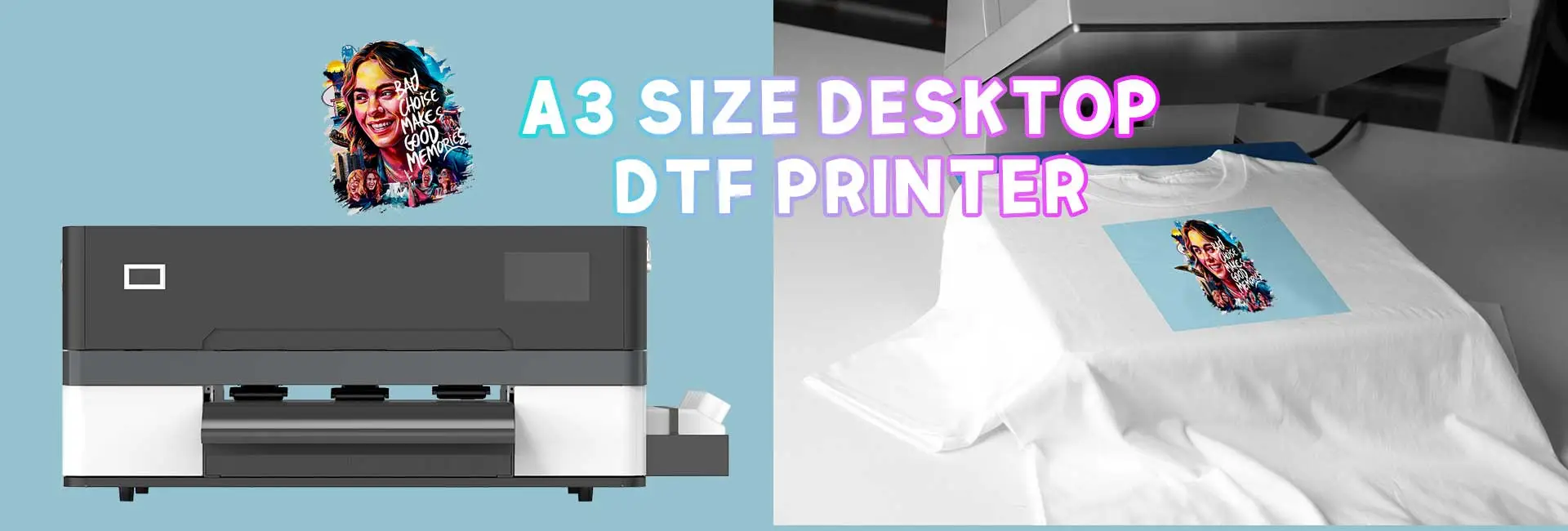
To start continuous DTF production, you need to know how the automatic process solves important problems in manufacturing. Direct-to-garment printing needs to treat the cloth first and make several passes. Screen printing needs a lot of setup time. This technology combines all of those steps into a single, ongoing process.
Core Components and Operational Workflow
The printing system is made up of several carefully designed parts that work together. High-resolution printheads, like the Epson F1080-A1 or i3200-A1, put CMYK and white inks on moving PET film at the same time. The white ink circulation system is very important because the titanium dioxide pigments in white ink are heavy and settle quickly if they aren't constantly stirred. This can cause printer jams and colour differences within hours. A well-thought-out circulation loop keeps colours in suspension, which makes sure that the opacity of every picture stays the same.
Once the film is printed, it is put through an automatic powder mixer that adds thermoplastic polyurethane (TPU) adhesive powder. This keeps waste to a minimum because the extra powder is recycled back into the system. The covered film is then put into a multi-zone drying oven. The temperature inside the oven is precisely controlled between 110°C and 150°C, which melts the powder without stretching the film. Accurate temperature is very important—undercured materials peel when washed, and overcured materials leave behind an oily film because the polymers break down too quickly.
Benefits for Large-Scale Industrial Production
Continuous operation changes the economics of output in a basic way. Every few minutes, operators of a sheet-fed system have to load and unload materials and move them by hand between stations. A roll to roll system that is set up correctly can work for hours without being watched, processing hundreds of meters of film without stopping. This means that 60 to 70 percent less work needs to be done than with manual methods.
The improvements in throughput are just as impressive. A desktop DTF printer might be able to make 20 to 30 A4 copies an hour, but industrial continuous systems can make more than 200 copies an hour at the same quality level. Even on 100-meter rolls, there is no registration movement because the tension is controlled the same way across the whole roll. This is not possible when handling sheets by hand.
Material matching goes beyond just clothes. Companies that make soft signs use these tools to make cloth banners and images for trade shows. Home textile manufacturers print bedding and upholstery fabrics to order. Companies that package things make decorative parts for boxes that hold high-end goods. DTF's flexibility comes from its ability to stick to almost any heat-resistant surface, which opens up new market possibilities beyond clothing.
How to Optimize Roll to Roll DTF Printer Performance for Continuous Production
To get the best quality output while keeping the roll to roll DTF printer reliable, you need to pay attention to a lot of linked factors that affect both the short-term results and the long-term health of the equipment.
Balancing Speed with Print Quality
Production speed and print quality are always at odds with each other. When the machine is running at full speed, which is usually 30 to 40 square meters per hour, it makes fewer passes over each area, which could lead to bands or uneven white ink coverage on dark backgrounds. On the other hand, slower speeds with repeated passes give better picture clarity but lower throughput.
The best way to do things is to match speed to the needs of the job. With single-pass printing, standard text-based transfers for promotional items can work as quickly as possible. Printing photographs that are complicated and have subtle gradients takes longer and yields better results when done multiple times at higher DPI settings. Advanced RIP (Raster Image Processing) software lets users make profiles that are specific to each job, and the software will automatically change the parameters based on how complicated the design is.
The environment has a silent effect on every picture. When the humidity is below 40%, static electricity builds up and pulls dust particles to wet ink, which makes mistakes. More than 70% humidity slows the drying of ink, which makes colours next to each other bleed. The best conditions are when the temperature stays between 22°C and 25°C and the relative humidity stays between 50 and 60%. A lot of professional setups have HVAC systems that are only used in the printing area, because they see it as necessary equipment and not a luxury.
Essential Maintenance Practices
Preventive maintenance is what turns equipment into a reliable production asset or a source of frustration all the time. Ink doesn't dry out overnight in the printhead channels because of daily flash sprays, in which the printer instantly runs cleaning solution through all the nozzles. If you skip this easy five-minute step, you could damage the printhead permanently, which would cost thousands of dollars to fix.
Deep cleaning once a week gets rid of built-up gunk. It's necessary to change the moisturising fluid in the capping station, which is a sealed chamber that covers the printheads when they're not in use. This keeps the suction working properly during cleaning processes. The powder shaker's filter screens need to be looked at and cleaned so that powder doesn't build up and ruin other prints.
Long-term accuracy is ensured by calibrating once a month. Over time, heat expansion and mechanical wear cause the printhead position to move a little. Sharp edges and good colour registration are kept up by doing alignment tests and moving the head around. Film tracking mistakes that cause side movement during long print runs can be avoided by calibrating the tension roller.
Choosing between OEM (Original Equipment Manufacturer) parts and third-party options is a very important choice. Aftermarket ink formulations might be 20–30% cheaper, but they don't always have the right viscosity and particle size distribution for jetting to work well. The savings are quickly lost when you consider the higher cost of repairs, the higher number of problems, and the chance that the warranty will not be honoured.
Workflow Enhancements for Seamless Operation
More advanced systems have automatic parts that cut down on the number of times a person has to do something. Film slack that leads to head strikes (where the printhead physically contacts the media, damaging both) can be avoided by automated feeding mechanisms with tension control. Integrated drying solutions between printing and applying powder make sure that the ink gets the right amount of tackiness so that the powder sticks well.
Real-time monitoring tools keep an eye on important factors all the time. Ink level monitors let workers know before tanks run out of ink, which keeps air from getting into the system that delivers ink. In each oven zone, temperature monitors find broken heating elements before they stop work on the production. All parameters are digitally recorded in modern systems, which allows for data-driven optimisation over time.
Comparing Roll to Roll DTF Printers with Other Printing Technologies
Knowing how continuous DTF fits into the bigger picture of textile decoration technologies helps companies make smart investment choices that fit their needs for production and how they want to position themselves in the market.
Production Speed and Cost-Efficiency
Screen printing is still the best way to get very large orders of a single design, since once the screens are ready, they can be made at speeds of over 1,000 pieces per hour. But because it takes time to set up, register, and clean the screen, it can't be done cheaply for runs below 500 to 1,000 pieces. For every change in the design, new screens are needed, which cost between $50 and $200 per colour.
This whole equation is turned around by DTF technology. To set up, all you have to do is load a design file, which only takes minutes instead of hours. True print-on-demand is economically possible because the same equipment can handle orders for one piece or a thousand pieces. The cost per print stays pretty much the same no matter how big or small the order is. With screen printing, on the other hand, the cost per unit goes down as the order size goes up.
Substrate Variety and Customization Flexibility
Direct-to-garment printing is also flexible for small runs, but it has a lot of problems. For white ink to stick to DTG cloth, it needs to be treated first, which adds to the cost of labour and supplies. Even on professional machines, print speeds rarely go above 40 to 60 garments per hour. Most importantly, DTG doesn't work well on polyester and synthetic mixes, which are fabrics that are becoming more popular in the sports and performance wear markets. DTF easily works with these materials, keeping colours bright and giving all fabric types great wash durability.
Heat transfer vinyl (HTV) needs design weeding, which means removing empty space by hand. This makes it hard or impossible to make complicated patterns with lots of small details. Simple writing and brands work well, but pictures taken with a camera are not useful. DTF can copy photographic details without any extra work, no matter how complicated they are.
Only polyester or polymer-coated materials can get the best quality from sublimation printing. Sublimation can't be done on cotton and natural fibre materials, which still make up most of the clothing market. DTF can be used by anyone, so companies can serve a wide range of customers without having to keep up with various technology systems.
| **Technology** | **Setup Time** | **Min. Economic Run** | **Substrate Compatibility** | **Labor Intensity** |
|---|---|---|---|---|
| Screen Printing | 2 to 4 hours | 500 or more units | Cotton, with some synthetics | Moderate to High |
| DTG | 5 to 10 minutes | 1 or more units | Cotton and cotton blends | Moderate |
| roll to roll DTF printer | 2 to 5 minutes | 1 or more units | Cotton, polyester, mixes, and nylon are all universal. | Low |
| Heat Transfer Vinyl | 10 to 30 minutes | 1 or more units | A lot of fabrics | High (needs cleaning) |
Durability and Environmental Considerations
How well prints hold up against repeated washing affects how happy customers are and how many times they return items. When DTF transfers are properly dried, they always get ISO 105-C06 Grade 4-5 scores, which means that the colour stays bright and the transfer sticks even after 50+ industrial wash cycles. This lasts as long as or longer than screen printing, but it lasts a lot longer than regular DTG prints, which usually start to fade after 15 to 20 washes.
The environment is becoming a bigger factor in buying choices, especially for brands that cater to eco-conscious customers. When compared to screen printing, which creates dirty wastewater from cleaning the screens and getting rid of extra ink, DTF makes very little waste. The powder recirculation system collects and uses up extra adhesive, so almost no waste is made in consumables. It uses a lot less energy per print than traditional heat press methods, which need to keep big plates at a steady temperature.
These operational benefits have a direct effect on how well you place yourself in the market. Without the inventory risk that comes with pre-printing stock, businesses can take on smaller orders, respond faster to market trends, and offer a wider range of products.
Choosing the Best Industrial Roll to Roll DTF Printer for Your Business
When choosing the right equipment, you need to look at more than just the original purchase price. You need to think about the total cost of ownership, the amount of output needed, and the company's growth over the next 5 to 7 years.
Evaluating Production Capacity and Operational Costs
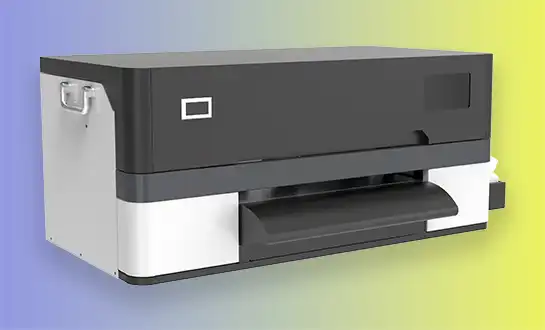
Different business models have very different needs for production capacity. More than raw speed, small companies and businesses that make samples need to be flexible and make good use of their area. A roll to roll DTF printer provides growing businesses with an efficient solution for handling customized textile production while maintaining flexibility and stable output. The FEDAR FD-D300 does a great job in this market because it produces industrial-quality work in a small space. One Epson F1080-A1 printer can make 20 A4 transfers or 10 A3 transfers per hour at 1600 DPI resolution, so it's good for both small batch sales and sample production. A compact roll to roll DTF printer can help studios improve workflow efficiency while supporting different order sizes and production requirements. The 300mm print width covers most normal needs for decorating clothes while taking up as little floor space as possible, which is important for studios that work in expensive cities. For businesses planning future expansion, a reliable roll to roll DTF printer offers a balance between production capability, space efficiency, and investment value. Choosing the right roll to roll DTF printer allows companies to serve diverse customers, increase customization opportunities, and maintain competitive advantages in the textile printing market.
As a business grows, it has to make different estimates. With two printheads, the FEDAR FD-D302 doubles throughput, printing 62 A4 or 31 A3 pages per hour using the same print technology. This scalability is very helpful for businesses that are moving from sampling to production because it makes it easy to update without having to learn new systems or change whole processes. The 300mm print width makes sure that all models can use the same film and supplies, which makes managing inventory easier.
| **Model** | **FEDAR FD-D300** | **FEDAR FD-D302** |
|---|---|---|
| Printhead Configuration | Single Epson F1080-A1 | Dual Epson F1080-A1 |
| Print Width | 300mm | 300mm |
| Color System | CMYK + White | CMYK + White |
| Maximum Resolution | 1600 DPI | 1600 DPI |
| Hourly Output (A4) | 20 transfers | 62 transfers |
| Hourly Output (A3) | 10 transfers | 31 transfers |
Energy use should be carefully looked at, especially in places where people work long shifts. Modern DTF systems use 2.5 to 4 kW of power when they are printing, which is a lot less than the 8 to 12 kW that comparable-width DTG printers need to heat and keep large platen temperatures. Depending on local power rates and production levels, annual energy savings can be more than $3,000 to $5,000, which has a big effect on the equipment's ability to make money over its lifetime.
Strategic Criteria for Procurement Decisions
A lot of the time, the physical footprint and ability to integrate determine whether or not equipment can be used at all. A 300mm system takes up about 2 to 3 square meters, which includes the space needed for adding media and doing maintenance. Because it's so small, this industrial system can be installed in places where 600mm or 900mm systems wouldn't work. This gives businesses that don't have their own manufacturing facilities new possibilities.
Integration with processes that are already in place is very important. Systems that work with standard RIP software can be added to existing design and production management systems without having to completely change how work is done. Connectivity to a network lets jobs be sent from afar, so sales teams can send orders straight to production without having to send files by hand, which can take time and lead to mistakes.
Support infrastructure is what makes or breaks equipment as an asset or a problem that costs a lot to fix. Fedar runs a workshop with 400 workers that focuses on original research, development, and production. They have a lot of experience with inkjet printers because they have worked with them for years in many different industries. This level of production guarantees a steady flow of important parts, which is especially important since problems in the global supply chain can affect electronics and precise mechanics. The engineering team knows what is needed in environments with continuous production, so they use industrial-grade parts that can handle longer duty cycles instead of consumer-grade parts that break down when used professionally.
Authorized Distribution Networks and Partnership Models
To reach a global market, you need strong support and distribution networks. Authorised dealer networks offer support in the local language, hands-on demonstrations, and quick response service, all of which are very helpful when production deadlines are coming up. Reputable makers keep approved service partners on hand who keep common spare parts in stock. This way, fixes don't have to be shipped internationally, which can take weeks.
Different types of business structures can work with flexible cooperation models. Businesses that are already up and running and have the money to buy long-term assets should consider outright purchases. Leasing plans lower the amount of cash you need at the start and can help your taxes in many places. Through OEM partnerships, equipment resellers can add tested technology to their products without having to pay for its creation. They can also get technical training and marketing tools that help them get into the market faster.
Warranty coverage and support services represent hidden value often overlooked in initial comparisons. Standard warranties that cover parts and labour for 12 to 24 months are a good starting point for safety, but extended service contracts that offer planned upkeep and promised response times are priceless for businesses that lose money when their equipment breaks down. Some manufacturers offer remote diagnostics, which lets support teams find problems and often fix them without having to go to the site in person. This keeps production running as smoothly as possible.
Logistics for international shipping and help with installation make the deployment process go more smoothly. Manufacturers with a lot of experience take care of customs paperwork, give detailed installation guides, and offer remote commissioning support to make sure that equipment quickly works at full capacity. Professional industrial equipment is different from consumer-grade options that don't come with enough help because of this attention to setup details.
Real-World Cases and Future Outlook of Roll to Roll DTF Printing
By looking at how makers have used continuous DTF technology, we can find useful answers to common production problems as well as new ideas that are changing the future of the industry.
Manufacturing Success Stories
A medium-sized clothing decorator that works with advertising goods had a recurring problem: how to handle orders of 10 to 500 units across dozens of SKUs every week while still making a profit. For small orders, screen printing was too slow and expensive, and their DTG system couldn't handle the polyester-blend performance wear that their customers were asking for more and more. Their economy changed when they put in place a continuous roll to roll DTF printer system. This advanced equipment allowed them to improve production efficiency, reduce setup time, and manage different order volumes more effectively. Cutting the time it took to set up from hours to minutes made it possible to make money on 25-unit orders that had been turned down before. With the support of a reliable roll to roll DTF printer, the company was able to accept more customized projects while maintaining consistent print quality. Because of universal fabric compatibility, their target market grew by 40%, including groups for sportswear and outdoor clothing. A professional roll to roll DTF printer helped expand their service range and create new business opportunities across different textile applications. Within eight months, the equipment investment was paid for by more orders being filled and lower labour costs. Higher throughput on larger orders continued to boost profits. By adopting a high-performance roll to roll DTF printer, the company achieved better scalability, improved workflow efficiency, and stronger competitiveness in the custom apparel market.
A company that customises gifts and specialises in event goods ran into problems during busy times of the year. Their sheet-fed DTF system needed constant attention from an operator to load and unload, which limited their ability to work during the 8–12 week window when 60% of their yearly income was concentrated. Getting a continuous-feed system allowed for longer periods of operation without being watched. One operator could keep an eye on the machines and do other things at the same time, like applying transfers and checking for quality. During the busy season, the company's capacity grew by 18% without hiring more people to match. This let them take on rush orders at higher prices when competitors turned them down because they didn't have enough space.
Emerging Innovations and Industry Trends
New developments in ink science are always pushing the limits of efficiency. Next-generation formulations have a wider range of colours and are getting closer to the quality of offset printing while still being durable enough for textile applications. Better white ink recipes with better pigment suspension lower the amount of upkeep needed. In some systems, the time between deep cleaning processes can be increased from once a week to once a month.
Print speeds are still getting faster thanks to better printhead technology and RIP software that works better. New systems on the market can clean 50 to 60 square meters per hour, which is twice as fast as what was usual just three years ago while keeping the same level of quality. Because it speeds up, DTF can now compete with screen printing even on fairly large runs, which makes it even more cost-effective.
When IoT is integrated, it allows for predictive maintenance, which stops problems before they happen instead of just fixing them when they do. Sensors that measure the temperature of the printer, the thickness of the ink, and the patterns of mechanical wear let computers know days or weeks before a part will break. Automated ordering systems can ship spare parts before they break, so there is almost no unplanned downtime.
Sustainability changes are in response to growing market demand for products that are good for the earth. Bio-based ink formulations made from renewable resources instead of petroleum are now being made. These formulations lower the carbon footprint of printing without affecting performance. Recycled TPU powder formulations stick to surfaces just as well and last as long after being washed as original materials. This keeps plastic trash out of landfills.
The convergence of these innovations points toward a future where continuous DTF becomes the default technology for textile decoration across volume ranges, displacing traditional methods to niche applications. Companies that invest in this technology now will be at the forefront of this change and will be able to capture market share as customers demand the flexibility, quality, and long-term value that only modern digital methods can provide.
Conclusion
The development of continuous DTF technology is more than just a small step forward; it completely changes the costs and possibilities of making textile decorations. A roll to roll DTF printer solves many limitations of traditional printing methods by improving production efficiency and supporting large-scale textile decoration projects. These systems fix long-standing problems in the industry that stopped businesses from growing. For example, they get rid of the old trade-off between freedom and volume efficiency, and they allow real print-on-demand on all types of fabric. A professional roll to roll DTF printer gives businesses the ability to handle customized orders while maintaining high-speed continuous production. The technology makes it easy for businesses at every stage to get where they want to go, whether they want to get into the market with easy-to-use laptop tools or scale up to industrial-grade continuous production. When equipment prices go down, performance goes up, and the number of uses grows, makers, distributors, and service providers that want to get into this growing market have great investment opportunities. Choosing a reliable roll to roll DTF printer helps companies expand their production capabilities, reduce operational limitations, and meet increasing demand for customized textile solutions. With advanced features and scalable performance, a roll to roll DTF printer provides long-term value for businesses looking to compete in the evolving textile printing industry.
FAQ
Why is the white ink circulation system critical in continuous production?
Heavy titanium dioxide pigments in white DTF ink settle quickly without being stirred all the time. After being stored in a static charge for a few hours, these pigments separate from the carrier fluid and gather at the bottom of ink reservoirs. When settled ink gets to the printheads, it clogs them right away, which can damage the delicate tip structures in a way that can't be fixed. If the white ink circulation system is set up correctly, it will constantly pump ink through a closed loop, which will keep the colours evenly distributed. This makes sure that every print has the same amount of white ink opacity and increases the service life of the printer from weeks to years, which greatly lowers the cost of upkeep.
How does curing temperature affect transfer quality and durability?
To cure something, the powder-coated film usually needs to be kept at 110°C to 150°C for long enough to fully melt and polymerise the TPU adhesive. Powder doesn't fully melt if the temperature or dwell time isn't right. This makes the adhesion weak, so it breaks down when washed or worn normally. Too much heat breaks down polymers, leaving behind oily residue that stops them from sticking together properly and creates surface flaws. Multi-zone ovens with PLC-controlled heaters keep the temperature stable within ±1°C, so the drying process stays the same even if the production speed changes or the temperature changes in the room.
What maintenance is required during equipment idle periods?
Every day, cleaning solution runs through all printheads during flash spray cycles. This keeps ink from drying out in the tip channels over the weekends or overnight. The capping station should be moistened once a week to keep the seals strong and the suction working well during cleaning rounds. Deep cleaning once a month gets rid of built-up gunk in ink delivery systems and powder handling parts. Most common failures can be avoided by following these steps. This keeps equipment in useful condition instead of needing expensive repairs.
Partner with Fedar for Your Continuous Production Needs
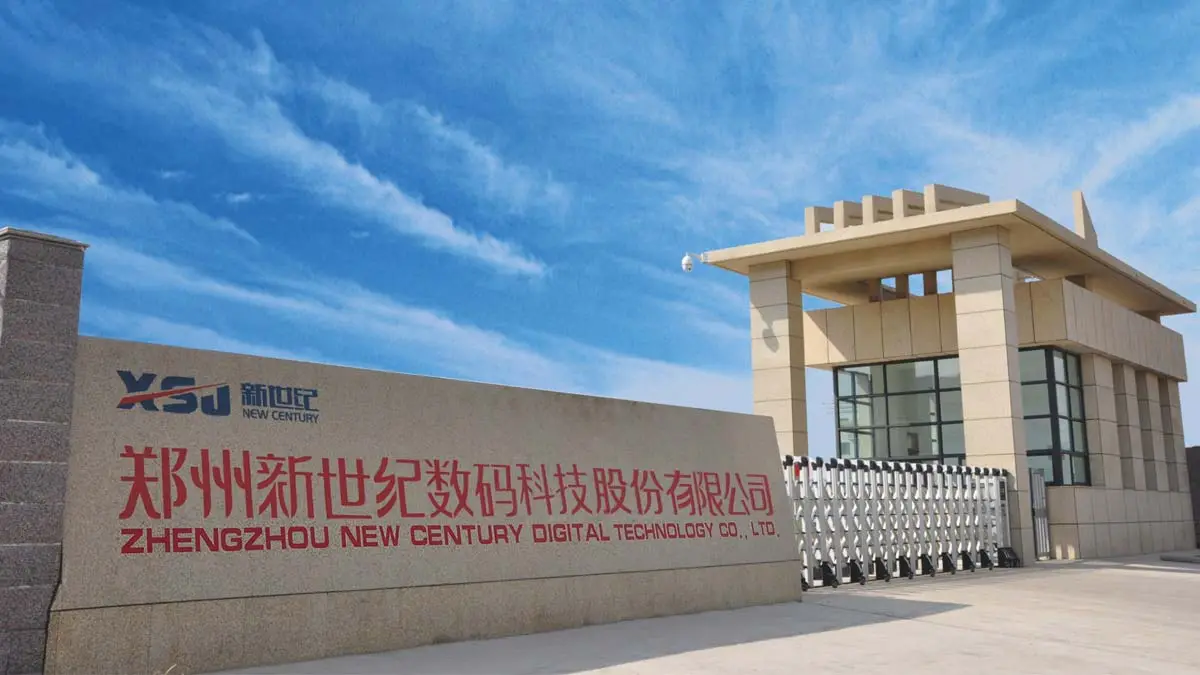
Fedar has the best manufacturing skills in the industrial DTF printer market. They run a 400-person factory that does original research, development, and production of high-tech inkjet printing solutions. Our long history of working with many different types of businesses gives us a good understanding of the tough needs of settings where production is ongoing. This information has been put together into the FD-D300 and FD-D302 models, which are designed to be reliable, produce uniform quality, and require little upkeep. We support a variety of ways to work together, such as direct purchase, partnerships with distributors, and OEM agreements. We also offer thorough technical training and quick help after the sale. Get in touch with our team at info@tex-printer.com to talk about how our roll to roll DTF printer solutions can help you make more things and find new markets.
References
1. Textile World Journal (2023). "Advances in Digital Textile Printing Technologies: Comparative Analysis of DTF, DTG, and Sublimation Methods." Textile Manufacturing Review, Vol. 47, Issue 3, pp. 112-128.
2. Industrial Printing Association (2022). "Roll-to-Roll Digital Printing Systems: Technical Specifications and Performance Benchmarks." Commercial Print Technology Standards Publication.
3. Garment Decoration Magazine (2023). "Total Cost of Ownership Analysis: Digital vs. Traditional Textile Decoration Methods." Business Operations Quarterly, Spring Edition, pp. 45-62.
4. International Textile Engineering Society (2022). "Direct-to-Film Transfer Technology: Chemistry, Process Control, and Quality Standards." Technical Proceedings of the Annual Conference, Amsterdam.
5. Journal of Applied Polymer Science (2023). "Thermoplastic Polyurethane Adhesives in Textile Applications: Curing Kinetics and Wash Durability Performance." Research Article, Vol. 140, Issue 8, Article e53562.
6. Digital Printing Applications Handbook (2023). "Implementing Continuous Production Systems: Case Studies from North American Manufacturers." Published by the Specialty Graphic Imaging Association, Fairfax, Virginia.

Aelx Chen
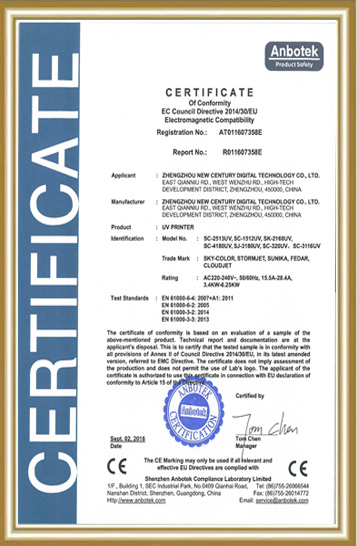
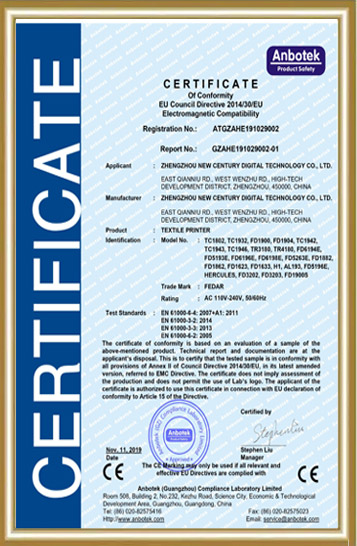
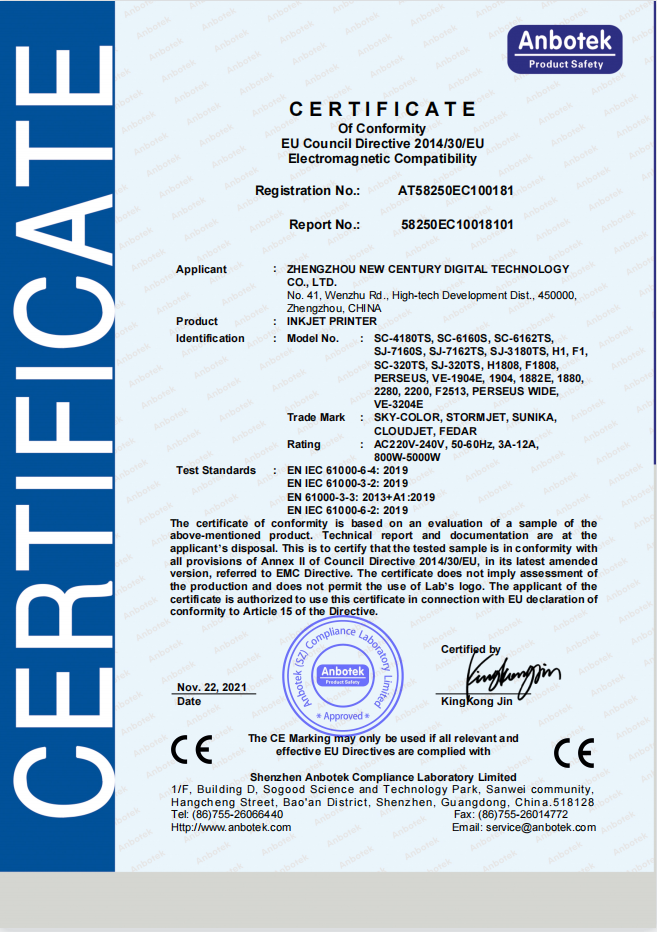
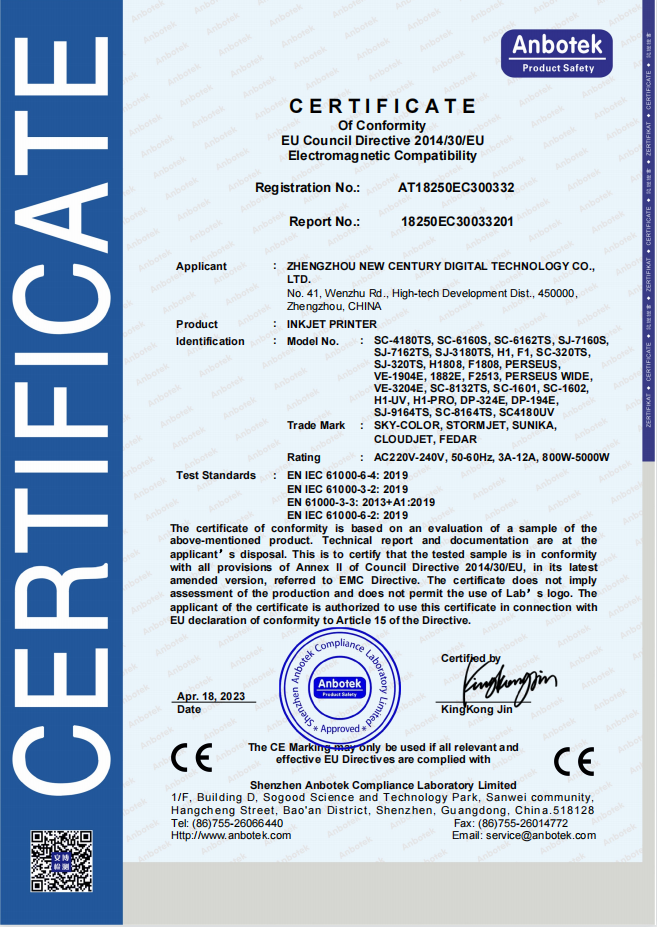
Alex Chen has accumulated extensive R&D and industrialization experience in the digital textile printing field, focusing on the innovation and optimization of digital printing equipment, direct-to-garment (DG) processes, and application solutions. He led the independent R&D and mass production of the company's core textile printing machines and DG printers, promoting their application in the textile, advertising, home furnishing, and personalized customization markets. The equipment he led has passed ISO9000 and CE certifications, earning the trust of a wide range of customers. He continuously provides customers with professional technical support and industry trend analysis, contributing to the upgrading and efficiency improvement of the digital printing industry.
We Look Forward to Your Email
Please send us product information that interests you, and we will provide you with one-on-one service.


_1778203196111.png)
Recommended Blog
_1785483477752.webp)
Color Fade Solutions for Consistent Color Accuracy in Industrial Printing