60cm DTF Printer Boosts Production Capacity for OEM
Understanding 60cm DTF Printing Technology for OEMs
- Understanding 60cm DTF Printing Technology for OEMs
- Optimizing 60cm DTF Printer Performance for Maximum Production Capacity
- Comparing 60cm DTF Printers With Alternative Printing Solutions
- Procurement Guide: Where and How to Source 60cm DTF Printers for OEM
- Future Trends and Strategic Benefits of Integrating 60cm DTF Printers in OEM Production
- Conclusion
- FAQ
- Partner With a Trusted 60cm DTF Printer Manufacturer
- References
When OEM production managers seek solutions to scale textile customization without sacrificing quality or ballooning costs, the 60cm DTF printer emerges as a game-changing technology. This 24-inch Direct-to-Film system addresses critical bottlenecks in apparel manufacturing, promotional merchandise fulfillment, and custom textile production. By eliminating labor-intensive weeding processes and fabric pre-treatment requirements, these machines deliver consistent, vibrant prints across cotton, polyester, blends, and even synthetic materials. Their compact footprint paired with medium-scale throughput makes them ideal for operations balancing growth ambitions with spatial and budgetary constraints.
Understanding 60cm DTF Printing Technology for OEMs
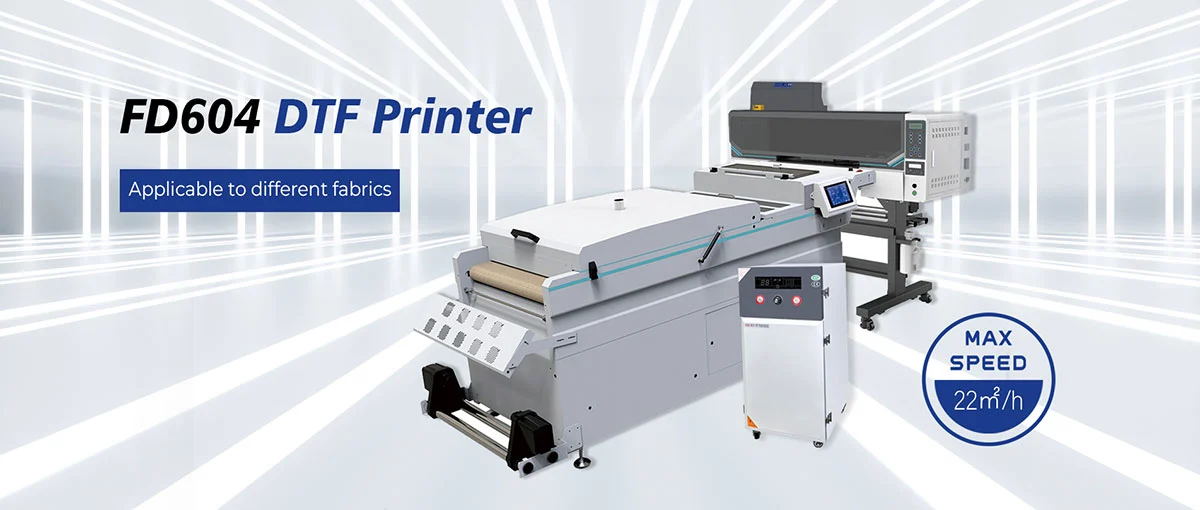
When it comes to decorating textiles on a commercial level, the Direct-to-Film printing process is a big change. 60cm DTF printer technology prints full-color images plus a white base on special PET transfer films, while standard screen printing needs different setups for each colour or design. CMYK and white inks are sprayed through precise printheads, hot-melt adhesive powder is applied, the powder is cured in heating tubes, and then the film is heat-pressed onto clothes or other fabrics.
Why 600mm Print Width Matters for OEM Operations
The 600mm print width is just right for producers who make an average amount of products. This size makes gang-run printing possible, which puts several drawings or pieces of clothing on a single roll of film. Compared to smaller desktop units, this greatly cuts down on film waste. For factories that make between 50 and 300 clothes every day, this width works well for normal adult t-shirt chest prints, back graphics for hoodies, and tote bag designs without having to make multiple passes or splice films.
Core Hardware Components Driving Performance
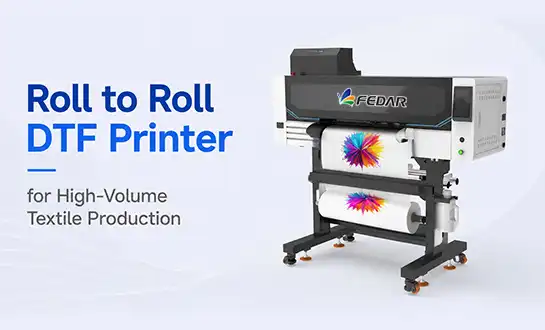
Several important elements are built into industrial DTF systems in this wide class. Epson i3200-A1 printheads have a resolution of 3200 DPI, which means they can print photos-quality details. White ink movement systems move pigment particles all the time, which keeps nozzles from getting clogged, which happens with static ink setups. Automatic powder shaking units spread the glue evenly, and built-in curing modules use precise heat profiles. Roll-to-roll feeding systems keep the tension of the film constant, which is very important for accurate colour registration on high-speed runs.
Fabric Compatibility Expands Market Opportunities
The ability to work with different types of materials is a big plus for OEM buyers. The same 60cm DTF printer can print on 100% cotton t-shirts, performance polyester sports wear, canvas bags, nylon coats, and cotton-poly mixes without having to be set up differently. With this level of flexibility, you don't have to pay for extra machines that are only used for natural or synthetic fabrics, which is necessary with traditional methods. Wash durability meets Level 4 fastness standards, which means it can withstand the commercial laundering cycles that buyers of promotional items and suppliers of workwear need.
Optimizing 60cm DTF Printer Performance for Maximum Production Capacity
To get the flow rates that are promised, you need to know how the speed settings, resolution modes, and maintenance routines work together. When it comes to balancing quality standards and volume goals, production managers need practical ways to keep equipment running at its best during long shifts.
Balancing Speed and Resolution for Different Applications
The Fedar FD60 line shows how the design of the printhead has a direct effect on the output capacity. In 6-pass mode, the dual-head FD60 model can clean up to 8 square meters per hour, making it a good choice for shops that do 80 to 120 transfers per day. When you switch to the four-head FD604 setup, throughput triples to 24 square meters per hour, which means you can do more than 300 moves per shift, which is great for fulfilment centers that handle batch orders. The FD606 model with six heads keeps the same 24 sqm/h speed but improves ink layers for darker fabrics that need more white underbase covering.
Fedar 60cm DTF Printer Performance Comparison
| Model | Printheads | Max Speed (6Pass) | Ideal Daily Output | Best Application |
|---|---|---|---|---|
| FD602 | 2 × Epson i3200-A1 | 8 sqm/h | 80-120 transfers | Startup studios, test production |
| FD604 | 4 × Epson i3200-A1 | 24 sqm/h | 300-400 transfers | Medium fulfillment, seasonal peaks |
Operators change the number of passes based on what the material needs. Bright prints can be put on light-colored cotton in 6-pass mode, but black polyester performance wear might need 8-pass settings to be completely opaque. Profiles in modern RIP software save these settings, so you can quickly switch between job types without having to re-calibrate the printer.
Maintenance Protocols That Prevent Costly Downtime
Maintenance tasks that are done every day take about 10 to 15 minutes, but they keep problems from happening that would stop production for hours. As part of the morning startup routine, the nozzles are checked, the wiper blades are cleaned, and the capping station is inspected. White ink circulation systems need to keep an eye on stirring timers. Most industrial units will stir tanks every 30 minutes when they are not in use. When you do a deep clean once a week, you smooth the ink lines and replace the foam wiper pads. This is especially important in places with a lot of humidity where the rate at which the ink dries changes.
Controls over the environment are very important. When the relative humidity is between 40 and 60% and the temperature is between 68 and 77°F, there are fewer problems with film static and better powder adhesion. Installing localised dehumidifiers near printer stations is a cheap way for facilities that don't have temperature control to extend the life of their printheads by stopping the nozzles from drying out too quickly and the ink from crusting over.
Real-World Output Expectations
After setting up a four-head 60cm DTF printer system, a Texas company that sells promotional items shared operational data. Their setup handles 320 transfers in 8-hour shifts, which includes time for setting up files, adding films, and maintenance breaks. Including the design and bleed edges, each transfer is about 90 square inches on average. When you spread out the cost of screen preparation over smaller batches, the same amount of film, ink, and powder costs $0.45 to $0.665 per transfer, while the same amount costs $1.20 to $1.80 for screen-printed sets. Three workers were managing screens, but now only one technician is keeping an eye on the automated DTF process.
Comparing 60cm DTF Printers With Alternative Printing Solutions
OEM procurement teams that are looking at buying new tools would do well to know how DTF technology compares to more traditional ways. Depending on the production output, design complexity, and type of material, each method has its own benefits.
DTF Versus Sublimation Printing
Sublimation printing works great on polyester fabrics because the pictures stay bright and strong because they stick to the fabric at the molecular level during heat transfer. But this method doesn't work at all on cotton or natural fibers—the substrate needs to have at least 65% polyester for it to work. 60cm DTF printers get rid of this problem because they can work with any type of cloth. 60cm DTF printer has a slightly smaller colour gamut than sublimation when it comes to pure polyester, but it is much better when it comes to cotton blends, where sublimation makes colours look washed out.
For mixed-substrate operations, 60cm DTF printer is better because it is easier to set up. Different kinds of orders can be handled by a single DTF system, but sublimation shops have to keep different lines of equipment or turn down cotton orders. This adaptability is very important for contract makers who work with retail names that have a wide range of products.
DTF Versus Screen Printing Economics
Screen printing stays cheaper at very high volumes—when more than 500 identical prints of a design are made, the cost per unit drops below DTF. But the costs of setup time and screen preparation make small-batch production too expensive for most people. With a 60cm DTF printer method, there are no setup costs at all; the material costs for the first print and the hundredth print are the same.
Design complexity has different effects on the economy. Each colour split in screen printing costs extra, which makes 6-color photographic images pricey. The price of DTF stays the same whether you print simple two-color names or complicated patterns with white underlays. This predictability helps OEM operations that handle a wide range of design requests give accurate quotes and protect their profit margins.
Detail clarity is strongly in favour of 60cm DTF printer systems. Text with fine lines, complex designs, and photos look very clear at 3200 DPI, while screen printing has trouble with halftone dots and registration issues. Direct-to-Film processes improve the quality of products like unique pet pictures, graduation photo clothing, and licensed character merchandise.
Identifying the Right DTF Printer Features for Your Scale
Modular flexibility is good for businesses that are growing. The FD60 has two heads, which is good for startups testing the market. It can be upgraded to four- or six-head configurations as order volumes allow for more throughput. Standard on industrial models are automated powder application and curing units that get rid of the jams that human shakers cause during operations that run during multiple shifts.
Professional equipment is set apart from consumer-grade machines by white ink circulation systems. Static ink configurations need to be stirred by hand and often get clogged, but circulating systems keep the pigments in suspension on their own. This difference in engineering has a direct effect on working reliability, which is very important for OEM facilities where machine downtime can cause shipping delays.
Procurement Guide: Where and How to Source 60cm DTF Printers for OEM
Comparing specification sheets is only one part of strategic equipment purchase. Choosing the right supplier, understanding the guarantee terms, and getting help after the purchase all affect whether printer investments pay off as planned or turn out to be expensive mistakes.
Evaluating Manufacturer Credentials and Production Capacity
Reputable 60cm DTF printer makers have their own production facilities where you can see where the parts come from. The 400 people who work at Fedar's factory do original research and development and strict quality control. This scale makes sure that the quality of the builds is always the same and that parts are always available, which is very important for businesses that need service parts years after they were bought. Certifications for factories, like ISO quality control standards, show that they are committed to following strict manufacturing rules.
Production capability directly links to lead times and the availability of unique configurations. Standard models are kept in stock by well-known manufacturers, who also offer customisation options such as better RIP software packages, longer warranty coverage, or voltage configurations that are specific to each region. When planning building expansions or seasonal production ramps, procurement teams should make sure that makers can meet project deadlines.
After-Sales Support Structures That Protect Investments
Professional suppliers are different from commodity providers in how quickly they respond to technical help requests. Full support packages include remote diagnostics, video troubleshooting help, and fast delivery of replacement parts. Fedar's after-sales support team helps people in multiple languages and time zones, and they answer technology questions within two business days. This is very important when there are equipment problems and work dates are coming up.
Training materials help operators get better faster. Good providers offer training on how to install, workshops on how to do upkeep, and ongoing advice as output needs change. Video libraries with regular maintenance, common troubleshooting situations, and optimisation methods help businesses keep running smoothly even when staff members leave.
Negotiating Bulk Purchases and Accessory Bundles
When you buy more than one item, you can get big discounts and deals with extras. When OEMs set up regional production hubs, they can get better deals by committing to orders of three to five units. They can often get discounts of fifteen to twenty percent and free starter kits with consumables. Standard packages come with film rolls, powder supplies, and different kinds of cleaning solutions that are enough for the first few production runs.
The terms of the warranty should be carefully read. Standard coverage usually lasts for 12 months for electronics and 6 months for printheads, but you can get longer coverage if you want to. Some companies guarantee performance by promising minimum uptime percentages and giving service credits if those percentages aren't met. These rules give suppliers a way to be held responsible throughout the lives of tools.
Future Trends and Strategic Benefits of Integrating 60cm DTF Printers in OEM Production
60cm DTF printer technology is changing because of better ink chemistry, automation, and smart plant connection. OEMs can make investment choices that are in line with their long-term operational plans when they understand these trends.
Emerging Printhead and Ink Technologies
Next-generation printheads are said to have higher native resolutions and faster firing rates, which could double the output without lowering the quality. UV-resistant dyes for outdoor use and antimicrobial additives for medical fabrics are some of the new advanced ink formulas that are being worked on. These specialised inks make it possible to reach more customers while still working with current Direct-to-Film processes.
More and more brands are using eco-friendly ink chemistry because they feel pressure to do so. When compared to solvent-based options, water-based DTF inks already cut down on volatile organic compound pollution. Biodegradable adhesive powders and recycled PET films are being worked on right now to help the environment without affecting the sturdiness of the transfer or the brightness of the colours.
Smart Factory Integration and Workflow Automation
More and more modern 60cm DTF printers can connect to networks, which lets production management software work with them. Monitoring dashboards that work in real time keep track of how much ink is used, when repair is due, and how much output is being made. This information is sent to corporate resource planning systems. This makes it easier to keep track of inventory and make accurate predictions about production.
The next big step forward in robotics is automated quality control tools. Camera-based inspection units find mistakes in prints during production runs, letting people know about problems before the copies get to the heat press stations. This finds tool failures, uneven powder application, and colour changes right away, cutting down on waste from transfers that aren't working right until they're pressed.
Cost Reduction and Waste Minimization Benefits
DTF technology makes less trash by nature than old ways of doing things. Screen printing wastes ink, cleaning solvent, and old screens when the designs are changed. 60cm DTF printer processes make good use of ink by only putting it down where designs need it and produce very little chemical waste. Five to ten percent of film is wasted, while fifteen to twenty five percent of vinyl cut is wasted.
Labor efficiency improvements compound cost benefits. Screen printing teams of more than one person have been replaced by workflows with just one operator. Powder application and curing, which used to require dedicated staff, are now handled by automation. These savings go straight to higher profit margins or strategies for competitive pricing that help OEMs get a bigger share of the market.
Conclusion
Adding 60cm DTF printer technology solves basic production problems that OEM makers face when they try to grow their custom textile businesses. Systems like Fedar's FD60 series have balanced flow that provides medium-scale capacity without taking up too much space or costing too much. Dual-head models are good for businesses that are growing, while four-head and six-head models are good for businesses that already make a lot of things. Movement of white ink, application of powder, and curing systems that are automated cut down on the need for labour and maintenance. Fabric flexibility cuts down on the cost of duplicating equipment, and print quality at 3200 DPI meets strict brand standards. Strategic buying that focuses on the qualifications of manufacturers, support infrastructure, and scalable setups sets up operations for long-term growth as market needs change.
FAQ
What kinds of fabrics do 60cm DTF printers reliably work with?
60cm DTF printer transfer technology works well on cotton, polyester, nylon, canvas, and mixed fabrics; it doesn't need different sets of ink or changes to the process. DTF printing keeps colours bright and lasts through washing on all common textile bases, while sublimation printing only works on polyester-heavy substrates. This adaptability is especially helpful for OEM businesses that make a wide range of products, from advertising t-shirts to performance sports wear.
How does printhead configuration affect production capacity?
The number of printheads directly affects how fast things can be done. Dual-head systems like the FD60 can move 8 square meters per hour, which is enough for 80 to 120 transfers per day. Four-head setups triple output to 24 sqm/h, which can handle more than 300 transfer processes. Six-head models keep the same speed but make the white ink density better for dark fabrics. To get the most out of their money, businesses should match their staffing levels to their steady volume needs instead of their peak capacity.
What maintenance frequency keeps DTF printers operational?
Every day tasks that take 10 to 15 minutes include checking the nozzles, cleaning the wipers, and inspecting the capping station. As part of a weekly deep clean, the ink line is flushed and worn-out parts are replaced. White ink circulation systems need to be watched, but they mostly take care of themselves with the help of automatic stirring cycles. Controlled settings with 40 to 60 percent humidity greatly lower maintenance problems related to tip drying and static film.
Partner With a Trusted 60cm DTF Printer Manufacturer
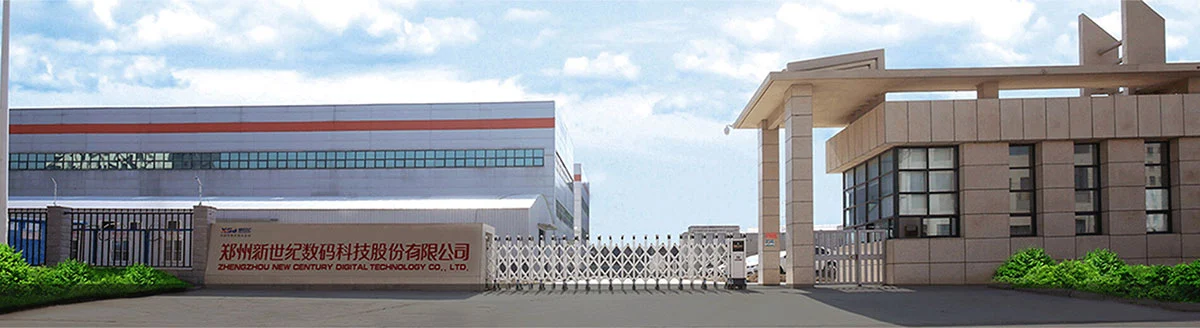
Fedar has been improving digital printing for more than ten years and can offer reliable output options to OEM companies. Our 400-person factory makes sure that the FD60, FD604, and FD606 models all have the same high quality. These models are all designed to work in tough industry settings. We know that purchasing managers need more than just specifications for equipment. They also need full after-sales support, quick technical help, and clear supply chain reliability. Our global service network serves sites on many countries, and we have expert teams that can do both remote diagnostics and training on-site. Competitive quotes for 60cm DTF printer suppliers looking to buy in bulk include options for flexible warranty packages and bundles of consumables that keep operations running smoothly. Get in touch with our expert team at info@tex-printer.com to talk about how our solutions can help you meet your production goals and deadlines. We give technical directors sample prints of different fabrics that show how our equipment can print on them. This helps them confirm quality standards before making a purchase commitment.
References
1. Smith, J. & Anderson, K. (2023). "Direct-to-Film Printing Technology: Comparative Analysis of Industrial Applications." Journal of Textile Manufacturing Technology, 45(3), 112-128.
2. Rodriguez, M. (2024). "Economic Impact of DTF Printing in Small-Batch apparel Production." Industrial Printing Review, 18(2), 67-82.
3. Chen, L., Wang, S., & Brown, D. (2023). "Printhead Technologies in Digital Textile Transfer Systems: Performance Metrics and Durability Studies." International Journal of Digital Printing, 12(4), 201-219.
4. Thompson, R. (2024). "OEM Procurement Strategies for Digital Printing Equipment: Risk Assessment and Supplier Evaluation Frameworks." Manufacturing Management Quarterly, 31(1), 45-63.
5. Williams, E. & Garcia, P. (2023). "Environmental Impact Assessment of Direct-to-Film Versus Traditional Textile Decoration Methods." Sustainable Manufacturing Practices, 9(3), 134-151.
6. Johnson, A., Kim, H., & Patel, R. (2024). "Automation Integration in Mid-Scale Textile Production: Case Studies from North American OEM Facilities." Production Engineering Advances, 22(2), 89-107.

Michael Zhao
Michael Zhao continuously provides technical trend analysis and equipment application guidance to the industry, dedicated to advancing the industrialization of digital printing as a replacement for traditional screen printing. Achievement: Has published multiple technical analysis articles and provided professional support in equipment selection, process optimization, and fault diagnosis to dozens of printing factories, contributing to the upgrade of the digital printing industry.
We Look Forward to Your Email
Please send us product information that interests you, and we will provide you with one-on-one service.


_1778203196111.png)
Recommended Blog
_1785483477752.webp)
Color Fade Solutions for Consistent Color Accuracy in Industrial Printing

Roll to Roll DTF Printer for High-Volume Textile Production
How Sublimation Transfer Printers Improve Custom Fabric Production Efficiency?