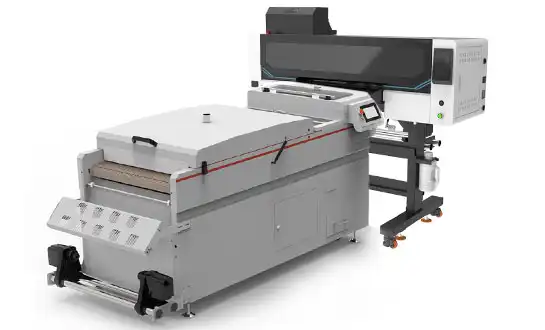
White Ink Alignment Solutions for High-Precision DTF Printing
Understanding White Ink Alignment Challenges in DTF Printing
- Understanding White Ink Alignment Challenges in DTF Printing
- Core Principles and Technologies Behind White Ink Alignment Solutions
- Step-by-Step Guide to Optimize White Ink Alignment for High-Precision DTF Printing
- Fedar DTF Printers: Engineered for Alignment Precision and Business Growth
- Comparative Overview: White Ink Alignment Solutions Across Leading Equipment
- Future Trends and Environmental Considerations in White Ink DTF Printing
- Conclusion
- FAQ
- Partner with Fedar for Reliable White Ink Alignment Technology
- References
Achieving consistent white ink alignment in a DTF printer is essential for delivering sharp, vibrant transfers, particularly when serving high-volume apparel decorators, promotional product shops, and industrial textile operations. White ink acts as the foundational layer that enables vivid color reproduction on dark fabrics and varied substrates. Without precise alignment, prints suffer from ghosting, edge blurring, and color misregistration—defects that compromise brand reputation and customer satisfaction. This guide helps procurement managers, technical directors, and distributors navigate the complexities of white ink alignment, empowering you to select equipment and implement workflows that maximize production efficiency and print quality.
Understanding White Ink Alignment Challenges in DTF Printing
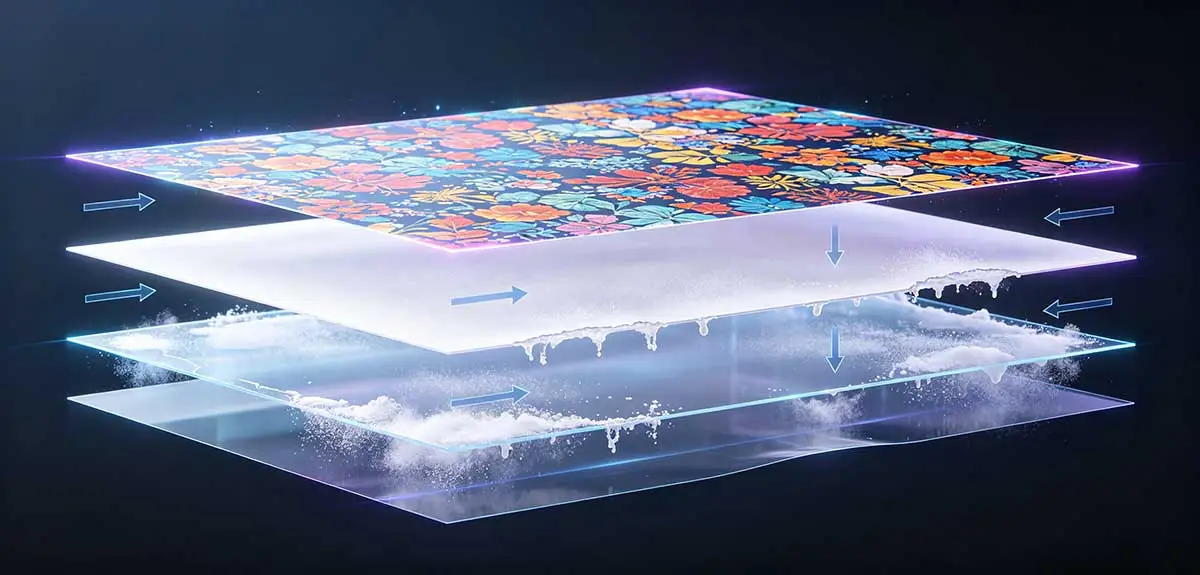
Misaligned white ink is still one of the biggest technical problems in direct-to-film workflows. Unlike CMYK inks, white ink has titanium dioxide particles that settle quickly, making the colour less uniform and less opaque. This physical trait, along with changes in humidity and temperature, and changes in the surroundings, causes alignment drift during long production runs.
Equipment Calibration Drift
The nozzle moves slowly because of mechanical shaking and wear on the printer. Even very small differences, measured in microns, can leave flaws that can be seen on finished clothes. A lot of workers don't think about what happens over time when they keep running without recalibrating. When making drawings with more than one colour, where white ink underlays need to perfectly line up with CMYK layers, it's important to check the alignment often.
Ink Viscosity and Media Handling Issues
Alignment problems are made worse by inconsistent ink flow rates and bad film tensioning. Ink spreads randomly on low-quality PET films with uneven coats, and RIP software settings that aren't set up right can't account for these differences. I've seen that a lot of small studios have trouble with these problems because they don't have any set procedures for fixing them. Businesses can cut down on waste and boost yield rates by fully grasping how the chemistry of the ink, the properties of the substrate, and the mechanics of the printer all work together.
Core Principles and Technologies Behind White Ink Alignment Solutions
Modern direct-to-film technology uses smart software and precise engineering to keep the placement of white ink the same across thousands of pictures. Hardware and software systems must work together and in real time for the technology to work.
Precision Printhead and Sensor Systems
Industrial-grade printheads, like the Epson F1080-A1 and i3200-A1, are used in high-performance machines to get droplet accuracy within single-digit micron tolerances. Advanced DTF printers equipped with these professional printheads can achieve precise ink placement and consistent output quality for demanding production environments. Optical alignment devices keep an eye on the position of the picture all the time and make small changes to account for drift. These sensors pick up on edge positions, reference marks, and changes in print density. Modern DTF printers use intelligent monitoring systems to improve alignment accuracy and reduce errors during continuous operation. They send this information to control algorithms, which then change the firing timing and carriage speed on the fly. Reliable DTF printers with automated adjustment functions help manufacturers maintain stable performance, improve production efficiency, and reduce material waste. Choosing advanced DTF printers allows businesses to achieve higher printing accuracy and meet the quality requirements of professional custom printing applications.
RIP Software and Color Management
Software for raster image processing connects design files to results. Modern RIP programs let you change the arrangement of dots, change the amount of white ink, and create underbase automatically. Colour management profiles make sure that the opacity of white ink fits the design purpose on all types of cloth. The best systems let users save calibration settings for substrates that are used a lot. This cuts down on setup time and the number of alignment test prints that need to be made.
Auto-Alignment and Predictive Maintenance
Newer direct-to-film systems have auto-alignment features that work when the system is first turned on or when a job is changed. These routines print test designs, use built-in cameras to look at the results, and instantly change the timing of the nozzles. Features for predictive maintenance check the flow rates of ink, the temperature of the printer, and the health of the nozzles. They then warn workers before alignment problems happen. This proactive method stops expensive downtime and keeps quality standards consistent, which is very important in B2B manufacturing settings.
Step-by-Step Guide to Optimize White Ink Alignment for High-Precision DTF Printing
To set up a reliable alignment workflow, you need to pay careful attention to environmental controls, equipment maintenance, and training for operators. These methods are the building blocks of quality production that lasts.
Environmental Stability and Media Selection
Keeping the temperature and humidity in the room between 20°C and 25°C and 40-60% relative humidity stops film from warping and ink viscosity changes. Changes in temperature make PET film expand or contract, which throws off the registration between print passes. Many problems with sticking and aligning can be solved by using high-quality double-matte films with uniform layer thickness. Before you commit to big orders, I suggest trying several film sources with your specific equipment. Brand compatibility varies a lot.
Calibration Routines and Preventative Maintenance
Clogs are caught in the printhead nozzles every day, before they cause problems that can be seen. Running alignment patterns at the start of each shift makes sure that all production runs are accurate. Wiper blades, closing stations, and ink drainage systems should be deep cleaned once a week to keep particles from building up and stopping the flow of ink. It's important to pay extra attention to the white ink channels. Flushing these lines with cleaning solution every 48 to 72 hours of operation keeps the particles suspended and stops sedimentation in the supply lines.
Troubleshooting Common Alignment Issues
If your prints have horizontal bands, make sure that the bi-directional alignment settings in your RIP software are correct and that the carriage belt tension is correct. Vertical imbalance usually means that the printer isn't getting enough power or that the media feed isn't calibrated correctly. If there is colour around the edges of white paper, it means that the white ink has spread too much. Either lower the saturation of the ink or let it dry longer between passes. Writing down these problems in a maintenance log makes it easier to find trends and better teach new operators. If you know when to call technical help and when to make changes to the settings yourself, you can avoid needless service calls and make sure that serious mechanical problems get expert attention quickly.
Fedar DTF Printers: Engineered for Alignment Precision and Business Growth
Fedar's FD-D300 and FD-D302 models show how careful engineering can solve alignment problems and support a wide range of business models, from new studios to established printing companies looking to grow. The FD-D300 is perfect for sample makers and small-batch creators because it has industrial-grade output in a small package. It has a single Epson F1080-A1 printer that can print at 1600 DPI across a 300mm width and make 10 A3 or 20 A4 prints an hour. This setup strikes a good mix between price and performance, so business owners can get into the clothing decorating market without having to spend a lot of money.
| Model | FD-D300 | FD-D302 |
|---|---|---|
| Printhead Quantity | 1 | 2 |
| Printhead Type | Epson F1080-A1 | Epson F1080-A1 |
| Print Width | 300mm | 300mm |
| Color Configuration | CMYK+W | CMYK+W |
| Maximum Resolution | 1600 DPI | 1600 DPI |
| Speed (A3/hr) | 10 | 31 |
| Speed (A4/hr) | 20 | 62 |
With two printheads, the FD-D302 triples the speed of production to 31 A3 or 62 A4 pages per hour. This throughput is good for businesses with medium traffic that handle special sales and marketing efforts. Through synchronised firing control and better sensor feedback, the dual-head architecture keeps the alignment accurate even when it's running at high speeds. These DTF printers embody our commitment to delivering industrial reliability in accessible formats—perfect for resellers seeking dependable equipment that builds customer trust through consistent performance.
Comparative Overview: White Ink Alignment Solutions Across Leading Equipment
Buyers can better match the capabilities of tools to their individual production needs and service models when they know how different makers handle alignment technology.
Epson-Based Systems
Piezoelectric inkjet technology has been improved over many years, which helps machines that use Epson printheads, like Fedar's FD line. Epson's PrecisionCore technology provides excellent droplet uniformity and multiple redundant nozzles. The F1080-A1 printhead's staggered nozzle arrangement makes edges sharper and lessens the appearance of banding in solid white areas. Epson-powered systems have alignment algorithms that focus on colour accuracy and smooth gradations. This makes them great for printing photos and doing work with fine details.
Brother and Roland Alternatives
Brother's GTX line is all about integrated process automation. Advanced DTF printers can benefit from similar automated alignment technologies that reduce manual adjustments and improve production stability. Alignment methods are built into turnkey packages so that operators don't have to do much. This method works well for large-scale operations that value consistency over the ability to make changes. Professional DTF printers with intelligent control systems help businesses maintain accurate printing results while reducing the possibility of alignment errors during continuous production. Roland DG's Texart systems have advanced environmental monitoring built in. As production shifts go on, the systems automatically change the alignment parameters as the environment changes. These high-end features cost more to buy, but they make climate-controlled facilities more consistent in quality. Investing in reliable DTF printers with advanced automation functions allows manufacturers to improve efficiency, reduce operating challenges, and achieve consistent output quality. Modern DTF printers provide businesses with the flexibility and performance needed for large-scale customized printing projects while supporting long-term production goals.
Future Trends and Environmental Considerations in White Ink DTF Printing
The direct-to-film industry is still changing quickly as companies add smarter automation and deal with environmental issues that are becoming more important to buyers who care about brands.
AI-Driven Auto-Correction and Predictive Analytics
New systems use machine learning algorithms that have been taught on thousands of print examples to find small changes in alignment before they become obvious. These AI tools look at past performance data to figure out the best times for maintenance and suggest changes to the calibration based on the environment and differences between ink lots. This kind of intelligence makes it less dependent on user knowledge, so even businesses that don't have specific technical staff can still make high-quality work. Cloud-connected equipment enables remote diagnostics and firmware updates, allowing manufacturers like Fedar's 400-person engineering team to provide real-time support to global customers regardless of time zones.
Sustainable Ink Chemistry and Energy Efficiency
New water-based white ink formulas keep the same level of clarity and longevity while lowering the amount of volatile organic substances that are used. New developments in the chemistry of powder adhesives allow for lower curing temperatures, which lowers energy use and makes substrates more compatible with materials that are sensitive to heat. Concerns about how to get rid of old substrates have been eased by the fact that makers now offer reusable PET films and biodegradable release coatings. Equipment made with flexible parts and standard connections lasts longer and throws away fewer electronics.
Conclusion
In direct-to-film operations, mastering white ink alignment has a direct effect on profits, customer happiness, and standing in the market. Precision hardware, smart software, strict maintenance rules, and smart equipment choice are the building blocks of consistent output quality. Advanced DTF printers provide manufacturers with accurate white ink control and stable performance, helping businesses achieve reliable results across different applications. Fedar's FD-D300 and FD-302 models show how purpose-built engineering can help with alignment issues and support a range of business models, from new companies with no experience to established carriers adding more services. Modern DTF printers equipped with advanced alignment systems allow operators to improve efficiency, reduce production errors, and maintain high-quality output. As AI is added to alignment technology and sustainable materials become more popular, companies that buy reliable DTF printers and follow a set process will be able to take advantage of new opportunities in the markets for custom clothing, promotional items, and industrial textiles. Choosing professional DTF printers with strong technical capabilities helps businesses strengthen their competitiveness, expand service options, and meet the growing demand for customized printing solutions.
FAQ
How often should I perform white ink alignment calibration on my equipment?
Every day before work starts, the nozzles are checked for any signs of imbalance. Every week or every 500 prints, whichever comes first, the printer should be fully calibrated in both directions. If the weather changes, like when the humidity changes with the seasons, you may need to temporarily raise the frequency of calibration until you find a stable standard for your area.
Can software adjustments alone fix alignment issues, or does hardware intervention become necessary?
Software fixes take care of small errors that happen when temperatures change, ink thickness changes, or media types change. When alignment issues don't go away after recalibrating the software, it's usually because of mechanical wear, like a stretched carriage belt, a loose printhead mounting, or contamination on the encoder strip. To get back to accuracy, these hardware problems need to be physically inspected, and parts need to be replaced.
Which substrates work best for maintaining consistent white ink alignment?
Alignment problems are less likely to happen with high-quality double-matte PET films that have a uniform layer thickness. Films that are sold specifically for direct-to-film applications are often made with tighter tolerances than other types of films. Before buying a lot of something, test samples from the seller you've chosen on your own equipment. This will help you avoid expensive compatibility problems that show up as uneven alignment during production runs.
Partner with Fedar for Reliable White Ink Alignment Technology
Fedar runs a factory with 400 workers that focuses on original research and development and strict quality control systems. Our engineers are always improving alignment technologies based on what wholesalers and production facilities in six countries tell them in the real world. The FD-D300 and FD-D302 DTF printer models show our dedication to providing industrial reliability in easy-to-use formats. They are perfect for resellers who want reliable equipment that builds customer trust through consistent performance.
We support flexible ways of working together that fit your market position, whether you're a well-known distributor looking to add more products or a medium-sized store looking into agency opportunities. To make sure your customers are successful, our technical support team helps with installation, provides resources for training operators, and quickly fixes problems. Get in touch with our experts at info@tex-printer.com to talk about how Fedar's alignment-optimized DTF printer products can help your business grow and stay competitive.
References
1. Johnson, M. & Chen, L. (2023). Precision Inkjet Technologies in Industrial Digital Textile Printing. Textile Innovation Press.
2. Richards, P. (2022). "White Ink Formulation and Stability in Direct-to-Film Applications." Journal of Digital Printing Science, 18(3), 112-128.
3. Anderson, K. et al. (2023). Comparative Analysis of DTF Printer Alignment Systems. International Garment Decoration Association Technical Report.
4. Thompson, R. (2022). "Environmental Factors Affecting Print Registration in Film Transfer Processes." Apparel Production Technology Quarterly, 45(2), 67-83.
5. Wu, S. & Martinez, J. (2023). Sustainable Practices in Modern DTF Printing Operations. Green Manufacturing Institute White Paper Series.
6. Davidson, H. (2022). "Predictive Maintenance Strategies for High-Precision Textile Printing Equipment." Industrial Automation Review, 31(4), 201-219.
Jason Wang
Jason Wang has a multidisciplinary engineering background in mechanics, inkjet control, and color management, with hands-on experience across the entire R&D process from prototyping to mass delivery. Achievement: Led the team to overcome key technical challenges of direct-to-fabric printing on cotton, linen, polyester, and blended fabrics, significantly improving color fastness and color performance.
We Look Forward to Your Email
Please send us product information that interests you, and we will provide you with one-on-one service.





_1778203196111.png)
Recommended Blog
Understanding 24 Inch DTF Printer Technology for Efficient Print Shop Growth

60cm DTF Printer for Versatile Garment and Fabric Applications
Dye Sublimation Printer Sublimation Transfer Printer: 5 Things to Know for 2026
How to Choose the Best Roll to Roll DTF Printer for Your Business?