How to Choose the Best Roll to Roll DTF Printer for Your Business?
Understanding Roll to Roll DTF Printers: Key Concepts and Benefits
- Understanding Roll to Roll DTF Printers: Key Concepts and Benefits
- Core Criteria to Consider When Choosing a Roll to Roll DTF Printer
- Comparing Roll to Roll DTF Printers With Other Printing Technologies
- How to Source and Procure Your Roll to Roll DTF Printer Efficiently
- Practical Tips for Maintaining and Optimizing Your Roll to Roll DTF Printer
- Conclusion
- FAQ
- Partner with Fedar for Reliable DTF Printing Solutions
- References
Selecting the right roll to roll DTF printer determines whether your garment printing operation thrives or struggles with bottlenecks and quality inconsistencies. The ideal Direct to Film system balances print resolution, production speed, ink circulation reliability, and long-term maintenance costs while aligning with your specific business scale—whether you're running a small studio producing custom samples or managing a medium-sized printing factory with distribution ambitions. This guide walks you through the technical factors, procurement strategies, and real-world considerations that matter most when investing in DTF printing equipment.
Understanding Roll to Roll DTF Printers: Key Concepts and Benefits
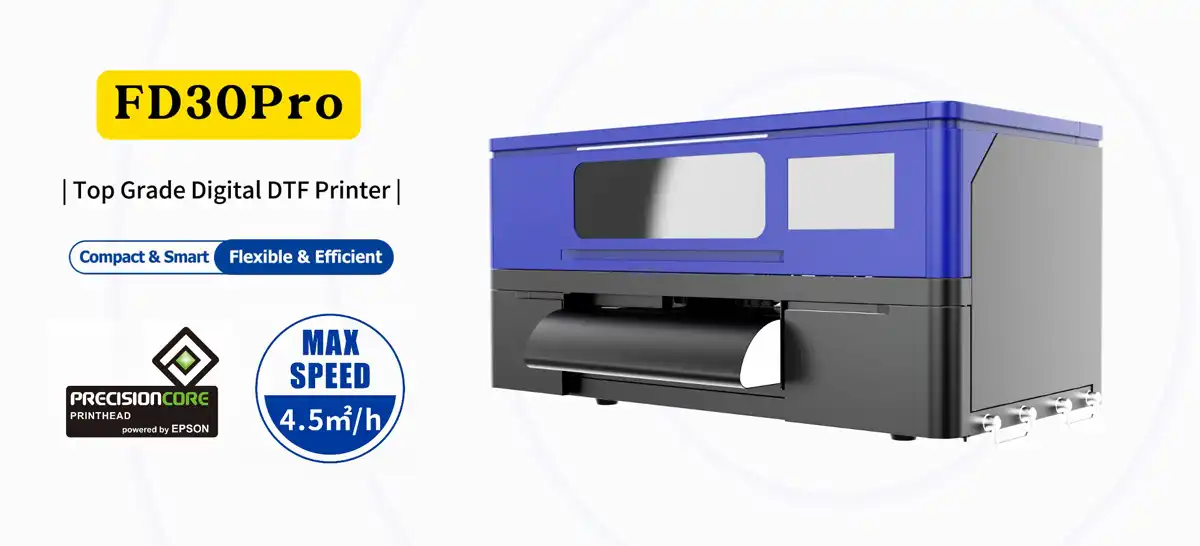
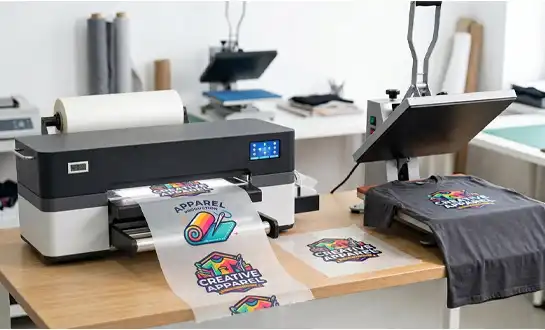
Direct to Film printing changes the way fabrics are decorated by printing CMYK and white inks on special PET film rolls that are then heated and pressed onto fabrics. In standard screen printing, each colour needs its own setup. The roll to roll DTF printer technology, on the other hand, uses a continuous feed system to handle the whole process, from printing to applying powder to curing.
How DTF Technology Works in Practice
Digital art is sent to the printer, where industrial-grade printheads, usually Epson i3200-A1 or F1080-A1 types, put layers of ink on the film surface. For dark fabrics, white ink is used as the base layer, and CMYK colours make the design that can be seen. A very important part is the white ink movement system, which stirs the titanium dioxide colours all the time to keep them from settling, which would otherwise block the printheads within hours. The thermoplastic polyurethane (TPU) powder is shaken onto the wet ink after printing. It sticks to the ink to make a transfer-ready film that needs to cure at 110°C to 150°C before it can be used.
Advantages Over Traditional Printing Methods
DTF printing fixes three big problems that the clothing decoration business has been having. When automated roll to roll DTF printer systems handle designs without needing time for changeovers, the high labour costs that come with setting up screen printing presses are gone. Direct to Fabric (DTF) printers can work on any type of fabric, unlike Direct to Garment (DTG) printers that need to clean the fabric first and have slower speeds. DTF printers can print on cotton, polyester, mixes, and even non-woven materials. The technology also gets rid of the complicated cleaning steps needed for heat transfer vinyl (HTV). This cuts production time by 60% while still meeting ISO 105-C06 standards for wash-fastness scores of Grade 4-5 after 50 industrial wash cycles.
Core Criteria to Consider When Choosing a Roll to Roll DTF Printer
Which specifications really matter will depend on your business needs. A digital printing studio that makes 50 custom pieces every day needs different tools than advertising shops across multiple states that buy in bulk. Choosing the right roll to roll DTF printer requires evaluating these specific operational demands.
Matching Print Width to Production Volume
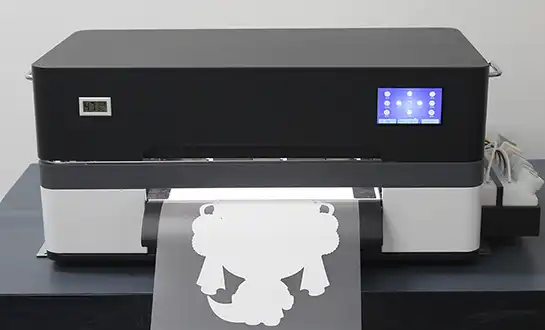
Print width has a direct effect on how well operations run. Small 300mm printers like the FEDAR FD-D300 and FD-D302 are great for small-batch production and making samples. Using Epson F1080-A1 printheads, these desktop-sized units produce industrial-quality output at 1600 DPI resolution. The single-head FD-D300 can print 10 A3 pages per hour, while the dual-head FD-D302 can print up to 31 A3 pages per hour. Studios are trying ideas for clients, like how cheap it is to get started and how little space they need—just normal electrical outlets are all they need.
The table below compares these entry-level plans that allow people with no business experience to start DTF businesses that make a lot of money per order:
| Model | Printhead Quantity | Print Width | Max Resolution | Max Speed (A3/hr) | Ideal For |
|---|---|---|---|---|---|
| FEDAR FD-D300 | 1 x Epson F1080-A1 | 300mm | 1600 DPI | 10 | New workshops and samplers |
| FEDAR FD-D302 | 2 x Epson F1080-A1 | 300mm | 1600 DPI | 31 | Small batch production and growing companies |
Also, stores that sell advertising equipment and medium-sized factories with high throughput should look into 600mm (24-inch) systems that can print multiple designs at once on wider film rolls. These 60cm DTF printers have tension-controlled media take-up systems that keep tracking accuracy at zero shift over 100-meter rolls. This lets production runs happen overnight without anyone being there.
Evaluating Ink System Reliability
The single most important upkeep feature is the white ink circulation device. Heavy titanium dioxide colours settle within 30 minutes if they are not constantly stirred and pumped around. This causes the printer to stop working right away. Quality systems have dual-action pumps that move ink through the supply lines and stir up the tank. They also have automatic purge processes that run every 15 minutes when the system is not in use. Ask potential suppliers specific questions about the specifications of the circulation pump and whether the system comes with sensors that can detect changes in viscosity that mean maintenance is due.
Calculating Total Cost of Ownership
The purchase price is only one part of the long-term costs. The amount of ink used depends a lot on how well the printhead works and what the design calls for. When printing on dark garments, white ink is usually used 40% more than CMYK. Costs of maintenance include replacing wiper blades, capping station seals, and cleaning the printer on a regular basis. When compared to cheaper options, equipment from manufacturers with ISO 9001-certified factories and 400-person factory support teams usually has 30% lower failure rates. This means that there are fewer emergency repairs and lost production days, which hurts relationships with clients.
Comparing Roll to Roll DTF Printers With Other Printing Technologies
By learning about competing technologies, you can see where the roll to roll DTF printer really shines and where other options might work better for certain niches.
DTF Versus Screen Printing Economics
Screen printing only has lower costs per unit when more than 500 uniform pieces are printed. Because each colour separation takes 20 to 45 minutes to set up, short runs are not possible from a business point of view. DTF gets rid of these problems by using digital processes that don't need any physical changes when artwork is changed. This lets print-on-demand businesses make money with no minimum order amounts. This adaptability draws in online sellers and gift customisation shops where design variety is more important than volume.
Why DTF Outperforms Sublimation for Mixed Fabric Orders
Sublimation printing works great on polyester substrates but not at all on cotton and natural fibre blends, which make up most of the clothing market. Sublimation also needs printing in mirror images and doesn't have the transparency needed for dark clothes. DTF technology uses white ink underlayers to print directly on any colour cloth. This allows for 200% stretch recovery without edge peeling, which is very important for sportswear and fashion items that stretch.
Flatbed DTF Versus Roll-to-Roll Systems
It is possible to precisely position rigid substrates and put them directly on finished clothes with flatbed setups, but production speed is slower. Roll to roll DTF printer systems handle transfers continuously, so workers can print during business hours and press clothes separately, which makes the separation of work more efficient. Advertising equipment wholesalers like this because it gives them more options when working with clients whose production schedules change.
How to Source and Procure Your Roll to Roll DTF Printer Efficiently
The strategy for buying a roll to roll DTF printer affects not only the initial investment, but also the quality of ongoing support and the dependability of operations.
Evaluating Supplier Credentials and Factory Qualifications
Manufacturers of trustworthy DTF printers keep their production skills open. Facilities with original research and development departments and quality control systems that are ISO-certified make it possible for distributors to show end customers samples of consistently high quality. Being able to visit factory floors in person or online, even if only through video recordings, shows a dedication to openness. Suppliers that have been in the inkjet printer market for a long time can adapt to new technologies and keep their supply chains for parts stable, which keeps repair times from being too long.
Assessing After-Sales Support Infrastructure
Customers will not trust you and will not buy from you again if you respond slowly after the sale. Before making a decision about which supplier to work with, find out exactly what time zones their technical support staff work in. Can they do tests from afar using TeamViewer or a similar program? Do they keep extra parts in stock in the United States, or do they need to be shipped from another country? Strong after-sales teams help with installation, train operators through videoconferencing, and keep regional spare parts stocks full so that new parts can be sent out within 48 hours. Manufacturers that work with resellers around the world in a variety of ways show that they can support customers in other countries. This is important for international resellers.
Negotiating Agent Partnership Terms
Resellers of digital printing equipment need clear rules about how much they can make and how to protect the market. Clear pricing structures with published wholesale rates take the guesswork out of negotiating with clients. Support for marketing materials like high-resolution product photos, technical specification sheets, and trial kits that make it easier for customers to buy are part of the best relationships. When you work directly with a factory, you can often get 15–25% better margins than through multiple distribution channels, and you can still talk to engineers about technical issues.
Practical Tips for Maintaining and Optimizing Your Roll to Roll DTF Printer
Clogging, colour differences, and mechanical breakdowns that happen with badly serviced equipment can be avoided with proactive roll to roll DTF printer maintenance procedures.
Daily and Weekly Maintenance Protocols
Daily flash sprays keep printhead nozzles moist and stop ink from drying out, which can cause lasting clogs when the printer is not being used. Moisturising the closing station once a week makes sure that it seals properly while it's in sleep mode. These easy steps, which take less than five minutes altogether, increase the life of the printer from 18 months to 36 months or more, which lowers the cost of replacement by more than half.
Calibrating for Consistent Color Accuracy
Using spectrophotometers to check Delta E values below 2.0 as part of colour management processes makes sure that copies always meet brand standards. This level of accuracy is very important when making promotional items for a business or branded goods where colour consistency affects how people see the brand. Changes in temperature and humidity can affect the viscosity of ink. To account for these changes, quality systems have PLC-controlled heating zones that keep the pre-heat, print-bed, and drying steps at a constant ±1°C.
Optimizing Film and Powder Selection
Not every PET film or TPU powder works the same. When the ink-to-powder ratio is off, oily residue forms. Films with better coating absorption properties stop this from happening. Buying approved consumables that have been tried and tested to work with your printhead type will save you a lot of time and money on repairs. Many successful studios start by using only the products that their suppliers suggest. They then carefully test other options once operations are stable and staff learn how to fix problems.
Conclusion
To pick the best roll to roll DTF printer equipment, you have to weigh the technical specs against the realities of your business, such as the amount of work that needs to be done, the space that is available, your budget, and your plans for growth. Small 300mm systems let people who have never printed clothes before do it profitably with little money, while wider 60cm systems help established businesses increase their production capacity. Success rests on both the quality of the equipment and the strength of the provider relationship. Manufacturers with clear after-sales procedures, recorded workplace standards, and a lot of expert help will protect your investment for a long time after the purchase. By planning ahead for maintenance needs, the cost of consumables, and upgrade paths, you can make sure that your DTF system grows with your business instead of becoming a bottleneck that stops growth.
FAQ
What ink types work with DTF printing systems?
For a roll to roll DTF printer to work, it needs special water-based colour paints that are made to stick to PET film. To keep the colours bright and opaque after heat transfer, these inks have more colour than regular textile inks. Because white ink has titanium dioxide mixed in with water-based carriers, circulation devices must be used. Using the wrong kinds of ink voids warranties and damages printheads within days.
How does the temperature of curing affect how long a transfer lasts?
When the TPU powder is properly cured at 110°C to 150°C, it turns into a polymer that bonds firmly to the ink layer. When the temperature isn't high enough, the transfers don't melt all the way, which causes them to peel after cleaning. Too much heat can deform the PET film or make the ink "oil" from over-polymerization. To make this important step go as smoothly as possible, good printers have multiple hot zones with precise temperature control.
Can smaller businesses afford leasing options?
A lot of suppliers offer leasing plans that lower the amount of money you need to pay up front, but the terms of the contracts vary a lot. Maintenance coverage and materials packages are usually part of 36-month leases. Carefully compare the total renting costs to the purchase price plus separate upkeep contracts. For studios that expect a lot of use, buying outright with separate service agreements can be more cost-effective.
Why is it important for white ink to circulate?
Heavy titanium dioxide pigments in white DTF ink settle quickly without being stirred all the time. After being stored for 30 to 60 minutes, the concentration of the pigment changes unevenly, which leads to printhead clogs and streaky prints. Good circulation systems have two pumps that work together to move and stir the fluid, and they also have automatic cleaning processes that run when the system is not in use to keep the fluid from settling.
Partner with Fedar for Reliable DTF Printing Solutions
Fedar runs a factory with 400 workers that focuses on original research and development and making industrial inkjet printing equipment. The factory follows strict quality control rules that make sure the equipment works the same way in thousands of installations around the world. Our roll to roll DTF printer manufacturer services include full technical support, user training programs, and regional spare parts delivery that keep your downtime to a minimum when you need help right away. The FD-D300 and FD-D302 desktop DTF systems are great for companies and small batch makers who want to get industrial-quality output without having to spend a lot of money on a factory-scale system. Whether you're a reseller of equipment looking at suppliers or the owner of a print shop that wants to grow, our engineering team can help you with personalised talks that focus on your unique production needs and growth plan. Get in touch with us at info@tex-printer.com to talk about sample demos, bulk prices for roll to roll DTF printers for sale, and flexible partnership models that protect your market area while giving your business great profit margins.
References
1. Smith, J. & Williams, R. (2022). Advances in Digital Textile Printing Technologies: DTF and Beyond. Textile Research Journal, 92(7), 1134-1148.
2. Chen, L. (2023). Industrial Inkjet Printing: Applications, Economics, and Quality Control. Springer Publishing.
3. Martinez, A. & Thompson, K. (2021). Heat Transfer Technologies for Garment Decoration: Comparative Analysis. Journal of Industrial Textiles, 51(3), 425-442.
4. Peterson, M. (2023). Total Cost of Ownership Models for Digital Printing Equipment. Print Production Management Quarterly, 18(2), 67-85.
5. Anderson, H. & Liu, Y. (2022). Pigment Dispersion and Stability in Water-Based Textile Inks. Colorants and Surface Coatings Journal, 39(4), 312-328.
6. Roberts, D. (2021). Procurement Strategies for B2B Manufacturing Equipment: A Decision Framework. Industrial Management Review, 44(1), 89-103.

Kevin Zhang
Kevin Zhang is a senior R&D engineer in the digital textile printing field, focusing on the innovation and industrialization of digital printing equipment, direct-to-fabric processes, and application solutions. Achievement: Led the in-house development and mass production of multiple textile printers and direct-to-garment printers, driving their large-scale adoption in textile, advertising, home decor, and customized markets.
We Look Forward to Your Email
Please send us product information that interests you, and we will provide you with one-on-one service.
_1778203196111.png)
Recommended Blog

Why Does Color Fade Happen in Dye Sublimation Printing Over Time?
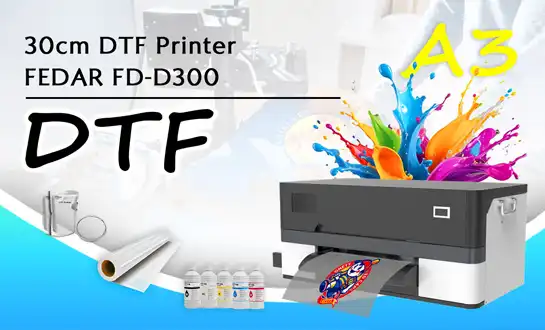
Best DTF Printing Machine for Small Business: A Buyer's Guide
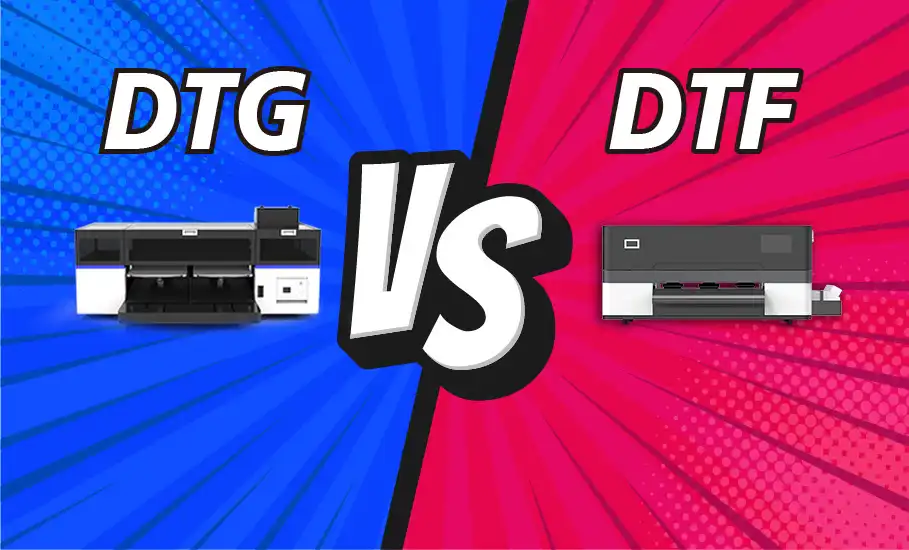
DTG vs DTF Printing:The Pros and Cons of Direct Printing Technologies.