How to Choose the Best PET Film Printer for Your Business?
Introduction
- Introduction
- Understanding PET Film Printers and Their Technology
- Key Criteria for Choosing the Best PET Film Printer
- Practical Considerations for Procurement and Maintenance
- Case Studies and Real-World Applications
- Introducing Fedar's DTF Solutions for Growing Businesses
- Conclusion
- FAQ
- Partner with a Trusted PET Film Printer Manufacturer
- References
To choose the right PET film printer, you need to know how much you want to print, what resolution you need, what substrates it will work with, and how much maintenance it will need over time. A good Direct-to-Film (DTF) printer should always print colours accurately, keep the white ink moving so it doesn't get stuck, and work with different kinds of cloth, from cotton to synthetic blends. When you buy equipment, make sure it can grow with your business by weighing up the initial cost against operational efficiency and support after the sale. This way, you can be sure that the quality of the work produced in areas like decorating clothes, making soft signs, and making custom items stays high.
Introduction
With the rise of PET film printer technologies, the worlds of cloth design and digital printing have changed a lot. PET film printer, which is also called a Direct-to-Film (DTF) printer in the business world, is a big step forward from screen printing, heat transfer vinyl, and even Direct-to-Garment (DTG) printing. Polyethylene terephthalate films are used as an intermediate carrier in this technology. They make it possible to transfer bright, long-lasting images to almost any type of fabric, no matter what colour or composition it is.
Picking the best printing solution has a direct effect on how well your business runs, the quality of your products, and, in the end, your profits. It's important to understand the technical details and business effects of this investment, whether you run a small custom clothing studio, a medium-sized printing facility, or a distribution network looking for reliable equipment to resell. This book explains the important things that business owners, technical directors, and procurement managers need to think about when choosing equipment that will meet their needs and help the business grow.
Understanding PET Film Printers and Their Technology
The Core Printing Process Explained
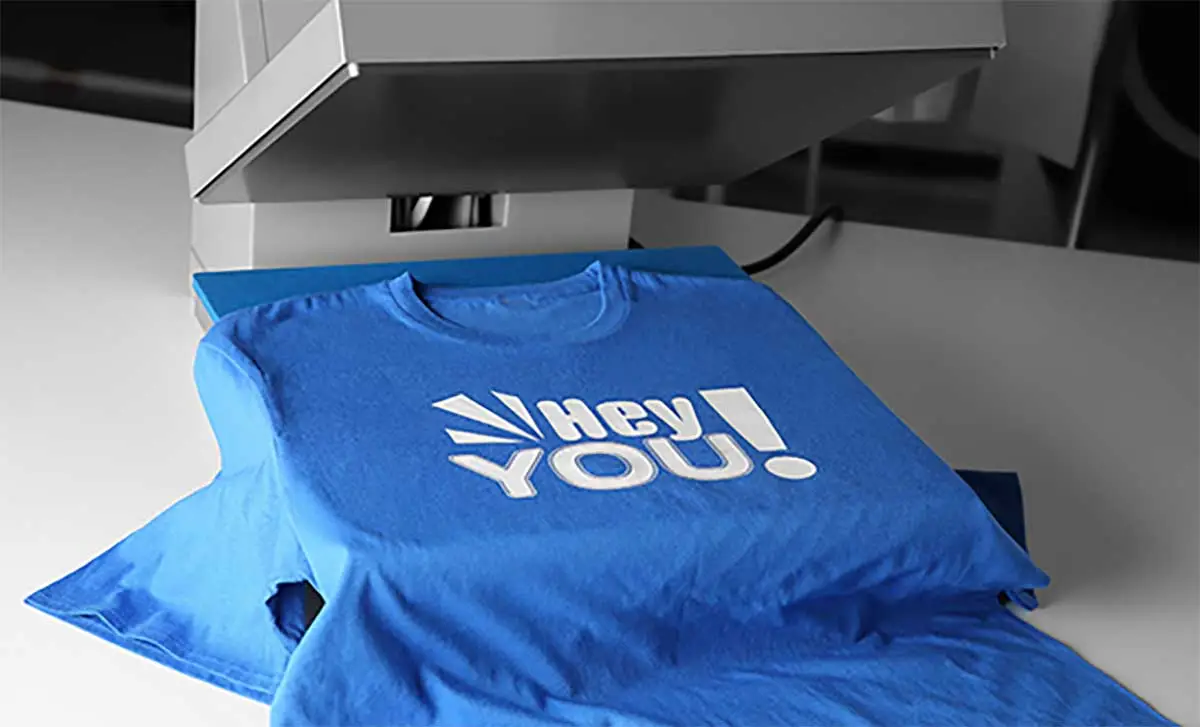
A PET film printer is a special kind of digital inkjet device that puts pigment-based inks on a polyethylene terephthalate film that has been covered with a release agent. The inks used are usually CMYK plus White. DTG systems print directly on clothes that have already been treated. Direct-to-Film (DTF) technology, on the other hand, separates the printing and transfer steps. Once the pattern is printed on the film, a thermoplastic polyurethane (TPU) sticky powder is added to the wet ink and heated to harden it. This makes a transfer that is ready to be pressed. This decoupled process fixes important problems: it gets rid of the need for expensive fabric pre-treatment and the hard work of weeding that vinyl cuts require, and it makes both light and dark fabrics last longer after being washed.
The main benefit is that the substrate can be used in many ways. DTF transfers work just as well on cotton, polyester, nylon, canvas, and complex blends. The white ink layer both makes dark clothes more opaque and stops dye sublimation in synthetic fabrics, which is a problem that traditional heat transfer methods keep running into.
Technology Components and Quality Indicators
Several important parts are built into modern film transfer systems that directly affect the quality of the product and how reliably they work. Industrial-grade piezoelectric printheads, like the Epson F1080-A1 or i3200-A1, can control droplets very precisely, which is needed to reach values of up to 1600-2400 DPI. Active white ink circulation systems are needed for these printheads to keep titanium dioxide pigment particles in suspension. This keeps the nozzles from getting clogged, which happens with bad designs.
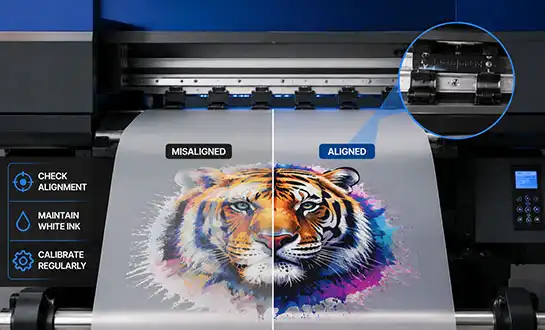
Print quality standards are more than just resolution. Professional equipment keeps colour accuracy within ΔE values below 2.0, which makes sure that the brand colour stays the same from one production run to the next. Wash fastness rates should meet ISO 105-C06 Level 4-5 standards, which means that transfers will last through 50 or more home washing processes without losing their quality. To keep colour fringes and halo effects from showing up on detailed images, the registration accuracy between the CMYK and white ink layers must stay within 0.02mm.
Distinguishing Film Transfer from Alternative Technologies
Figuring out how DTF is different from other technologies can help you figure out what it's best used for. Direct-to-Garment (DTG) printers do a great job of printing photorealistic images on 100% cotton, but they have trouble printing on polyester and need expensive chemicals to prepare the fabric first. Sublimation can print bright colours on polyester, but not on dark or cotton fabrics. Heat transfer vinyl is easy to use, but it takes a long time to weed and doesn't feel as soft in your hand as film copies do. DTF fills in these gaps by blending substrate freedom, durability, and production efficiency into a single process that works for a wide range of markets, from custom clothing to marking on industrial workwear.
Key Criteria for Choosing the Best PET Film Printer
Defining Your Production Requirements
Make sure you know what your production factors are before you look at individual models. The amount of work you do each day will tell you whether you need entry-level desktop units or industrial multi-head systems. Small studios that do 20 to 50 transfers a day can get by with small 300mm-width PET film printers, but commercial facilities that do 200 or more units need larger format printers with higher throughput. Different types of applications are just as important. Businesses that do everything from small name spots to full-size graphic t-shirts need machines that can handle a variety of media and accurately control the print area.
Resolution needs change depending on where the market is located. A resolution of 1200 DPI works well for most retail clothing, but 1600 DPI or higher is needed for high-end custom items and photocopies. Both colour range and running costs are affected by how the ink is set up. The usual setup is CMYK plus White, but some programs work better with larger colour sets that include light cyan and light magenta to make skin tones and pastels look softer.
Evaluating Mechanical Reliability and Maintenance Demands
Because equipment downtime cuts directly into profits, mechanical reliability is the most important thing to think about. Manufacturers with a good reputation base their systems on industrial printheads that have been used for a long time and have replacement parts that are easy to find. The white ink circulation system needs extra attention because bad designs cause it to settle, which causes clogs often and costs a lot to replace the heads. To keep the pigments mixed during downtime, good systems have both circulation pumps and regular stirring cycles.
Daily maintenance tasks should still be able to be done by people who don't need to know a lot about technology. Professional-grade tools need about 5 to 10 minutes of daily care, including checking the nozzles, cleaning the wipers, and checking the closing stations. Environmental needs are also important. The best performance happens between 40 and 60% humidity to keep the film flat during printing and keep the ink from drying too quickly. When the temperature stays stable between 68°F and 77°F, the viscosity of the ink stays the same, and the powder sticks well.
Comparing Total Cost of Ownership
The purchase price is only one part of the real cost of the tools. Find the costs of film, ink, and binding powder that you use for each print. Entry-level systems may have low prices at first, but they charge a lot for proprietary consumables. Open-architecture equipment, on the other hand, can use supplies from other companies and save a lot of money. But make sure that using different products doesn't affect the quality of the result and doesn't void the manufacturer's warranty.
Protect your investment with a warranty and easy access to service. Complete deals should cover parts and labour for at least one year, and there should be ways to get longer security. When local service is available, expensive downtime is less likely to happen. Even reliable equipment needs repair from time to time. Make sure that your provider keeps enough parts in stock and can send experts to fix major problems within 24 to 48 hours. Remote diagnostics speeds up fixing and can even get rid of the need for service calls in some cases.
Practical Considerations for Procurement and Maintenance
Acquisition Strategies for Different Business Models
Outright buy makes sense for businesses that are already up and running, have the money, and are sure of their production volume forecasts. Leasing deals lower the original cost of buying something while keeping the working funds needed for things like marketing and stock. This method works especially well for startups that want to see how the market responds before they buy a PET film printer. Some companies have rent-to-own programs where rental payments can be used to buy the item in the end. This program bridges the gap between short-term use and long-term investment.
Carefully look over the supplier's qualifications. Authorised distributors sell original equipment that comes with warranties and access to support networks run by the manufacturers. Direct relationships with factories can save you money, but they might make service arrangements harder if the factory doesn't have a local office. Ask for proof of the factory's licenses, its ability to make things, and its quality control methods. Reputable makers run ISO-certified factories with clear rules for getting parts and checking them all the way through.
Establishing Effective Maintenance Protocols
Preventive repair keeps output quality high and tools working longer. In addition to cleaning the printer every day, you should schedule deep cleaning sessions once a week to focus on the ink system components and printhead alignments once a month to keep the registration accurate. Keep thorough maintenance logs that record all service actions, replacements of consumables, and any problems with how the machine works. When fixing problems that keep happening or making guarantee claims, these records are very helpful.
Keep important spare parts on hand to cut down on downtime caused by common problems. Printhead wiper blades, capping station seals, and basic tools for regular maintenance should always be easy to find. Build relationships with suppliers of consumables that offer fast shipping and discounts for buying in bulk. To find the best balance between cost-effectiveness and limited storage space, many businesses keep a rolling stock of film and powder that is enough for two to three weeks of production.
Training and Technical Support Considerations
The complexity of the equipment means that operators need to be properly trained. Quality manufacturers offer thorough training that includes not only how to use the machine but also how to fix common problems, colour management principles, and the best ways to apply transfers. Video tools and thorough documentation help staff keep learning as they get better at their jobs. Access to technical support is very important during the learning curve and when problems come up out of the blue. Make sure that your supplier gives you a number of ways to get in touch with them, such as by phone, email, and remote desktop assistance, and that they respond to your messages quickly.
Case Studies and Real-World Applications
Small Studio Scaling Operations
After having trouble with their cleaning and application processes, a custom t-shirt company in Austin, Texas, switched from heat transfer vinyl to Direct-to-Film (DTF) technology using a small 300mm PET film printer. The owner says that production tripled, going from 15 to 45 outfits per day, even though the business is still run by one person. Better print quality allowed for higher prices, and the soft feel of DTF transfers cut customer returns from 8% to less than 2%. Within seven months, the investment was paid for by higher per-order margins and more orders. Because vinyl production is limited, the company can now take on bulk customers that weren't possible before.
Mid-Size Facility Optimizing Workflow
A company that makes promotional items for businesses bought dual-head DTF equipment to add to their screen printing business. Complex multicolour designs with low minimum order quantities used to be turned down because of the cost of setup, but now they can be done profitably. The film transfer process can handle fast orders that need to be done in 24 hours, which is not possible with screen preparation timelines. Production data shows that DTF has 35% higher margins on orders below 50 units than screen printing. On the other hand, it can keep prices low on larger runs by choosing the right technology for each job. This hybrid method lets them serve more market groups without giving up on the things they were already good at.
Distribution Partner Perspective
A company that sells digital printing equipment added DTF systems to their line because they saw a lot of demand from customers who were having trouble with substrate limitations with sublimation-only options. The distributor stresses that manufacturers who offer complete sample kits, technical training, and quick support after the sale cut the sales cycle by a huge amount. Customers like being able to try transfers on their own supplies of fabric before deciding to buy tools. The reseller says that return business and tip rates are directly linked to warranty service that works and parts that can be found locally. Customers are ready to pay more for peace of mind when they buy equipment from makers whose factories are certified and have quality controls that can be proven.
Introducing Fedar's DTF Solutions for Growing Businesses
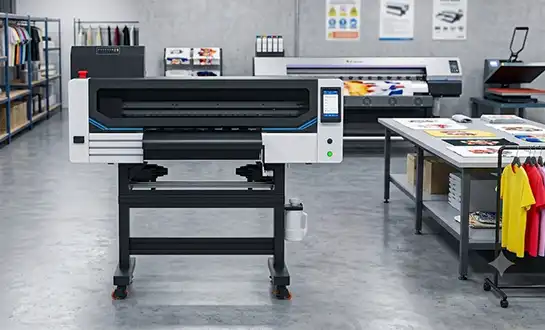
No longer do you need a lot of industry knowledge or a lot of money to start a clothing decoration business. Fedar's FD-D300 and FD-D302 PET film printers produce high-quality prints on a desktop, making professional film transfer available to people who make samples, run small production shops, or want to start their own custom clothing business. These systems get rid of the need for a minimum order, which makes it possible for true print-on-demand workflows that keep cash flow steady and reduce inventory risk.
The Epson F1080-A1 printhead is dependable, and both types can make bright CMYK and white transfers at 1600 DPI resolution on 300mm-wide film. The FD-D300's single head can make 20 A4 prints an hour, which makes it perfect for starting up a business or making samples. The FD-D302's two heads triple output to 62 A4 prints per hour, which helps businesses that are growing and need to increase production capacity. Compact designs take up less floor space while still meeting the quality standards that retail and bulk customers expect.
Fedar runs a factory with 400 employees that focuses on designing and making unique equipment. Strict quality control procedures make sure that the factory always works well. Because these systems are based on years of experience with industrial inkjet technology in a wide range of application areas, they come with tried-and-true answers to common operating problems like keeping white ink stable and making sure colours are accurate. Stable component sourcing and global distribution networks make sure that equipment is always available and that parts are sent out quickly. The company's technical support system is quick to respond and offers help through a variety of platforms. It also has a lot of training materials that help operators become more skilled faster.
Starting costs stay low, and profit margins per order stay high. For example, transfers usually cost $0.50 to $1.50 in consumables, but they can support retail prices of $15 to $30, depending on how complicated the order is and what kind of clothing it is. The ongoing costs are kept low by using less energy and having simple upkeep needs. Also, the space-saving design gets rid of the facility overhead that comes with standard screen printing equipment. Because they are reliable, affordable, and good at what they do, Fedar's DTF systems are perfect for businesses that want to test market demand, make samples for bigger contracts, or fill custom orders without having to commit to stock.
Conclusion
To pick the best PET film printer, you have to weigh the technical features against practical business needs. Baseline specs include production output, substrate needs, and quality standards. Long-term success depends on total ownership costs, upkeep needs, and supplier support infrastructure. Small desktop computers work well for startups and sample production, but multi-head configurations that offer higher throughput are better for commercial use.
Give priority to equipment made by well-known companies that have certified production facilities and written quality standards. Make sure that the warranty coverage, availability of parts, and expert help meet your needs. Before you make a purchase, ask for sample prints on the fabrics you want to make sure of the quality of the end product. Talk to wholesalers who can give you full training and ongoing advice as your business needs change. Your business is set up for long-term growth in the growing custom apparel and promotional goods markets if you choose the right tools based on your realistic business expectations.
FAQ
What distinguishes DTF from DTG printing technology?
Direct-to-Garment (DTG) printers spray ink directly onto fabric that has already been treated. This means that they can only work with cotton as a medium and need expensive chemical pre-treatment. PET film printer technology makes transfers on film that can be put on almost any cloth, including cotton, polyester, nylon, and mixes, without having to be treated first. DTF prints last longer when washed on synthetic fabrics and don't have the soft-hand problems that DTG prints do on dark clothes.
How often does a film transfer printer require maintenance?
Every day, maintenance takes 5 to 10 minutes and includes checking the nozzles, cleaning the wipers, and making sure the white ink is moving freely. Every week, the ink system's parts are deep cleaned, and every month, the PET film printer is calibrated to keep the colours accurate and the registration precise. Long-term dependability is ensured by professional servicing once a year by qualified technicians. Regular maintenance stops expensive downtime and greatly increases the printhead's useful life.
Can third-party consumables be used without voiding warranties?
Each manufacturer has different warranty terms. Some require proprietary consumables to keep coverage, while others let certified third-party alternatives that meet quality standards be used instead. Always check the wording of the warranty before getting other products. Using low-quality materials often leads to problems with quality, clogged printheads, and failed transfers that aren't covered by warranties, so they end up costing more than using high-quality consumables.
Partner with a Trusted PET Film Printer Manufacturer
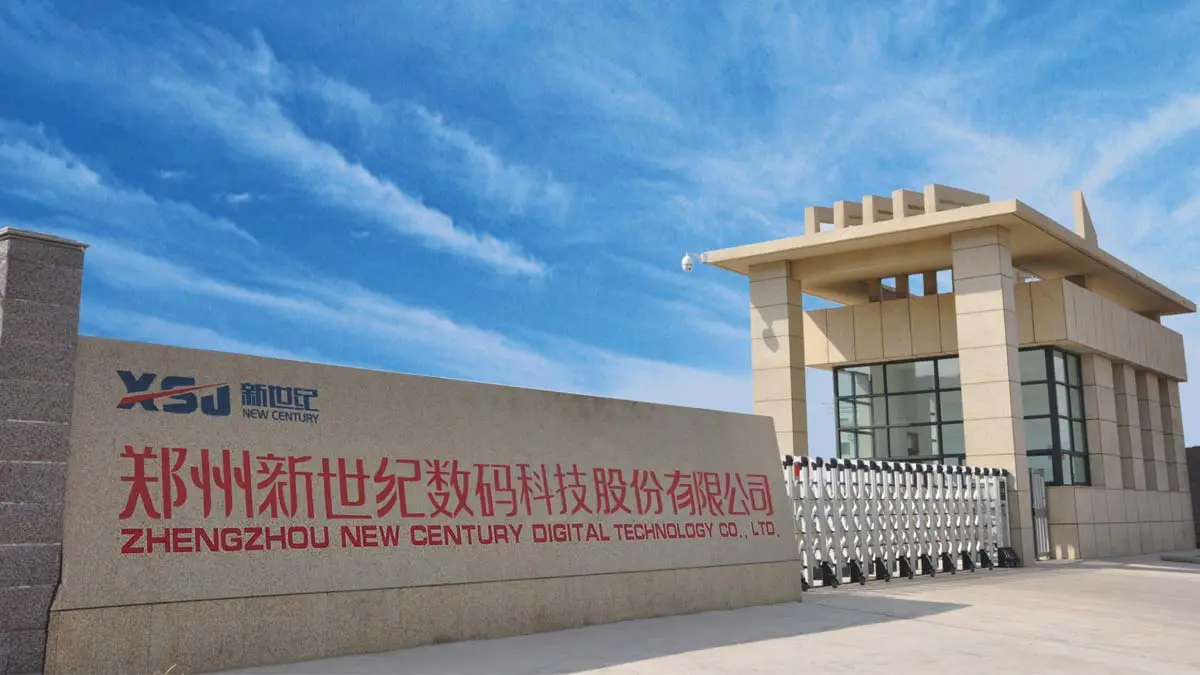
Are you ready to change the way you make things with solid PET film printer technology? Fedar helps your business grow by combining high-quality manufacturing with quick customer service. Whether you're starting a custom clothing business, growing an existing print shop, or setting up a delivery network, our expert team will give you personalised advice on the right tools for your needs. We give you a lot of training and a lot of different ways to buy things, so you can get the most out of your investment right away.
Fedar keeps huge sample libraries that show print quality on a wide range of fabrics and at different levels of design complexity. Ask for sample packs that show what our equipment can do with your specific substrate inventory. Feel the soft hand-feel, see the vivid colours, and know that the wash will last, which makes professional DTF output stand out. Our 400-person production facility and global support infrastructure make sure that you can always get the equipment you need, get the parts you need quickly, and get technical help when you need it. Get in touch with us at info@tex-printer.com to talk about your production goals and find out how Fedar's DTF printer solutions can help businesses of all sizes make more money and grow.
References
1. Johnson, M. & Williams, R. (2022). Advances in Digital Textile Printing Technologies: A Comparative Analysis. Textile Industry Press.
2. Chen, L. (2021). "Polyethylene Terephthalate Film Properties and Applications in Transfer Printing." Journal of Industrial Printing Technology, 18(3), 112-128.
3. Anderson, K. (2023). The Complete Guide to Direct-to-Film Printing: Technology, Applications, and Business Models. Digital Press Publishing.
4. Martinez, S. & Thompson, D. (2022). "Wash Fastness and Durability Testing of DTF Transfers on Synthetic Fabrics." International Textile Research Quarterly, 45(2), 67-81.
5. Roberts, P. (2023). Equipment Selection and Procurement Strategies for Digital Print Businesses. Manufacturing Technology Institute.
6. Liu, H. & Zhang, W. (2021). "Piezoelectric Printhead Technology Evolution and Performance Benchmarks in Industrial Inkjet Systems." Advanced Manufacturing Review, 12(4), 201-219.

Aelx Chen
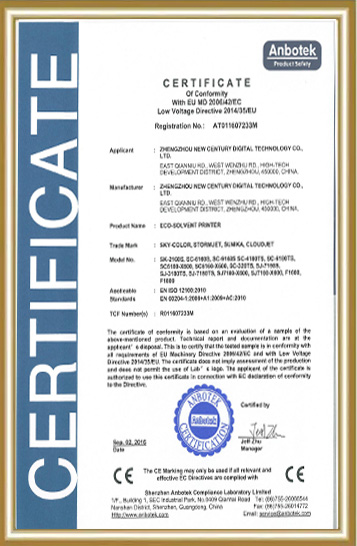
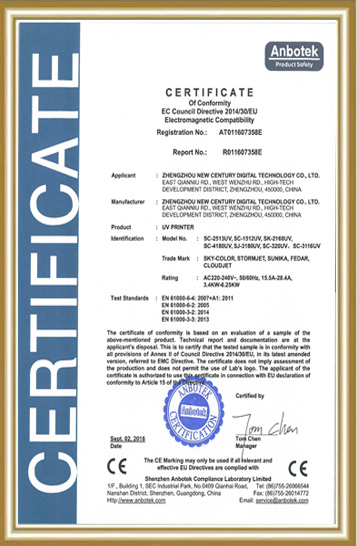
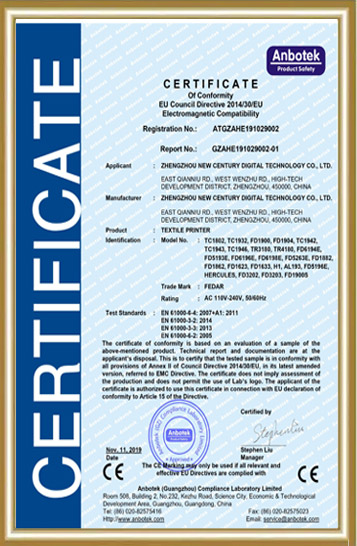
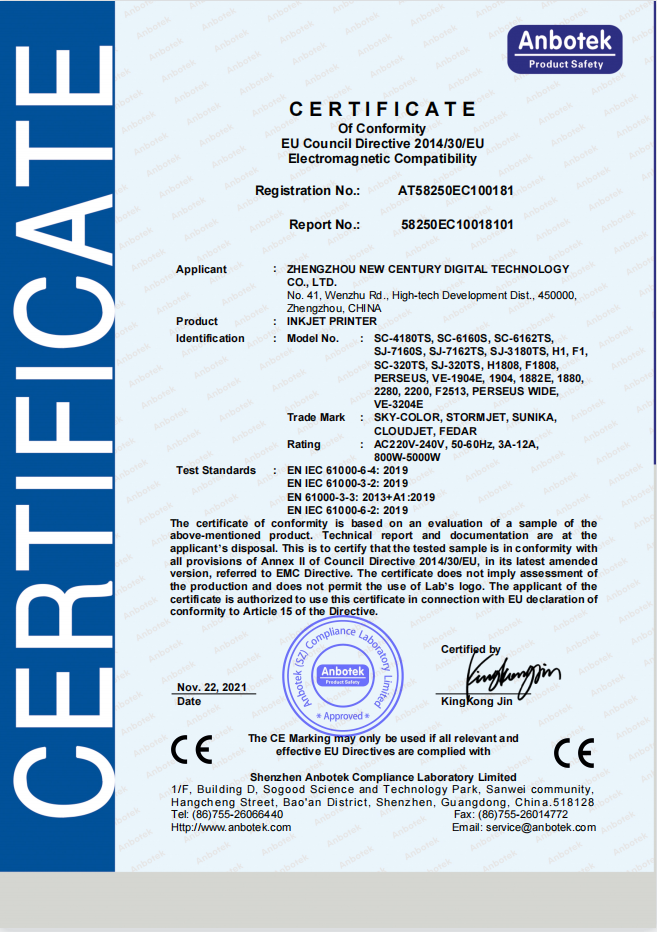
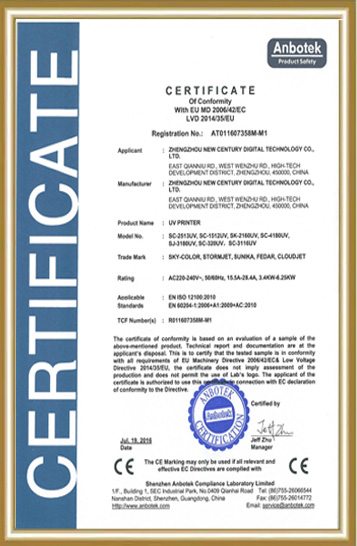
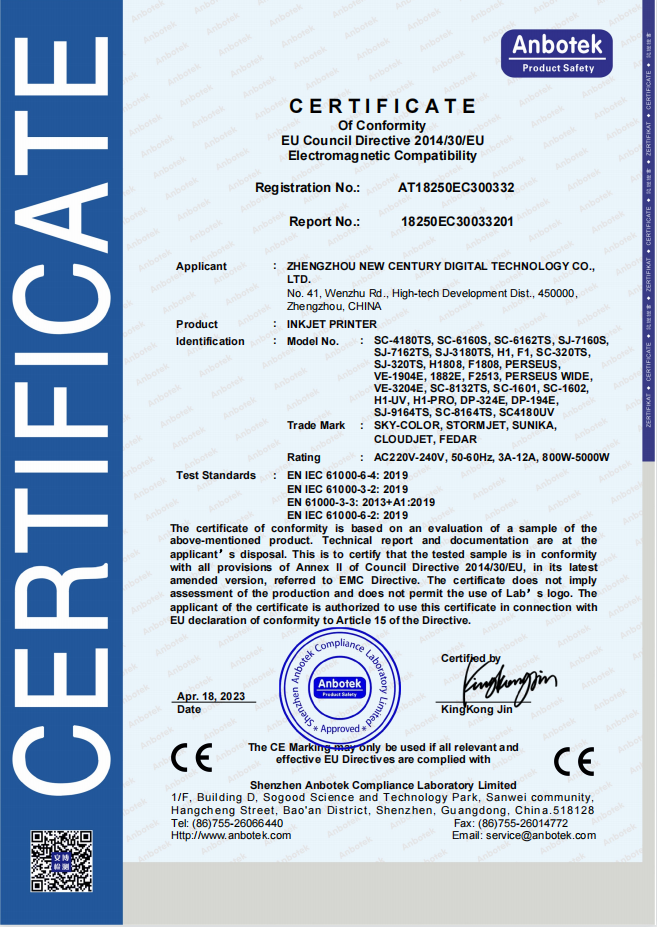
Alex Chen has accumulated extensive R&D and industrialization experience in the digital textile printing field, focusing on the innovation and optimization of digital printing equipment, direct-to-garment (DG) processes, and application solutions. He led the independent R&D and mass production of the company's core textile printing machines and DG printers, promoting their application in the textile, advertising, home furnishing, and personalized customization markets. The equipment he led has passed ISO9000 and CE certifications, earning the trust of a wide range of customers. He continuously provides customers with professional technical support and industry trend analysis, contributing to the upgrading and efficiency improvement of the digital printing industry.
We Look Forward to Your Email
Please send us product information that interests you, and we will provide you with one-on-one service.
_1778203196111.png)
Recommended Blog
Roll to Roll DTF Printer vs Flatbed: Which One Should You Buy?
Sublimation Printer Enables Vibrant Designs on Polyester Materials
Comparision Between Direct-to-Film (DTF) Printing & Sublimation Printing
Features and Performance of a DTF Printer 24 Inch Designed for Commercial Output
_1786522820542.webp)
Industrial Roll to Roll DTF Printer for Continuous Production