Sublimation Printer Enables Vibrant Designs on Polyester Materials
Understanding Sublimation Printing Technology
- Understanding Sublimation Printing Technology
- Benefits of Using Sublimation Printers in Polyester Printing
- Choosing the Right Sublimation Printer for Your Business
- Maintenance Tips and Troubleshooting for Reliable Operations
- Procurement and Supply Chain Guidance for Sublimation Printers
- Conclusion
- FAQ
- Partner with a Leading Sublimation Printer Manufacturer
- References
A sublimation printer transforms how businesses approach polyester decoration by using thermal dye transfer technology that permanently bonds color into fabric fibers. Unlike conventional printing methods that layer ink atop materials, dye sublimation converts solid pigment directly to gas under controlled heat, enabling the colorant to penetrate polyester's molecular structure. This creates wash-resistant, fade-proof graphics with continuous-tone photographic quality—a capability particularly valued across textile manufacturing, promotional product creation, and custom signage sectors where durability meets visual impact.
Understanding Sublimation Printing Technology
source: FEDAR PRINRTER
Unlike traditional ways of decorating textiles, dye sublimation uses a different basic process. When buying teams look at different printing technologies, understanding how phase change works makes it clear why this one works so well on synthetic fabrics.
How the Sublimation Process Works
A two-stage thermal transfer system makes dye sublimation printing work. Industrial-grade printheads, usually Epson i3200-A1 models known for their variable droplet precision, are used to put special disperse dyes on coated transfer paper. The printed transfer sheet is then put on top of the polyester cloth in a heat press, which is usually set to 400°F to 375°F. At these temperatures, solid dye particles skip the liquid phase and go straight to the gaseous state. When polyester fibers get hot, they expand, which lets gas molecules pass through. When the fibers cool down, they contract, which traps the colorant permanently inside the material. This chemical bonding gets rid of surface residue, keeping the fabric's ability to breathe while adding lifelike details that can't be done with screen printing or direct-to-garment methods.
Why Polyester Delivers Optimal Results?
Polyester is made up of manufactured polymers, which make it chemically receptive for color bonding to work. Natural fibers like cotton don't have the right chemical structure to accept disperse dyes, so the color doesn't stay put for long and is washed out quickly. Sublimation can be done on blended fabrics that have at least 65% polyester in them, but the vibrancy goes down as the percentage of synthetic fibers goes down. Polymer-coated rigid substrates, such as aluminum panels, ceramic tiles, and hardboard surfaces, also work well. This means that the materials can be used for more than just soft goods, like in the signage and home decor markets. Knowing this material limitation helps agents give accurate advice to end customers and avoid expensive returns caused by trying to use a base that doesn't work with the product.
Step-by-Step Printing Workflow
A strict order is needed for sublimation production to go well. Setting up digital art starts with managing the color profiles using ICC standards to make sure that the colors are reproduced correctly. You send the files to a sublimation printer that can handle CMYK or more colors (up to CMYK+4 for bright accent colors). When the picture is reversed, it can be sent to transfer paper at up to 3200 DPI, which makes it possible for fine lines and smooth gradients. To keep from ghosting while being stored, transfer sheets must dry fully after being printed. This can take anywhere from 30 to 90 seconds, based on the amount of ink used and the humidity in the air. To get full dye movement without burning, the heat press stage needs to be set to the right pressure (usually 40 to 60 PSI) and rest time (45 to 60 seconds for clothing). After the transfer, the materials cool down on their own, revealing bright, permanent graphics that can be used right away or used for more fabrication.
Benefits of Using Sublimation Printers in Polyester Printing
Using sublimation printers for polyester printing is a good idea as it solves a number of important problems that buying professionals face when they are looking for tools to decorate textiles. These benefits have a direct effect on how well operations run, how well products are made, and how quickly the market responds.
Exceptional Color Vibrancy and Detail Clarity
Sublimation produces continuous-tone output that is on par with digital prints. Over long production runs, Delta E color variation is usually less than 2.0. The molecular bonding process gets rid of the fabric's hand-feel while keeping its drape and breathability, which are important for fashion and athletic wear. Screen printing adds thickness and stiffness through color layers. Sublimated patterns, on the other hand, can't be felt and wash better. According to tests done by a third party, sublimated images keep 95% of their color intensity after 50 industrial wash cycles at 160°F. This means they meet the high performance standards needed for team outfits and promotional fabrics. This longevity cuts down on customer complaints and returns, which is important for the success of distributors because it builds stronger relationships with end users.
Cost Efficiency Across Production Volumes
Digital sublimation gets rid of the setup costs that come with getting the screen ready, making production of a single unit affordable, and a sublimation printer delivers this capability. Average ink use rates of 8 to 12ml per square meter at 720x1440 DPI resolution keep costs per item stable, and maintenance intervals of 500 to 800 operating hours lower technician costs. When you look at the costs of running both methods, dye sublimation stays competitive from one piece to thousands, while screen printing only becomes competitive above 200 runs of 200 identical designs. Because of this, agencies can use the same equipment base to serve both small custom companies and large wholesale clients, making the best use of capital and expanding their market reach.
Versatile Application Range
In addition to clothing, sublimation technology is used in many other B2B areas, such as soft signs for trade show displays, home textile decoration (pillows, curtains, and furniture), and advertising goods (drinkware, coasters, phone cases with polymer coatings). Just-in-time stocking models are supported by the ability to make photo-quality pictures on demand. This lowers the cost of storage and allows for quick responses to product cycles that are driven by trends. Advertising equipment sellers love this feature because it lets them serve a wide range of customers, from real estate agents buying yard signs to event planners looking for unique backdrops.
Choosing the Right Sublimation Printer for Your Business
To choose the right tools, you need to do a thorough review that is in line with your operations. The following framework uses critical assessment criteria to help people make decisions about what to buy.
Evaluating Production Capacity Needs
The main factor that affects scalability is print width. For small studios or gift shops that are just starting out, 1900mm machines like the FEDAR FD1900 are usually enough. These machines are affordable and can handle most clothing and small signage projects. Models with higher throughput are better for medium-sized printing companies that print fashion and home fabrics. For example, the FD6198E's 8-printhead setup can print 370 square meters per hour at single-pass speeds while keeping 3200 DPI resolution. Ultra-wide designs, like the FD7428E, which is 4200mm wide and delivers 440 square meters per hour, are needed for large-scale operations that make backlit screens or continuous yardage for upholstery. Matching machine capacity to the average monthly number stops both capital assets from not being used enough and production problems during times of high demand.
| Model | Printhead Quantity | Print Width | Max Speed (CMYK) | Color Configuration | Ideal Application |
|---|---|---|---|---|---|
| FEDAR FD1900 | 2 | 1900mm | 70㎡/h (3-pass) | CMYK/CMYK+4 | Startup studios, sample production |
| FEDAR FD6198E | 8 | 1900mm | 370㎡/h (1-pass) | CMYK/CMYK+4 | Mid-volume apparel, home textiles |
| FEDAR FD5328E | 8 | 3200mm | 420㎡/h (1-pass) | CMYK | Fashion yardage, soft signage |
| FEDAR FD7428E | 8 | 4200mm | 440㎡/h (1-pass) | CMYK | Large-format displays, industrial textiles |
Resolution and Color Gamut Considerations
Maximum resolution specs show how well a device can handle fine details. For example, Fedar's professional lineup all comes with 3200 DPI, which is enough to show complex patterns and small text. By adding light cyan, light magenta, orange, and violet to CMYK+4, the possible color range grows by about 30%. This is important for matching brand colors in company uniforms and licensing goods. Fashion designers and photographers should look for models with wide color ranges, while businesses that focus on signs can get good results with standard CMYK. During equipment trials, looking at sample prints under standard lighting conditions (D50 or D65) helps make sure that the color accuracy meets the client's needs before committing to a purchase.
After-Sales Support and Warranty Terms
Dependability of suppliers has a direct effect on the continuation of operations, and for a sublimation printer, Fedar's 400-person manufacturing plant has dedicated technical support teams that can do diagnostics remotely and coordinate on-site service work in all four U.S. time zones. Most warranties cover printheads for 12 months and mechanical parts for 24 months. For important parts like printhead assemblies and drive motors, replacement parts are guaranteed to be available within 72 hours. Before signing contracts, procurement teams should make sure that suppliers meet certain requirements, such as having an ISO 9001 certification, and ask for customer references from similar-sized businesses. Setting up clear escalation procedures and service level agreements can help prevent long periods of downtime that hurt customer trust in agent relationships.
Maintenance Tips and Troubleshooting for Reliable Operations
Following preventive care practices can greatly increase the life of equipment while reducing the number of breaks to production. Setting up structured repair schedules saves the value of an investment and makes sure that the quality of the output stays the same.
Daily and Routine Care Practices
Every day of production should start with automated printhead cleaning cycles that remove dried ink from nozzle plates. This will keep the printheads from getting partial clogs, which show up as banding. Keep an eye on the ink's density levels, because sublimation fluids that are subject to temperature changes above 85°F or below 60°F may settle particles that make the flow less consistent. Every week, readings taken with a spectrophotometer are used to make sure that the color consistency stays within acceptable Delta E limits. Controlling the environment is just as important. Keeping the relative humidity between 40 and 60% stops static electricity from building up and attracting dust to transfer paper surfaces. Keeping the temperature stable between 68 and 77°F speeds up the drying of ink and stops printhead reservoirs from evaporating too soon.
Common Issues and Practical Solutions
Horizontal banding usually means that the nozzles are partially clogged. This can be fixed by cleaning them very well and then checking the pattern on the nozzles. If clogs don't go away with automated cleaning, you may need to clean them by hand using cleaning solutions and swabs that don't have lint on them and are approved by the manufacturer. Color differences across the width of the print often happen because the printheads aren't lined up correctly or because the ink batches have expired. Check the installation dates and rotate the stock using the first-in, first-out inventory rules. If the paper cockles or wrinkles while printing, it means that the media tension settings aren't right or that the paper weights aren't compatible. Check the equipment specs to make sure that the transfer media falls within the 40–100gsm range that is allowed. Getting to know technical help before problems happen cuts down on the time it takes to fix them, since reps who know about the installation past can quickly figure out what's wrong through remote screen-sharing sessions.
Long-Term Performance Optimization
Keep track of how long the printhead lasts by using automated nozzle check counts. Depending on how much it is used, assemblies should usually be replaced every 2000 to 3000 hours. Plan to spend 8–12% of the starting cost of the equipment every year on new parts like wiper blades, capping stations, and maintenance tanks. Schedule full correction services every 1500 hours of use by qualified techs who will check the machine's mechanical alignment, update the software to the latest versions, and flush the ink system to keep pigment crystals from forming in the feed lines. This cautious method lowers emergency repair costs by an average of $800 to $1,200 per incident while keeping print quality consistent, which is good for the brand's image.
Procurement and Supply Chain Guidance for Sublimation Printers
When navigating B2B buying channels, it's important to keep in mind the total cost of ownership, which is more than just the purchase price. Strategic buying techniques reduce costs and improve the dependability of operations.
Identifying Trustworthy Suppliers
Give priority to manufacturers who can show they can meet your needs and who have quality certifications; for a sublimation printer, Fedar has a 400-person facility that focuses on original research and development (R&D) and production. The facility is governed by strict ISO 9001 quality control systems that guide the process of finding parts and putting them together. Ask for factory audit reports or set up virtual tours of the facility to make sure that the manufacturing capabilities match what the ads say. Check how long the seller has been working with similar types of customers. Distributors that specialize in textile uses know more about the needs of the industry, like testing for wash fastness and making sure the fabric works with the equipment, than generalist equipment dealers. Check the depth of your spare parts inventory by asking for availability lists for important consumables like printheads, dampers, and encoder strips. This will make sure that replacement parts ship within 48 to 72 hours instead of being put on hold for weeks.
| Specification | Entry-Level Range | Mid-Volume Range | Industrial Range |
|---|---|---|---|
| Printhead Quantity | 2-4 units | 4-8 units | 8+ units |
| Maximum Width | 1900mm | 1900-3200mm | 3200-4200mm |
| Production Speed | 70-180㎡/h | 180-370㎡/h | 370-440㎡/h |
| Resolution | 3200 DPI | 3200 DPI | 3200 DPI (360x1200 for ultra-wide) |
| Color Options | CMYK/CMYK+4 | CMYK/CMYK+4 | CMYK (expandable) |
| Typical Investment | $15,000-$25,000 | $35,000-$55,000 | $65,000-$95,000 |
Total Cost of Ownership Analysis
In addition to the cost of buying the equipment, you will also need to pay for things like ink (which costs about $45 to $65 per liter for OEM brands), transfer paper ($0.15 to $0.30 per square meter), and replacement printheads ($800 to $1200 per unit with a 2000-hour life). Installation services usually cost an extra $1200 to $2500, based on what needs to be done to prepare the site, like adding specialized power circuits or better climate control. Industrial machines cost between $800 and $3500 to ship, depending on their size, weight, and where they are going. Crates and insurance add 8 to 12% to the cost of shipping. Comprehensive training programs, which are needed to make operators as skilled as possible, cost anywhere from $1500 for basic operation to $4500 for advanced color management certification. After spreading these costs out over five years, you can get realistic estimates of how much each unit will cost, which can help you set prices and figure out your return on investment (ROI).
Warranty and Support Considerations
Standard warranty terms cover problems with the way the product was made, but they don't usually cover wearable parts or problems caused by the user, like not cleaning properly. Extended service agreements that cover 12 to 24 months usually cost 8 to 15 percent of the value of the equipment every year. This is a good investment for businesses that lose money when their equipment breaks down. Check that service agreements include response times that are met. For example, Tier 1 support (remote diagnostics) should be available within 4 business hours, and for critical failures, a technician should be sent to the site within 48 hours. Distributors that do business around the world and have a lot of different customers need to be able to offer multilingual help. This is because language delays make troubleshooting take longer. Fedar's technical team offers English-language support during North American business hours. This gets rid of the language barriers that make it hard for people from other countries to buy equipment.
Conclusion
Dye sublimation technology gives businesses that decorate polyester items unmatched freedom, combining photographic output quality with operating flexibility that ranges from customizing a single unit to mass production, and a sublimation printer is the cornerstone of this capability. When you understand the phase-change bonding process, you can see why this method is better than surface application techniques for color vibrancy and wash resistance. Strategically choosing equipment that matches production output with the right printhead configurations and width limits maximizes capital efficiency and puts wholesalers in a position to serve a wide range of markets, from fashion to signage. Long-term profitability is ensured by preventative maintenance protocols and total cost analysis. This protects the initial investment by extending the life of equipment and maintaining consistent output quality, which builds stronger customer relationships.
FAQ
Why does sublimation work exclusively on polyester fabrics?
For sublimation to work, dyes that are spread out and made to stick to synthetic polymer structures are needed. When polyester is heated to 375 to 400°F, its thermoplastic structure expands. This lets gaseous dye molecules get into the fibers before cooling traps them permanently. Natural fibers, like cotton, don't have this chemical sensitivity, so dye doesn't stick to them. Instead, most of the color stays on the surface and is washed off quickly. For blended fabrics to look good, they need to have at least 65% polyester. However, as the percentage of natural fibers goes up, the vibrancy goes down.
What distinguishes OEM inks from third-party alternatives?
OEM sublimation inks go through a lot of testing to make sure they work with certain printer tip sizes and firing rates. Manufacturers like Fedar adjust color profiles to fit the thickness and particle size distribution of OEM ink. This makes sure that Delta E colors are perfectly matched. Third-party inks are 20–40% cheaper, but they might have bigger pigment particles that clog printheads more quickly or chemical additives that cause feed lines to crystallize. Some aftermarket providers offer good options, but buying teams should check independent testing results and make sure that warranties still apply when non-OEM consumables are used.
How can I troubleshoot color fading issues?
Too much fading too soon is usually a sign of not enough heat press rest time or not enough warmth. Using infrared thermometers, make sure the press platen reaches 385–395°F, and increase the contact time for standard textiles to 50–60 seconds. Low-quality transfer paper with a thin coating may also not release dyes fully; use the media suggested by the maker instead. Once the transfer is done, make sure the fabric is completely cool before touching it. Moving it too soon can ruin the bonding process. Instructions for washing are also important. Tell customers to use cold water cycles and stay away from chlorine bleach, which breaks down dispersed color molecules.
Partner with a Leading Sublimation Printer Manufacturer
Fedar has been making digital printing innovations for 30 years and can offer reliable, high-performance sublimation printer equipment to distributors and production facilities that want it. The research and manufacturing team of 400 people at our company makes industrial-grade machines with Epson i3200-A1 printheads that can print at 3200 DPI and 440 square meters per hour. We help dealer partnerships by giving them thorough technical training, sample kits that can be used again and again, and quick service after the sale that can be arranged through info@tex-printer.com. Our product range includes entry-level to ultra-wide format options, so you can equip a new textile studio or grow an existing one. Blog.tex-printer.com has detailed specifications and a place to ask for custom quotes. Our team is ready to match your production needs with the best technology solutions.
References
1. Patel, R. (2021). Digital Textile Printing: Technologies and Applications. Woodhead Publishing Series in Textiles.
2. Johnson, M. & Lee, S. (2020). "Phase-Change Dye Transfer: Molecular Bonding Mechanisms in Synthetic Fiber Systems." Journal of Industrial Textiles, 49(6), 892-914.
3. Turner, K. (2022). Cost Analysis Framework for Digital Printing Equipment Acquisition. SGIA Research Report Series.
4. Chen, L. (2019). "Comparative Performance Evaluation of Piezo-Electric Printhead Technologies in Sublimation Applications." International Journal of Printing Technology, 12(3), 156-173.
5. Williams, D. (2023). Preventive Maintenance Protocols for Industrial Inkjet Systems. Technical Association of the Graphic Arts.
6. Roberts, A. & Garcia, M. (2021). "Total Cost of Ownership Models for B2B Textile Equipment Procurement." Supply Chain Management Review, 25(4), 44-59.

Aelx Chen
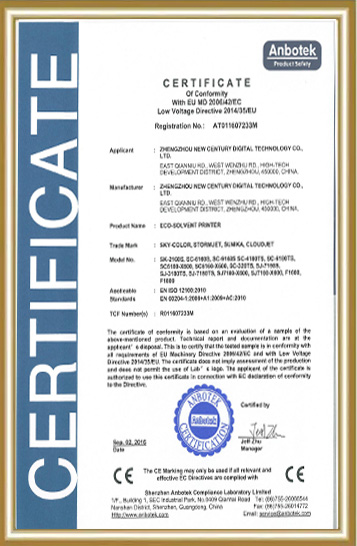
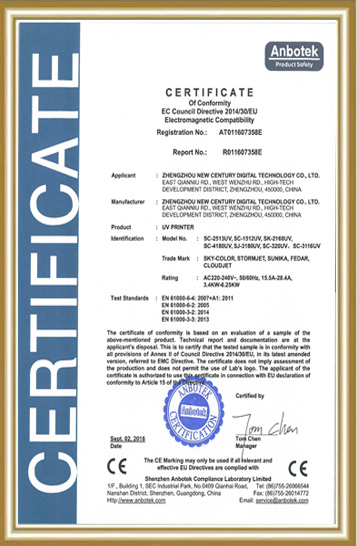
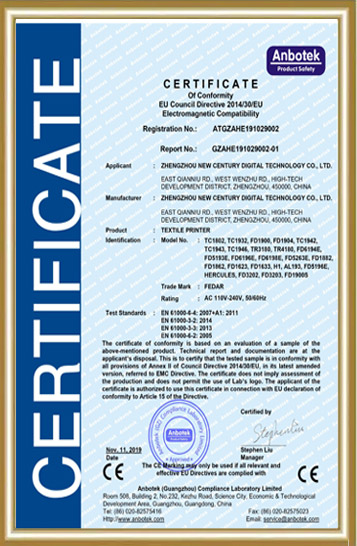
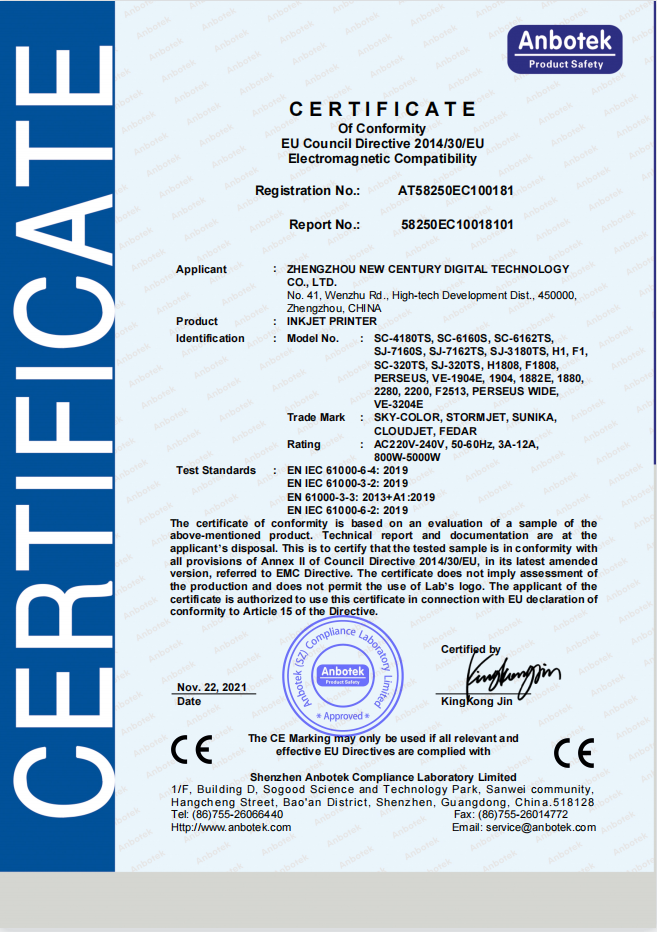
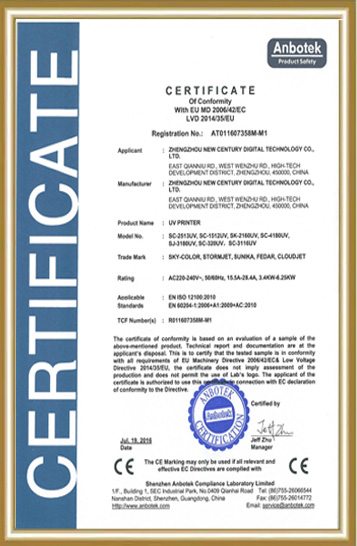
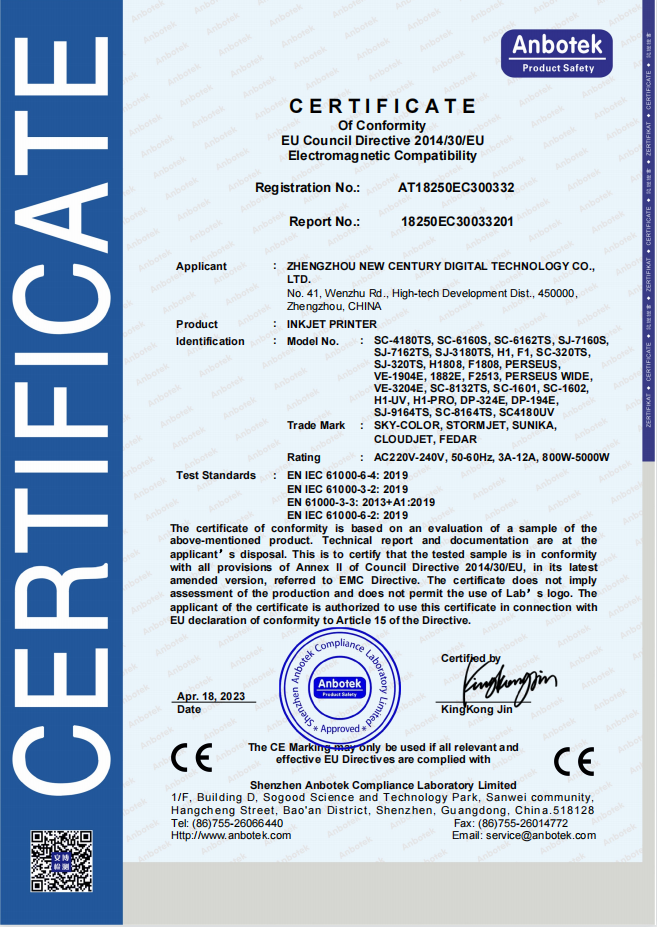
Alex Chen has accumulated extensive R&D and industrialization experience in the digital textile printing field, focusing on the innovation and optimization of digital printing equipment, direct-to-garment (DG) processes, and application solutions. He led the independent R&D and mass production of the company's core textile printing machines and DG printers, promoting their application in the textile, advertising, home furnishing, and personalized customization markets. The equipment he led has passed ISO9000 and CE certifications, earning the trust of a wide range of customers. He continuously provides customers with professional technical support and industry trend analysis, contributing to the upgrading and efficiency improvement of the digital printing industry.
We Look Forward to Your Email
Please send us product information that interests you, and we will provide you with one-on-one service.
_1778203196111.png)
Recommended Blog
High-Resolution Mid-Size DTF Printer for Precision Printing
Roll to Roll DTF Printer for High-Volume Textile Production
Dye Sublimation Printer Applications in Sportswear, Home Textiles, and Signage
What Advantages Does a 60cmDTF Printer Offer for Business Owners?
Compact DTF Garment Printer for Small Print Shops and Startups