Professional DTF Garment Printer for Cotton and Polyester Fabrics
Understanding the DTF Garment Printing Process
- Understanding the DTF Garment Printing Process
- Comparing DTF Garment Printers: Making the Right Choice for Your Business
- Selecting the Best DTF Garment Printer for Cotton and Polyester Fabrics
- Troubleshooting and Maintaining Your DTF Garment Printer
- Procurement and Ordering Guide for B2B Clients
- Conclusion
- FAQ
- Partner with Fedar for Your DTF Garment Printer Needs
- References
For those looking for versatile textile decoration tools that work beautifully on both cotton and polyester materials, a professional DTF garment printer is the best choice. This new digital printing technology fills the gap between screen printing and direct-to-garment printing. It gives businesses unmatched production freedom and fabric compatibility. Whether you run a small custom printing shop or a large textile factory, knowing how Direct-to-Film printing works and choosing the right tools can make your business more profitable and increase your working efficiency.
Understanding the DTF Garment Printing Process
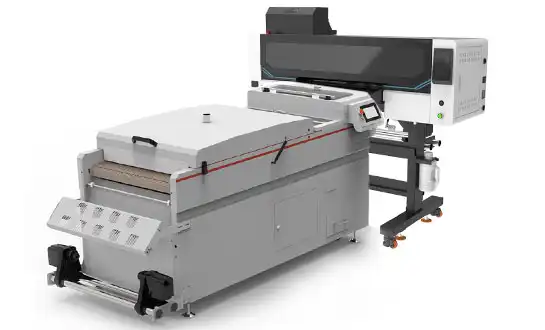
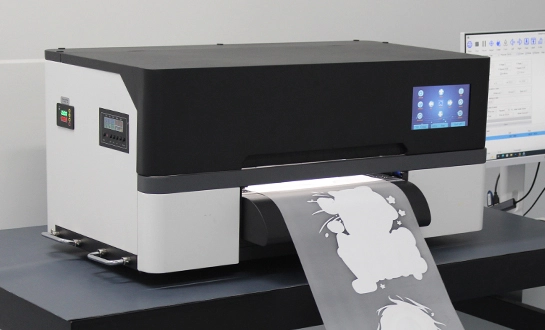
source: FEDAR PRINRTER
How Direct-to-Film Technology Works
Direct-to-Film printing is a new way to decorate clothes that uses advanced inkjet technology to transfer designs onto fabric through a special film. High-precision printheads put CMYK and white textile colour inks on a PET release film to start the process. This method gets rid of the base problems that come up with DTG printing, which usually needs fabrics that have a lot of cotton in them. Once the design is printed on the film, a hot-melt adhesive powder is spread out evenly over the surface of the wet ink.
In a controlled curing phase, heat starts polymerisation, which is the process by which the adhesive powder sticks to the ink. This makes a copy that is flexible and long-lasting, ready to be used. Once the film is dry, it can be heat-pressed onto almost any material base, such as cotton, polyester, nylon, and mixed fabrics. This method's adaptability solves important problems in the clothing decoration business, especially for companies that serve a wide range of customers who need different types of fabric.
Step-by-Step Production Workflow
Knowing about each step of the production process guarantees consistent high quality. To prepare the film, the special PET material has to be loaded into the printer's feeding system while making sure it is properly aligned and tensioned. After the ink is applied, precise printheads put down colour layers with at least 1600 DPI of resolution. White ink acts as a base for dark fabrics, keeping colours from absorbing and making sure the effects are good.
Powder adhesion happens right after printing, when hot-melt powder is spread out evenly across the design by a shaker system. Extra powder is gathered and used again, so there is less waste. Infrared or convection heat is used in the curing phase to melt the adhesive and make a strong bond between the ink and film. This careful monitoring of temperature keeps things from getting too hot while also ensuring full polymerisation. Transfer application is the last step. A heat press is used to attach the design to the fabric at around 160°C for 15 to 20 seconds. This makes prints that last a long time and feel soft to the touch.
Advantages Over Traditional Printing Methods
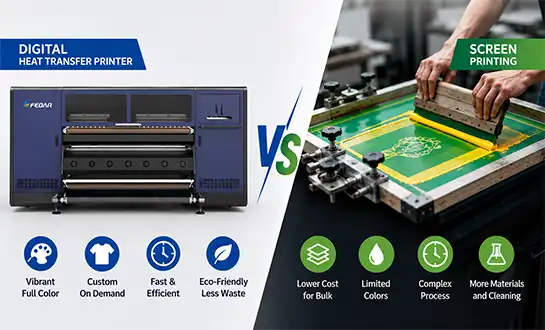
When compared to screen printing and DTG, DTF technology has a lot of great advantages. Screen printing needs expensive plates and large orders to be cost-effective. Direct-to-Film printing, on the other hand, can make single items or small groups of items cheaply. This feature works well with the print-on-demand company model that is growing, where fast return and customisation make customers happy.
Compared to DTG printing, DTF doesn't need as much fabric pre-treatment and can print on a wider range of materials. Polyester and synthetic mixes often have trouble with DTG because the dye moves around, but they work great with DTF transfers. The white ink layer makes the image more opaque, so dark cloth colours don't show through to light ones. Print longevity is also better than with many DTG methods; properly cured transfers can survive 50 or more industrial wash cycles without losing their colour vibrancy or structural integrity.
Comparing DTF Garment Printers: Making the Right Choice for Your Business
Evaluating Performance Criteria
To choose the best tools, you need to carefully consider a number of performance factors that have a direct effect on how well the production goes and how well the product is made. The print resolution determines how detailed the design can be. Professional systems can reach 1600–2400 DPI for photorealistic reproduction. Different makers use very different ink delivery systems. The white ink circulation devices are especially important because titanium dioxide pigments tend to settle and clog nozzles if they are not stirred up properly.
When a business grows, speed of production becomes very important. Entry-level machines can print 10 to 20 A3-sized pages every hour, while industrial systems with multiple heads can print over 100 pages every hour. You can get a good idea of how much capacity you can expect by looking at the actual flow for your design's complexity and colour needs. Registration accuracy affects how well the colour and white ink layers line up, which stops white edges or bleeding that make the job look less professional.
Cost Analysis and Total Ownership Considerations
Making smart investment decisions means knowing the full financial effects, not just the purchase price. The amount of ink used depends on how big the design is, but the average cost for an A4 transfer is between $0.50 and $2.00, depending on how saturated the colours are and how much white ink is needed. Powder adhesive costs about $0.10 to $0.30 more per print, and film costs an extra $0.15 to $0.40 per sheet. Because these are materials, the cost of each print stays the same no matter how many are made. This is different from screen printing, where setup costs are higher for smaller runs.
Costs for maintenance include buying new printheads, cleaning solutions, and repairing parts on a regular basis. Quality systems that use Epson industrial printheads like the F1080-A1 or i3200-A1 last longer before they need to be replaced, which lowers the costs of running the system over time. When running a high-volume business, energy use is important, and curing systems use the most electricity. Modern convection dryers improve the distribution of heat while using as little power as possible, which is good for the environment and your wallet.
Businesses should figure out their break-even points by comparing the cost of a DTF garment printer investment to the cost of outsourcing production or sticking with the way things are done now. Many small to medium-sized businesses find that DTF equipment pays for itself in 6 to 12 months by bringing in more customers and making services more available, which increases profits.
Selecting the Best DTF Garment Printer for Cotton and Polyester Fabrics
Defining Your Production Requirements
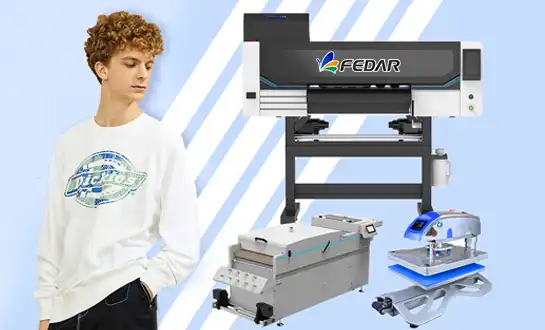
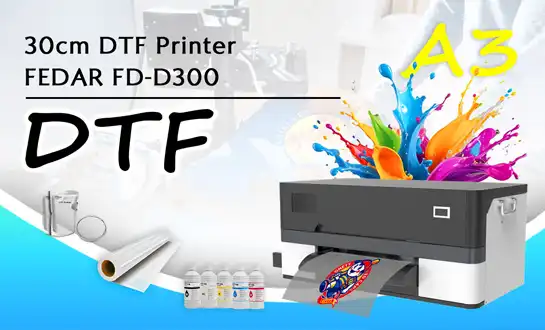
Before you can match the capabilities of your equipment to your business goals, you need to be honest about your present and future output needs. Studios that make samples and small custom orders can benefit from small desktop systems like the FEDAR FD-D300, which saves space while producing high-quality work. The Epson F1080-A1 printer is used in this single-head setup. It can produce up to 20 A4 prints per hour at 1600 DPI resolution and with CMYK and white ink channels.
Businesses that plan to make more prints or want to cut down on the time it takes to make one print should think about dual-head setups. The FEDAR FD-D302 doubles the output, making it possible to print 62 A4 pages per hour while keeping the same print quality and 300mm wide. This improvement in performance helps operations grow without needing to expand the building or add a lot of extra floor space. Both types can be used by people with no experience, which makes them perfect for entrepreneurs starting print-on-demand businesses or shops that already offer cloth decoration services but want to add more services.
When checking if two fabrics are compatible, give more weight to systems that show consistent results across the range of fabrics you want to use. Standard factors make it easy to move cotton and cotton-polyester blends. It is important to pay attention to the temperature and pressure settings for pure polyester and performance fabrics that have spandex or moisture-wicking treatments. Reliable manufacturers provide detailed transfer instructions for each type of fabric, which ensures that the product can be used successfully on all of them.
Importance of Manufacturer Support and Reliability
Working with well-known makers that offer full support systems will protect your investment and keep your business running. Fedar runs a workplace with 400 workers that focuses on original research and development, as well as strict quality control. This production level makes it possible to consistently source parts and keep the supply chain stable, which are very important when equipment downtime affects keeping customers and making money.
After-sales help has a big effect on customer happiness and long-term profits. Quick technical support teams keep downtime to a minimum when fixing problems, and thorough training materials help operators become more proficient faster. Having access to original replacement parts through well-established distribution networks keeps equipment from breaking down for long periods of time, which can be frustrating for customers and hurt a business's reputation. The terms of the warranty show that the manufacturer is confident in the build quality and stability of the parts. Full coverage shows that the manufacturer is dedicated to the success of the customer.
Businesses that sell to customers in other countries or in areas far from the manufacturer's headquarters should make sure that local service is available. Companies with customers all over the world usually have regional support centers or authorised service partners that can help with installation, regular maintenance, and repairs in an emergency. With this distributed support system, you can be sure that technical problems won't stop work for long periods of time. A professional DTF garment printer setup requires consistent backup to ensure business continuity.
Troubleshooting and Maintaining Your DTF Garment Printer
Common Issues and Solutions
To keep print quality constant, you need to know about common problems and find good ways to fix them. The most common problem is ink getting stuck in the channels, which happens a lot with white ink because of titanium dioxide particles building up. Modern systems have automatic mechanisms for circulation and agitation that keep things from settling while they are working or when they are not. Built-in diagnostic functions that check the nozzle every day catch partial clogs before they cause print defects that can be seen.
Film feed mistakes happen when the devices that track the media become out of alignment. This lets the film move around during printing, which causes issues with registration. These problems can be avoided by cleaning the feed rollers regularly and keeping the tension settings at the right level. Environmental factors are very important. For example, when humidity levels are below 40%, static electricity builds up and makes it harder to handle films. When humidity levels are above 60%, it can make it harder for ink to dry and powder to stick.
Most of the time, colour differences are caused by empty ink cartridges, wrong colour profile settings, or printhead nozzles that don't fire properly. Setting up regular upkeep schedules that include cleaning the head, checking the nozzles, and calibrating the colours makes sure that the output stays within accepted limits. Many expert users do these checks before they start production and again after long periods of not using the machine. This way, they can find problems before they affect customer orders.
Preventive Maintenance Best Practices
Using structured repair procedures makes equipment last longer and cuts down on unexpected downtime. Every day, you should check the condition of the nozzles, clean the printheads, and visually check all the consumable levels. Every week, tasks include cleaning powder shakers thoroughly to avoid buildup that makes it hard to distribute the powder evenly, checking film feed mechanisms for debris or adhesive residue, and making sure that curing systems stay at the right temperature.
Checking the printer's calibration with colour reference charts, deep cleaning the ink delivery system (including dampers and tubes), and looking for signs of wear on mechanical parts are all part of the monthly maintenance. Keeping detailed service logs helps find trends that show which parts need to be replaced before they break. This preventative method is much cheaper than fixing things when they break down, and it keeps production plans from getting thrown off.
Controlling the environment is a big part of making sure that the DTF garment printer operation is reliable. Keeping the temperature of the work area between 20°C and 28°C (68°F and 82°F) and the relative humidity between 40 and 60% is best for getting the most out of ink and film. Modern factories often use HEPA filters to get rid of powder particles in the air while the shaker is running. This makes sure that workers are safe and that the facility meets workplace health standards. It also keeps other equipment from getting contaminated.
Procurement and Ordering Guide for B2B Clients
Strategic Sourcing Approaches
Businesses that want to get into the DTF market or grow their current skills would benefit from learning about the different ways to buy things and the benefits of each. Directly working with makers like Fedar gives buyers access to full product lines, technical support, and possibly lower volume prices for purchases of multiple units or long-term relationships. Because they control the whole production and service chain, manufacturers usually offer the best warranties and technical support.
Authorised distributors and resellers serve areas where having a local footprint is valuable because of ready-to-use inventory, help for local languages, and well-established service networks. These partners usually keep demonstration equipment that can be used to get a feel for the product before committing to buy it. Prices may be a little higher than if you bought directly from the maker, but many buyers see the benefits outweigh the costs, especially those who aren't familiar with how to buy things in other countries.
In secondary markets, where used systems offer entry points at lower investment levels, equipment age and condition vary a lot. When looking at used equipment, buyers should carefully check the number of hours it has been used, its repair history, and, if applicable, the amount of guarantee coverage that is still valid. It's important to look into what parts are available for older types because discontinued parts can make otherwise useful equipment useless. Hiring qualified technicians to do a pre-purchase inspection can reveal hidden problems that would be expensive to fix after the purchase.
Negotiation and Partnership Development
When you negotiate well, you look at more than just the purchase price. You also look at the total value delivered over the lifecycle of the equipment. When you buy a lot of units at once or make a commitment to buy them in stages, you can often get volume discounts and better service terms. Buyers should talk about what kind of training is included and make sure that operators get full training on routine maintenance, basic troubleshooting, and how to do preventative maintenance for their DTF garment printer.
When you sign an after-sales support deal, you should pay close attention to the reaction times, help channels, and guarantees of parts availability. Some manufacturers offer tiers of service packages that let businesses choose the level of coverage that best fits their technical skills and risk tolerance. Basic packages might be chosen by operations that have their own technical staff, while companies that want full support choose expensive service contracts that include regular repair visits and priority parts delivery.
When you build long-term relationships with your suppliers, you both gain in ways that go beyond individual deals. When you have a connection with someone, you can often get access to beta programs for new tools, priority allocation when supplies are low, and insider information about new products that will be coming out soon, which helps you make strategic plans. Customers who give feedback that makes products and services better are valued by suppliers. This leads to partnerships where both parties are invested in the success of the other.
Conclusion
Professional DTF garment printer technology is a huge chance for textile decoration companies that want to be flexible, high-quality, and cost-effective. Understanding how the technology works, carefully weighing equipment choices against your business's needs, and building relationships with trustworthy makers will set your business up for long-term growth. Both the FEDAR FD-D300 and FD-D302 types offer industrial-quality results on a PC, making them easy for businesses at all stages to use. The best ways to get the most out of your investment and keep operations running smoothly are to do regular upkeep and use smart purchasing methods.
FAQ
Which fabrics work best with DTF transfers?
DTF technology is very flexible and works effectively on a wide range of textiles, including 100% cotton, polyester, nylon, canvas, and many blended materials. The white ink underbase stops dye migration on dark textile surfaces, which is a problem that often happens with other printing methods. Blends with spandex or elastane need slightly different settings for pressure and temperature, but they work great with the right transfer parameters.
How often should I perform maintenance on my printer?
Every day, maintenance includes checking the nozzles and running the automatic cleaning cycles, which take about 10 to 15 minutes. Cleaning the powder system and doing a general check once a week are jobs that take 30 to 45 minutes. Deep maintenance that is done once a month and includes checking the balance and inspecting all the parts takes two to three hours. These plans prevent big problems for a DTF garment printer and ensure prints are more consistent.
What determines the durability of DTF prints?
Proper drying of the glue powder sets the stage for long-lasting transfers, and full polymerisation is needed for resistance to washing. Transfer factors, such as temperature, pressure, and length of time, must fit the fabric's requirements. Prints that have been properly processed can survive more than 50 commercial laundering cycles at 40°C and still keep their colour vibrancy and structural integrity, which meets the standards for commercial clothing decoration.
Partner with Fedar for Your DTF Garment Printer Needs
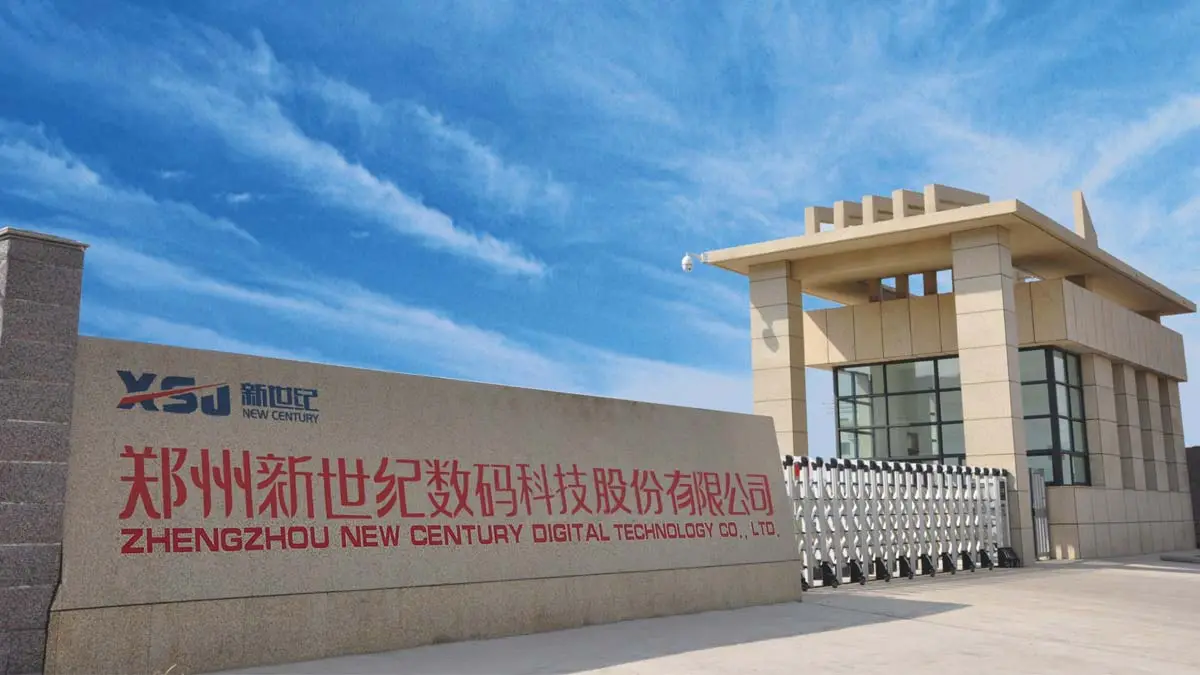
Fedar is a trusted DTF garment printer maker with a 400-person facility committed to developing and making original equipment. Businesses that want to start or grow their textile design skills will find complete solutions with Fedar. Our dedication to quality control, a steady supply of parts, and customer service around the world guarantees that your investment will give you reliable performance and a competitive edge. The FEDAR FD-D300 and FD-D302 models are easy for beginners to use and produce industrial-grade results. They come with a lot of technical support and quick service after the sale. You can talk to our team at info@tex-printer.com about your specific needs, ask for sample prints, or set up a time for a demonstration of how our equipment can change your production capabilities and profits.
References
1. Smith, J. & Anderson, K. (2022). "Digital Textile Printing Technologies: A Comparative Analysis of DTF, DTG, and Screen Printing Methods." Journal of Industrial Textile Manufacturing, 45(3), 178-195.
2. Williams, R. (2023). "Adhesive Chemistry in Direct-to-Film Garment Decoration: Durability and Performance Factors." Textile Science Quarterly, 38(2), 89-104.
3. Chen, L. & Rodriguez, M. (2023). "Economic Viability of Small-Scale DTF Operations: A Cost-Benefit Analysis for Print-on-Demand Businesses." International Journal of Apparel Technology, 51(4), 234-251.
4. Thompson, E. (2022). "Print Head Technology Evolution in Digital Textile Printing: Epson Industrial Printheads and Performance Optimization." Digital Printing Innovation Review, 17(1), 45-67.
5. Martinez, S. & Park, H. (2023). "Fabric Substrate Compatibility in DTF Transfer Applications: Cotton, Polyester, and Synthetic Blends." Textile Engineering and Technology, 29(3), 112-128.
6. Johnson, P. (2024). "Maintenance Protocols and Operational Best Practices for Direct-to-Film Printing Systems." Manufacturing Equipment Management, 42(1), 67-83.

Kevin Zhang
Kevin Zhang is a senior R&D engineer in the digital textile printing field, focusing on the innovation and industrialization of digital printing equipment, direct-to-fabric processes, and application solutions. Achievement: Led the in-house development and mass production of multiple textile printers and direct-to-garment printers, driving their large-scale adoption in textile, advertising, home decor, and customized markets.
We Look Forward to Your Email
Please send us product information that interests you, and we will provide you with one-on-one service.
_1778203196111.png)
Recommended Blog

Best DTF Printing Machine for Small Business: A Buyer's Guide
How Does a Digital Textile Film Printer Compare to Screen Printing?
_1786522820542.webp)
Industrial Roll to Roll DTF Printer for Continuous Production