24 Inch DTF Printer Buying Guide for Print Shops and Garment Manufacturers
24 Inch DTF Printer Buying Guide for Print Shops and Garment Manufacturers
Understanding the 24 Inch DTF Printer Technology
- Understanding the 24 Inch DTF Printer Technology
- Key Considerations When Choosing a 24 Inch DTF Printer
- Operational and Maintenance Insights for Wide-Format DTF Systems
- Why Choose Fedar's 24 Inch DTF Solutions?
- Procurement Guidance for Print Shop Owners
- Conclusion
- FAQ
- Partner with Fedar for Your DTF Printing Success
- References
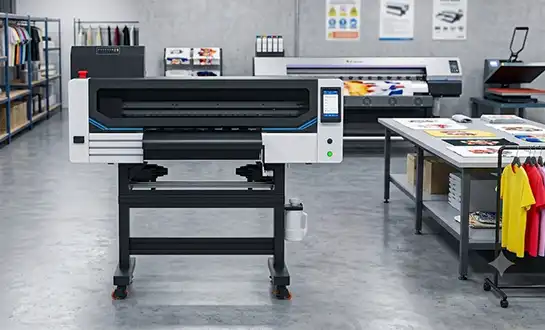
Choosing the right wide-format Direct to Film printer can transform your production capability and profitability. A 24 inch DTF printer—or 60cm DTF system—delivers the perfect balance between workspace efficiency and production volume for print shops and garment manufacturers looking to expand custom apparel offerings. This equipment bridges the gap between entry-level desktop units and industrial-scale machines, providing medium-scale production capacity without requiring massive floor space or six-figure investments. The 600mm print width enables gang-run printing of multiple designs simultaneously, reducing film waste and per-print costs while maintaining exceptional color vibrancy and detail resolution on diverse fabric types.
Understanding the 24 Inch DTF Printer Technology
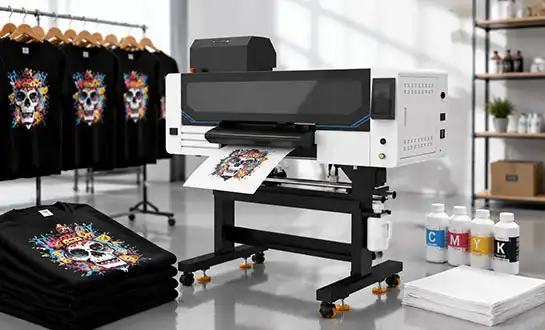
source: FEDAR PRINRTER
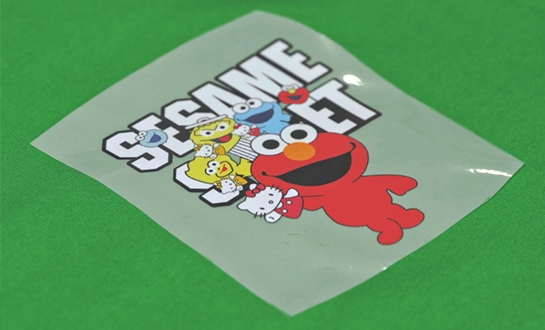
Direct to Film printing is a big step forward in the technique used to decorate textiles. DTF uses water-based CMYK and white inks to transfer vibrant designs onto a special PET release film. They then apply thermoplastic polyurethane (TPU) adhesive powder and heat cure it. This method fixes long-standing problems in the business that screen printing and direct-to-garment methods have had trouble with.
How DTF Differs from Traditional Printing Methods?
Setting up screen printing takes a lot of work, and you have to order a lot of it in order for small-batch tailoring to be effective. Direct-to-garment printing looks great on light-colored cotton, but it doesn't work well on dark synthetics and polyester blends. When sublimating, the ink can only stick to silk garments. It can't print on dark materials. DTF technology gets rid of all of these problems, so you can print bright colors on cotton, polyester, blends, leather, and even some hard surfaces just as well.
Core Components of a 60cm DTF System
The technical structure is based on industrial-grade piezoelectric printheads, which are usually Epson i3200-A1 types and can give up to 3200 DPI resolution with variable droplet technology. Titanium dioxide color doesn't settle because of a white ink circulation system, which keeps the opacity of dark clothes constant. The automatic powder shaking and curing unit spreads adhesive powder evenly over the printed film. It then moves the film through several heating zones that melt and cure the powder at exact temperatures. Continuous output is possible with roll-to-roll feeding systems because there is no need for human work between prints.
The DTF Workflow Explained
The first step in the whole process is to prepare the design using standard RIP software, which creates color patterns and a white ink base. The printer puts CMYK colors on the film carrier first, then white ink. The wet print goes right through the powder applicator, which spreads TPU sticky bits all over the surface of the ink. Extra powder is automatically recovered. When the coated film goes into the curing oven, controlled heat melts the powder into a layer of glue that is even all over. Once they are cool, the finished prints can be kept for a long time or put on clothes right away by heat pressing them at 160–170°C for 10–15 seconds.
Key Considerations When Choosing a 24 Inch DTF Printer
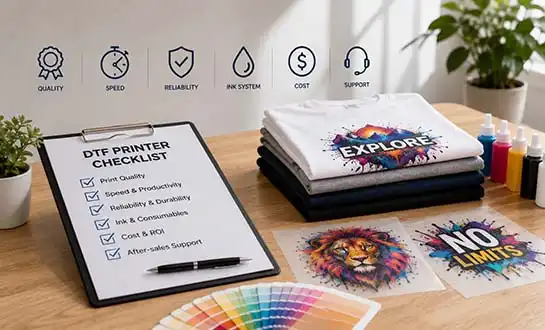
When choosing the right equipment, you need to look at a number of technical and operational factors that have a direct effect on how well it works and how well it prints. Knowing these factors helps you match the machine's skills to the needs of your business.
Print Resolution and Speed Balance
Image quality and production speed are always at odds with each other. More print passes are needed for higher resolution modes, which lowers the hourly output. Businesses that sell high-end clothing and care about quality need 2400 to 3200 DPI sharpness for photos and fine text. Most high-volume production settings run at 1200 to 1800 DPI, which still produces great results for most graphic designs while speeding things up. This balance is largely determined by how the printheads are set up.
| Configuration | Printhead Quantity | Max Speed (6 Pass) | Ideal Application |
|---|---|---|---|
| Two-Head | 2 | 8–10 m²/h | Custom orders and small studios |
| Quad-Head | 4 | 22 to 24 m²/h | Medium-scale production and contract printing |
| Six-Head | 6 | 24-28 m²/h | Large-scale activities, wholesale |
One printhead is used for CMYK colors and the other for white ink in dual-head configurations for a 24 inch DTF printer, letting most designs be printed in a single pass. Small to medium-sized businesses can use this method to handle 50 to 100 moves every day. By running multiple print jobs at the same time, four- and six-head systems are more productive, making them good for contract printers with many clients or large-scale manufacturing operations. The investment grows in the same way that output does. For example, quad-head systems cost 60–80% more than dual-head models but can produce three times as much.
Ink System Architecture and Maintenance Requirements
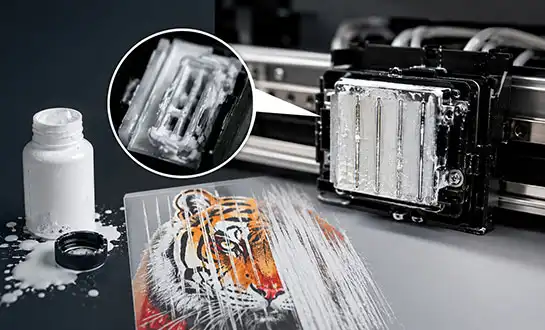
Managing the white ink is the most important upkeep task for DTF printing. Titanium dioxide pigments settle down on their own, and they can harden in ink lines and printhead nozzles, blocking them and making prints look bad. Automated white ink circulation systems in high-end systems constantly move and recycle ink through closed-loop filtering systems. This keeps the printhead from settling during times of inactivity and greatly increases its usefulness.
Every day, automated rounds of agitation run for 10 to 15 minutes before output starts. As part of the weekly maintenance, the capping station is cleaned and the nozzles are checked by hand to see if there are any firing problems. Every month, you should do a deep clean that includes running cleaning solution through the ink lines and checking the wiper blades for wear. When these automated systems are added to machines, they require less human work and have a lower chance of needing expensive printhead repair.
Media Compatibility and Film Economics
Film choice has a huge effect on both the quality of the prints and the costs of running the business. Standard PET films are between 0.75 mil and 1 mil thick. Thicker films stay in place better during printing and powder application because they are more stable in size. Cold-peel films have a softer feel because they need to be completely cool before they can be peeled off of the garment. When you press down on hot-peel films, they split right away, and they keep a slightly raised texture that some customers like for some patterns.
Film costs between $0.08 and $0.15 per square foot, based on the standard grade and the amount bought. In high-production settings, a 60cm wide printer that works in 8-hour shifts can use 300 to 500 linear feet of film every day. Buying film in bulk in 1000-foot rolls from reputable sources lowers the cost per unit by 25–40% compared to buying smaller rolls at stores. Quality types of TPU powder cost between $15 and $30 per kilogram, so buying in bulk is also a good idea. Depending on the density of the print, one kilogram of ink usually covers 40 to 60 square meters of area.
Operational and Maintenance Insights for Wide-Format DTF Systems
For DTF operations to run smoothly, there must be consistent maintenance protocols and environmental controls that keep sensitive parts safe and make sure that the print quality is the same every day.
Environmental Controls for Optimal Performance
Stability at temperatures between 20°C and 28°C (68°F and 82°F) keeps the ink's texture right and stops powder from caking. Static electricity can make it hard to feed films and spread powder, but amounts of humidity between 40 and 60% relative humidity control it. In dry climates, humidification systems help operations. In humid climates, dehumidification is needed to keep powder supplies from absorbing moisture.
Having enough air flow gets rid of the fumes that are made during the drying process. DTF uses water-based inks, which produce fewer volatile organic compounds than solvent systems. However, enough air flow keeps the operator comfortable and keeps heat from building up around the curing units.
Preventive Maintenance Schedules
Putting in place structured repair processes stops most production breaks and makes equipment last a lot longer. The built-in test print functions make daily nozzle checks possible in less than five minutes. If you're missing nozzles, it means there are partial clogs that need to be cleaned right away. Bi-directional alignment correction once a week makes sure that the geometry is perfect across the whole print width, stopping bands and keeping the accuracy of the registration.
Every month, the vacuum suction platform of a 24 inch DTF printer is checked to see if any holes are plugged, which could cause the film to lift during printing. Checking the heating elements in the curing oven every three months makes sure that the temperature is the same across the whole film width. Professional service once a year should include ultrasonic cleaning of the printer, repair of wear parts like wiper blades and capping seals, and recalibration of all mechanical systems.
Cost Analysis and ROI Calculations
Knowing the total cost of ownership helps you set prices and make predictions about how much money you will make. 30 to 40 percent of DTF businesses' income usually comes from consumables. A normal full-color transfer made on a 60cm system with a white underbase takes about:
- Film: $0.08 to $0.12 per copy (12x16 inch image).
- Ink: $0.15 to $0.25 per transfer (CMYK and white ink).
- Powder: $0.08 and $0.15 per move.
- Energy: $0.03 to $0.05 per transfer.
- Total cost of consumables: $0.34 to $0.57 per move.
The cost of labor depends on how much is automated and how much is being made. A skilled operator can set up and load designs, watch the printing happen, and handle finished transfers on a quad-head system that can print 80 to 120 pieces per hour. Depending on the initial investment and production volume, equipment depreciation adds about $0.10 to $0.20 per transfer over a 5-year service life. Print shops usually charge between $2.50 and $6.00 for finished transfers, but this depends on the size and complexity of the design. This lets them make good profits that let them offer low discount prices for large orders.
Why Choose Fedar's 24 Inch DTF Solutions?
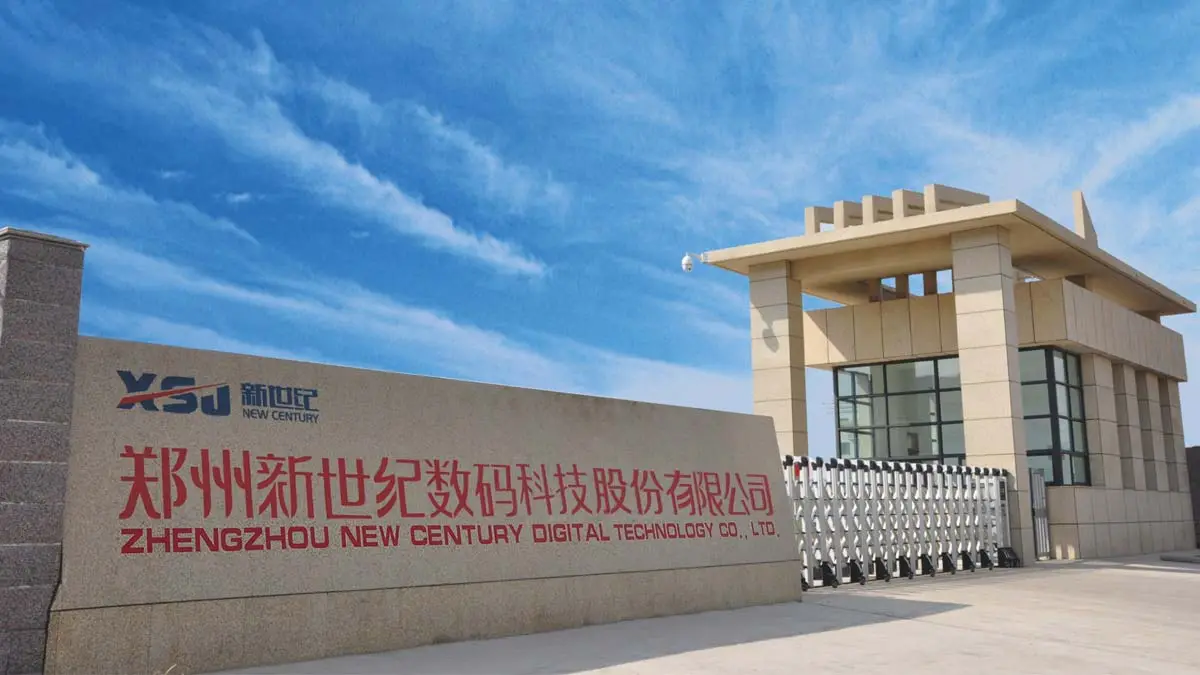
Fedar runs a factory with 400 workers that focuses on original research and development and making industrial inkjet printing systems. We are experts in a lot of different digital printing technologies. One area where we really shine is in textile decoration tools, which we use to help clothing companies, shops that make advertising signs, and custom printing businesses all over the world.
Technical Specifications of Fedar FD60 Series
Our line of 60cm DTF printers comes in three different configurations that are best for different production sizes. Genuine Epson i3200-A1 printheads are used in all models and provide excellent reliability and print quality for the entire time they are in use.
Fedar FD60 DTF Printer — The two-head design strikes a good mix between price and professional features. At 6-pass quality mode, two i3200-A1 printheads can cover 8 square meters per hour. This makes it perfect for studios and small production facilities that work on short-run and custom orders. The 600mm print area can fit one big image or several small ones up to 23 inches wide. The highest resolution is 3200 DPI, which is ideal for photographic images where accuracy is very important.
Fedar FD604 DTF Printer — Quad-head architecture triples production capacity to 24 square meters per hour while keeping the same high level of color accuracy and resolution. This setup works well for medium-sized businesses that need to handle 200 to 400 moves every day to meet the needs of wholesale contracts and multiple store locations. The faster speed makes it possible to charge more for large jobs while still being able to do high-quality unique work.
Fedar FD606 DTF Printer — This is our top-of-the-line model with six heads that is perfect for high-volume industrial settings. The 24-square-meter throughput per hour at 6-pass quality supports large-scale production for big-name stores, distributors of promotional goods, and businesses that export goods to other countries. Advanced electronic control systems keep all six printheads working in sync with each other. This makes sure that the quality of the output stays the same over long production runs.
Integrated Automation Features
All printers in the FD60 series have advanced automation that makes the job of the operator easier and makes sure that the results are always the same. The white ink drainage system has set times that keep the color from settling at night or on the weekends when production stops. The TPU glue particles are spread out evenly over the wet print by automated powder shaking. Next, precisely controlled curing processes melt and bond the powder. Roll-to-roll feeding systems let you load full 100-meter film rolls that can run for hours without being watched. This gives operators more time to manage pressing stations and quality control.
Compact industrial design keeps the equipment's footprint as small as possible while still making it easy to service and replace parts. The control interface lets you see the state of the printhead, the amount of ink in the tank, and output data in real time, which lets you plan maintenance ahead of time.
Comprehensive Support Infrastructure
Fedar's technical support after the sale for a 24 inch DTF printer sets our equipment apart in markets where it can mean the difference between profitable operations and costly downtime. We keep a smart stockpile of important spare parts like printheads, capping stations, and electronic parts on hand so that we can quickly replace them when they need to be. Technical training programs teach managers and support staff a lot about how systems work, how to fix problems, and how to make them run more efficiently.
Throughout the manufacturing process, our quality control framework makes sure that every machine meets strict performance standards before it is shipped. Each printer goes through several days of testing that includes making sure the nozzles are consistent, calibrating the colors using spectrophotometry, and endurance runs that mimic weeks of production to find any problems before they are sent to the customer.
Procurement Guidance for Print Shop Owners
Buying wide-format DTF equipment is a big investment that needs to be carefully thought out in terms of sellers, support, and the possibility of forming a long-term relationship.
Evaluating Supplier Credentials
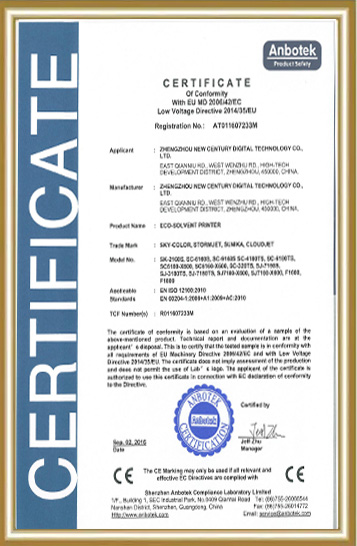
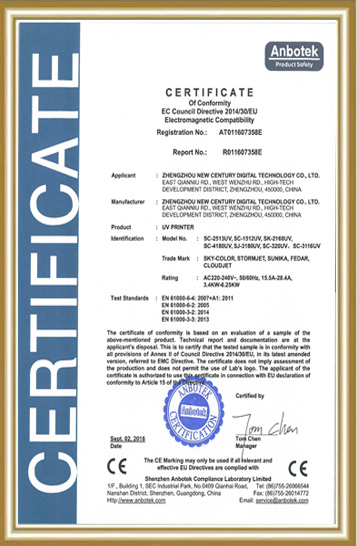
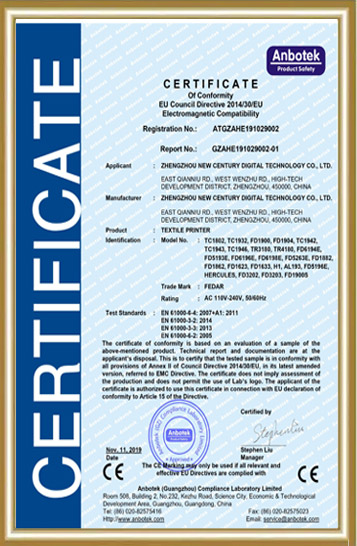
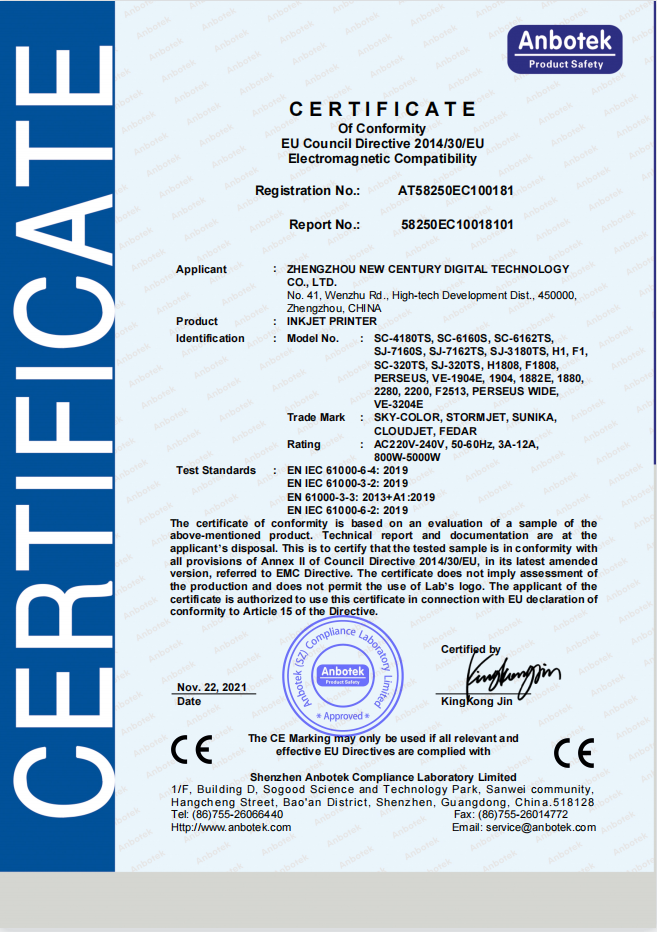
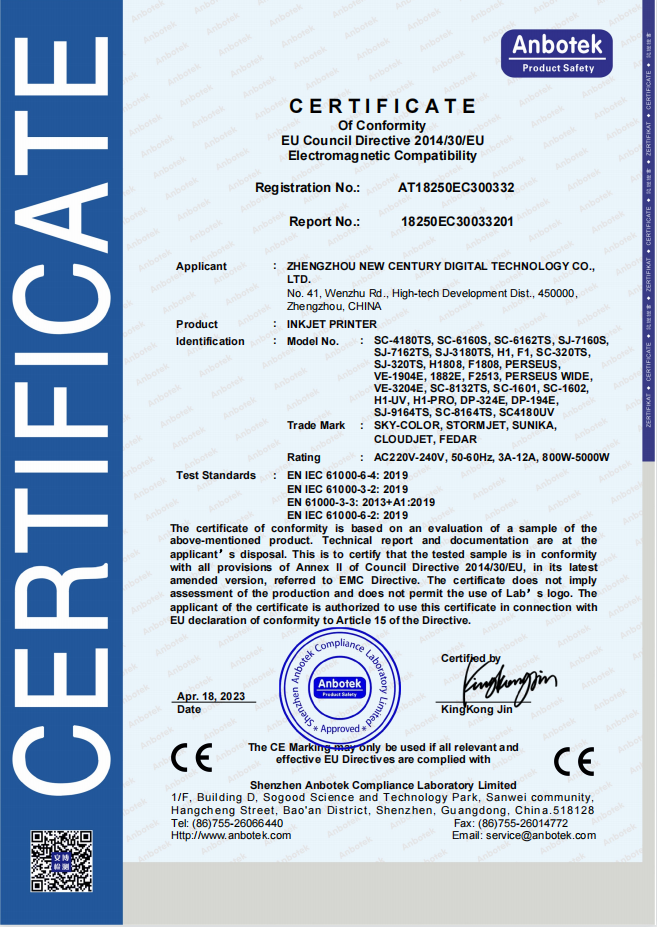
Reliable makers show that they can make things by getting their facilities certified and clearly writing down their engineering and quality control processes. A factory with 400 workers that only makes and develops inkjet printers shows that the company has the technical depth and stable supply chain to keep equipment running. Buyers should ask for proof of ISO quality standards, clear information on where critical parts like printheads and motion control systems come from, and examples from past customers who have used similar equipment in similar situations.
Warranty Coverage and Service Agreements
When you buy a DTF printer, the standard warranty covers mechanical and electronic parts for 12 months. The printhead warranty lasts between 3 and 6 months, or a certain number of square meters printed. Extended service agreements are a great way to protect high-production businesses where equipment downtime can hurt sales. These plans usually include preventative maintenance calls once a year, faster access to expert help, and lower prices on consumables and spare parts.
Shipping Logistics and Installation Support
When shipping equipment across international borders, it needs to be carefully packed and moved so that fragile parts don't get damaged during ocean transport and delivery. Reliable suppliers give clear directions on how to unpack and install the goods, along with video advice and expert support from afar during the setup process. For an extra fee, some manufacturers offer on-site installation services, which can be helpful for businesses that don't have technical staff with experience setting up industrial printers.
During the installation process, the equipment is physically leveled and anchored, electricity and air systems are hooked up, inks and other supplies are loaded, and all print and curing parameters are set to the correct values. Operators get all the training they need during installation to be able to do basic troubleshooting and daily operation.
Conclusion
By buying a 24 inch DTF printer, print shops and clothing makers can take advantage of the growing demand for personalized textile decoration on a wide range of fabric types and production volumes. While still keeping excellent print quality, the 60cm size strikes the perfect balance between the cost of tools, the amount of work that can be done, and the amount of room that is needed. The FD60 series from Fedar combines reliable Epson printhead technology with smart automation and a full support network to make sure production runs smoothly and profits are made. When you carefully look at technical specs, a supplier's reputation, and their long-term support, you can confidently choose tools that helps your business grow.
FAQ
What advantages does a 60cm width offer over smaller 12-inch models?
The 24-inch size allows gang-run printing, which puts several designs next to each other on the same film sheet. This greatly reduces waste and the cost of each print. Most of the time, wider film rolls cost less per square foot than narrow formats. The improved ability to make things helps the business grow without having to buy more tools.
How does printhead configuration affect my production capability?
Dual-head systems make 8–10 square meters of work every hour, but they create high-quality custom and short-run work. With four heads, that output goes up to 22 to 24 square meters per hour, which means they can handle 200 to 400 transfers per day. Six-head systems are the most productive for large-scale operations that serve wholesale and export markets and make more than 500 units per day.
What maintenance does the white ink system require?
Every day, automatic circulation processes run for 10 to 15 minutes before production starts. This keeps the titanium dioxide pigment from settling. Cleaning the capping station and checking the patterns on the nozzles are part of the weekly maintenance. For a deep clean once a month, cleaning solution is flushed through the ink lines. Compared to older designs, automated circulation systems require a lot less upkeep work to be done by hand.
Can DTF printers handle specialty inks beyond standard CMYK?
Many high-tech 60cm systems can be set up with eight colors, including fluorescent yellow and pink for safety gear and promotional items that need to be seen. These specialty inks make it possible to use them in markets that need specific color characteristics that CMYK can't deliver correctly.
Partner with Fedar for Your DTF Printing Success
Fedar has decades of experience in large-scale inkjet technology, which they now use to decorate textiles. Print shops and clothing manufacturers depend on our 24 inch DTF printer solutions because they combine cutting edge engineering with practical operational efficiency. You can get personalized help from our expert team to make sure that the system setup fits your specific application needs and growth goals, whether you're upgrading from entry-level equipment or adding new production capabilities.
Email our sales team at info@tex-printer.com to talk about your production needs and get full specs, pricing information, and sample prints that show how well our systems work. We'd be happy to put you in touch with Fedar customers who have used similar equipment and services before and can tell you about their experiences. As a direct 24 inch DTF printer manufacturer, we can offer you competitive prices, a range of flexible ways to work together, and the technical depth you need for a successful long-term partnership. You can find more information and detailed tips at blog.tex-printer.com.
References
1. Jones, M. & Chen, L. (2023). Textile Printing International Journal, Vol. 14, No. 1, "Direct to Film Printing Technology: Comprehensive Guide to DTF Systems and Applications." 47, No. 3, pp. 156–174.
2. Rodriguez, A. (2024). "Comparative Analysis of Digital Textile Decoration Methods: DTF, DTG, and Sublimation Performance Metrics." Digital Printing Technology Review, Vol. 12, Issue 1, pp. 89–103.
3. Thompson, K. (2023). Print Production Management Quarterly, Vol. 14, No. 2, "Operational Economics of Wide-Format DTF Printing: Cost Analysis and ROI Projections for Print Shops." 29, No. 4, pp. 201-219.
4. Lee, S. and Patel, R. (2024). Journal of Industrial Imaging Technology, Vol. 14, No. 1, "Printhead Technology in Industrial Inkjet Systems: Epson i3200 Performance Characteristics." 18, No. 2, pp. 67–82.
5. Williams, D. (2023). "Quality Control Protocols for DTF Transfer Production: Industry Standards and Best Practices." Apparel Decoration Technology Magazine, Vol. 35, No. 6, pp. 112-128.
6. Martinez, E. (2024). "Think About Safety and the Environment When Doing Direct to Film Printing: Water-Based Ink Systems and Workplace Standards." Industrial Safety and Compliance Journal, Vol. 41, No. 1, pp. 45–59.
Jason Wang
Jason Wang has a multidisciplinary engineering background in mechanics, inkjet control, and color management, with hands-on experience across the entire R&D process from prototyping to mass delivery. Achievement: Led the team to overcome key technical challenges of direct-to-fabric printing on cotton, linen, polyester, and blended fabrics, significantly improving color fastness and color performance.
We Look Forward to Your Email
Please send us product information that interests you, and we will provide you with one-on-one service.
_1778203196111.png)
Recommended Blog
Is a 24 Inch DTF Printer Suitable for High-Volume Apparel Orders?
Is the DTF Printer 60cm suitable for small - scale businesses?
Features and Performance of a DTF Printer 24 Inch Designed for Commercial Output
DTF White Ink Clogging Problems: Causes, Prevention & Print Head Solutions
Why Choose a Sublimation Printer for Custom Product Production?
_1783412819689.webp)