Why Choose a Sublimation Printer for Custom Product Production?
Understanding Sublimation Printing: Technology and Advantages
- Understanding Sublimation Printing: Technology and Advantages
- Choosing the Right Sublimation Printer: Key Factors for B2B Clients
- Optimizing Sublimation Printing Process for Superior Output
- Cost and Procurement Considerations for Sublimation Printers
- Real-World Applications and Market Opportunities
- Conclusion
- FAQ
- Partner with a Trusted Sublimation Printer Manufacturer
- References
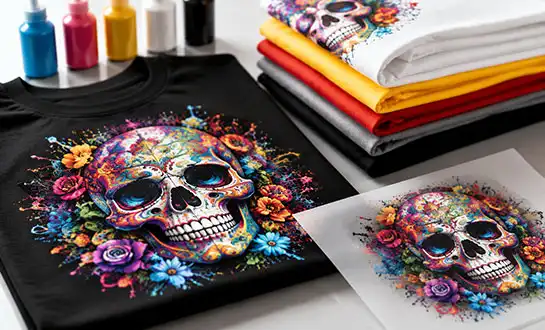
Choosing a sublimation printer for custom product production means investing in a thermal transfer technology that permanently bonds dye into polyester and polymer-coated substrates. Unlike surface-level printing methods that crack or fade, this process transforms solid ink into gas under heat, allowing pigment molecules to fuse directly with fabric fibers or coated surfaces. For distributors, factory owners, and procurement managers across textile printing, advertising signage, and gift customization industries, this technology solves persistent challenges: eliminating image peeling, achieving photographic color depth, and enabling on-demand production without costly setup fees. The result is wash-resistant, vibrant imagery that meets stringent quality standards while supporting flexible business models.
Understanding Sublimation Printing: Technology and Advantages
source: FEDAR PRINRTER
How Does Sublimation Technology Work?
In dye sublimation technology, special dyes that are spread out skip right over the liquid state during a special phase transition. A heat press applies heat (usually 350 to 400°F) and pressure, which turns the solid dye particles into vapor that can get into the chemical structure of polyester fibers or polymer coats. This chemical bonding makes a picture that is lasting and becomes part of the object, not just on top of it. There are three things that are needed for the process: a digital printer with sublimation ink, coated transfer paper, and a heat press that has been set up to work with the substrate.
Systems made for industrial use piezoelectric printheads, like the Epson i3200-A1 in Fedar's equipment line, which fire tiny drops of different sizes. With this level of accuracy, you can get gradients and small lines that look just as good as those from standard offset printing. Sublimation chemistry makes sure that fabrics don't have any feel, unlike aqueous or liquid inks that depend on surface bonding. This keeps the fabrics' breathability, which is important for sportswear and technical textiles.
Material Compatibility and Limitations
The technology can only stick to polyester-based materials and bases that are covered with polymers. Natural fibers like cotton don't have the right chemical structure to use sublimation dyes. However, hybrid mixes with at least 50% polyester can get good results, though the colors won't be as bright. Based on this specificity, sublimation is the best way to:
- Polyester fabrics: Used for things like sports shirts, banners, fashion clothes, and home items that need to stay true to color.
- Coated rigid materials: Include ceramic tiles, acrylic awards, hardboard photo prints, aluminum panels for building signs, and ceramic tiles.
- Soft signage applications: Backlit trade show displays and tension fabric systems that need high-resolution graphics under constant lighting are examples of soft signage uses.
Getting buying teams to understand these material limits helps them avoid mistakes that cost a lot of money. To cover a wider range of applications, companies that work with mixed-substrate markets often pair sublimation equipment with technologies that work well together, such as DTG or UV flatbed systems.
Core Advantages Over Traditional Methods
There are real benefits to sublimation printing that directly help agents and distributors with their problems. Permanent dye bonding makes sure that prints won't fade after 50 or more industrial wash cycles, which is an important requirement for clothing resellers. When used with the right RIP software and ICC profiling, color accuracy can reach Delta E values below 2.0. This meets brand color consistency requirements that screen printing has a hard time meeting in small runs.
Gains in operational efficiency are just as appealing. The method gets rid of the need for pre-treatment steps, water use, and chemical waste streams that are common in reactive dye processes. Since no screens or plates need to be prepared, setup time drops from hours to minutes. This makes short-run customization possible—a personalized shirt for one person costs almost the same per unit as an order for 100—which gives online stores and companies access to new customer groups.
Choosing the Right Sublimation Printer: Key Factors for B2B Clients
Production Volume and Speed Requirements
By matching sublimation printer capacity to production goals, you can avoid bottlenecks and waste of capital. Small to medium-sized companies that handle 200 or more garments per shift need 8-printhead systems to keep up with throughput. Entry-level businesses that make 20 to 50 custom items per day can get by with 2 to 4 printhead setups. Specifications for speed, which are given in square meters per hour, change a lot depending on the number of passes and the resolution choices.
The table below illustrates how Fedar's product range addresses different production scales:
| Model | Printhead Quantity | Max Width | Max Speed (CMYK) | Ideal Application |
|---|---|---|---|---|
| FEDAR FD1900 | 2 | 1900mm | 70㎡/h (3-pass) | Startups, studios, sample production |
| FEDAR FD5194E | 4 | 1900mm | 180㎡/h (2-pass) | Small-to-medium shops, apparel customization |
| FEDAR FD6198E | 8 | 1900mm | 370㎡/h (1-pass) | Mid-volume factories, promotional goods |
| FEDAR FD5328E | 8 | 3200mm | 420㎡/h (1-pass) | Large-format soft signage, home textiles |
| FEDAR FD7428E | 8 | 4200mm | 440㎡/h (1-pass) | Industrial-scale banners, architectural graphics |
Multiple speed settings are helpful for agents who work with a wide range of clients. A distributor could keep FD1900 units on hand for startups that are looking to save money and suggest FD7428E systems to more established sign companies. This way, the distributor could reach both groups of customers without having to deal with any brand conflicts.
Color Gamut and Ink Configuration
Most business needs can be met by standard CMYK setups, but premium markets can only be reached by extended color systems. Fedar's CMYK+4 COLOR sets include fluorescent pink, fluorescent yellow, light cyan, and light magenta. These colors make the color range bigger to meet Pantone Fashion + Home standards. This ability is important for:
- High-fashion apparel requiring neon accents and pastel accuracy: High-fashion clothes that need neon accents and accurate pastels.
- Corporate branding with specific PMS color mandates: Branding for businesses that must use certain PMS colors.
- Fine art reproduction where subtle tonal shifts define quality: Fine art copy where small changes in tone show how good it is.
When technical leaders look at ink systems, they should make sure that they are compatible with the substrates they buy. Some polymer coatings work best with standard CMYK chemistry, while others need to have their formulas changed so that dye doesn't move or change color when they're heated. To avoid guesswork, reputable manufacturers offer ICC profiles and test sample kits that are specific to the substrate.
Resolution and Print Quality Standards
Fine detail modeling is based on the maximum resolution, which is given in DPI (dots per inch). Fedar's 3200 DPI standard for most models makes sure that the continuous tone picture quality is good enough for professional photo printing and detailed graphic work. The Epson i3200-A1 printhead's changeable droplet technology (from 3.5 to 42 picoliters) makes gradients that are smooth and don't show any banding. This meets quality control standards that procurement managers check by using a colorimeter and cross-cut adhesion tests.
Agents who want to be seen as quality-focused partners should keep reference print samples that show accurate skin tones, smooth gradients, and easy-to-read small text. These real-world proof points are more likely to convince buyers who aren't sure than just reading specifications sheets.
Optimizing Sublimation Printing Process for Superior Output
Calibration and Heat Press Integration
The quality of the print depends on how well the printer output and heat application work together. Just 10°F changes in temperature can make colors shift or dye transfer not fully, so regulated heat presses are just as important as the printer itself. Commercial-grade presses have digital temperature controllers, automatic pressure adjustments, and timer sequences that can be programmed to make sure the same results are achieved every time.
Substrate-specific heat profiles should be a part of technical training programs for operating a sublimation printer. For 45 seconds at medium pressure and 380°F, polyester flags need to be heated, while rigid metal pieces need 400°F and 90 seconds of heavy pressure. Putting these factors into standard working procedures cuts down on operator error and keeps the quality level that customers expect from professional businesses.
RIP Software and Color Management
Raster Image Processor software manages color schemes and ink limits while turning design files into data that is ready for the printer. Operators can do the following with professional RIP platforms like Onyx, Caldera, or ErgoSoft:
- Apply ICC profiles: Match printer, ink, and substrate so that color output is predictable.
- Control ink saturation: Controlling the amount of ink on the paper stops it from curling and makes sure the dye doesn't leak out during heat transfer.
- Manage multiple queues: Manage various lists by automatically sending jobs to the right printers based on their size or color needs.
- Generate production reports: Make production reports that keep track of how much ink was used and how much the job cost so that prices are correct.
Baseline Delta E standards are set by teaching plant managers how to use spectrophotometers and colorimeters to measure color. Profiling checks should be done at least once a month to catch printer wear or differences between batches of ink before they affect customer orders.
Maintenance Protocols and Troubleshooting
Preventive maintenance has a direct effect on how well equipment works and how happy the customer is. Nozzle failures that lead to banding flaws can be avoided by cleaning the printhead every day, inspecting the damper once a week, and replacing the capping station every month. Operators should keep logs of when they clean and check the nozzles so that problems can be fixed quickly, before they affect production.
Color cast problems (often caused by expired transfer paper), blurry images (because the heat press pressure wasn't high enough), and ghosting (from the paper touching the image too soon while it's cooling) are all common problems that need to be fixed. Full technical support becomes an important way for equipment suppliers to stand out. Agents should check with makers to see if they offer remote diagnosis, local service networks, and quick access to extra parts. These are the things that affect whether a client can handle a one-day delay or a production shutdown that lasts a week.
Cost and Procurement Considerations for Sublimation Printers
Total Cost of Ownership Analysis
In a full cost structure, the purchase price only covers the initial investment. Smart buying managers look at:
- Consumable costs: Depending on coverage density, sublimation ink costs $0.15-0.35 per square foot, and transfer paper costs $0.05-0.12 per square foot. For runs under 50 units, both of these options are much cheaper than screen printing setup fees.
- Energy consumption: Running a heat press adds $2 to $4 an hour to your energy bills, but a printer only needs 200 to 400 watts of power.
- Maintenance intervals: Printhead repair rounds, which usually happen every 6 to 18 months with normal use, cost $300 to $800 per head, and preventative parts kits cost $150 to $250 every three months.
- Labor efficiency: Automated workflows cut the time an operator needs to set up and clean the screen from 5 minutes per item to less than 60 seconds (load press, start timer).
These operational measures make it possible to make correct cost estimates per unit. The breakeven point for sublimation is lower than for traditional methods at very low volumes, often as few as 15 to 20 identical items. A distributor can show potential clients this.
Vendor Selection and Partnership Criteria
When picking an equipment provider, you have to look at more than just the machine's specs. Agency agreements should cover:
The table below outlines critical partnership evaluation criteria:
| Criteria | What to Verify | Why It Matters |
|---|---|---|
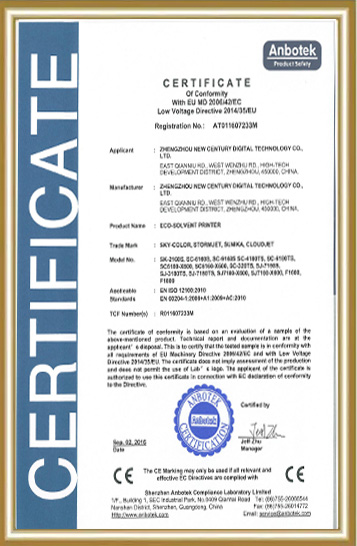
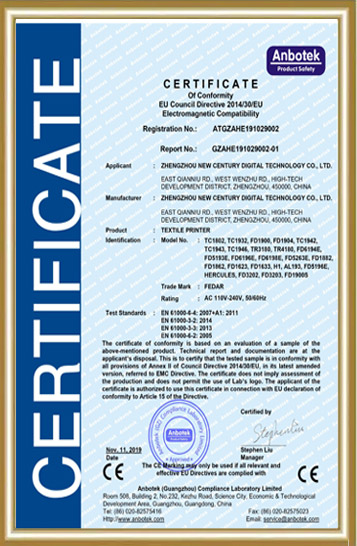
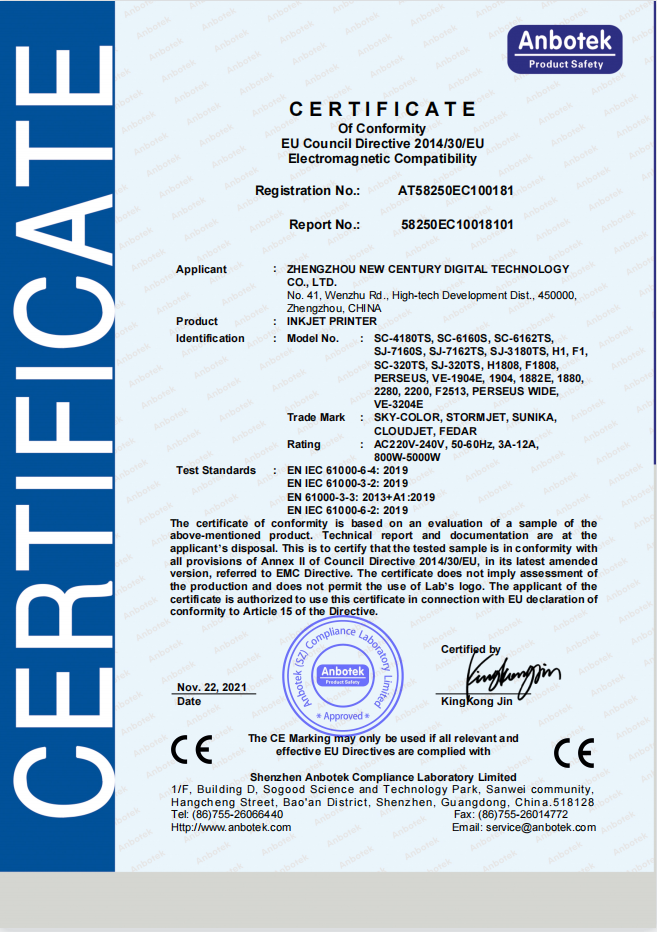
| Factory Certification | ISO 9001, CE compliance documentation | Ensures regulatory adherence and insurance coverage |
| Service Response Time | Local technician availability, remote support hours | Minimizes downtime impact on client operations |
| Spare Parts Inventory | Stock levels for printheads, dampers, belts | Prevents extended shutdowns waiting for shipping |
| Training Programs | On-site installation training, ongoing webinars | Reduces operator error and maximizes equipment ROI |
| Market Protection | Territory exclusivity terms, pricing tiers | Protects agent margins from direct factory sales |
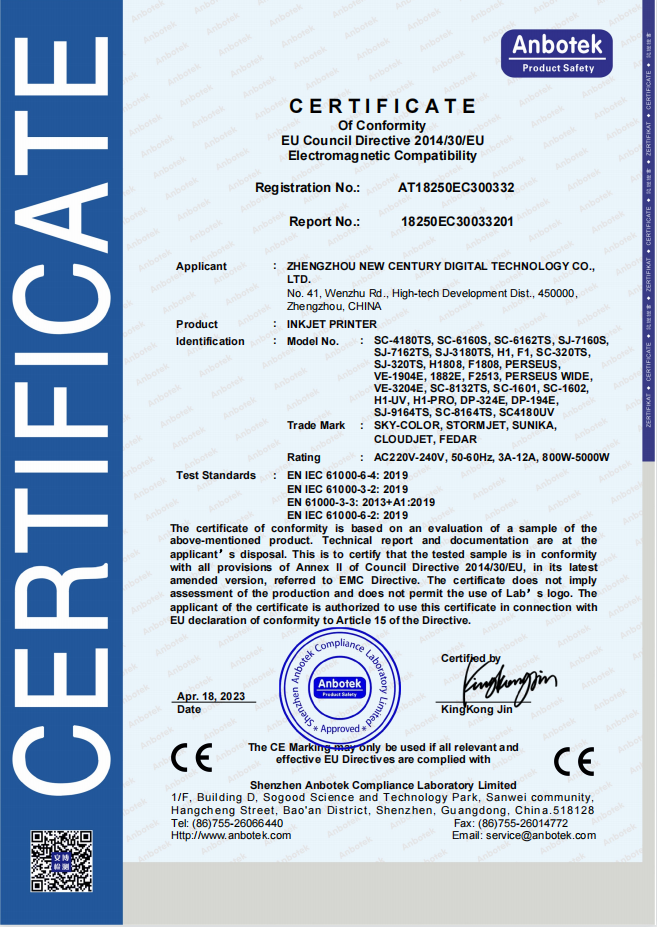
Fedar's 400-person manufacturing facility gives agents the production stability they need for consistent lead times for a sublimation printer, and our multi-channel after-sales network solves the problems with cross-border support that often ruin investments in overseas equipment. Before signing a representation agreement, technical directors should ask to see the factories and get lists of clients who can vouch for the company's abilities.
Financing and Bundled Packages
Financing choices for equipment make it easier for growing businesses to get the cash they need. Lease-to-own agreements let you pay over 24 to 48 months, so the cost of the item is spread out over that time. Putting together full production systems from different companies can be hard, but bundled packages that include heat press tools, RIP software licenses, starter ink supplies, and training lessons make it easier.
Prospects who aren't sure what to buy are more likely to buy from agents who offer turnkey solutions that include substrate suggestions and sample production runs. The "unstable sample quality" problem that wholesalers often say is their main complaint can be solved by showing ROI through real production samples.
Real-World Applications and Market Opportunities
Textile and Apparel Sector Success
Sublimation printing is used by high-performance sportswear brands to make unique team outfits that can't lose their breathability. The zero-feel print quality keeps the performance properties of the cloth while allowing full-color designs that screen printing can't do cheaply in small amounts. Fashion designers use the technology to make limited-edition collections with photographic prints and gradient effects. These collections are aimed at niche markets that are willing to pay more for unique designs.
If resellers want to stand out in the $12 billion custom clothing market, they can offer same-day response times that standard decoration methods can't match. With a FEDAR FD5194E and two heat presses, a small shop can make 40 to 60 handmade shirts every day and still make a profit of $800 to $1,200 after paying for materials and labor.
Promotional Products and Signage Markets
When it comes to distributors who can do sublimation, corporate merchandising is a huge opportunity. Businesses that buy branded things for events, to thank employees, or to sell in stores expect more and more photo-quality copies of logos and images. This can be done with sublimation on everything from mousepads and keychains to large banners and backwalls for trade shows.
Adding sublimation systems to the vinyl cutters and wide-format inkjets that advertising equipment sellers already sell will help them reach the fabric signs market, which is expected to grow at a 7.2% CAGR through 2028. Because the technology can make lighted screens that diffuse light better than vinyl, it can be used on high-end projects with higher profit margins.
Gift Customization and Home Décor
Personalization is what makes people decide what to buy in all areas of home decor. With sublimation, you can make throw pillows, blankets, curtains, and wall art with family pictures or your own patterns. Using sublimation to make products only after a customer buys them, e-commerce sellers with print-on-demand models can fulfill orders without having to worry about keeping stock.
To compete with national chains in the $3.7 billion photo gift market, local studios can offer same-day service and premium substrate options that mass producers can't afford. Sublimation is the best technology for businesses in this relationship-based market area because it is easy to set up and produces high-quality photos.
Emerging Applications and Innovation
With each new base layer, the number of possible uses keeps growing. New innovations include leather alternatives that can be sublimated for car interiors, treated wood panels for building installations, and even coated fabrics for medical imaging. Lightfastness scores have gotten better thanks to improvements in ink chemistry. Some versions can now last two to three years outside when paired with UV-protective laminates.
Another new area is integration with digital process automation. Cloud-based order management systems that send design files straight to production queues get rid of the need to handle files by hand, which cuts down on mistakes and speeds up the production process. Early adopters of these technology advances will be seen as stars in their markets when it comes to new ideas.
Conclusion
Businesses in the custom product manufacturing sector can benefit greatly from sublimation printing technology, and a sublimation printer is the key to this capability. When you combine wash-resistant durability, continuous tone photo quality, and the ability to produce on demand, you get important solutions that traditional decoration methods can't afford. Fedar's range of equipment, from small, entry-level systems to large, industrial-scale ones, gives agents and distributors options for a wide range of market segments. When looking at different providers, making plant certifications, after-sales support infrastructure, and thorough training programs your top priorities will help protect your investment and set your business up for long-term growth in this growing market.
FAQ
What makes sublimation different from DTG or screen printing?
Sublimation is a process that uses heat to chemically bond dye to polyester materials. This makes images that won't fade or wash off and don't have a surface feel. Direct to Garment (DTG) printing uses water-based colors that work well on cotton but can fade and crack other fabrics. For screen printing, mesh stencils and plastisol inks are used. It's cheap to do large runs of the same thing, but it's too expensive to do small batches because of the setup costs. Sublimation is great for photographic quality, durability, and being able to change things on the fly, but it can only be used on polyester and polymer-coated substrates.
How often do sublimation printers require maintenance?
Automated printer cleaning processes that last two to three minutes are part of daily maintenance. Every week, you have to do things like check the dampers and clean the trash tank. As part of the monthly process, the capping station is replaced, and the print line is checked. Printheads need to be replaced every 6 to 18 months, based on how much is being made. Each head costs between $300 and $800. If you do the right maintenance, you can avoid nozzle failures and color differences that slow down production and hurt your relationships with customers.
Can sublimation work on cotton fabrics?
In order for the dye to bond, standard sublimation chemistry needs a polyester substrate. Pure cotton doesn't have the right molecular structure to accept sublimation dye. Some hybrid options are to use polyester-cotton mixes (at least 50% polyester is fine, but the colors won't be as bright) or to spray polymer coatings on cotton surfaces before printing. Companies that sell a lot of cotton usually pair their sublimation equipment with DTG systems so they can work with both types of substrates.
Partner with a Trusted Sublimation Printer Manufacturer
Fedar is a company that makes high-precision sublimation printing systems that are designed for tough business uses, and a sublimation printer from Fedar embodies this quality. Our R&D and production center, which has 400 employees, follows strict ISO 9001 quality standards and serves global delivery networks in the custom product, textile printing, and advertising signage industries. Each system goes through a lot of tests to make sure that the colors are correct, the printheads stay stable, and the system will work for a long time. This protects your reputation and relationships with clients.
We help our partners by giving them thorough technical training, setting up local service networks, and quickly shipping extra parts to reduce the risk of downtime. Our flexible cooperation models and reasonable pricing structures make it possible for you to make long-term profits, whether you're setting up a new sales route or adding to the tools you already have. Email our team at info@tex-printer.com to talk about product details, testing samples, and the terms of a partnership. You can find detailed technical tools and application tips to help your sales process at blog.tex-printer.com.
References
1. Smith, J. & Anderson, R. (2022). Industrial Textile Printing Technologies: A Comparative Analysis. Textile Manufacturing Press.
2. National Association of Printing Equipment Distributors. (2023). 2023 Custom Apparel Market Trends and Forecast Report. NAPED Publications.
3. Chen, L. (2021). "Phase Transition Chemistry in Dye Sublimation Processes." Journal of Applied Polymer Science, Vol. 138, Issue 24.
4. Global Signage Industry Research Group. (2023). Fabric-Based Display Systems: Market Outlook 2024-2028. GSIRG Annual Report.
5. Martinez, D. (2022). Color Management for Digital Textile Printing: ICC Profiling Best Practices. Digital Printing Institute.
6. Wilson, K. & Thompson, P. (2023). "Total Cost of Ownership Analysis for Small-Format Sublimation Systems." B2B Equipment Buyer's Quarterly, Spring 2023 Edition.

Leo Li
Leo Li is a promoter of small-batch quick response and flexible manufacturing solutions, focusing on short-process printing solutions for e-commerce customization, fast-turn orders, and personalized production. Achievement: Helped customers achieve a "one-piece minimum, same-day shipping" production model, significantly reducing sampling and delivery lead times while lowering overall operating costs.
We Look Forward to Your Email
Please send us product information that interests you, and we will provide you with one-on-one service.


_1778203196111.png)
Recommended Blog
How to Prevent DTF Printhead Clogging After Long-Term Printer Storage
Why the 60cm DTF Printer Is the Best Choice for Small-Batch T-Shirt Printing


DTF White Ink Clogging Problems: Causes, Prevention & Print Head Solutions
High-Resolution Mid-Size DTF Printer for Precision Printing
A3 DTF Printer Applications for Custom Apparel and Small-Batch Orders