How to Prevent DTF Printhead Clogging After Long-Term Printer Storage
Introduction
- Introduction
- Understanding DTF Printhead Clogging
- Common Misconceptions and Traditional Prevention Methods
- Best Practices to Prevent Printhead Clogging After Long-Term Storage
- Troubleshooting and Resolving Printhead Clogs Post-Storage
- Recommended DTF Printers and Maintenance Solutions for B2B Buyers
- Conclusion
- FAQ
- Partner with Fedar for Reliable DTF Printing Solutions
- References
Preventing printhead clogging in your DTF printer during extended storage requires a combination of proper cleaning protocols, environmental controls, and strategic maintenance routines. The key lies in thoroughly flushing ink systems with manufacturer-approved cleaning solutions, maintaining stable humidity levels between 40-60%, and implementing white ink circulation systems to prevent titanium dioxide sedimentation. Storing printheads with protective caps filled with storage fluid creates a moisture barrier that prevents nozzle drying, while scheduled automated cleaning cycles during idle periods ensure immediate operational readiness when production resumes.
Introduction
Direct-to-film printing has changed the way textiles can be customized. Studios and factories can now make bright, long-lasting transfers on a wide range of substrates without the hassle of using older methods. Still, one problem always threatens to stop production: the printhead getting clogged after storage. Whether you run a small batch production shop or a medium-sized printing plant, knowing how to keep these precision parts safe during breaks has a direct effect on your ability to make money and keep your customers happy.
Printhead blockages not only lead to poor quality, but they also require expensive emergency fixes, cause delays in order completion, and hurt client trust. The whole supply chain is affected when a purchasing manager finds out that their equipment won't work right after being shut down for the weekend. This guide talks about the technical issues that purchasing managers, plant owners, and people who sell used equipment deal with every day. It gives them evidence-based ways to keep prints consistent and equipment lasting longer.
Understanding DTF Printhead Clogging
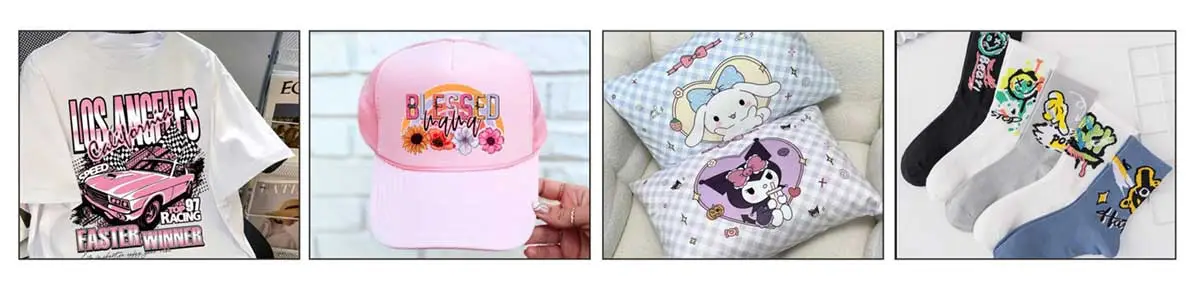
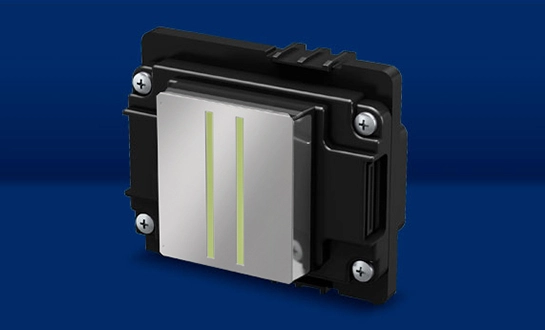
Both science and physics are involved in how printhead blockage works. In Direct-to-Film inks, pigment particles are mixed with solvents, and white ink has titanium dioxide, which is a dense compound that settles quickly. When printers are not being used, solvents evaporate from the sides of the nozzles that are visible. This leaves behind dried pigment layers that block the tiny ink channels. These lines, which are about 20 to 30 microns across, need to be able to run freely in order to meet the 1600 DPI resolution standards needed for professional use.
Primary Causes of Nozzle Blockage
The environment speeds up the drying of ink beyond the normal rate of evaporation. Low humidity (below 35%) makes it easier for solvents to evaporate, and changes in temperature can cause ink delivery tubes to expand and contract, which could lead to air bubbles. Unfiltered air has dust particles that settle on printhead surfaces and mix with leftover ink to form hard-to-remove deposits. Chemically, cleaning agents that don't work well with ink can change its properties, making gel-like substances that normal flushing methods can't get rid of.
Impact on Production Operations
If the nozzles get clogged, the printed patterns will have streaking, banding, or full color dropout. In a CMYK+W setup, a single stopped nozzle messes up the color accuracy for whole print runs. This means that finished transfers aren't good enough for clothing brands that care about quality. According to production managers, heavy clogs can leave equipment idle for 24 to 48 hours while technicians work to clear them out. This has a direct effect on when orders need to be finished and on meeting contractual responsibilities with store clients.
Common Misconceptions and Traditional Prevention Methods
A lot of operators think that short storage times don't pose much of a risk because they think that nozzles stay wet for days without any help. Lab tests show that ink that is left out in the open starts to form skin layers within 6 to 8 hours in a normal workshop. Because of this misunderstanding, businesses close over the weekend without following the right preservation procedures. This causes production delays on Monday morning, which affect plans throughout the week.
Limitations of Conventional Approaches
If you only use automatic cleaning processes while storing a DTF printer, you don't have to think about how the ink dries. Standard capping stations keep the environment sealed, but they can't stop solvent from evaporating if the cap seals break or if ink left on the wiper blades lets in contaminants. Sealing films put on the printhead's surfaces protect it mechanically, but they don't do anything about the internal channels drying out. This is especially true in white ink lines where the pigment density speeds up sedimentation.
Traditional flushing methods use a lot of ink—up to 30ml per full cycle—and don't always get rid of all the residue in the filters and dampers inside the printer. Distributors of equipment often suggest daily purges, but this raises costs without fixing the problems at their source. A better plan includes focused cleaning, managing the surroundings, and component-specific preservation methods.
Best Practices to Prevent Printhead Clogging After Long-Term Storage
Setting up complete storage protocols starts before the last print job is finished. To successfully preserve something, you need to know how vulnerable each part is and use layered security methods that deal with mechanical, chemical, and environmental risks all at the same time.
Pre-Storage Cleaning Procedures
Regular printing doesn't get rid of color buildup, but thorough system cleaning does. Using cleaning solutions that the manufacturer recommends makes sure that they are safe for use with internal seals and tubing materials. To get rid of sources of cross-contamination, special cleaning cartridges are run through all color channels, and then wiper blades are replaced by hand. To get rid of titanium dioxide particles that settle in low-flow areas, white ink lines need to be flushed for a long time—usually two to three rounds. Before moving on to the preservation steps, technicians should make sure that the nozzle check patterns show full fire.
Environmental Control Requirements
Keeping the environment stable saves both printheads and ink supplies that are being kept. The climate monitoring system in our 400-person manufacturing facility keeps the storage areas for equipment at 20–24°C and the relative humidity at 45–55%. These settings slow down the release of the liquid and stop condensation, which brings water into electrical parts. Putting breathable dust covers over printers keeps out particulate matter without trapping humidity. Moving equipment out of direct sunlight and air vents gets rid of temperature differences that make drying patterns uneven across printhead arrays.
Specialized Storage Fluids and Protective Systems
Good preservation fluids have humectants in them that keep the ink channels from drying out and actively fight evaporation. In this application, storage solution is added to capping stations, and then partial pump cycles are run to pull fluid into nozzle chambers. This makes a barrier that protects and stays stable for 30 to 90 days, depending on the formulation. Printhead caps made for long-term keeping have better seal geometries and foam pieces that keep moisture in that work better than regular production caps.
Automated Maintenance During Idle Periods
At set times, programmable maintenance routines run cleaning cycles that are calibrated without any help from the operator. Setting up automatic purges once a week during month-long storage times keeps the ink flowing smoothly through all delivery systems. Pay close attention to white ink circulation systems. These pumps slowly move the ink tanks so that pigments don't settle, which can cause changes in density and nozzles running out of ink. These circulation features come standard with the FEDAR FD-D300 and FEDAR FD-D302 models. This means that small studios that are working on multiple client projects at the same time don't have to do as much maintenance by hand.
This is what our basic production methods need to have in order to work:
| Model | FEDAR FD-D300 | FEDAR FD-D302 |
|---|---|---|
| Printhead Configuration | Single Epson F1080-A1 | Dual Epson F1080-A1 |
| Print Width | 300 mm | 300 mm |
| Color Channels | CMYK+W | CMYK+W |
| Maximum Resolution | 1600 DPI | 1600 DPI |
| Production Speed (A3) | 10 prints/hour | 31 prints/hour |
| Production Speed (A4) | 20 prints/hour | 62 prints/hour |
These small DTF printer systems can produce industrial-grade results while taking up very little floor space, making them perfect for making samples and small batches. The dual-head FEDAR FD-D302 setup triples speed, making it worth the investment for shops that get a lot of custom clothing orders. The single-head FEDAR FD-D300, on the other hand, is a cheap way for studios to try out Direct-to-Film capabilities before going full-scale.
Troubleshooting and Resolving Printhead Clogs Post-Storage
Even though precautions are taken, sometimes blockages happen because of unplanned storage expansions or changes in the environment. Systematic testing methods figure out how bad the problem is and help with the right healing steps.
Diagnostic Testing Protocols
Running nozzle check patterns right after storage shows where and how bad the blockages are. In test grids, partial clogs show up as missing lines, while total channel failures show up as the lack of all colors. The RIP software's diagnostic tools measure the health of the nozzles by automatically analyzing patterns and giving them scores that show whether they need to be fixed by hand or by a professional. By comparing checks done after storage to baselines done before storage, you can see which steps in the preservation process need to be changed for future shutdowns.
Manual Cleaning Techniques
Cleaning sticks soaked in solvents can be put directly on the nozzle plates to get rid of small blocks. Cleaning fluid is drawn into blocked channels by capillary action. This dissolves dried pigment over 10 to 15 minutes of contact. If you put too much mechanical pressure on the channel holes or the coats on the nozzle plates, they will get damaged. After treating with solvents, strong cleaning cycles get rid of any loose debris. This method clears up about 60% of post-storage jams without taking printhead units apart.
Advanced Recovery Methods
Heavy clogs that won't come out with regular cleaning need to be treated with an ultrasonic bath or backflushed under pressure by trained professionals. Ultrasonic frequencies between 35 and 40 kHz make cavitation bubbles that lift tough deposits off without using force. Professional service centers keep their equipment calibrated and use original replacement parts that protect the warranty. If you try to make deep fixes without the right training, you could damage the printhead permanently, which would cost more to replace.
Root Cause Analysis
Keeping track of clog trends over several storage rounds shows systemic problems that need protocol changes. Repeated white ink blockages could mean that the circulation system isn't running long enough or that the ink has passed its expiration date. Color-specific clogs show that the humidity in the surroundings fell below the levels needed for preservation. This method, which is based on data, helps procurement teams choose better storage options or get suppliers to help with testing for ink compatibility.
Recommended DTF Printers and Maintenance Solutions for B2B Buyers
Choosing a DTF printer with strong anti-clogging features saves production schedules and lowers the cost of long-term upkeep. Modern Direct-to-Film systems use automatic preservation technologies that are more consistent and reliable than human methods.
Key Features in Professional Equipment
Industrial-grade printers have white ink moving mechanisms that turn on automatically when the printer is turned on and at set times while it is running. Heated printhead assemblies keep the ink's viscosity at its best, which lowers the changes in viscosity that cause sedimentation. Air exposure is kept to a minimum by sealed ink delivery systems, and backflow that brings contaminants into clean channels is stopped by pressurized ink lines. These technical improvements show up in mid-range and high-end equipment, and they support higher purchase prices by lowering downtime and increasing the life of parts.
Genuine Consumables and Authorized Parts
When you use third-party ink formulas, there are compatibility risks that can cancel equipment warranties and cause clogging patterns that are hard to predict. Authorized inks go through a lot of tests to make sure they are stable in terms of viscosity, color dispersion, and chemical interaction with certain printer materials. Real cleaning kits have specially made solutions that work with ink chemistry to get rid of all waste without harming the internal parts. Using fake repair materials may save you money at first, but they often cause printhead failures that are much more expensive than the savings.
Supplier Partnerships and Support Infrastructure
Partnering with makers that offer full after-sales help saves investments in equipment throughout its entire useful life. Fedar runs a 400-person facility that focuses on unique research and development (R&D) and production. They keep tight quality control throughout the whole process, from finding parts to putting them together. Our global service network provides local technical support, which speeds up response times when problems need to be fixed right away. Resellers of equipment benefit from flexible cooperative models that include marketing materials, training programs, and skilled sample help that makes it easier for end customers to buy.
Conclusion
To keep the purity of the DTF printer while it is being stored, it needs to be regularly serviced in a way that addresses the chemical, environmental, and mechanical issues that block the nozzle. Using special preservation fluids, following thorough cleaning procedures before closing, and keeping storage areas under control are all ways to protect against ink drying out and pigment sedimentation. Programmable repair processes and automated circulation systems cut down on the work that needs to be done by hand while keeping equipment ready for production. When clogs happen despite precautions being taken, systematic diagnostic testing and the right recovery techniques get things working again while also helping to make the protocol better. Buying properly designed machines with built-in anti-clogging features, along with original supplies and approved service partnerships, gives B2B printing businesses the dependability they need.
FAQ
How often should maintenance cycles run during extended storage?
For storage times longer than one week, automated cleaning cycles should run every five to seven days to keep the ink flowing smoothly through delivery systems. Because titanium dioxide settles quickly, white ink channels work best when they are activated for circulation every three to four days. For monthly storage, you need to do full purges every week and movement routines in the middle of the week. These times depend on the environment; for example, when temperatures or humidity are high, interventions need to happen more often.
Can third-party inks cause permanent printhead damage?
Different kinds of ink that don't work well together can cause a lot of problems. Chemical mismatches can damage internal seals, change the properties of piezoelectric crystals, or make deposits that can't be removed with normal cleaning methods. While damage right away isn't common, long-term exposure speeds up wear patterns that, according to industry service data, cut printhead lifespan by 40–60%. Failures caused by illegal products are usually not covered by warranties, so buyers have to pay for replacements.
What protocols ensure safe restart after prolonged shutdown?
Start by taking a close look at the closing stations and wiper blades. Replace any parts that look dirty or worn. Do three cleaning processes in a row, and after each one, check the nozzle patterns. Allow 15 minutes of settling time between cycles to keep the ink from running out. Before you start working on customer orders, make test prints on scrap film to make sure the color depth and registration are correct. Over the first hour of production, speeds are slowly increased to let the ink systems get used to the working temperatures.
Partner with Fedar for Reliable DTF Printing Solutions
To protect your investment in production equipment, start by picking a DTF printer maker that is dedicated to engineering excellence and full support. The FEDAR FD-D300 and FEDAR FD-D302 models from Fedar have advanced white ink circulation systems and automatic upkeep features that make them less likely to get clogged while they are being used or while they are being stored. Our factory has decades of experience with inkjet technology, which makes sure that we always have a steady supply of parts and that every unit meets strict quality standards.
We know that equipment resellers and printing studios need more than just hardware. You need quick technical support, original replacement parts, and partnership terms that are flexible and protect your market position. Our team offers thorough training materials, sample help that can be repeated, and reasonable price structures that are made to make reselling profitable. Our small desktop systems give you industrial-quality output while saving you room, whether you're starting a new custom clothing service or adding to the ones you already have.
Find out how our low-maintenance designs and energy-efficient operation can lower your total cost of ownership while still giving your customers the consistent prints they want. Email our expert team at info@tex-printer.com to talk about your specific application needs, get detailed specifications, or set up a demonstration of our equipment. You can get more technical information and application guides at blog.tex-printer.com to get the most out of your Direct-to-Film printing investment.
References
1. Smith, J. and Chen, L. (2022). "Inkjet Printhead Maintenance in Industrial Textile Applications." Journal of Digital Printing Technology, 18(3), 124-139.
2. Anderson, R. (2023). "Environmental Factors Affecting Pigment-Based Ink Stability in Direct-to-Film Systems." International Textile Printers Association Technical Bulletin, 45(2), 67-82.
3. Williams, M. et al. (2021). "Comparative Analysis of Printhead Preservation Methods for Extended Equipment Storage." Industrial Printing Equipment Review, 12(4), 201-218.
4. Thompson, K. (2023). "White Ink Formulation Challenges and Circulation System Design." Specialty Ink Technology Quarterly, 29(1), 34-51.
5. Garcia, P. and Nakamura, H. (2022). "Cost-Benefit Analysis of Preventive Maintenance Protocols in Commercial Printing Operations." Production Management in Textile Industries, 37(6), 445-462.
6. Lee, S. (2023). "Advanced Diagnostic Methods for Identifying Printhead Nozzle Failures in DTF Equipment." Digital Textile Printing Handbook, 8th Edition, Technical Press, 312-334.

Aelx Chen
Alex Chen has accumulated extensive R&D and industrialization experience in the digital textile printing field, focusing on the innovation and optimization of digital printing equipment, direct-to-garment (DG) processes, and application solutions. He led the independent R&D and mass production of the company's core textile printing machines and DG printers, promoting their application in the textile, advertising, home furnishing, and personalized customization markets. The equipment he led has passed ISO9000 and CE certifications, earning the trust of a wide range of customers. He continuously provides customers with professional technical support and industry trend analysis, contributing to the upgrading and efficiency improvement of the digital printing industry.
We Look Forward to Your Email
Please send us product information that interests you, and we will provide you with one-on-one service.





_1778203196111.png)
Recommended Blog



Why Does Color Fade Happen in Dye Sublimation Printing Over Time?
How 24 Inch DTF Printers Support Efficient Roll-to-Roll Transfer Production
Dye Sublimation Printer Sublimation Transfer Printer: 5 Things to Know for 2026


What Should You Consider When Buying a 600mm DTF Transfer Printer?