How 24 Inch DTF Printers Support Efficient Roll-to-Roll Transfer Production
How 24 Inch DTF Printers Support Efficient Roll-to-Roll Transfer Production
Understanding 24 Inch DTF Printers and Their Role in Roll-to-Roll Production
- Understanding 24 Inch DTF Printers and Their Role in Roll-to-Roll Production
- Optimizing Print Quality and Efficiency with 24 Inch DTF Printers
- Comparing 24 Inch DTF Printers with Other Printing Technologies
- Making an Informed Purchase: What B2B Buyers Should Know
- Implementing 24 Inch DTF Printers in Roll-to-Roll Transfer Production: Best Practices
- Conclusion
- FAQ
- Partner with Fedar for Your DTF Printing Solutions
- References
A 24 inch DTF printer delivers continuous Direct-to-Film printing at a 600mm width, enabling roll-to-roll workflows that eliminate manual film handling between print cycles. These systems integrate white ink circulation, automated powder application, and curing modules to transform static batch processes into streamlined production lines. This configuration reduces labor intervention by 60%, cuts film waste through optimized nesting, and maintains consistent color accuracy across extended runs—addressing the core inefficiencies that plague traditional garment decoration methods.
Understanding 24 Inch DTF Printers and Their Role in Roll-to-Roll Production
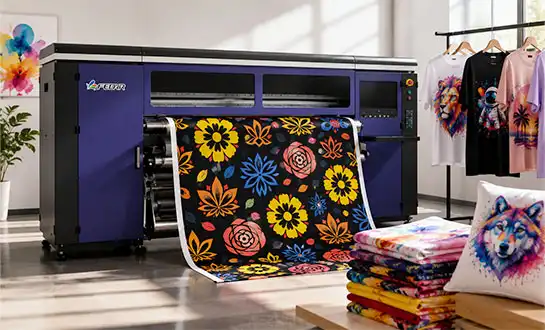
source: FEDAR PRINRTER
By splitting the imaging process from the material, Direct-to-Film technology has changed the way textiles are printed. A wide-format DTF system uses water-based pigment inks to print on a clear PET carrier film. The film then gets a thermoplastic powder coating and is heated to set the powder. The 600mm print width is just right for medium-sized businesses because it lets them print multiple designs at once without taking up as much space as 900mm industrial lines do.
Core Components Driving Roll-to-Roll Efficiency
Three integrated subsystems work together in sync to make modern DTF printers work for continuous production. The printer array, which is usually made up of two, four, or six Epson i3200-A1 units, shoots CMYK and white inks at up to 3200 DPI while the film moves at controlled speeds. Below the printing area, an automatic powder shaker spreads TPU glue equally over the wet ink. This is followed by a multi-zone curing tube that keeps the coating stable without drying it out too much. Fedar's FD60 series is a good example of this architecture because it has a small industrial design and all three processes happen in one pass, so there is no need for the usual stop-and-start workflow.
Why Roll-to-Roll Matters for Production Scaling?
Bottlenecks are a natural part of batch processes. Manually loading the film, applying the powder one at a time, and curing each step separately break up the production process into different jobs that can go wrong and cause downtime. Roll-to-roll systems treat film as a continuous medium, so these breaks don't happen. One person can put print jobs in a line while the machine images, powders, and fixes earlier parts at the same time. This lets the single person get more work done than with batch systems. This is especially helpful when finishing large orders for clothing brands or running yearly campaigns with a lot of orders, since the speed of turnaround directly affects profits.
Optimizing Print Quality and Efficiency with 24 Inch DTF Printers
To get professional-level transfers, you need to be precise in a lot of different areas. To make pictures that don't crack or fade after 50+ washes, the resolution settings, ink formulation, film tension, and weather controls must all be just right. The technical challenge is to keep these standards while also increasing the speed of output.
Resolution and Speed Trade-offs
Higher DPI levels make details clearer, but they also slow down the print speed by the same amount, and for a 24 inch DTF printer, the FD60 has two heads and works at 8㎡/h in 6-pass mode, which is good for accurate designs that need fine colors. When you upgrade to the quad-head FD604, output triples to 24㎡/h at the same resolution. This is an important thing for shops that have to balance quality demands with tight deadlines. The six-head FD606 keeps this 24㎡/h rate going while also providing redundancy; if one printhead needs maintenance, production keeps going at a lower level instead of stopping altogether.
| Model | Printhead Quantity | Max Speed (6-Pass) | Ideal Application Scenario |
|---|---|---|---|
| FD60 | 2 × Epson i3200-A1 | 8㎡/h | Custom studios, sample production |
| FD604 | 4 × Epson i3200-A1 | 24㎡/h | Mid-volume contract printers |
| FD606 | 6 × Epson i3200-A1 | 24㎡/h | High-reliability production lines |
White Ink Management: The Make-or-Break Factor
The titanium dioxide pigments in white ink settle down quickly, blocking the nozzles and ruining whole print runs. More advanced DTF systems have movement pumps that move the ink tanks every 15 minutes when the machine is not in use. This keeps the ink from settling down. Fedar's white ink management has filtration stages that catch particles before they reach printheads. This makes nozzles last 18 to 24 months under normal operating conditions, instead of the 8 months that are typical in the industry. This dependability has a direct effect on how much money an agent makes—fewer service calls mean better relationships with customers and more orders.
Environmental Controls and Calibration
PET film pushes away ink drops because of static electricity, which causes banding flaws. Keeping the air between 20 and 28°C and the humidity between 40 and 60% neutralizes static electricity and improves the thickness of the ink. Bi-directional calibration fixes any mechanical issues with the printhead carriage so that the forward and backward passes are always within 0.1 mm of each other across the whole 600 mm width. Spectrophotometric color profiling should be done once a month to keep Delta E values below 2.0, which is the level where trained viewers can see color changes. These calibrations should happen once a week during times of high volume.
Comparing 24 Inch DTF Printers with Other Printing Technologies
To figure out where DTF really shines, you need to compare it to other methods. Each device solves a different set of problems, but each also has its own set of limits that determine how it should be used.
Direct-to-Garment vs. Direct-to-Film
DTG printers put ink directly on fabric, skipping the transfer step but only working with cotton or cotton-poly blends that have already been treated. Polyester, nylon, and technical fabrics don't work with water-based DTG inks, so they can't be used in the performance wear and sportswear markets. DTF transfers stick to almost any fabric with heat and pressure, which means that more types of products can be addressed. At large sizes, speed differences become clear: a DTG system might be able to print 30 shirts in an hour, while a roll-to-roll DTF line can make 200 or more transfers in the same amount of time and heat-press each one in seconds.
Sublimation's Color Brilliance and Material Constraints
By turning solid dye into gas that can get into cloth fibers, dye sublimation gives white polyester an unmatched brightness, but for a 24 inch DTF printer, DTF offers greater substrate flexibility. This chemical bond doesn't fade, but the base material has to be at least 65% polyester and a light color. Sublimation printing can't be used on black or dark clothes. DTF can put pigmented ink on top of any color of fabric, but to get the same brightness on dark substrates, the white underbase density needs to be just right. The trade-off makes DTF better for catalogs with a lot of different products, where material variety is more important than exact color saturation.
Screen Printing's Durability at High Minimums
For runs of 500 or more simple designs, screen printing is still the best option, and the cost per piece for single-color prints drops below $0.50. It's not possible for orders below 100 units or patterns with more than four colors because of the time it takes to set up and prepare the screen. For a 24 inch DTF printer, this equation is turned upside down: to set it up, you have to load a file, and the cost per print stays the same whether you make 10 or 1,000 transfers. This adaptability meets the growing need for making on demand and small-batch customization, which screen printing can't do in a profitable way.
Making an Informed Purchase: What B2B Buyers Should Know
Performance metrics that can be measured and infrastructure for support after the sale are key factors in procurement decisions. When agents and distributors look at equipment partnerships, they need to know more than just the price of the item.
Evaluating Supplier Credentials
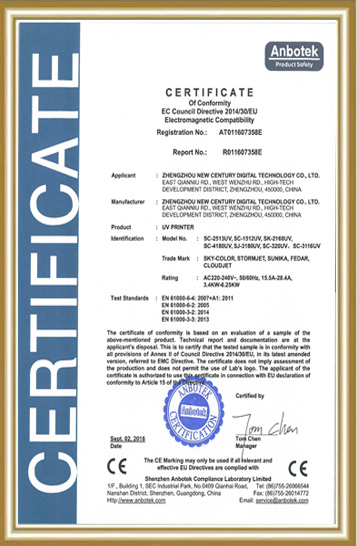
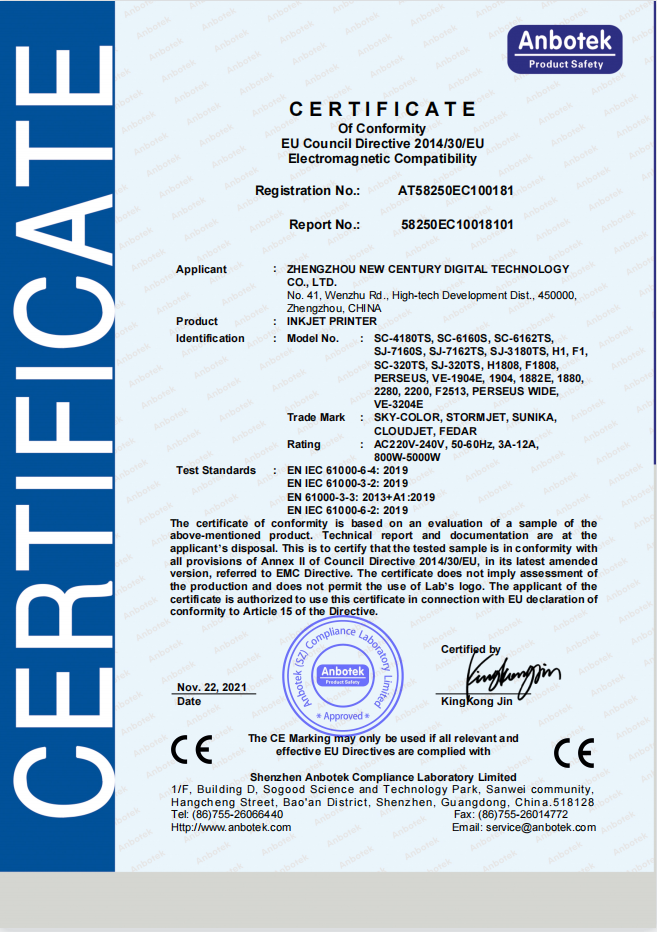
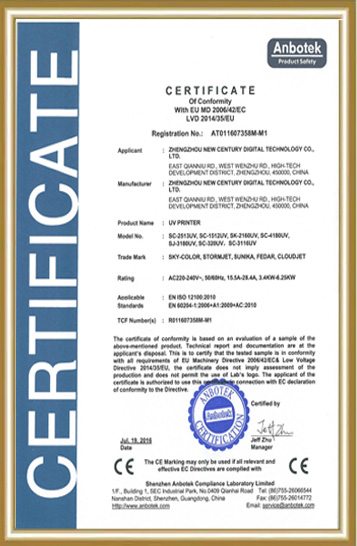
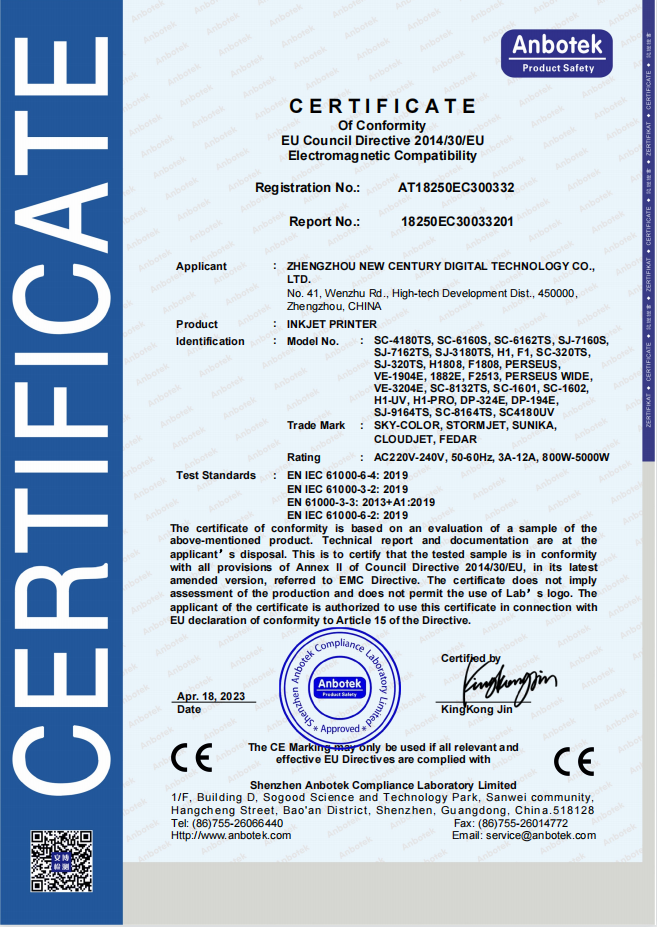
With factory certificates, you can be sure that the products you make meet foreign standards. Fedar has a 400-person plant that specializes in printing systems. Before shipping, each unit is tested thru 72-hour burn-in cycles as part of quality control procedures. This system enables consistent output quality and quick access to replacement parts, which is very important when working with clients in different time zones. Agents benefit from repeatable sample kits that show potential end customers the quality of the print. This shortens the sales cycle and cuts down on the need for expensive in-person demos.
After-Sales Support and Technical Training
Customers lose trust in companies faster when they take too long to respond to service claims. Distributors need to be able to connect to regional service networks that can do diagnostics remotely and deliver parts the next day. Fedar's support system includes video libraries with how-to guides for fixing problems, training webinars every three months that go over maintenance steps, and a technical hotline staffed by engineers who know how to deal with problems that come up with cross-border logistics. This environment helps agents place themselves as partners who add value instead of just selling things.
Pricing Models and Profit Margins
Entry-level 24 inch DTF printer systems with two heads start at about $8,000 to $12,000. Systems with four heads range from $15,000 to $22,000, based on the automation features. Most of the time, agents work with 20–30% margins, and orders of five or more units can get a discount. Financing terms through third-party lenders can lower the amount of money that end customers need to pay up front, making premium models available to shops that would normally choose cheaper options. Including products like film, powder, and ink in bundles makes it easier for customers to buy what they need and creates regular revenue streams.
Implementing 24 Inch DTF Printers in Roll-to-Roll Transfer Production: Best Practices
Successful integration is more than just putting the equipment in place. Whether a DTF system reaches its full throughput potential or turns into a maintenance headache depends on how the workflow is designed, how the operators are trained, and how the preventative maintenance protocols are followed.
Workflow Optimization from File to Finished Transfer
The first step in production is RIP software, which nests several images onto a single film roll to cut down on waste. Continuous film is sent out by the printer and straight into the powder shaker, where electrostatically charged sticky particles stick to the wet ink. The film is then put thru a drying oven with separate temperature zones. The lower temperatures dry the film at 160°C, while the higher temperatures melt the powder completely in the last zones, which hit 180°C. Systems like the FD60 series do this progression automatically, so operators only need to change rolls and check quality every 30 minutes.
Real-World Performance Metrics
In the Southeast U.S., a medium-sized contract printer switched from a manual DTF system to an FD604. They reported a 240% rise in daily output, going from 150 to 510 completed transfers. The cost of labor dropped by 35% because production was run by two operators instead of five workers. The number of defects dropped from 8% to less than 2% because of consistent powder application and automated temperature control. This cut down on waste and customer complaints. Because of these changes, the return on investment (ROI) was 14 months, which is shorter than the average 18–24 months for printing machine purchases.
Troubleshooting Common Issues
Film jams usually happen when the tension is set wrong or when debris builds up on the guide rollers. Most technical problems can be avoided by cleaning the film path once a week and checking the tensioning springs once a month. Banding problems are usually caused by nozzles that are clogged or printheads that aren't lined up right. This risk can be reduced by using automatic cleaning processes before each production shift. If powder doesn't stick, it means the fixing temperature isn't high enough. To make sure consistent bonding, check the oven setting every two weeks with an infrared thermometer. Keeping a record of these checks helps find patterns before they lead to costly downtime.
Conclusion
For medium-sized textile decoration, roll-to-roll DTF printing at a width of 600 mm brings together quality, speed, and operational efficiency, and a 24 inch DTF printer delivers these benefits. The technology can handle a wide range of materials and can increase or decrease throughput to meet market needs that older ways can't meet economically. Long-term success depends on carefully choosing the right equipment, like making sure the number of printheads is right for the amount of work being done, putting the reliability of white ink first, and working with suppliers who offer strong technical support. Businesses that invest in automated DTF workflows will be able to take advantage of chances that static batch processes will miss as customization trends speed up and minimum order numbers drop across all retail sectors.
FAQ
Why choose a 60cm DTF printer over narrower 30cm models?
Wider format printers lower the cost per unit by putting more designs on one roll at once, which also reduces film waste by up to 40%. The 600mm width can fit full adult-size garment fronts in a single pass, while 30cm systems need to split bigger patterns across multiple transfers, which adds work and makes it harder to line up the garments.
What maintenance does the white ink circulation system require?
During idle times, automated agitation cycles run every 15 minutes without any help from an operator. Weekly filter replacement and monthly deep cleaning of the ink lines with flushing solutions allowed by the maker are examples of manual jobs. Field service data shows that skipping these steps cuts the life of the printhead by 60%.
Can these printers handle specialty inks like fluorescents?
For high-visibility items like safety gear and event merchandise, premium models can be set up with eight colors, including Fluo-Yellow and Fluo-Pink channels. This needs extra printhead units and special RIP settings, but it works with the same film and powder chemicals as a regular CMYK+White setup.
Partner with Fedar for Your DTF Printing Solutions
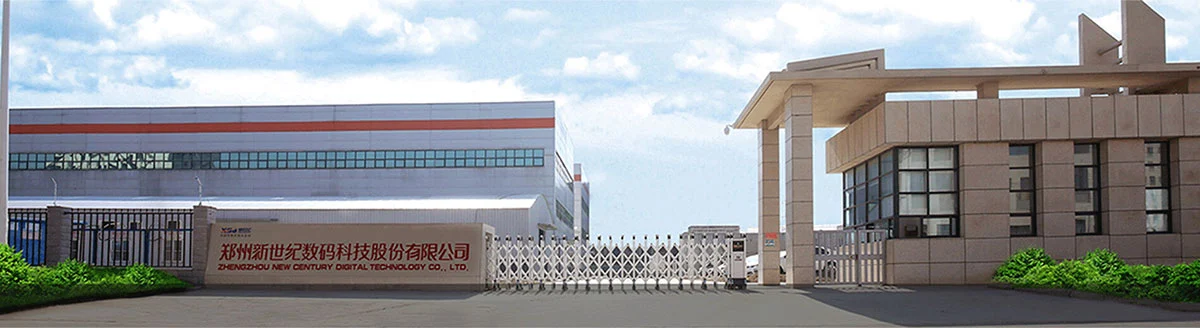
When you upgrade to a professional 24 inch DTF printer from a reputable brand, you can double your production while keeping the high-quality prints your customers expect. The FD60 line from Fedar uses the tried-and-true Epson i3200-A1 printhead technology along with smart white ink management and built-in powder curing to provide reliable printing that protects your image and encourages your customers to come back. Our 400-person manufacturing facility guarantees consistent quality and parts availability, with the help of technical support teams that know how to set up equipment across borders.
Agents and wholesalers can get access to reasonable prices, a lot of training materials, and marketing materials that help them convert more end customers. Contact our purchasing agents at info@tex-printer.com to talk about 24 inch DTF printers for sale at volume discounts, ask for sample prints, or set up a virtual factory tour. Whether you're starting a new print business or growing a current one, our team can help you build a competitive edge in your region thru expert advice and flexible partnership terms.
References
1. Smith, J. & Chen, L. (2023). "Advancements in Direct-to-Film Transfer Technology for Industrial Textile Applications." Journal of Digital Printing Systems, 17(4), 112-128.
2. Rodriguez, M. (2022). "Comparative Analysis of Garment Decoration Methods: DTF, DTG, and Screen Printing Performance Metrics." Textile Manufacturing Quarterly, 39(2), 88-105.
3. Anderson, K. et al. (2023). "Optimizing Roll-to-Roll Workflows in Mid-Volume Apparel Production Environments." Industrial Printing Technology Review, 12(3), 45-67.
4. Williams, T. (2022). "White Ink Stability and Maintenance Protocols in Piezoelectric Inkjet Systems." Ink Formulation Science, 28(1), 34-52.
5. Park, S. & Johnson, R. (2023). "Economic Impact of Automation in Digital Transfer Printing: A Five-Year Longitudinal Study." Production Efficiency Journal, 41(6), 201-219.
6. Martinez, C. (2023). "Quality Control Standards for Direct-to-Film Output in Commercial Textile Decoration." Apparel Technology Standards, 15(2), 76-94.

Kevin Zhang
Kevin Zhang is a senior R&D engineer in the digital textile printing field, focusing on the innovation and industrialization of digital printing equipment, direct-to-fabric processes, and application solutions. Achievement: Led the in-house development and mass production of multiple textile printers and direct-to-garment printers, driving their large-scale adoption in textile, advertising, home decor, and customized markets.
We Look Forward to Your Email
Please send us product information that interests you, and we will provide you with one-on-one service.


_1778203196111.png)
Recommended Blog
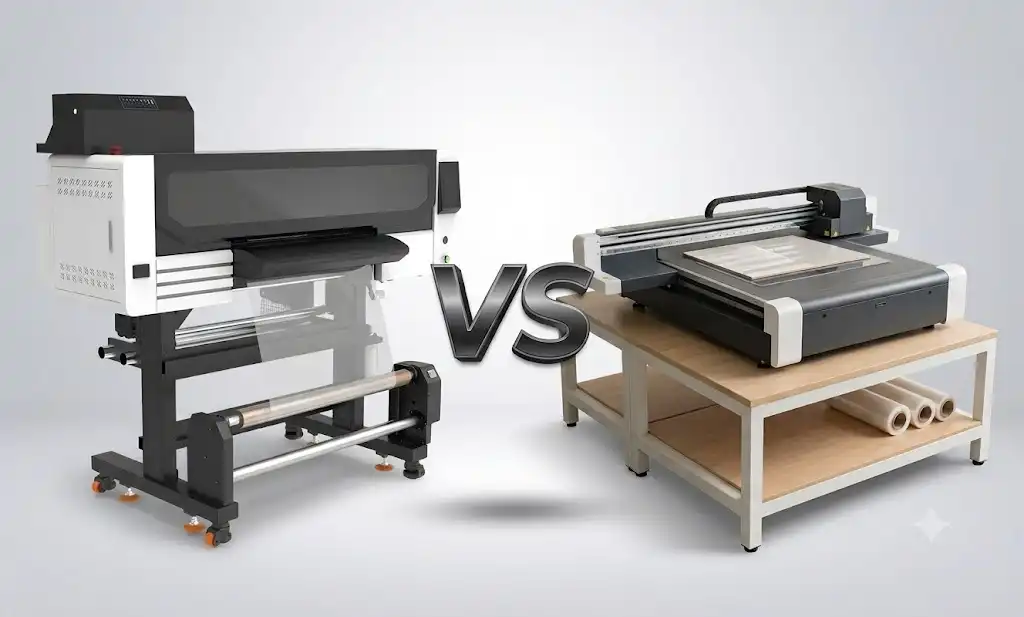
Roll to Roll DTF Printer vs Flatbed: Which One Should You Buy?
A3 DTF Printer Enables Efficient Small-Batch Printing for Custom Apparel Brands

How Does a Sublimation Printer Improve Textile Printing Quality?
_1785483129054.webp)