What Should Businesses Check Before Buying a DTF Printer?
Understanding DTF Printer Technology and Its Business Impact
- Understanding DTF Printer Technology and Its Business Impact
- Essential Technical Criteria to Evaluate Before Buying
- Economic and Operational Factors for Procurement Decisions
- Environmental and Regulatory Considerations
- Decision-Making Framework: How to Choose the Best DTF Printer for Your Business?
- Conclusion
- FAQ
- Partner with Fedar for Reliable DTF Printing Solutions
- References
Before purchasing a DTF printer, businesses must evaluate technical specifications, operational costs, supplier reliability, and after-sales support to ensure alignment with production goals. Printhead quality, resolution capabilities (ideally 1600 DPI or higher), ink circulation systems, and compatibility with transfer films are non-negotiable factors. Equally important are supplier credentials, warranty terms, and access to local technical support—all of which directly impact ROI and minimize downtime in high-demand production environments.
Understanding DTF Printer Technology and Its Business Impact
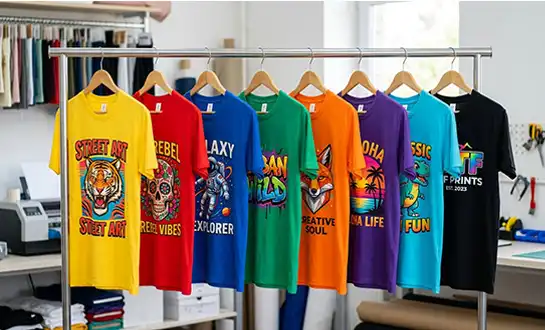
source: FEDAR PRINRTER
Direct-to-Film printing has changed the way textiles are made by getting around the problems with traditional screen printing and the need for a lot of maintenance on DTG systems. Using special water-based inks to print designs on a PET release film, then adding hot-melt adhesive powder, letting the transfer dry, and pressing it onto cloth surfaces is how this technology works. DTF can be used on cotton, nylon, blends, and even treated leather, while dye sublimation can only be used on polyester and heat transfer vinyl needs to be carefully weeded.
How DTF Simplifies Production Workflows?
A big operational benefit is getting rid of the need for pre-treatment processes. Chemical solutions have to be applied to dark fabrics using traditional direct-to-garment ways, which costs more in terms of time and materials. Without this step, DTF transfers get bright whites and full color richness, which cuts production time in custom clothing operations by up to 40%. This flexibility directly leads to faster turn-around times and higher customer satisfaction for businesses that handle small-batch orders or samples.
Comparing DTF with Alternative Printing Methods
Screen printing is still a good deal for large orders of more than 500 items, but setup costs make it impossible for one-of-a-kind orders. Detail and color depth are available with DTG, but it requires a lot of upkeep and can't be used on all fabrics. DTF is in the middle. It produces high-quality products without needing a minimum order quantity. This makes it perfect for companies that work with a wide range of clients, from those that distribute advertising items to small fashion brands that need to be able to make things on demand.
Essential Technical Criteria to Evaluate Before Buying
To pick the right tools, you need to carefully look at the specs that match the size of your production. Resolution, printer technology, and automatic features set entry-level machines apart from professional-grade systems that can run 24 hours a day, seven days a week.
Printhead Technology and Resolution Standards
Epson's F1080-A1 and i3200-A1 printheads are the best on the mid- to high-end market. They have 1600 DPI resolution, which means they can pick up fine gradients and detailed features with line lengths of just 0.2 mm. Lower-level XP600 heads produce good enough quality for simple patterns, but they don't have enough color density for photorealistic pictures. When looking at different models, make sure the system has automated nozzle checks and built-in cleaning cycles. This is important to keep the white ink channels from getting clogged, since titanium dioxide particles settle quickly in these channels.
White Ink Circulation Systems
Titanium dioxide in white ink makes upkeep very difficult. If there isn't steady movement, particles settle in supply lines and printheads, which costs a lot to fix. Professional systems have circulation pumps and stirring mechanisms that are automated and turn on when the system is not being used. If a cheap model doesn't have this feature, you may have to shake it by hand every day, which can shorten the life of the printer and quickly wipe out any savings you made at first.
Film and Consumables Compatibility
Not every transfer film or adhesive powder works the same. Good double-matte PET films make sure that the ink soaks in properly and stop "oil return," a flaw in which the glue bleeds thru the print while it cures. Businesses should check to see if the DTF printer they want to buy can use a variety of consumables or if it needs special materials. If it does, it could raise long-term costs and make it harder to get supplies when materials are in short supply.
Production Speed and Capacity Alignment
Print speeds are very different between types. With a single Epson F1080-A1 printer, entry-level systems like the FEDAR FD-D300 can make about 10 A3 prints an hour, making them good for sample makers and small companies. The FD-D302 with two heads triples output to 31 A3 prints per hour, so businesses that are growing don't need to buy more machines.
| Model | Printhead Quantity | Resolution | Print Width | Max Speed (A3/hr) |
|---|---|---|---|---|
| FEDAR FD-D300 | 1 x Epson F1080-A1 | 1600 DPI | 300mm | 10 |
| FEDAR FD-D302 | 2 x Epson F1080-A1 | 1600 DPI | 300mm | 31 |
These specs help businesses match the capacity of their equipment with the number of orders they receive. Studios that make between 50 and 100 special pieces a week can get by with single-head systems, but advertising shops that do a lot of promotional orders need dual-head setups to keep their delivery times competitive.
Economic and Operational Factors for Procurement Decisions
Decisions about what to buy are affected by economic and operational factors. The initial purchase price is only a small part of what it costs to own the car. Over a three- to five-year operational period, profitability is based on how much ink is used, how much film is wasted, how often maintenance needs to be done, and how much downtime there is.
Total Cost of Ownership Analysis
Startups like entry-level systems that cost less than $2,000, but they often come with hidden costs like higher costs for consumables and more frequent component repairs. Mid-range equipment, which costs between $5,000 and $15,000, is a good mix of price and sturdiness. It has industrial-grade printheads and strong frames that can handle continuous use. Businesses that print more than 500 items every day should think about systems that cost more than $20,000. These systems should have automatic powder makers, infrared curing zones, and multiple ink supply systems to keep production running smoothly.
Calculating Per-Print Economics
Ink and film for a normal A4 full-color copy cost about $0.30 to $0.50, and white underbase costs an extra $0.15 to $0.25. It costs about 10 cents per print to use powder. Depending on where you live, heat pressing labor costs between $0.75 and $1.25 an hour on average. Even small businesses can make good money when retail transfers cost $5 to $15 each. To support capital investments, businesses should figure out their break-even points based on the expected monthly amounts.
Supplier Credentials and Support Infrastructure
Manufacturers' knowledge and service networks are key to the dependability of a DTF printer. Companies with 400-person plants and dedicated R&D teams, like well-known inkjet printer makers, have the engineering strength to support intricate electromechanical systems. Check the supplier's credentials, production ability, and to see if they have North American service centers that can send technicians to major failures within 48 hours.
Warranty Terms and Parts Availability
Standard one-year guarantees cover flaws in the manufacturing process, but they don't cover wearable parts like printheads, which cost between $800 and $2500 each. Long-term service contracts that cover parts and labor and cost 10 to 15 percent of the machine's value help you plan your budget. Check with your suppliers to see if they keep important parts in stock in the United States. Delays in international shipping for specialized parts can stop production for weeks, which can hurt urgent orders and relationships with customers.
Environmental and Regulatory Considerations
Businesses are under more criticism from regulators and customers expect them to be environmentally responsible, so sustainable practices are becoming more important in buying choices.
Eco-Friendly Ink Formulations
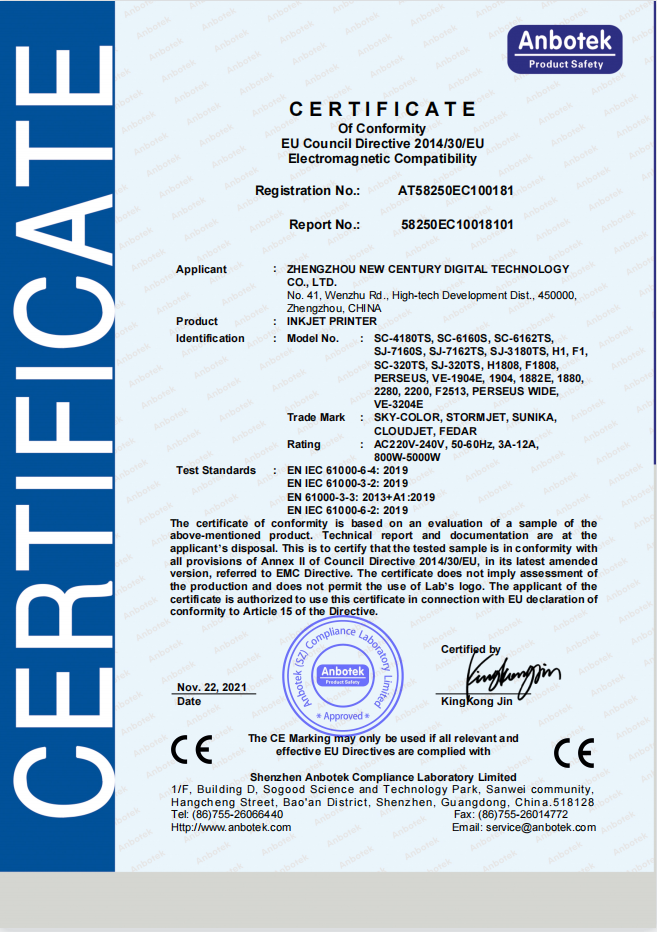
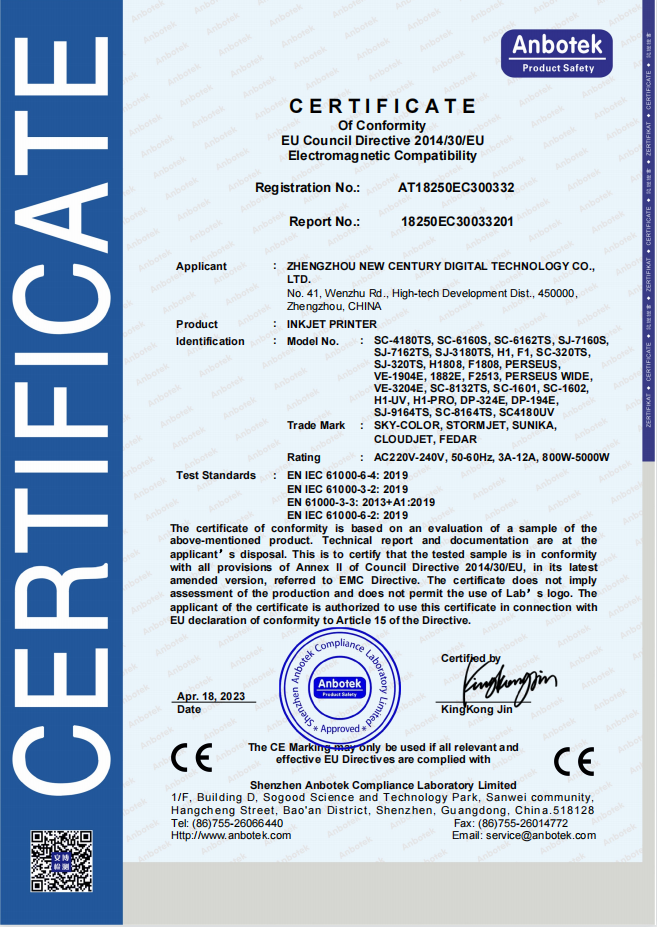
There are not as many volatile organic compounds (VOCs) in water-based DTF inks as there are in plastisol-based screen printing options. OEKO-TEX Standard 100 certifications show that inks meet human-ecological standards, which is important for kids' clothes and products that come into close touch with the skin. Companies that sell goods in Europe should focus on formulas that are REACH-compliant to avoid problems with customs and possible legal issues.
Waste Management Protocols
Film scraps, extra powder, and cleaning solvents need to be thrown away in the right way. PET films can often be recycled thru special programs, which means they end up in landfills less often. By building relationships with people who handle hazardous waste, you can be sure that you are following EPA rules about solvent disposal. Using powder recovery systems cuts down on material waste by 15 to 20 percent while also lowering the amount of airborne particles that can hurt operators' lungs.
Ventilation and Workplace Safety
Curing processes produce heat and small amounts of fumes, so they need to be well ventilated for a DTF printer. According to OSHA rules, printing rooms should have exhaust devices that can change the air six times an hour. When equipment is well taken care of and has enclosed curing zones, it keeps workers from being exposed to repeated heat and limits the fire risks that come with powder combustion when something goes wrong.
Decision-Making Framework: How to Choose the Best DTF Printer for Your Business?
When choosing strategic tools, it's important to match technical skills with business models and growth paths. Price alone shouldn't be the only thing that guides choices; production volume, material variety, and practical skill should too.
Segmenting Needs by Production Scale
Compact systems like the FD-D300, which offers industrial 1600 DPI quality in a desktop size, are helpful for small studios that make 20 to 50 unique pieces every week. These machines let you run a print-on-demand business without having to take a minimum order. This is great for testing the market or serving specific groups of people. Medium-sized businesses that print between 100 and 300 items every day need dual-head setups that can triple their output and keep the colors consistent over long production runs. Large sites that print more than 500 units a day should look into 600mm or wider systems with four printheads and automatic roll-to-roll handling.
Evaluating Brand Reputation and Market Presence
Companies that have been making inkjet technology for ten years or more know how to improve ink chemistry, printhead longevity, and software integration. Look at customer reviews on industry forums and make note of patterns in how quickly service is provided and parts are made available. Modular upgrades, like adding printheads or increasing print widths, from certain brands let businesses grow without having to buy all new equipment.
Assessing Training and Technical Resources
Costly mistakes can be avoided during the initial setup stages by giving operators thorough training. On-site training that lasts more than one day, video files, and expert hotlines that are open 24 hours a day, seven days a week are all things that suppliers offer. The quality of RIP software varies a lot. Color management presets and easy-to-use interfaces make production easier for people who aren't graphic designers, which increases the pool of workers and lowers staffing needs.
Future-Proofing Your Investment
In digital printing, technology changes very quickly. Systems that can change their software and work with new ink formulations keep them from becoming obsolete. Checking to see if a manufacturer does active research and development (R&D), which can be seen by how often they release new products and file patents, shows that they want to support existing equipment for longer periods of time instead of replacing it too soon.
Conclusion
When you buy a DTF printer, you have to weigh the technical requirements, the cost, and your long-term growth goals. Printhead quality, white ink management, refill compatibility, and the framework for supporting suppliers all play a role in determining long-term success. Businesses need to figure out the total costs of ownership that go beyond the original price, make sure they aren't hurting the environment, and choose partners with strong training and service networks. With the right tools, production capabilities can be changed, allowing for the responsive customization that modern markets expect while keeping costs low by running operations more efficiently.
FAQ
Why does proper white ink circulation matter in DTF systems?
Titanium dioxide particles in white ink settle down quickly after being still for a while. They block printheads and cost hundreds of dollars to fix. Ink supplies don't settle because circulation systems keep them moving. This keeps the printheads working for 300–500% longer. This feature sets professional equipment apart from cheaper alternatives that need a lot of maintenance.
How do I prevent transfer defects like cracking or peeling?
How long a transfer lasts depends on the quality of the adhesive powder and how it cures. Making sure that your oven stays at 150°C for two-minute cycles is important. Use high-quality PET films that are double-matte and made for your ink system. The right settings for a heat press—usually 160°C at medium pressure for 15 seconds—make glue bonding happen without damaging the fibers of the cloth.
Can entry-level systems handle commercial production volumes?
Single-head printers that can make 10 to 20 A3 prints an hour work well for sample makers and small companies, but they have trouble with weekly orders of more than 50 units. The FD-D302's dual-head setup triples output to 31 prints per hour, bridging the gap between hobbyist and commercial capabilities while keeping the printer's ease of use on a desk and its energy economy.
Partner with Fedar for Reliable DTF Printing Solutions
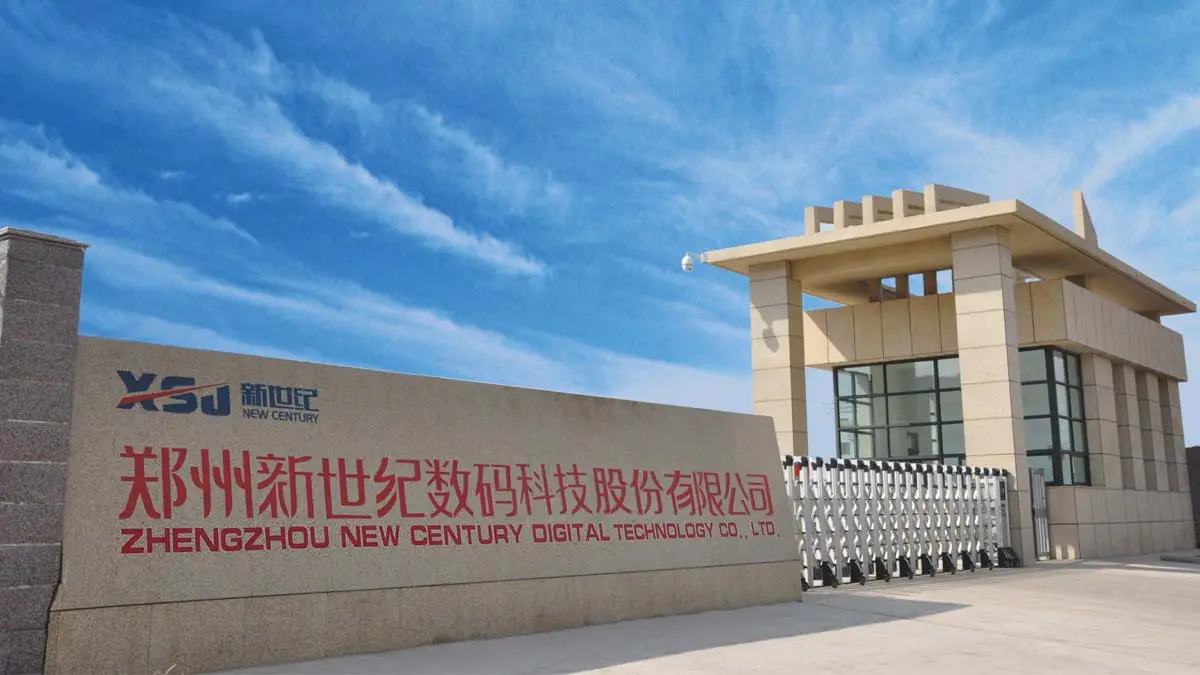
Working with experienced manufacturers makes it easy to get thru the complicated process of buying DTF equipment. Fedar has a 400-person center that focuses on unique inkjet printer research and development and production. They offer systems that are stable enough to be used in textile, signage, and advertising products. Our FD-D300 and FD-D302 models mix the accuracy of the Epson F1080-A1 printhead with affordable prices, so companies can start DTF operations without having to spend a lot of money.
We help distributors and resellers by offering flexible ways to work together, thorough technical training, and quick, helpful after-sales service that can handle support needs across borders. Our team can help you with sample kits, marketing materials, and application advice that are specific to your market position, whether you're opening a print-on-demand studio or adding more capabilities to an existing factory. Get in touch with our experts at info@tex-printer.com to talk about how our DTF printer solutions can help you reach your production goals. You can also find more detailed information at blog.tex-printer.com. We guaranty stable component supply and service continuity that protects your operational investment because we are a well-known seller with a global reach.
References
1. Johnson, M. & Peterson, R. (2023). Digital Textile Printing Technologies: Market Analysis and Growth Forecasts. Smithers Pira Publishing.
2. American Apparel Producers Network. (2024). Direct-to-Film Printing: Technical Standards and Best Practices Guide. AAPN Industry Publications.
3. Turner, L. (2023). "Comparative Cost Analysis of DTF, DTG, and Screen Printing Methods." Journal of Industrial Textile Manufacturing, 47(3), 112-128.
4. Environmental Protection Agency. (2024). VOC Compliance in Digital Printing Operations: Regulatory Guidelines for Textile Manufacturers. EPA Publication 745-B-24-002.
5. Chen, H., Rodriguez, A., & Kim, S. (2024). "Printhead Maintenance Protocols for Water-Based Pigment Inks." International Journal of Digital Printing Technology, 18(1), 45-61.
6. National Association of Printing Equipment Distributors. (2023). Total Cost of Ownership Models for Commercial Printing Systems. NAPED Research Series, Volume 12.

Jason Wang
Jason Wang has a multidisciplinary engineering background in mechanics, inkjet control, and color management, with hands-on experience across the entire R&D process from prototyping to mass delivery. Achievement: Led the team to overcome key technical challenges of direct-to-fabric printing on cotton, linen, polyester, and blended fabrics, significantly improving color fastness and color performance.
We Look Forward to Your Email
Please send us product information that interests you, and we will provide you with one-on-one service.
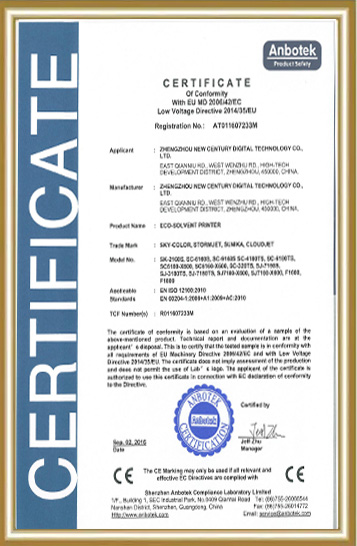
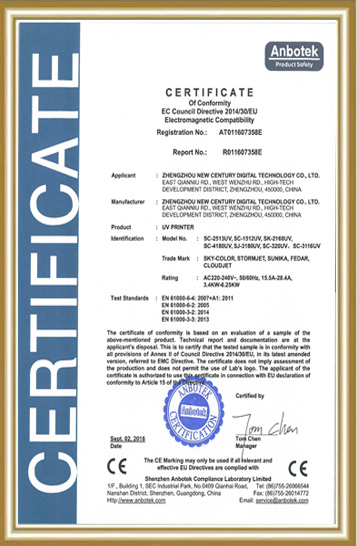
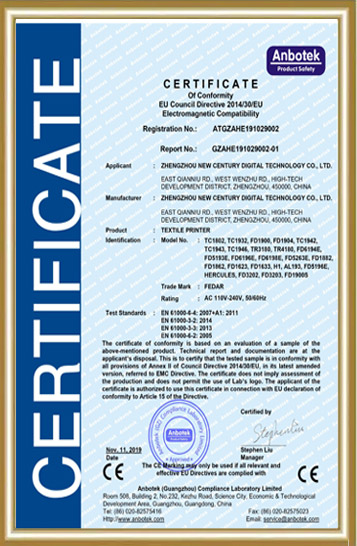
_1778203196111.png)
Recommended Blog
How Does a 600mm DTF Transfer Printer Increase Transfer Output?

_1786522820542.webp)
Industrial Roll to Roll DTF Printer for Continuous Production
What Should You Consider When Buying a 600mm DTF Transfer Printer?

Understanding 24 Inch DTF Printer Technology for Efficient Print Shop Growth
_1786602084861.webp)
Digital Textile Film Printer: Characteristics and Advantages