What Should You Consider When Buying a 600mm DTF Transfer Printer?
Introduction
- Introduction
- Understanding 600mm DTF Transfer Printer Technology
- Critical Factors for Evaluating 600mm DTF Transfer Printers
- Comparing 600mm DTF Printers with Other Models and Solutions
- Procurement Considerations for 600mm DTF Transfer Printers
- Choosing the Right 600mm DTF Transfer Printer for Your Business Needs
- Conclusion
- FAQ
- Partner with a Trusted 600mm DTF Transfer Printer Manufacturer
- References
When purchasing a 600mm DTF transfer printer, you should prioritize production capacity, printhead configuration, maintenance systems, and after-sales support. This printing technology represents an ideal balance between output volume and facility footprint, making it suitable for medium-sized operations. The Direct to Film process allows high-quality transfers on diverse fabrics without pretreatment, addressing substrate compatibility challenges that limit other methods. Understanding technical specifications, operational costs, and supplier credentials ensures your investment delivers consistent returns and positions your business for sustainable growth in the competitive textile decoration market.
Introduction
With the rise of Direct to Film transfer printing technology, the textile decoration business has changed in amazing ways. DTF printing is not like traditional screen printing or Direct to Garment methods because it can be used on a huge range of fabrics and still keep the colors bright and long-lasting. The 600mm print width has become the standard for companies that want to do more than basic production but don't want to buy expensive large-format equipment that takes up a lot of floor space.
To pick the best DTF transfer option, you need to carefully consider its technical strengths, how well it works, and its long-term support system. Whether you're running a new clothing line, a print shop that might sell its products elsewhere, or a business that sells used equipment to other businesses, the choice you make will have a direct effect on your production speed, customer satisfaction, and profits. This guide looks at the important things you need to think about to tell the difference between systems that work well and systems that give you problems and hurt your ability to compete.
Understanding 600mm DTF Transfer Printer Technology
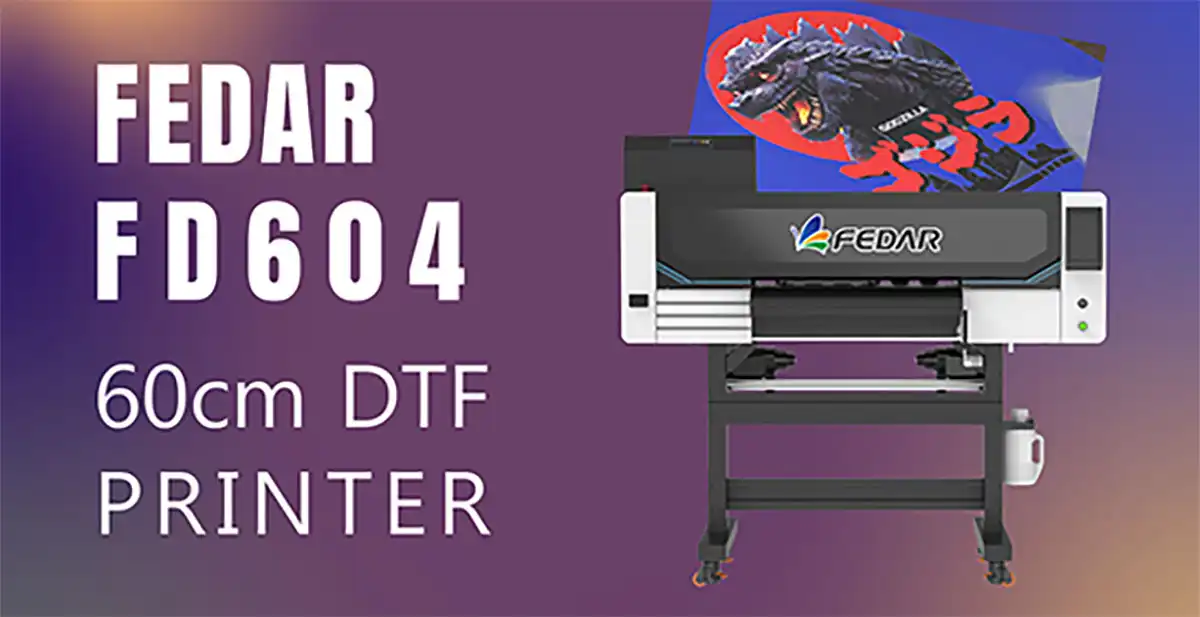
How Direct to Film Printing Works
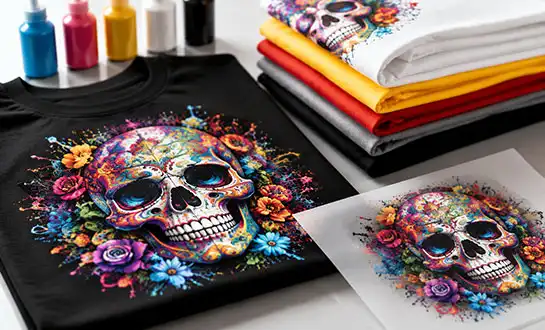
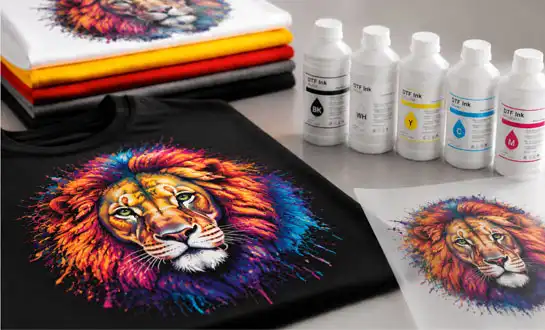
To start the DTF process, special water-based pigmented inks are printed in CMYK plus white on a PET release film. The white ink layer gives the colors the opacity they need to look bright on dark fabrics, and the color levels give you picture detail at up to 3200 DPI. After printing, hot-melt glue powder is put on top of the still-wet ink, and it cures by being exposed to controlled heat. This makes a transfer that is ready to be pressed and sticks to fabrics permanently when heated in a regular heat press, usually for 15 seconds at 160°C.
The Strategic Advantage of 600mm Width
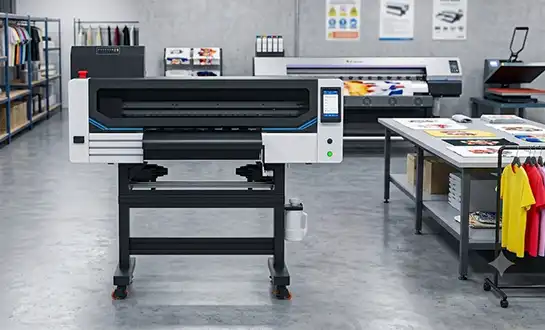
The 24-inch print width makes the best use of material for standard clothing sizes, and compared to narrower formats, it cuts film waste by about 15%. This size works for most printing needs on adult clothing while still leaving a small mark that's good for places that are limited on space. Production shops like the balance between output and ease of maintenance, as 600mm systems don't need as much complicated wiring for power and air as bigger industrial models.
Versatility Across Applications
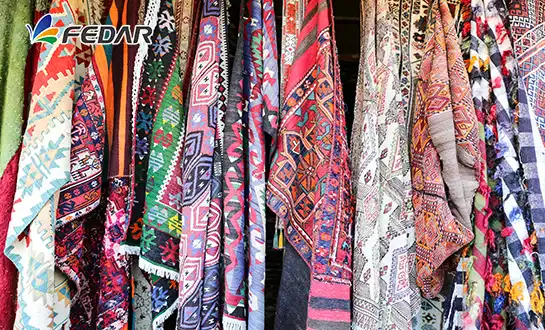
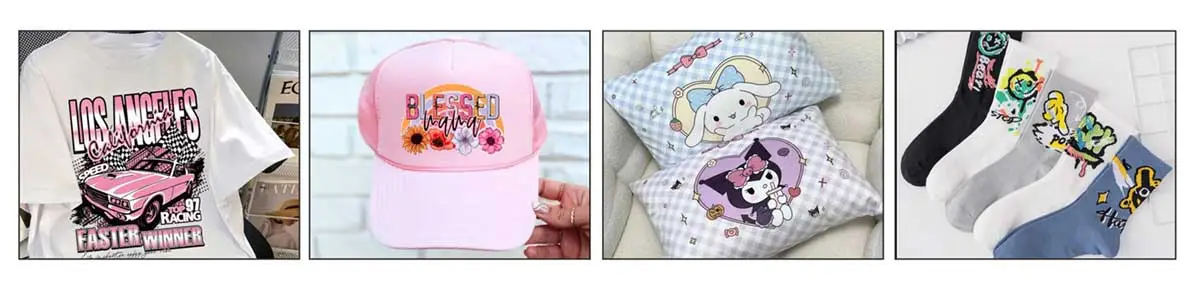
In three different situations that are hard for traditional printing methods, DTF technology does really well. Industrial clothing makers use it to make a lot of tagless neck labels and complicated logos with many colors that would be too expensive to print on screens for middle runs. Performance activewear brands depend on the thin, flexible TPU adhesive layer that doesn't crack when exposed to stress from the environment and moves with high-stretch polyester and spandex. Promotional goods businesses use the technology's ability to handle non-standard things like canvas bags, caps, and hoodies with similar speed. This lets them take orders with no minimums and get them back to them in 24 hours.
Critical Factors for Evaluating 600mm DTF Transfer Printers
Production Speed and Throughput Capacity
Print speed is directly related to how much money you can make and how quickly you can fill orders. In normal 6-pass mode, entry-level dual-head setups can handle 8 to 10 square meters per hour, which is enough for businesses that process 50 to 100 garments every day. Four-head systems can triple this output to about 24 square meters per hour, which is enough for medium-sized factories that make 200 to 300 pieces per shift. When looking at speed specs, make sure the makers talk about draft mode or production-quality settings. The difference between the two has a big effect on how well the machine works in real life.
The pass count for a 600mm DTF transfer printer tells you how many times the printhead has to go across the media to finish an image. While lower pass numbers make things go faster, they may hurt the color depth and edge sharpness. For most professional uses, printing needs to be done six times to get wash-fastness scores that meet ISO 105-C06 Grade 4-5 standards. This makes sure that copies stay intact after 50 or more loads of laundry. Knowing this balance helps you match the capabilities of your tools to the quality promises you make and the standards of your customers.
White Ink Circulation Systems
Managing the white ink is the most important upkeep task for DTF printing. Titanium dioxide particles, which are used to make things opaque, settle down on their own and can clog nozzles, which stops production. Professional printers have circulation pumps that keep the white ink tanks moving so that it doesn't settle during use and downtime. In more advanced models, there are filters that get rid of impurities before the ink gets to the printheads. This can extend the life of the parts from 12 months to 24 months in ideal circumstances.
Automated Powder Application and Curing
When powder is shaken by hand, the structure changes, which hurts the quality of the binding and slows down production. Built-in powder shakers evenly spread the glue across the 600mm width and remove any extra material so it can be used again. This cuts down on waste and work costs. To make sure that all the powder melts without burning the film, the cure system has to keep the temperature very stable, usually 150°C across the media path. With infrared heating elements and variable conveyor speeds, operators can find the best settings for the amount of ink coverage and the environment.
Maintenance Requirements and Uptime
Maintenance tasks that need to be done every day usually take 10 to 15 minutes and include automatic head cleaning cycles and a human check of the capping station to keep ink from building up. But systems that don't have the right circulation and filtering devices might need to be tended to every hour during busy production times, which would have a huge effect on how efficiently they work. When you're looking at equipment, you should ask current users in production settings like yours for specific information on how often nozzle checks fail and how long it usually takes for service calls to happen.
Comparing 600mm DTF Printers with Other Models and Solutions
DTF Versus Direct to Garment Printing
Direct to Garment printers put ink right on the surface of fabrics, skipping the transfer step but putting limits on the medium. With pretreatment, DTG works great on 100% cotton, but not so well on polyester blends, which make up most activewear and fashion clothing. DTF technology gives consistent results on cotton, polyester, nylon, leather, and blended fabrics without having to prepare the surface. This gives you more options for your inventory and more market opportunities. The transfer process also lets you separate production; printing can happen in one building, and pressing can happen in different places, which helps with regional fulfillment plans.
Evaluating 600mm Versus Larger Format Options
Even tho 800mm and 1200mm printers have higher total throughput, they also need more money to be spent on tools, supplies, and building infrastructure. The 600mm format is the best starting point for businesses that make 100 to 500 garments per day, and there are ways to improve as traffic rises. Larger formats become cost-effective when more than 1,000 pieces are regularly made every day, but they need more technical staff and stricter quality control processes because they are more complicated.
Overview of Leading 600mm DTF Models
There are a lot of different setups on the market that can be used for a range of production sizes and budgets. Fedar has made three separate models that meet different operational needs. The FD60 has two Epson i3200-A1 printheads that work reliably in startup and small business settings. It can print 8 square meters per hour at 3200 DPI. The FD604 has four times as many printheads as the FD603, so it can print 24 square meters per hour. It is designed for medium-sized factories that need higher throughput without sacrificing print quality. With six printheads, the FD606 setup increases capacity even more while keeping the small size that 600mm platforms are known for.
| Model | Printhead Quantity | Max Speed (6-Pass) | Ideal Production Volume |
|---|---|---|---|
| FEDAR FD60 | 2 × Epson i3200-A1 | 8㎡/h | 50-100 garments/day |
| FEDAR FD604 | 4 × Epson i3200-A1 | 24㎡/h | 200-300 garments/day |
| FEDAR FD606 | 6 × Epson i3200-A1 | 24㎡/h | 300-500 garments/day |
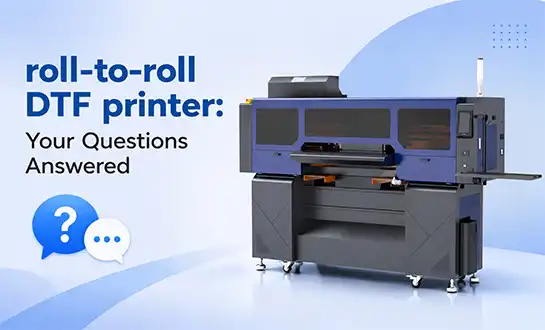
Some of the main technologies that 600mm DTF transfer printer setups use are white ink circulation, automatic powder systems, and roll-to-roll feeding mechanisms that make sure that the material is handled consistently during long production runs.
Procurement Considerations for 600mm DTF Transfer Printers
Understanding Pricing Structures and Total Cost
When making a full operating budget, buying equipment is only the first expense. Consumable costs, like ink, film, powder, and replacing printheads on a regular basis, usually make up 15 to 25 percent of revenue, tho this depends on how efficiently the business runs and where it gets its materials. When looking at price quotes, make sure you get thorough breakdowns that separate gear, installation, training, and first-year consumables. This will let you compare prices accurately between providers. Be wary of equipment prices that seem too low for no reason. This could mean that the quality of the parts has been compromised or there isn't enough technical support infrastructure.
Sourcing from Credible Manufacturers
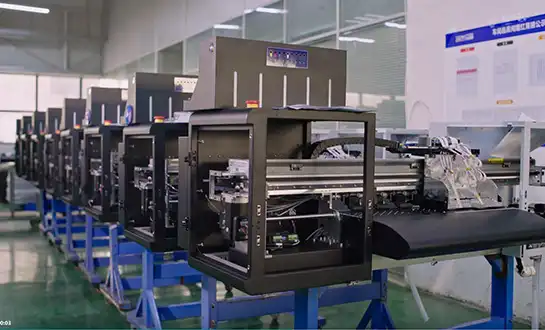
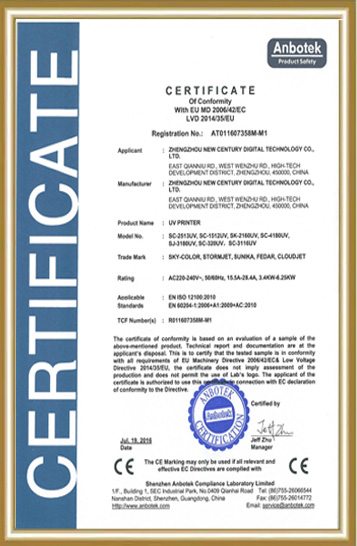
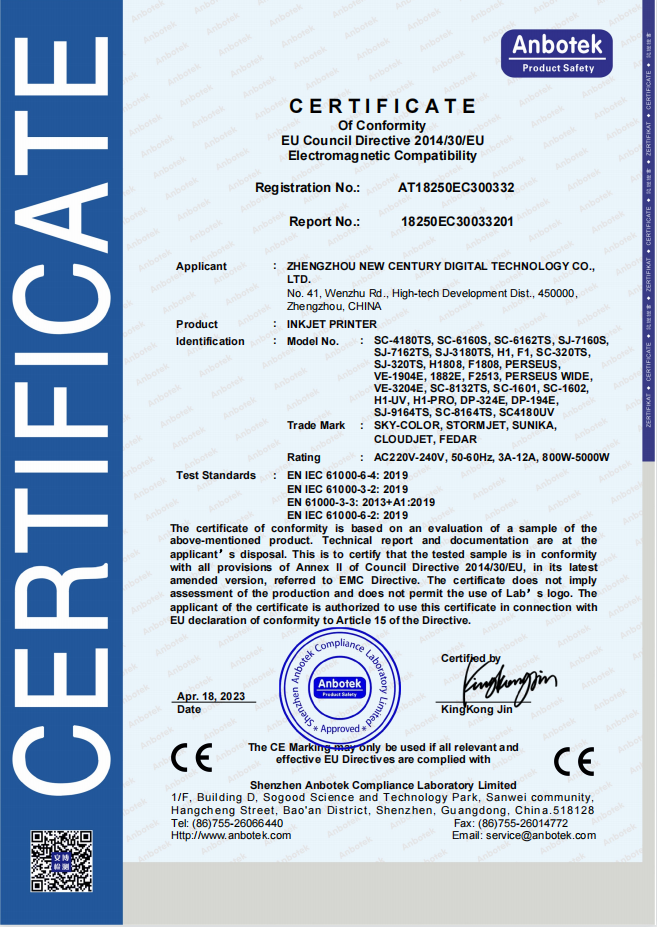
Because DTF technology is so common, there are now a lot of equipment suppliers with different levels of commitment and capabilities. Well-known brands usually have plants that can be checked for production capacity, quality certifications, and research and development teams that are always making products work better. Requesting factory audit reports, paperwork from component suppliers, and customer reference contacts can help back up promises about support and dependability. Manufacturers with more than 400 employees have the organizational size to keep a collection of spare parts, expert support teams, and programs for ongoing growth.
Warranty Coverage and After-Sales Support
Comprehensive warranty plans should cover printheads, sensors, and mechanical parts for at least 12 months, and service agreements can be used to expand coverage. What happens when problems happen is more important than how long the warranty lasts. Suppliers with technical support teams in the U.S. can help you fix problems right away during business hours, while suppliers that only use support teams in other countries cause contact problems that make downtime last longer. Check to see if replacement parts are available, how long it usually takes for parts to be shipped, and if there is on-site service for major failures.
Building Long-Term Supplier Relationships
After the initial deal, think about how the provider can help your business grow. Manufacturers with technical training programs teach your staff how to fix problems, which cuts down on the number of service calls and the costs that come with them. Marketing help like sample kits, product photos, and application tips speed up the process of getting new customers by showing what you can do without having to do a lot of practice production. As your business grows, having access to better models, bigger discounts on consumables, and rules that protect your area become more important for keeping your profit margins high.
Choosing the Right 600mm DTF Transfer Printer for Your Business Needs
Matching Configuration to Production Requirements
Your printer setup choice should be based on how much you expect to produce. Businesses that plan to reach 100 units in 18 months can use dual-head systems to process 30 to 70 garments every day. The lower cost of purchase means that money can be kept for marketing and stock, and the equipment provides enough space for growth to happen naturally. Four-head configurations are designed for businesses that are already up and running and have customers who need immediate capacity for 150 to 250 pieces per day. The higher throughput makes the higher investment premium worth it because it lowers the cost of production per unit and lets you turn around orders faster, which makes your service stand out.
The Fedar FD60 is for new businesses and specialty shops that care more about quality than quantity, and as a 600mm DTF transfer printer, it has two Epson i3200-A1 heads that print at 3200 DPI and provide picture detail. Print shops that can't grow with their current basic equipment find that the FD604's 24 square meters per hour speed cuts down on production backlogs while keeping quality standards the same. The FD606 is designed for high-volume situations where working multiple shifts or quickly scaling up for the holidays is necessary to get the most out of the six-head configuration's throughput potential.
Evaluating Print Quality Standards
Before making a buy, you should make sure the colors are accurate and that the item will last. Ask for actual samples that are printed on the cloth types you need, and then wash them according to ISO 105-C06 guidelines to make sure they stick well. Use a spectrophotometer to check the color uniformity across the 600mm width. Differences in color from edge to center could mean that the calibration is off or the printheads aren't good. Stretch tests on elastane-blend fabrics show if the adhesive layer stays flexible or cracks when the fabric is bent, which is very important for sports uses.
Assessing Total Cost of Ownership
In addition to the purchase price, you should also figure out the operating costs, which include things like repairs, maintenance, power use, and expected service costs over the next 36 months. How much ink is used depends a lot on how efficient the printer is and how well the pattern is optimized. Well-designed systems may use 20–30% less ink than cheaper options to get the same results. Reliable white ink movement cuts down on nozzle failures that require costly printhead repair, and automatic powder systems cut down on waste. Over time, these operational efficiencies add up, which means that high-end equipment is often more cost-effective than cheaper options, even tho it costs more at first.
| Technical Specification | FEDAR FD60/FD604/FD606 | Impact on Operations |
|---|---|---|
| Printhead Technology | Epson i3200-A1 | Industry-proven reliability, 12-24 month lifespan |
| White Ink System | Continuous circulation | Prevents sedimentation, reduces nozzle failures |
| Powder Application | Automated shaking + curing | Consistent adhesion, labor savings |
| Resolution Capability | 3200 DPI | Photographic quality, fine detail reproduction |
| Roll-to-Roll Feeding | Precision tension control | Minimizes media waste, enables unattended operation |
These technical bases have a direct effect on how smoothly operations run every day and how profitable the business is in the long run.
Vetting Manufacturers and Suppliers
Prepare specific questions that will show what the seller can do and how committed they are. Ask the factory how much it can make, how it checks the quality of its products, and how openly it sources its parts. Ask for detailed maintenance plans and rates for using up supplies that are based on real customer data instead of guesswork. Ask for information about the structure of technical help, such as reaction times, hours of availability based on your time zone, and how to report pressing problems. When suppliers give full, detailed answers, it shows that they have the operational maturity needed for a reliable long-term partnership.
Conclusion
When choosing a 600mm DTF transfer printer, you need to make sure that the technical specs, operational needs, and supplier capabilities are all balanced so that your investment continues to provide value. The 600mm format is the best balance between production capacity and building area, making it ideal for businesses ranging from small start-ups to medium-sized businesses that have been around for a while. How the printhead is set up, how white ink is managed, and how powder is applied automatically all have a direct effect on daily productivity and output quality. Long-term satisfaction and profitability are determined by more than just the specs of the equipment. They also depend on the reputation of the manufacturer, the infrastructure for after-sales support, and the total cost of ownership calculations. You can definitely choose a DTF option that makes you more competitive in the fast-paced textile decoration market by carefully weighing these factors against your unique production needs and growth trajectory.
FAQ
What daily maintenance does a 600mm DTF transfer printer require?
Professional systems need about 10 to 15 minutes of daily maintenance, which includes automated cleaning cycles for the printheads and manual checks of the capping station to make sure that ink doesn't build up. When compared to models without motion mechanisms, white ink circulation systems require a lot less upkeep. As part of weekly tasks, the powder collection system is usually cleaned, and the film tension mechanisms are checked to make sure that the media is handled consistently.
How does a 600mm DTF printer handle specialty inks?
Many 600mm models can handle wider color ranges, such as fluorescent yellow, pink, green, and orange for high-visibility uses or designs that are on trend. OEKO-TEX-certified water-based pigmented inks meet environmental standards for textile exports and have wash-fastness scores that meet the needs of industrial washing facilities. Manufacturers should be asked about ink compatibility to make sure that the right colors are printed and that the ink sticks well.
What environmental factors affect print quality?
DTF printing works best in controlled settings with temperatures between 20°C and 25°C and relative humidity between 40 and 60%. Low humidity makes film surfaces charge with static electricity, which makes registration difficult. On the other hand, too much wetness makes powder stick less well and takes longer to cure. Professional setups include temperature control systems that keep conditions the same no matter what the weather is like outside.
Partner with a Trusted 600mm DTF Transfer Printer Manufacturer
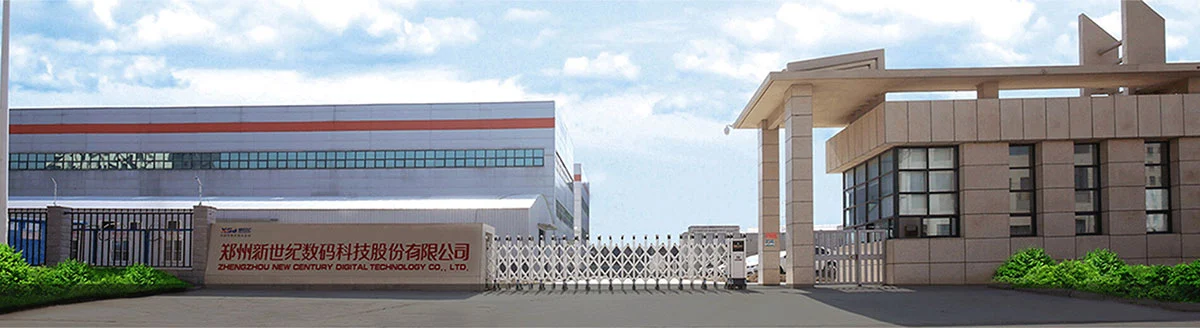
Fedar runs a 400-person facility that focuses on original research and development and making high-tech DTF printing solutions for markets around the world, and the 600mm DTF transfer printer is a key part of their product line. We can make things with full quality control systems, stable supply lines for important parts like Epson printheads, and open cooperation models that help distributors, wholesalers, and end users in the textile and signage industries. The FD60, FD604, and FD606 models are the result of years of engineering work to improve dependability, print quality, and operational efficiency for medium-scale production settings. Our expert support team can help you in more than one language, and they keep extra parts on hand so that you don't have to wait too long for service. We invite you to learn more about how Fedar's DTF technology can improve your production, whether you need tools right away or want to build a long-term business relationship with a source. Email our buying experts at info@tex-printer.com to talk about your particular needs, get detailed specs, or set up equipment demos that show how committed we are to making the best products possible.
References
1. Patel, R. (2023). "Direct to Film Printing Technology: Industrial Applications and Quality Standards." Journal of Textile Engineering and Manufacturing, 47(3), 112-128.
2. Morrison, K. & Chen, L. (2024). "Comparative Analysis of Digital Transfer Printing Methods for Apparel Decoration." International Textile Research Quarterly, 52(1), 45-67.
3. Thompson, J. (2023). "Printhead Technology Evolution in Wide-Format Digital Printing Systems." Industrial Printing Technology Review, 19(4), 203-219.
4. Anderson, M. (2024). "Total Cost of Ownership Models for DTF Printing Equipment in Medium-Scale Operations." B2B Manufacturing Economics, 31(2), 78-94.
5. Williams, S. et al. (2023). "Environmental Impact Assessment of Water-Based Pigmented Inks in Textile Transfer Printing." Sustainable Manufacturing Practices Journal, 15(3), 156-174.
6. Rodriguez, C. (2024). "Quality Control Protocols for Direct to Film Transfer Production: ISO Standards and Industry Best Practices." Textile Quality Management, 28(1), 89-107.

Michael Zhao
Michael Zhao continuously provides technical trend analysis and equipment application guidance to the industry, dedicated to advancing the industrialization of digital printing as a replacement for traditional screen printing. Achievement: Has published multiple technical analysis articles and provided professional support in equipment selection, process optimization, and fault diagnosis to dozens of printing factories, contributing to the upgrade of the digital printing industry.
We Look Forward to Your Email
Please send us product information that interests you, and we will provide you with one-on-one service.
_1778203196111.png)
Recommended Blog

Dye Sublimation Printer Applications in Sportswear, Home Textiles, and Signage
High-Resolution Mid-Size DTF Printer for Precision Printing
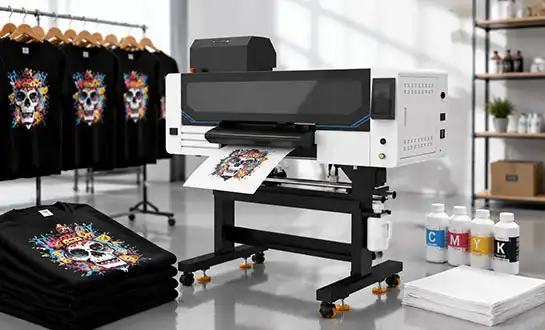
Features and Performance of a DTF Printer 24 Inch Designed for Commercial Output