DTF Printing Machine Enables Fast Full-Color Printing for Custom T-Shirts and Hoodies
DTF Printing Machine Enables Fast Full-Color Printing for Custom T-Shirts and Hoodies
Understanding DTF Technology and How It Works
- Understanding DTF Technology and How It Works
- Key Considerations When Choosing a DTF Printer
- Maximizing Efficiency: Fast Full-Color Printing Without the Bottlenecks
- Procurement Guide: Sourcing Reliable DTF Equipment
- Future Outlook: Where DTF Printing Technology Is Heading
- Conclusion
- FAQ
- Start Your DTF Journey with Fedar — Trusted DTF Printing Machine Supplier
- References
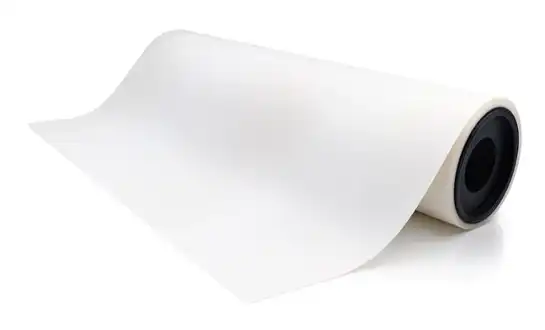
If you run a custom apparel business, you already know how demanding clients can be about color accuracy, turnaround speed, and print durability. A DTF printing machine delivers on all three fronts simultaneously. Direct-to-Film technology prints vibrant CMYK+White designs onto PET film, bonds them with TPU hot-melt adhesive powder, and transfers them onto fabric with a heat press — producing wash-resistant, full-color prints on cotton, polyester, blends, and more. Whether you manage a small studio or a mid-sized garment factory, this technology reshapes how custom t-shirts and hoodies get made.
Understanding DTF Technology and How It Works
From Film to Fabric: The Core Process
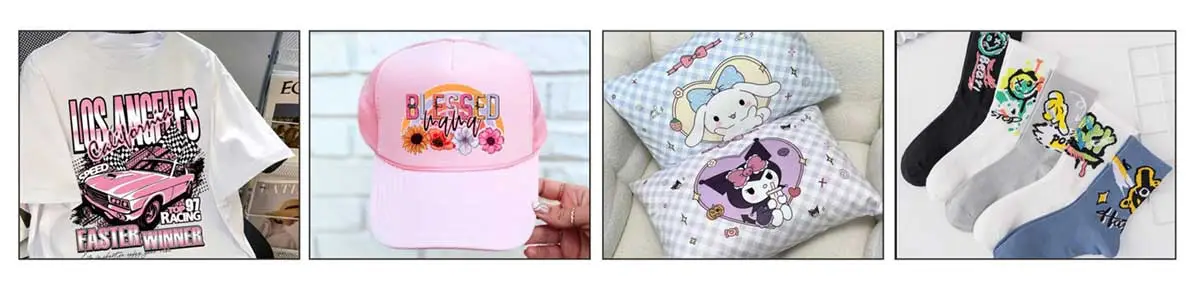
The DTF workflow follows a clear path that can be used again and again. Water-based pigment inks in a CMYK plus white configuration are used to print designs on PET film. After that, TPU hot-melt adhesive powder is put on, and an infrared heating tube is used to harden it. A heat press set to about 160°C is used to press the finished transfer onto the garment. The end result is a bright, stretchy, and very wash-resistant image that can be stuck to almost any cloth surface without any special preparation.
Why DTF Outperforms Traditional Methods?
For small runs, screen printing is not possible because it costs too much to buy different screens for each color. For DTG to work, dark fabrics need to be treated first, and polyester has a hard time. High-polyester content is the only way for sublimation to reliably bond. Every one of these restrictions is sidestepped by DTF printing technology. It works with canvas, leather, polyester, nylon, and 100% cotton substrates without needing to be weeded or treated first. There is also no minimum order quantity. Smithers (2023) says that the global digital textile printing market will be worth more than $8 billion by 2027. Direct-to-film solutions will make up a big part of this market because they can be used on a lot of different substrates and are easy for new companies to start using.
Key Considerations When Choosing a DTF Printer
Choosing the right tools relies on how much you want to make, how much money you have, and how you want to grow in the future. There are four important things to consider when buying a DTF printing machine: the quality of the printhead, the flow of white ink, the clarity, and the customer service after the sale.
Before making a decision, you should think about these main hardware factors:
- Printhead type and lifespan: Industrial-grade heads like the Epson i3200 last longer (12–24 months), while the Epson F1080-A1 is cost-effective and produces consistent 1600 DPI output, making it perfect for small to medium-sized batch operations.
- White ink management: DTF white ink has titanium dioxide in it, which settles quickly. If a machine doesn't have an active circulation system, the printer could get clogged within days, which would make servicing much more expensive.
- Print speed vs. resolution tradeoff: Higher DPI modes slow down the process. When it comes to organizing, a machine that can switch between writing and production modes is more useful.
- After-sales infrastructure: A slow technical reaction hurts ties with end customers. Make sure that your supplier has a support team that is always available and has spare parts on hand.
These things have a direct effect on your machine uptime and profit margin per order. If you miss any of them, an investment that looked good could turn into a long-term burden.
| Spec | FEDAR FD-D300 | FEDAR FD-D302 |
|---|---|---|
| Printhead Quantity | 1 | 2 |
| Printhead Model | Epson F1080-A1 | Epson F1080-A1 |
| Print Width | 300 mm | 300 mm |
| Print Colors | CMYK+W | CMYK+W |
| Max Resolution | 1600 DPI | 1600 DPI |
| Max Speed (A3) | 10 prints/hr | 31 prints/hr |
| Max Speed (A4) | 20 prints/hr | 62 prints/hr |
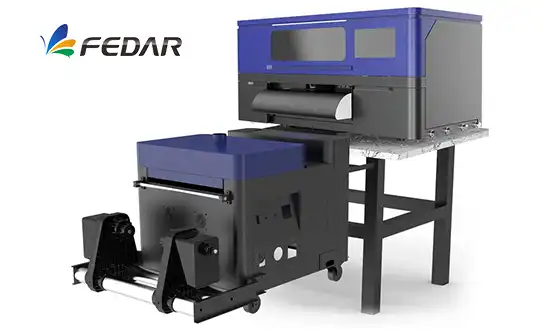
The FD-D300 is good for people who make samples, sell things online, or start a print-on-demand business with little money, and as a DTF printing machine, it offers an accessible entry point. With its two heads, the FD-D302 triples throughput for small batch production shops that are ready to grow.
Maximizing Efficiency: Fast Full-Color Printing Without the Bottlenecks
Workflow Integration Tips for Production Teams
Powder curing that doesn't work right, color profile mismatches, and unexpected printhead repair are the most common things that slow down clothing printing. When the process is set up properly, DTF technology can handle all three. When you calibrate your RIP software's color profiles to match your ink set, Delta E differences between batches are gone. The machine is always ready to work because the nozzles are checked every day and the capping station is checked once a week.
Putting the powder shaker and curing unit next to the printer gets rid of the delay caused by manual transfer, which is something that many small shops forget about. This can be done without adding any hardware if the stations are set up in a lean, linear way.
Maintenance Protocols That Protect Your Investment
Maintenance must be done regularly. Cleaning the printhead every day, checking the wiper blades once a week, and clearing the ink lines once a month stop the buildup of ink that needs expensive printhead repairs. Keeping the humidity level in the air between 40% and 60% lowers static on PET film and stops the ink from drying too quickly at the tips of the nozzles. These rules are easy to understand, don't require any special training, and keep the machine running smoothly over long production runs.
Procurement Guide: Sourcing Reliable DTF Equipment
Vetting Manufacturers Before You Commit
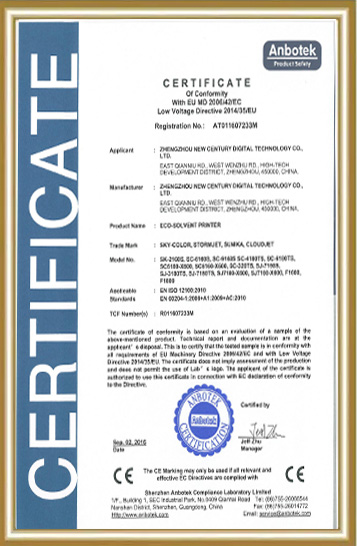
In the US, B2B procurement teams are buying every DTF printing machine directly from the original manufacturers more and more. This cuts out markups and makes sure that warranties are valid. Factory certification, in-house R&D, written quality control methods, and cross-border after-sales help are some of the most important things that are looked at. Before you sign a purchase order, you can get objective proof of the quality of the output by asking for ASTM D3359 cross-cut adhesion test results and AATCC 61-2A wash fastness certifications on sample prints.
| Evaluation Criterion | What to Verify |
|---|---|
| Factory Qualification | ISO certification, production scale, and an R&D team |
| Sample Quality | The color Delta E's uniformity and wash test scores |
| After-Sales Support | Response time and supply of new parts |
| Pricing & Margins | Market security policy and agent profit model |
| Training & Materials | Sample packs, installation guides, and marketing kits |
Also, agents and distributors should check with the manufacturer to see if they offer reproducible sample kits, which are print samples that can be given to end customers. These kits shorten the sales cycle and increase conversion rates.
Future Outlook: Where DTF Printing Technology Is Heading
The DTF industry is going toward fully automatic powder application, color management with the help of AI, and eco-friendly water-based ink formulations with lower VOC emissions. As multi-head configurations become more common, print speeds are going up, and small desktop printers can now produce output that looks almost industrial. Businesses that buy scalable platforms today—that is, hardware and firmware upgrades—will be ready to use next-generation features without having to replace all of their equipment. The best way for distributors and OEM partners to protect themselves from technology going out of date is to work with makers who actively spend in research and development.
Conclusion
Digital transfer printing (DTF printing) has grown from a niche workaround to a common way to make custom t-shirts, hoodies, and other clothing, and a DTF printing machine is at the center of this revolution. No need for pre-treatment, a minimum order, or restrictions on the substrate—this technology gets rid of the things that used to stop small shops from growing. If you want to break into the market as an online seller or grow an existing printing factory, you need the right tools and a good relationship with your provider. Industrial output quality and PC ease are no longer mutually exclusive, as shown by machines like the FEDAR FD-D300 and FD-D302.
FAQ
What is the main difference between DTF and DTG printing?
DTG prints the ink right onto the cloth, but dark or synthetic materials need to be treated with chemicals first. First, DTF prints on film. Then, they use a heat press to copy the image. This means that DTF can be used on a bigger range of materials, such as polyester, nylon, and blended fabrics, without the need for pre-treatment. This cuts down on the time and money needed to make each unit and the chemicals used.
How often does a DTF printer require maintenance?
It is common to do nozzle check prints and printer cleaning processes every day. Checking the capping station, wiper blade, and ink lines once a week keeps buildup from happening. Once a month, ink line purges keep the flow even. These tasks don't need a specialized technician and can be done every day in less than 15 minutes. They keep the machine ready for continuous production.
Can DTF prints withstand commercial laundering?
Yes. ISO 105-C06 says that DTF transfers usually achieve Level 4–5 wash fastness when they are cured correctly. The TPU hot-melt adhesive powder layer makes a flexible bond that doesn't crack or peel even after many high-temperature washings, which is very important for branding clothing and sportswear.
Is DTF equipment suitable for a first-time buyer with no printing experience?
Absolutely. Small models like the FEDAR FD-D300 are designed to be easy for people with little experience to use. The process can be repeated, it's easy to learn, and there is no minimum order number for print-on-demand, which makes it a good place for new clothing printing companies to start.
Start Your DTF Journey with Fedar — Trusted DTF Printing Machine Supplier
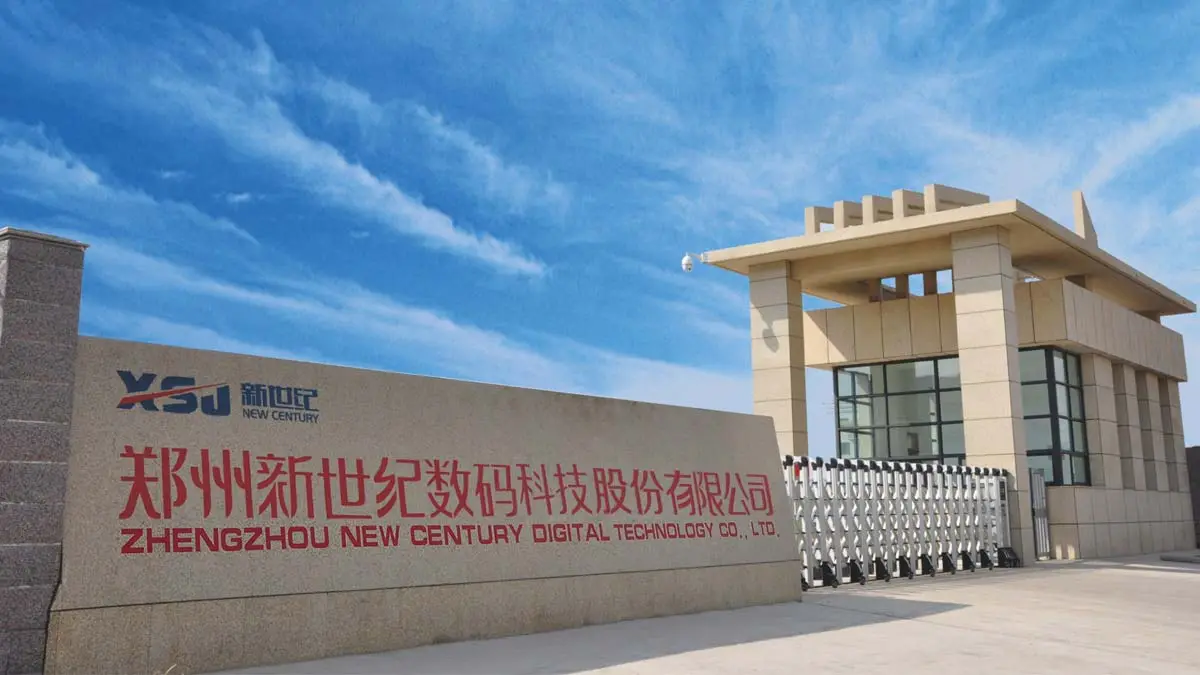
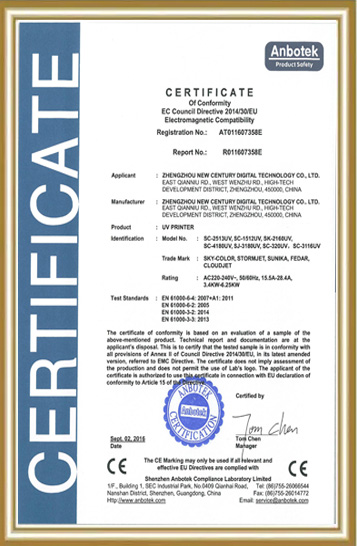
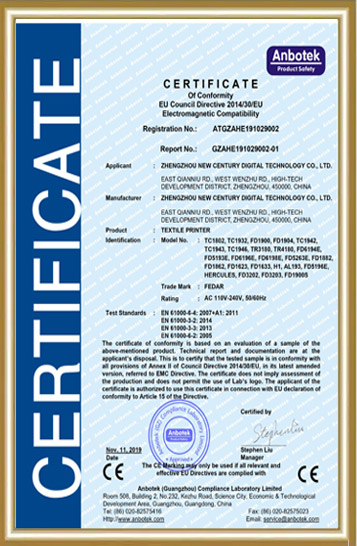
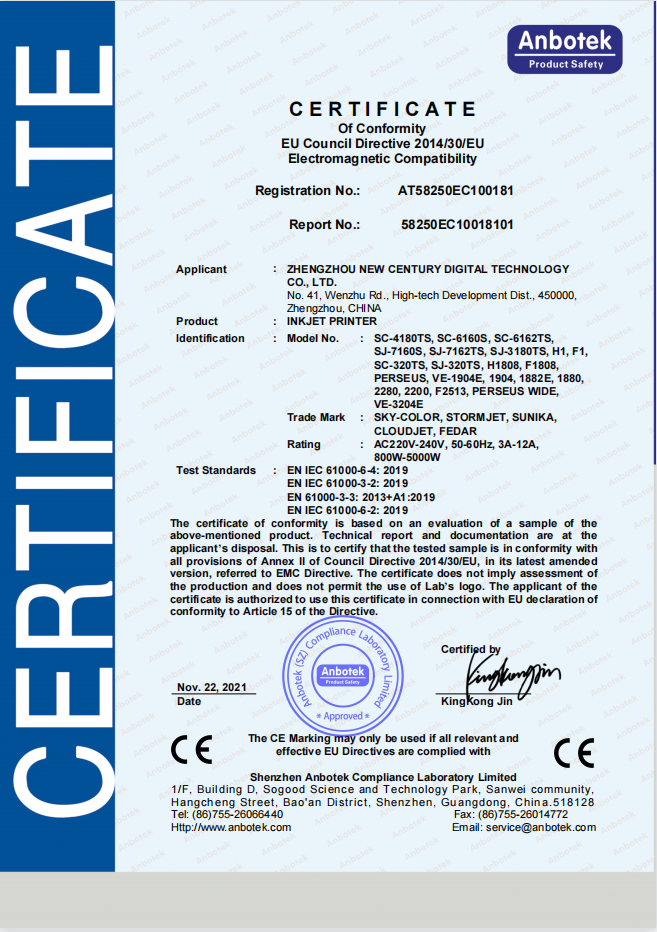
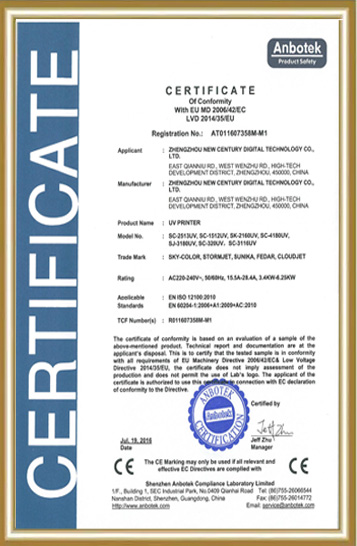
Fedar has a factory with 400 workers that is solely dedicated to original research and development and the precise production of professional DTF printing equipment. People who need industrial-level output quality without industrial-scale costs can use the FEDAR FD-D300 and FD-D302. Fedar is a verified DTF printing machine seller with customers all over the world. They offer technical training, marketing materials, trial kits, and quick, cross-border after-sales support. Email info@tex-printer.com with your needs or to ask for an example of the output, or go to blog.tex-printer.com to see the full range of products.
References
1. Smithers. The Future of Digital Textile Printing to 2027. Smithers Pira, 2023.
2. Grand View Research. Digital Textile Printing Market Size, Share & Trends Analysis Report. Grand View Research, 2023.
3. Clarke, Malcolm. Ink and Substrate Interaction in Pigment-Based Textile Printing. Journal of Coatings Technology and Research, 2022.
4. American Association of Textile Chemists and Colorists (AATCC). AATCC Test Method 61: Colorfastness to Laundering. AATCC, 2022.
5. ASTM International. ASTM D3359: Standard Test Methods for Rating Adhesion by Tape Test. ASTM International, 2022.
6. Leach, Roger H., et al. The Printing Ink Manual, 6th ed. Springer, 2019.

Kevin Zhang
Kevin Zhang is a senior R&D engineer in the digital textile printing field, focusing on the innovation and industrialization of digital printing equipment, direct-to-fabric processes, and application solutions. Achievement: Led the in-house development and mass production of multiple textile printers and direct-to-garment printers, driving their large-scale adoption in textile, advertising, home decor, and customized markets.
We Look Forward to Your Email
Please send us product information that interests you, and we will provide you with one-on-one service.
_1778203196111.png)
Recommended Blog
Is a 24 Inch DTF Printer Suitable for High-Volume Apparel Orders?

What are the maintenance requirements for direct to film printer?
What is DTF Printing? A Complete Guide to Direct-to-Film Printing.
How Does a 600mm DTF Transfer Printer Increase Transfer Output?