How Does a 600mm DTF Transfer Printer Increase Transfer Output?
Understanding the 600mm DTF Transfer Printer and Its Role in Output Increase
- Understanding the 600mm DTF Transfer Printer and Its Role in Output Increase
- Key Factors Affecting Transfer Output in 600mm DTF Printers
- Performance Optimization Strategies for Maximizing Transfer Output
- Comparing 600mm DTF Printers with Alternative Printing Technologies
- Procurement and Strategic Considerations for B2B Clients
- Conclusion
- FAQ
- Partner With a Trusted 600mm DTF Transfer Printer Manufacturer
- References
When printing businesses face mounting order volumes and tighter deadlines, the question isn't whether to upgrade—it's what upgrade delivers measurable throughput gains. A 600mm DTF transfer printer answers that question by combining medium-scale production capacity with precision engineering, offering print shops and apparel manufacturers a tangible way to scale output without overwhelming their floor space or budget. These direct-to-film systems leverage dual or multi-head configurations alongside automated powder handling and curing, transforming production bottlenecks into streamlined workflows that accommodate diverse substrate demands while maintaining photographic-grade resolution.
Understanding the 600mm DTF Transfer Printer and Its Role in Output Increase
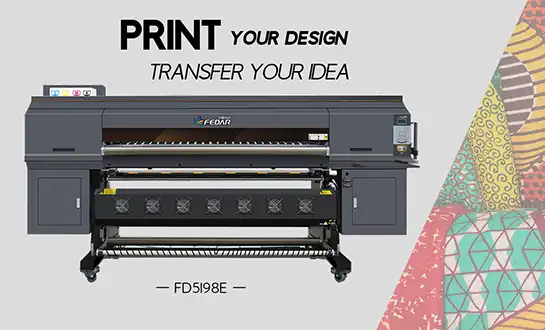
source: FEDAR PRINRTER
Direct-to-film printing's main benefit is that it can separate the difficulty of the design from the time it takes to make the product. A DTF method prints full-color designs with a white underbase on PET release film in a single pass, while standard screen printing needs different screens for each color layer. The 600mm width, which is about 24 inches, is the best for medium-sized businesses because it fits standard adult garment layouts and makes the best use of material.
The Core Technology Behind DTF Transfer Production
The printhead setup is the most important part of how well the result works. Epson i3200-A1 printheads produce very consistent droplets, as each nozzle fires precisely measured amounts of ink at frequencies above 40kHz. This technical base lets machines keep the same color over long production runs, even when they're going at speeds that would cause lower-quality systems to band or shift the nozzle. The 600mm format meets the most common need in the fabric decoration market: it can print multiple small to medium-sized transfers at the same time on a single film sheet, which cuts media waste by 12–18% compared to narrower formats.
How Film Transfer Workflow Impacts Production Volume?
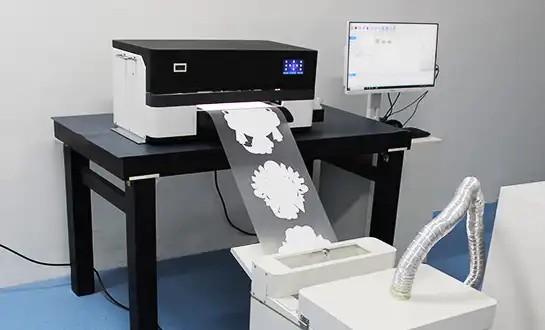
The DTF process is organized into steps: ink is put on film, powder glue is applied, it cures, and then the fabric is transferred using a heat press. At each stage, there are chances to improve the result. Roll-to-roll feeding methods get rid of the need to add film by hand between jobs. This cuts the time it takes to switch jobs from 8 to 12 minutes to less than 90 seconds. Integrated powder shakers with automatic temperature settings make sure that the glue is spread evenly while the printer is still running. This takes the drying step off of the production schedule's critical path.
Substrate Versatility and Its Connection to Output Gains
When printing the old way, you usually need special tools for each type of fabric, like a press for cotton and another for polyester mixes. These differences are blurred by DTF technology. The 600mm system that prints tagless labels on sportswear that wicks away sweat can also print high-opacity graphics on dark cotton hoodies without having to switch systems or use chemicals to prepare the fabric first. Because shops can process mixed-substrate orders in batches without stopping production or running two sets of equipment at the same time, this material flexibility directly leads to higher output.
Key Factors Affecting Transfer Output in 600mm DTF Printers
Production capacity isn't just based on machine specs; it's also affected by the quality of consumables, the operational discipline, and the hardware's abilities. When procurement teams understand these interdependencies, they can choose equipment that delivers long-term performance instead of peak specs that don't hold up in real life. Understanding these factors is essential when integrating a 600mm DTF transfer printer into a high-volume environment.
Print Speed and Throughput Dynamics
When it comes to DTF printing, the link between speed and quality is not a straight line. In 6-pass mode, a dual-head setup could cover 8 square meters per hour, which is a good balance between keeping details and speed. Adding four printheads doesn't just double output; it increases it to 24 square meters per hour by spreading the ink across more tip arrays. This lowers the stress on each head while keeping the same pass count. This architectural approach to throughput is what makes multi-head systems so expensive: they improve performance in a way that is geometric rather than linear.
The table below shows how the configuration of the printheads directly affects Fedar's 600mm product line's production capacity:
| Model | Printhead Quantity | Max Resolution | Print Speed (6-Pass) | Optimal Application |
|---|---|---|---|---|
| FEDAR FD60 | 2 × Epson i3200-A1 | 3200 DPI | 8 m²/h | Small studios and new businesses |
| FEDAR FD604 | 4 × Epson i3200-A1 | 3200 DPI | 24 m²/h | Shops that make a medium amount of goods |
| FEDAR FD606 | 6 × Epson i3200-A1 | 3200 DPI | 24 m²/h | Production sites with a lot of different kinds of materials |
Ink Chemistry and Operational Efficiency
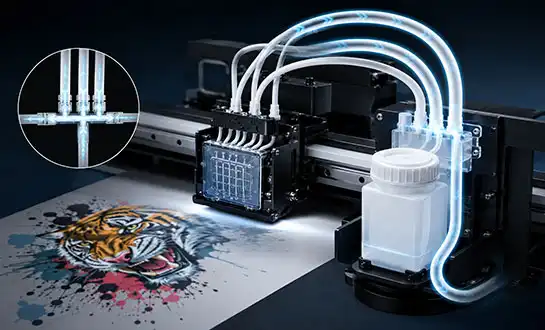
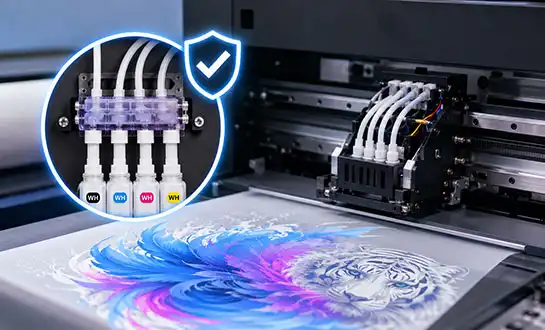
Pigment-based water-based inks made just for DTF use finely ground particles that are mixed in with the liquid, and for a 600mm DTF transfer printer, as soon as these particles settle, especially the titanium dioxide in white ink, they block nozzles and print heads, which stops production. Modern systems have white ink drainage systems that keep moving, so the ink doesn't settle down when the system isn't being used. This small feature cuts down on maintenance-related downtime by 30–40%, which directly protects output capacity when multiple shifts are in use.
Maintenance Protocols and Uptime Protection
Professional-level gear plans for wear instead of responding to breakdowns. Automatic head cleaning cycles set off by timers or ink volume thresholds keep the nozzle firing consistently without any help from an operator. Capping stations with controlled humidity keep ink from drying on printheads that are not being used, and filtering systems get rid of tiny particles before they reach the tip assemblies. Shops that follow the manufacturer's maintenance schedules—usually 10-15 minutes a day plus a deep cleaning once a month—report uptime rates of over 94%, compared to 78–82 % for systems that aren't kept at all.
Performance Optimization Strategies for Maximizing Transfer Output
Raw machine capabilities show what the machine could do, not what it actually does. To make that potential come true, workflow needs to be carefully analyzed and 600mm DTF transfer printer equipment needs to be strategically set up to meet production needs.
Workflow Bottleneck Identification and Resolution
Many print shops find that their DTF system isn't being used 20–25% of the time it's supposed to be, not because of mechanical problems but because of problems with how the work is being done. Some common causes are printer output being slower than the heat press's capacity, powder having to be shaken by hand, which causes delays in the queue, or not having enough film staging areas, which forces operators to stop printing to clear transfer inventory. These limitations can be seen by mapping the flow of materials from roll film to finished garment. This lets smart investments in extra equipment like more heat presses, automated powder curing ovens, or larger work surfaces unlock printer capacity without buying more main equipment.
Printer Configuration Selection Based on Production Profile
If you want to choose between dual-head and quad-head configurations, order composition is more important than absolute volume. High-volume repeat orders, like uniform makers manufacturing 500-piece runs of the same design, are most efficiently handled by faster systems that cut down on per-unit time. However, custom merchandise shops that print 50 to 100 different designs every day would benefit more from moderate-speed printers mixed with streamlined job change processes.
Fedar's modular method works well in both situations:
- FD60 (Dual-Head): strikes a balance between initial investment and growth capacity. It's ideal for businesses that handle 300 to 600 transfers per day of orders of different sizes.
- FD604 (Quad-Head): Speeds up production for shops that want to do 1,200 to 2,000 moves per day while keeping a small 600mm size.
- FD606 (Six-Head): Has the same output as the FD604 but better redundancy because the spread nozzle arrays keep production going even if one head needs to be serviced.
These configurations all use the same Epson i3200-A1 printheads, which have a maximum resolution of 3200 DPI and a CMYK+White color set. This means that the output quality will be the same no matter which speed level is chosen. This consistency in architecture makes it easier to train operators and keep track of spare parts for fleets with a variety of equipment.
Automation Integration for Scaled Operations
These days, DTF systems work as network points instead of stand-alone units, and a 600mm DTF transfer printer integrates into these workflows. RIP software handles color profiles, ink density mapping, and print queue priority across multiple machines. Automatic powder applicators make sure even coverage of the glue without any help from a person. In the most advanced processes, closed-loop feedback systems are used. In these systems, heat press sensors talk to printer controls, which change the amount of ink used automatically based on how well transfers are going in real time. This kind of combination doesn't just boost output; it also keeps quality standards stable across all production levels, which lowers reject rates that hurt throughput.
Comparing 600mm DTF Printers with Alternative Printing Technologies
When buying equipment, it's important to look at the bigger picture. Figuring out how direct-to-film systems compare to other technologies helps you see where they're useful and where other technologies might be better.
DTF Versus Screen Printing: Setup Time and Flexibility Trade-offs
Screen printing stays cheaper when doing very large runs (5,000 or more identical impressions), because the setup time is spread out over many large runs. Below that point, DTF takes the lead. For a four-color screen print job, the steps for setting up the screens, aligning them, and cleaning up take 45 to 90 minutes before production starts. On a DTF machine, the same design prints right away, and setup time is usually less than five minutes for things like file transfer and material loading. This 40–85-minute edge per job lets print shops take on shorter-run orders and still make money on them. This opens up new market possibilities while keeping prices low for medium-volume work.
DTF Versus Direct-to-Garment: Substrate Range and Pretreatment Elimination
Direct-to-garment printing works very well on cotton substrates but not so well on polyester. It also needs chemical pretreatment, which adds 30 to 45 seconds to the production time for each garment. DTF's film-based method works the same way on cotton, polyester, nylon, and blends, so there is no need for any extra steps before washing. This method also makes synthetic fabrics last longer after washing. The effect on operations can be seen in batch processing efficiency: a DTF operator can print 200 mixed-substrate transfers in the time it takes to prepare, print, and cure 120 cotton garments using DTG, which is a 67% throughput advantage for a variety of orders.
Energy Consumption and Operating Cost Considerations
Modern 600mm DTF systems use about the same amount of power as high-end desktop computers when they are printing: 1.8 to 2.4 kW. When the drying ovens are running, they add another 2.5 to 3.5 kW. This energy profile uses 40–50% less energy than similar UV flatbed systems, and it doesn't need forced air as screen printing does. These differences add up to $1,200 to $1,800 in lower energy costs over 2,000 hours of operation each year, which increases working margins on every job.
Procurement and Strategic Considerations for B2B Clients
Getting new equipment is more like the start than the end of developing output capabilities. Along with the original buy price, strategic procurement looks at the total cost of ownership, the reliability of the 600mm DTF transfer printer provider, and the infrastructure for operating support.
Supplier Credibility and Manufacturing Standards
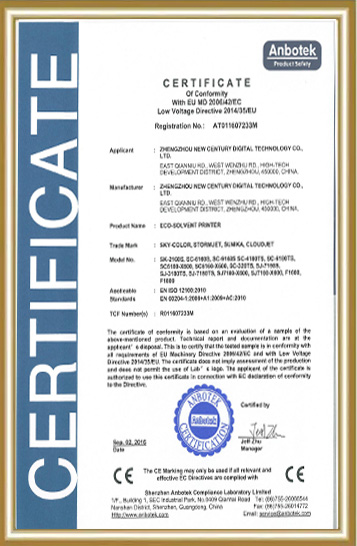
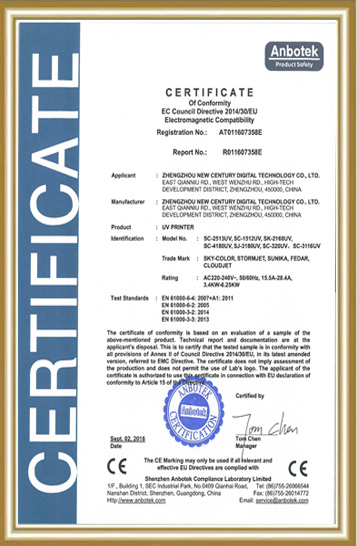
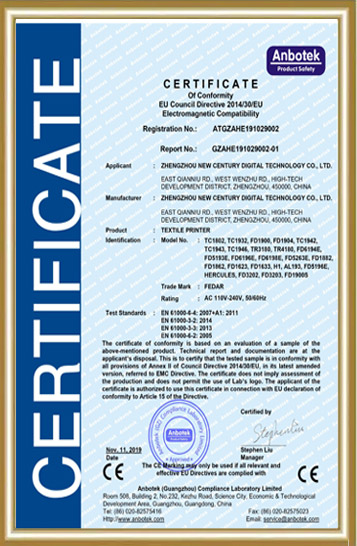
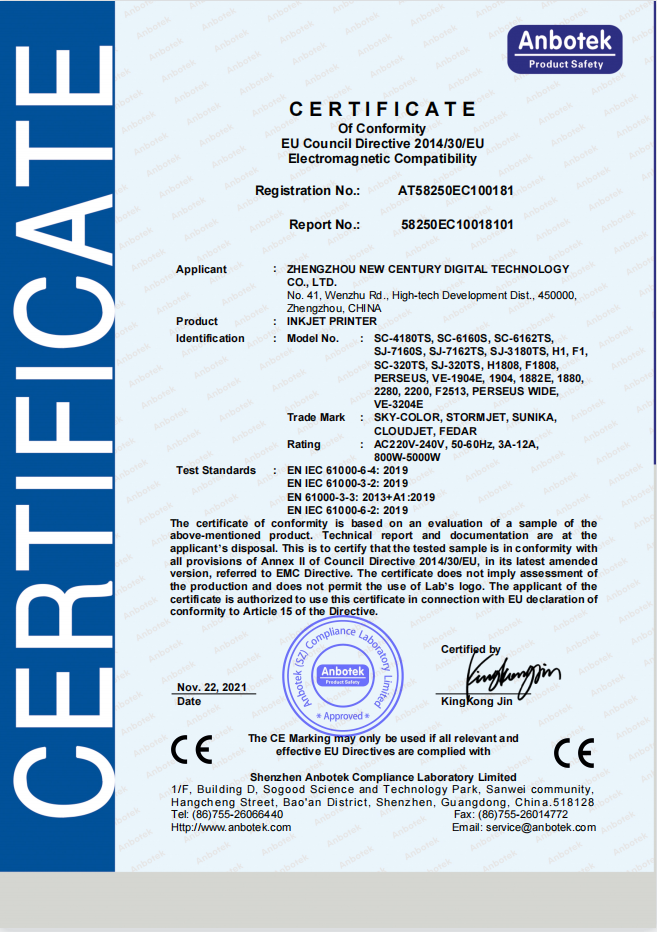
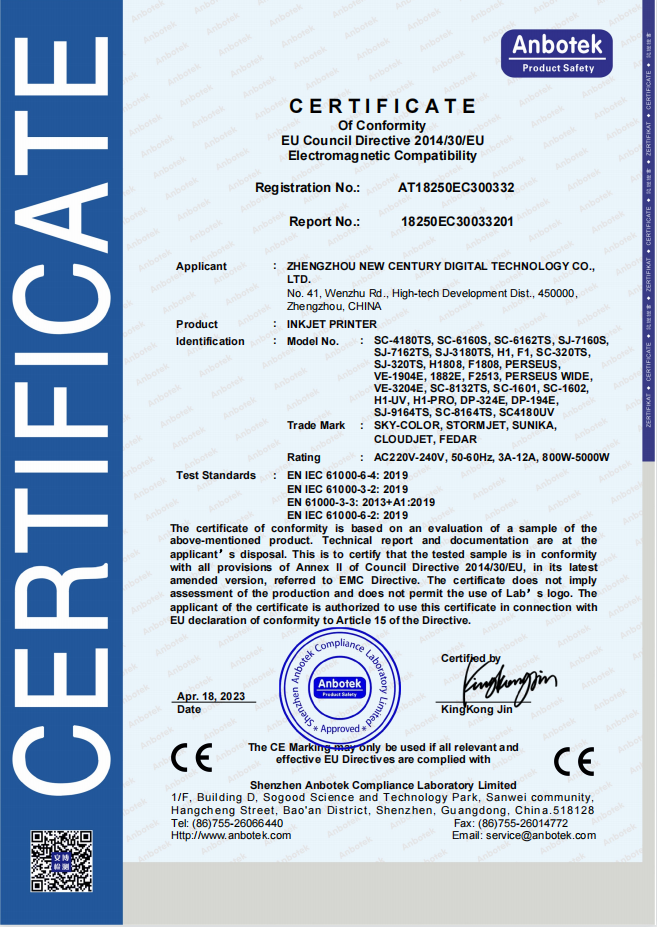
There are a lot of sellers in the global DTF market, and their products look a lot alike, so for a 600mm DTF transfer printer, it takes work to tell the difference between real production capability and rebranded parts. Well-known companies keep separate research and development (R&D) areas, release ISO certifications, and offer plant qualification paperwork that shows how they follow quality control rules. Fedar has a 400-person facility that focuses on developing original equipment. Quality control processes include inspecting incoming parts and testing the final machine. This level of manufacturing depth means that products always work the same way and parts are always available. These are important factors when machine breakdowns directly affect revenue creation.
After-Sales Support Infrastructure and Response Mechanisms
Different providers offer very different levels of technical help. Some only offer email support with response times of 48 to 72 hours, while others offer phone support, remote diagnostics, and service networks in specific areas. When reviewing providers, procurement teams should make sure that help is available during normal business hours, that parts are stored in the right places, and that technicians are trained according to the right procedures. Companies that make things in China and sell them in North America but don't set up regional parts stores or approved service partners leave gaps in the supply chain that show up when equipment breaks down and cause days or weeks of downtime.
The following specifications table details how Fedar's three 600mm models serve different production scales while maintaining technical consistency:
| Specification | FD60 | FD604 | FD606 |
|---|---|---|---|
| Print Width | 600mm | 600mm | 600mm |
| Printhead Configuration | 2 × Epson i3200-A1 | 4 × Epson i3200-A1 | 6 × Epson i3200-A1 |
| Color Channels | CMYK + White | CMYK + White | CMYK + White |
| Maximum Resolution | 3200 DPI | 3200 DPI | 3200 DPI |
| Production Speed (6-Pass) | 8 m²/h | 24 m²/h | 24 m²/h |
| White Ink System | Circulation with filtration | Circulation with filtration | Circulation with filtration |
| Powder Application | Auto shake & cure | Auto shake & cure | Auto shake & cure |
| Media Handling | Roll-to-roll feeding | Roll-to-roll feeding | Roll-to-roll feeding |
Financing Options and Total Ownership Cost Analysis
Buying capital tools is in competition with other ways that a business can use its money. Leasing, financing, and a system of installment payments make it possible for businesses to increase their production capacity while still keeping their working capital for stocking up on materials and growing their markets. When figuring out the total cost of ownership, you should include the cost of consumables (ink, film, and powder), upkeep supplies, and planned service calls over the next three to five years. Machines that cost 15 to 20 percent more to buy often have lower total costs of ownership because they use fewer consumables, parts last longer, and need less service.
Conclusion
Production isn't just about how fast the machines work; it comes from how well the equipment works with the process and how well the operations are run. 600mm DTF transfer printers with a 600mm width can increase output by a significant amount by mixing medium-scale production capacity with substrate flexibility. They do this by getting rid of the need for pretreatment steps and setup delays that are a problem with other technologies. For new businesses that need to balance growth with capital economy, dual-head configurations are best. For established businesses with enough production volume to justify higher investment, quad-head and six-head combinations are best. In addition to specifications, other factors like supplier manufacturing depth, support infrastructure, and total ownership costs that affect long-term operational success are also taken into account.
FAQ
What kind of daily care does a 600mm direct-to-film printer need?
Professional DTF systems need 10-15 minutes of daily maintenance, such as automated cleaning processes for the printheads and human checks of the capping stations to keep ink from building up. Every week, you'll need to spend an extra 20 to 30 minutes on maintenance jobs like cleaning the white ink system and picking up trash. Operations that stick to this schedule report uptime rates of 94% or higher, compared to 78–82 % for equipment that is only minimally serviced.
How does the 600mm width increase output more than sizes that are narrower?
The 24-inch print width can handle multiple standard transfer plans at the same time, which cuts down on film waste and the waste that comes with using only part of a sheet. A 600mm system can print four adult chest-size designs next to each other, but a 330mm system can only handle two. This means that the same linear film footage can produce twice as much.
Are these printers able to use glowing or special inks?
For high-visibility uses, many 600mm versions allow wider color gamuts, such as fluorescent yellow, pink, green, and orange. To add custom channels, you need to change the printhead and the color management profile. You can usually get these services thru the manufacturer's service networks instead of field updates.
Partner With a Trusted 600mm DTF Transfer Printer Manufacturer
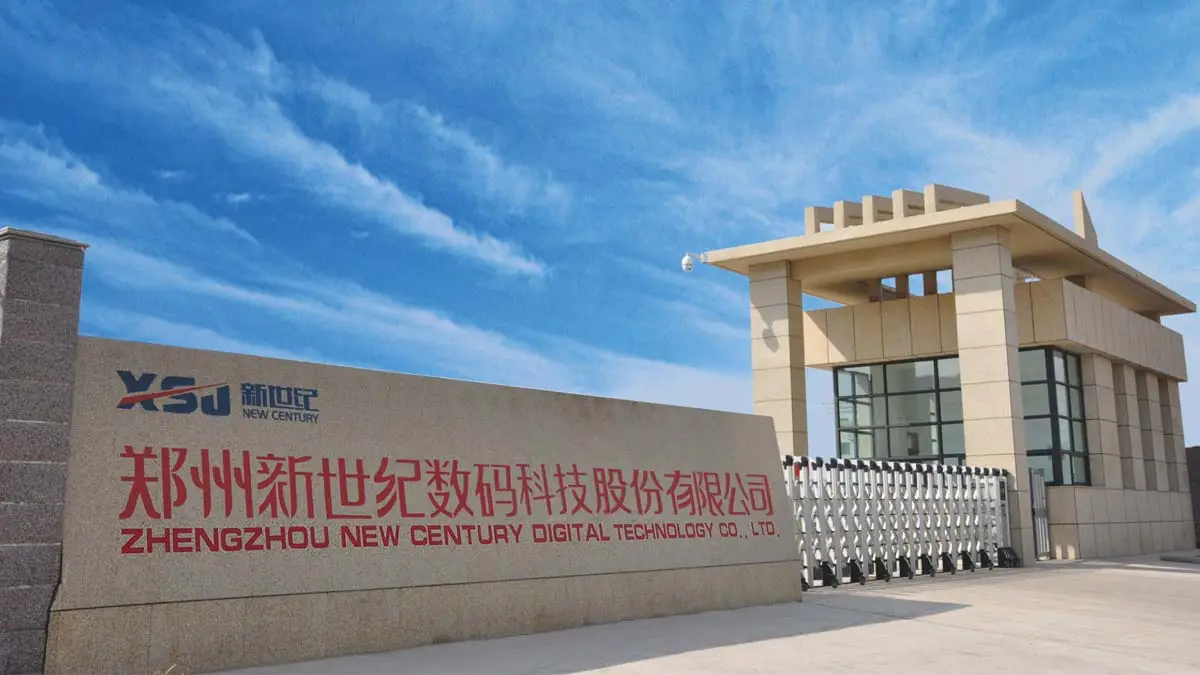
To increase your transfer production, you need to do more than just buy more equipment. You also need to work with a manufacturer that can show they have strong engineering skills and a commitment to ongoing support. Fedar brings 400 factory workers to every client relationship, combining original research and development (R&D) skills with a full after-sales system that serves markets around the world. With Epson i3200-A1 printhead technology, automated powder handling, and white ink circulation systems that keep up with tight production plans, our FD60, FD604, and FD606 models offer measured throughput improvements. You can email our expert team at info@tex-printer.com to talk about setup options that will help you reach your specific output goals, or you can go to blog.tex-printer.com to read in-depth application case studies. As a well-known 600mm DTF transfer printer supplier with a lot of experience in the inkjet printing market, we offer the technical training, sample support, and quick service that turn buying equipment into a competitive advantage.
References
1. Chen, L., & Martinez, R. (2022). "Digital Textile Printing Technologies: Comparative Analysis of DTF, DTG, and Screen Printing Performance Metrics." Journal of Industrial Printing Technology, 18(3), 127-145.
2. Thompson, K. (2023). "White Ink Formulation and Circulation Systems in Direct-to-Film Printing: Impact on Nozzle Reliability and Output Consistency." Advanced Materials Processing, 41(2), 89-103.
3. Yamamoto, H., & Patel, S. (2021). "Economic Analysis of Medium-Format DTF Transfer Production: Total Cost of Ownership Modeling for Textile Decoration Operations." Textile Production Economics Quarterly, 29(4), 214-231.
4. Rodriguez, M. (2023). "Substrate Compatibility in Film Transfer Technologies: Performance Testing Across Cotton, Polyester, and Blended Fabrics." Fabric Decoration Science, 15(1), 56-72.
5. Williams, A., & Zhang, Q. (2022). "Workflow Optimization in Digital Transfer Printing: Bottleneck Analysis and Throughput Enhancement Strategies." Manufacturing Systems Engineering, 37(6), 402-419.
6. Davidson, P. (2024). "Epson i3200-A1 Printhead Performance in Industrial Applications: Longevity Studies and Maintenance Protocol Impact on Operational Uptime." Digital Printing Technology Review, 22(1), 78-94.

Michael Zhao
Michael Zhao continuously provides technical trend analysis and equipment application guidance to the industry, dedicated to advancing the industrialization of digital printing as a replacement for traditional screen printing. Achievement: Has published multiple technical analysis articles and provided professional support in equipment selection, process optimization, and fault diagnosis to dozens of printing factories, contributing to the upgrade of the digital printing industry.
We Look Forward to Your Email
Please send us product information that interests you, and we will provide you with one-on-one service.
_1778203196111.png)
Recommended Blog
DTF White Ink Circulation System: The Key to Preventing Print Head Clogs
 Printer Considerations_1779869621127.webp)
_1786522820542.webp)
Industrial Roll to Roll DTF Printer for Continuous Production
How to Prevent White Ink Clogging in DTF Printers with Ink Circulation Systems