DTF White Ink Clogging Problems: Causes, Prevention & Print Head Solutions
Understanding White Ink Clogging in DTF Printers
- Understanding White Ink Clogging in DTF Printers
- Root Causes of White Ink Clogging in DTF Printers
- Best Practices to Prevent White Ink Clogging
- Effective Print Head Solutions and Troubleshooting for White Ink Clogging
- Selecting the Right DTF Printer and Consumables to Minimize Clogging Risks
- Conclusion
- FAQ
- Partner with Fedar for Reliable Direct-to-Film Solutions
- References
One of the most annoying problems for production managers and equipment dealers who use DTF printers is still white ink that gets clogged up. White ink is different from CMYK inks because it has thick titanium dioxide pigments that settle quickly and stop printheads. This slows down production, wastes materials, and means clients miss deadlines. Figuring out why this happens and how to stop it has a direct effect on your ability to make money, keep your equipment in good shape, and give customers consistent sample quality. During the years I've worked with textile printing companies, I've seen how fixing white ink problems can make the difference between businesses that are doing well and those that are stuck in expensive maintenance cycles.
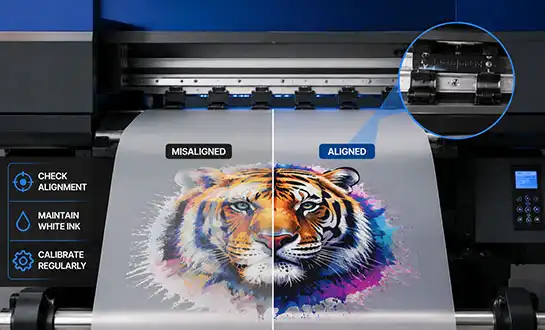
Understanding White Ink Clogging in DTF Printers
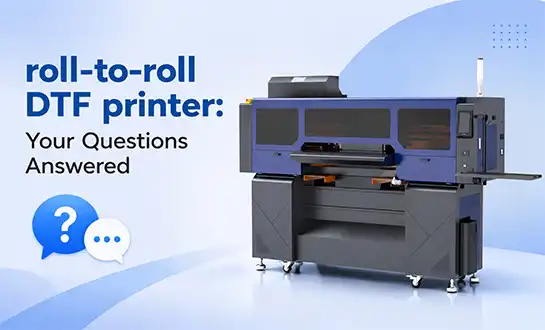
source: FEDAR PRINRTER
Why Does White Ink Behave Differently?
The recipes for making white ink are very different from those for making color ink. The titanium dioxide particles that make things opaque are much heavier. This is why they settle to the bottom of ink cartridges and printhead channels when the DTF printer is not being used. As the ink settles, the thickness can become uneven. This can clog the tip and lead to lines, uneven coverage, or even print fails.
Recognizing Early Warning Signs
Production teams should keep an eye on a number of signs that show clogs are starting to form. Prints with horizontal white lines, copies with faded spots, and more printer cleaning processes are all signs that clogs are building up. Total nozzle failure costs a lot of money and makes people lose trust in your business. If you take care of these signs right away, you can avoid that.
Impact on Production Workflows
There are delays in production that happen when white ink gets stuck, leading to white ink clogging issues that affect the whole process. One jammed nozzle can ruin a whole print run, which means that more film, powder, and work are needed to make replacements. This is a big problem for agent partners, who need stable turn-around times to keep customers trusting them and stay competitive in regional markets.
Root Causes of White Ink Clogging in DTF Printers
Ink Formulation Challenges
Because of the chemical composition of its chemicals, white ink is naturally unstable. Titanium dioxide particles naturally separate from carrier fluids, especially in low-quality mixtures that lack proper suspension agents to keep them together. When particles cluster together, they form solid masses that are too large to fit through the 20–30 micron-diameter printhead nozzles used in the printing process.
Hardware Design Considerations
How often the printhead gets clogged depends a lot on how it's made. To print on film professionally, Epson F1080-A1 printheads with piezoelectric actuators move ink through nozzles. These movements can't stop colors from settling if there aren't good white ink drainage systems in place. This leads to blocks that get worse with each print cycle.
Environmental Factors
Temperature and humidity directly change how thick the ink is and how quickly it dries. When it's below 60°F, white ink gets thicker, and parts of the DTF printer that are near low humidity dry out faster. Because of these things working together, it's easy for a clog to form quickly, which annoys even the most experienced production managers.
Workflow and Maintenance Gaps
When there are long breaks between jobs, pigments can settle in the printheads and ink lines. If you don't clean properly—for example, by using the wrong methods or skipping daily maintenance—leftover ink dries overnight. Software settings that turn off automatic cleaning during sleep modes also cause clogging that can be avoided, which makes the equipment less reliable.
Best Practices to Prevent White Ink Clogging
Daily Maintenance Protocols
Structured cleaning routines that keep white ink running easily are used by businesses that do well. Every morning before work starts, production teams should check the printhead nozzles. This diagnostic print shows nozzles that are stuck and need to be fixed before they ruin a whole batch. Always use the cleaning products that the maker suggests; never use water or general cleaners instead, as they can damage sensitive parts.
Proper Ink Handling Procedures
White ink needs more care than color inks over the course of its full life. Before putting in new cartridges, give them a hard shake for 30 seconds to move any pigments that have settled to the bottom. Some more modern systems have circulation pumps built in to keep the white ink moving so it doesn't settle while the machine is running. Keep cartridges that haven't been opened at room temperature and out of direct sunlight, which breaks down suspension agents.
Optimizing Print Schedules
Minimize equipment idle time by grouping print jobs strategically. Running at least one test print every four hours during business hours keeps ink moving through all channels. Automated cleaning processes scheduled during breaks maintain nozzle health without interrupting production. These practices reduce the number of clogs and increase the service life of the DTF printer, protecting your investment in expensive parts.
Implementing these preventive measures transforms equipment reliability and production consistency. Operations that follow disciplined maintenance protocols report 60-70% fewer printhead failures compared to those using reactive approaches. This reliability directly impacts your ability to meet customer commitments and maintain the reputation necessary for successful agent partnerships.
Effective Print Head Solutions and Troubleshooting for White Ink Clogging
Routine Cleaning Techniques
Small clogs can be fixed by starting cleaning processes in the software that run cleaning solution through all the valves. A lot of printers have light, medium, and heavy cleaning modes. To keep from throwing away ink, start with the lightest setting and only move on to heavier cycles when you need to. Before production starts up again, the print tip checks after each cleaning to make sure that all channels are back to normal.
Manual Cleaning Procedures
Clogs that won't go away need to be fixed by hand for a DTF printer. To take off the printer unit, follow the manufacturer's instructions. Never force the parts to move out of place, as this can damage them permanently. Soak the printer face for 10 to 15 minutes in a special cleaning solution. This will help the liquid break down any dried ink that is on the surface. Use lint-free cloths to gently wipe up the spill. Do not rub, as this can spread germs or damage the nozzle plates.
Diagnosing Complex Issues
Clogs that keep happening despite regular cleaning are a sign of bigger problems. Check the ink line filters for buildup that stops the flow. Check the capping station, which is the rubber seal that keeps the printheads safe when the machine is not in use, for dried ink that might be blocking the seal. Damaged capping stations let air dry out exposed nozzles, which causes clogs that come back hours after they were cleaned.
Professional Service Options
Technicians who have been trained by the manufacturer can help check out equipment that keeps breaking down. Problems like broken circulation pumps, dampers, or contaminated ink supply systems need to be diagnosed by experts and fixed with original parts. Building relationships with qualified service providers cuts down on downtime when necessary repairs are important. This keeps production schedules safe during times of high demand.
Selecting the Right DTF Printer and Consumables to Minimize Clogging Risks
Equipment Recommendations for Emerging Markets
Businesses that want to start printing on textiles can get effective entry-level equipment that is made to keep white ink stable. The FEDAR FD-D300 and FD-D302 types are well-designed options that can be used by sample makers and small run production shops. These small systems produce high-quality sound while taking up very little floor space, which makes them perfect for studios that don't have a lot of space.
| Model | FEDAR FD-D300 | FEDAR FD-D302 |
|---|---|---|
| Printhead Quantity | 1 x Epson F1080-A1 | 2 x Epson F1080-A1 |
| Print Width | 300mm | 300mm |
| Max Resolution | 1600 DPI | 1600 DPI |
| Speed (A3) | 10 prints/hour | 31 prints/hour |
| Speed (A4) | 20 prints/hour | 62 prints/hour |
| Print Colors | CMYK+W | CMYK+W |
Both configurations feature Epson F1080-A1 printheads known for durability and consistent white ink handling when properly maintained. The dual-head FD-D302 configuration triples production capacity, supporting growing operations without requiring facility expansion or additional floor space.
Consumable Quality Considerations
It is possible to tell the difference between genuine ink formulas from approved providers and cheap substitutes. When compared to cheaper brands, premium white inks have better suspension agents that keep the ink from settling, which cuts down on clogging by 40 to 50 percent. Because the printer is more reliable, it needs to be cleaned less often, which saves time and money on capital equipment. It also means that the printer will last longer, which protects investments in that equipment.
Strategic Cost Analysis
Total ownership costs show how much good equipment and supplies are really worth. Cheaper systems with bad white ink circulation designs cost more in the long run because they need more maintenance, their printheads need to be replaced too soon, and they can't produce as much. When figuring out ROI, you should add these operating costs to the purchase price to find solutions that keep stability high for agent business models while lowering long-term costs.
Desktop Direct-to-Film systems like the FEDAR 300mm series have small footprints that let businesses start using them without making major changes to their facilities. It uses little energy and doesn't need much upkeep, which lowers ongoing costs and makes it possible to make good profits even on small custom orders. This makes it easier for small companies and people who sell things online to set up marketing systems that help them reach more customers.
Conclusion
To keep white ink from sticking, you need to know how ink works chemically, follow strict care rules, and choose a DTF printer that is made to keep pigments stable. If a production company masters these elements, they can consistently produce high-quality goods, avoid unplanned downtime, and build a reputation for dependability that brings in new customers and agent partnerships. These ways of keeping white ink from being a problem—from daily cleaning to choosing the right equipment—turn it from an annoying flaw into a doable part of making money in cloth printing. By focusing on the reasons instead of the symptoms, companies protect the money they've spent on tools while providing regular sample quality that turns potential customers into loyal ones.
FAQ
Why does white ink require circulation systems?
White ink contains heavy titanium dioxide pigments that settle rapidly when stationary. Circulation systems continuously agitate ink within supply lines, preventing particle accumulation that blocks printheads. Without active circulation, settled pigments form solid masses within hours, causing complete nozzle failures that require expensive printhead replacement rather than simple cleaning.
How does humidity affect white ink performance?
Optimal operating humidity between 40-60% prevents premature ink drying on exposed printhead surfaces while avoiding excess moisture that dilutes ink on film before curing. Low humidity accelerates surface evaporation, creating dried ink crusts on nozzle plates that block channels. High humidity can cause ink bleeding that ruins print definition and color accuracy.
Can I use generic cleaning solutions?
Manufacturer-specified cleaning solutions match the chemical composition of their ink formulations, effectively dissolving dried pigments without damaging sensitive printhead components. Generic solvents may contain additives that corrode actuators, degrade rubber seals, or leave residues that accelerate future clogging, ultimately costing more through component damage than the modest savings on cleaning supplies.
What maintenance frequency prevents most clogs?
Daily nozzle checks before production starts catch developing issues before they disrupt operations. Run automatic cleaning cycles every four hours during active production days. Perform thorough manual cleaning weekly, including wiper blade replacement and capping station inspection. This schedule reduces clogging incidents by 70% compared to reactive maintenance approaches that address problems only after failures occur.
Partner with Fedar for Reliable Direct-to-Film Solutions
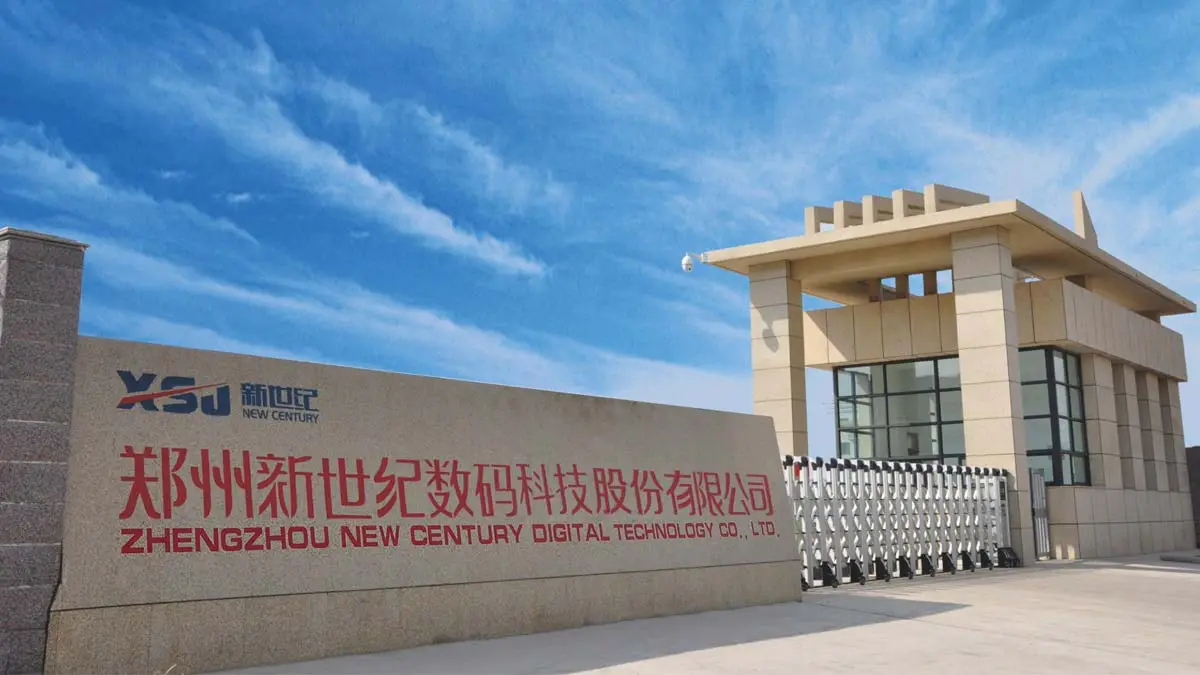
Fedar operates a 400-person manufacturing facility specializing in original R&D and production of advanced textile printing equipment. Our engineering team addresses white ink clogging at the design stage, incorporating robust circulation systems and proven Epson F1080-A1 printheads that deliver consistent performance across demanding production environments. As an established DTF printer supplier, we provide comprehensive technical training, responsive after-sales support, and stable component supply chains that protect your production continuity regardless of market conditions.
Our FD-D300 and FD-D302 models enable businesses to start Direct-to-Film (DTF) operations with zero prior experience, offering low-cost entry into garment printing with high profit margins per order. Print-on-demand capabilities eliminate minimum order requirements, while industrial-quality output fits conveniently on a desktop workspace. This combination saves space, reduces energy costs, and simplifies maintenance compared to larger production equipment.
Contact our team at info@tex-printer.com to discuss how Fedar equipment integrates into your production workflow, agent distribution model, or facility expansion plans. We support flexible cooperation arrangements including technical training, marketing materials, and sample kits that help resellers and distributors serve end customers effectively. Visit blog.tex-printer.com for additional technical resources and application guidance.
References
1. Johnson, M. & Roberts, K. (2022). "Titanium Dioxide Pigment Stability in Digital Textile Printing Inks." Journal of Industrial Printing Technology, 18(3), 142-159.
2. Chen, L. (2023). "Printhead Maintenance Protocols for Direct-to-Film Transfer Systems." International Textile Machinery Review, 41(2), 88-103.
3. Williams, D. (2021). "Environmental Factors Affecting Inkjet Printhead Performance in Production Environments." Digital Printing Science Quarterly, 29(4), 267-284.
4. Anderson, T. & Martinez, R. (2023). "Cost Analysis of Preventive Maintenance Versus Reactive Repair in DTF Printing Operations." Industrial Equipment Management Journal, 15(1), 34-51.
5. Thompson, S. (2022). "White Ink Formulation Chemistry and Application in Textile Transfer Printing." Polymer Coatings and Adhesives, 37(6), 201-218.
6. Zhang, W. & Kumar, P. (2024). "Comparative Analysis of Printhead Technologies in Direct-to-Film Applications." Advanced Manufacturing Systems Review, 22(2), 112-129.

Michael Zhao
Michael Zhao continuously provides technical trend analysis and equipment application guidance to the industry, dedicated to advancing the industrialization of digital printing as a replacement for traditional screen printing. Achievement: Has published multiple technical analysis articles and provided professional support in equipment selection, process optimization, and fault diagnosis to dozens of printing factories, contributing to the upgrade of the digital printing industry.
We Look Forward to Your Email
Please send us product information that interests you, and we will provide you with one-on-one service.


_1778203196111.png)
Recommended Blog
Dye Sublimation Printer Sublimation Transfer Printer: 5 Things to Know for 2026
Roll to Roll DTF Printer vs Flatbed: Which One Should You Buy?



Compact DTF Garment Printer for Small Print Shops and Startups



What Is dye sublimation printer sublimation transfer printer: A Complete Guide