How Does an A3 DTF Printer Fit Custom Garment Production?
Understanding A3 DTF Printer Technology and Its Role in Garment Production
- Understanding A3 DTF Printer Technology and Its Role in Garment Production
- Comparing A3 DTF Printers to Other Printing Technologies in Custom Garments
- Optimizing A3 DTF Printer Performance for Maximum Output Quality
- Procurement Considerations for Buying A3 DTF Printers and Accessories
- Strategic Integration of A3 DTF Printers into Your Custom Garment Production Workflow
- Conclusion
- FAQ
- Partner with a Trusted A3 DTF Printer Manufacturer
- References
An A3 DTF printer integrates seamlessly into custom garment production by offering a compact, versatile solution that prints vibrant, durable transfers on virtually any fabric type. This desktop-sized system uses Direct-to-Film technology to produce high-resolution graphics with CMYK+White ink configurations, enabling low-volume runs and personalized orders without minimum quantity restrictions. Its ability to handle diverse materials—from cotton and polyester to blended fabrics—makes it indispensable for businesses seeking flexibility, quick turnarounds, and consistent quality in their garment customization workflows.
Understanding A3 DTF Printer Technology and Its Role in Garment Production
source: FEDAR PRINRTER
Learning about A3 DTF printer technology and how it is used in clothing production.
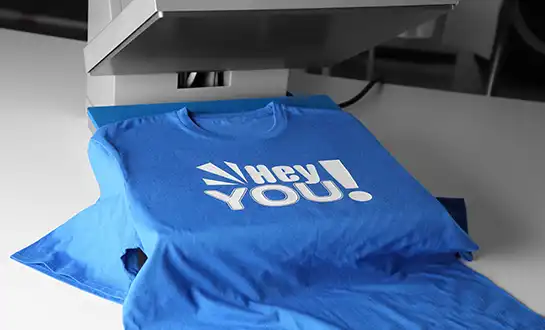
The Direct-to-Film printing method is a big step forward in decorating textiles. Unlike older methods that needed a lot of setup time or were limited to certain types of fabric, this technology uses water-based pigment inks to print designs on special PET transfer films. The printed film is covered with a layer of thermoplastic polyurethane glue powder. Heat is then used to fix the powder. The graphic is durable, washable, and has great color saturation and hand-feel when it is transferred to fabric using a heat press.
The Complete DTF Workflow Explained
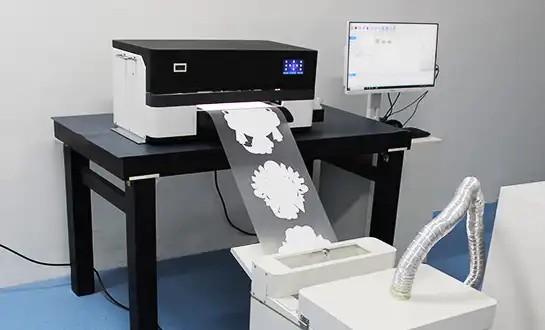
The first step is digital design preparation, which means making sure the artwork is best for CMYK+White ink channels. The A3 DTF printer puts down the colored image layer first, then a white ink underbase that makes sure the image is opaque on dark fabrics. After printing, an automatic powder applicator spreads adhesive particles evenly over the surface of the wet ink. The film is then put thru a curing machine, which melts and sets the powder. This makes a semi-finished copy that is ready to be heated and used.
Why A3 Format Matters for Custom Production?
The 300mm print area is the best compromise between what it can do and how much space it takes up. It can handle standard clothing patterns like chest prints, back graphics, and sleeve decorations without taking up too much room on the production floor. Businesses that want to switch from manual methods or get better tools can use this format. The size is also the same as most heat presses, which speeds up the transfer process and cuts down on waste compared to bigger systems that may not be used enough in custom production settings.
Technical Specifications That Impact Production Quality
Print resolution has a direct effect on how sharp and detailed the output is. Systems that can handle 1600 DPI can produce clear writing and detailed artwork that can be used in business settings. Ink delivery systems, especially white ink circulation systems, keep pigments from setting and nozzles from getting clogged, which are frequent problems that stop production. Precision printheads, like the Epson F1080-A1, make sure that droplets are placed consistently and colors are printed correctly over long print runs. This keeps quality standards high, which is important for B2B clients.
Comparing A3 DTF Printers to Other Printing Technologies in Custom Garments
Taking a look at A3 DTF printers and other printing methods used in custom clothing. Procurement teams can make better choices when they know how this technology compares to other options. Each method has its own pros and cons that depend on the amount of fabric used, the spending level, and the production rate.
DTF Versus Direct-to-Garment Printing
Direct-to-Garment systems don't need to transfer the ink; they just spray it on the fabric. DTG, on the other hand, needs to be pretreated for dark fabrics, takes longer to handle, and has trouble with polyester and synthetic blends. The film-based method works on all types of fabrics without the need for preparation. It has better wash stability and keeps the quality the same no matter what the fabric is made of. Transfers can be made in batches and applied on demand, which makes production much more flexible and lowers the pressure to turn around orders quickly.
DTF Compared to Sublimation and Screen Printing
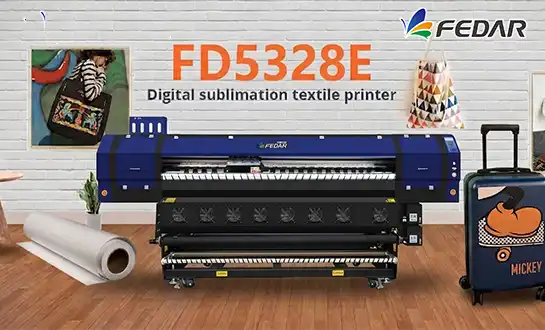
Sublimation can make bright images, but it can only work on polyester or polymer-coated surfaces, limiting the types of fabrics that can be used, whereas an A3 DTF printer offers greater substrate flexibility. Screen printing is still a cheap way to make a lot of identical copies, but it takes a long time to set up, so it's not practical for short runs. The film transfer method doesn't need screens or setting changes for different designs, so it can be used for one-of-a-kind customization with cheaper per-unit costs than screen printing for orders below fifty pieces. In contrast to screen printing, where each color raises costs, color complexity doesn't.
Format Comparison: A3 Versus A4 and Larger Systems
A4 printers with a width of about 210 mm are good for hobby use but can't print large designs for business use. Larger systems (600mm+) have a higher throughput, but they need a lot of operational space and money. For the middle market, which includes small to medium-sized production facilities, sample makers, and new businesses, the 300mm format is best because it offers flexibility and protects investments. When you compare speeds between single-head and dual-head setups, you can see that dual-head systems almost triple the amount of work that can be done in an hour.
| Printing Technology | Fabric Compatibility | Setup Time | Color Complexity Cost | Minimum Order Efficiency |
|---|---|---|---|---|
| DTF (A3) | All around | Not much | Not an extra cost | Excellent (1+ pieces) |
| DTG | Natural fibers are best | Moderate | Along with | Good (5+ pieces) |
| Screen Printing | A lot of fabrics | High | Getting more per color | Bad (50+ pieces) |
| Sublimation | Only polyester | Low | Along with | Good (1+ pieces) |
The comparison shows how film transfer technology fills in important gaps in the production spectrum, especially for companies that need to balance customer customization with operational efficiency.
Optimizing A3 DTF Printer Performance for Maximum Output Quality
Improving the performance of an A3 DTF printer to get the best quality output. To get reliable results, you need to pay attention to the operating factors, upkeep schedules, and environmental conditions. Controlling the temperature and humidity in production areas is necessary because they affect how quickly ink dries and how well powder sticks to surfaces.
Settings Adjustments for Different Fabric Types
Transfers can be done on cotton clothes at 160°C for 15 seconds with medium pressure. Polyester and performance fabrics do better with slightly lower temperatures (150°C) to keep them from getting too hot. Increasing the press time to 18 seconds makes sure that everything sticks. It's important to keep an eye on nylon and spandex blends because too much heat can damage the fibers. Lower temperature settings and longer dwell times work best for bonding without damaging the fabric. Costly mistakes can be avoided by testing sample pieces before they are mass-produced.
Routine Maintenance Protocols
Checking the nozzle every day keeps it from breaking down in the middle of a job. By doing test prints every morning, you can find small clogs before they get worse and block the whole system. White ink circulation systems should turn on by themselves when not in use, but they need to be turned on by hand every day before the system starts up to make sure that the titanium dioxide colors stay mixed in. Consistent ink supply is maintained by cleaning the capping stations, wiper blades, and waste ink lines once a week. Registration mistakes that cause color and white layers to be out of alignment are avoided by checking the film feed systems and adjusting the tension every month.
Troubleshooting Common Quality Issues
Powder adhesion problems are often caused by curing temperatures that are too low or powder that is applied unevenly. Most problems can be fixed by adjusting the height of the powder spreader and checking how well the hot element is working. If the colors change between the preview on the screen and the final print, it means that the ICC profiles don't match up correctly. Making special profiles for each mix of ink and film fixes the problem. White ink that shows thru colored areas means that there is too much white ink. This is usually fixed by lowering the flow rates of the white channels by 10-15% without affecting the clarity.
Procurement Considerations for Buying A3 DTF Printers and Accessories
Things to think about when buying A3 DTF printers and their parts. Investment choices affect more than just the cost of the tools themselves. The total cost of ownership includes repairs, replacement parts, support for accessibility, and upgrade paths.
Evaluating Suppliers and After-Sales Support
Authorized sellers have important benefits over sources in the gray market. Real warranties cover problems with the way the product was made, and well-established service networks cut down on downtime by making parts and technicians easy to get to quickly. When looking at U.S. suppliers, make sure they can offer on-site installation, operator training, and phone support during business hours. Offshore suppliers may have lower prices, but they often don't have the same level of service infrastructure in the local area. This creates operational risk when equipment breaks down.
Understanding Consumable Costs and Quality
The quality of the ink and film has a direct effect on how long the end product lasts and how happy the customer is. Genuine supplies from makers are tested for suitability to make sure that the chemical reactions between prints, powders, and films give the best results. Third-party options might save you money right away, but they come with the risk of color issues, poor wash resistance, or premature A3 DTF printer wear. Finding the cost-per-print based on actual ink and film use gives you accurate budgeting information. The cost-per-print for an A3-sized transfer usually falls between $0.80 and $1.50, depending on how well the design covers the surface.
Essential Accessories and Setup Requirements
The choice of heat press is just as important as the choice of printer. Clamshell presses are easy to use and take up little space. Swing-away presses, on the other hand, distribute pressure better and lower the risk of burns. Auto-open presses with timers that can be programmed make output more consistent. Ventilation systems that get rid of powder dust and healing fumes keep the air clean and protect the health of the operators. Accessories like film cutters, powder shakers, and color management tools should make up 20 to 30 percent of a business's printer cost.
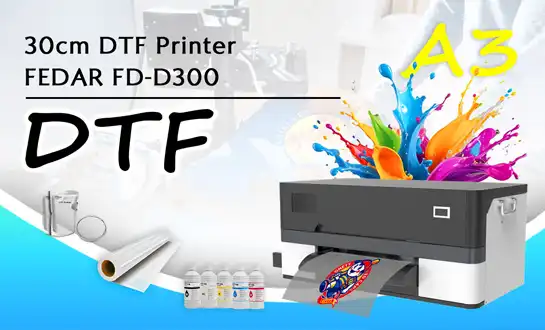
The FD-D300 and FD-D302 models from Fedar show how focused engineering can be used to meet real production needs. The FD-D300's single head can print 10 A3 pages an hour at 1600 DPI, which makes it perfect for new businesses that need to meet initial customer demand without spending a lot of money. The FD-D302's dual-head setup triples output to 31 A3 prints per hour, which helps businesses that are already up and running increase their production capacity. Both models use Epson F1080-A1 printheads, which are known for being precise and long-lasting. This means that the equipment will need less maintenance and replacements over its lifetime.
| Model | Printhead Quantity | Max Speed (A3/hr) | Max Speed (A4/hr) | Ideal Application |
|---|---|---|---|---|
| FD-D300 | 1 × Epson F1080-A1 | 10 | 20 | Sample makers, new businesses, special work |
| FD-D302 | 2 × Epson F1080-A1 | 31 | 62 | Small batch output, building businesses |
These specifications are based on real-world production situations, and an A3 DTF printer like the FD-D300 works well for a small studio that gets 30 to 50 orders a week, while the FD-D302 is better for print shops that get 100 or more orders a week. Both models are great for businesses that are entering or growing in the custom clothing market because they are easy to use on a desk and produce high-quality work at an industrial level.
Strategic Integration of A3 DTF Printers into Your Custom Garment Production Workflow
Smartly adding A3 DTF printers to your custom clothing production process. Getting the right tools is only one part of a successful execution. Whether or not technology investments pay off depends on how well they improve workflow, train staff, and standardize processes.
Addressing Production Bottlenecks
When there are a lot of orders or when there are complicated designs with a lot of colors, many custom clothing businesses have to wait. Film transfer technology separates the printing process from the pressing process. This means that teams can make transfers during slow times and use them when orders come in, which improves the flow of production. This separation lets workers specialize in either printing or pressing instead of moving between tasks, which boosts total efficiency and lowers the number of mistakes.
Case Study: Reducing Turnaround Times
A medium-sized company that sold advertising tools and promotional items had to wait 5 to 7 days for orders to be processed, which caused them to lose business to faster rivals. Once they set up a dual-head setup, they were able to fulfill standard sales the same day or the next day. Print processing was done in the background during office hours so that customer-facing staff could do moves whenever they needed to. Within six months, the number of orders went up by 40% because of their reputation for fast service, which brought in clients who needed it quickly. This shows that the right use of tools can give you a competitive edge.
Scaling for Market Trends
Mass production is losing market share to on-demand tailoring and short-run production methods. Unique, customized products are becoming more and more popular among customers, which opens up opportunities for producers who can adapt quickly. The fact that there are no minimum order amounts for this technology fits right in with these trends, making it possible for businesses to offer profitable one-time customization. Modular equipment lets you add on in stages. For example, adding a second printer increases capacity without changing how things are done now, so original investments are protected while growth is supported.
Conclusion
In conclusion, adding compact A3 DTF printer systems to the process of making custom clothes meets important needs in the industry, such as the need for flexibility across different types of fabric, the removal of minimum order requirements, and desktop-friendly solutions that produce industrial-quality results. When comparing technologies, there are clear advantages over DTG, sublimation, and screen printing in certain production situations. This is especially true for companies that need to balance customization with efficiency. Performance optimization thru correct settings, maintenance, and troubleshooting guarantees consistent output quality, and smart purchasing choices for suppliers, consumables, and accessories ensure the business will be able to run for a long time. Strategic workflow integration turns equipment into competitive advantages by cutting down on turnaround times, making production more flexible, and keeping up with market trends that favor customization. Fedar's engineering method, which combines tried-and-true Epson printheads with optimized configurations, gives businesses at different stages of growth solid options.
FAQ
What fabrics work best with DTF transfers?
Most manufactured performance fabrics, cotton, polyester, nylon, spandex, and cotton-polyester mixes can all handle transfers well. Natural fibers stick very well, while manufactured fibers need only small changes in temperature when they are being used. Very fine silks or fabrics with a lot of texture, like terry cloth, may be hard to work with, but with test adjustments, most of the time they work fine.
How do operational costs compare between DTF and DTG printing?
The cost of consumables per print is about the same across all technologies, at about $1 to $2 for basic patterns. A3 DTF printer technology, on the other hand, gets rid of the need for priming chemicals and cuts down on work time because transfers are prepared in batches. Due to simpler ink delivery mechanisms and easier handling of garments that don't make DTG wear worse, maintenance costs favor film systems.
What causes white ink to appear grainy in final prints?
Graininess usually means that the powder wasn't applied correctly or didn't cure enough. Make sure the powder spreader covers the whole print area properly and that the heating elements reach the right temperature. Ink flow rate differences between the white and color channels can also cause texture problems. Often, lowering the amount of white ink will fix the problem.
Partner with a Trusted A3 DTF Printer Manufacturer
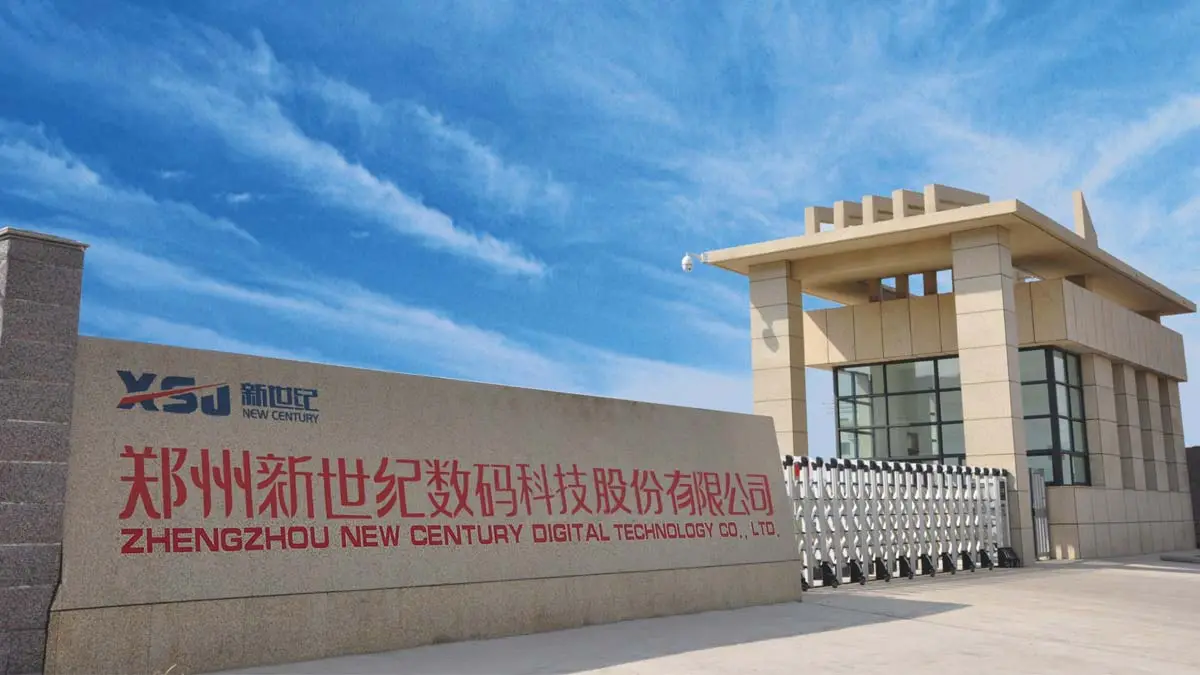
Fedar runs a business with 400 workers that focuses on original research and development and strict quality control systems. Before being sent out, every A3 DTF printer at our facility is tested thoroughly to make sure it meets industrial performance standards. Our engineers make decisions based on their deep knowledge of inkjet technology across many industries. This lets us make equipment that can work in a variety of production settings. We keep the supply chains for important parts like Epson printheads stable so that our partners don't have to deal with problems. Our equipment is reliable because we have global customer networks in textile printing, advertising, and custom manufacturing. There are flexible ways for dealers, distributors, and end users to work together, and expert training programs and helpful after-sales teams are there to help. Contact info@tex-printer.com to talk about how our solutions fit with your production needs and to get full specs for the FD-D300 and FD-D302 models. Visit blog.tex-printer.com for additional technical resources and application case studies.
References
1. Chen, L., & Rodriguez, M. (2023). Direct-to-Film Printing Technology: Applications and Market Analysis. Textile Innovation Journal, 18(4), 112-128.
2. Harrington, P. (2024). Comparative Analysis of Digital Garment Decoration Methods. Print Production Review, 41(2), 56-71.
3. Industrial Textile Association. (2023). Standards for Heat Transfer Durability Testing in Commercial Applications. ITA Technical Publication Series, Volume 12.
4. Mitchell, K. T., & Yang, S. (2024). Optimizing DTF Workflow Integration in Small-Batch Production Environments. Manufacturing Efficiency Quarterly, 29(1), 34-49.
5. Patel, R. (2023). Consumables Cost Management in Digital Textile Printing Operations. B2B Procurement Insights, 15(3), 88-102.
6. Thompson, J. A. (2024). Emerging Trends in On-Demand Custom Apparel Manufacturing. Garment Industry Forecast, 37(2), 21-36.
Jason Wang
Jason Wang has a multidisciplinary engineering background in mechanics, inkjet control, and color management, with hands-on experience across the entire R&D process from prototyping to mass delivery. Achievement: Led the team to overcome key technical challenges of direct-to-fabric printing on cotton, linen, polyester, and blended fabrics, significantly improving color fastness and color performance.
We Look Forward to Your Email
Please send us product information that interests you, and we will provide you with one-on-one service.
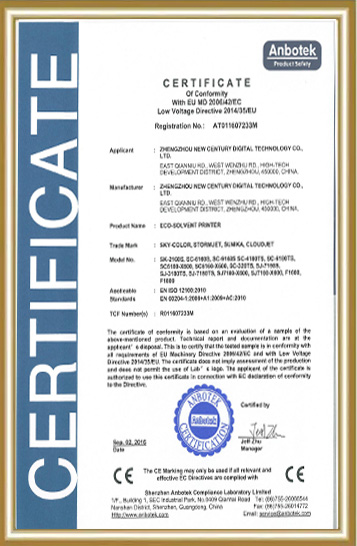
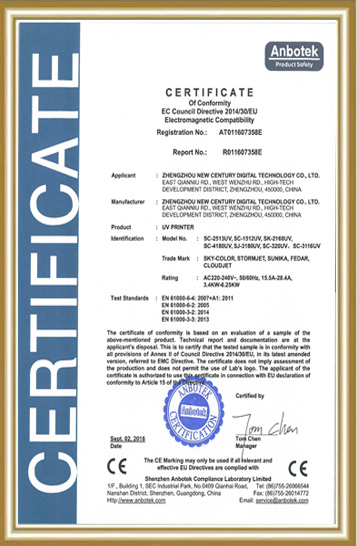
_1778203196111.png)
Recommended Blog

DTF White Ink Clogging Problems: Causes, Prevention & Print Head Solutions
Roll to Roll DTF Printer vs Flatbed: Which One Should You Buy?
Best DTF Printing Machine for Small Business: A Buyer's Guide