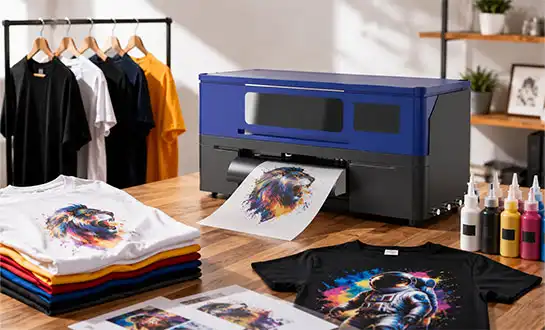
600mm DTF Transfer Printer for Apparel and Gang Sheet Production
Understanding the 600mm DTF Transfer Printer Technology
- Understanding the 600mm DTF Transfer Printer Technology
- Comparing 600mm DTF Transfer Printer with Other Printing Solutions
- How to Choose the Right 600mm DTF Transfer Printer for Your Business?
- Best Practices for Operating and Maintaining Your 600mm DTF Transfer Printer
- Procurement Insights: Where and How to Buy 600mm DTF Transfer Printers?
- Conclusion
- FAQ
- Partner with Fedar for Your 600mm DTF Transfer Printer Needs
- References
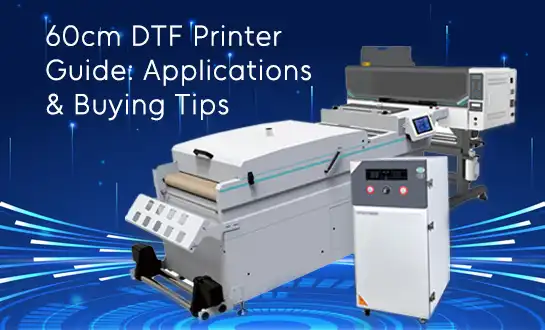
The 600mm DTF transfer printer represents a pivotal advancement in textile decoration technology, offering medium-scale production facilities a balanced solution between compact desktop models and large industrial systems. This 24-inch width configuration delivers exceptional versatility for apparel decoration and gang sheet production, enabling print shops to handle standard garment sizes efficiently while maintaining manageable equipment footprints. Direct-to-film technology has transformed how businesses approach custom apparel, eliminating substrate limitations inherent in traditional direct-to-garment printing and providing superior adhesion across cotton, polyester, blended fabrics, and even non-textile surfaces.
Understanding the 600mm DTF Transfer Printer Technology
Core Functionality and Printing Process
source: FEDAR PRINRTER
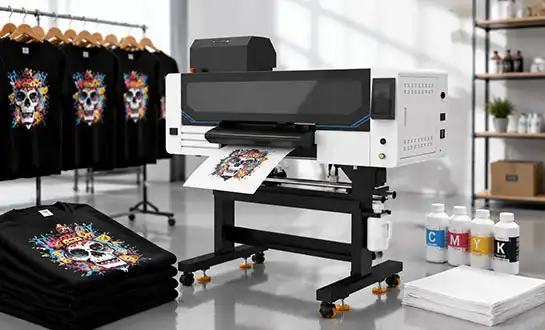
Direct-to-film printing is different from other ways of decorating textiles because it uses a carefully sequenced workflow. To start the process, special CMYK and white pigmented inks are written on a clear PET releasing film. DTF technology adds a hot-melt sticky powder layer right after printing, while sublimation printing needs polyester material. Before going thru an integrated curing system, this powder sticks to the wet ink and stays at a temperature of about 150°C to activate its thermoplastic adhesive properties.
The 600mm DTF transfer printer fills a very important gap in the market. Print service providers often find that 300mm models are too small for standard adult clothing, and 1200mm industrial units need too much floor space and money to buy. This medium-sized format makes the best use of the material used to make T-shirts by letting you print multiple small patterns or one big graphic up to 23 inches wide.
Key Components Driving Performance
Modern DTF systems include a number of important technological parts that affect how reliable production is. The configuration of the printhead is what determines the quality and speed of the output. Epson i3200-A1 printheads have become the standard in the industry because they are better at controlling droplets and last longer than older technology. These piezoelectric heads can deliver drop sizes ranging from 3.5 to 21 picoliters, which lets you get smooth color changes and clear images with up to 3200 DPI resolution.
The handling of white ink is difficult for engineers because the titanium dioxide pigment particles settle and stop the nozzles. Modern circulation systems constantly move and filter white ink, stopping sedimentation that would need to be done by hand all the time otherwise. The vacuum suction base keeps the film perfectly flat even when the carriage moves quickly. This keeps the prints from being distorted when the media moves during the printing process.
Material Compatibility and Resolution Optimization
The fact that DTF transfers can work with any material solves a problem that has been bothering the business for a long time. Screen printing needs different sets for each type of fabric. Direct-to-garment printing, on the other hand, has trouble with polyester and needs pricey chemicals to treat dark fabrics before printing. DTF transfers work the same way for cotton, polyester, nylon, canvas, leather, and blended materials, so they can be used to make money in a lot of different market areas, from sportswear to promotional goods.
Setting the resolution means combining quality and speed of creation. Higher pass counts make it possible to add more ink, which makes colors deeper and gradients smoother, but they also slow down the printing process. Six-pass printing at 720x3200 DPI is the best compromise for commercial production because it gives you photographic quality at speeds that are still affordable. Four-pass modes are best for large orders with simple artwork, while eight-pass modes are best for high-end jobs that need museum-quality color accuracy.
Comparing 600mm DTF Transfer Printer with Other Printing Solutions
Process Complexity and Operational Differences
Screen printing is still a good way to save money on large, uniform runs of more than 500 pieces, but the setup time and difficulty of changing colors make it too expensive for short runs and orders with more than one design. It costs more than $50 per drawing just to set up the screens for each color, and that's before the printing even starts. These problems are completely gone with DTF technology, which lets you make one-piece orders with full-color complexity at no extra cost for setup.
Sublimation printing works great on polyester but not at all on cotton or dark materials, which limits its use in the market. To use dye sublimation, you need special transfer papers and heat presses that work at a certain temperature and pressure. 600mm DTF transfer printer transfers work the same on all types and colors of fabric because the white ink layer makes dark clothes see-through, which sublimation can't do.
DTF's digital workflow benefits can be seen in direct-to-garment printing, but there are big limitations on the substrates that can be used, while a 600mm DTF transfer printer offers greater flexibility. DTG printers have trouble with polyester, need chemicals to prepare dark fabrics, can't print on non-textile items, and need careful placement of the fabric on the printing platen. With DTF's film-based method, copies can be put onto any heat-compatible surface, even ones that aren't flat, like caps and bags.
Cost Structure Analysis
When procurement managers look at long-term revenue, operational economics has a big impact on the technology they choose. Depending on the size of the design and how much ink is used, DTF printing usually costs between $0.80 and $2.50 per standard transfer. This is better than screen printing's break-even point, which is usually between 50 and 100 pieces per design when setup work and screen costs are taken into account.
The way that different systems use ink is very different. For CMYK colors, pigmented DTF inks cost about $45-75 per liter, and for white inks, they cost about $60-90. How much white ink is used depends on how much underbase covering is needed. On dark clothes, this layer usually makes up 40 to 60 percent of the total ink cost. Sublimation inks are cheaper per liter, but they need special polyester blanks that are usually more expensive than regular cotton blanks.
Maintenance costs should be carefully thot thru when planning a purchase. DTF systems need to clean and change the printheads on a regular basis. If you follow the right care steps, Epson i3200-A1 heads should last between 12 and 24 months. Compared to older generations of DTF, the automated white ink circulation system requires less manual work. This cuts down on labor costs and production delays.
How to Choose the Right 600mm DTF Transfer Printer for Your Business?
Assessing Production Volume Requirements
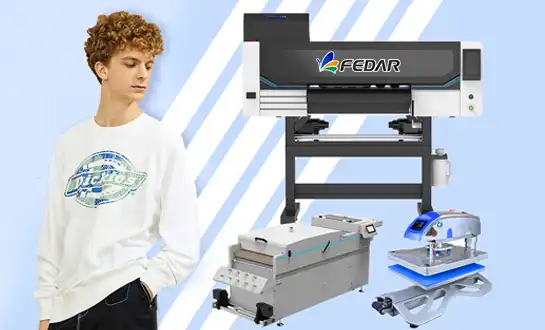
Planning for production ability should guide the choice of tools, not the price at which it is bought. Businesses that handle 50 to 200 transfers every day find that dual-head setups like the FEDAR FD60 give them enough output at an affordable price. The eight-hour production rate in six-pass mode equals about sixty to eighty normal shirt transfers per eight-hour shift, when file preparation and film handling time are taken into account.
When operations need to handle more than 200 transfers per day, quad-head or six-head setups are very helpful because they increase output without taking up more floor room. With four Epson i3200-A1 printheads, the FEDAR FD604 can handle three times as many jobs per hour, or 24㎡/h, or 180 to 220 transfers per shift. Because of this, print shops can take on bigger jobs without having to hire outside help or buy a bunch of smaller tools.
| Model | Printhead Quantity | Max Speed (6-Pass) | Recommended Daily Output | Ideal Business Profile |
|---|---|---|---|---|
| FEDAR FD60 | 2x Epson i3200-A1 | 8㎡/h | 60-80 transfers | Startup companies and small shops are trying to get into the DTF business. |
| FEDAR FD604 | 4x Epson i3200-A1 | 24㎡/h | 180-220 transfers | Well-known print shops and medium-production sites |
| FEDAR FD606 | 6x Epson i3200-A1 | 24㎡/h | 250-300 transfers | Large-scale operations and contract printing services |
Technical Specifications That Matter
Positioning in the market and the ability to set prices are directly affected by resolution. All FEDAR models have a highest resolution of 3200 DPI, which lets you print photos-like images that are good enough for high-end fashion brands and branded goods that need to meet strict quality standards. When fighting for contracts with corporate clients and retail brands that expect color accuracy and fine detail preservation, this standard becomes very important.
The standard ink setup in the printing business is CMYK+W. Cyan, magenta, yellow, and black make up the color spectrum, and white ink makes the opacity layer needed for writing on dark fabrics. Standard five-color systems are enough for 95% of commercial production needs, but some more advanced programs add extra channels for fluorescent colors or varnish layers.
Roll-to-roll feeding methods for a 600mm DTF transfer printer get rid of the problems that come with sheet-fed designs that slow down production. Continuous film feeding lets printing runs go overnight without being watched, making the most of the equipment and speeding up the order fulfillment process. The automatic powder shaking and curing integration gets rid of the need for human steps that slow down work and raise the risk of quality issues associated with a 600mm DTF transfer printer.
Evaluating Manufacturer Credentials
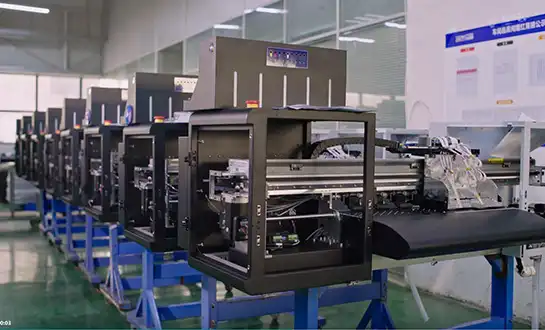
When making purchases, companies that can show that they can produce goods and have quality control systems should be given more weight. Fedar runs a 400-person facility that focuses on developing and making original equipment. There are also research departments that work on improving printhead control algorithms and ink delivery systems. This scale shows how stable the supply chain is and how readily available parts are, which are very important for keeping production running smoothly.
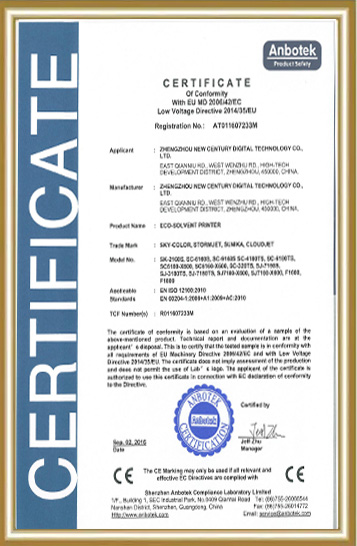
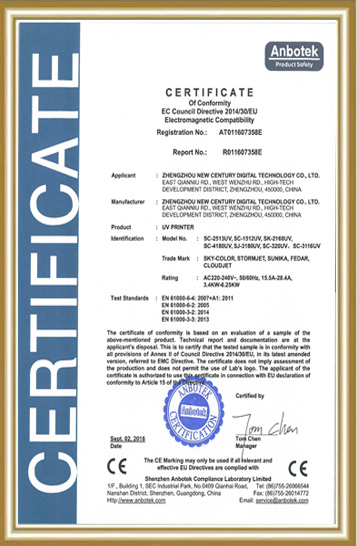
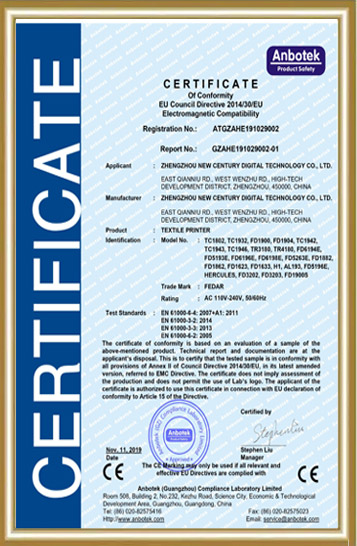
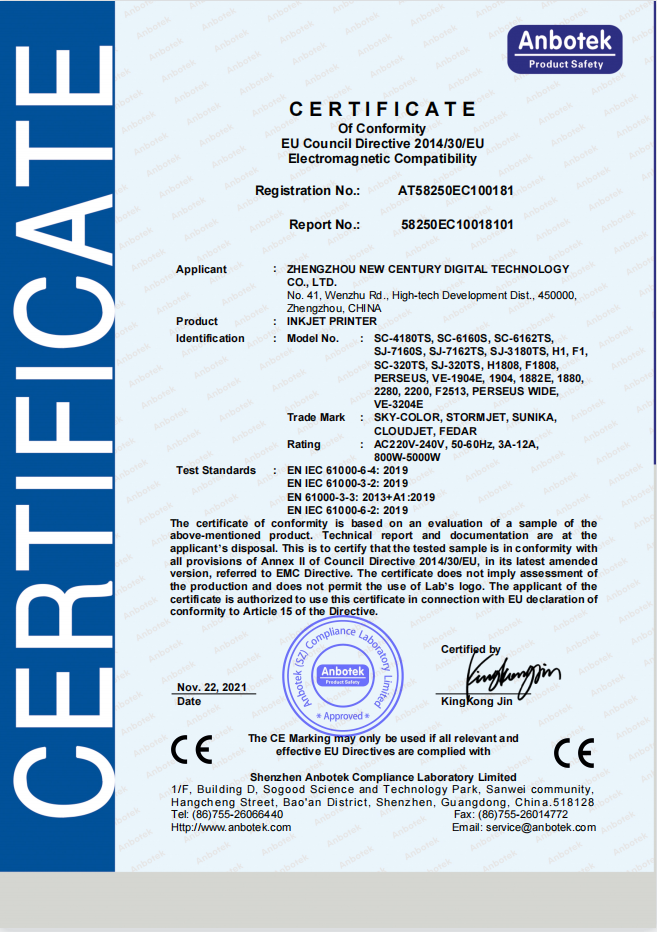
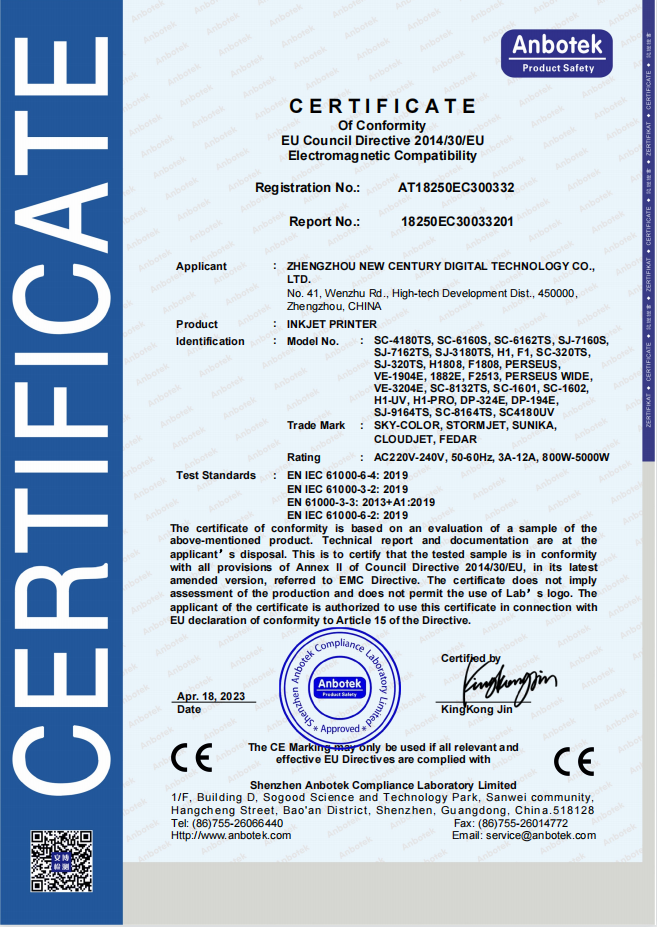
Objective confirmation of manufacturing standards is given by factory licenses and quality control systems. ISO 9001 certification shows that quality processes have been written down, and industry-specific certifications show that electrical safety and electromagnetic compatibility standards have been met, which are needed for global market distribution. Before signing a partnership agreement, buyers should ask for factory audit reports and sample production runs.
Infrastructure for after-sales help decides the real cost of ownership, which goes beyond the initial purchase price. Professional manufacturers are different from equipment resellers in terms of response times, availability of spare parts, technical training programs, and the ability to do diagnostics remotely. Fedar's support team offers technical help in multiple languages and keeps regional service centers running so that problems with production can be fixed quickly.
Best Practices for Operating and Maintaining Your 600mm DTF Transfer Printer
Optimizing Print Settings for Quality and Efficiency
Controlling the environment has a big effect on how consistent prints are and how well transfers stick to them. Keeping the humidity level in the air between 40 and 60% stops static electricity from building up on PET film, which can lead to registration mistakes and print artifacts. Temperature stability between 20°C and 25°C keeps the viscosity of the ink in the best range for making droplets consistently and reproducing colors accurately.
Setting up and calibrating the ICC profile correctly is the first step in color control processes. While generic profiles work fine for basic tasks, custom profiles made from spectrophotometer readings give you the color accuracy you need for brand-matched Pantone copy and consistent repeat orders. The Delta E 2.0 color variation standard tells the business printing industry what kind of work they should produce.
Gang sheet arrangement optimization makes the best use of film and lowers the cost of consumables. Nesting software organizes multiple designs efficiently, leaving as little empty space as possible and using less ink per transfer. Putting high-ink-coverage designs next to outline drawings in a way that balances ink use across the printer width keeps certain nozzle groups from wearing out too quickly.
Preventive Maintenance Schedules
Daily upkeep tasks take about 10 to 15 minutes, but they keep output from stopping, which costs a lot of money. At startup and shutdown, the machine should automatically clean the heads. The capping station should also be checked by hand to remove any ink residue that has built up. The white ink circulation system needs to be visually checked to make sure that the flow keeps going. If the flow stops, titanium dioxide can settle, which quickly leads to nozzle failure.
As part of weekly maintenance, the powder application system is thoroughly cleaned, the curing oven's interior is cleared of any built-up adhesive, and the vacuum pump filters are checked. The powder shaker device needs to be taken apart every so often to keep it from building up and changing the way the powder is distributed. Skipping these steps lowers the quality of the transfer over time and raises the rate of rejection for any 600mm DTF transfer printer.
Print precision is kept up over time with monthly calibration processes. Verifying the alignment of the printhead makes up for the effects of mechanical settling and thermal expansion. Nozzle check patterns find partial blockages before they show up in the output of production, so they can be fixed before they affect customer orders. By writing down these checks, you can make quality assurance records that can be used to keep your ISO certification up to date and for customer audits.
Troubleshooting Common Production Issues
Horizontal bands across prints usually mean that the printer isn't lined up right or that the carriage speed isn't stable. The two-way printing adjustment process fixes any technical flaws and makes sure that the left-to-right and right-to-left passes line up perfectly. Vacuum platform suction proof gets rid of film movement as a cause.
Changes in the visibility of white ink are usually caused by problems with the circulation system or bad ink mixture. Temperature has a big effect on the thickness of white ink. When cold ink is used to print, it makes layers that are see-through and fail wash toughness tests. Most problems with white ink can be fixed before they affect production output by checking the agitation system and keeping an eye on the temperature of the ink.
When powder doesn't stick well, transfers peel off when washed or crack when stretched, and for a 600mm DTF transfer printer, thermal imaging shows that the 150°C setpoint is met across the entire 600mm width during the curing process. When heating isn't even, there are spots where the glue doesn't fully react, making copies that look good at first but don't work when the customer tries to use them.
Procurement Insights: Where and How to Buy 600mm DTF Transfer Printers?
Sourcing from Authorized Manufacturers
Having a direct relationship with a manufacturer has benefits beyond the initial purchase price. Original equipment makers (OEMs) like Fedar can give you detailed information about new products that are coming out, priority access to spare parts when supplies are interrupted, and customization options that you can't get from distributors. When unique production problems come up, the partnership method encourages people to work together to solve them.
Verification of manufacturing credentials keeps fake equipment and changes made without permission from happening. When you visit a 600mm DTF transfer printer factory, you can look at the production facilities, the quality control methods, and the ways that parts are sourced. Video views of factories can be used for remote verification when it's not possible to travel internationally. However, for big investments, it's still best to be evaluated in person.
Authorized dealer networks find a mix between the need for local help and the lower prices offered by manufacturers directly. Established stores keep a collection of parts, offer hands-on training, and have service techs in their areas who can respond faster. Businesses that value minimal downtime over the lowest possible acquisition cost often find that the markup over manufacturer-direct pricing is worth it.
Structuring Purchase Agreements
When negotiating a large order, the total cost of ownership should be talked about instead of just the price of the tools. Bundled consumable supplies at contracted rates, longer warranty coverage, and training programs that come with the equipment all add a lot of value on top of the base price. Flexibility in payment terms helps with managing cash flow during the period of time when sales start to rise after installation.
Performance guarantees set objective standards for acceptance that protect the buyer's interests. If equipment doesn't meet its written capabilities, there are ways to fix it, such as color accuracy standards, specified minimum uptime percentages, and production speed verification. Manufacturers are held responsible for keeping delivery promises when there are penalty terms that pay for missed deadlines.
Agreements on service levels spell out what kind of reaction time is expected and how much help is available. Four-hour emergency response, a technical hotline that can be called at any time, and yearly preventative maintenance visits set clear support parameters. When production deadlines are coming up, and equipment problems put customer relationships at risk, these contractual promises come in very handy.
Planning for Consumables and Accessories
Planning the ink supply chain keeps output from stopping because of a lack of supplies. If you store pigmented DTF inks correctly, they will stay stable for 12 to 18 months, so you can buy a lot of them at a good price without worrying about the quality going down. Because pigments tend to settle, white ink needs to be rotated more often, which is why getting it every three months is better than buying it in bulk once a year.
The choice of film affects both the quality of the copy and the costs of running the business. Premium PET films with better release coats need less heat press pressure and time to apply, which speeds up production and makes the platen last longer. Cost-optimized films work well for basic tasks, but they might need to have parameters changed, which could slow down output.
The specifications for powder adhesive must match the needs of the intended application. Standard hot-melt powders can be used on most garments, but specialty formulas can make performance athletic wear stretchier or industrial clothing that has to go thru harsh washing routines last longer.
Conclusion
Choosing a 600mm DTF transfer printer strategically changes the way medium-sized businesses can decorate textiles in a fundamental way. This balanced format gives you the production capacity to meet the needs of a wide range of markets while keeping your capital investment and operational footprints low. With a 400-person manufacturing facility and a wide range of quality control systems, Fedar's engineering know-how gives print services businesses the reliability they need to succeed. Businesses can take advantage of the huge growth in the custom clothing market by carefully analyzing production needs, thoroughly checking the credentials of manufacturers, and strategically planning their purchases. This way, they can stay ahead of the competition by maintaining high quality and running their operations more efficiently.
FAQ
What fabric types work with DTF transfers?
Almost all heat-safe materials can be used with DTF technology. This includes 100% cotton, polyester, nylon, rayon, and mixed fabrics of any color. The white ink base makes dark materials see-through, and the thin TPU glue layer bends with fabrics that stretch a lot without cracking. DTF transfers work the same way no matter what kind of fiber is used, unlike sublimation, which needs polyester, or DTG, which needs cotton.
How do operating costs compare to screen printing?
Screen printing is cheaper for orders of more than 200 pieces with simple designs, but it's too expensive for short runs and artwork with a lot of colors and complicated shapes. No matter how big or small your order is, 600mm DTF transfer printer production usually costs between $0.80 and $2.50 per transfer. There are no setup fees or color change costs. When work and supplies for screen preparation are taken into account, the break-even point is usually between 50 and 100 pieces per design.
What kind of maintenance does a 600mm DTF printer require?
Every day, maintenance takes 10 to 15 minutes, which includes cleaning the automated head and checking the capping station by hand. As part of the weekly routine, the powder system is cleaned, and the vacuum filter is inspected. These steps take a total of 45 minutes. It takes about two hours to do the monthly calibration and alignment check. With proper care, the printer will last an extra 12 to 24 months, and work won't have to stop for expensive repairs that could have been avoided.
Can DTF printers handle fluorescent or specialty colors?
Fluorescent yellow, pink, green, and orange inks can be used in advanced configurations for high-visibility tasks and on-trend designs. For three-dimensional effects, some systems have spot varnish channels built in. Standard five-color CMYK+W setups meet 95% of business production needs. Specialty colors make things more complicated and require more upkeep, so it's important to do a cost-benefit analysis before using them.
Partner with Fedar for Your 600mm DTF Transfer Printer Needs
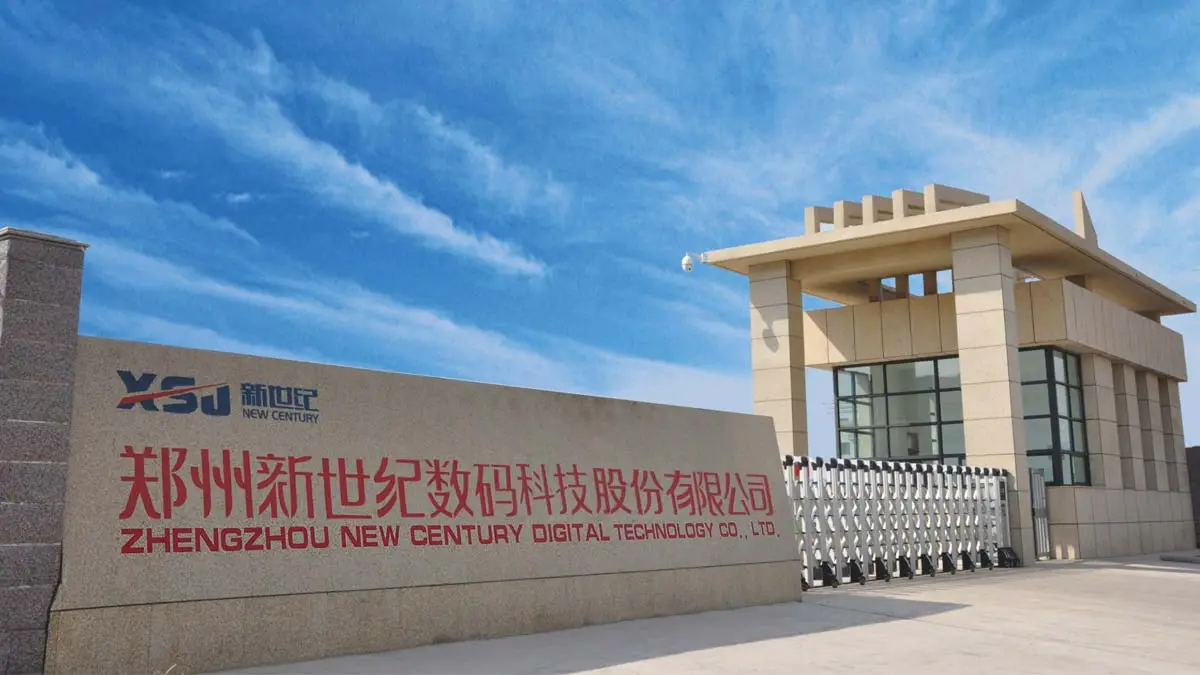
To get the most out of your investment in DTF printing technology, you need a manufacturing partner with both proven engineering skills and a full support network. Fedar is an expert in developing original equipment, and our 400-person production plant has strict quality control that makes sure your business is always reliable. Our technical team offers in-depth application consulting to help you choose the best configuration, whether you're starting a business to decorate textiles or increasing the amount of work you can do. We know how hard it is for print service providers and equipment distributors to stay ahead in markets that are very competitive, so we offer flexible ways to work together that help you reach your growth goals. Get in touch with us at info@tex-printer.com to talk about how our 600mm DTF transfer printer options can help you meet your business needs. As a specialized manufacturer, we offer the technical depth, stable supply chain, and after-sales support that turn an investment in tools into a long-term competitive edge.
References
1. Smith, J., & Anderson, K. (2022). Digital Textile Printing Technologies: Comparative Analysis of DTF, DTG, and Sublimation Systems. Textile Innovation Press.
2. International Textile Manufacturers Federation. (2023). Global Trends in Custom Apparel Production and Direct-to-Film Printing Adoption. ITMF Research Division.
3. Martinez, R. (2021). "Optimizing Direct-to-Film Transfer Processes for Industrial Garment Decoration." Journal of Digital Textile Printing, 15(3), 127-145.
4. Chen, L., & Rodriguez, M. (2023). Equipment Selection Strategies for Medium-Scale Print Service Providers. Commercial Printing Technology Institute.
5. European Digital Printing Association. (2022). Quality Standards and Best Practices for DTF Transfer Production. EDPA Technical Committee Report.
6. Thompson, D. (2023). "Total Cost of Ownership Analysis: Comparing Textile Decoration Technologies for Print Shops." Print Production Management Quarterly, 28(2), 89-106.

Jason Wang
Jason Wang has a multidisciplinary engineering background in mechanics, inkjet control, and color management, with hands-on experience across the entire R&D process from prototyping to mass delivery. Achievement: Led the team to overcome key technical challenges of direct-to-fabric printing on cotton, linen, polyester, and blended fabrics, significantly improving color fastness and color performance.
We Look Forward to Your Email
Please send us product information that interests you, and we will provide you with one-on-one service.
_1778203196111.png)
Recommended Blog
Roll to Roll DTF Printer for High-Volume Textile Production
 Printing is a Great Addition for Your Business_1781507126513.webp)
Why Direct-to-Film(DTF) Printing is a Great Addition for Your Business