How Does a Sublimation Printer Improve Textile Printing Quality?
Understanding Sublimation Printing and Its Impact on Textile Quality
- Understanding Sublimation Printing and Its Impact on Textile Quality
- Key Factors That Enable Sublimation Printers to Enhance Textile Printing Quality
- Comparing Sublimation Printers for Textile Printing: Making the Right Choice
- Practical Applications: How Sublimation Printing Elevates Textile Product Quality
- Procurement Tips for B2B Clients: Ensuring Quality and Value When Buying Sublimation Printers
- Conclusion
- FAQ
- Partner With Fedar for Reliable Sublimation Solutions
- References
When textile manufacturers and printing studios seek to deliver exceptional visual results with lasting durability, they turn to dye sublimation technology. A sublimation printer transforms digital designs into permanent, vibrant images by converting solid dye particles directly into gas under heat, allowing them to penetrate polyester fibers at the molecular level. This process eliminates surface-layer printing issues like cracking or peeling, while delivering continuous-tone photo quality that rivals traditional photographic prints. The ability to produce wash-resistant, full-color graphics on demand makes this technology indispensable for businesses targeting custom apparel, home textiles, and promotional products where quality directly influences customer retention and brand reputation.
Understanding Sublimation Printing and Its Impact on Textile Quality
source: FEDAR PRINRTER
The Core Working Principles
Dye sublimation works by changing phases, so it doesn't even go thru the liquid state. First, precise piezoelectric printheads are used to print special dispersed dyes on covered transfer paper. These colors sublimate (change from solid to gas) when heat and pressure are applied with a heat press. They then chemically bond with polyester molecules or surfaces wrapped with polymers. This molecular integration makes images that are built into the fabric instead of just on top of it. This is one of the main differences between sublimation and other printing methods.
Key Components of Industrial Sublimation Systems
Professional sublimation equipment is made up of several important parts that work together. Industrial-grade printheads, like the Epson i3200-A1, can make droplets of different sizes so that gradients look smooth and fine details can be seen. Thin sublimation printer paper doesn't wrinkle when there is a lot of ink on it because of advanced media handling systems that keep precise tension control. Whether it's an infrared or fan-based drying system, the transfer paper leaves the machine completely dry. This stops any ghosting or ink migration that might happen during storage. When you use color management software that works with ICC profiles, you can be sure that the result will always match brand standards.
Material Compatibility and Limitations
The technology works best on materials that are mostly polyester or have polymer layers on them. Normal sublimation methods don't work with natural fibers like cotton because they don't have the molecular structure needed for dye to bond. This precision isn't a problem for most textile companies that make performance sportswear, advertising textiles, or soft signs, since polyester's ability to wick away moisture and last a long time is a perfect match for sublimation's ability to bond permanently.
Key Factors That Enable Sublimation Printers to Enhance Textile Printing Quality
Exceptional Color Accuracy and Gamut
Because of the way dye diffuses, sublimation printers can get more accurate colors than surface-printing methods. Because the dyes are woven into the threads instead of just sitting on top, the colors look brighter and richer. The color range that can be reproduced is greatly increased by advanced models that support 8-color or CMYK+4 setups. These models can capture fluorescent colors and fine skin tones that are important for fashion applications. Delta E consistency, which measures how much color changes over long runs, stays tight as long as operators follow the right procedures for maintaining the ink chemistry and printheads.
High Durability and Wash Resistance
Sublimated fabrics last a very long time even after being washed many times and being exposed to UV light. According to ISO 105 testing, the color fades very little after 50+ industrial wash cycles, which is much better than what you'd get with plastisol or direct-to-garment methods. Since there isn't a surface print layer, there's nothing that can crack, peel, or separate when the material is bent or worn down. This durability directly leads to fewer warranty claims and happier customers, both of which are important for distributors and resellers who want to build long-term relationships with clients.
Sharp Print Resolution Supporting Intricate Patterns
Modern industrial sublimation printer models can reach levels of up to 3200 DPI, making it possible to print picture detail, microtext, and complex vector art very clearly. Variable droplet technology makes sure that color changes are smooth and there are no obvious bands. Precise media tracking keeps wide-format prints from distorting. This feature lets you make money in high-margin areas like custom interior decor and branded promotional textiles, where how something looks affects the decision to buy it.
Consistent Replicability for Mass Production
Manufacturers who work in shifts need to be able to measure output accuracy in thousands of linear meters. This repeatability is made possible by stable ink formulations, automatic color calibration, and strong mechanical systems that don't drift. Monitoring the health of the nozzle stops the quality from slowly getting worse in less advanced systems. This makes sure that the 10,000th print is the same as the first, which is a must when fulfilling big business orders or retail contracts.
Comparing Sublimation Printers for Textile Printing: Making the Right Choice
Technology Comparison: Sublimation vs. Alternative Methods
When compared to direct-to-garment inkjet methods, sublimation printers give better wash stability and cloth hand-feel because it doesn't leave behind any polymer binder. Sublimation vinyl doesn't have the thick, sticky feel of traditional heat transfer vinyl, and it can print full-color photos that can't be done with cut vinyl. Screen printing is still a good option for solid-color, high-volume runs, but sublimation is better for short runs and custom orders because it doesn't cost anything to set up. This is a growing market segment that is being driven by personalization trends in e-commerce.
Evaluating Leading Manufacturers
Well-known companies like Sawgrass focus on simple methods that come with their own special inks that are made to keep the colors true. Epson's industrial line-up uses decades of printer development to offer high-frequency piezo technology that has been shown to last. Ricoh makes wide-carriage models with print widths of more than four meters for large-format soft signage. When choosing suppliers, procurement professionals should give more weight to brands that offer detailed technical documentation, easy access to consumables thru a variety of channels, and responsive field service networks that can keep downtime to a minimum.
Matching Printer Models to Business Scale
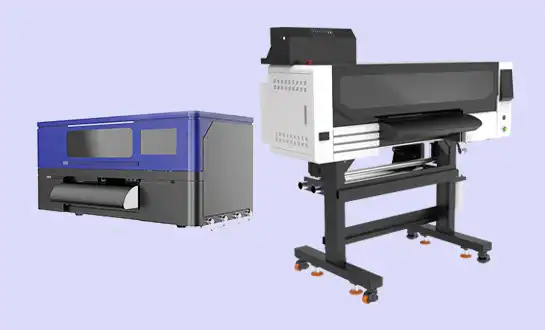
Small dual-head setups like the FEDAR FD1900 are good for startup companies and online sellers because they balance 70㎡/h throughput with easy access to capital. When mid-sized printing factories switch from screen printing to offset printing, eight-head models like the FD6198E, which can print at 370㎡/h and handle both CMYK and expanded color sets, give them the best return on investment. Large textile companies that make clothes or home decor need ultra-wide models like the FD7428E, which prints at 440㎡/h across 4200mm lengths and makes it easy to make bedroom sets and wide-format curtain fabrics.
The following table compares key technical specifications across different production scale requirements:
| Model | Printhead Quantity | Print Width | Max Speed CMYK | Ideal Application |
|---|---|---|---|---|
| FEDAR FD1900 | 2 | 1900 mm | 70㎡/h (3pass) | New businesses, small workshops, and sampling |
| FEDAR FD5194E | 4 | 1900 mm | 180㎡/h (2pass) | Businesses that are growing and regional distributors |
| FEDAR FD6198E-A | 8 | 1900 mm | 610㎡/h (1pass) | Medium-sized production and a wide range of products |
| FEDAR FD5328E | 8 | 3200mm | 420㎡/h (1 pass) | Home textiles and large-format soft signs |
| FEDAR FD7428E | 8 | 4200mm | 440㎡/h (1pass) | Making textiles on an industrial scale |
Maintenance and Troubleshooting for Sustained Quality
Print quality that stays the same depends on preventive maintenance plans that check the health of the printhead, the integrity of the ink system, and the environment. Clogs are found before they cause banding by using automated test patterns to check the nozzles every day. Ink doesn't build up if you clean the printhead once a week with products recommended by the maker. Controlling the humidity between 40 and 60% stops problems with static electricity that affect the accuracy of media tracking. Building relationships with suppliers that can quickly ship replacement parts and offer remote diagnostic support helps keep production from stopping, which can hurt customer confidence and cause orders to be late.
Practical Applications: How Sublimation Printing Elevates Textile Product Quality
High-Performance Sportswear and Activewear
Manufacturers of athletic wear take advantage of sublimation printers and their ability to make fabrics breathe better. This is because the dyes are absorbed by the fibers, leaving the pores of the fabric unblocked and maintaining its ability to wick away moisture. Custom cycle shirts, team outfits, and yoga clothes have bright prints that can't be done with screen printing because of its limited color range. The permanent bonding can handle chlorine in swimwear and wear and tear in high-friction areas like the inner legs and underarms. This cuts down on guarantee returns that put pressure on dealer relationships.
Home Textiles and Interior Décor
The residential furniture industry wants more and more customizable, on-trend designs that can be made quickly. With sublimation, custom curtains, throw pillows, and bedding sets can be made in small batches because they don't have to be prepared for the screen, which is an expensive process that makes standard dyeing too expensive for runs below 500 units. Designers send artwork straight to production, which cuts the time it takes to make something from months to days. The lightfastness of good sublimation inks makes sure that window treatments keep their color even after years of being in the sun. This means that clients in both hospitality and private settings don't have to change them as often and save money overall.
Advertising Signage and Promotional Products
Soft advertising, like tension fabric displays, retractable banners, and trade show graphics, is a high-margin area where the photo-quality output of sublimation gets high prices. For temporary installations, sublimated fabric graphics are better than rigid substrates because they can hold more color, don't wrinkle, and are easier to move around. Promotional product distributors offer more than just blank goods. They can make custom smartphone cases, luggage tags, and mouse pads with full-color photos that make the products seem more valuable and allow for higher unit prices.
Procurement Tips for B2B Clients: Ensuring Quality and Value When Buying Sublimation Printers
Total Cost of Ownership Analysis
Smart buyers look at more than just the price of the house. They also look at how much energy the sublimation printer uses and how much time it saves on work. Costs for ink usually make up 20 to 30 percent of running costs. If you buy in bulk, you can get 15 to 25 percent off the price per liter. The life of the printhead has a direct effect on how much money the business makes. Epson i3200-A1 heads in well-maintained systems typically work nonstop for 12 to 18 months. To figure out payback times, you have to compare the increase in flow to the current costs of outsourcing or the limits on revenue growth caused by limited capacity.
Here's a comparison of operational parameters across different FEDAR models to aid procurement decisions:
| Technical Parameter | FD6198E Series | FD5328E | FD7428E |
|---|---|---|---|
| Max Resolution | 3200 dpi | 360 to 1200 DPI | 3200 dpi |
| Color Configuration | CMYK or CMYK+4 | CMYK | CMYK |
| Media Compatibility | Polyester fabrics and materials that are coated | Fabrics with a wide shape | Ultra-wide fabrics and furniture for the home |
| Production Environment | Multiple-product companies and local factories | Personalized soft signs and home textiles | Industrial-scale clothing and mass production |
| Service Accessibility | Standard stock of extra parts | Standard stock of extra parts | Level of priority service |
Supplier Reliability and Certification
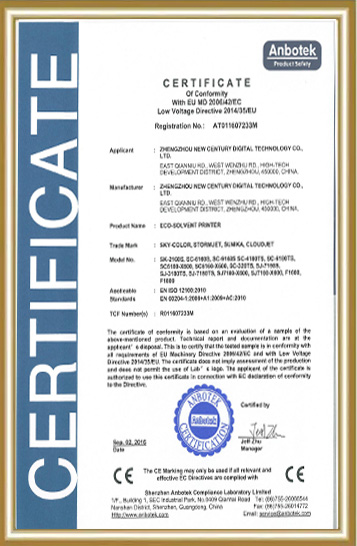
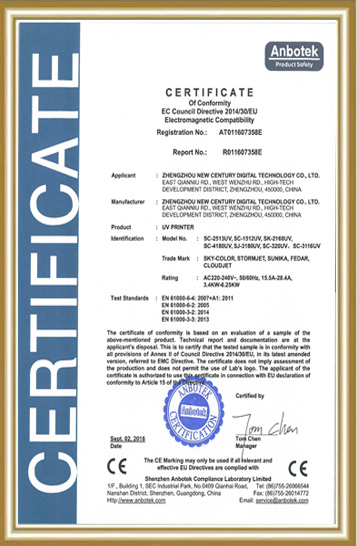
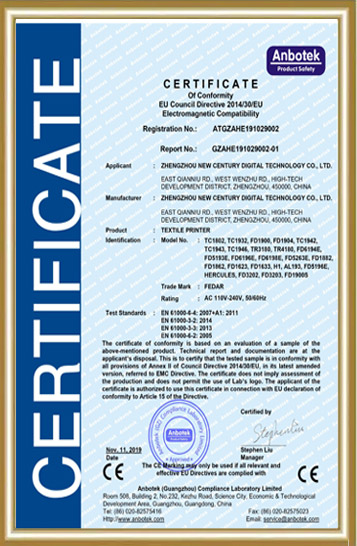
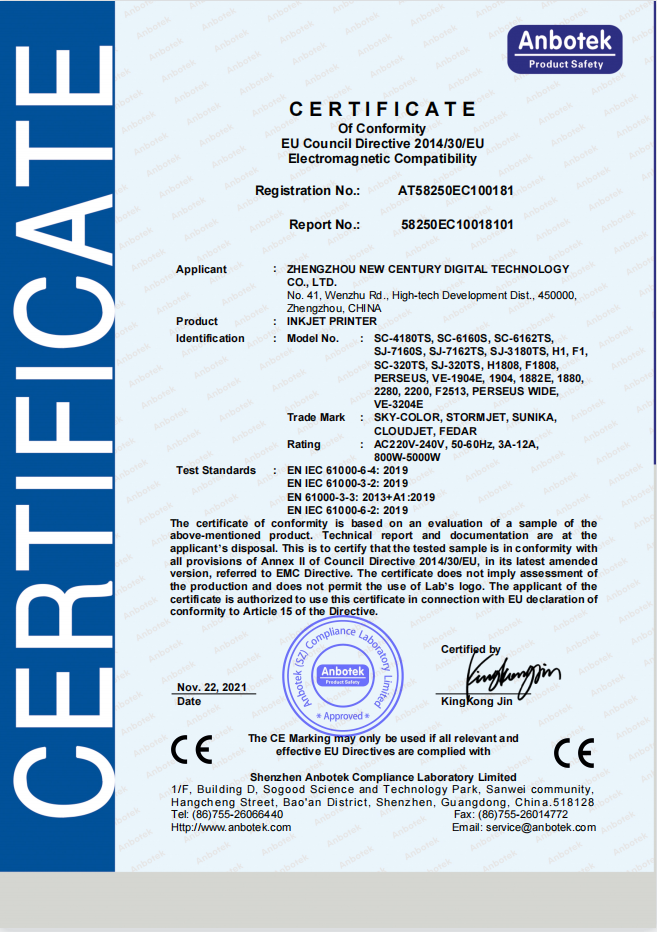
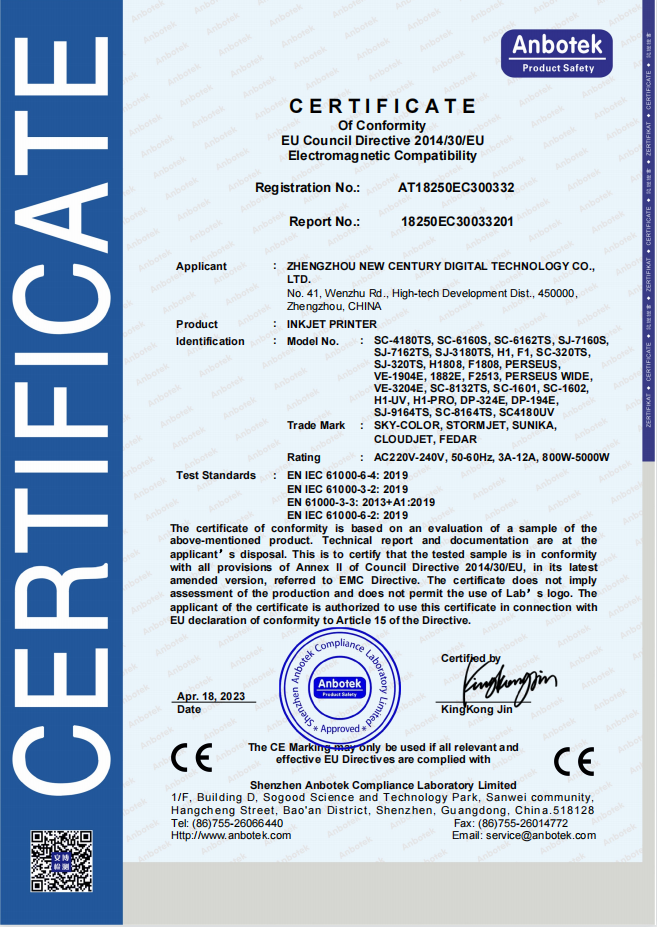
Quality management systems can be trusted if you work with manufacturers who have ISO 9001 certification and offer open factory audits. Suppliers who keep large stocks of spare parts and offer expert training programs that cut down on field service calls are good for agents and wholesalers. By looking at a possible partner's customer reference list and especially asking for feedback from companies that work in similar vertical markets, you can find trends in how responsive they are after the sale and how well they solve problems that affect long-term satisfaction.
Warranty Terms and After-Sales Support Architecture
A full warranty that covers more than just replacing the printhead protects against unexpected costs for things like motors, electronic controls, and structural parts during the early stages of production, which are very important. Support infrastructure is just as important as guarantee terms. Manufacturers that offer online tests, video troubleshooting sessions, and advance replacement programs 24 hours a day, seven days a week keep downtime costs to a minimum. When wholesalers have to serve customers in more than one time zone, suppliers with regional service centers cut response times from days to hours. This helps keep customer relationships when there are tight production deadlines.
Conclusion
Investing in a good sublimation printer completely changes how textiles are printed by giving colors more life, making them last longer after being washed, and improving the beauty of continuous-tone photos. Molecular bonding gets rid of common failure modes like cracking and peeling and lets production happen on demand, so it can quickly adapt to changes in the market. To do good procurement, you need to look at more than just the acquisition price. You should also look at the total ownership costs, supplier certifications, and after-sales support infrastructure. As the need for customization grows in the promotional, home decor, and clothing industries, companies that have reliable sublimation systems have quality, speed, and profit advantages over their competitors.
FAQ
Why does sublimation offer superior colorfastness compared to other printing methods?
The molecules of the dye chemically bond with the polyester fibers at the molecular level instead of coating the fibers' surface. Because of this combination, there is no layer that can be worn away by washing or UV light. This means that, according to ISO 105 testing standards, colors stay bright thru 50+ industrial wash cycles.
What maintenance routines are essential for consistent print quality?
Every day, machines check the nozzles for clogs before they cause banding that can be seen. Ink doesn't build up if you clean the printhead once a week with products recommended by the maker. Color accuracy stays within Delta E standards with monthly calibration. Controls for the environment that keep the humidity between 40 and 60% stop static problems that affect the accuracy of media tracking.
Can sublimation printers work with cotton fabrics?
For standard sublimation chemistry to work, the polyester content must be higher than 65%. This is because natural cotton fibers don't have the right chemical structure for dye to stick to them. Some specialized polymer spray treatments can make sublimation possible on cotton blends, but the performance is still not as good as it is on pure polyester substrates when it comes to wash durability and color vibrancy.
Partner With Fedar for Reliable Sublimation Solutions
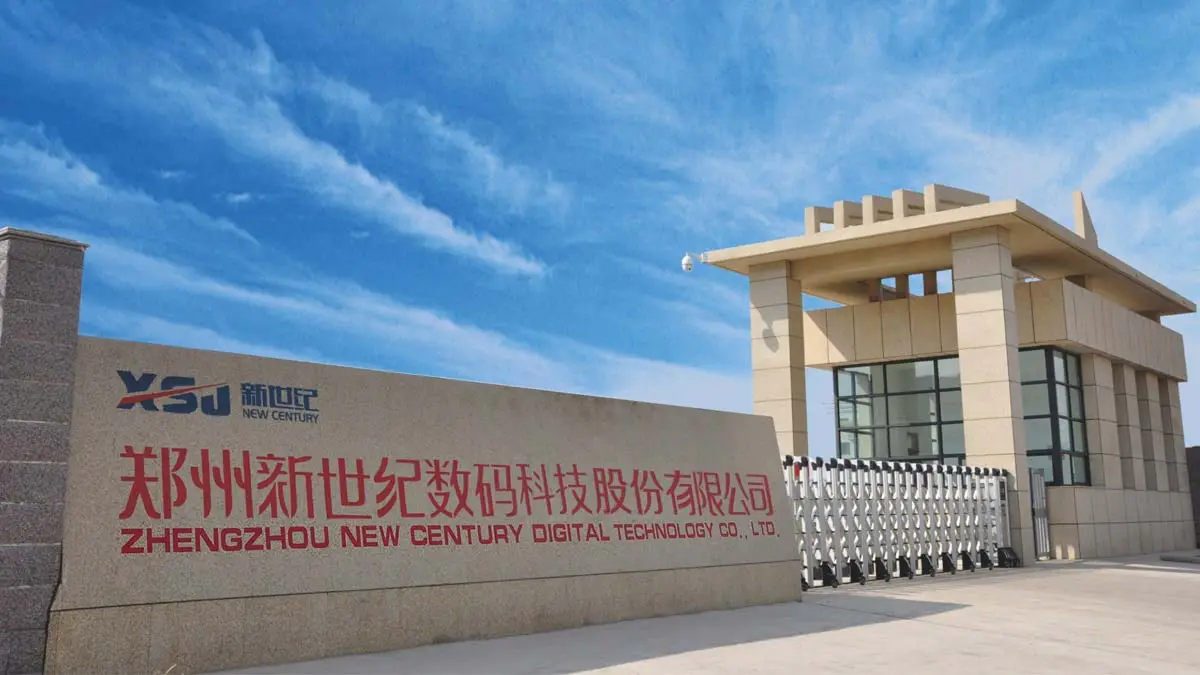
Distributors and printing companies looking for a trusted sublimation printer maker will find that Fedar's 400-person plant has the production scale and quality stability that markets need. Our engineering team focuses on original research and development, making sure that all of our systems, from the small FD1900 to the large FD7428E, use stable Epson i3200-A1 printhead technology and precise media handling to get the same results every time. We keep large stocks of extra parts and offer technical training programs in multiple languages so that your service teams can quickly fix problems and keep your customer relationships safe. Our flexible ways of working together can work for both new studios and factories that want to start distributing their products. Email our team at info@tex-printer.com to talk about unique setups, set up equipment demos, or ask for sample prints that show your clients the quality they expect. You can find more scientific information that will help you make an informed buying choice at blog.tex-printer.com.
References
1. Chen, W., & Roberts, M. (2021). Advances in Digital Textile Printing Technologies. Textile Research Journal, 91(15-16), 1823-1841.
2. Industrial Fabric Association International. (2022). Sublimation Printing: Technical Standards and Best Practices. IFAI Technical Guide Series.
3. Patel, R., & Zhao, L. (2020). Durability Assessment of Dye Sublimation Prints on Polyester Fabrics. Journal of Applied Polymer Science, 137(28), 48876.
4. Thompson, J. (2023). Color Management in Industrial Sublimation Systems. Color Technology Quarterly, 38(2), 112-128.
5. United States Environmental Protection Agency. (2021). Sustainable Textile Printing: Environmental Impact Analysis. EPA Publication 744-R-21-003.
6. Wilson, K., & Anderson, P. (2022). Economic Analysis of Digital Textile Printing Technologies. International Journal of Fashion Technology and Textile Engineering, 10(1), 45-62.

Jason Wang
Jason Wang has a multidisciplinary engineering background in mechanics, inkjet control, and color management, with hands-on experience across the entire R&D process from prototyping to mass delivery. Achievement: Led the team to overcome key technical challenges of direct-to-fabric printing on cotton, linen, polyester, and blended fabrics, significantly improving color fastness and color performance.
We Look Forward to Your Email
Please send us product information that interests you, and we will provide you with one-on-one service.
_1778203196111.png)
Recommended Blog
Why the 60cm DTF Printer Is the Best Choice for Small-Batch T-Shirt Printing
_1783412819689.webp)

What are the maintenance requirements for direct to film printer?
 Printing is a Great Addition for Your Business_1781507126513.webp)
Why Direct-to-Film(DTF) Printing is a Great Addition for Your Business