How Does a 60cm DTF Printer Adapt to Various Fabric Materials?
Understanding DTF Printing Technology and How It Handles Different Fabrics
- Understanding DTF Printing Technology and How It Handles Different Fabrics
- How a 60cm DTF Printer Compares to Other Fabric Decoration Methods?
- Key Factors That Enable Industrial DTF Equipment to Adapt Across Substrates
- Fedar FD60 Series: Specification-Driven Performance Across Fabric Types
- Maintenance Practices That Protect Print Quality Across Fabric Types
- Procurement Considerations for Multi-Fabric DTF Applications
- Conclusion
- FAQ
- Ready to Scale Your Fabric Printing Operation with Fedar?
- References
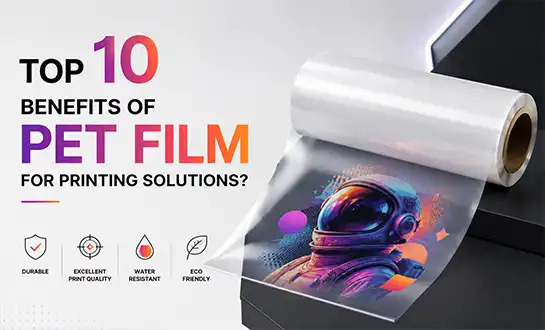
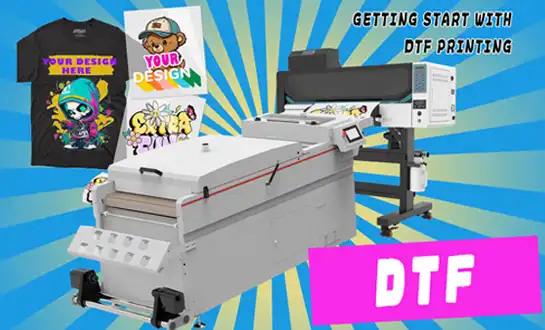
A 60cm DTF printer adapts to various fabric materials through a transfer-based process that bypasses direct fabric contact entirely. It prints CMYK and white inks onto a PET film, binds hot-melt adhesive powder onto the wet ink layer, then cures the assembly before heat-pressing the finished transfer onto fabric. This indirect method means the printer itself never touches the textile, making it inherently compatible with cotton, polyester, nylon, denim, canvas, and blended fabrics. The adhesive layer acts as a universal bonding agent, locking vibrant, high-resolution graphics onto virtually any woven or knitted substrate without pre-treatment.
Understanding DTF Printing Technology and How It Handles Different Fabrics
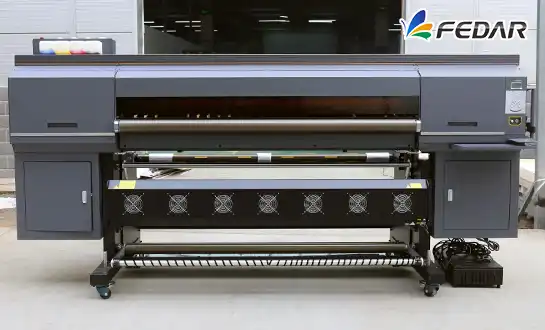
source: FEDAR PRINRTER
The Multi-Step Transfer Process That Unlocks Material Flexibility
The main reason a 60cm DTF printer can work with so many different types of materials is how it is built. The ink is put on PET film instead of fabric, so the print area is the same no matter what kind of cloth is below it. When the transfer is heated and pressed onto the target fabric, the hot-melt glue flows into the fibers and forms a mechanical bond. Polyester and nylon fibers can use the heat bond without having to be treated with chemicals first, while cotton fibers easily soak up the glue. Even performance fabrics that are stretchy and wick away moisture still keep their transfer integrity after being washed, usually at Level 4 according to ISO 105-C06 standards.
How White Ink Circulation Solves the Dark Fabric Challenge
In the past, digital art has had trouble printing on dark fabrics. DTF printing fixes this by adding a layer of white ink below the CMYK colors. This makes a base that is solid before the colors are added. Industrial-grade units come with a white ink circulation system that keeps the white pigment moving through the ink lines. This stops sedimentation, which can block nozzles and lower color density. This underbase makes sure that the final colors stay true to life and saturated on dark polyester athletic wear or dark cotton hoodies, without the opacity loss that happens with DTG printing on dark clothes that haven't been treated.
How a 60cm DTF Printer Compares to Other Fabric Decoration Methods?
When purchasing managers look at decoration technology, they need a clear picture of how each method performs. The following table shows how direct-to-film printing stacks up against screen printing and direct-to-garment printing.
| Criteria | Screen Printing | DTG Printing | 60cm DTF Printing |
|---|---|---|---|
| Fabric Compatibility | Cotton-focused | Cotton-focused | Cotton, polyester, nylon, and mixes |
| Pre-treatment Required | Yes (screens) | Yes (on dark clothes) | No |
| Minimum Order Quantity | High | Low | Low to high |
| White Ink on Dark Fabrics | Yes | Limited | Yes (circulation system) |
| Wash Fastness | Very good | Moderate | High (ISO 105-C06 Level 4) |
| Setup Time | Long | Short | Short |
When it comes to strategy, DTF printing is a good fit for companies that use a variety of fabrics. When you use Screen printing, you have to use cotton-based workflows and place large orders. Polyester and dark fabrics are hard for DTG to pre-treat consistently. All of these material types can be processed by a 60cm DTF printer in a single, continuous workflow. This is a practical benefit that directly lowers the amount of work that needs to be done and the complexity of production.
A 60cm format doubles the film utilization area per pass compared to a 30cm desktop unit. This makes printing multiple transfer designs in a single pass much more cost-effective. Because of this, the 60cm DTF printer is the standard for studios and factories that want to go beyond sample-level output.
Key Factors That Enable Industrial DTF Equipment to Adapt Across Substrates
A skilled DTF system's ability to change to different types of fabric is not by chance; it is made possible by a number of technical parts that work together. This is a list of the main chemical and mechanical factors that make substrates flexible:
- Variable dot ink technology with CMYK+W configuration: Epson i3200-A1 printheads can precisely place variable dots at up to 3200 DPI, making sure that color changes are smooth on both smooth and textured fabric surfaces. The white channel works on its own, so the underbase density can be changed for each job without changing the CMYK settings.
- Auto powder shaking and curing integration: For effective bonding on a variety of materials, the adhesive must cover the whole film surface evenly. Automated powder application and drying units get rid of the chance of mistakes made by humans that lead to uneven bonding, which is a major reason why stretch fabrics and synthetic blends peel.
- Roll-to-roll feeding with constant tension control: A roll-to-roll feeding system with high-precision linear guides and constant tension control keeps the film flat during continuous production. Even during 24-hour runs, color registration accuracy stays within ±0.01mm, which is very important when making copies for rigid clothing where alignment is important.
All of these engineering choices make the range of substrates that can be used much wider than what screen printing or basic heat transfer vinyl can handle. Because of this, the production process can switch from making cotton T-shirts in the morning to making polyester sportswear in the afternoon without having to change how the machines are set up.
Fedar FD60 Series: Specification-Driven Performance Across Fabric Types
The FD60 series was made by Fedar, a 400-person factory with focused R&D and strict quality control, for companies that need cloth flexibility on an industrial scale. The line-up increases the amount of output without changing the print width or the design of the core.
| Model | Printheads | Print Width | Max Resolution | Max Speed (6 Pass) |
|---|---|---|---|---|
| FEDAR FD60 | 2 × Epson i3200-A1 | 600mm | 3200 DPI | 8 ㎡/h |
| FEDAR FD604 | 4 × Epson i3200-A1 | 600mm | 3200 DPI | 24 ㎡/h |
| FEDAR FD606 | 6 × Epson i3200-A1 | 600mm | 3200 DPI | 24 ㎡/h |
The FD60 is the first step for companies moving away from manual methods with a 60cm DTF printer. It has a small industrial footprint that strikes a good balance between output and floor space. With four printheads, the FD604 quadruples throughput, making it the best choice for medium-sized factories that need to handle high volumes of production every day across a range of fabrics. The white ink circulation design, auto powder shaking, and roll-to-roll feeding system are all the same across all three types. This means that fabric compatibility is the same no matter which unit you choose.
Maintenance Practices That Protect Print Quality Across Fabric Types
Structured maintenance discipline is needed to keep output consistent across a wide range of fabric jobs. At the start of each production shift, nozzle checks should be done. The white ink channels should get extra attention because pigment-heavy white formulations are more likely to settle. To keep the media from warping, the film tension settings need to be reset every time the film width or roll weight changes.
The choice of what to consume is just as important. OEKO-TEX-approved inks and hot-melt adhesive powders made for textile use are chemically compatible with a wide range of fabric finishes, such as those that keep water out and put out fires, which are common in workwear. The main reason why synthetic substrates don't stick well to a high-resolution 60cm DTF printer is that non-spec consumables are used.
Procurement Considerations for Multi-Fabric DTF Applications
The total cost of ownership for a 60cm DTF printer in a multi-fabric production setting is much higher than the buying price. Customers' trust in your business is directly linked to how quickly you respond to issues after the sale. Fedar helps clients all over the world by having a specialized technology team, making spare parts available, and using cross-border service methods that keep downtime to a minimum.
When you are looking at tools for an agent or to sell, factory standards and sample help that can be repeated are important. Fedar gives partners sample kits and technical training materials. This gives your sales team real proof that they can convert end customers.
Conclusion
In conclusion, a well-designed 60cm DTF printer can work with cotton, polyester, nylon, blends, and specialty fabrics all in the same way, without the need for pre-treatment or machine swaps for each type of fabric. With Epson i3200-A1 printheads, white ink circulation, auto powder curing, and roll-to-roll feeds in a small industrial form factor, the Fedar FD60 line gives you this range of options. For purchasing managers and wholesalers who are building a decoration business that can grow, the engineering choices that went into this platform directly mean lower labor costs, more substrate coverage, and solid wash durability across all of your fabric types.
FAQ
Can a DTF transfer be applied to waterproof or treated performance fabrics?
Yes, but there is a big catch. Standard hot-melt glue powders stick well to most performance fabrics, but surfaces that are heavily coated or treated with DWR may need higher press temperatures or longer rest times to fully stick. Before committing to production volume, it is strongly suggested that the AATCC 8/166 crocking protocol be used for a wash test on a sample transfer.
How many washes can a DTF print survive on polyester?
According to ISO 105-C06 Level 4 standards, DTF transfers on polyester can usually go through 40 to 50 wash cycles without showing any signs of wear and tear if they are placed properly using a measured heat press. The weather, type, and treatment of clothes, inside out, all affect how long they last.
Does the FD604 require a separate curing unit?
An automatic powder shaking and curing module is built into the FD604 as a normal feature, so there is no need for an additional oven. The curing unit is timed to the print cycle so that the powder melt temperature stays the same during long runs.
What fabric widths does the 600mm print width accommodate?
The 600mm print width can handle transfer printing on clothes that are up to 24 inches wide in a single pass. This includes T-shirts, hoodies, and athletic jackets, among other types of adult clothing.
Ready to Scale Your Fabric Printing Operation with Fedar?
With Fedar's FD60 series, you can buy a 60cm DTF printer for sale that has been tested and is backed by the company. It can handle all of your fabric types, from basic cotton to high-performance synthetics. Fedar has a 400-person R&D and manufacturing team that makes sure they have reliable equipment, samples that can be used again, and quick technical support that agents and distributors all over the U.S. market can count on. To get a sample kit and custom B2B prices, email our team at info@tex-printer.com or visit blog.tex-printer.com.
References
1. Choudhury, A. K. R. Principles of Textile Finishing. Woodhead Publishing, 2017.
2. Ujiie, H. (Ed.). Digital Printing of Textiles. Woodhead Publishing, 2006.
3. AATCC. AATCC Test Method 8: Colorfastness to Crocking. American Association of Textile Chemists and Colorists, 2022.
4. ISO. ISO 105-C06: Textiles — Tests for Colour Fastness — Colour Fastness to Domestic and Commercial Laundering. International Organization for Standardization, 2010.
5. Kan, C. W., & Yuen, C. W. M. "Digital ink-jet printing on textiles." Textile Progress, Vol. 45, No. 3, Taylor & Francis, 2013.
6. Provost, J. R. "Advances in heat transfer and adhesive bonding for textile decoration applications." Journal of Coated Fabrics, Vol. 38, No. 2, SAGE Publications, 2008.

Kevin Zhang
Kevin Zhang is a senior R&D engineer in the digital textile printing field, focusing on the innovation and industrialization of digital printing equipment, direct-to-fabric processes, and application solutions. Achievement: Led the in-house development and mass production of multiple textile printers and direct-to-garment printers, driving their large-scale adoption in textile, advertising, home decor, and customized markets.
We Look Forward to Your Email
Please send us product information that interests you, and we will provide you with one-on-one service.
_1778203196111.png)
Recommended Blog
Is a 24 Inch DTF Printer Suitable for High-Volume Apparel Orders?
Exploring What Is DTF Transfer: A Comprehensive Guide to Direct-to-Film Printing
A3 DTF Printer vs A4 DTF Printer, Which is Right for Business
Comparision Between Direct-to-Film (DTF) Printing & Sublimation Printing
Dye Sublimation Printer Sublimation Transfer Printer: 5 Things to Know for 2026