Direct to Film Printer Enables Fast Custom T-Shirt and Sportswear Printing
Direct to Film Printer Enables Fast Custom T-Shirt and Sportswear Printing
What Is a Direct to Film Printer and How Does It Work?
- What Is a Direct to Film Printer and How Does It Work?
- Benefits of Using DTF Printing for Custom Apparel
- Fedar DTF Printer Models: Specifications at a Glance
- Comparing DTF with Other Printing Methods for Procurement Decisions
- How to Maintain Your DTF Printer for Long-Term ROI?
- Procurement Guide: Buying a DTF Printer for Your Business
- Conclusion
- FAQ
- Start Your DTF Business with Fedar — Request a Quote Today
- References
If you run a garment decoration business or manage procurement for an apparel factory, you already know how competitive the custom printing market has become. A direct to film printer gives you a measurable edge — faster turnaround, lower entry cost, and the ability to print on virtually any fabric without pre-treatment. Whether you are fulfilling small e-commerce orders or scaling batch production, DTF technology fits the workflow. This guide walks you through everything you need to know, from how the technology works to how Fedar's equipment can help you grow.
What Is a Direct to Film Printer and How Does It Work?
source: FEDAR PRINRTER
The Core Process Explained
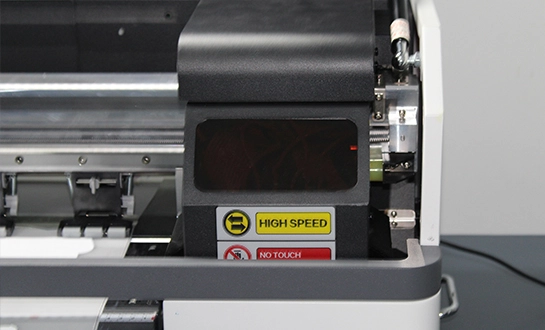
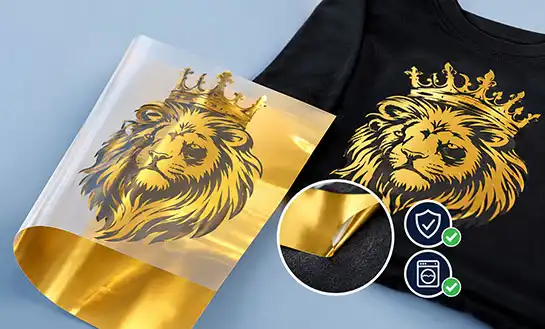
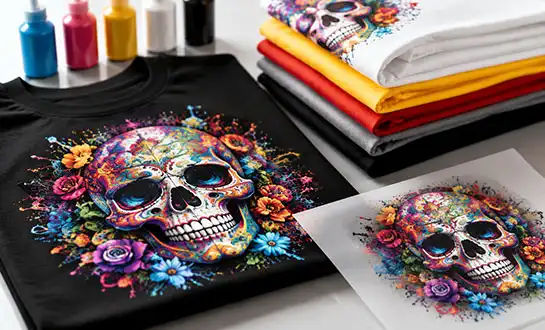
Colored CMYK+White ink is put on a clear PET film by a direct to film printer. Then, TPU sticky powder is added to the wet ink, and it is cured in a shaker-dryer unit at 110–150°C. Finally, a heat press is used to transfer the design to the clothing. This makes a bright, stretchy print that sticks to cotton, polyester, nylon, and even treated leather, even if the cloth hasn't been treated first.
How DTF Compares to Other Methods
There are a lot of people who want to know how DTF compares to screen printing, DTG, and sublimation. Setting up screen printing costs a lot, and you need to buy a lot of it at once. DTG needs to be treated first on dark fabrics and has trouble with synthetic blends. Sublimation can only stick to fabric that is 100% polyester. DTF gets around all three of these problems. It can handle complex gradients on any color of fabric without setup screens or a minimum order quantity. This is a big benefit for both on-demand studios and mid-size factories.
Benefits of Using DTF Printing for Custom Apparel
Priority Research (2024) says that the US clothing decoration market was worth more than $3.9 billion in 2023. Custom sportswear and T-shirts led a big part of the growth. That chance is quickly taken advantage of by a direct to film printer.
For B2B buyers, these are the main reasons why DTF is a good investment:
- No pre-treatment required: Unlike DTG printing, DTF doesn't need any pre-treatment. This cuts the time needed to work on each garment by about 30–40% in small-batch workflows.
- High stretch tolerance: It's possible for DTF to move flex to performance fabrics, which makes them perfect for sportswear, compression clothes, and moisture-wicking jerseys where vinyl or rigid plastisol would crack.
- Wide ink compatibility: The CMYK+White ink system can print brand-accurate colors on both light and dark substrates, and it can withstand washing at Level 4 on the ISO 105-C06 scale.
- Low minimum order quantity: Print-on-demand delivery is possible because there are no setup fees for the screens and no minimum runs.
Because of these benefits, production costs go down, and profit margins go up per order. This is especially true for shops that are switching from manual screen printing to digital processes.
Fedar DTF Printer Models: Specifications at a Glance
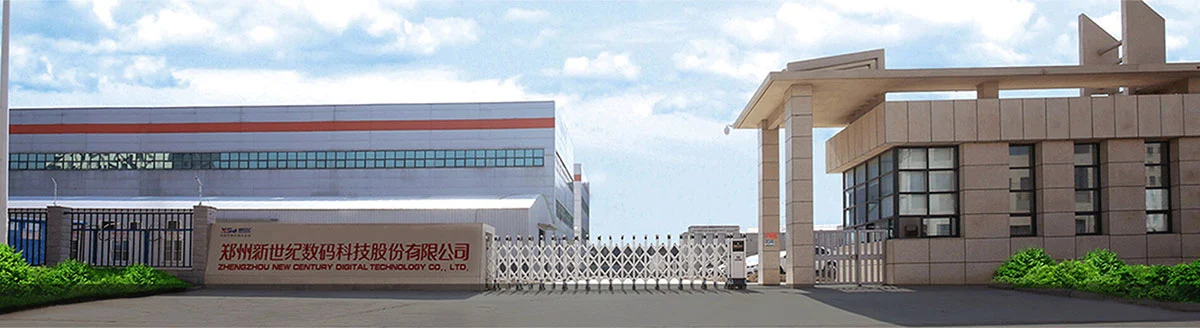
Fedar makes equipment in a building with 400 workers that is dedicated to research and development and has strict quality control rules. Two small direct to film printer models are made for custom clothing businesses that want to get into or grow in the market.
| Specification | FD-D300 | FD-D302 |
|---|---|---|
| Printhead Quantity | 1 | 2 |
| Printhead Model | Epson F1080-A1 | Epson F1080-A1 |
| Print Width | 300 mm | 300 mm |
| Print Colors | CMYK+W | CMYK+W |
| Max Resolution | 1600 DPI | 1600 DPI |
| Max Speed (A3) | 10 pieces per hour | 31 pieces per hour |
| Max Speed (A4) | 20 sheets/hr | 62 sheets/hr |
Both models produce industrial-grade results on a desktop, which makes them perfect for studios with limited floor space, sample shops, and shops that only make a few items at a time.
Comparing DTF with Other Printing Methods for Procurement Decisions
Picking the right technology relies on how much you want to make, what kinds of substrates you want to use, and your profit goals. A direct to film printer occupies a middle ground that is very appealing. The table below can be used as a guide:
| Method | Setup Cost | Fabric Range | Min. Order | Wash Durability |
|---|---|---|---|---|
| DTF | Low | All fabrics | None | High (ISO Level 4) |
| Screen Printing | Very High | Limited | Very High | Very High |
| DTG | Medium | Heavy Cotton | None | Medium |
| Sublimation | Medium | Polyester only | None | High |
It doesn't need a screen to be made, can be used on a variety of substrates, and can create gradients that sublimation can't do on dark or blended fabrics. In 2024, DTF is the most flexible digital transfer choice for buying managers who need to balance quality with scalability.
How to Maintain Your DTF Printer for Long-Term ROI?
Daily and Weekly Maintenance Protocols
Regular upkeep saves the money you've invested in your direct to film printer. Every day, run automatic nozzle-check routines to find any printer clogging early. Every week, clean the capping station and the wiper blade. Using a thermal probe, check the shaker-dryer's temperature consistency. The curing zone should stay between 110°C and 150°C to avoid oily transfers that aren't fully dried or prints that are too dry and break easily.
Troubleshooting Common Issues
The most common problem with DTF equipment is white ink that settles to the bottom. Professional printers have constant ventilation pumps that keep the titanium dioxide particles in the air. If the powder doesn't stick evenly, check the speed of the dryer belt and the cure temperature first. Most problems with stickiness are caused by uneven heat, not bad ink. Setting the printer up in a controlled environment with 20–28°C and 40–60% relative humidity stops static on PET film from building up and keeps the viscosity of the ink stable.
Procurement Guide: Buying a DTF Printer for Your Business
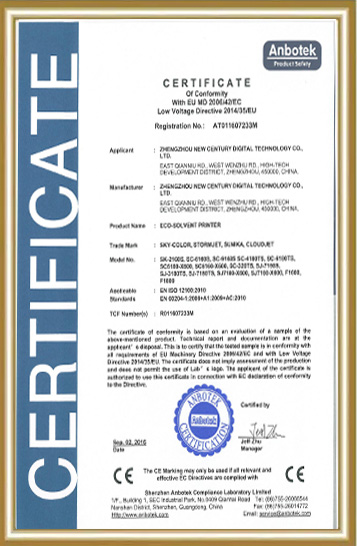
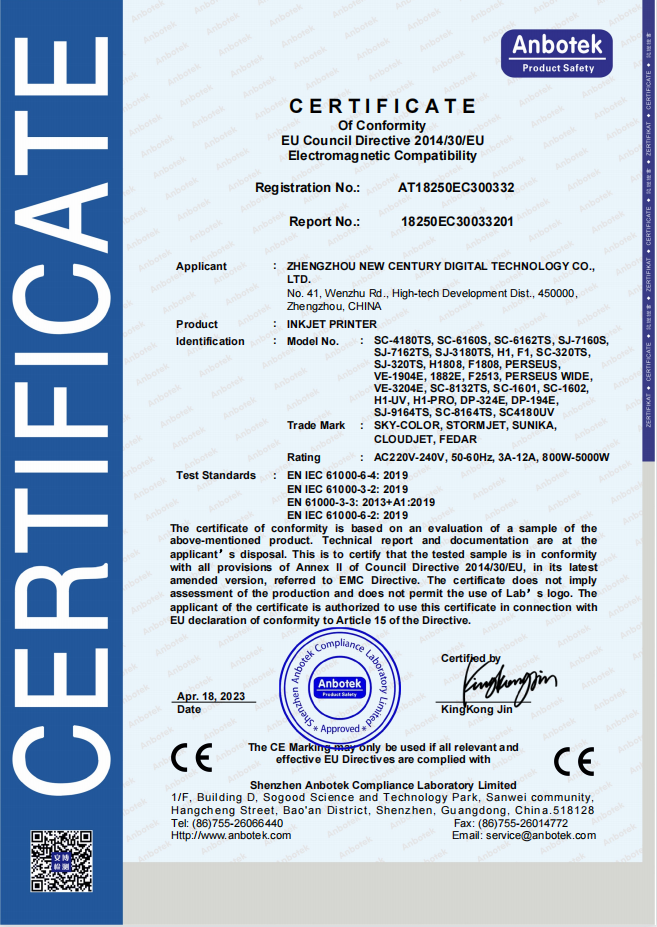
The most important thing to do when looking for direct to film printers is to make sure that the manufacturer is qualified to make it. Downstream risk comes from a supplier who doesn't have documented R&D capabilities or a way to source components that can be tracked. This is especially true for buyers from other countries who need support for firmware and spare parts after the sale.
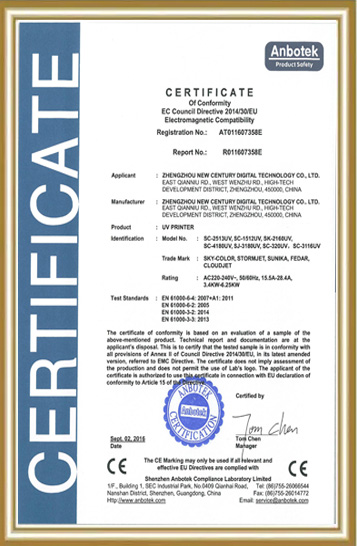
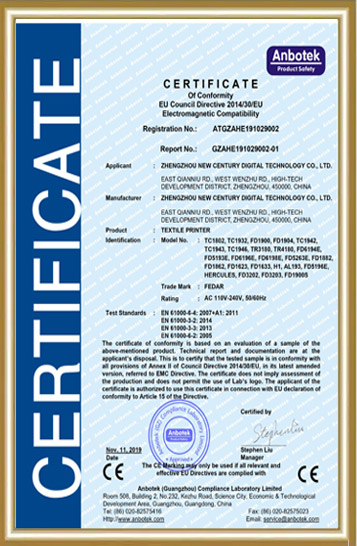
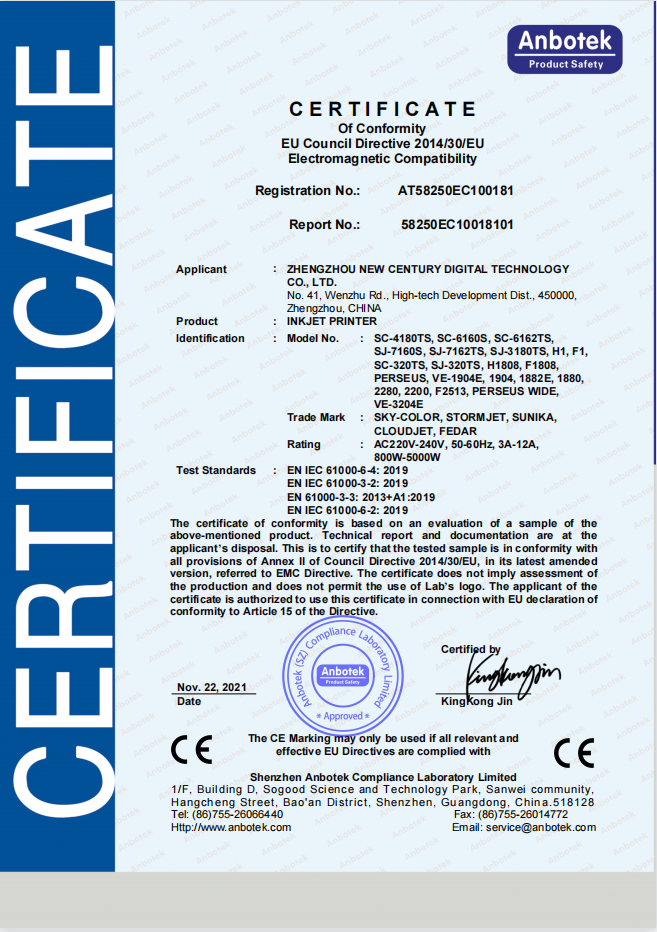
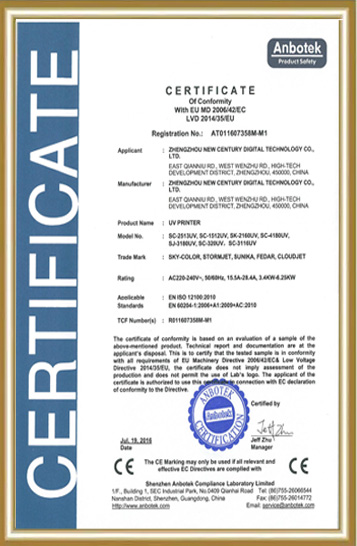
Fedar has a 400-person production center with in-house research and development that makes sure there is a steady supply of key components like Epson F1080-A1 printheads. The company helps customers all over the world by offering flexible ways to work together, specialized technical training, sample kits for end-user demonstrations, and a helpful after-sales team. This system directly fixes the problems that come up most often in relationships between agents and distributors: slow response times, not being able to get spare parts, and not having enough marketing support.
Make sure the following is true with your seller before you buy:
- Written guarantee terms that cover mechanical parts and printer failure
- Service workers who are available in the area
- Technical teaching tools and help with RIP software
- More information on how agents make money and how to protect their area
These things affect not only how happy you are with the service at first, but also how likely your customers are to come back.
Conclusion
DTF printing has grown up to become a reliable and affordable way to make unique T-shirts and clothing. Because it can work with different fabrics, skips the need for pre-treatment steps, and supports print-on-demand processes, it is one of the best investments that clothing designers and their equipment providers can make right now. The FD-D300 and FD-D302 models from Fedar offer industrial print quality in a small, energy-efficient platform that can be used by both new production shops and those that are growing. Fedar is a reliable direct to film printer manufacturer for the U.S. market because their equipment is based on proven Epson printhead technology and they have strong factory qualifications.
FAQ
What fabrics can a DTF printer handle?
You can stick DTF transfers to cotton, polyester, nylon, denim, canvas, and leather that has been treated. A direct to film printer is the most flexible way to make sportswear and clothing because it can be used on both light and dark fabrics and blends. Sublimation, on the other hand, needs 100% polyester.
How does DTF printing cost compare to screen printing?
Due to setup costs per color layer, screen printing becomes cheaper when you print a lot of them. DTF gets rid of the need for screen production completely, which makes it a lot cheaper for short runs of 1 to 50 pieces. There may still be a lower cost per unit for screen printing when you order more than 500 of the same design.
What affects DTF print durability?
The three main factors are the curing temperature, the quality of the TPU powder, and the settings for the heat press. When cured at the right temperature range and pressed for the right rest time, prints always get a wash fastness level of 4 according to ISO 105-C06.
Is DTF equipment difficult to operate for beginners?
Simple workflows are built into entry-level models like the Fedar FD-D300. Most operators become proficient in production in just a few days, especially if they have access to training materials from the manufacturer and help with the RIP software.
Start Your DTF Business with Fedar — Request a Quote Today
You can get industrial results without leaving an industrial footprint thanks to Fedar's direct to film printer range. The FD-D300 and FD-D302 are designed for companies that need to print on clothes reliably from the start. They don't have a minimum order size, are cheap to buy, and give you a high profit margin per job. Fedar is the provider your business can count on. They have a plant with 400 employees and a support team that works around the world to help customers. You can get samples or a custom quote by emailing us at info@tex-printer.com or going to blog.tex-printer.com.
References
1. Precedence Research. Apparel Decoration Market Size, Share & Trends Report. 2024.
2. Smithers Pira. The Future of Digital Textile Printing to 2027. 2022.
3. AATCC. AATCC Test Method 61-2A: Colorfastness to Laundering. American Association of Textile Chemists and Colorists, 2023.
4. ISO. ISO 105-C06: Textiles — Tests for Colour Fastness — Colour Fastness to Domestic and Commercial Laundering. International Organization for Standardization, 2010.
5. Grand View Research. Digital Textile Printing Market Size & Share Report. 2023.
6. Textile World. DTF Technology Reshapes Short-Run Apparel Decoration. 2023.

Kevin Zhang
Kevin Zhang is a senior R&D engineer in the digital textile printing field, focusing on the innovation and industrialization of digital printing equipment, direct-to-fabric processes, and application solutions. Achievement: Led the in-house development and mass production of multiple textile printers and direct-to-garment printers, driving their large-scale adoption in textile, advertising, home decor, and customized markets.
We Look Forward to Your Email
Please send us product information that interests you, and we will provide you with one-on-one service.
_1778203196111.png)
Recommended Blog

_1786602084861.webp)
Digital Textile Film Printer: Characteristics and Advantages
Roll to Roll DTF Printer vs Flatbed: Which One Should You Buy?