How Can a Sublimation Transfer Printer Improve Custom Sportswear Production?
How Can a Sublimation Transfer Printer Improve Custom Sportswear Production?
Understanding Sublimation Transfer Printing in Sportswear Production
- Understanding Sublimation Transfer Printing in Sportswear Production
- Overcoming Traditional Printing Limitations with Sublimation Technology
- Choosing the Right Sublimation Transfer Printer for Custom Sportswear
- Enhancing Production Efficiency and Quality Through Best Practices
- Where and How to Procure Sublimation Transfer Printers for Business Growth?
- Conclusion
- FAQ
- Partner With Fedar for Your Next Sublimation Printer Investment
- References
A sublimation transfer printer transforms custom sportswear production by embedding dye directly into polyester fibers through heat and pressure, producing prints that are vivid, wash-resistant, and permanently bonded to the fabric. Unlike surface-level coating methods, this technology penetrates the molecular structure of the material, delivering photographic-quality gradients with zero hand feel. For manufacturers, distributors, and OEM buyers, it removes the setup cost barriers of short-run production and unlocks on-demand customization at scale — making it one of the most commercially compelling investments in modern apparel manufacturing today.
Understanding Sublimation Transfer Printing in Sportswear Production
How the Dye-to-Fiber Bonding Process Works
A change from a solid to a gas is what makes a sublimation transfer printer work. When heat (usually 180°C–210°C) and pressure are applied to covered transfer paper, the colors that are spread out on it turn into gas and move into the molecular lattice of the polyester fiber. The dye doesn't set on top of the cloth; it stays inside it once it cools down. This means that prints won't crack, peel, or fade after being washed many times in a washing machine. Because the dye doesn't block the pores, the fabric keeps its ability to wick away moisture and let air pass through it, which are important performance features for athletic wear.
Why Polyester Fabric Is the Ideal Substrate?
At the molecular level, sublimation transfer printer dyes can stick to polyester and high-polyester blends (with at least 60% polyester content). For this process, fabrics like recycled performance knits, spandex mixes, and smooth tricot work well. The Specialty Graphic Imaging Association (SGIA) says that sublimation on 100% polyester covers a wider range of colors than most screen-print methods, especially when it comes to making accurate artwork and smooth tonal gradients.
Overcoming Traditional Printing Limitations with Sublimation Technology
Screen printing has been used in the clothing business for many years, but it makes things more difficult, especially when making unique clothes, whereas a sublimation transfer printer offers a more efficient alternative. For multicolor art, you need a separate screen for each color channel, which makes short-run jobs expensive and time-consuming. Heat-transfer vinyl applications can crack after being washed many times, which can hurt both the look and the way people think of the brand.
These problems are directly dealt with by a sublimation transfer printer. There are no screens, setup fees for each color, or cutting and pasting of film. Full-color photographic images can be printed on a single run just as quickly as simple two-color names.
For clothing makers, here is a clear comparison between the old way of doing things and sublimation:
| Feature | Screen Printing | Sublimation transfer printer |
|---|---|---|
| Color Complexity | Not many (each color takes up one screen) | Any number of shades, photorealistic |
| Minimum Order Quantity | High (only cheap when bought in bulk) | Low (good value from 1 piece) |
| Wash Durability | Moderate (perhaps fading or cracking) | Excellent (fibers dyed together) |
| Setup Time | Long | Short |
| Fabric Hand Feel | It feels heavy (ink sits on top) | Zero (ink is inside the fibers) |
These differences give manufacturers and wholesalers that work with sportswear brands that need quick turnaround, complicated designs, and long-lasting clothes a direct edge in the market.
Choosing the Right Sublimation Transfer Printer for Custom Sportswear
For procurement managers and technical directors, the decision about the sublimation transfer printer is very important. The total cost of ownership and the quality of the product are both affected by things like print density, printhead technology, ink compatibility, media thickness, and throughput speed.
Key Technical Parameters to Evaluate
Industrial-grade sublimation transfer printers used to make clothing usually have piezo-electric printheads, like those in the Epson i3200 or Kyocera models, that support variable droplet technology for smooth tonal mixing and fine line detail. Some ink systems can handle 4, 8, or even 12 color combinations, including fluorescent colors for activewear that needs to be seen.
Here is a table of reference parameters for testing industrial sublimation transfer printers on a large scale:
| Parameter | Entry-Level | Mid-Range | Industrial Grade |
|---|---|---|---|
| Print Resolution | 720 dpi | 1440 dpi | 1800–2400 dpi |
| Media Width | Up to 44" | Up to 64" | Up to 126" |
| Print Speed | 15–25 m²/hr | 30–60 m²/hr | 80–150+ m²/hr |
| Ink Colors | 4 | 8 | 8–12 (including bright) |
| Printhead Type | Entry piezo | Epson i3200 | Kyocera / Ricoh industrial |
Fedar's line of sublimation transfer printers, which was created through original research and development at a factory with 400 workers, covers all of these areas. Each model goes through strict Delta E color consistency testing, and the variation stays between 1.5 and 2.0 over long production runs. This is a standard that directly supports agent partners' ability to reproduce sample output.
Higher-end units have tension control systems that keep thin sublimation paper (40–100 gsm) from wrinkling or cockling when heavy loads of ink are applied. This is a common problem that happens when facilities try to print more.
Enhancing Production Efficiency and Quality Through Best Practices
A sublimation transfer printer is only as reliable as the place where it works. For steady conditions—ideally 20–28°C with 40–60% humidity—sublimation can't happen because of changes in ink density or paper misfeeding caused by static electricity. When these conditions aren't met, facilities often blame the machine for color differences when the real problem is with the surroundings.
Regularly checking the health of the nozzles is a must. Banding is avoided by checking the nozzles automatically every day and cleaning the capping stations once a week. Banding is a print flaw that can ruin whole rolls of fabric and hurt customer trust. Matching the ICC profile to the right ink and paper combination stops oversaturation and gets the most ink yield per square meter.
Sublimation transfer printer technology is an environmentally friendly way to paint things without using water. It doesn't make any wastewater and uses a lot less energy than standard wet coloring. This is a clear operational benefit for factories that have to follow rules about protecting the environment, which is becoming more common in North American supply chains.
Where and How to Procure Sublimation Transfer Printers for Business Growth?
Buying choices should be based on makers whose factory credentials have been checked, whose core component supply chains are stable, and whose after-sales infrastructure has been formally recorded. Purchasing managers often find that distributors don't have enough spare parts or technical training, which directly raises maintenance costs and the risk of downtime for the sublimation transfer printer.
These things should be looked at when choosing a sublimation transfer printer supplier:
- Verification of production qualification: Make sure the maker has its own R&D and assembly center and isn't using a third party to source materials.
- Sample reproducibility: Ask for print samples that are ready for production so that agents can give them to customers. Consistent sample quality is a direct tool for conversion.
- After-sales response capability: Make sure you know if expert help is available locally or across borders, and find out how long it takes to get spare parts and if you can do diagnostics remotely.
- Training and marketing support: A reliable supplier gives new distributors technical training, ICC profiles, and co-marketing materials to make the learning process faster.
A lasting agent partnership model is built around these parts. Fedar helps its worldwide network of distributors by giving them organized technical training, sample kits, and a helpful after-sales team. This takes care of the exact problems that make people less likely to buy from them again in the B2B printing equipment channel.
Conclusion
What is possible in making unique clothing has really been changed by the sublimation transfer printer. The technology makes things possible that weren't possible with older methods, like photographic prints with no feel and wash-permanent color bonding. When dealing with the U.S. market, it's important for distributors, factories, and procurement teams to buy equipment from companies that have a lot of production experience, a track record of quality control, and real support after the sale. Picking the right partner affects not only the quality of the product, but also the long-term profitability of the channel and the trust of customers.
FAQ
Can sublimation printing work on cotton garments?
No, sublimation transfer printer dyes need a surface that is covered with polyester or polymer in order to stick to it at the molecular level. A content of at least 60% polyester is suggested. The dye doesn't have a way to attach to cotton-heavy fabrics, so the color is washed out and doesn't last. Specialty polymer coats can make some hard surfaces, like metal and ceramics, more compatible, but polyester is still the standard for clothing.
What causes color fading in sublimated sportswear?
Color fading usually happens when the heat press temperature or stay time is too low, when low-quality sublimation transfer printer inks are used, or when printing on fabrics that don't have enough polyester in them. Most fading problems can be avoided by keeping transfer temperatures between 180°C and 210°C and checking the fabric's makeup before production.
What is the difference between sublimation ink and pigment ink?
The inks in a sublimation transfer printer go through a phase change, which means they go from being solid to gas when heated, and they chemically bond inside the fabric. Binders help the pigment inks stick to the fabric while they dry. When it comes to polyester, sublimation has better wash durability and color brightness. Pigment ink, on the other hand, works with more substrates but has lower durability on performance fabrics.
How often does printhead maintenance need to occur?
For factories that make things every day, nozzle checks should be done automatically at the start of each shift. To keep capping stations and ink lines from getting clogged and color banding, they should be deep-cleaned once a week.
Partner With Fedar for Your Next Sublimation Printer Investment
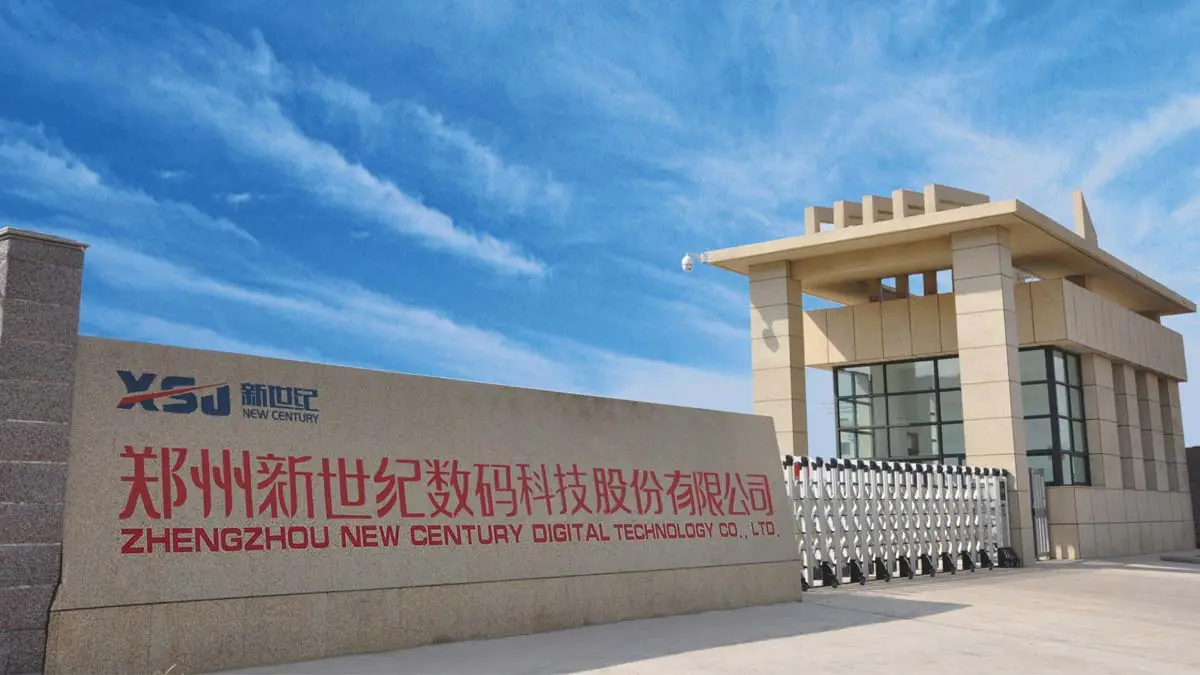
Fedar has a 400-person original manufacturing facility that can do comprehensive research and development (R&D) and quality control. It sells sublimation transfer printers to factories, distributors, and OEM clients all over the world. Our machines offer consistent Delta E levels, a steady supply of core components, and full agent support, which includes sample kits, technical training, and help after the sale. Get in touch with our team right away to learn more about our sublimation transfer printer manufacturer stock, our low prices, and the different ways we can work together. For technical help, email us at info@tex-printer.com or go to blog.tex-printer.com.
References
1. Specialty Graphic Imaging Association (SGIA). Digital Textile Printing Report. 2022.
2. Textile World. Advances in Dye Sublimation Technology for Performance Apparel. 2021.
3. Journal of Imaging Science and Technology. Color Gamut and Durability in Dye Sublimation vs. Screen Printing on Synthetic Substrates. 2020.
4. Printing Impressions. Industrial Inkjet and Sublimation Equipment Procurement Guide. 2023.
5. AATCC (American Association of Textile Chemists and Colorists). Colorfastness to Laundering: Standard Test Method AATCC 61. 2021.
6. Smithers Pira. The Future of Digital Textile Printing to 2027. 2022.

Leo Li
Leo Li is a promoter of small-batch quick response and flexible manufacturing solutions, focusing on short-process printing solutions for e-commerce customization, fast-turn orders, and personalized production. Achievement: Helped customers achieve a "one-piece minimum, same-day shipping" production model, significantly reducing sampling and delivery lead times while lowering overall operating costs.
We Look Forward to Your Email
Please send us product information that interests you, and we will provide you with one-on-one service.
_1778203196111.png)
Recommended Blog
What Should You Consider When Buying a 600mm DTF Transfer Printer?
White Ink Alignment Solutions for High-Precision DTF Printing
Features and Performance of a DTF Printer 24 Inch Designed for Commercial Output
Can a Direct to Film Printer Produce Market-Standard Durable Prints?
How to Choose a Sublimation Transfer Printer for Different Fabrics
DTG vs DTF Printing:The Pros and Cons of Direct Printing Technologies.