Why Businesses Choose Sublimation Transfer Printers for Fashion, Home Textile, and Promotional Products
Why Businesses Choose Sublimation Transfer Printers for Fashion, Home Textile, and Promotional Products
Understanding Sublimation Transfer Printing Technology
- Understanding Sublimation Transfer Printing Technology
- Key Benefits of Sublimation Transfer Printers for Businesses
- How to Select the Right Sublimation Transfer Printer for Your Business?
- Best Practices for Using and Maintaining Sublimation Transfer Printers
- Why Sublimation Transfer Printing Is Becoming the Preferred Solution in Fashion, Home Textile, and Promotional Industries
- Conclusion
- FAQ
- Partner with Fedar — Your Trusted Sublimation Transfer Printer Manufacturer
- References
When manufacturers and distributors ask why sublimation transfer printer technology has become the backbone of modern textile and promotional product operations, the answer comes down to three fundamentals: permanence, precision, and production flexibility. Unlike surface-level printing methods, sublimation dye bonds directly into the substrate at the molecular level, producing prints that will not crack, peel, or fade after repeated washing. For procurement managers sourcing equipment across fashion, home textile, or gift customization verticals, this technology represents a measurable improvement in output quality and a credible reduction in long-term operating costs.
Understanding Sublimation Transfer Printing Technology
FD5228E
source: FEDAR PRINRTER
How the Process Actually Works?
A change from a solid to a gas is what makes sublimation transfer printing work. First, special dispersed dye inks are spread out on sublimation transfer paper. The paper is then bonded to the substrate using a heat press that is heated to between 180°C and 210°C. When that much heat and pressure are applied, the ink turns into gas and goes right through the chemical structure of the polyester fabric. This makes a print with no surface texture because the result is built into the material. This method of dyeing without water also gets rid of the trash that comes from traditional wet printing, which fits with U.S. industry and retail supply chains' growing environmental compliance requirements.
Compatible Materials and B2B Relevance
The technology works best on surfaces that have a polymer layer or at least 60% polyester. Performance sportswear, swimwear, soft furnishing fabrics, backlit displays, ceramic mugs, aluminum panels, and polymer-coated phone cases are all examples of products that fall under this commercial territory. For procurement teams that are in charge of companies with more than one product, buying one sublimation transfer printer can support more than one source of income at the same time.
Key Benefits of Sublimation Transfer Printers for Businesses
When a business switches to sublimation transfer printer equipment, they always see improvements in three areas that can be measured: the stability of the prints, the freedom of the batches, and the efficiency of the consumables. Here are the main benefits of this technology that make it appealing to businesses:
- Permanent color integration: The dye bonds within the fiber instead of sitting on top, so prints don't fade after 50 or more industrial wash cycles, which is how the American Association of Textile Chemists and Colorists (AATCC) measures it.
- Short-run viability without setup costs: Screen printing needs expensive screens for each design, but sublimation carries no setup costs per color change. This means that a business can make the same amount of money from a 10-unit special order as from a 1,000-unit run.
- Low consumable waste: Sublimation only uses the ink that is needed for each drawing. It doesn't use any extra dye bath, water, or chemicals to clean the screen.
- Wide substrate versatility: On Monday, the same printer can print performance jersey fabric, and on Wednesday, it can print ceramic gift panels without having to change any hardware.
When it comes to distribution partners, these benefits directly address the problems they face, such as high maintenance costs, inconsistent output quality, and trouble turning potential end customers into actual customers through convincing samples.
| Key Performance Indicator | Sublimation Printing | Screen Printing |
|---|---|---|
| Wash Fastness (AATCC standard) | 4–5 / 5 | 3–4 / 5 |
| Setup Cost Per New Design | Zero | $50–$200+ |
| Photographic Gradient Capability | Yes | No |
| Minimum Order Quantity | 1 unit | 24–72 units typical |
| Substrate Range | Broad (fabric, ceramic, metal) | Fabric-focused |
How to Select the Right Sublimation Transfer Printer for Your Business?
Matching Equipment Specs to Production Scale
To choose the right sublimation transfer printer, you should first be honest about how many items you print each week. Small businesses that make less than 50 things per week can use entry-level desktop units like the Sawgrass SG500. Mid-range roll-feed printers that can handle 64-inch media widths and usually come with Epson i3200 or Kyocera piezo-electric printheads work for medium-sized factories that need to print more quickly. These industrial wide-format systems are designed to work nonstop during 8–16-hour production shifts, featuring built-in drying units and automatic tension control.
Total Cost of Ownership Considerations
Resolution and speed are important, but buying teams that only look at the price tag often do not think about how much it will cost to run the sublimation transfer printer in the long run. Check how much ink is produced per milliliter, how often the printhead needs to be replaced, and whether the manufacturer offers ICC color profiles that are calibrated for their ink-paper combinations. When a printer comes with approved settings, you don't have to do any calibration work for weeks. Unplanned downtime is cut down by machines with automatic nozzle health tracking, which is very important for companies that have to meet tight deadlines.
| Printer Class | Media Width | Printhead Type | Recommended Weekly Volume | Ideal Application |
|---|---|---|---|---|
| Desktop | Up to 13" | Piezo-electric | Under 50 units | E-commerce and small studio |
| Mid-Range Roll-Feed | 44"–64" | Epson i3200 / Kyocera | 50–500 units | Small to medium-sized print shop |
| Industrial Wide-Format | 64"–126" | Multi-head Kyocera | 500+ units | Big plant that makes textiles and signs |
Best Practices for Using and Maintaining Sublimation Transfer Printers
Calibration, Environment, and Routine Upkeep
Stability in the environment has a big impact on the consistency of output. Sublimation transfer printer equipment works best when the temperature is between 20°C and 28°C and the humidity is between 40% and 60%. If you don't follow these rules, the viscosity of the ink will change, and paper static could cause banding or registration problems. Different substrates need different heat press settings: normal polyester jersey transfers best at 200°C for 45 seconds, while polymer-coated ceramics need a little longer.
For maintenance purposes, industrial units need to have their automatic nozzles checked every day and their capping stations cleaned once a week to keep the printheads from wearing out. A spectrophotometer should be used on a regular basis to check the Delta E color uniformity, aiming for a range between 1.5 and 2.0 for the whole production run. Skipping these checks doesn't save time; it costs a lot to print again and wastes materials, which eats away at profits over time.
Why Sublimation Transfer Printing Is Becoming the Preferred Solution in Fashion, Home Textile, and Promotional Industries
The move toward production on demand has changed how fashion and advertising brands handle their stock. By using sublimation transfer printer equipment to fill orders within 24 to 48 hours of being placed, a medium-sized U.S. activewear brand can now offer 200 SKUs with no pre-printed stock. This model gets rid of waste from overproduction, which is one of the biggest problems with the textile industry when it comes to sustainability.
Sublimation prints better on polyester-rich fabrics than direct-to-garment printing, and it costs less per square meter for ink. It removes the risk of edges peeling over time, as vinyl cutting does, and can make full-bleed digital images that vinyl cannot replicate. Grand View Research estimates that the global dye sublimation printing market was worth $8.5 billion in 2023 and will continue to grow at a 13.8% CAGR through 2030, driven by the demand for custom clothing and soft signage.
Fedar's line of equipment is based on this fact of the market. Fedar has a factory with 400 employees that focuses on original research and development. The factory makes printers with industrial-grade piezo printheads, multi-color ink setups, and built-in drying systems that are made to work reliably in textile, home decor, and advertising product applications.
Conclusion
The fashion, home textile, and promotional product industries all choose sublimation transfer printer technology as their preferred method of production for clear, measurable reasons. It permanently blends colors, works with a lot of different substrates, and has a cost structure that works for any production size. The facts and practical logic both point in the same direction for procurement managers and distribution partners who are thinking about long-term investments in equipment. That technology edge turns into consistent business results when you choose a manufacturer with proven R&D capabilities, a stable supply of parts, and a committed after-sales infrastructure.
FAQ
Can sublimation printing work on 100% cotton fabric?
No. For dye sublimation to work, the material needs to have at least 60% polyester or a polymer coating. The gas-phase dye cannot bond with molecules that are suitable with natural fibers, meaning the color will look faded and washed out after the first wash.
What causes color on the transfer paper to look different from the finished fabric?
This is expected behavior. Once the heat-press cycle starts the gas-phase shift, the full color intensity of the sublimation inks can be seen. You should never judge the quality of a print by its paper alone; always look at the finished transferred result.
How do I prevent ghosting during heat transfer?
Ghosting occurs when the transfer paper moves a little while being pressed. In most production settings, this problem can be solved by using high-tack sublimation paper and making sure that the vacuum or pressure stays the same across the platen surface.
How often should printhead maintenance be performed?
For factories that work nonstop, it is standard practice to clean the capping station once a week and check the nozzles automatically every day. Not following this schedule causes printheads to wear out faster and causes banding that affects whole production runs.
Is sublimation printing eco-friendly compared to conventional textile dyeing?
Yes. The process doesn't need a water bath, generates no liquid dye waste, and only uses the ink that is applied per design. Because of this, sublimation is a defensible choice for brands that have to follow environmental rules.
Partner with Fedar — Your Trusted Sublimation Transfer Printer Manufacturer
Fedar's industrial-grade sublimation transfer printers are designed to give you precise, long-lasting, and consistent results in textile, promotional, and home decor printing. As a dedicated sublimation transfer printer manufacturer with a 400-person R&D and production center, Fedar provides verified trial kits, full technical training, and quick after-sales support to partners around the world. Reach our team directly at info@tex-printer.com or visit blog.tex-printer.com to explore specifications, cooperation, and models.
References
1. Grand View Research. (2023). Dye Sublimation Printing Market Size, Share & Trends Analysis Report.
2. American Association of Textile Chemists and Colorists (AATCC). (2022). AATCC Test Method 61: Colorfastness to Laundering.
3. Smithers Pira. (2022). The Future of Digital Textile Printing to 2027.
4. Textile World. (2023). Digital Printing Technologies Reshaping Apparel Manufacturing.
5. InfoTrends / Keypoint Intelligence. (2022). Wide-Format Printing Market Forecast: Textile and Soft Signage Segments.
6. Journal of Imaging Science and Technology. (2021). Phase Transition Mechanics in Dispersed Dye Sublimation Printing Processes.

Aelx Chen
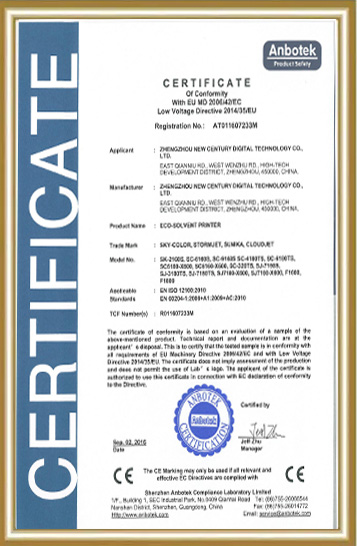
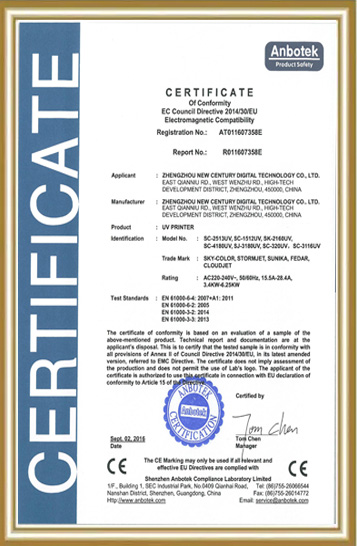
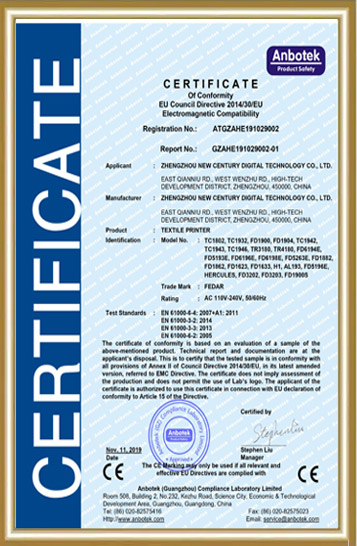
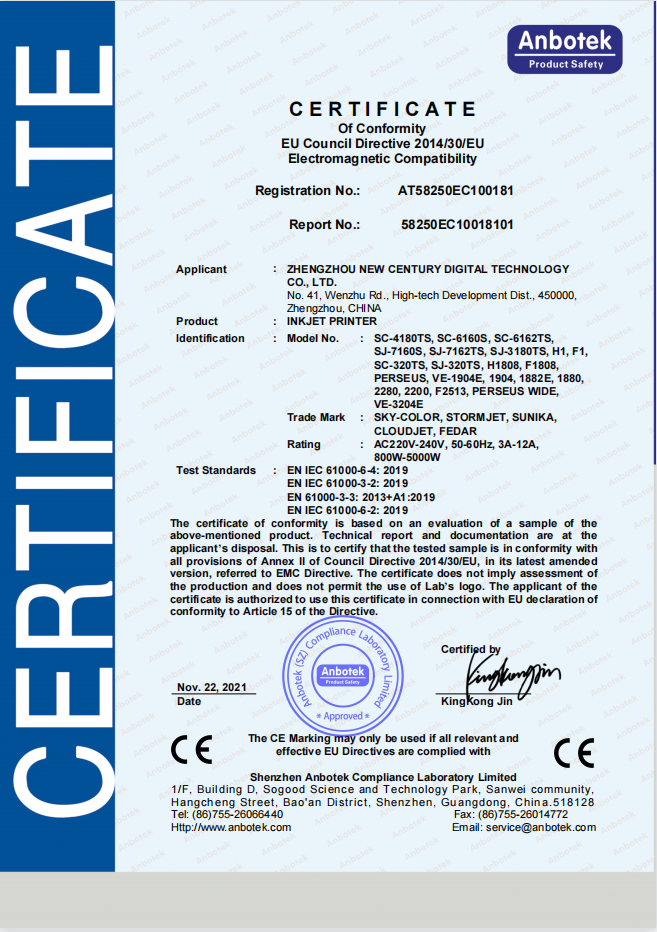
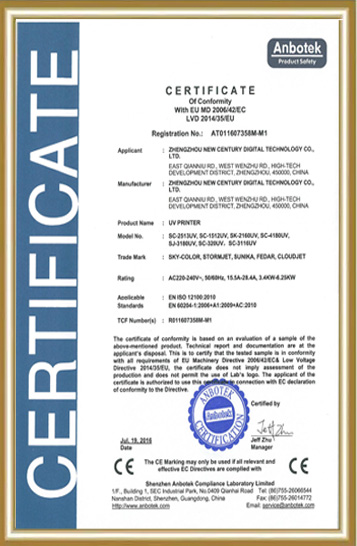
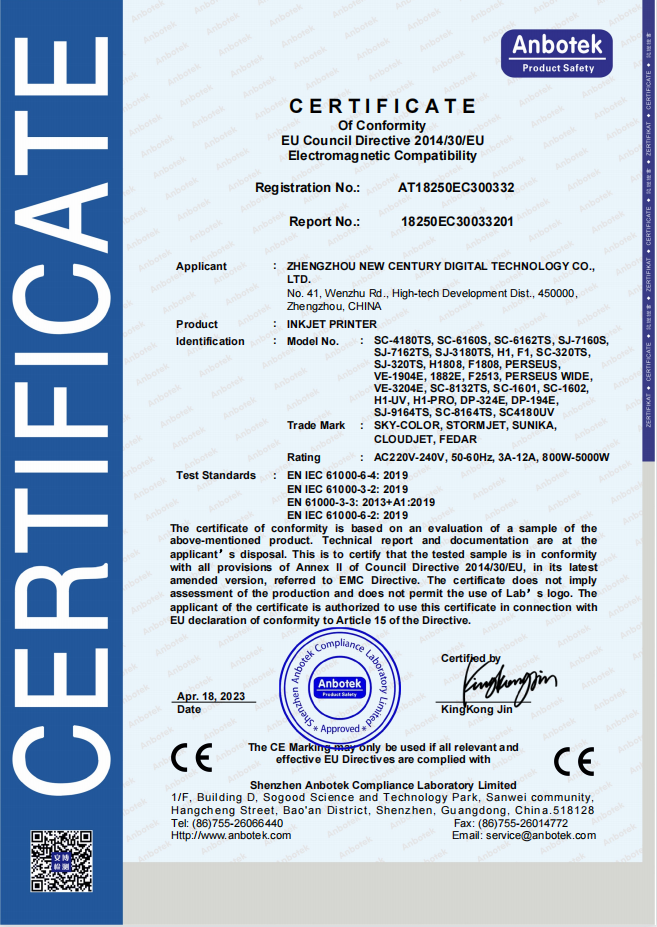
Alex Chen has accumulated extensive R&D and industrialization experience in the digital textile printing field, focusing on the innovation and optimization of digital printing equipment, direct-to-garment (DG) processes, and application solutions. He led the independent R&D and mass production of the company's core textile printing machines and DG printers, promoting their application in the textile, advertising, home furnishing, and personalized customization markets. The equipment he led has passed ISO9000 and CE certifications, earning the trust of a wide range of customers. He continuously provides customers with professional technical support and industry trend analysis, contributing to the upgrading and efficiency improvement of the digital printing industry.
We Look Forward to Your Email
Please send us product information that interests you, and we will provide you with one-on-one service.
_1778203196111.png)
Recommended Blog

Dye Sublimation Printer Applications in Sportswear, Home Textiles, and Signage

How Can a Direct to Film Printer Improve Custom Apparel Production?
A3 DTF Printer Features That Improve Small-Shop Production Efficiency
Why Choose a Sublimation Printer for Custom Product Production?
Why Does Color Fade Happen in Dye Sublimation Printing Over Time?