How Can a DTF Printer Improve Custom Apparel Production Efficiency?
Understanding DTF Printing Technology and Its Impact on Apparel Production
- Understanding DTF Printing Technology and Its Impact on Apparel Production
- Identifying Production Bottlenecks and How DTF Printing Solves Them?
- Streamlining Workflow: Best Practices for DTF Printer Setup and Maintenance
- Procurement Considerations for B2B Buyers: Choosing the Right DTF Printer
- Future-Proofing Custom Apparel Production with DTF Technology
- Conclusion
- FAQ
- Explore Fedar DTF Printer Solutions for Your Production Line
- References
A DTF printer fundamentally changes how custom apparel gets produced. By printing designs directly onto PET film and transferring them via heat press, it removes pre-treatment steps, eliminates screen setup costs, and works across virtually every fabric type — cotton, polyester, nylon, and blends. Whether you run a small studio or manage a mid-sized factory floor, the speed, precision, and flexibility of direct-to-film technology can measurably cut your turnaround time, lower your per-piece cost, and help you handle more order volume without adding headcount.
Understanding DTF Printing Technology and Its Impact on Apparel Production
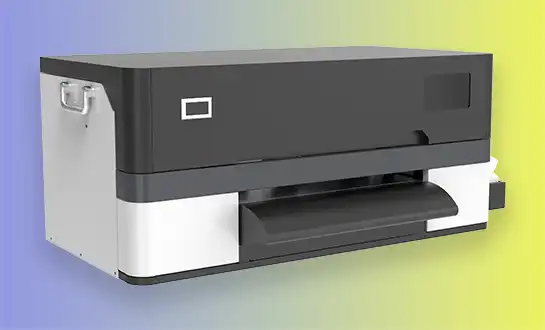
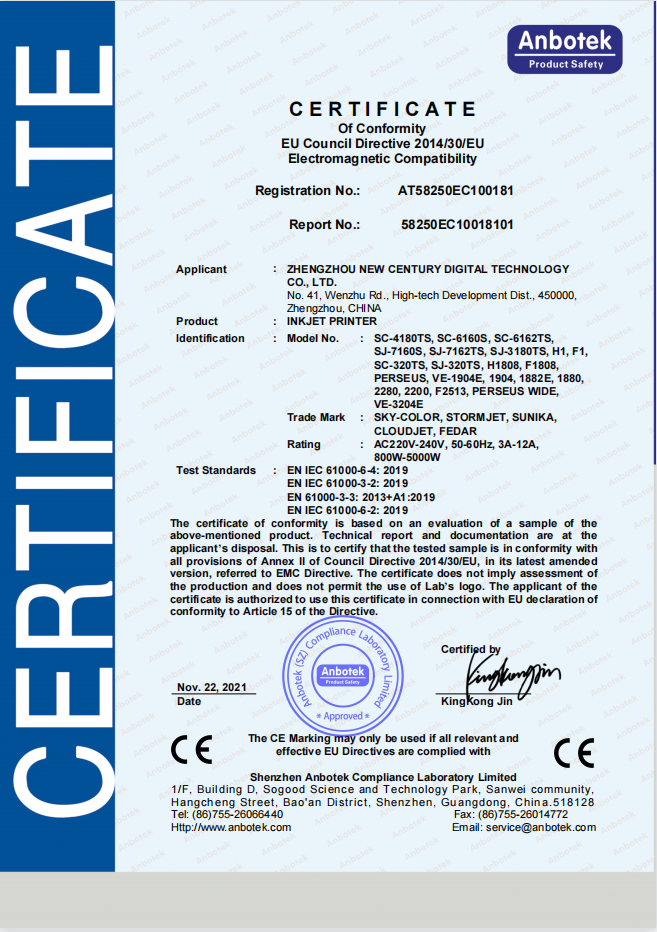
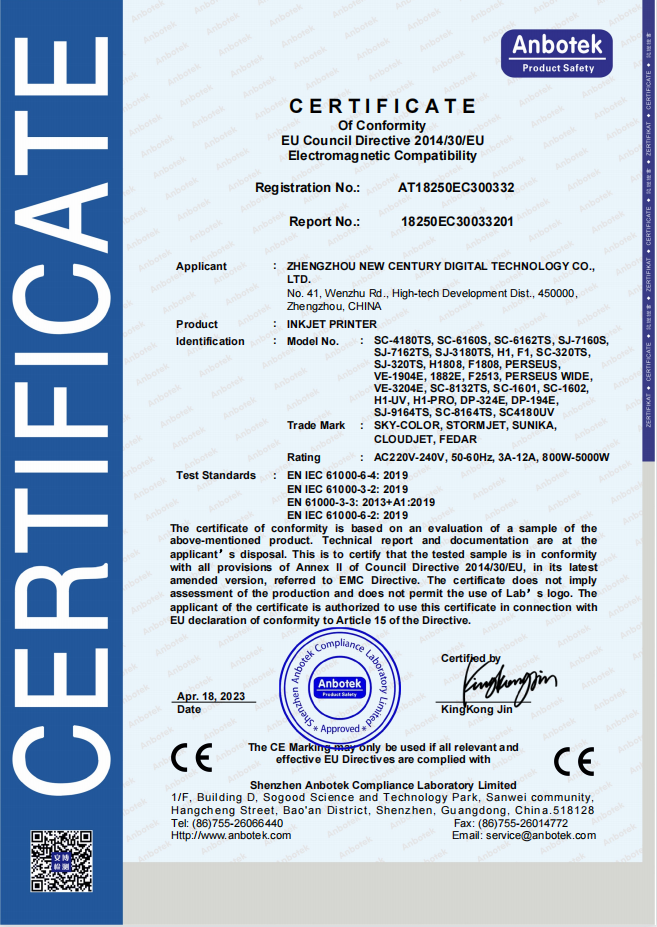
source: FEDAR PRINRTER
What Makes DTF Different From DTG and Screen Printing?
In direct-to-film printing, ink is put on a coated PET release film, hot-melt sticky powder is then put on top of the wet ink, the film cures, and the clothing is then printed on using a heat press. This method gets rid of the need for pre-treatment, which slows down DTG workflows, and it also gets rid of the work that goes into color separation and screen preparation, which makes short-run screen printing pricey.
The Specialty Graphic Imaging Association (SGIA) says that the average time to set up a screen printing job is between 45 and 90 minutes per design. It takes less than 10 minutes to set up a DTF printer. Just that difference changes what a small shop can really make in a day.
DTF printer ink formulas, which are usually CMYK plus white, get a washing fastness grade of Grade 4 under ISO 105-C06 standards. This means that the output can be used on workwear, sportswear, and branded outfits that are washed a lot. The white ink layer works as a base for dark fabrics, making it possible to print bright colors without getting the dulled effects that are common with sublimation on materials that aren't polyester.
Identifying Production Bottlenecks and How DTF Printing Solves Them?
Speed, Setup, and Substrate Constraints
It's easy to see where custom clothing production goes wrong: long cycle times, strict substrate requirements, and high minimum order quantities that make it hard for shops to price small-batch jobs competitively, but a DTF printer helps overcome these challenges. These limitations are most noticeable during busy times, when the number of orders goes up quickly but staffing levels can't be increased right away.
Each of these pressure points can be met in a real way by direct-to-film tools. Here are the main operational improvements that factory managers and resellers always say this workflow makes:
- No minimum order requirement. There is no minimum order size. You can make one piece with the same quality as a run of 500. This means that sample production and on-demand delivery are both cost-effective and don't waste any materials.
- Broad substrate compatibility. It's not necessary to use any special chemicals or treatments on cotton, nylon, treated leather, canvas, or moisture-wicking synthetics in order to use DTF transfers.
- Reduced consumable complexity. When compared to DTG, there is no pre-treatment liquid to deal with, no uneven application that can clog spray nozzles, and no need for fabric-specific tuning for each order.
These changes mean shorter lead times and lower per-order costs, which directly boosts a reseller's sales pitch to end customers and lowers the number of returns due to inconsistent quality.
Streamlining Workflow: Best Practices for DTF Printer Setup and Maintenance
Calibration, Curing, and Daily Maintenance Routines
Direct-to-film technology can make things more efficient, but only if the equipment works well. If a DTF printer isn't calibrated correctly or a transfer film isn't properly cured, the quality of the output drops quickly, which is exactly what agents and distributors can't afford because it hurts customer trust.
Preparing the workspace is more important than most operators think at first. The humidity level that works best is between 40% and 60%. Below that range, static electricity makes it hard for the powder to spread out on the film. On top of it, the ink bleeds before it cures and holds the image in place. A managed setting is not a nice-to-have; it's a must-have for reliable batch output.
It's also very important to cure the glue powder properly. For about two minutes, the oven or drying unit should stay at 150°C. When transfers aren't fully cured, the "oil return" effect happens. This is when extra glue moves through the fabric after pressing, making the surface feel greasy and making the bonding weaker after washing.
Checking the nozzles when the DTF printer starts up, cleaning the wiper blades, and keeping the capping station wet so that ink doesn't dry out inside the printhead channels are all daily maintenance jobs that help the printhead last longer. It's important to pay extra attention to white ink because it settles faster than color inks because it contains titanium dioxide. To keep it from getting clogged, it needs an active circulation system.
Using inks and new parts that are approved by the manufacturer is not just required by the guarantee. It has a direct effect on the chemistry of ink-to-film adhesion, which determines the quality of the transfer on the garment side.
Procurement Considerations for B2B Buyers: Choosing the Right DTF Printer
Matching Machine Specifications to Production Volume
To choose the right tools, you need to make sure that the print speed and output quality match your real order profile, not your theoretical maximum capacity. On paper, two tools that look the same may not work the same way when they are put through a lot of work every day.
The FEDAR FD-D300 and FD-D302 are designed to help shops get into the direct-to-film business without lowering the quality of their work. Both models use the Epson F1080-A1 printhead and can print in CMYK+W at up to 1600 DPI across a 300mm print width. These settings allow for fine-line reproduction down to 0.2mm and smooth gradient transitions that screen printing can't do in the short term because of costs.
| Specification | FEDAR FD-D300 | FEDAR FD-D302 |
|---|---|---|
| Printhead Quantity | 1 × Epson F1080-A1 | 2 × Epson F1080-A1 |
| Print Width | 300mm | 300mm |
| Print Colors | CMYK + White | CMYK + White |
| Max Resolution | 1600 DPI | 1600 DPI |
| Max Speed (A3) | 10 sheets/hr | 31 sheets/hr |
| Max Speed (A4) | 20 sheets/hr | 62 sheets/hr |
The FD-D300 is good for studios and sample-making businesses that want to start out cheaply and be able to change their equipment on demand with a DTF printer. The FD-D302's two heads almost triple throughput, making it the better choice for shops that get a lot of batch orders or want to expand their reseller network. Both models have a small size on the desktop, which helps workers who work in smaller production areas keep their facility costs low.
The total cost of ownership is more important than the numbers. When comparing providers, you should look at how much ink they use, how much film media costs, how often the printhead needs to be replaced, and how close they are to you for technical help. A machine with a smaller price tag but bad after-sales service costs more over 24 months than a machine with better help that costs more up front.
Future-Proofing Custom Apparel Production with DTF Technology
Sustainability, Automation, and Long-Term ROI
The handmade clothing market is moving toward on-demand production models because customers want personalized items and brands want to lower their inventory risk. The direct-to-film method fits with both of these trends. It doesn't lose any screen material, doesn't need any pre-treatment chemicals that use a lot of water, and doesn't make as much off-cut material as cut-and-sew decoration methods.
Fedar's manufacturing foundation backs up this path. Fedar runs a 400-person facility with its own research and development department. It controls the whole production chain, from finding parts to making sure the final product is of high quality. This keeps supply lead times stable and helps agents plan their inventory more accurately. When you're building a network of resellers and need the same high-quality products in every shipment, that kind of structural reliability is important.
Newer print chemistries coming out in 2024 and 2025 are expanding the use of the DTF printer to include stronger outdoor materials and UV-resistant uses. This means that the technology can be used for more than just clothing, like in promotional items and soft signs. Shops that get good at direct-to-film now will be able to make more progress when these nearby markets grow.
| Production Factor | Screen Printing | DTG | DTF Printing |
|---|---|---|---|
| Setup Time per Design | 45–90 minutes | 10–20 minutes | Under 10 minutes |
| Minimum Order Viable | 24+ pieces | 1 piece | 1 piece |
| Dark Fabric Compatibility | Limited by ink cost | Requires pre-treatment | Native white underbase |
| Washing Fastness | Grade 3–4 | Grade 3–4 | Grade 4 (ISO 105-C06) |
| Fabric Type Restriction | Most fabrics | Cotton preferred | Cotton, poly, nylon, blends |
Conclusion
Direct-to-film printing gets rid of the structural inefficiencies that slow down the growth of a custom clothing business, and a DTF printer is the key to this transformation. These inefficiencies include slow setups, material restrictions, high minimums, and quality issues on dark fabrics. The FEDAR FD-D300 and FD-D302 offer these improvements in a small, easy-to-use package that works for both new studios and production shops that are growing. Fedar has a 400-person manufacturing facility with dedicated R&D and after-sales support. This gives resellers and distributors the supply stability and technical reliability they need when they commit to a new line of equipment.
FAQ
How often does a DTF printer require maintenance?
As part of daily care, the printer nozzle is checked, the wiper blades are cleaned, and the capping station is made sure to stay damp. To keep titanium dioxide from settling, the white ink should be circulated constantly or on a timed loop. If you use a lot of ink, you should flush the device thoroughly once a week.
How does DTF compare to DTG on cost per piece?
DTF gets rid of the pre-treatment step completely, which cuts down on the time and money needed for chemicals on each unit. DTG pre-treatment adds both material cost and work cost per piece to dark cotton clothes. DTF transfers can also be made ahead of time in groups and then applied later, which gives workers more freedom in how they schedule their time.
Can a compact DTF printer scale with business growth?
The FEDAR FD-D302 can print up to 62 A4 pages per hour, which means it can be used for small-scale business production without taking up a lot of space. As the amount of work increases, more units can be added to the workflow instead of replacing the current machine. This keeps the initial investment safe.
What humidity and temperature conditions does a DTF printer need?
Keep the temperature and humidity in the workspace stable, between 40 and 60%. When there is too much humidity, the ink bleeds onto the film before it cures. During the hot-melt application phase, low humidity causes static electricity that makes it hard for powder to stick.
Explore Fedar DTF Printer Solutions for Your Production Line
Fedar makes tools for direct-to-film for people who need industrial output without industrial complexity. Fedar is a reputable DTF printer maker with a global support network and factory credentials that have been checked out. They offer the FD-D300 and FD-D302 with full technical onboarding, sample kits, and agent cooperation programs. Reach the team directly at info@tex-printer.com or visit blog.tex-printer.com to request specifications, samples, or a consultation tailored to your production scale.
References
1. Specialty Graphic Imaging Association (SGIA). Digital Garment Decoration Technology Report. 2023.
2. Smithers Pira. The Future of Digital Textile Printing to 2027. 2022.
3. International Organization for Standardization. ISO 105-C06: Textiles — Tests for Colour Fastness — Colour Fastness to Domestic and Commercial Laundering. 2010.
4. Textile World. Direct-to-Film Printing: Workflow Efficiency and Cost Analysis for Custom Apparel. 2023.
5. Printwear Magazine. DTF vs. DTG: A Practical Comparison for Decorated Apparel Producers. 2024.
6. Grand View Research. Custom T-Shirt Printing Market Size, Share & Trends Analysis Report. 2023.

Kevin Zhang
Kevin Zhang is a senior R&D engineer in the digital textile printing field, focusing on the innovation and industrialization of digital printing equipment, direct-to-fabric processes, and application solutions. Achievement: Led the in-house development and mass production of multiple textile printers and direct-to-garment printers, driving their large-scale adoption in textile, advertising, home decor, and customized markets.
We Look Forward to Your Email
Please send us product information that interests you, and we will provide you with one-on-one service.

_1778203196111.png)
Recommended Blog
What Advantages Does a 60cmDTF Printer Offer for Business Owners?

60cm DTF Printer for Versatile Garment and Fabric Applications
Can an A3 DTF Printer Work with Your Own RIP Software and ICC Settings?

What Applications Can a DTF Printer Support Beyond T-Shirt Printing?