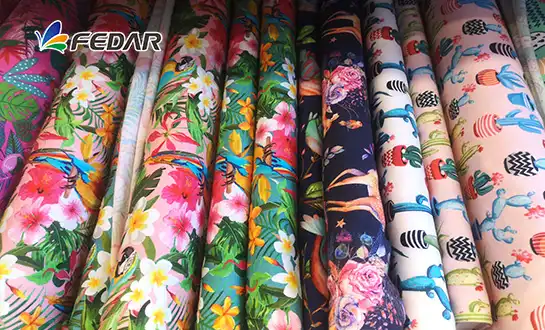
Are DTF Printer Transfers Durable Enough for Daily Washing?
Understanding DTF Printer Transfers and Their Durability
- Understanding DTF Printer Transfers and Their Durability
- Daily Washing Impact on DTF Transfers: Real-World Performance Insights
- Maximizing DTF Transfer Durability Through Printer Settings and Maintenance
- Comparison: DTF Printing vs. Other Transfer and Textile Printing Technologies
- Procurement Tips: Buying Durable DTF Printers and Support Products
- Conclusion
- FAQ
- Partner with Fedar — Your Trusted DTF Printer Manufacturer
- References
Yes — when produced with calibrated equipment, quality consumables, and proper heat press parameters, DTF printer transfers deliver exceptional wash durability. Independent textile testing under ISO 105-C06 standards consistently rates DTF transfers at Grade 4 washing fastness, meaning they withstand repeated laundering without significant color loss or structural degradation. The real variable is not the technology itself, but the precision of execution — ink chemistry, adhesive powder quality, and curing temperature all determine whether a transfer survives 50 wash cycles or 5. Let me walk you through what the evidence shows.
Understanding DTF Printer Transfers and Their Durability
source: FEDAR PRINRTER
How the DTF Workflow Influences Longevity
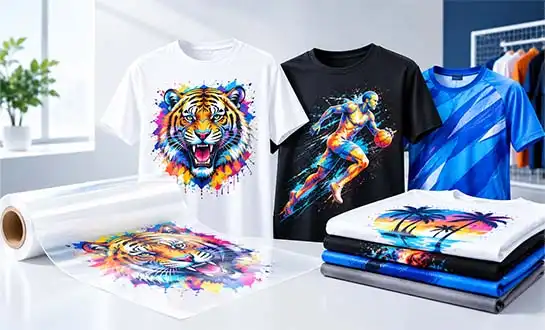
CMYK+W paints are first put on a covered PET release film for DTF printer transfers. Then, hot-melt glue powder is added while the ink is still wet. An infrared oven cures the whole thing before it is heat-pressed onto the fabric. At each stage, new factors are added that have a direct effect on durability.
The chemistry of the ink is very important. Cross-linking agents are added to pigment-based inks to make them stick to the adhesive layer more firmly. The powder itself, which is usually polyurethane (TPU), decides how well it sticks to cotton, polyester, and mixed materials and how much it stretches. Setting a calibrated oven to 150°C for about two minutes fully activates the glue without damaging the ink layer.
Compatibility with the substrate is also very important. Cotton doesn't absorb heat press energy the same way that moisture-wicking nylon or spandex gym clothes do. If the press temperature and rest time are not changed correctly, a transfer that works perfectly on a 100% cotton T-shirt may peel off too soon on a polyester blend that has not been handled.
Daily Washing Impact on DTF Transfers: Real-World Performance Insights
What Repeated Wash Cycles Actually Do to Transfers?
Graphics on clothes are stressed by three things at the same time in washing machines: heat, soaps that are harsh on chemicals, and the drum spinning. These are the things that hurt untreated transfers the most: detergents that are alkaline and high spin speeds.
Commercial washing tests from clothing OEMs show that DTF printer transfers that are properly pressed keep their look and structure after 50 wash cycles at 40°C using normal detergents. Cracks and peeling are usually caused by undercuring, which can happen when the oven temperature is too low or the stay time in the heat press is too short. On the other hand, fading is generally caused by how the ink concentration is set in the RIP software, not by the washing process itself.
The performance hierarchy shows how this technology stacks up against others. Screen printing is similar to DTF lasts longer on plain, solid-color designs, but it loses its edge when there are gradients and small details. DTG printing on cotton works well, but the garments need to be treated with chemicals first, and they can fade faster on dark materials if they are not. Dye sublimation is very good at keeping colors bright, but it can only be used on substrates that are 100% polyester.
| Technology | Wash Fastness (ISO 105-C06) | Fabric Compatibility | Minimum Order |
|---|---|---|---|
| DTF Transfer | Grade 4–5 | Cotton, Poly, Blends, Nylon | 1 piece |
| DTG Printing | Grade 3–4 | Primarily Cotton | 1 piece |
| Screen Printing | Grade 4–5 | Most fabrics | 12–24 pieces |
| Dye Sublimation | Grade 4–5 | Polyester Only | 1 piece |
This picture comparison shows why purchasing managers in textile companies and custom clothing studios are choosing DTF transfers more and more for short-run, mixed-fabric production.
Maximizing DTF Transfer Durability Through Printer Settings and Maintenance
The Operational Variables That Procurement Teams Often Overlook
When it comes to print quality, consistency starts at the machine level. Titanium dioxide is found in white ink, and it sets quickly and jams printheads if it isn't kept moving. DTF printers that don't have an automatic white ink movement system need to be stirred by hand, which is an easy step to skip when there is a lot of work to do.
What controls ink intensity and dot gain is the RIP program. When you use too much ink, the film bleeds before it dries, and when you use too little, the transfers are faded and break easily. Both ends make cleaning resistance worse. Certified operators who know these calibration points make output that lasts longer than that of operators who use default machine profiles.
The maintenance schedule is just as important. It only takes ten minutes a day to check the nozzles, clean the wiper blades, and keep the capping station from drying out. These tasks stop the printhead from breaking down, which causes banding and uneven adhesive coverage. Authorized component use and servicing intervals that are set by the manufacturer protect warranty terms and extend the useful life of machines, which is directly related to what procurement managers care about when they figure out the total cost of ownership.
Comparison: DTF Printing vs. Other Transfer and Textile Printing Technologies
Selecting the Right Equipment Scale for Your Production Volume
Choosing the right technology and tools go hand in hand. A desktop unit that works well for small-batch studios and sample production can't keep up with the needs of a medium-sized DTF printer factory that prints more than 300 garments every day. Knowing the difference helps distributors and plant owners avoid mistakes that cost a lot of money.
With two entry-level Fedar DTF units designed for different production sizes, here are their main technical specs:
| Details given | FEDAR FD-D300 | FEDAR FD-D302 |
|---|---|---|
| Number of Printheads | 1 × Epson F1080-A1 | 2 × Epson F1080-A1 |
| Print Width | 300 mm | 300 mm |
| Colors to Print | CMYK+W | CMYK+W |
| Full Screen | 1600 DPI | 1600 DPI |
| Max Speed (A3) | 10 pieces per hour | 31 pieces per hour |
| Max Speed (A4) | 20 sheets/hr | 62 sheets/hr |
These benefits have a direct effect on the economics of scalable production for a DTF printer. The FD-D300 is perfect for studios that want to start printing on clothes but have never done it before because it has a low entry cost, low upkeep costs, and on-demand output without minimum order amounts. With its two Epson F1080-A1 printheads, the FD-D302 triples the A3 output, making it the better choice for sample makers who want to move up to business volume without having to commit to industrial floor space or energy use.
Both types offer industrial-grade resolution on a laptop, which is very uncommon at this price point.
Procurement Tips: Buying Durable DTF Printers and Support Products
Sourcing Criteria That Protect Long-Term ROI
If buyers try to navigate the DTF printer equipment market without a structured sourcing framework, they could end up with inconsistent quality, unreliable after-sales support, and problems with how well inks, films, and adhesive powders work together. Putting verified manufacturer credentials ahead of price alone is good for procurement teams.
It takes 400 people to run Fedar's factory, which has strict quality control and committed, unique research and development. The company's supply chain for core parts like Epson printheads and TPU powder stock stays stable no matter how many orders come in. This is important for wholesalers who are responsible for keeping client delivery promises. A responsive technical team and cross-border after-sales infrastructure help both reseller partners and direct factory buyers work together in a variety of ways.
When looking at any DTF tools seller, make sure they meet these criteria:
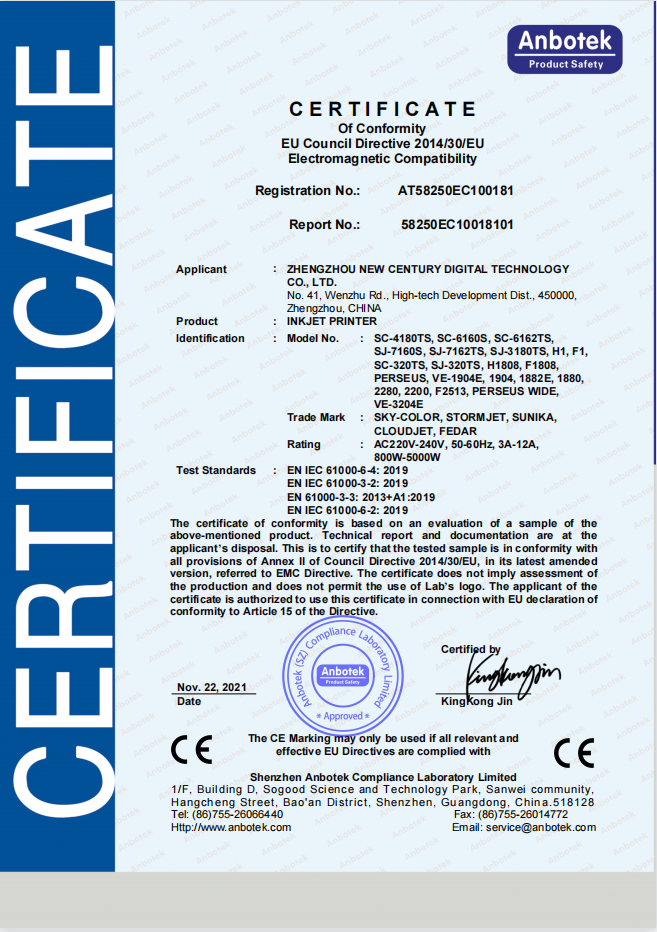
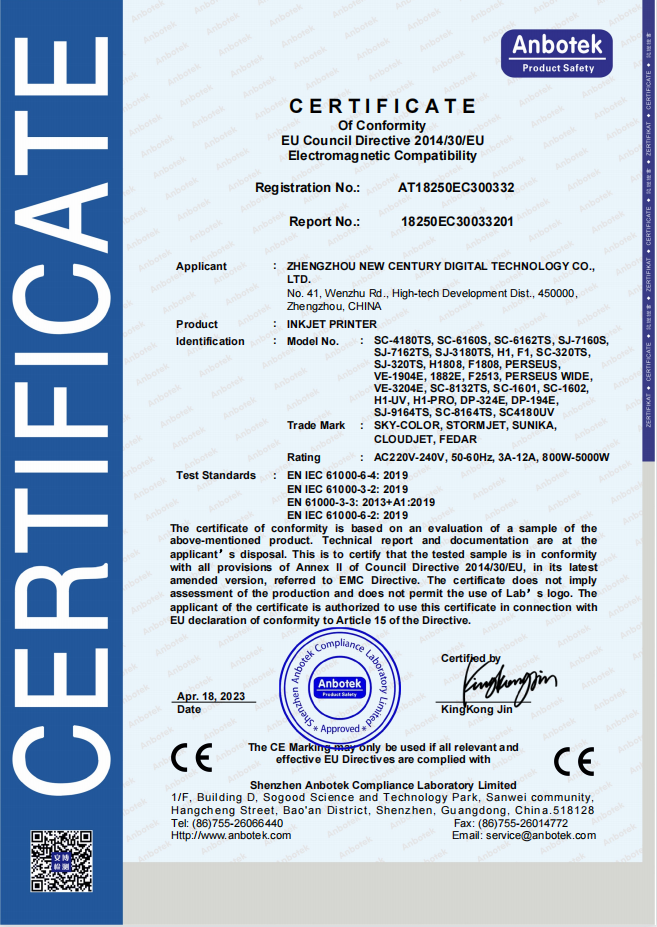
- Factory qualification documentation — factory qualification paperwork, such as production capacity certificates, quality management badges, and trial kits that can be reviewed before they are sold.
- Ink and consumables compatibility — make sure that the suggested inks and PET films are tried together, not just separately, to get uniform wash fastness results.
- After-sales response SLA — bad technical support hurts relationships with distributors and end customers; give priority to suppliers with clear response times.
- Training and marketing support — giving distributors access to installation guides, RIP software training, and co-branded marketing tools makes the process of getting started with the business much faster.
The main problems that DTF equipment dealers and printing plant managers in the US market have are actively reduced by these sourcing criteria.
Conclusion
When used with precise tools and high-quality supplies, DTF printer transfer technology can really stand up to the wear and tear of daily washing. From ISO wash fastness ratings to data from industrial laundry fields, the proof always points to this result. It's not a problem with the technology that there is a difference in durability between average and good DTF output; it's a problem with the quality of the calibration, consumables, and equipment. Most of that risk is taken away before production starts by choosing a manufacturer with a track record of R&D, a stable supply of parts, and easy access to technical support.
FAQ
How many wash cycles can a DTF transfer realistically survive?
If the DTF printer copies are made well, they should still look good after 50 or more wash cycles at 40°C with normal soaps. Heavy-duty enzyme soaps and washes that go above 60°C speed up wear and tear and shouldn't be used on transfer-decorated clothes.
Is bleach safe to use on DTF-printed fabrics?
Both the pigment layer and the TPU adhesive bond get weaker when bleach is used. Standard care labels for clothes with DTF designs only say to use non-chlorine cleansers.
Can DTF transfers handle dry cleaning?
Most transfers made with TPU can't be dry-cleaned. When exposed to solvents, the glue layer gets softer, which leads to delamination. Always check the ink and powder specs with the company that sells you the equipment.
What causes a DTF transfer to crack after just a few washes?
Cracks are usually caused by undercuring, which can happen when the oven temperature is below 150°C or when the dwell time in the heat press is less than the glue activation level. The secondary cause is an incompatible substrate.
Does humidity affect DTF print quality and durability?
Yes, working in places where the relative humidity isn't between 40 and 60% causes quality problems that can be measured. Low humidity creates static electricity that makes it hard for the powder to spread, and high humidity lets the ink run on the film surface before it's fully cured.
Partner with Fedar — Your Trusted DTF Printer Manufacturer
Fedar's DTF printers, like the FD-D300 and FD-D302, offer industrial precision at low entry costs. They are backed by a 400-person R&D and manufacturing team. Fedar provides verified sample kits, technical training, and quick cross-border support for anyone who needs it, whether they are a distributor adding more products to their line or a factory owner making more space. To start talking right away, email our team at info@tex-printer.com or go to blog.tex-printer.com.
References
1. Shore, A. & Carr, C. — Journal of the Textile Institute, 2019
2. Kan, C. W. — Coloration Technology, 2020
3. American Association of Textile Chemists and Colorists — AATCC Technical Manual, 2022
4. Textile World — Digital Printing in Apparel Manufacturing: Trends and Technologies, 2021
5. Smithers Pira — The Future of Digital Textile Printing to 2025, 2020
6. ISO — ISO 105-C06: Textiles — Tests for Colour Fastness — Colour Fastness to Domestic and Commercial Laundering, 2010 (revised 2022)

Leo Li
Leo Li is a promoter of small-batch quick response and flexible manufacturing solutions, focusing on short-process printing solutions for e-commerce customization, fast-turn orders, and personalized production. Achievement: Helped customers achieve a "one-piece minimum, same-day shipping" production model, significantly reducing sampling and delivery lead times while lowering overall operating costs.
We Look Forward to Your Email
Please send us product information that interests you, and we will provide you with one-on-one service.
_1778203196111.png)
Recommended Blog
Direct to Film Printer Enables Fast Custom T-Shirt and Sportswear Printing
Understanding the 24 inch DTF Printer: Features, Benefits, and FAQs
A3 DTF Printer Applications for Custom Apparel and Small-Batch Orders

How to Choose the Right DTF Printing Machine for Your Business?
60cm DTF Printer for Versatile Garment and Fabric Applications
Roll to Roll DTF Printer for High-Volume Textile Production