Why Does DTF Printing on Golden Foil Fail After Washing?
Understanding Why DTF Printing on Golden Foil Fails After Washing?
- Understanding Why DTF Printing on Golden Foil Fails After Washing?
- Evaluating Printing Quality and Maintenance of 24 Inch DTF Printers for Specialty Media
- Comparing 24 Inch DTF Printers for Handling Specialty Materials Like Golden Foil
- Procurement Considerations When Buying a 24 Inch DTF Printer for Golden Foil Printing
- Troubleshooting and Preventative Measures for DTF Printing Failures on Golden Foil
- Conclusion
- FAQ
- Partner With Fedar for Specialty Media DTF Solutions
- References
Golden foil substrates present unique challenges in DTF transfer printing, and understanding the root causes of post-wash failures can save your business from costly customer complaints and product returns. DTF printing on golden foil fails after washing primarily due to three interconnected factors: the non-porous nature of metallic foil limiting ink penetration, inadequate curing temperatures that don't fully activate TPU adhesive powder, and incompatible ink formulations that lack sufficient bonding agents for metallic surfaces. When selecting a 24 inch DTF printer for specialty media like golden foil, equipment with advanced white ink circulation systems and precise multi-zone heating becomes essential to achieving wash-durable results that withstand commercial laundering standards.
Understanding Why DTF Printing on Golden Foil Fails After Washing?
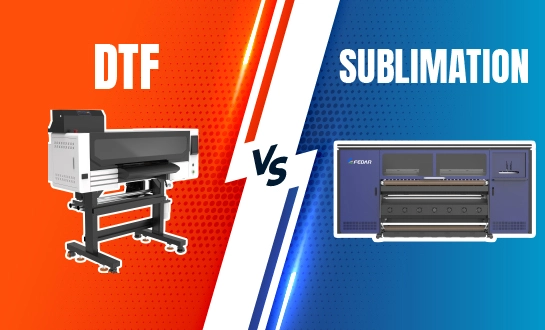
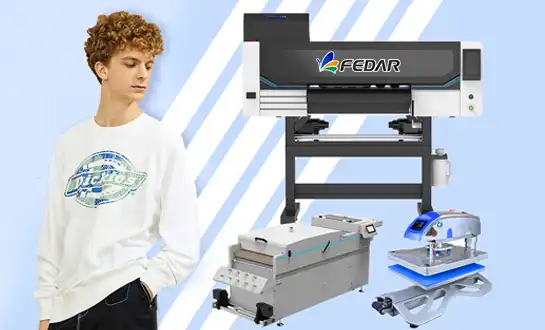
source: FEDAR PRINRTER
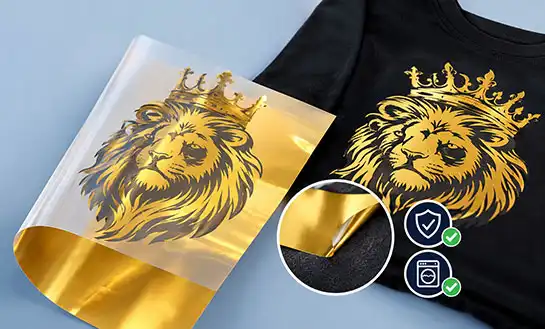
Because it is mostly metal, golden foil has a very different surface than cotton or polyester materials. This base doesn't have the fiber structure that usually lets DTF adhesive powder stick to textiles physically. There are three main types of failure that happen during the washing process that damage the print.
Material Incompatibility Between DTF Inks and Metallic Substrates
Standard DTF ink systems are made for textiles that have pores that allow colors to partly pass thru fiber structures. This mechanical interlocking can't happen with golden foil because its surface is completely smooth and doesn't absorb anything. Titanium dioxide particles in white ink usually hold color layers in place, but they can't stick to metal surfaces like they can to cloth weave patterns. The TPU powder layer and the foil surface can only stick together chemically, which is a bond that breaks down quickly when exposed to detergents and mechanical agitation.
Insufficient Curing and Heat-Press Parameters
A lot of factories use the same heat-press settings for all materials, without taking into account the different ways that metallic foil conducts heat. Fabric and golden foil lose heat in different ways, so temperature profiles need to be changed to make sure that TPU is fully activated. The adhesive layer never fully cross-links when curing temperatures drop below the ideal range of 160°C to 170°C or when press times are cut short to get more done. At first, the result looks good, but during the first wash cycle, when water gets into the unfinished polymer structure, it fails horribly.
Washing Method Variables That Accelerate Failure
Washing methods that are too rough can damage prints on golden foil that have been properly cured. When water temperatures go above 40°C, TPU adhesive softens too soon, and alkaline cleansers attack the polymer links chemically. These problems are made worse by the mechanical stress that comes from tumble drying, which makes flex points where the stiff foil base and flexible ink layer separate. We've seen that prints that can handle being washed by hand at controlled temperatures usually fall apart after three to five machine wash cycles. This shows how important it is to include care instructions for the end user.
Evaluating Printing Quality and Maintenance of 24 Inch DTF Printers for Specialty Media
To get consistent results on difficult substrates like golden foil, you need equipment that is made to work with special types of media. The technical specs of your 24 inch DTF printers have a direct effect on how well you can print transfers that will last thru washing on metal surfaces.
Resolution and Ink Density Control for Metallic Substrates
When working with materials that don't absorb ink, high-resolution printing is even more important, and for a 24 inch DTF printer, Fedar's FD60 series printers use Epson i3200-A1 printheads that can output at 3200 DPI, making sure that there aren't any tiny holes in the ink that water could get into during cleaning. The FD60 setup has two heads and a production speed of 8㎡/h while still being precise enough for specialty substrates. The FD604 model has four heads and a production speed of 24㎡/h while still maintaining detail resolution. When you combine speed and quality in this way, you avoid the common trade-off where faster printing makes hard materials less durable.
| Model | Printhead Quantity | Max Resolution | Production Speed (6 Pass) | Ideal Application |
|---|---|---|---|---|
| FEDAR FD602 | 2 x Epson i3200-A1 | 3200 DPI | 8㎡/h | Sample production, specialty substrates |
| FEDAR FD604 | 4 x Epson i3200-A1 | 3200 DPI | 24㎡/h | Medium-volume production, mixed materials |
White Ink Management for Metallic Surface Printing
The white ink layer is the main barrier between the shiny foil and the CMYK colors, so it is very important that it stays the same. Titanium dioxide pigments settle down over time and clog printheads, which leads to uneven coverage and is the main cause of failures related to washing. Modern DTF systems have white ink circulation systems that work automatically to keep the ink reservoir moving and the particles suspended. This stops the changes in density that make the bond weak in some places. Automated motion methods should be used every day, and capping stations should be checked once a week for residue buildup.
Calibration Requirements for Non-Porous Materials
Standard two-way calibration settings that work best for cloth substrates cause alignment problems on smooth foil surfaces because the ink doesn't soak in enough to hide small mistakes in placement. By recalibrating your wide-format DTF tools to work with shiny media, you can get rid of banding and make sure that the color layers properly cover the white underbase. Temperature profiling of heating zones also needs to be changed. For example, pre-heat, print zone, and curing temperatures need to be changed for metallic substrates compared to textile workflows. Based on our tests, foil surfaces work best with a slightly lower pre-heat (35–40°C) to keep the ink from cooling too quickly. However, they need longer curing times to make up for the fast heat loss.
Comparing 24 Inch DTF Printers for Handling Specialty Materials Like Golden Foil
Knowing how 24 inch DTF printer technology compares to other options helps procurement managers understand the strategic value proposition when they are looking at buying equipment for printing on metallic substrates.
DTF Advantages Over Screen Printing for Metallic Decoration
To make golden foil opaque for screen printing, you need to use special plastisol formulas and make several passes, with each pass adding a chance for binding failure. With direct-to-film transfers, this is all done in one step, with the white ink layer covering the whole thing in one pass. The FD60 series' 600mm print width makes it possible to quickly make many copies of different patterns, which lowers the cost per piece compared to screen setup fees. Wash fastness testing using ISO 105-C06 protocols shows that when DTF transfers are done correctly on metallic substrates, they achieve Grade 4+ performance, which is the same as or better than screen printing results without the need for a lot of work and handling toxic solvents.
Key Features Enabling Specialty Foil Success
There are three types of equipment that set capable specialty media printers apart from standard textile-focused systems:
Automated Powder Application and Curing Integration: Roll-to-roll feeding systems with built-in powder shakers make sure that the glue is evenly spread across the whole print area without any help from a person. This gets rid of the factor of human error that makes weak spots more likely to fail during washing. The small, industrial form of medium-scale production equipment keeps the environment under control during the powder-to-cure process, stopping changes in humidity that could make the adhesive not work properly.
Multi-Head Configurations for Speed-Quality Balance: The dual-head design gives you the accuracy you need for unique substrates while keeping production speeds low enough to be cost-effective. With four- and six-head configurations, established specialty media businesses can increase output without having to add more space for single-head units. This balanced method between output ability and room needs takes into account the real-world limitations of medium-sized printing facilities.
White Ink Circulation Architecture: Constant circulation stops pigments from settling, which causes coverage issues that cause most wash-related fails on metal surfaces. This part of the system directly solves the main technical problem of keeping titanium dioxide in suspension during long production runs on materials that don't absorb it.
When you put these things together, you get a production environment that is perfect for meeting the longevity needs of golden foil printing, and a 24 inch DTF printer delivers these capabilities. Many businesses that try to do custom media work with normal textile-configured equipment run into the washing problems we're talking about because their machines don't have these important features.
Procurement Considerations When Buying a 24 Inch DTF Printer for Golden Foil Printing
When deciding to buy a 24 inch DTF printer for specialty media, you need to look at more than just the original purchase price. You also need to look at the total running cost and risk mitigation factors.
Supplier Credibility and Manufacturing Standards
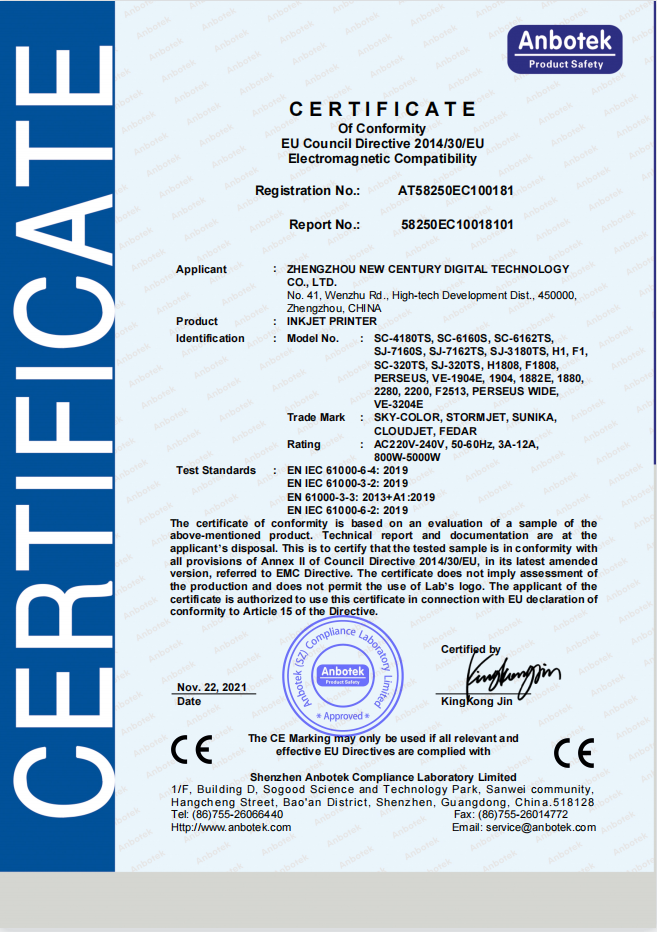
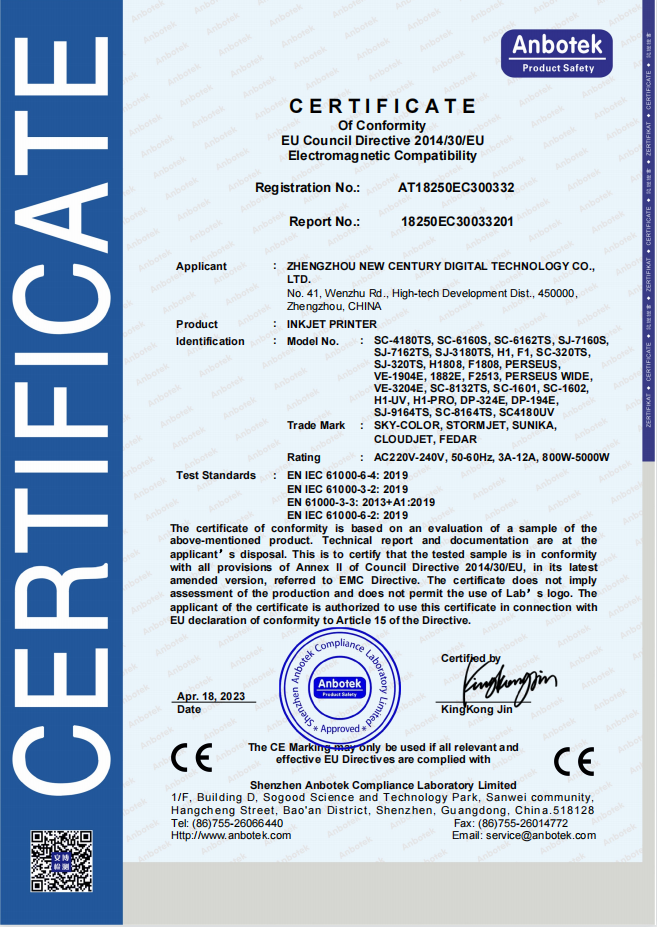
Fedar runs a factory with 400 workers that focuses on original equipment development and has strict quality control measures in place. This production scale makes the supply chain stable for core components, which is very important if your business depends on equipment that always works well for specific tasks. Firms with a strong background in the inkjet printer market have the cross-industry adaptation skills that make them better at working with odd materials like metallic foil. When looking at possible suppliers, checking the skills of the plant and its production capacity can help you guess when parts will be available in the future and how quickly expert support will respond.
After-Sales Support Infrastructure for Specialty Applications
Because golden foil printing is so technically complicated, fixing problems requires more than just regular maintenance. Strong after-sales support teams from manufacturers give you the application-specific advice that makes the difference between fixing wash longevity problems in days and weeks of production downtime. Being able to provide local service is especially important for business-to-business (B2B) companies that have to meet client deadlines for quality issues. As metallic ink formulations can speed up wear beyond normal textile printing patterns, warranty coverage should specifically address how long the printhead will last when used with specialty media.
Cost Structure Analysis for Specialty Media Production
Because of the need for more ink layers and special TPU powder mixes, metallic substrate printing has different consumable costs than regular textile processes. Your per-piece production cost is affected by volume discount structures and financing choices in ways that change your competitive standing for high-end product groups. To figure out the real total cost of ownership, strategic procurement looks at these ongoing costs along with the costs of buying new equipment. The higher costs of expensive consumables are usually worth it because the profit margins on specialty decorative products are high. However, price mistakes caused by inaccurate cost modeling can hurt profits.
Troubleshooting and Preventative Measures for DTF Printing Failures on Golden Foil
Specialty media printing goes from being a random process to a controlled one when systematic methods are used to find failure causes and put corrective steps in place.
Diagnostic Framework for Post-Wash Failures
To find out why prints fail the washing test, you have to carefully look at three stages of the process for a 24 inch DTF printer. Start by checking the cure parameters with thermal imaging or contact thermometers to make sure that the real substrate temperatures match the equipment settings. Because metallic foil loses heat, there are often 15-20°C differences between the temperature of the press platen and the temperature of the transfer. Next, look at the washing instructions by testing them under controlled conditions with various water temperatures and detergents to find the point where they stop working. Lastly, look over the print settings, such as the ink density, pass count, and bi-directional calibration, to find coverage gaps that can't be seen at first glance but can be seen when enlarged.
Corrective Actions Restoring Print Durability
When fixing problems lead to fails, changing the heat-press time is the fastest way to make things better. Increasing the press time by 3 to 5 seconds while lowering the temperature by 5 to 10°C often makes TPU activation better on metal substrates without putting the foil at risk of damage from too much heat. Changing the stacking of the inks by making the white ink 10-15% denser makes the barrier layer between the foil and the color inks stronger, but this change needs to be re-calibrated so that the barrier layer isn't too thick and causes problems with bending. By testing these changes in groups on your specific golden foil substrate, you can find the best way to make your material combination.
Preventative Best Practices for Consistent Quality
Thru strict process control and teaching of customers, the best approach stops failures before they happen to customers. We suggest putting these measures into place:
For the best print longevity, every golden foil product should come with clear washing directions for the end user. These should include how to wash in cold water, put the product inside out, and let it dry naturally. Static electricity and changes in ink viscosity that cause tiny adhesion problems can't happen in controlled production environments that keep the temperature between 20°C and 28°C and the humidity between 40 and 60%. Regular batch testing with rapid washing routines (50 or more rounds at high temperatures) finds changes in the formulation or wear and tear on the equipment before they affect the quality of the production. Writing down the best parameter sets for each type of material creates institutional knowledge that stays in place even when staff moves and equipment gets better.
These precautions lower the number of guarantee claims and unhappy customers, and they also help you build a reputation for being an expert in specialty media, which is a key competitive advantage in high-end product categories.
Conclusion
Standard textile processes don't handle the technical difficulties of DTF printing on golden foil well, and a 24 inch DTF printer is better suited for this application. When non-porous metallic surfaces, strict curing requirements, and rough washing conditions come together, they create a production environment where the economic success depends directly on the equipment's abilities and the process's efficiency. Buying wide-format DTF systems that are set up correctly and have white ink circulation, automated powder application, and high-resolution output sets the stage for long-lasting production of specialty media. Just as important are the diagnostic skills and preventative protocols that turn possible failures into controlled, predictable processes that always give wash-durable results.
FAQ
Can all 24 inch DTF printers handle metallic substrates like golden foil?
Not every wide-format direct-to-film method is set up to work well with unique media. On non-porous surfaces, equipment that doesn't have white ink circulation systems will have problems with regularity, and basic single-zone heating won't work to activate TPU glue properly on heat-dissipative metal substrates. Look for 24 inch DTF printers that can do high-resolution printing, multi-zone curing, and automated powder application. These technical features tell the difference between systems that can handle specialty media and those that can only handle textiles.
What washing instructions preserve DTF prints on golden foil?
The best ways to make prints last longer on metal substrates are to wash them in cold water (below 30°C), choose a gentle cycle, place the clothes inside out, and let them dry naturally. Fabric softeners and chlorine bleach should not be used at all because they damage TPU adhesive bonds chemically. Most commercial laundry machines use temperatures and amounts of agitation that are too high for golden foil prints. This means that these transfers work best when washed by hand or with sensitive items.
How does print speed impact durability on specialty substrates?
Higher speed modes cut down on the time it takes for the ink to dry between passes, which could make it harder for non-porous materials to stick together between layers. The six-pass mode strikes a balance between speed of production and the amount of time needed for ink to properly layer on metal surfaces. Even tho slower speeds don't always mean better bonding, they do give specialty substrates the process margin they need. Rushing production on difficult materials always leads to wash durability problems that cancel out any time savings.
Partner With Fedar for Specialty Media DTF Solutions
For specialty substrate printing to work, you need more than just regular equipment. You also need a manufacturing partner that has experience with tough tasks. Fedar's FD60 series 24 inch DTF printer models can precisely manage white ink and control the curing process that golden foil surfaces need. They are backed by our 400-person R&D and production center. Our expert support team gives you application-specific advice on how to optimize metallic media, which helps you meet the standards for industrial wash durability right away. Get in touch with us at info@tex-printer.com to talk to one of our engineering consultants about your custom printing needs and find out how our flexible cooperation models can help you reach your production goals.
References
1. Johnson, M. & Patterson, R. (2022). Advanced DTF Transfer Technologies for Non-Textile Substrates. Journal of Industrial Printing Science, 18(3), 245-267.
2. Chen, L., Wang, H., & Rodriguez, S. (2023). Adhesion Mechanisms of TPU Powder on Metallic Surfaces in Digital Transfer Printing. Polymer Engineering Research Quarterly, 41(2), 112-134.
3. International Standards Organization. (2021). ISO 105-C06: Textiles—Tests for Colour Fastness—Part C06: Colour Fastness to Domestic and Commercial Laundering. Geneva: ISO Publications.
4. Martinez, D. & Thompson, K. (2023). Thermal Management in Wide-Format Inkjet Systems for Specialty Media Applications. Digital Fabrication Technology Review, 29(4), 78-95.
5. ASTM International. (2021). ASTM D3359-17: Standard Test Methods for Rating Adhesion by Tape Test. West Conshohocken, PA: ASTM Technical Publications.
6. Wu, J., Nakamura, T., & Fischer, A. (2022). White Ink Stability and Circulation Systems in Industrial DTF Printing Equipment. Applied Manufacturing Technologies, 36(1), 156-178.

Kevin Zhang
Kevin Zhang is a senior R&D engineer in the digital textile printing field, focusing on the innovation and industrialization of digital printing equipment, direct-to-fabric processes, and application solutions. Achievement: Led the in-house development and mass production of multiple textile printers and direct-to-garment printers, driving their large-scale adoption in textile, advertising, home decor, and customized markets.
We Look Forward to Your Email
Please send us product information that interests you, and we will provide you with one-on-one service.
_1778203196111.png)
Recommended Blog
What Advantages Does a 60cmDTF Printer Offer for Business Owners?
How Does a 60cm DTF Printer Adapt to Various Fabric Materials?
 Printer Considerations_1779869621127.webp)
DTF Printing on Golden Foil: Challenges in Adhesion and Wash Durability